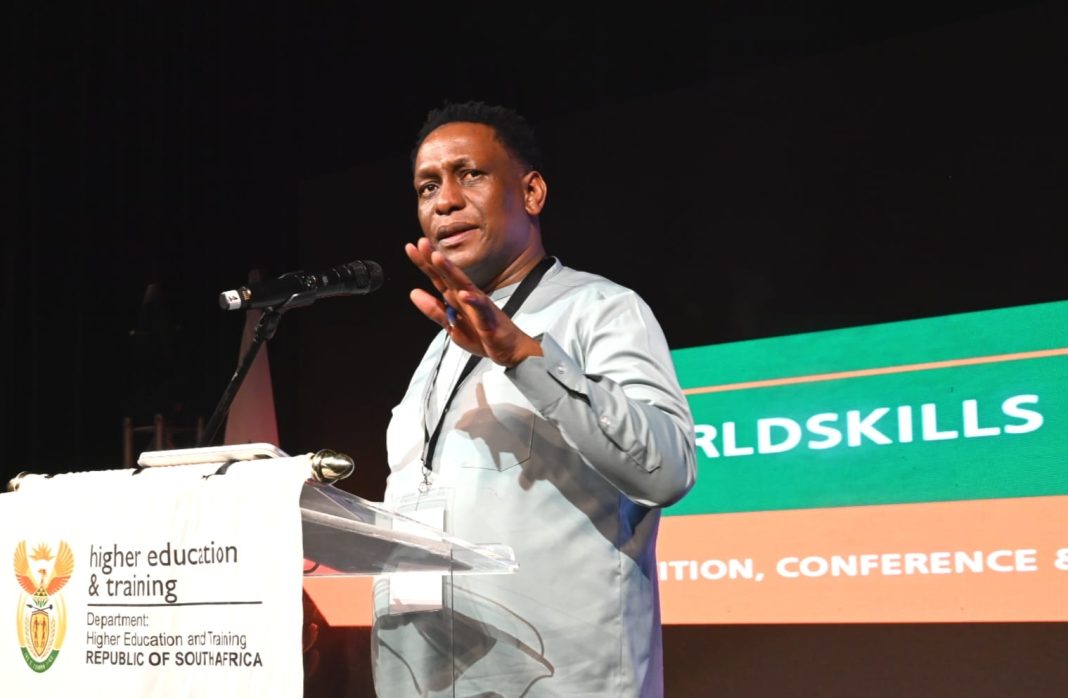

By Thapelo Molefe
South Africa’s persistent skills shortage and high number of young people not in employment, education, or training remain a major obstacle to economic growth, Deputy Minister of Higher Education and Training Nomusa Dube-Ncube said on Monday.
Delivering the keynote address at the WorldSkills South Africa Conference on the sidelines of the national skills competition at the Durban International Convention Centre, Dube-Ncube said expanding artisan development and apprenticeships is critical to addressing the country’s widening skills gap.
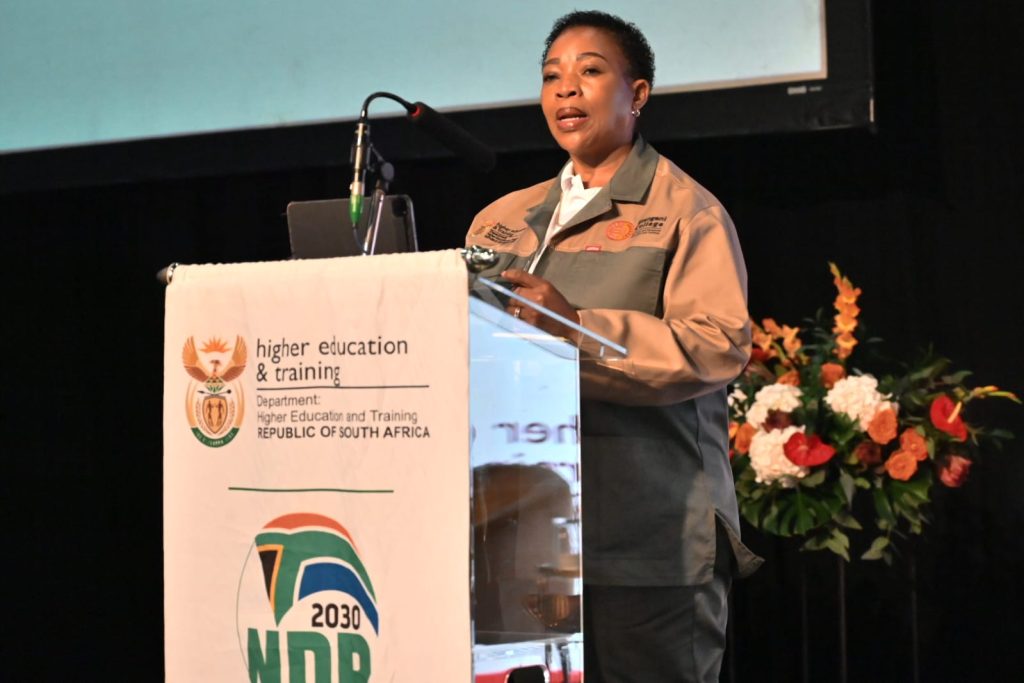
“It is disheartening that the number of young people not in education, employment or training is still high in our country,” she said.
The conference, held under the theme WorldSkills and Skills revolution: Raising the bar for South Africa, brings together policymakers, industry leaders, training institutions and international partners to discuss strengthening vocational education and artisan development.
Dube-Ncube said the country must urgently align skills development with economic priorities such as industrialisation, the green economy and the fourth industrial revolution (4IR).
ALSO READ: Vodacom invests R2m in Daveyton special needs school
“As the Department of Higher Education and Training, we continue to emphasise that artisan development is part of a wider ecosystem linked to industrial strategy, the green economy and the 4IR revolution,” she said.
She stressed that the skills gap is not limited to unemployed youth but also affects workers seeking to upgrade their qualifications or shift careers.
“Many adults are looking for new skills to advance in their current job or transition to a new career pathway,” she said.
Government has introduced several interventions through Sector Education and Training Authorities (SETAs), Technical and Vocational Education and Training (TVET) colleges and Community Education and Training (CET) colleges to expand access to training opportunities.
However, Dube-Ncube said stronger collaboration between government, training providers, labour organisations and employers is needed to ensure the system responds effectively to labour market demands.
“I believe it is vital that skills development providers, policy makers, labour organisations, community based groups and employers engage in open and honest discussions about what works and what needs to be improved in the apprenticeship and artisan development system,” she said.
She also highlighted the role of WorldSkills South Africa competitions in improving vocational training standards and promoting excellence among young artisans.
“I must recognise the contributions of WorldSkills South Africa, using competitions as a progressive platform for elevating standards, inspiring excellence and modernising the TVET sector in ways that are on par with international practices,” she said.
Dube-Ncube pointed to the establishment of the WorldSkills South Africa Academy as an example of how vocational training can be strengthened through innovation and partnerships.
“The academy stands as a model for what vocational skills development can look like when ambition meets execution,” she said.
She also called for greater employer participation in apprenticeship programmes, noting that industry involvement is essential for strengthening the country’s technical training system.
“South Africa needs more employers to participate in the apprenticeship development system,” she said.
ALSO READ: Government targets stronger artisan pipeline
Delegates at the conference include representatives from government departments, organised labour, business and international partners from countries.
Dube-Ncube said the discussions at the conference would help shape future policy and strengthen the country’s skills development ecosystem.
“The future of our workforce and indeed our country’s competitiveness depends on the strength of the partnerships we build and the ideas we generate here today,” she said.