


Staff Reporter
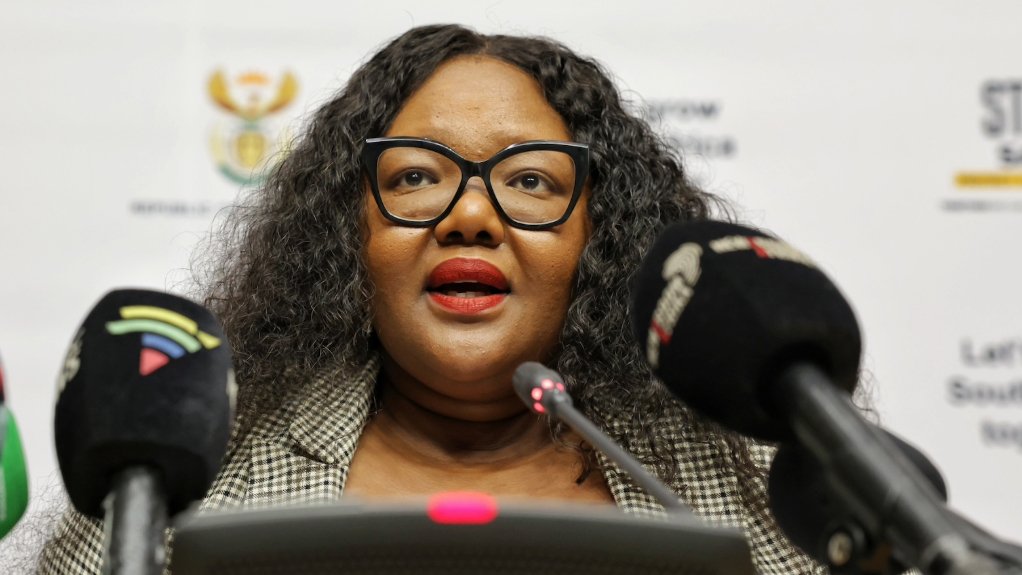
Basic Education Minister Siviwe Gwarube has extended by 30 days the public comment period on the proposed new History curriculum for Grades 4 to 12, after the draft overhaul triggered debate over whether it could narrow perspectives and politicise what pupils are taught.
In a statement issued on Sunday, the Department of Basic Education said the initial 30-day comment period, which had been due to close on 19 April, would now run until 19 May.
“The Minister of Basic Education, Ms Siviwe Gwarube, has decided to extend by 30 days the public comment period on the draft History Curriculum and Assessment Policy Statements (CAPS) for Grades 4 to 12 due to the public interest this has garnered,” the department said.
It said the decision showed that “there are no preconceived outcomes of this process” and that “public voices will shape the final product that will be produced”.
The department said the extension was granted “in the interests of broadening participation and ensuring that as many voices as possible are heard in a matter of national importance”.
The proposed curriculum has become controversial because critics say its stronger Africa-centred approach could sideline major global historical themes and lower academic standards, while supporters and the department say it is meant to broaden historical understanding rather than erase other perspectives.
Inside Education previously reported that education academic Jonathan Jansen described the proposed overhaul as “anti-intellectual and soul-deadening”.
Concerns have also centred on reports that the draft shifts emphasis away from anchor topics such as the US civil rights movement and the French Revolution in favour of more Africa-focused content.
The department has said the review process has been under way since 2019, when a ministerial task team was appointed to develop a new curriculum.
Provincial consultations were later held across all nine provinces in 2023 and 2024 before the draft was presented to Parliament’s portfolio committee, departmental structures, HEDCOM and the Council of Education Ministers, and then published for public comment in March.
Gwarube has also publicly pushed back against “misinformation” around the draft, saying the final curriculum should be balanced and should not be driven by ideology.
“Our History curriculum should not exclude key events or perspectives on political grounds, nor should it impose any particular ideology on learners,” she said earlier this week.
In Sunday’s statement, the department said it remained committed to a final curriculum that helps learners “think critically, engage evidence seriously, appreciate multiple perspectives, and develop a fuller understanding of South Africa’s past in relation to the wider world”.
INSIDE EDUCATION