
By Johnathan Paoli
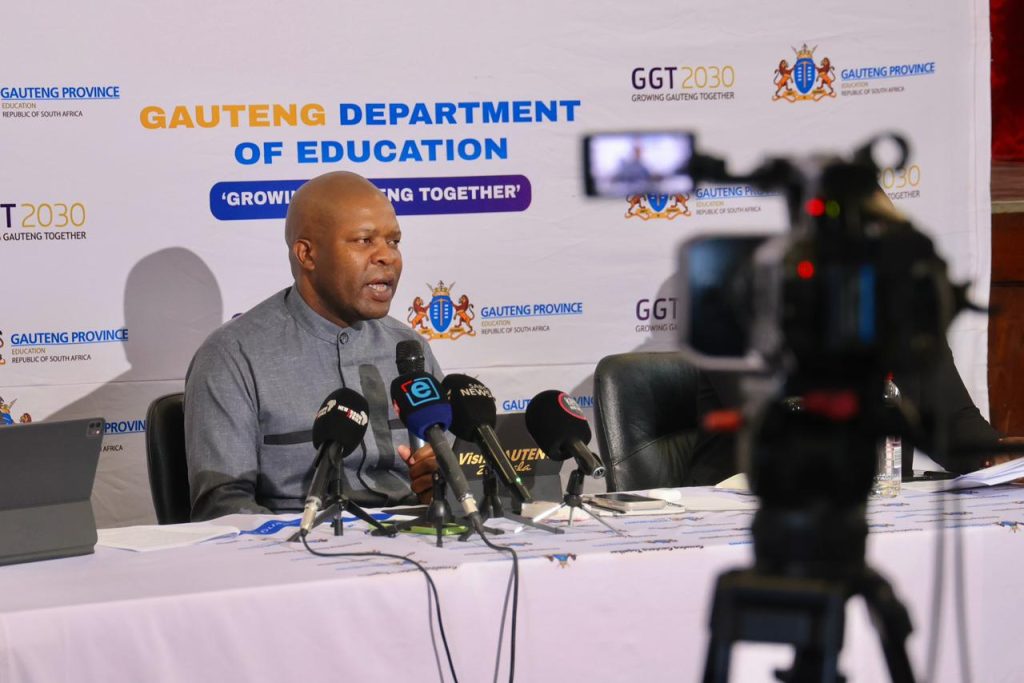
Gauteng Education MEC Lebogang Maile has announced the review of the department’s decentralised management model used in public schools following mounting debt to municipalities, widespread billing disputes and disruptions to teaching caused by water and electricity cut-offs.
In a press briefing at Lyndhurst Primary School in Johannesburg on Sunday, Maile maintained that despite the potential benefits that decentralisation could provide to the province, it has become inevitably necessary to review the model.
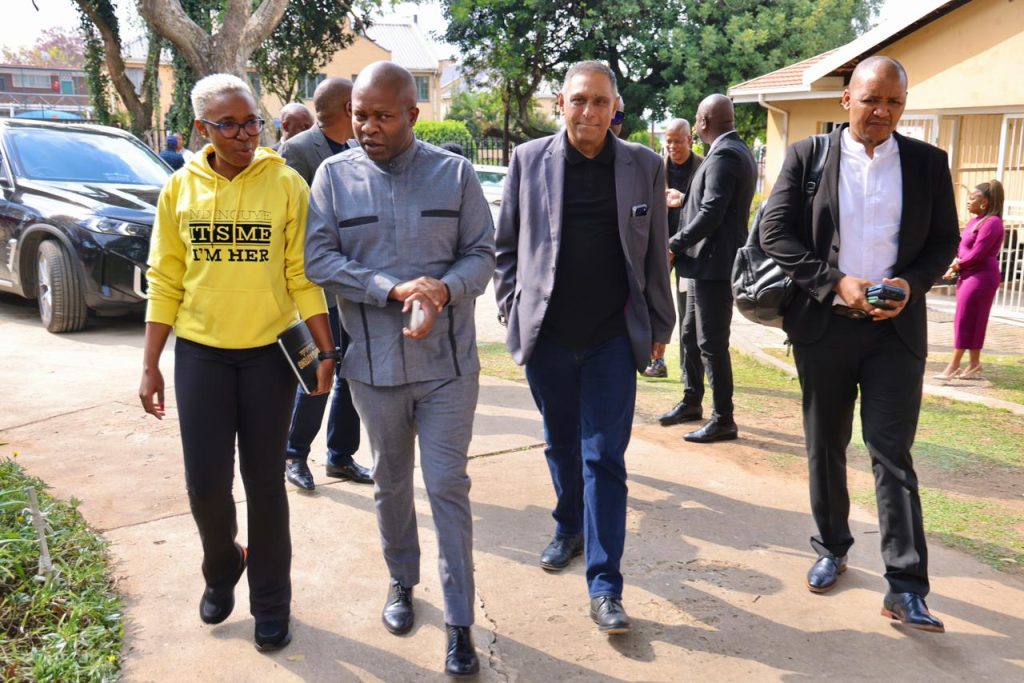
“For this reason, we are reviewing the de-centralisation model. This has been made necessary by the impediments that it has posed, particularly as it pertains to challenges with financial management and sound governance, which result in the non-payment of municipal services,” Maile said.
Maile outlined the growing financial and infrastructure pressures facing Gauteng’s education system, warning that rapid in-migration, overcrowding and ageing infrastructure were threatening the sustainability of basic education in the province.
ALSO READ: Advtech group announces a new era as IIE Rosebank College renamed Rosebank International
This follows a ruling by the North Gauteng High Court earlier in the month that schools could not have their electricity disconnected over unpaid municipal property rates, ordering Tshwane to immediately restore power to affected schools and prohibiting future disconnections.
Maile welcomed the judgment, saying it reaffirmed education as a constitutionally protected right that should not be interrupted because of financial disputes.
He acknowledged, however, that municipalities themselves were under severe financial strain due to poor revenue collection, rising debt and the broader cost-of-living crisis affecting households and businesses.
Maile said Gauteng’s public school system had expanded dramatically since 1994, with learner numbers increasing from about 1.4 million in 1995 to double that, or 2.8 million, in 2026.
Although the provincial education infrastructure budget had grown from R1.63 billion in 2021/22 to R2.84 billion in 2025/26, he said the increase remained insufficient to meet infrastructure backlogs, maintenance needs and the impact of inflation.
Maile also highlighted the province’s unique challenges, including schools built on dolomitic land, which require costly specialised engineering and foundation designs.
ALSO READ: Varsities take dental technicians council to court over training impasse
The MEC provided a detailed overview of municipal debt owed by Gauteng schools.
According to the provincial government, schools owe municipalities nearly R584 million for accounts older than 60 days, while debt to Eskom stands at R6.32 million.
The largest share of municipal debt is owed to the City of Johannesburg at R390.71 million, followed by the City of Ekurhuleni at R75.14 million and Tshwane at R51.7 million.
Maile said part of the problem stemmed from estimated billing and schools being under-billed initially before municipalities later applied revised charges based on actual meter readings.
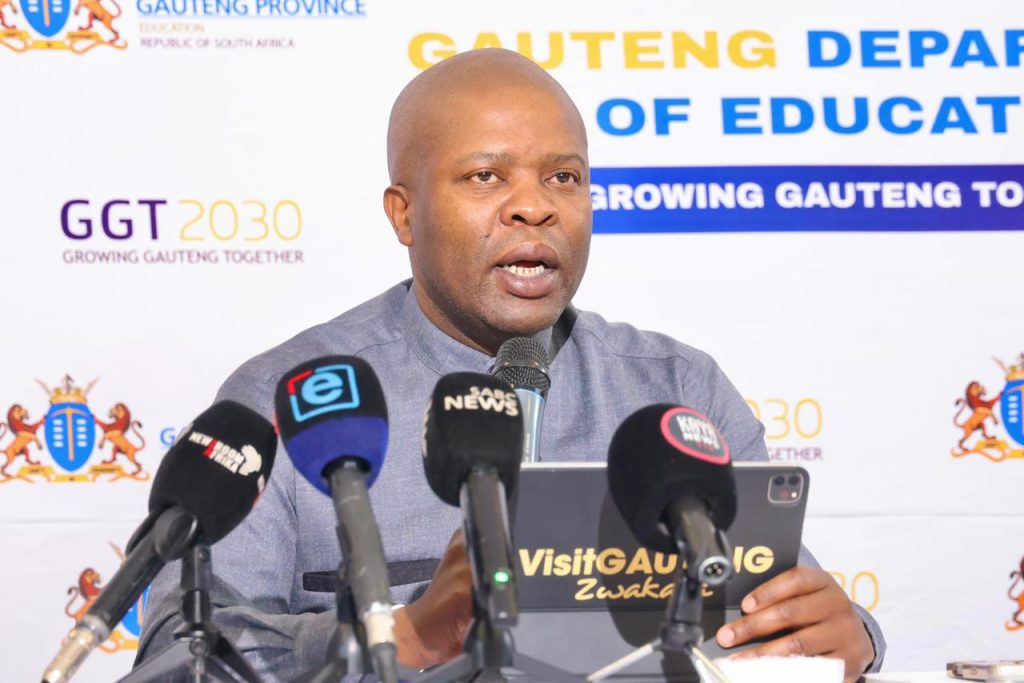
“In some cases, schools have been significantly impacted by inflationary pressures that are not of their own doing. In these instances, there has been a misalignment between increases in municipal tariffs and the annual incremental allocations provided to schools in terms of the National Norms and Standards for School Funding that is issued in terms of Section 35 of the South African Schools Act (SASA),” the MEC said.
He said schools had struggled to absorb sharp tariff increases that exceeded annual state funding allocations.
The MEC said the decentralisation model, introduced mainly for Section 21 schools, transferred responsibility for paying municipal services from the Gauteng Department of Education to individual schools and their School Governing Bodies.
He said the system was intended to promote financial autonomy, accountability and faster decision-making at school level, allowing schools greater flexibility in procurement and resource allocation.
However, Maile admitted the model had also produced serious unintended consequences, particularly for no-fee and low-income schools.
Among the challenges identified were rising municipal debt, weak financial management capacity among some School Governing Bodies, disputes over historical debt, and interruptions to teaching and learning caused by electricity and water disconnections.
He said some schools had inherited debt accumulated before decentralisation was implemented, while others were struggling with escalating operational costs and inadequate funding.
ALSO READ: Amajimbos team named ahead of U17 Afcon in Morocco
Maile said his department is now reassessing the decentralisation approach and consulting stakeholders on reforms aimed at strengthening governance, improving financial management and protecting teaching and learning from service disruptions.
He said schools should ultimately focus on delivering quality education rather than becoming overwhelmed by administrative and financial burdens.
He added that the provincial government would continue engaging municipalities through intergovernmental structures to ensure compliance with the High Court ruling and assist schools contesting billing disputes.
“Residents of Gauteng must recognise that schools are properties of their communities. Above all, education is a social responsibility and a public good. We all need to play our part in strengthening the education ecosystem in our province – it is in our collective interest,” Maile said.