
By Lebone Rodah Mosima
The South African Union of Students (SAUS) has accused the National Student Financial Aid Scheme of pushing thousands of students into hunger, uncertainty and possible eviction after freezing allowances for more than 12,000 beneficiaries while the scheme is under administration.
SAUS said this week that students across the country had been placed under “Gap Investigation” (verification) despite having qualified for NSFAS funding.
“At the verge of tests and final examinations, thousands of students have not received their meal allowances from NSFAS, accommodation allowances have not been paid to landlords.”
The union said the delays had subjected students to hunger, uncertainty, psychological distress and the risk of eviction from accommodation providers nationwide.
It said it was unacceptable that students were expected to prepare for examinations under “inhumane and unstable conditions”.
SAUS said it had consistently warned about the dangers of instability at NSFAS while the scheme was under administration.
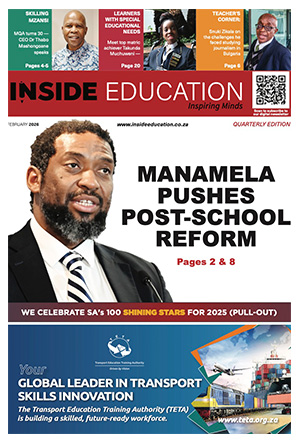
NSFAS was placed under administration by Higher Education and Training Minister Buti Manamela earlier this month after what he said was governance instability, legal concerns and operational weaknesses at the scheme.
At the time, Manamela said the intervention was intended to protect continuity, including student funding, allowances and appeals.
“To date, there remains uncertainty regarding lines of accountability and communication within NSFAS,” the union said.
“We are equally alarmed by the growing number of students being defunded by NSFAS while appeals processes were resolved and students were provisionally funded.”
It also warned that the higher education sector could continue to face serious consequences linked to the so-called “close-out project”, where SAUS says qualifying students risk being unable to graduate or obtain their qualifications because of historical and administrative debt.
“This is a serious threat to student success and academic progression,” the union said.
SAUS called on NSFAS to unfreeze all meal and accommodation allowances for affected students, settle all outstanding payments owed to landlords, and improve governance and leadership structures to ensure accountability and effective communication with stakeholders.
It also called for the urgent finalisation and approval of the 2026 NSFAS funding guidelines.
The union further demanded that meal allowances be increased beyond the current R1,650 threshold, that NSFAS funding be urgently reinstated for all defunded students, and that tuition shortfalls owed to institutions be settled to prevent unfair debt accumulation and exclusion.
“SAUS will continue to defend the rights and dignity of students and will not fold its arms while poor and working-class students are subjected to suffering due to administrative failures and sponsored instability within NSFAS,” it said.
The Portfolio Committee on Higher Education and Training postponed a scheduled meeting with Manamela on Tuesday.
It said the meeting was postponed because the department had not submitted its presentation to the committee. Committee chairperson Tebogo Letsie said the committee had expected Manamela to brief MPs on his decision to place NSFAS under administration, but the department’s non-submission had made the meeting impossible.
Manamela’s office, however, said the postponement occurred in the context of urgent litigation proceedings instituted by former NSFAS board members relating to the decision to place NSFAS under administration, as well as related legal and procedural processes.
Manamela said he remained “fully committed to parliamentary accountability and will continue engaging the Portfolio Committee appropriately and constructively, including on a suitable future date to be agreed upon with the Committee.”
He also reiterated that all decisions regarding NSFAS had been aimed at protecting student funding continuity, restoring governance stability, strengthening accountability, and safeguarding the long-term integrity and sustainability of NSFAS as a public institution serving poor and working-class students.