


Staff Reporter
Stronger partnerships with business, civil society and development organisations are needed to ensure menstruation does not prevent girls from attending school or participating fully in education.
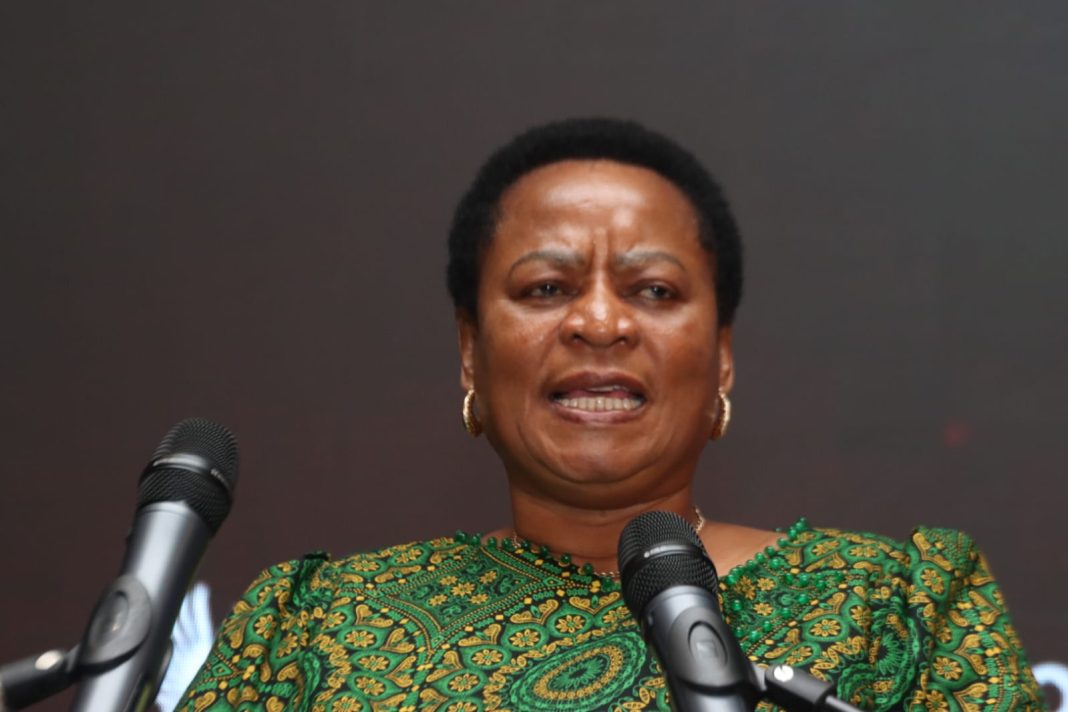
This was according to Deputy Minister of Basic Education Dr Reginah Mhaule, who made the remarks at the Menstrual Hygiene Gala Dinner this weekend.
“Menstrual dignity is fundamentally linked to educational access, learner wellbeing and gender equality. By working together, we are not only addressing immediate needs but also creating conditions that enable young women and girls to participate fully in education and realise their potential,” she said.
Mhaule said no girl learner should be denied “her right to education, dignity and opportunity as a result of menstruation”.
The event recognised the role of partners including the Development Bank of Southern Africa, Premier FMCG, Lil-Lets, the Baithudi Mampane Foundation, UNICEF, the AIDS Healthcare Foundation, provincial education departments, development partners and civil society organisations in supporting access to menstrual hygiene products and services for learners.
“Achieving menstrual dignity is not a responsibility that government can fulfil alone. The progress we are witnessing today is a direct result of meaningful collaboration between government, business, civil society and development partners who have committed themselves to ensuring that every girl learner can attend school with confidence, dignity and pride,” said Mhaule.
The department said the Sanitary Dignity Programme and related interventions had helped expand access to menstrual hygiene products, support awareness and advocacy initiatives, reduce stigma, and create safer and more supportive learning environments for girls.
Mhaule said the event reflected a national commitment to tackling period poverty and keeping menstrual health within efforts to improve learner wellbeing, educational outcomes and gender equality.
“The future looks bright for this important government-led initiative. The strength of the partnerships that have been forged demonstrates what is possible when the public and private sectors work together in pursuit of a common goal. Together, we are moving closer to a South Africa where menstrual dignity is a lived reality for every girl learner.”
The department said it remained encouraged by the momentum built through these partnerships and was confident that continued collaboration would accelerate progress towards universal access to menstrual health and hygiene support in schools.
INSIDE EDUCATION