
By Thebe Mabanga
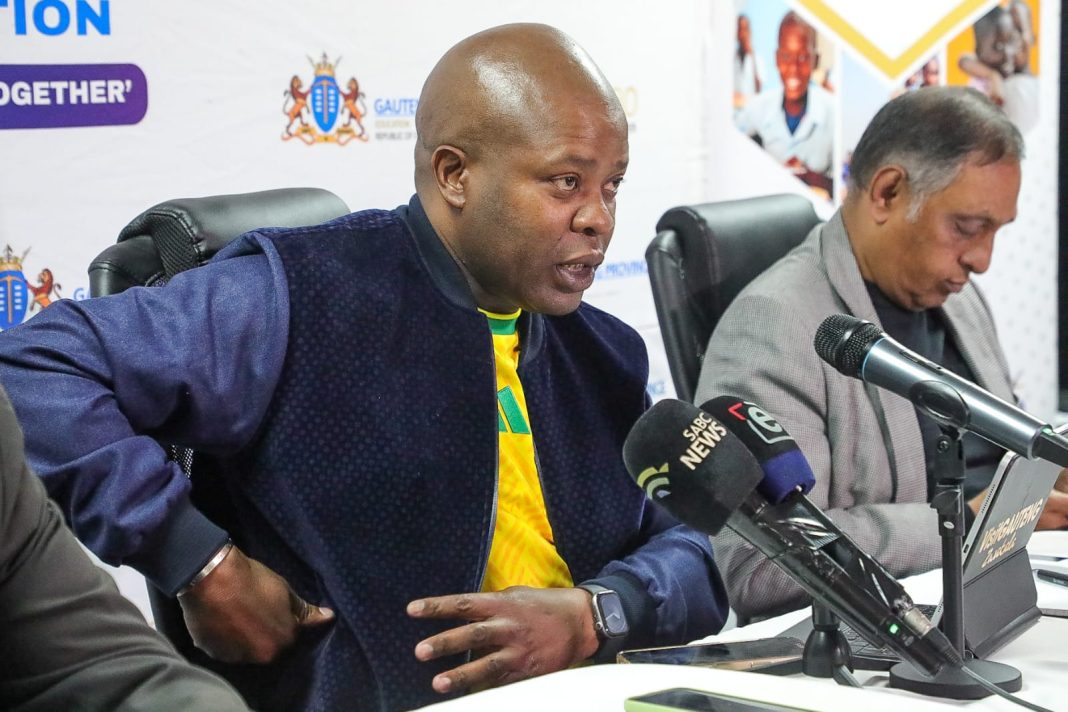
Just days after declaring that corrupt school officials “must be arrested, not just fired”, Gauteng Education MEC Lebogang Maile has laid bare the scale of financial misconduct in the province’s public schools.
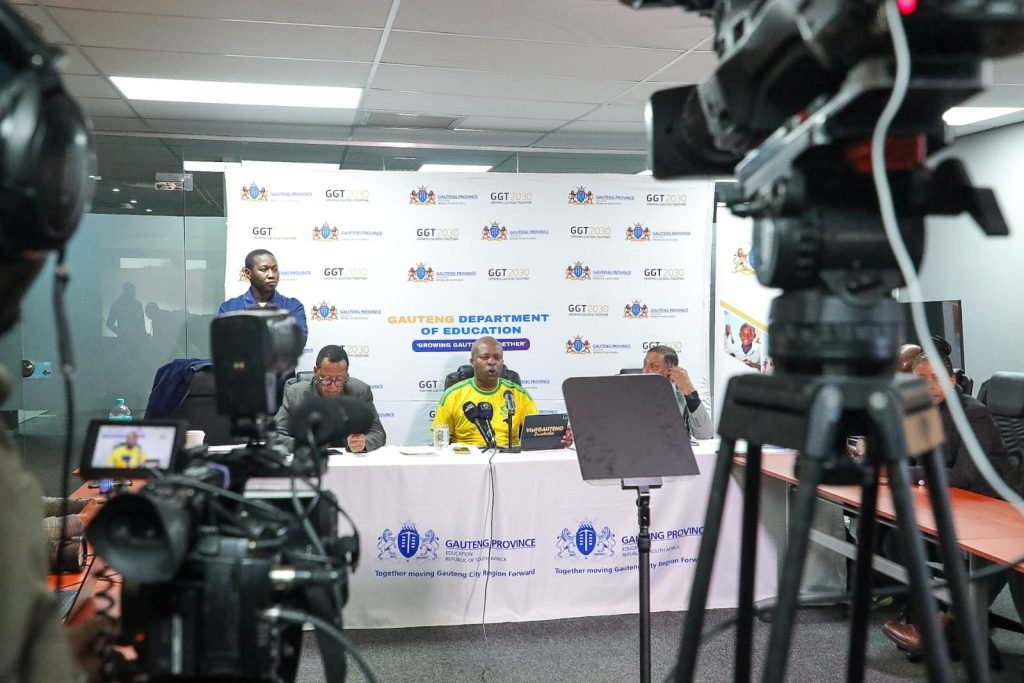
Addressing a media briefing on Sunday, Maile released the findings of an internal assessment commissioned by the department into reported cases of corruption, financial mismanagement, maladministration and governance failures at public schools between 2023 and June 2026.
The assessment, compiled from official departmental data, identified 41 serious cases involving principals, school governing body (SGB) members, finance officers, educators and general workers.
“Of the 41 cases recorded, 22 occurred in 2023, accounting for 54% of the total. In 2025, 13 cases were recorded, accounting for 32%. By June 2026, six new cases had already emerged, accounting for 14%,” Maile said.
“The numbers may fluctuate, but corruption remains active. It has not disappeared. It remains embedded in parts of the system. This is not a temporary problem but a structural one.”
Maile said the cases were concentrated accross several districts, with four districts Accounting for half.
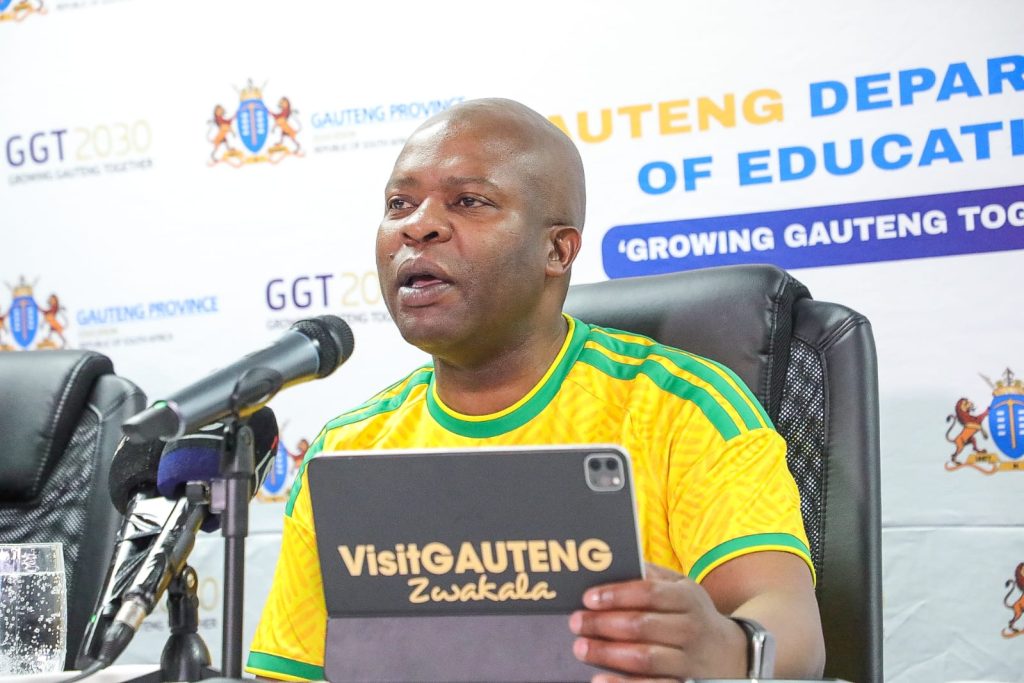
“The Johannesburg East District accounts for 24% of all recorded cases, followed by Ekurhuleni South at 15%, Johannesburg Central at 10%, and Tshwane South at 7%.”
Together, the four districts account for more than 56% of all recorded cases. He cited examples from Johannesburg East, which includes Alexandra, Ivory Park, Tembisa and Rabie Ridge, to illustrate the scale of the alleged abuse.
According to Maile, more than R1m was allegedly misappropriated at one primary school, while another spent about R230, 000 through irregular procurement processes. A special needs school allegedly made payments inflated by up to 500% above market value, while a high school overspent by more than R2.2m over two financial years.
“These figures represent classrooms not repaired, books not bought, meals not served, and learners not supported,” he said.
Maile also raised concerns about alleged corruption in the scholar transport programme, saying some operators were failing to provide the number and quality of vehicles stipulated in their contracts.
He said the department was equally concerned about the theft of school resources and the failure to declare donations, both of which undermine accountability and affect pupils directly.
“Groceries meant for the National School Nutrition Programme, which benefits 1.6 million learners, are allegedly stolen, as are furniture, stationery, technical workshop equipment and building materials,” he said.
“This theft and misappropriation are not victimless. A missing desk means a learner sits on the floor. A missing textbook means a learner falls behind. A missing meal means a learner studies while hungry.”
The report also highlights widespread governance failures that have forced the department to intervene at schools across Gauteng.
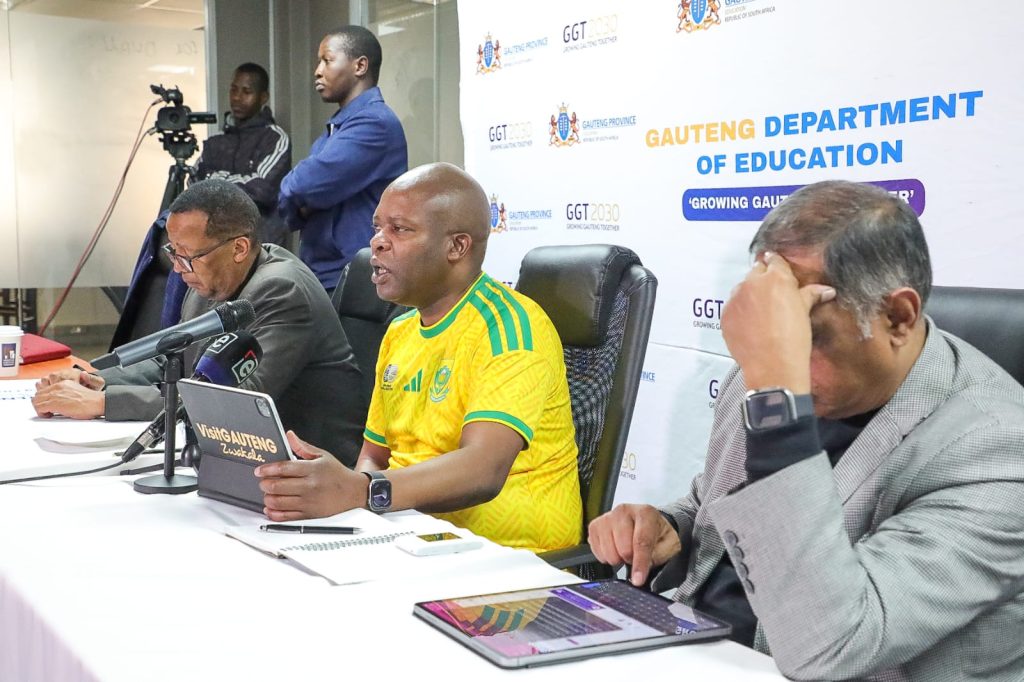
In 2024, the department withdrew governing functions from 12 ordinary public schools and removed SGB members at 16 schools. In 2025, governing functions were withdrawn at seven schools, while SGB members were removed at nine.
By 28 June this year, another seven schools had their governing functions withdrawn, and SGB members had been removed at 12 schools. Maile said the interventions were spread across all 15 education districts in Gauteng, including Ekurhuleni North and South, Gauteng East, North, and West, Johannesburg Central, East, North, South, and West, Sedibeng East and West, and Tshwane North, South, and West.
The department intends to refer implicated officials to law enforcement agencies once disciplinary processes have been completed.
“Where someone is implicated in corruption involving theft, we have to open criminal cases so that we can recover the money,” Maile said.
He said the department had deliberately made the findings public to demonstrate accountability and encourage whistle-blowers to continue reporting wrongdoing.
“We want to be held accountable and to show the public that we are acting. We also want people to remain vigilant and report corruption. Information comes from parents, educators, learners and service providers across different schools.”