


By Charmaine Ndlela
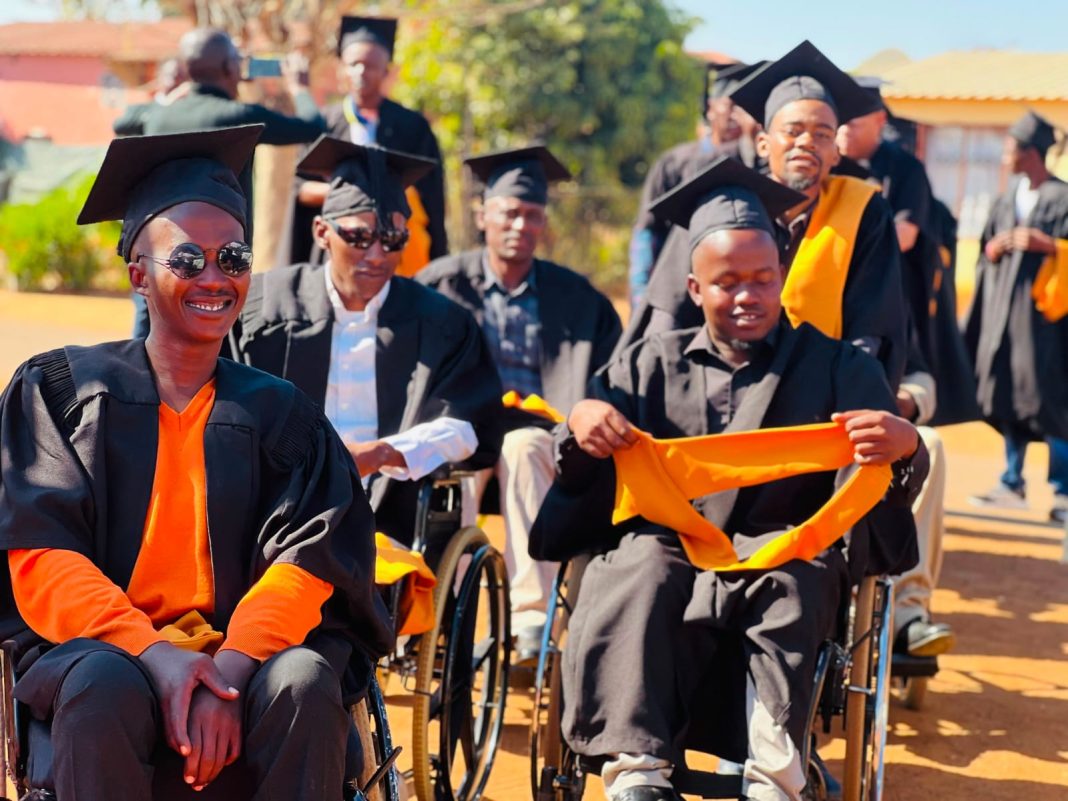
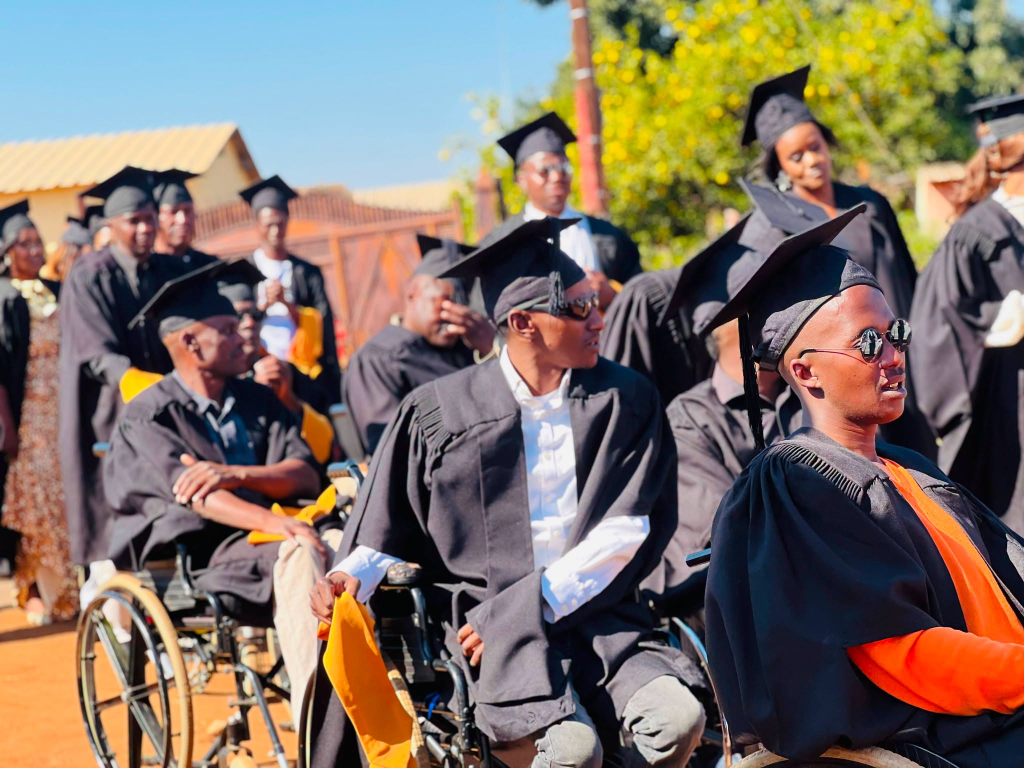
Twenty young people, including persons with disabilities, have graduated as qualified wheelchair and mobility technicians, with government hailing the achievement as a boost to employment opportunities and improved access to assistive mobility services across South Africa.
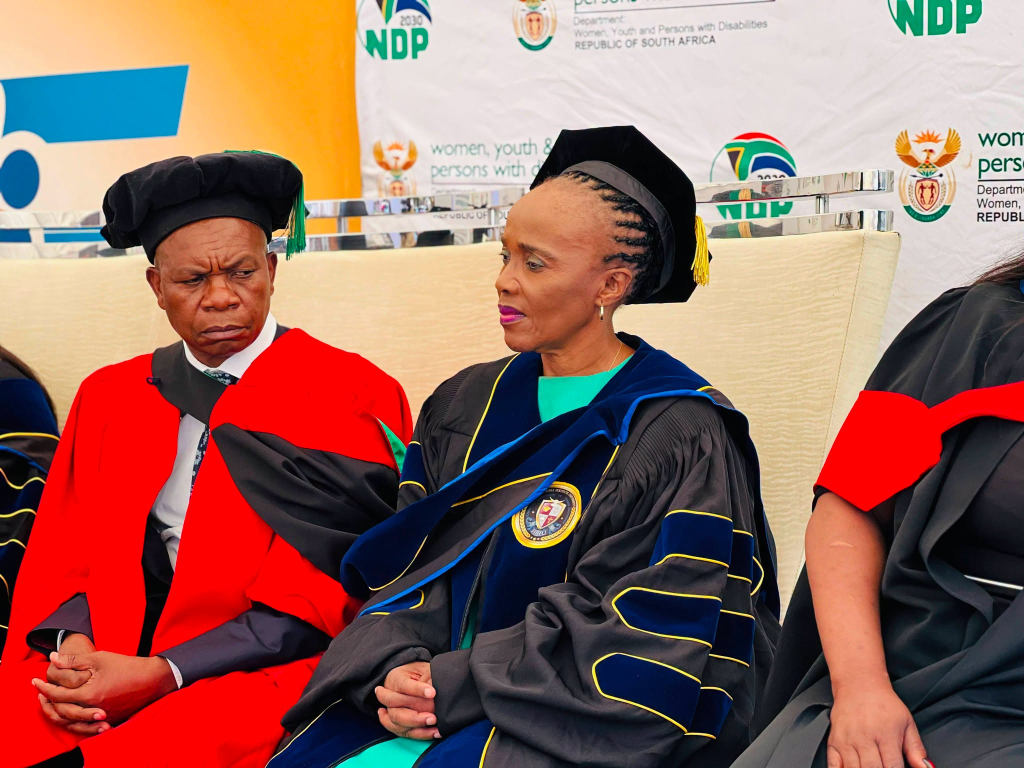
The graduates were honoured at the Recreation Aid Foundation (RAF) Wheelchair and Mobility Technician Graduation Ceremony, held under the theme Celebrating Achievement, Ability and Inclusion in Soshanguve, Pretoria, on Wednesday.
Addressing the ceremony, Minister in the Presidency for Women, Youth and Persons with Disabilities Sindisiwe Chikunga said South Africa must move beyond policy commitments and accelerate implementation to remove barriers facing learners and job seekers with disabilities.
The graduates completed specialised training in the provision, maintenance and repair of wheelchairs and other assistive mobility devices, equipping them with practical skills while helping to strengthen mobility support services nationwide.
Chikunga commended the Recreation Aid Foundation for creating skills development opportunities for academically disadvantaged individuals and learners with special educational needs.
“Please be assured that your efforts have our full support, and our undivided attention,” she said.
She argued that the greatest barriers confronting learners with disabilities were inaccessible infrastructure, inadequate support systems and discriminatory attitudes rather than their disabilities.
“The obstacle is not the learner’s difference. It is the exclusionary design of our schools, our systems, our curricula, and, more often than not, our attitudes,” Chikunga said.
She said many special schools, particularly in townships, rural communities and farming areas, continue to face inaccessible classrooms, narrow corridors, unsuitable sanitation facilities and shortages of assistive devices.
“Classrooms without ramps, corridors too narrow for a wheelchair, toilets that cannot be used by a child with mobility needs. These physical impediments are not neutral. If a learner cannot enter a classroom with dignity, the conversation about inclusive education has already failed before the lesson begins,” she said.
Chikunga added that many educators had not received sufficient training to support inclusive classrooms, while stigma and discrimination continued to limit opportunities for learners with disabilities.
“This is not a personal failing of educators themselves. Our teacher training and professional development pipeline itself requires reinforcement,” she said.
The minister outlined four priorities to strengthen disability inclusion.
These include transforming special schools into regional resource centres that support mainstream schools, embedding multidisciplinary teams such as occupational therapists, psychologists, speech-language pathologists and assistive technology specialists within special schools, and strengthening pathways from school into Technical and Vocational Education and Training (TVET) colleges, higher education, entrepreneurship and employment.
Reaffirming government’s commitment to disability inclusion, Chikunga said the White Paper on the Rights of Persons with Disabilities and the National Development Plan provide a framework for advancing equality.
She said persons with disabilities account for about 12.34% of South Africa’s population, adding that government aims to ensure that at least 10% of employment opportunities and 7% of skills development opportunities are reserved for persons with disabilities by 2030.
Chikunga also announced several initiatives to strengthen partnerships with the Recreation Aid Foundation.
These include collaboration on the National Skills Fund’s R1 billion Disability Support Fund, launched in 2024 to provide workplace training, enterprise development and procurement support for persons with disabilities.
She further announced plans for a national legacy initiative that would pair every special school with a state-owned enterprise to improve infrastructure, educational resources and career opportunities through corporate social investment programmes.
In addition, the department is working with the Department of Public Service and Administration to help government departments meet the 10% employment equity target for persons with disabilities.
Chikunga urged organisations such as the Recreation Aid Foundation to assist government in developing a credible database of qualified persons with disabilities to support recruitment across the public sector.
She also announced plans to establish a Disability Inclusion Research, Advocacy and Mainstreaming Centre of Excellence to advance teacher training, research, digital inclusion and the development of disability-inclusive schools and classrooms.
Congratulating the graduates, Chikunga said their success extended beyond individual achievement.
“Your achievement today is not only your own. It is the achievement of your families, your teachers and your communities — and of every South African who believes that our society is stronger when every one of its members is included, respected and equipped to lead,” she said.
INSIDE EDUCATION