
By Lebone Rodah Mosima
Mpumalanga MEC for Public Works, Roads and Transport, Thulasizwe Simon Thomo, said the department increased the proportion of contracts awarded to women-owned enterprises to 57% during the first quarter of the 2026/27 financial year, from 45% in the 2025/26 financial year.
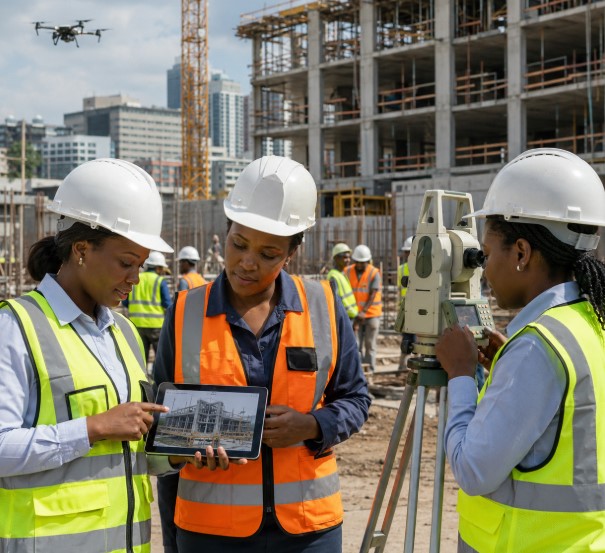
Thomo delivered the keynote address at the Women in Construction Dialogue in the Nkangala District Municipality on Friday and highlighted that these figures demonstrate measurable progress, although women remain underrepresented in the construction industry.
“Construction is one of the largest contributors to economic development,” Thomo said.
“It creates employment, stimulates local economies, develops productive assets and unlocks opportunities across the entire value chain.”
However, he said that despite progressive constitutional provisions, transformative legislation and procurement reforms, the participation of women in the sector remains disproportionately low.
He emphasised that women continue to experience structural barriers that limit access to finance, procurement opportunities, technical skills, professional networks and leadership positions within the built environment.
“Mpumalanga Provincial Government therefore recognised that these challenges cannot be addressed through policy instruments alone,” he said.
“They require sustained institutional collaboration, measurable interventions and continuous engagement between government, industry, development finance institutions and women-owned enterprises.”
He commended the Office of the Premier for having resolved to institutionalise the Women in Construction Dialogue as an annual provincial platform for policy engagement, accountability and implementation.
He said this dialogue challenges the province to ensure that infrastructure development is not only measured by the kilometres of roads we construct or the number of public facilities we deliver, but also by the extent to which those investments transform ownership patterns, create sustainable enterprises and expand economic opportunities for women.
“We committed ourselves to strengthening procurement opportunities for women-owned enterprises, improving access to development finance, expanding mentorship and enterprise development programmes, enhancing technical capacity through compliance and supply chain management training and establishing stronger partnerships that would enable women to participate meaningfully across the construction value chain,” he said.
“Importantly, we agreed that the Dialogue should not become an annual conversation without measurable outcomes.”
He added that the Dialogue should serve as an accountability mechanism through which Government reports on progress, assesses implementation of previous resolutions and identifies further interventions required to accelerate transformation within the sector.
He said the Mpumalanga Provincial Government has deliberately translated these commitments into practical interventions.
He said during the 2025/26 financial year, provincial Departments of Co-operative Governance, Human Settlements and Traditional Affairs (COGHSTA) women-owned enterprises and further reached 42% in the first quarter of 2026/27.
“These figures demonstrate measurable progress. However, they equally remind us that transformation is a continuous process rather than a destination,” he said.
“The objective is not merely to increase statistical representation, but to develop sustainable, competitive and resilient women-owned construction enterprises capable of contributing meaningfully to provincial economic growth.”
He added that across the Provincial Administration, women now constitute 67% of the total workforce, represent 46% of the Senior Management Service and account for 50% of all Heads of Department.
However, he said, the challenge now is to ensure that similar progress is realised throughout the construction industry, where women remain underrepresented despite growing opportunities created by the province’s infrastructure investment programme.
“Let this Dialogue critically assess the progress made since 2025, identify remaining constraints, explore innovative financing and procurement mechanisms, strengthen collaboration between the public and private sectors, and chart a practical programme of action that will further expand opportunities for women across the entire construction value chain,” he said.