
By Lebone Rodah Mosima & Thapelo Molefe
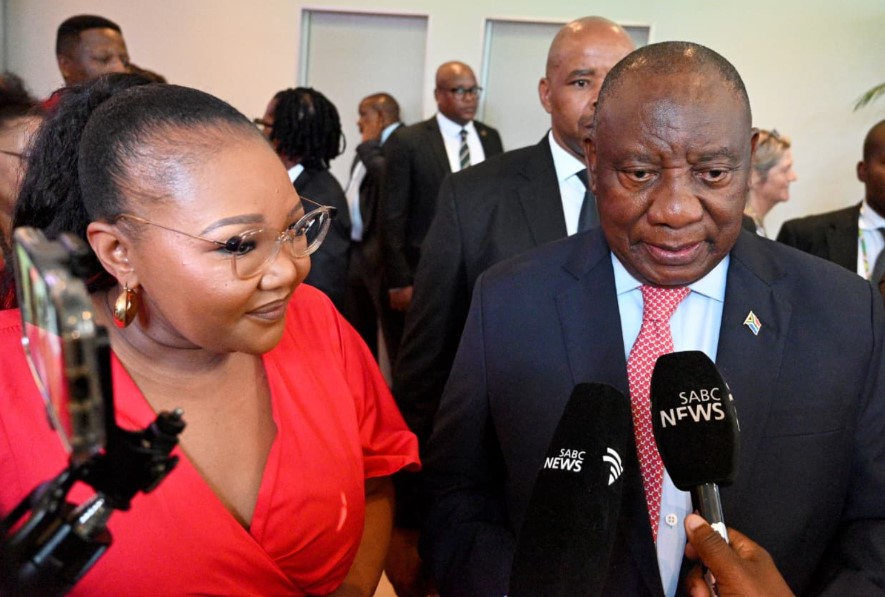
President Cyril Ramaphosa says government is intensifying efforts to expand access to early childhood development (ECD), with around one million children aged three to five still not enrolled in any early learning programme.
Addressing the Bana Pele Leadership Summit at the Galleria Arena and Conference Centre in Sandton on Monday, Ramaphosa said government was committed to lowering the financial barriers preventing poor families from enrolling their children in early learning programmes.
“As government, we are committed to lowering this barrier,” he said, adding that funding for the ECD conditional grant had increased, although too few eligible facilities were benefiting.
Also speaking at the summit, Basic Education Minister Siviwe Gwarube said around 1.2 million children aged three to five currently access early learning.
“One million children not accessing any ECD programme is not a statistic we can become comfortable with. It is the distance we still need to cover,” she said.
“So the question before us now is How do we make what is beginning to work, work everywhere?”
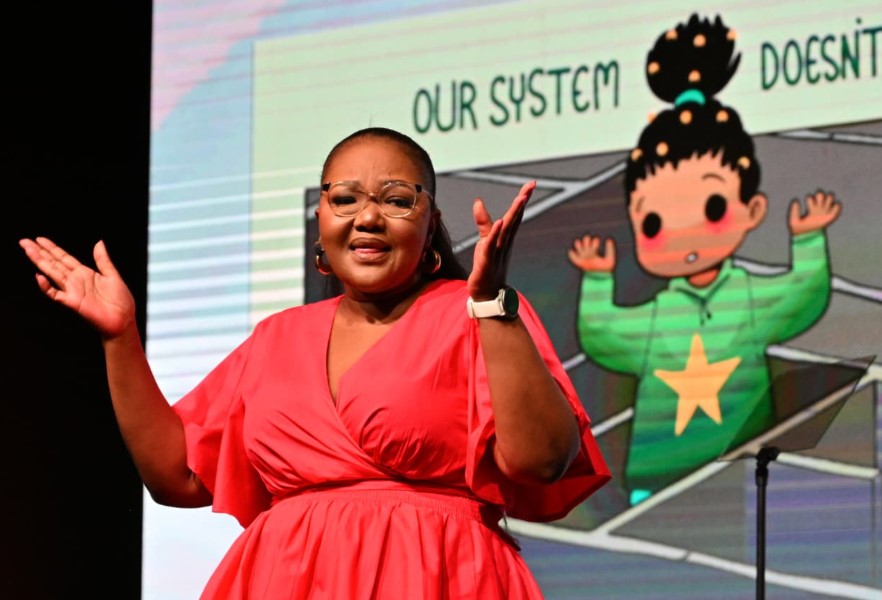
Gwarube said the daily ECD subsidy had increased from R17 to R24 per child, with more than 200,000 additional children receiving support over the past two years.
The eCares digital registration system was helping government identify and support early learning programmes, with almost 40,000 programmes registered, she said.
“All spheres of government and sector partners must work together to break down institutional barriers and make registration and support more accessible to ECD practitioners. Expanding access must go hand in hand with quality early learning, a supported workforce and the early identification of children’s developmental needs,” she said.
Ramaphosa said government was accelerating the Bana Pele Mass Registration Drive, launched in 2025, to help centres meet registration requirements and expand access.
According to the President, South Africa has more than 39,000 registered early learning programmes.
Government aims to achieve universal access by 2030 through the Bana Pele Shared Blueprint, which seeks to improve coordination, strengthen data systems and professionalise the sector.
“It is our roadmap to universal access to early childhood development by 2030,” Ramaphosa said.
He cautioned against allowing registration requirements to exclude centres serving poor communities, saying compliance processes should help facilities improve while protecting children’s health and safety.
“Where a centre does not meet the required standards, our first response should be to determine what assistance it needs to become compliant,” he said.
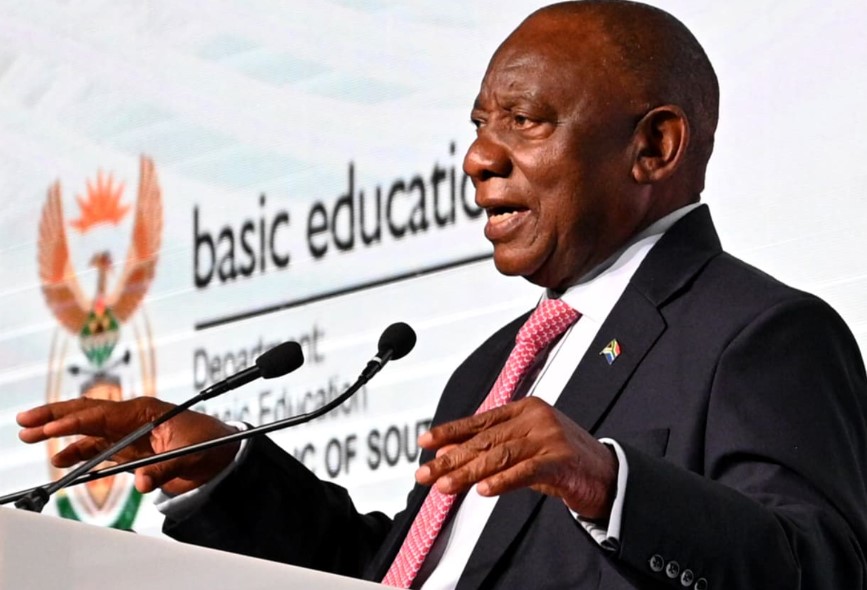
Revised norms and standards for early learning centres were gazetted earlier this year, while Cabinet has approved the Children’s Amendment Bill for submission to Parliament. Ramaphosa said the proposed legislation would simplify rules governing early learning programmes.
The President also emphasised the importance of preparing children for formal schooling through structured literacy and numeracy development.
“Providing childcare is not the same as providing early education,” he said.
He said stronger foundations were needed to address learning gaps that leave millions of children unable to read for meaning by Grade 4.
Referring to the growing influence of artificial intelligence and automation, Ramaphosa said education needed to equip children with skills to navigate a changing world without losing the human interaction essential to their development.
“We must therefore prepare our children not merely to use the technologies of the future, but to think critically, solve problems, communicate effectively and adapt to change,” he said.
Ramaphosa said expanding early learning would also help break the cycle of poverty, support women’s participation in the economy and create jobs for practitioners and those establishing centres.
He said ECD programmes could improve children’s health by providing nutritious meals, supporting vaccination programmes and connecting families to health and social services.
The President urged businesses to increase investment in early childhood development through infrastructure improvements, practitioner training, learning materials, digital resources and support for children from poor households.
“Business can help us accelerate our drive towards universal access by 2030,” he said.
“It is an investment in the workforce of the future,” he said.
Ramaphosa acknowledged the contribution of civil society and donors, including UNICEF, whose support has helped make curriculum packs available in all the country’s official languages. More than 70 non-governmental organisations are also assisting early learning centres with documentation and first-aid training.
He called on municipalities, community organisations, traditional and faith leaders, parents and businesses to support efforts to expand access to quality early education.
“Our Constitution guarantees everyone the right to a basic education,” he said.
“By making early learning the foundation of every child’s education, we are giving effect to that right.”
“Let us make sure that no child falls behind before they even reach school,” he said.
INSIDE EDUCATION