
By Lebone Rodah Mosima
Stakeholders have called for a future-ready transport workforce equipped with technical expertise, soft skills and the ability to adapt to technological advances, automation and AI.
They said training must go beyond preparing people for existing jobs, equipping workers to acquire new skills, respond to changing industry demands and adapt as technology transforms the transport sector.
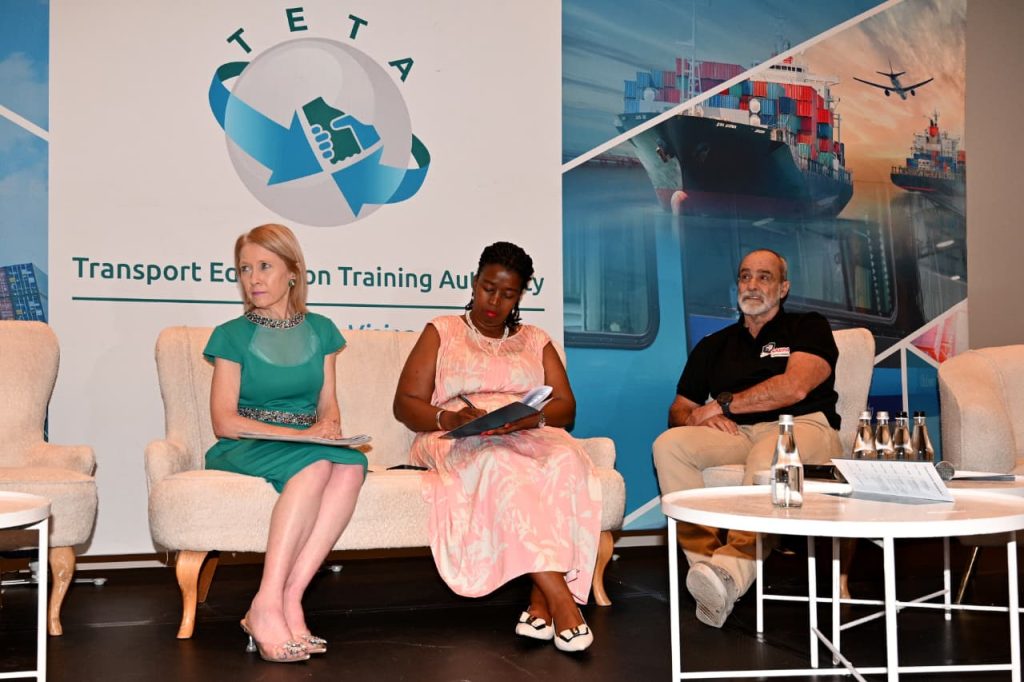
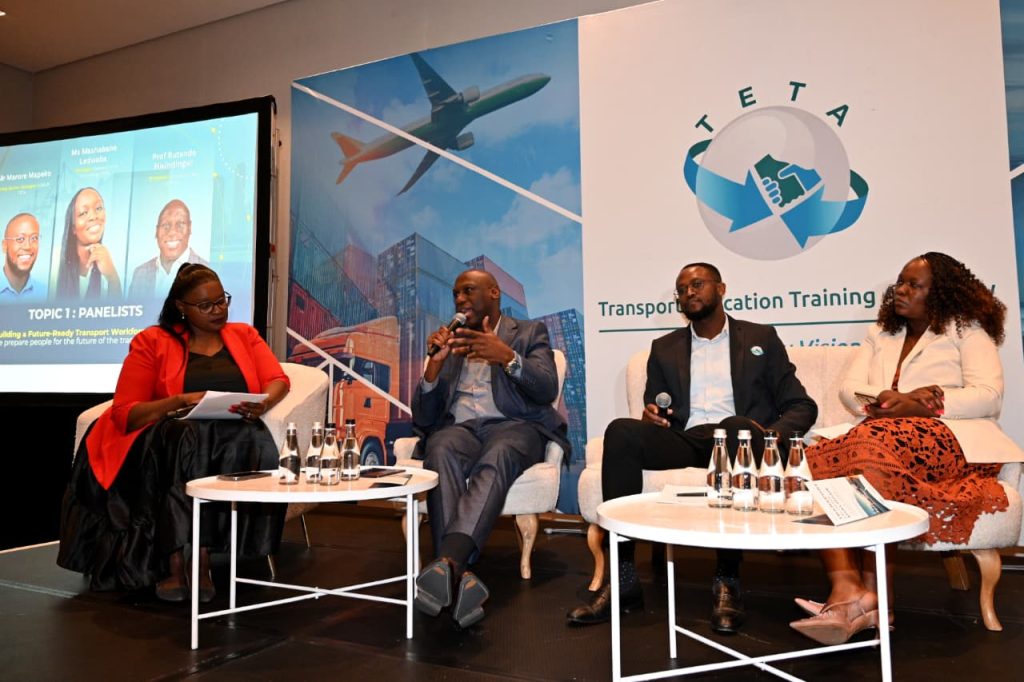
On Thursday, Inside Education, in partnership with the Transport Education Training Authority (TETA), hosted the TETA Dialogue in Sandton, where speakers discussed the skills needed to prepare the sector for the future.
Prof Rutendo Hwindingwi of Wits Business School said research examining the skills required by 2035 highlighted the scale of the challenge posed by technological disruption.
According to Hwindingwi, the research estimated that AI could contribute to a global shortage of workers with the required skills by 2030, as the skills available in the labour market would not necessarily match those needed by employers.
“So they estimated that because of AI, by 2030, there will be a shortage of skills of 85 million jobs globally,” Hwindingwi said.

He explained that technological disruption would create an imbalance between the skills employers needed and those available in the labour market.
However, he said the challenge also presented an opportunity for Africa, particularly given the continent’s high unemployment levels and the potential to provide skills for work that could be delivered across borders.
“Part of the solution for the world is skill the people that are here using the gig economy offshoring to do those jobs,” he said.
“There’s opportunity, there’s challenge, but obviously it’s the mind shift in terms of technical, analytical, transformative skills and covers across a whole lot of things,” he said.
He called for changes in how people were trained to meet emerging industry needs.
“We need to change how we’re skilling, to adapt to the new world,” he said, adding that developing new talent alone would not be enough.
“You can’t do it in one pipeline.”
TETA Manager for Research and Knowledge Mashabane Ledwaba highlighted the importance of incorporating soft skills into education and training programmes.
She said graduates could possess the technical knowledge required for their qualifications but still struggle with communication and problem-solving.
“We still lack soft skill modules in our qualifications,” she said.
“They know what they need to do in terms of technical capabilities, but they don’t know how to communicate, they don’t know how to solve problems,” Ledwaba said.
“We now, with this evolving transport sector, we need people who are analytical thinkers, who can think on their feet, and take problems and bring solutions instantly.”
Ledwaba said these skills would remain relevant as the industry continued to change.
TETA Acting Senior Manager for Skills Development and Learning Programmes Marore Mapeko said workers would increasingly need to interpret information generated by technology and use it to make informed decisions.

He said receiving information from machines was not enough, as workers also needed to understand what it meant and how to respond.
“When a driver is on the road, and he receives an alert about traffic in the next three kilometres, or whatever form of disruptions on the road, what does he do with that information?” Mapeko asked.
He said effective communication was also necessary to ensure that information about delays reached colleagues and clients.
“How do you effectively inform the colleagues back in the office to ensure that the information is properly disseminated to the client, that there are delays on the road?”
Mapeko said the ability to interpret information generated by technology would become increasingly important and called on employers to prioritise continuous workplace learning alongside business performance.
“So we are still a long way off, and I think the responsibility is on us, like-minded people like us, to ensure that we encourage continuous learning in the workplace,” he said.
He cautioned against focusing exclusively on profitability at the expense of employee development.
“It can be detrimental for a business not to consider skills and continuous learning,” he said.
“Yes, you need to make a profit, but considering having your driver off the road for that three days to improve them or to give them new information on how to problem solve could benefit you in the long run.”
Mapeko said employers, industry stakeholders, workers and unions needed to work together to support changes in workplace training.
Hwindingwi said technological advances were developing faster than traditional education and training systems could adapt, widening the gap between institutional learning and industry requirements.
“The rate that technology is disrupting infrastructure capabilities is so fast that our traditional models of institutional learning and development is behind, and it’s going to be like that for a period of time,” he said.
However, he stressed that the gap should be viewed as an opportunity to improve how institutions prepared learners for changing occupations.
“That’s not a negative thing. It just highlights opportunity,” he said.
Hwindingwi said education needed to produce workers who could adapt when their existing skills or occupations became less relevant.
He used the prospect of self-driving vehicles to illustrate the risks of training people for a single occupation without preparing them for future changes.
“The biggest danger you can do right now, I’m using a simple thing, is teach your child how to be a driver and end there. To teach your child how to drive a combi or a truck or a bus and end there.”
He said automation could change demand for traditional driving roles, making adaptability and the ability to acquire new skills increasingly important.
Hwindingwi encouraged educators and employers to cultivate a mindset that would enable workers to adjust as technology evolved.
“It’s saying let’s produce drivers but who are equipped with the mindset to be able to pivot, learn, and unlearn.”
He added that future workers might need to analyse trends, develop strategic plans and identify solutions in response to changes in the industry.
Ledwaba said career guidance should begin at an early age to help learners understand the range of opportunities available across the transport sector.
She said young people often associated transport careers with familiar occupations such as taxi and truck driving, overlooking the many other roles involved in moving people and goods.
“If you ask a young person right now about a transport sector, if they are interested in the sector itself, we won’t get a lot of them showing interest,” she said.
“Why? Because when they think of a transport sector, they think about a taxi driver, a truck driver.”
“But there’s a whole lot of occupations that are in the transport sector.”
Ledwaba said learners needed greater exposure to the different occupations and qualifications available in the industry, including opportunities beyond road transport.
She also highlighted TETA’s online Career Portal, which allows learners, particularly unemployed young people, to submit their information and indicate their interests in the transport sector.
The platform also enables training providers and employers to access learner information when recruiting participants for training programmes.
“That platform also has functions where they can also see the other occupations within the transport sector, from aerospace to maritime,” she said.
Ledwaba said learners could use the platform to explore different professions and better understand their responsibilities.
“When we talk about a marine engineer, for example, they will go in there and see what a marine engineer does in their everyday life at their specific workplaces,” she said.
The panel discussion highlighted the need for closer collaboration between education providers, employers and industry stakeholders to ensure that training kept pace with technological change and emerging workforce demands.
Speakers agreed that preparing the transport sector for the future required more than technical qualifications. Workers would also need to communicate effectively, interpret information, solve problems and continue learning throughout their careers.
INSIDE EDUCATION