Home Blog Page 105

SIU closing in on corruption at NSFAS, but no one’s behind bars yet

0

By Edwin Naidu

The wheels of justice may turn slowly in South Africa, but the signs appear promising, to borrow a cliché, that the axe may eventually fall on those who misbehaved using state resources.

Ahead of the 2025 academic year, on Valentine’s Day, there was no love shown by the Special Investigating Unit in a presentation to the Portfolio Committee on Higher Education and Training.

On Friday, SIU head Advocate Andy Mothibi revealed various alleged wrongdoings involving the National Student Financial Aid Scheme (NSFAS) and several tertiary institutions. He said that corrupt activities since 2017 were being probed, and some investigations were close to bearing results. That’s the good news.

Detailing several post-school education and training investigations, Mothibi said information was received from a whistleblower alleging that NSFAS irregularly entered into a contract that provided for the rental a building at R30 million per annum for 10 years.

The investigation found that the lease agreement was awarded irregularly. Further actions may be taken to address the implications of the contravention. The service provider also allegedly fronted.

It does not stop there. Mothibi added that the findings were being considered for appropriate legal action, and attorneys would be briefed soon.

Furthermore, there was alleged irregular procurement of financial service providers and the Fintech sector to assist NSFAS for five years (renewable), in the direct disbursement of allowances into the bank accounts of NSFAS-funded students/beneficiaries enrolled for a course at public universities and TVET colleges. They are Coinvest Africa, Tenet Technology (Pty) Ltd, Ezaga Holdings (Pty) Ltd and Norraco Corporation (Pty) Ltd).

The investigation into supply chain management has been successfully completed. This resulted in the matter being registered with the SIU Special Tribunal. The financial analysis is still in progress, and the team is working to complete the analysis to provide a comprehensive overview of the financial aspects involved.

Mothibi said the SIU and NSFAS issued a review application in the Special Tribunal on 24 May 2024, and the matter was set for hearing next month.

The hearing will focus on Part A (interdict), which seeks to prevent the enforcement of the contracts concluded by NSFAS with the four service providers pending the determination of Part B (review application).

While NSFAS continues to disappoint the nation leaving students at the hands of unscrupulous landlords, the SIU is going for those who were part of the misconduct in the past. The SIU also successfully applied and joined as the Sixth Respondent in an interdict application brought by Ezaga in the Western Cape High Court.

The court granted an interdict in favour of Ezaga, halting the NSFAS from implementing its decision to terminate Ezaga’s contract. This judgment is subject to an appeal filed by both the SIU and NSFAS.

Finally, there seems to be movement in addressing corruption in the scheme and tertiary sector.

Mothibi told Parliament that NSFAS has failed to design and implement controls to ensure an annual reconciliation between the funds disbursed to institutions and the allocation of those funds to students.

This control weakness has led to overpayments and underpayments of funds to the different institutions since 2017.

NSFAS recently appointed a service provider to assist it in performing this reconciliation via a “close-out reporting” process. The investigation and/or verification the close-out reports and/or supporting documentation received from the NSFAS has commenced.

This exercise comprises reconciling the funds disbursed by the scheme to institutions with the amounts that were due, with a view to calculating and recovering potential over-disbursements and/or amounts due to NSFAS or indicating the amounts still owing to the institutions.

However, the reconciliation process has not yet been finalised and is ongoing.

The portfolio committee welcomed the SIU briefing, which chair Tebogo Letsie said highlighted systemic challenges in addressing fraud within NSFAS and the delays in inter-institutional collaboration.

“When acting on proclamations, the SIU often faces protracted response times from the National Prosecuting Authority and the Department of Justice. These delays undermine accountability; officials under investigation may resign, retire, or leave their posts, making it difficult to recover misappropriated funds or hold individuals responsible,” Letsie said.

He also condemned unethical practices within and outside NSFAS, saying: “There are students who fraudulently access funding, depriving deserving candidates of opportunities. Even more alarming, some NSFAS employees knowingly approve of ineligible applicants, perpetuating this injustice.”

The committee was also concerned about the turnaround time for SIU investigations, as some have been going on for years. However, it commended the unit for recovering funds for NSFAS and urged it to finalise its close-out reports.

Unpacking corruption is no overnight process. One hope is that the SIU restores faith in the system by ensuring that its findings encourage the NSFAS to put in place stronger controls to prevent a repeat.

The best signal of success against corruption, however, is ensuring that criminals are punished. Getting back monies paid erroneously is another feather in the cap of the SIU. But it’s meaningless until the law enforcers give the crooks their orange outfits.

Edwin Naidu is the Editor of Inside Education.

INSIDE EDUCATION

Programme renewed for Black academics

0

By Akani Nkuna

The National Research Foundation and the FirstRand Empowerment Foundation have renewed their collaboration to advance the Black Academics Advancement Programme (BAAP).

This partnership aims to foster the development and support Black academic talent, promoting diversity and inclusion in higher education and research.

Launched in 2018 with an initial five-year term, BAAP has assisted around 347 academics from 26 universities in completing their PhDs and gaining postdoctoral experience. The renewed agreement will continue until 2028.

According to the NRF, the programme offers financial support for durations of six months to three years, with a maximum annual funding of R300,000 for PhD candidates and R400,000 for postdoctoral researchers.

NRF’s acting deputy CEO Gugu Moche said that “the renewal of the funding agreement by the NRF and FREF is a significant step towards supporting black academic emerging researchers in South Africa”.

“This initiative contributes to the diversification of the research landscape and fosters innovation. It is wonderful to see such commitment to the empowerment of under-represented groups in academia.”

BAAP aligns with the National Development Plan 2030 goal of ensuring that 75% of university academic staff hold PhDs by 2030. A report from the Council on Higher Education showed that in 2009, only one-third of full-time, permanent academic staff had PhDs.

Additionally, there was a decline in the number of full-time academic staff at public universities during the same period.

FREF social investing head Konehali Gugushe said that “the partnership with NRF demonstrates our organisation’s commitment to addressing inequality through impactful public benefit activities that promote B-BBEE.

“Our quality education pillar is dedicated to the enhancement of access to higher education, improvement of skills and earning opportunities, and the strengthening of institutional capacity to foster sustainable growth in the education sector.”

The shortage of qualified academic staff has significantly raised the supervisory load for postgraduate supervisors. Between 2000 and 2005, the supervisor-to-student ratio increased across all science fields.

At the master’s level, it rose from 3.8 to 5.2 students per supervisor, while at the PhD level, the ratio grew from 1.3 to 2.2 students per supervisor during this six-year period.

“FREF is fully committed to the establishment of strategic partnerships with organisations like the NRF, which leverage their research and innovation capabilities to ensure the continued delivery of high-impact societal interventions,” Gugushe added.

INSIDE EDUCATION

Limpopo nearly done with learner admissions

0

By Alicia Mmashakana

Most learners have been placed at schools in Limpopo, according to the provincial education department.

It said on Monday that all eligible pupils have been assigned to schools in Polokwane and Tzaneen.

“The department wishes to express its gratitude to parents and guardians for their patience and cooperation throughout the admission process. We also acknowledge the tireless efforts of our educators and staff who worked to ensure a smooth admission process,” said department spokesperson Matome Taueatsoala.

He said that following an extensive admission process, the department has ensured that every learner who applied for admission has been allocated a space.

Taueatsoala said that last year’s backlog of unplaced learners in the four Polokwane and Tzaneen hotspot circuits that were the result of incomplete applications had been addressed by the department, and they had been given the opportunity to appeal.

“This achievement is a testament to the department’s commitment to providing quality education to all learners,” he said.

Transport arrangements would be made for students who have been assigned destinations outside of the 5km radius.

The department will attend to the few remaining students in the Waterberg and Mogalakwena education districts over the next week.

INSIDE EDUCATION

Mathematics adds up to a better future

0

By Edwin Naidu

One of the standout subject performances in the 2024 matric exams was the improvement in mathematics. While the record-breaking 87.3% matric pass rate for 2024 made headlines, the impressive showing in mathematics is significant.

In 2024, 69.1% of learners passed the mathematics exam, an increase from 63.5% in 2023.

While the Department of Basic Education (DBE) reckons high-level mathematics achievement remains a challenge, math education’s role in shaping the country’s future economic growth is critical. It enables access to higher education and success in STEM fields.

In partnership with pioneering math tutor WeSolve4X, Eighty20 recently highlighted how grassroots initiatives positively affect math education.

Eighty20 is a data-driven consumer analytics and research business that provides a range of services and data products, including a detailed view of all 46 million adult South Africans.

WeSolve4X’s free math programmes have grown nationwide, reaching over 28,000 learners and achieving remarkable results in schools such as Katlehong, Mpontsheng and Phumulane.

With youth unemployment at critical levels, strengthening math education is essential for equipping the next generation with the skills to drive South Africa’s future prosperity.

Reflecting on the pass rate for mathematics, Eighty20 notes that success in mathematics not only enables access to tertiary education but also ensures success in high-demand fields such as financial services, engineering, healthcare and technology – fields that drive South Africa’s economic growth and development.

Their data shows that the median monthly earnings of people with tertiary education are R21,000, compared to R5700 for those who only completed high school. Additionally, fewer than half of South Africans with only a matric are employed, compared to 75% with a university degree and 80% with a higher degree.

The impact of excelling in mathematics is profound: individuals with math-intensive degrees, such as those in engineering and technology, earn an average salary of R450,000 annually, compared to R350,000 for non-math-related fields.

Several non-government organisations are driving impactful changes at the grassroots level throughout the country in partnership with corporate South Africa. For example, WeSolve4X, through its #BecomeAnActuary programme is empowering learners across the country by offering free extra maths classes for grades 4 to 12.

This initiative reaches some of South Africa’s most underserved communities, providing valuable resources for students and their families, and teaches parents how to support their children’s academic progress.

In 2024, WeSolve4X’s program expanded to 132 schools, benefiting over 28,300 learners with a team of 786 volunteer maths tutors. The results are evident.

Several schools in the programme achieved impressive matric pass rates and excelled in mathematics and physical science. Highlighted Gauteng schools include:

  • Katlehong Secondary School achieved a 90.5% matric pass rate, with 69.3% passing mathematics and 53.9% passing physical science.
  • Mpontsheng Secondary School achieved a 94.1% matric pass rate, with 80% passing mathematics and 75% passing physical science.
  • Phumulane Secondary School achieved a 94.8% matric pass rate, with 84.9% passing mathematics and 80.8% passing physical science.

The success stories from these schools underline the importance of support systems and community partnerships in improving educational outcomes. 

WeSolve4X’s collaboration with Eighty20 and its dedication to strengthening students’ mathematics education proves that investing in early skills development, particularly in math, has a direct and lasting impact on student’s academic achievements and career prospects.

As South Africa moves towards a more competitive future, the role of math education cannot be overstated. However, of equal importance are digital skills, especially for learners in rural parts of the country who must not be left behind.

Over 20,000 rural and poor youth throughout South Africa have benefited from digital technologies at six Smart Skills Centres established by the Chemical Industries Education & Training Authority (CHIETA).

The centres are equipped with state-of-the-art equipment, including smart boardrooms for startups and SMMEs, and virtual reality (VR) machines to train artisans. They also offer accredited training courses paid for by CHIETA.

Unemployed youth can access new skills and job opportunities directly through the centres. Recently, over 100 unemployed youth received certificates in entrepreneurship at the Saldanha Bay centre in the Western Cape.

“We live in a digital-first world. Many people in Modjadjiskloof and surrounding communities do not have access to the internet and cannot afford data. Some have never used VR technology. These centres will ensure that the communities are not left behind in the Fourth Industrial Revolution,” said CHIETA CEO Yershen Pillay.

The centres echo President Cyril Ramaphosa’s call and commitment in his State of the Nation Address, in which he pledged to harness technology to transform government by investing in digital public infrastructure. They are a form of digital public infrastructure designed for the education and training sector.

These measures will transform the relationship between citizens and government and create one government accessible to every person at a touch of a button.

“As CHIETA, we are proud that thousands of citizens, especially in rural and poor areas, are being equipped with new digital skills per the national priorities,” said Pillay.

Plans are underway by CHIETA to complete the Smart Skills Centre roll out in Gauteng, the Free State and the Northern Cape.

But a digital revolution without mathematics is impossible.

“With the unemployment rate for the 10.3 million people aged 15-24 years hovering around 60%, South Africa’s youth unemployment is a huge risk for our country’s future.

“One of the main reasons for high unemployment is the gap between the skills and experience employers require. The best way to address this is through holistic educational support, particularly better maths, science and technology,” concluded Eighty20 CEO Steve Burnstone.

INSIDE EDUCATION

Psychology in democratic South Africa: new book explores a post-apartheid journey

0

By Liezille Jacobs

When apartheid ended in 1994, South Africa underwent significant social and political transformation. A key aspect of this shift was the push for greater inclusion and representation of Black South Africans across all sectors – including psychology.

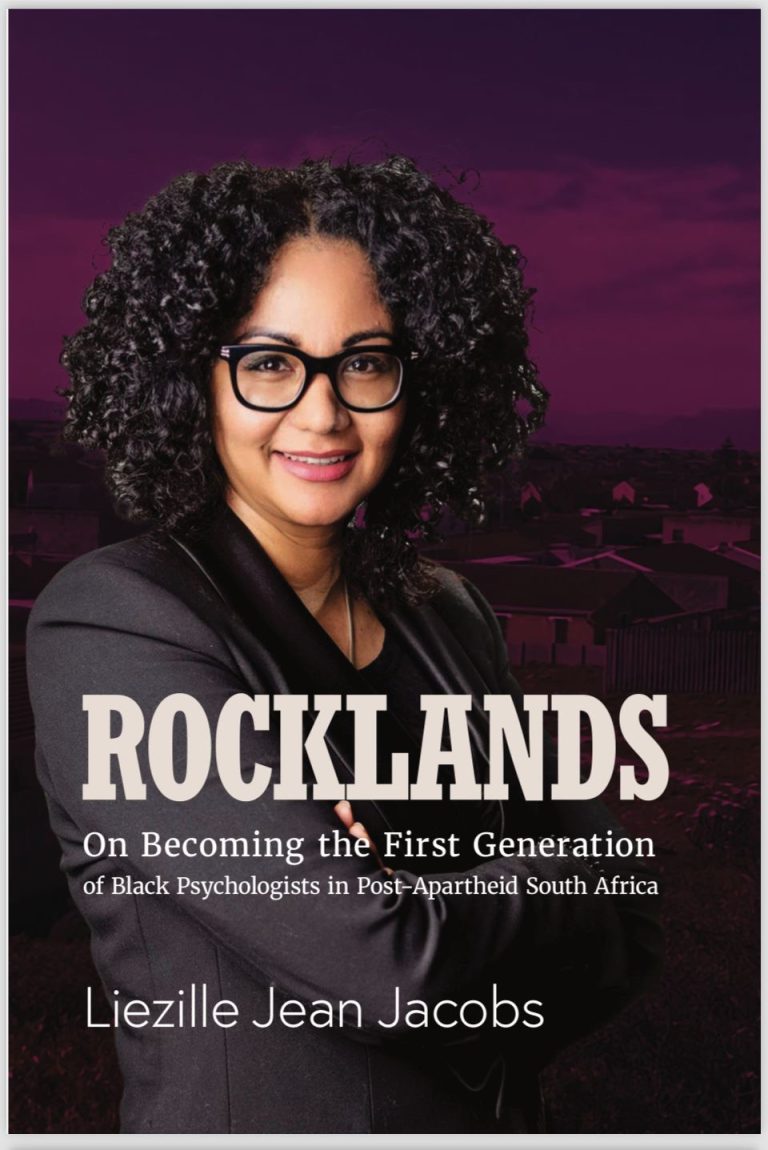
Dr Liezille Jacobs was part of a pioneering generation of Black psychologists who started their training in 1995. Now she has written a book, Rocklands: On becoming the first generation of Black psychologists in post-apartheid South Africa. In it she explores the barriers she and her colleagues faced and unpacks misconceptions around what psychology is and does. She also argues that critical (and African) psychology can both “address the legacies of apartheid and heal the relational traumas caused by systemic oppression”. The Conversation Africa asked her about the book and her work.

What is the book about?

I wrote Rocklands to address the widespread misconceptions that both first-year psychology students and the general public often hold about what it truly means to be a psychologist. It’s common for people to oversimplify the profession. They view it merely as talking to people or offering quick-fix solutions to problems. The reality is far more complex.

I wanted to challenge these superficial ideas and provide a more layered and accurate representation of the field. The process of becoming a psychologist is not just about acquiring theoretical knowledge. It’s also about developing emotional intelligence, critical thinking, and a strong ethical foundation. Psychologists must balance empathy with objectivity, personal insight with professional boundaries, all while navigating the vast complexities of human emotions, relationships, and societal influences.

The goal of the book is to make psychological knowledge and expertise more accessible to the public.

Rocklands is also an account of resilience and personal growth in the face of adversity. The first chapter reflects on my early experiences growing up in Rocklands, Mitchell’s Plain. Rocklands was established during apartheid as part of a government plan to segregate communities. Black South Africans were moved to areas like Mitchell’s Plain under the Group Areas Act. Over time, Rocklands grew into a working-class neighborhood, shaped by its apartheid-era history.

The ensuing chapters provide a detailed account of my unique and often difficult journey. I’ve traversed a path less travelled but it’s ultimately led to personal and professional fulfilment.

Why did you decide to study psychology?

I initially dreamed of becoming a journalist. However, my parents encouraged me to explore other career options. The results of a career assessment suggested I should consider social work, occupational therapy or psychology.

Psychology truly caught my attention. As someone with an introverted personality I was drawn to the idea of understanding human behaviour and thought processes on a deeper level. At the time, I envisioned myself working as a clinical psychologist, helping individuals one-on-one.

Everything shifted when I began my formal studies in 1995. I quickly realised that the field of psychology in South Africa – especially in the context of its history – had much more work to do. I saw the gaps in the system and became acutely aware of how psychology had, in many ways, been complicit in perpetuating social injustices. In 1995, as a first year psychology student, I was made aware of the field’s struggle with its apartheid legacy and psychology’s unfinished business.

Hendrik Verwoerd was the architect of the racist policies and segregation system that became known worldwide as “grand apartheid”. He was also a psychologist by training.

Psychology in South Africa has made efforts to adapt to a diverse society. But there are still challenges. These include a disconnect between academic training and professional practice, and the lingering effects of apartheid-era inequalities.

South Africa desperately needed (and still does today) Critical Psychologists. Critical psychology challenges traditional psychological theories by examining the social, political, and historical contexts that shape psychological issues. It critiques mainstream psychology for overlooking power structures. And it aims to use psychology as a tool for social change and addressing inequalities.

Critical psychologists challenge the dominant narratives of the past, address the legacies of apartheid, and have access to the tools to heal the relational traumas caused by systemic oppression. I knew I wanted to contribute to the transformation of the profession – to make it more inclusive, socially responsible, and oriented towards healing the wounds left by historical injustices. This shift in perspective has shaped my entire career. It’s guided my studies, research and teaching practice.

Have South Africa’s universities changed how they teach psychology?

The academic transformation project continues and universities are striving to adapt to a more diverse student body. But the pace and extent of this change can vary between institutions.

There has been a growing recognition globally that psychology, as a discipline, needs to move beyond its traditional western-centric, individualistic frameworks. It must engage more deeply with local contexts and diverse ways of knowing and experiencing the world.

I was the head of the Psychology Department at Rhodes University in South Africa’s Eastern Cape province from 2022 to 2024. The department has incorporated indigenous knowledge systems such as African philosophical perspectives and non-western psychological practices into our teaching.

For example, community-based service-learning strategies are emphasised in the undergraduate courses I teach. Community-based service-learning combines community service with academic learning. This gives students the opportunity to engage in real-world problems and contribute to the community while applying psychological theories, concepts and methods. Students learn how to become engaged citizens.

We also use a variety of teaching materials – case studies, texts by African scholars, multimedia – that resonate with students’ lived experiences.

In a society as culturally and racially diverse as South Africa it is crucial for people to see themselves reflected in the professionals they turn to for help. This can play a role in lowering barriers to mental health services.

South Africa has a legacy of collective struggle and community resilience. Psychology stands to gain from a greater understanding of collective identities, community dynamics and social justice. Psychologists from diverse backgrounds can offer more nuanced, holistic interventions that address systemic issues rather than focusing solely on individual pathology.

Liezille Jacobs is an Associate Professor, Rhodes University.

The Conversation

Beaming with hope: 100 Shining Stars illuminate SA’s future

0

By Johannah Malogadihlare and Akani Nkuna

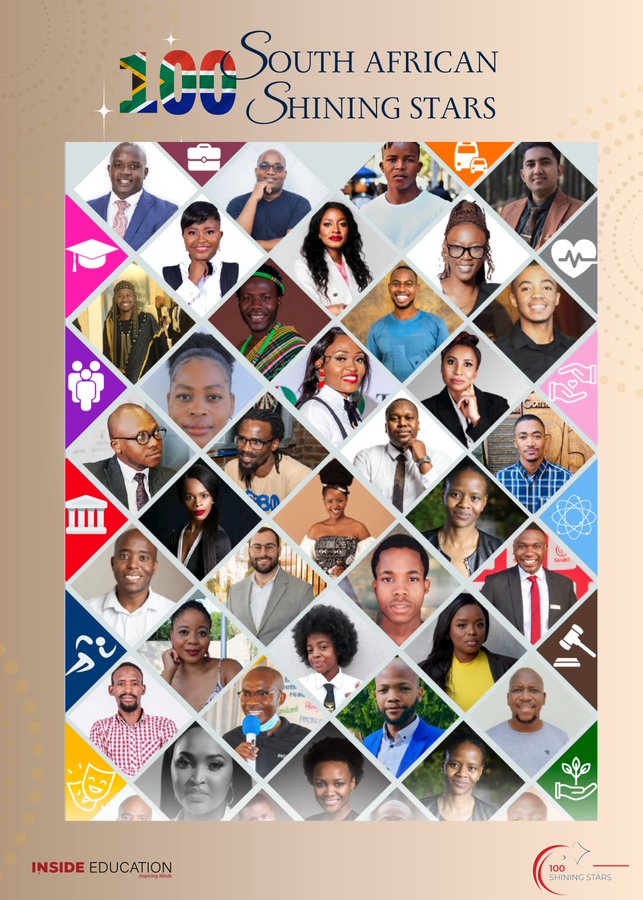
100 of South Africa’s Shining Stars are looking ahead with optimism, believing in a promising future filled with opportunities and progress. These influential individuals see potential for growth, innovation and positive transformation in the country.

Although they come from diverse fields, the Shining Stars share a unified goal – to make a positive impact in their communities and uplift underprivileged youth. Their collective vision focuses on creating meaningful change, providing opportunities and improving lives to ensure a brighter future for people from disadvantaged backgrounds.

They were recently honoured at the 100 South African Shining Stars 2024 awards ceremony hosted by the Inside Education Foundation at Sci-Bono in Johannesburg.

Dr Maurine Musie, who is a leader in the field of midwifery, said the initiative was important as it unearthed young pioneers from all corners of the country and made them feel appreciated and recognised.

“As an advanced midwife and medicine lecturer, this encourages me to continue doing more and more for the field of maternal and child healthcare to make sure that we contribute to [the United Nations Sustainable Development Goals,” she told Inside Education.

She recently attended the BRICS Summit in Russia, where she presented her ongoing project – a mobile health app aimed at improving healthcare accessibility and efficiency through innovative digital solutions.

“[I am currently working] to develop a mobile heath app, which is designed to assist women during pregnancy ensuring that women in such conditions are addressed and attended to swiftly and on time, especially for obstetric emergencies.”

Education category Shining Star Shadrack Mlambo, who is the co-founder and president of Project 2023 that trains and develops 10 professionals annually in the fields of law, accounting, medicine and engineering, remarked that the world was tough, and recognition of one’s efforts was essential.

His goal is to uplift his community through education, ensuring that every child has access to learning.

“We want no child left behind due to financial barriers, whether for university or information access, so they can achieve their full potential.

“This year we have planned for camp for mathematics, physical sciences and accounting between June and September, a career exhibition and a training programme for tertiary students to do job shadowing,” Mlambo said.

Kwazini Zulu, who is the founder of Take-A-Bite Biscuit and Kulisha Consulting, said these types of events were important for networking and finding the right people to collaborate with and build partnerships. Networks were important for growth, innovation and new opportunities.

Zulu, who was recognised in the business category, also said that South Africa “needs an active engaged and committed youth population, both economically and otherwise, so that we can really just shift the country forward”.

Limpopo-based educator and founder of Stophespot Youth Organisation, Ramaphalalani Messie, was nominated for her exceptional work in education.

“My award is going to inspire other educators out there, or young people who are into education, to take education seriously,” she said.

A young leader who is driving change in civil society, Kaylen Healy, told Inside Education that collaboration with other individuals was a reason for his nomination, saying this was a win for him and his team.

“Sometimes we do what a we do out of the love of it, but reality is sometimes it gets exhausting, so I think that recognition motivates you and I think it shines a light on people’s work,” said Healy, who is deputy national director of African Emerging Leaders Network.

Despite the hard work, Healy said he was looking at expanding the NGO so that it reached more young people.

Entrepreneur Makenyana Maledimo, who is the chief operating officer of the luxury wellness brand Tshepiso-entle SelfCare said: “Being recognised for your hard work, blood sweat and tears gives me strength to continue and that what I do matters and I feel seen and appreciated.”

She said she wanted to create more job opportunities for young people and be a mentor.

Siphesihle Ndwandwe, the founder of Elam Empowerment, who was nominated under the philanthropy category, described the recognition as testament to her dedication to uplift and empower communities through her initiatives.

Elam Empowerment founder Siphesihle Ndwandwe. Picture: Eddie Mtsweni

The non-profit organisation empowers marginalised groups, particularly the homeless, incarcerated women and unemployed youth.

“I think it’s an important event to celebrate the work young people are doing and to create a platform for young SA changemakers to network,” said Ndwandwe .

She said the NPO was expanding its operations to a few more cities, with Durban up next.

In the future, she wants Elam Empowerment to also work with other disenfranchised groups.

Inside Education Foundation chairman Matuma Letsoalo told the winners that they were being celebrated because they represented the best of the future of South Africa,

“The work that you do will unlock solutions to many challenges we face as a society,” he said.

The 100 recipients were awarded under 12 categories, including education, philanthropy, health, civil society, science and technology, sports, politics and governance, business, arts and culture, environment, transport and tourism, and justice and law.

The event, now in its 6th year, is held annually.

Video By: Kgalalelo Setlhare Mogapi

INSIDE EDUCATION

Security concerns, exam irregularities dominate NSC debate

0

By Thapelo Molefe

The recent fatal shooting of a school principal in the Western Cape and allegations of leaked matric results sparked urgent discussions in the Portfolio Committee on Basic Education this week, overshadowing celebrations of improved National Senior Certificate results. 

While Basic Education Minister Siviwe Gwarube praised the resilience of the Class of 2024, committee members raised serious concerns about systemic challenges affecting the education sector.

Umalusi, the council responsible for quality assurance in education, provided a comprehensive report on the NSC examinations. 

While it confirmed an overall improvement in learner performance, it also raised concerns about examination irregularities. Umalusi noted a reduction in group cheating cases, but acknowledged ongoing challenges in isolated incidents of academic dishonesty.

The council also emphasised the need for more rigorous moderation of question papers to ensure fairness across all subjects.

Additionally, security breaches in the distribution of exam papers were highlighted, prompting an ongoing investigation into how certain results were leaked before their official release. 

Another critical issue was the adjustment of raw marks to maintain assessment standards, a process that committee members questioned, calling for greater transparency.

The committee expressed frustration, stating: “We cannot allow disparities in moderation and teacher shortages to compromise the integrity of our examinations. The department must act swiftly to ensure all learners receive a fair assessment.”

It also raised concerns about the credibility of the NSC results. 

“Before the matric results were released, there was an issue of matric results being sold to students at the cost of R100. The system was tampered with. What is the main cause of the system being tampered with, and who actually did it?” a committee member asked.

A 21-year-old man was arrested by the Hawks in January for allegedly selling results for R99.

Despite the improvements, committee members expressed concerns about many learners who passed matric but struggled to access university or TVET colleges. While students earned bachelor passes, capacity constraints in higher education institutions meant many remained without opportunities.

The need for better planning was emphasised.

“Most of the education that is being fed to our children, you are teaching our children to go look for work after education. That’s what is done in South Africa. Now we are celebrating our children who are going to sit at home and not be able to go to university,” a committee member stated.

The declining number of learners taking mathematics, physical sciences, economics, accounting, and agricultural sciences was a major concern. Several committee members argued that too many students opted for subjects like mathematical literacy and history, which did not provide direct pathways to economic contribution.

Gwarube acknowledged the issue, emphasising the need for early interventions in foundational literacy and numeracy to build confidence in STEM subjects. The department has moved its maths, science, and technology team into the curriculum division to ensure better alignment and intervention strategies.

The committee expressed alarm over the shortage of teachers, which has led to overcrowded classrooms. The issue of 2400 non-renewed teacher contracts in the Western Cape was highlighted, with MPs seeking clarity on the impact of budget constraints on education quality.

It raised concerns over disparities in staffing, with a member stating: “We have a serious problem in South Africa where we do not have enough teachers in our schools. The teachers that we have in our schools are overwhelmed with work to an extent that they are not even following the ratio of a teacher in class.” 

“The department seems to say, seemingly, there is nothing we can do. But we need to address these cuts and ensure that schools in marginalised areas are not disproportionately affected.”

Data presented to the committee showed that 18,865 learners who enrolled for matric exams did not write them. Members requested a detailed breakdown of the reasons behind these dropouts and measures to track missing students.

“From those who have enrolled in schools of 724,156, only 705,291 wrote matric. That leaves us with 18,865 who are missing in the system. Can the department in detail tell us where these 18,865 learners are?” committee asked. 

“Where exactly are these missing learners? Are we able to trace them and understand the reasons for their absence?”

It emphasised the need to strengthen the TVET sector to provide alternative pathways for students who did not attend university. 

The department said it was working to integrate vocational training within schools to allow students to graduate with industry-relevant certifications.

Committee chairperson Khomotjo Maimela stated: “We must reflect on what worked during the examination period and enhance interventions based on these lessons.”

“We must shift the perception that vocational education is a second-tier option. South Africa needs more artisans, technicians and skilled workers to drive industrial growth.”

Proposals were made to introduce mother-tongue instruction in STEM subjects to improve comprehension and learner performance. Members also called for agriculture to be made a compulsory subject to support food security and job creation.

Concerns were raised about the effectiveness of the Second Chance Matric Support Programme (SCMSP). 

The department provided insights into efforts to assist learners who did not pass their matric exams. 

“While we celebrate the success of the Class of 2024, we are also committed to supporting those who need a second chance. This programme acknowledges that not all learners progress at the same pace, some need more time and tailored support,” an official said.

A notable expansion in 2024 includes increased access for learners with disabilities, particularly the deaf, blind and partially sighted. 

“We are also strengthening partnerships with universities, TVET colleges, and the private sector to ensure more learners can improve their qualifications and access higher education opportunities,” the department said.

“Statistics show that 39% of unemployed youth lack a matric certificate. By supporting these learners, we are actively working to reduce unemployment and increase economic participation.”

The committee echoed the importance of continued investment, stating the programme was a lifeline for many young people.

Members requested detailed information on support centres to enable oversight and ensure that learners who failed matric received adequate assistance.

A proposal was made for a joint parliamentary session between the Basic Education and Higher Education committees to improve coordination in addressing education and employment linkages. Members stressed the importance of aligning education output with job market needs.

INSIDE EDUCATION

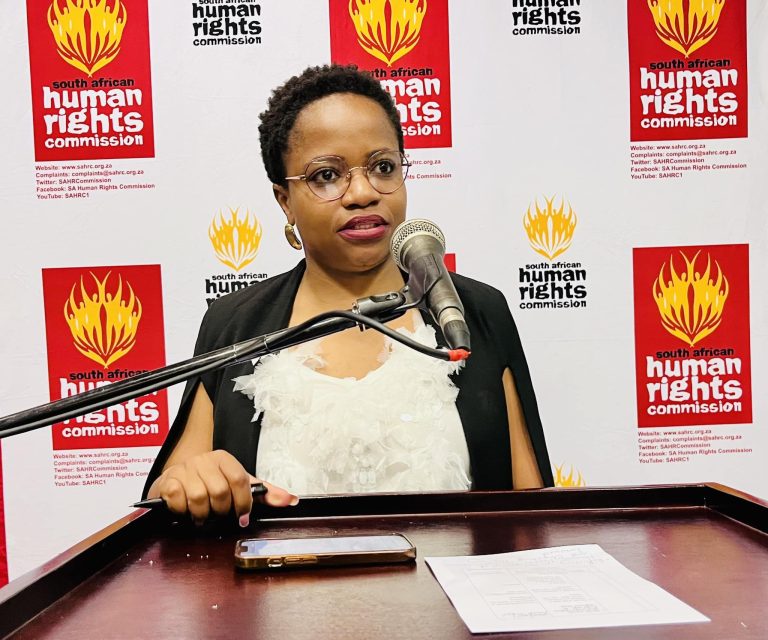
SAHRC to probe unplaced learners in Gauteng

0

By Johannah Malogadihlare

The SA Human Rights Commission has received several complaints concerning unplaced learners in Gauteng for the 2025 academic year, and has decided to launch an investigation into the matter.

The probe will focus on the persistent issue of unplaced learners and shortage of available spaces in Gauteng schools, including at centres for learners with special educational needs.

“In line with its Constitutional mandate to ensure the realisation of human rights, the commission has been monitoring the ongoing admissions programme and has observed a significant number of unplaced learners across various districts in [the] Gauteng province,” said Gauteng SAHRC manager Zamantungwa Mbeki.

“The commission remains committed to supporting efforts to ensure every learner in Gauteng is placed in a school, despite the challenges faced, to uphold the right to a basic education and enable continued teaching and learning.”

The commission is focusing on various areas concerning the provincial education system.

They include investigating the alleged contravention of children’s rights to basic education by the provincial government, and assessing whether Gauteng and education MEC Matome Chiloane have failed in their responsibility to ensure sufficient school placements for all learners.

The commission is examining the online admission system and support mechanisms provided by the Gauteng education department to determine whether they adequately address the needs of applicants, including learners migrating into the province.

It will conduct an overview assessment on whether schools are operating at full capacity according to acceptable class sizes and teacher-to-learner ratios, and probe the number of schools closed since 2019 in comparison to the construction of new schools.

Mbeki said the SAHRC would also scrutinise the department’s obligation to urgently find places for unplaced learners without further burdening already overcrowded classrooms.

The commission has called for submissions from members of the public to help determine the full extent of the issue as part of enquiry, and urged concerned parties to submit necessary documents before 2 March.

INSIDE EDUCATION

Decline in STEM subject enrolment must end: Deputy Minister

0

By Johnathan Paoli

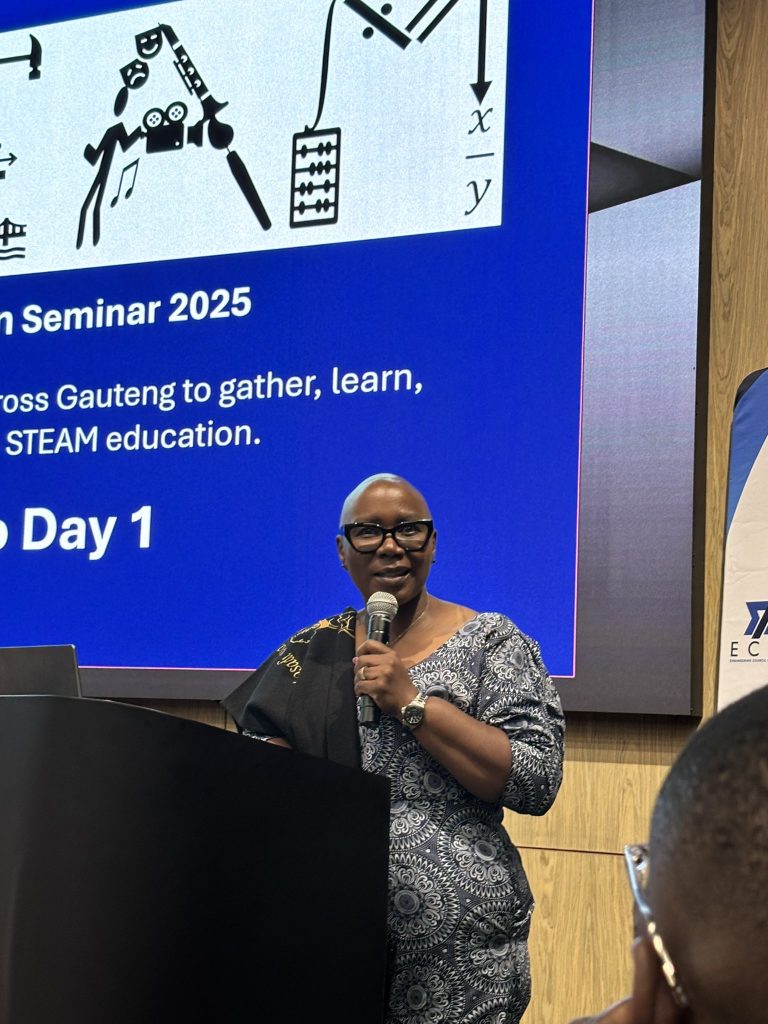
In a concerted effort to revitalise Science, Technology, Engineering and Mathematics (STEM) education in South Africa, Science, Technology and Innovation Deputy Minister Nomalungelo Gina has called for strategic interventions and collaboration.

“South Africa’s ability to compete globally and address national challenges through innovation depends on its investment in human capital development,” she said.

“However, the critical gaps that persist in STEM education undermine our efforts to build the necessary research and innovation capacity and as well as the technical skills for a knowledge economy, particularly among historically marginalised groups.”

She was delivering the keynote address at the second annual regional Science, Technology, Engineering, Arts and Mathematics Education Seminar in Johannesburg on Friday,

It was attended by education and industry leaders, including Sifiso Learning Group CEO Sizwe Nxasana, Werner Olivier from the Govan Mbeki Mathematics Development Centre, and Deloitte Chief Sustainability Officer Ashleigh Theophanides.

Gina emphasised the need to counteract the declining enrolment in STEM subjects, a trend that threatened the country’s innovation capacity and global competitiveness.

She underscored the critical role of human capital development in South Africa’s economic growth.

Referencing the Science, Technology, and Innovation Decadal Plan (2022-2032) and the White Paper on Science, Technology and Innovation, she stressed how these policy documents advocated for inclusive capacity-building initiatives to bridge STEM education gaps.

The deputy minister outlined several key factors contributing to the decline in STEM subject enrolment.

Many rural and township schools lacked fully equipped science laboratories and computer facilities, with some schools relying on corporate donations to establish makeshift computer labs.

She highlighted how a societal perception that mathematics was a difficult subject, discouraged learners from enrolling in STEM disciplines.

Some schools do not offer STEM subjects due to a lack of qualified educators and even where teachers are available, their training may not align with modern instructional approaches.

Gina stressed how schools were under pressure to maximise matric pass rates, often at the expense of prioritising STEM subjects.

To address these challenges, the deputy minister said the government has committed to several key interventions.

It planned to establish specialised STEM schools to enhance student outcomes in mathematics and science, with a significant focus to be placed on promoting gender inclusivity and addressing historical inequalities in STEM participation.

Citing President Cyril Ramaphosa’s 2021 address at the Basic Education Lekgotla, the deputy minister spoke about the need to realign education policies with the demands of the Fourth Industrial Revolution.

Thirdly, she said her department would be engaged in enhancing pre-service and in-service teacher training in STEM subjects, and urged universities to update their instructional approaches to align with global best practices.

Gina announced that she had initiated engagements with business chambers across South Africa to secure private sector investment in STEM education.

She called on the corporate sector, as the primary beneficiary of STEM-trained professionals, to fund digital and innovation hubs, particularly in rural areas.

Lastly, a flagship initiative involving the establishment of one STEM school of excellence per province which was strategically located in rural areas, was underway.

The project, led in collaboration with the Govan Mbeki Mathematics Development Centre and the Sifiso Learning Group, aims to set a benchmark for STEM education in South Africa.

The deputy minister concluded by emphasising the urgency of preparing the next generation for the evolving digital economy.

With artificial intelligence and other emerging technologies reshaping industries, South Africa must cultivate a skilled workforce capable of driving innovation.

She said that the government could not tackle this challenge alone and that it remained imperative that business, academia and civil society worked together to create a robust STEM education ecosystem.

INSIDE EDUCATION

Skills fund failing to make meaningful contribution: Committee

0

By Johnathan Paoli

The Portfolio Committee on Higher Education has expressed deep concern over the deteriorating state of the National Skills Fund (NSF), following a briefing held this week.

Committee chair Tebogo Letsie said the committee was particularly troubled by the fund’s persistent challenges, which hindered its ability to address South Africa’s critical skills shortages and high youth unemployment rate.

“The committee emphasised that, in its current state, the NSF is ill-equipped to make a meaningful contribution to addressing South Africa’s skills deficit,” Letsie said.

During the briefing, the NSF presented its audit action plan, outlining steps to address issues flagged by the Auditor-General in the 2023/24 annual report.

However, the committee remained unconvinced that the NSF was effectively resolving its systemic deficiencies.

A key concern raised was the significant underspending of R3.7 billion during the 2023/24 financial year.

Committee members found this particularly alarming given the country’s high youth unemployment rate and the urgent need for upskilling and reskilling young people.

Letsie stated that such financial inefficiencies rendered the NSF incapable of making a meaningful impact on South Africa’s skills development efforts.

Adding to the committee’s dissatisfaction was the absence of the NSF’s accounting authority and the executive leadership from the department at the meeting.

The chair deemed this lack of accountability unacceptable, raising questions about leadership commitment to addressing the fund’s persistent governance issues.

One of the most pressing concerns was the mismanagement of skills development funds, particularly the practice of depositing payments into business accounts instead of the designated interest-bearing accounts of Skills Development Providers (SDP).

The NSF argued that rural-based SDPs often faced difficulties in opening such accounts, but the committee dismissed this explanation as insufficient and unjustifiable.

Letsie condemned financial irregularities within the NSF, highlighting unauthorised payments made to Medirwe Investments, which was appointed project manager to train hundreds of unemployed youngsters how to run a poultry farm. The project is reportedly in limbo.

He said that despite having clear guidelines and procedures for funding skills development, the NSF has allowed payments without following due processes, and that the misappropriation of funds intended to upskill and re-skill young people was deeply troubling.

The committee also criticised the department for redeploying officials implicated in the Nexus Forensic Report on the plundering of the NSF to other directorates within the department instead of holding them accountable.

He warned that such actions undermined transparency and set a dangerous precedent for governance within state institutions.

In response to these concerns, the committee resolved to summon the Higher Education and Training Minister Nobuhle Nkabane along with the director-general Nkosinathi Sishi to provide a comprehensive account of the NSF’s challenges and corrective measures.

Furthermore, the committee plans to formally request that the minister engage with President Cyril Ramaphosa to expand the mandate of the Special Investigating Unit to include an in-depth probe into the NSF’s projects and expenditures.

It reiterated its commitment to ensuring transparency, accountability and effective governance within the NSF.

Letsie emphasised that immediate corrective action was necessary to restore public confidence in the fund and to ensure it effectively fulfilled its mandate of addressing South Africa’s critical skills shortages.

INSIDE EDUCATION