Home Blog Page 110

SAHRC to probe unplaced learners in Gauteng

0

By Johannah Malogadihlare

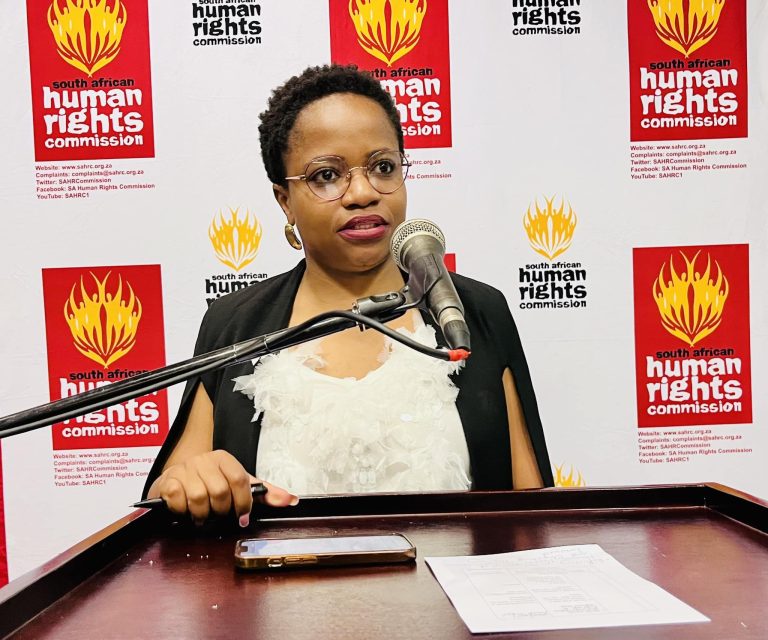
The SA Human Rights Commission has received several complaints concerning unplaced learners in Gauteng for the 2025 academic year, and has decided to launch an investigation into the matter.

The probe will focus on the persistent issue of unplaced learners and shortage of available spaces in Gauteng schools, including at centres for learners with special educational needs.

“In line with its Constitutional mandate to ensure the realisation of human rights, the commission has been monitoring the ongoing admissions programme and has observed a significant number of unplaced learners across various districts in [the] Gauteng province,” said Gauteng SAHRC manager Zamantungwa Mbeki.

“The commission remains committed to supporting efforts to ensure every learner in Gauteng is placed in a school, despite the challenges faced, to uphold the right to a basic education and enable continued teaching and learning.”

The commission is focusing on various areas concerning the provincial education system.

They include investigating the alleged contravention of children’s rights to basic education by the provincial government, and assessing whether Gauteng and education MEC Matome Chiloane have failed in their responsibility to ensure sufficient school placements for all learners.

The commission is examining the online admission system and support mechanisms provided by the Gauteng education department to determine whether they adequately address the needs of applicants, including learners migrating into the province.

It will conduct an overview assessment on whether schools are operating at full capacity according to acceptable class sizes and teacher-to-learner ratios, and probe the number of schools closed since 2019 in comparison to the construction of new schools.

Mbeki said the SAHRC would also scrutinise the department’s obligation to urgently find places for unplaced learners without further burdening already overcrowded classrooms.

The commission has called for submissions from members of the public to help determine the full extent of the issue as part of enquiry, and urged concerned parties to submit necessary documents before 2 March.

INSIDE EDUCATION
Decline in STEM subject enrolment must end: Deputy Minister

0

By Johnathan Paoli

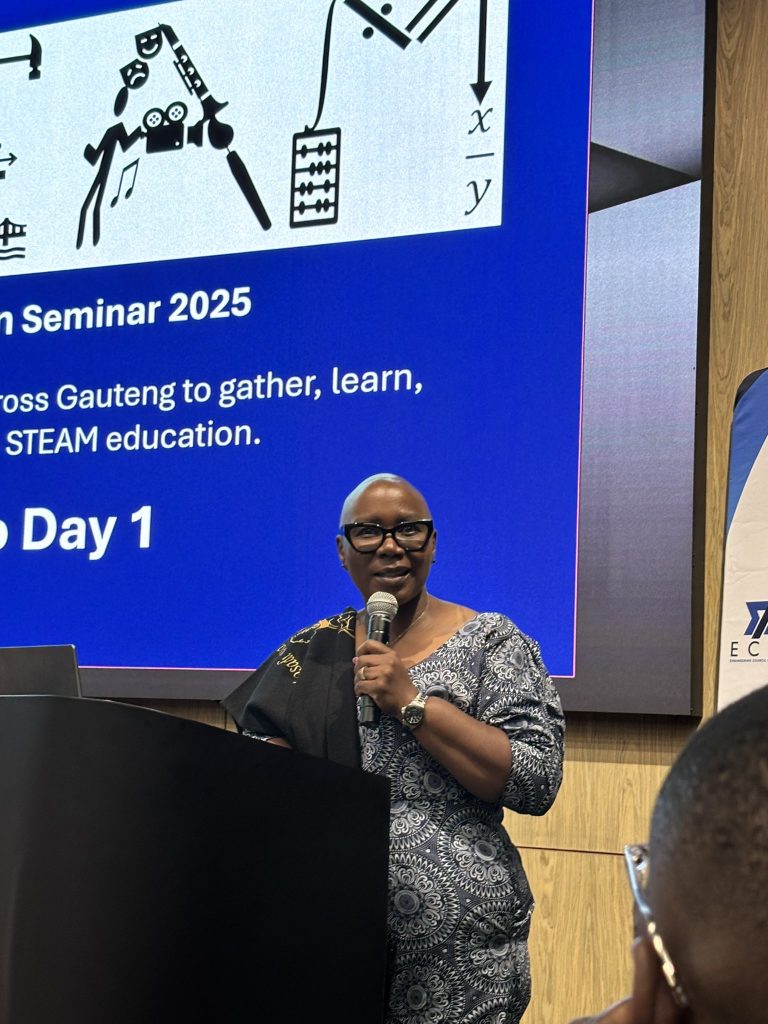
In a concerted effort to revitalise Science, Technology, Engineering and Mathematics (STEM) education in South Africa, Science, Technology and Innovation Deputy Minister Nomalungelo Gina has called for strategic interventions and collaboration.

“South Africa’s ability to compete globally and address national challenges through innovation depends on its investment in human capital development,” she said.

“However, the critical gaps that persist in STEM education undermine our efforts to build the necessary research and innovation capacity and as well as the technical skills for a knowledge economy, particularly among historically marginalised groups.”

She was delivering the keynote address at the second annual regional Science, Technology, Engineering, Arts and Mathematics Education Seminar in Johannesburg on Friday,

It was attended by education and industry leaders, including Sifiso Learning Group CEO Sizwe Nxasana, Werner Olivier from the Govan Mbeki Mathematics Development Centre, and Deloitte Chief Sustainability Officer Ashleigh Theophanides.

Gina emphasised the need to counteract the declining enrolment in STEM subjects, a trend that threatened the country’s innovation capacity and global competitiveness.

She underscored the critical role of human capital development in South Africa’s economic growth.

Referencing the Science, Technology, and Innovation Decadal Plan (2022-2032) and the White Paper on Science, Technology and Innovation, she stressed how these policy documents advocated for inclusive capacity-building initiatives to bridge STEM education gaps.

The deputy minister outlined several key factors contributing to the decline in STEM subject enrolment.

Many rural and township schools lacked fully equipped science laboratories and computer facilities, with some schools relying on corporate donations to establish makeshift computer labs.

She highlighted how a societal perception that mathematics was a difficult subject, discouraged learners from enrolling in STEM disciplines.

Some schools do not offer STEM subjects due to a lack of qualified educators and even where teachers are available, their training may not align with modern instructional approaches.

Gina stressed how schools were under pressure to maximise matric pass rates, often at the expense of prioritising STEM subjects.

To address these challenges, the deputy minister said the government has committed to several key interventions.

It planned to establish specialised STEM schools to enhance student outcomes in mathematics and science, with a significant focus to be placed on promoting gender inclusivity and addressing historical inequalities in STEM participation.

Citing President Cyril Ramaphosa’s 2021 address at the Basic Education Lekgotla, the deputy minister spoke about the need to realign education policies with the demands of the Fourth Industrial Revolution.

Thirdly, she said her department would be engaged in enhancing pre-service and in-service teacher training in STEM subjects, and urged universities to update their instructional approaches to align with global best practices.

Gina announced that she had initiated engagements with business chambers across South Africa to secure private sector investment in STEM education.

She called on the corporate sector, as the primary beneficiary of STEM-trained professionals, to fund digital and innovation hubs, particularly in rural areas.

Lastly, a flagship initiative involving the establishment of one STEM school of excellence per province which was strategically located in rural areas, was underway.

The project, led in collaboration with the Govan Mbeki Mathematics Development Centre and the Sifiso Learning Group, aims to set a benchmark for STEM education in South Africa.

The deputy minister concluded by emphasising the urgency of preparing the next generation for the evolving digital economy.

With artificial intelligence and other emerging technologies reshaping industries, South Africa must cultivate a skilled workforce capable of driving innovation.

She said that the government could not tackle this challenge alone and that it remained imperative that business, academia and civil society worked together to create a robust STEM education ecosystem.

INSIDE EDUCATION

Skills fund failing to make meaningful contribution: Committee

0

By Johnathan Paoli

The Portfolio Committee on Higher Education has expressed deep concern over the deteriorating state of the National Skills Fund (NSF), following a briefing held this week.

Committee chair Tebogo Letsie said the committee was particularly troubled by the fund’s persistent challenges, which hindered its ability to address South Africa’s critical skills shortages and high youth unemployment rate.

“The committee emphasised that, in its current state, the NSF is ill-equipped to make a meaningful contribution to addressing South Africa’s skills deficit,” Letsie said.

During the briefing, the NSF presented its audit action plan, outlining steps to address issues flagged by the Auditor-General in the 2023/24 annual report.

However, the committee remained unconvinced that the NSF was effectively resolving its systemic deficiencies.

A key concern raised was the significant underspending of R3.7 billion during the 2023/24 financial year.

Committee members found this particularly alarming given the country’s high youth unemployment rate and the urgent need for upskilling and reskilling young people.

Letsie stated that such financial inefficiencies rendered the NSF incapable of making a meaningful impact on South Africa’s skills development efforts.

Adding to the committee’s dissatisfaction was the absence of the NSF’s accounting authority and the executive leadership from the department at the meeting.

The chair deemed this lack of accountability unacceptable, raising questions about leadership commitment to addressing the fund’s persistent governance issues.

One of the most pressing concerns was the mismanagement of skills development funds, particularly the practice of depositing payments into business accounts instead of the designated interest-bearing accounts of Skills Development Providers (SDP).

The NSF argued that rural-based SDPs often faced difficulties in opening such accounts, but the committee dismissed this explanation as insufficient and unjustifiable.

Letsie condemned financial irregularities within the NSF, highlighting unauthorised payments made to Medirwe Investments, which was appointed project manager to train hundreds of unemployed youngsters how to run a poultry farm. The project is reportedly in limbo.

He said that despite having clear guidelines and procedures for funding skills development, the NSF has allowed payments without following due processes, and that the misappropriation of funds intended to upskill and re-skill young people was deeply troubling.

The committee also criticised the department for redeploying officials implicated in the Nexus Forensic Report on the plundering of the NSF to other directorates within the department instead of holding them accountable.

He warned that such actions undermined transparency and set a dangerous precedent for governance within state institutions.

In response to these concerns, the committee resolved to summon the Higher Education and Training Minister Nobuhle Nkabane along with the director-general Nkosinathi Sishi to provide a comprehensive account of the NSF’s challenges and corrective measures.

Furthermore, the committee plans to formally request that the minister engage with President Cyril Ramaphosa to expand the mandate of the Special Investigating Unit to include an in-depth probe into the NSF’s projects and expenditures.

It reiterated its commitment to ensuring transparency, accountability and effective governance within the NSF.

Letsie emphasised that immediate corrective action was necessary to restore public confidence in the fund and to ensure it effectively fulfilled its mandate of addressing South Africa’s critical skills shortages.

INSIDE EDUCATION

Gauteng education dealing with overcrowded schools

0

By Johannah Malogadihlare

The Gauteng education department has issued a statement to clarify that it did not say it would build 4000 satellite schools, following reports, including from the Democratic Alliance, of overcrowding at many of the province’s schools.

“As the department, we must correct the assertion that we said we will build over 4000 satellite schools.

“In our most recent media statement regarding late applications issued on 29 January 2025 which must be noted availed an opportunity to parents who did not apply during our application period, we announced that the satellite schools we introduced in 2025 will provide over 4417 additional spaces for placement in high-pressure areas,” said department spokesperson Steve Mabona.

Mabona also said that some of satellite schools had started operating, while others still needed to be completed.

The department said 292 primary schools and 277 secondary schools were regarded as high-pressure schools.

As examples, Laerskool Akasia received 1475 Grade 1 applications with a capacity of 240 learners and Hoërskool Langehoven received 3081 Grade 8 applications with a capacity of 300 learners.

“To assist high-pressure schools in accommodating more learners, the department implemented several interventions to address classroom shortages and enhance learning spaces.

“These measures included the provision of mobile classroom units, building satellite schools and transferring of funds to schools for self-build classroom projects, enabling schools to expand their capacity based on immediate needs,” Mabona said.

The DA said that during an oversight inspection at Randvaal Primary School in Sedibeng, it discovered that 53 learners in a single classroom.

Mabona’s statement followed DA MPL Sergio Dos Santos saying he had written to the department to inquire about the status of the 4000 satellite schools.

“The DA Gauteng reiterates its call for the Gauteng department of education to take immediate action by providing additional mobile classrooms and essential resources to address the overcrowding crisis in our schools throughout the province,” Dos Santos said in a statement.

Meanwhile, National Association of School Governing Bodies’ Nosipho Ntombela told Inside Education that 88% of schools in Soweto were without chairs, including Lofentse Girls High school, Orlando High School and Bona High School.

While overcrowding was major concern in Gauteng schools, Ntlombela also mentioned that Grade 10 learners of Job Rathebe School were without textbooks, and most classes were overcrowded by more than 50 learners.

Education MEC Matome Chiloane said that the department remained committed to transparency and ensuring every learner was placed in a suitable learning environment.

“We are on course to alleviate pressure from all identified schools. Schools are proceeding with the self-build classroom project and new schools will also be introduced across the province accordingly,” he said.

INSIDE EDUCATION

Education committee calls for calm amid accommodation crisis

0

By Lungile Ntimba

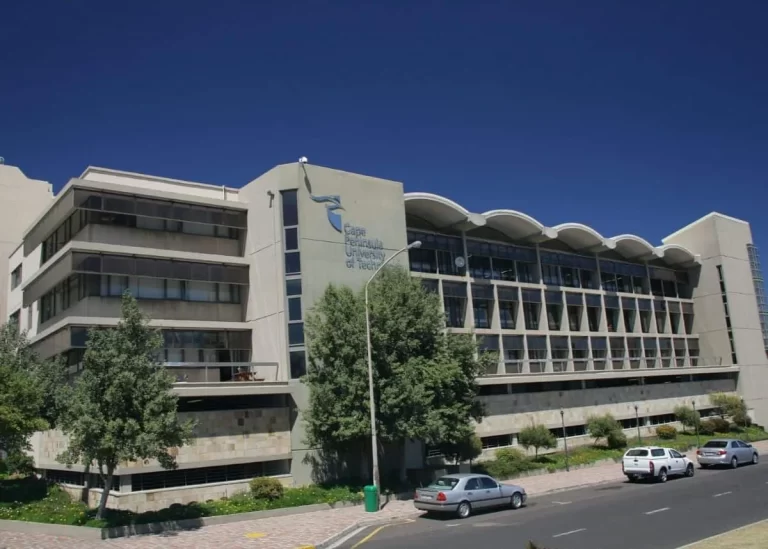
Higher Education Portfolio Committee chairperson Tebogo Letsie has expressed deep concern over the ongoing accommodation challenges at the Cape Peninsula University of Technology (CPUT) and the Nelson Mandela University (NMU). 

Hundreds of students have been left desperate and forced to find shelter wherever possible.

“The scenes at CPUT and NMU are deeply troubling, particularly following the committee’s recent oversight visits to institutions in North West and Gauteng provinces to assess readiness for the 2025 academic year,” Letsie said.

“While institutions assured the committee of their preparedness, the current crisis underscores the urgent need for greater scrutiny of these assurances.”

He said the systemic failure to address recurring student accommodation shortages reflected a broader institutional and governmental neglect of student welfare.

The chairperson condemned the involvement of private security forces at CPUT, which resulted in violent clashes and injuries to students.

He emphasised that the use of excessive force was unacceptable. 

“Security personnel must prioritise de-escalation and protection, not repression. Students advocating for their right to education deserve empathy, not violence,” Letsie added.

This comes after a video was posted on social media on Sunday night showing security guards and students engaging in a physical struggle at the District Six campus’ parking garage.

The situation escalated on Monday afternoon, with police deploying a water cannon against what they described as “riotous students”. 

Students claimed they were also tear gassed.

Some media reported that students set the administrative area of the university alight and threw stones at windows.

Provincial police spokesperson Wesley Twigg confirmed that police were injured during the protest and a 20-year-old man was arrested for public violence.

Meanwhile, students at the University of Free State engaged in a protest on Tuesday, airing several grievances.

They included issues over National Student Financial Aid Scheme’s (Nsfas) allocations and appeals, students unable to add more modules to their timetable, student debt and provisional registration.

INSIDE EDUCATION

Research reveals age and gender dynamics as integral to grade progression

By Johnathan Paoli

Children who start Grade 1 at the minimum age of five-and-a-half years face a significantly higher risk of repeating the grade compared to those who begin school at six.

This is according to a new report released by the Stellenbosch University’s Research on Socio-Economic Policy group. It reveals critical insights into the South African education system concerning challenges of early Grade 1 entry, gender disparities in learning progression, and an innovative teaching approach known as “learner-following”.

“This study examines the long-term impacts of early school entry, linguistic challenges and subject choices in the Further Education and Training (FET) phase, providing valuable insights for policymakers and educators,” Stellenbosch University said in a statement.

Boys in particular, are more vulnerable to this early academic setback.

In the Eastern Cape, the repetition rate for boys who enter school at 5-and-a-half-years-old is 31%, whereas for girls of the same group, the rate is 19%.

In contrast, boys who start school a year later experience a repetition rate of 20%, while girls’ repetition rates drop to just 8%.

This pattern, consistent across multiple provinces, suggests that younger learners, especially boys, may lack the developmental readiness required for formal schooling, leading to early academic struggles.

Another key finding is the significant challenge boys face when transitioning to English as the language of instruction in Grade 4.

In many South African schools, African languages are used as the medium of instruction in the Foundation Phase (Grades 1-3), before shifting to English in Grade 4.

The report supports the theory of linguistic interdependence, which suggests that a strong foundation in a learner’s home language facilitates second-language acquisition.

However, learners with weaker home-language skills in Grade 3 are more likely to struggle with English in Grade 4, increasing their risk of repetition.

Data shows that girls consistently outperform boys in this transition, scoring 3 to 5 percentage points higher in English First Additional Language (EFAL) across six provinces.

These findings highlight the need for targeted interventions to strengthen home language proficiency and provide additional support for boys during this critical stage.

Gender disparities become even more pronounced in the Further Education and Training (FET) phase (Grades 10-12).

The report reveals that there are nearly 100,000 more girls than boys in Grade 12, a gap largely due to higher repetition and dropout rates among boys.

While repetition rates have declined since the Covid-19 pandemic, boys still experience higher academic setbacks, leading to a higher concentration of boys in lower grades and increasing their likelihood of dropping out before completing high school.

The report explores an innovative approach in some South African schools known as “learner-following”, where teachers advance with their students through successive grades.

For instance, a Grade 1 teacher may move to Grade 2 with the same cohort and continue to Grade 3.

Preliminary findings suggest that this practice could have positive learning outcomes in certain contexts, fostering stronger teacher-student relationships and improving academic continuity.

The findings provide valuable insights for policymakers, educators and stakeholders in the South African education system.

Addressing the risk of early school entry, supporting boys through language transitions and tackling high repetition rates are crucial for improving learner progression.

Additionally, further research into the effectiveness of learner-following may offer innovative strategies for enhancing educational outcomes.

As the country continues to work toward education equity and improved learning experiences, the university praised these findings as underscoring the importance of evidence-based interventions that support all learners, regardless of age or gender.

INSIDE EDUCATION

Teen suicide prevention week aims to save young lives

0

By Levy Masiteng 

More than 2400 children were treated for attempted suicide last year, with NGOs warning that the number continues to rise.

The SA Depression and Anxiety Group (SADAG) is observing Teen Suicide Prevention Week, which is a critical initiative aimed at raising awareness about teen suicides in South Africa.

This week-long campaign under the theme “Your Feelings Matter, Let’s Talk”, emphasises the importance of recognising and acknowledging young people’s feelings, encouraging them to open up and seek help when needed.

SADAG estimates that around 9% of teenage deaths are caused by suicide.

“Talking about suicide and depression creates an opportunity to discuss feelings and thoughts that might have remained hidden,” said clinical psychologist and SADAG board member Zamo Mbele.

According to the national Department of Health, 7426 children under the age of 18 were treated for suicide attempts last year. 

“The devastating reality is that teen suicides are on the rise in South Africa,” said Mbele.

Roshni Parbhoo-Seetha, who is SADAG’s school outreach project manager, said the stigma surrounding mental health issues, coupled with the fear of discussing sensitive topics like suicide, has led to a culture of silence that could have deadly consequences.

SADAG is working on breaking the silence and encourages adults to take a proactive approach to supporting teens struggling with mental health issues such as depression. 

According to Mbele, there were a lot of myths surrounding teen suicides, including that they were seeking attention.

Basic Education Department director of psychosocial support Sibongile Monareng urged adults to be more supportive.

“We also urge parents and other adults to create psychologically safe homes and spaces where children can experience peace, support and acceptance,” Monareng said.

SADAG has launched an online Teen Suicide Prevention Toolkit, offering resources such as warning signs and symptoms of depression, and tips for parents and teachers. It is available on its website.

According to SADAG, car accidents and murders are the biggest killers of teenagers. The fastest growing group for suicides is people under the age of 35, specifically teenage girls aged between 15 and 19.

INSIDE EDUCATION

Global collaboration is a must in the education of children

0

By Johnathan Paoli

Basic Education Minister Siviwe Gwarube has called on the international community to appreciate the shared responsibility of nations in ensuring that every child has access to quality education.

Gwarube was speaking at the G20 Education Working Group Ministerial Breakfast with ambassadors and high commissioners in Cape Town on Monday.

She highlighted the importance of mutual recognition of qualifications across borders and the necessity of equipping educators in light of a changing landscape. 

“To build a future where every child has access to quality education, where qualifications are mutually recognised across borders and where our education professionals are equipped to meet the demands of a rapidly evolving world,” Gwarube said.

She outlined three primary priorities for the working group in 2025.

Firstly, she stressed the importance of quality foundational learning through early childhood care and education (ECCE), emphasising its critical role of ECCE and noting that foundational learning significantly influenced a child’s cognitive, social, and emotional development.

She cited research indicating that children who received quality early education were more likely to succeed academically and socially.

To address disparities in access, especially in low-income and rural areas, South Africa is investing in early childhood educator training, developing culturally relevant curricula and ensuring safe and engaging learning environments.

Secondly, Gwarube called for mutual recognition of qualifications, saying that in the globalised world, the ability for students and professionals to move across borders was essential.

She acknowledged that disparities in education systems created barriers and called for close collaboration between G20 countries to establish clear frameworks for mutual recognition.

This involved aligning curricula, developing standardised assessment methods and sharing best practices. 

She emphasised that mutual recognition was a political commitment to inclusivity and mutual respect.

Lastly, she advocated for professional development for educators. The minister said that the rapid pace of technological advancements and shifting socio-economic landscapes meant there was a need for continuous professional development.

This ensured they could integrate technology into classrooms, adopt innovative teaching methodologies and cater to diverse learner needs.

The group is committed to expanding access to training programmes, strengthening professional networks and fostering a culture of lifelong learning among educators.

The minister expressed deep gratitude to the diplomatic community for their unwavering commitment to education.

The minister reiterated the importance of solidarity, equality and sustainability in education.

She called upon all nations to work together to address the challenges facing education systems and to ensure that every learner, regardless of their background, has access to quality education. 

Gwarube emphasised that education was the most powerful tool to create economic opportunities and drive progress.

The minister expressed confidence that the discussions and collaborations during the group’s meetings throughout the year would lead to innovative solutions and meaningful progress.

She encouraged participants to seize the opportunity to learn from one another, share experiences and forge a path towards a brighter, more equitable future for all.

INSIDE EDUCATION

Will GNU’s disunity and disinformation thwart Bela?

0

By Edwin Naidu

The State of the Nation Address (SONA) starring President Cyril Ramaphosa until his tenure draws to a close, annually shows how out of touch with reality the country’s leadership is.

SONA was a feel-good wish list, oblivious to the pitfalls and people opposed to South Africa’s transformation.

Yet, Ramaphosa hailed the Basic Education Laws Amendment Act as pivotal in ensuring that education was accessible and inclusive for all South Africans.

He assured South Africans that the Minister of Basic Education would introduce national policy, norms, standards and regulations to empower all partners in basic education to support the implementation of the Act.

But is Ramaphosa sure the job can get done when the daggers are out in the name of unity?

It is easier said than done, considering Minister Siviwe Gwarube boycotted the President’s Bela signing ceremony in September 2024.

Can one honestly expect the Bela Act to have a transformative effect when its very opponent in a Government of National Unity is the party which pays lip service to change?

With a Mugabe-styled white leadership under Her Majesty Helen Zille, the DA seems resistant to change, remaining a white party taking off where the racist National Party left off. The only difference is the Nats prevailed in an apartheid era where spending disparities, especially in education, continue to manifest themselves negatively in South Africa three decades after democracy.

Admittedly, the change will take longer than 30 years to reflect the goals in the Freedom Charter or the promises in the ANC’s 1994 Reconstruction and Development Programme, which promised “a better life for all”.

But in a united government premised by a focus on separate interests, as in apartheid, how does one expect the DA to bother about unity when its focus remains on the people left behind by the Nats?

Interviewed by Inside Education soon after her appointment, Gwarube understood the key challenges facing the country, namely, children’s inability to read and write or display numeracy skills by Grade 4, infrastructure inadequacies, especially the existence of pit latrine toilets and lack of proper sanitation, and poor safety and security at schools.

However, the sticking point over Bela shows that the Democratic Alliance remains committed to retaining the rights of one group over another rather than doing what benefits the country.

To her credit, Gwarube is mindful of the challenges. But will the DA allow her to do what is right for ALL South African learners? After all, the same DA joined the Afrikaner AfriForum and trade union Solidarity in opposing Bela.

No surprise, the current incorrect and inflammatory narrative by America’s loony tune President Donald “Duck” Trump and his offer of refugee status to Afrikaners who have had their land confiscated was born out of AfriForum disinformation. No farm has been taken through expropriation laws, which became law last month.  

With education critical to the country, many educators argue that Bela will bring positive changes if implemented. But can we expect a party that claims to be part of a united government yet fraternises with people eager to stick the knife into all that is good for the majority to implement regulations that will address the legacy of apartheid?

Ramaphosa must not play Russian roulette with the Bela Act. South Africa cannot allow transformative laws to be held to ransom.

It is a concern that domestic policies around land reached the White House with the rabble-rousing by Trump and his side-kick Elon Musk, who, along with his father, seem ideal candidates for a Jerry Springer-type show.

Musk’s father, Errol, had a stepdaughter named Jana Bezuidenhout. Jana became Errol’s romantic partner. Along with Elon’s 11 children, the Musks would have put Pretoria on the map on the Springer show.

It’s a pity that the controversial and colourful show American host who died in April 2023 is no longer around to put a humorous window on trailer trash. Given his felon charge and a variety of women accusing Trump of sexual attacks since the seventies, you wonder about the mentality of people in America to elect such a person. That’s democracy for you. He was tailor-made for Springer – not the White House!

But we should be sure that the same hatchet job on South Africa’s land policies does not befall Bela. Musk may have been born in Pretoria, but he’s no friend of South Africa.

One hopes that once the Yanks acknowledge the truth about the land debacle, the government can get to work on the nuts and bolts around Bela without stumbling blocks or outside interference fueled by selfish people who dare to call themselves patriots.

Edwin Naidu is the Editor of Inside Education.

INSIDE EDUCATION

Tributes pour in for SA’s first Black nuclear scientist

0

By Akani Nkuna

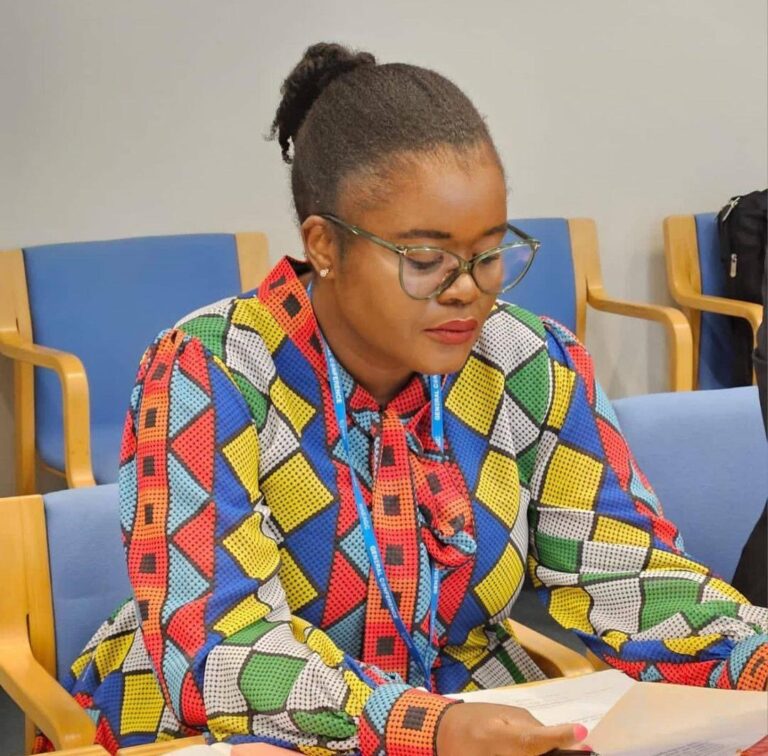
Deputy President Paul Mashatile has expressed deep sorrow over the passing of the country’s first Black nuclear scientist, Senamile Masango, who died suddenly over the weekend.

He recognised her ground-breaking contributions to the field and her role in advancing nuclear science and inspiring future generations in South Africa and beyond.

This comes after reports confirming the passing of Masango, who was a member of the Human Resource Development Council.

“Ms Masango was a beacon of hope for many young people, especially women. Her passion for developing critical skills among the population and women in science in particular, will be sorely missed,” Mashatile said in a statement on Monday.

Masango was a globally acclaimed nuclear scientist, distinguished energy leader and pioneering entrepreneur. Renowned for her trailblazing contributions to nuclear science, she earned widespread respect for her prestigious research, including work at the European Organisation for Nuclear Research, CERN.

Masango gained global recognition as the first African woman to conduct experiments at CERN. Her brilliance was honoured with the prestigious Women in Science Award in 2022.

Beyond her scientific achievements, she was a visionary entrepreneur and founder of Mphathisithele Consulting, an energy consulting firm. She also served on a number of public sector science bodies, including the SA Nuclear Energy Corporation.

The Department of Science, Technology and Innovation said that Masango’s passing leaves a void in the pursuit of science education and empowerment, especially for women and underprivileged groups.

“Masango’s tireless efforts to promote science education and empowerment, particularly among women and disadvantaged communities, will be deeply missed.

“Her founding of Women in Science and Engineering and her advocacy for increased representation and opportunities for women in STEM fields have had a lasting impact,” said the department said.

Minister in the Presidency for Women, Youth, and Persons with Disabilities, Sindisiwe Chikunga, highlighted Masango’s dedication to innovation, women’s empowerment and youth development.

She said that Masango worked relentlessly to create opportunities for marginalised groups in science, enabling young women to enter male-dominated fields. Her impact was beyond research, shaping national and global discussions where she was highly respected.

“Senamile Masango was more than a nuclear scientist; she was a beacon of hope and inspiration to countless young women aspiring to pursue careers in science and technology. Her passing is a profound loss not only to her family, friends and colleagues, but to the entire country. Her contributions to the National System of Innovation (NSI) will forever remain part of South Africa’s scientific and developmental legacy,” Chikunga said in a statement.

Chikunga further emphasised that the government remained committed to honouring Masango’s groundbreaking contributions to the NSI and vowed to enhance initiatives that promoted women’s involvement in science, technology,and industry.

Key programmes including SANSI, which equips young women with tech and engineering skills, and the Emerging Industrialists Accelerator Programmes, which uses precision agriculture to empower women farmers with market-driven expertise and industry access.

INSIDE EDUCATION