Home Blog Page 114

What one university’s 30-year transformation reveals about Afrikaans and language planning

0

By Lloyd Hill

When South Africa became a democracy in 1994, five of the country’s universities used Afrikaans as a medium of instruction. There were also two bilingual universities teaching in Afrikaans and English.

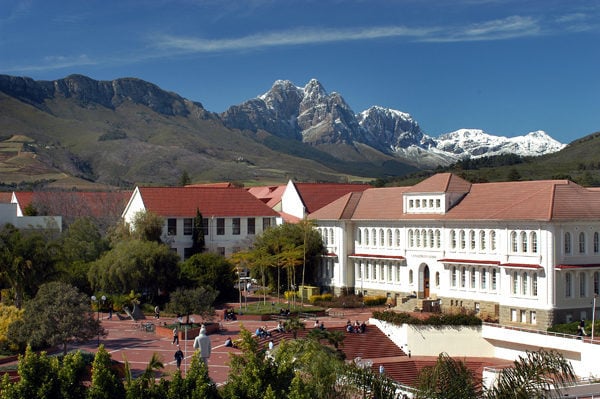
Stellenbosch University, about 50km from Cape Town, is the oldest historically Afrikaans university. Over the past three decades English has gradually replaced Afrikaans in the core functions of teaching and research.

The status of Afrikaans at formerly Afrikaans or bilingual universities remains the subject of considerable debate. This has led to litigation and three judgments in South Africa’s apex court, the constitutional court.

Afrikaans is commonly categorised as an Indo-European language, related to Dutch. It can be more accurately described as a Creole language that developed after the Dutch colonised the Cape in 1652. In 1925, standardised Afrikaans became an official language alongside English. It subsequently became associated with white Afrikaner nationalism and, from 1948, apartheid education policies. In 1976, Black students mobilised against attempts to make Afrikaans a compulsory medium of instruction in schools.

I’m a sociologist who studies language and communication in science and higher education. In a recent article and presentation I examined the three phases in which the language shift and the decline of Afrikaans at Stellenbosch University has unfolded.

The first phase (1994-2002) involved an attempt to defend Afrikaans institutional monolingualism. The second (2002-2015) saw a shift to institutional bilingualism. Afrikaans and English were used in undergraduate classes. The final and current phase began with the 2015-16 #FeesMustFall student protests. Pressure for the transformation of a predominantly white campus escalated. This triggered a rapid shift to English.

In 2024, the university’s language policy is, on paper, a scaled-down version of institutional bilingualism (Afrikaans and English). However, in practice English is the main medium of instruction. Afrikaans is, increasingly, not used across all disciplines. This reflects the trend at other formerly Afrikaans or bilingual public universities.

There is a case to be made for defending Stellenbosch University’s position as a centre of Afrikaans language and culture. But the centralised language planning apparatus it has developed over the past two decades is simply unsustainable. This case study prompts a broader reflection on languages and language planning within South African higher education.

First, for reasons related to its global academic status and its national second-language status, English has emerged as the dominant language of teaching and research at South African universities.

The second issue has to do with the nature of “language” at different levels of the education system. The official languages adopted in 1994 are not uniform “mother tongues” or “vehicles” moving from basic education to PhD.

Languages are more than individual “competencies”: they are political and economic projects. They are also particularly expensive and difficult to “plan” in university teaching and research.

First phase (1994-2002)

In 1994, South Africa’s then-interim constitution recognised 11 official languages. It committed “the state” to “practical and positive measures to elevate the status and advance the use of these languages”.

Afrikaans universities faced a particular dilemma. How could they retain Afrikaans as a medium of instruction and open enrolment to formerly excluded Black students? These are generally second-language English speakers who opt to study in English.

Other historically Afrikaans institutions adopted parallel medium instruction. Stellenbosch University resisted this trend and asserted its autonomy as a monolingual institution. Postgraduate teaching and research, however, shifted to English. Afrikaans was reframed as an undergraduate teaching issue.

The university argued that the predominantly Afrikaans-speaking Western Cape and Northern Cape provinces needed an Afrikaans-medium university.

Two factors undermined this demographic argument. First, the university enjoys national status. This can be traced back to an elite Anglophone college system in the 19th century British Cape Colony. Second, after the 1994 transition, the university focused on internationalisation. It also established itself as a leading research-intensive institution. As a result it has increasingly attracted students and academics with little or no Afrikaans competency.

Second phase (2002-2015)

In the early 2000s South Africa’s higher education system was overhauled. This involved institutional mergers, which coincided with the adoption of the 2002 Language Policy for Higher Education. The policy effectively disestablished monolingual Afrikaans universities, stating: the notion of Afrikaans universities runs counter to the end goal of a transformed higher education system.

Stellenbosch University adopted its first language policy and plan in 2002. Afrikaans was reframed as one of four undergraduate language options and described as “the default language of undergraduate learning and instruction”. A heated debate erupted in the Afrikaans media. In this first public – and acrimonious – taaldebat (language debate) many criticised the new “default” status of Afrikaans. That’s because, like a default setting on a computer, this option could be switched.

The new policy introduced formal language planning as an institutional process that would involve periodic policy updates. It also presented three module “options” that represented possible routes away from institutional monolingualism.

First, dual medium instruction involved using both English and Afrikaans in one lecture. Second, parallel medium instruction involved separate lectures in English and Afrikaans. Third was an English medium option. However, the second and third options were reserved for “exceptional circumstances”.

Within a few years, most modules shifted to the dual medium option. The university shifted to a dual medium form of institutional bilingualism. But a tacit racial assumption underpinned this model. The language policy ignored the growing enrolment of Black students and the appointment of Black staff members who didn’t have the required bilingual proficiency.

A new language policy, adopted in December 2014, tried to address the bilingual proficiency problem. It prioritised parallel medium instruction and “educational interpeting”. It never got off the ground.

Third phase (2015 to date)

Beginning in March 2015, a series of “Fallist” movements mobilised on South African campuses. A predominantly Black student movement called Open Stellenbosch was established. It aimed “to challenge the hegemony of white Afrikaans culture and the exclusion of Black students and staff”. Language policy was a key point of contention.

The university responded by redrafting its language policy. In June 2016 it established English as the primary medium of teaching at the undergraduate level.

This moment also marks the shift to what I term the second taaldebat. Afrikaans language activists now argued that English and Afrikaans ought to enjoy equal status. Institutional bilingualism became the new ideal framework for defending Afrikaans at Stellenbosch University.

Language activism included litigation, which ended in a constitutional court ruling. The court upheld the 2016 language policy review process. It also noted the “hard racial edge” to the evidence produced by Stellenbosch University. It remarked that:

Seen as a bloc, the new entrants for whom Afrikaans is an obstruction are not brown or white, but overwhelmingly Black.

Today, Stellenbosch remains notionally committed to “multilingualism”. In practice, this means a scaled down version of institutional bilingualism. It involves very limited parallel medium instruction and some simultaneous interpreting. English is the compulsory medium in modules where no duplication occurs.

Hill is a Lecturer at Stellenbosch University.

The Conversation
Govt hands out bursaries to students who want to help build SA

0

By Johannah Malogadihlare

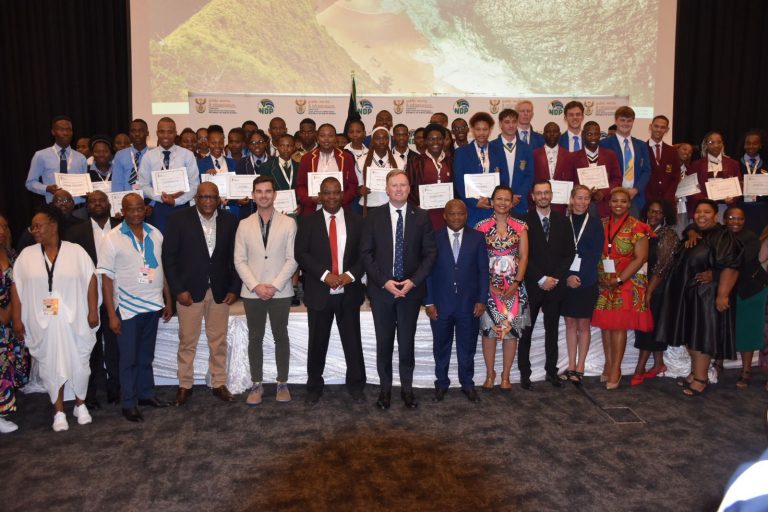
The Public Works & Infrastructure Department has awarded 63 bursaries to students who plan on pursuing studies in the built environment.

They were celebrated at an event in Boksburg in Ekurhuleni on Friday, which was attended by Minister Dean Macpherson.

“This ceremony is not just about awarding bursaries to students pursuing studies in the built environment – it sends a powerful message to South Africans across the country – we are building the human foundation necessary for continued infrastructure investment in our nation,” Macpherson said.

According to new policy introduced by the minister, the bursaries require beneficiaries to work for the department or one of its entities for two years or in the private sector, ensuring improved skills retention and diversity across the country’s provinces.

“These students will soon become qualified engineers, quantity surveyors, architects and electricians, creating a vital skills pipeline that will help South Africa become a construction site for decades to come,” he said.

Additionally, the minister said it was the department’s mission to drive economic growth and to create thousands of jobs.

He also mentioned that through acquired skills, learners and the department would lay the foundation for meaningful change in urban and rural communities.

Macpherson said that the recipients came from schools with strong Mathematics and Physical Sciences programmes.

And, schools that wished to be part of the development programme would be given a chance to showcase themselves.

“While these schools were identified prior to my appointment, I am pleased to announce that I have expanded the reach of this bursary programme to include more schools, ensuring every South African with an interest in studying in the built environment can access this opportunity,” Macpherson noted.

Explaining the change in policy, he said it was the country’s loss if the learners did not work in South Africa after studying.

He said the vision of ‘turning South Africa into a construction site’ was not about erecting buildings or laying roads, but creating opportunities, improving lives and building a nation where every citizen could thrive.

“Globally, infrastructure development is among the most powerful tools for stimulating economic growth. It drives local investment, creates jobs and forms the foundation for essential services like healthcare, education and public safety,” the minister said.
Furthermore, he mentioned the responsibilities that defined a constructor and that the success of the bursary scheme would be the result of partnerships with schools, universities, SETAs  and professional bodies.

INSIDE EDUCATION


Hawks nab man for allegedly selling matric results

By Amy Musgrave

The Hawks have arrested a 21-year-old suspect man connection with the suspected leak of the 2024 matric results that were allegedly sold on the internet.

This follows Basic Education Minister Siviwe Gwarube announcing on Monday that the department had identified a breach in its system.

“If the leak is from our side, we will deal with it. If it is from processes outside the department, we will deal with it. But either way, we will take this breach seriously,” Gwarube said.

She said that if the leak should be found outside the department, they were obligated to share the information with the Hawks to investigate the matter.

Results were being offered on the internet for R99.90 before their official release on Tuesday.

Gwarube said that she grateful law enforcement agencies were able to step in quickly for a speedy investigation. 

Hawks spokesperson Col Katlego Mogale said the department lodged the complaint in Pretoria and the case was transferred to the Hawks for further investigation.

The Hawks’ serious economic offences unit descended on a house in Hillcrest, north of Johannesburg, after a search and seizure warrant was approved.

The Hawks proceeded to the identified premises where the man and his were living.

“During the search, electronic gadgets and an unlicensed shotgun with live ammunition were found. The 21-year-old suspect will be detained for the unlawful possession of a firearm and investigations into the matric result leakages will continue,” said Mogale.

Gwarube stressed on Monday that the breech occurred at the “tail-end” of the process, and would consequently not affect the integrity of the results.

INSIDE EDUCATION

Solidarity Movement likely to challenge Bela Act in court

0

By Johnathan Paoli

Solidarity, AfriForum and the Support Centre for Schools (SCS) under the Solidarity Movement have initiated legal proceedings against the complete promulgation of the Basic Education Laws Amendment (Bela) Act, citing irrationality and the breech of agreements.

The three organisations came together on Thursday and contended that President Cyril Ramaphosa and Basic Education Minister Siviwe Gwarube acted contrary to prior commitments and legal norms.

The controversy centres on the promulgation of the Act in its entirety, despite recommendations from Gwarube to delay implementing the language and admission clauses due to the lack of established norms and standards.

According to the organisations, the minister’s earlier recommendation at the National Economic Development and Labour Council aimed to safeguard mother-tongue education, particularly for Afrikaans-speaking learners, and to ensure a more orderly implementation process.

They told reporters that legal letters have been sent to both Ramaphosa and Gwarube, arguing that their actions were irrational. They have given the government 10 days to resolve the issue, failing which they will proceed to court.

Solidarity Movement head of operations Werner Human emphasised that the institutions within the movement also planned to advocate for fair norms and standards in the forthcoming regulations governing language and admission policies for schools.

“The institutions of the Solidarity Movement also reserve the right to take legal action against the unconstitutionality of the Bela Act itself as well upon completion of the legal action against the promulgation notice,” Human added.

AfriForum CEO Kallie Kriel criticised the government’s actions, describing the promulgation as an act of aggression against Afrikaans schools and learners.

He accused the African National Congress of undermining national unity and fostering discord by ignoring agreements and excluding protections for Afrikaans and mother-tongue education.

“The promulgation is an indication that the ANC is turning the Government of National Unity into a government of national disunity that seeks to simply co-opt parties like the Democratic Alliance and Freedom Front Plus to help the ANC in implementing its policy,” Kriel said.

Similarly, Solidarity CEO Dirk Hermann expressed dismay at what he called a breach of trust by the government.

“The Constitution and case law confirm that the minister’s recommendation, as the person responsible for the implementation of the Act, carries weight. The promulgation of a law is not the sole task of the President.

“The purpose of the minister’s recommendations is to postpone the implementation of the Act so that the necessary steps can be taken to implement the legislation effectively,” Hermann said.

SCS CEO Leon Fourie added that the president’s failure to provide reasons for disregarding the minister’s recommendations suggested political motives driven by anti-Afrikaans factions within the ANC.

“It therefore appears that the president’s irrational promulgation of the Bela Act in its entirety succumbed to political pressure from the anti-Afrikaans elements in the ANC,” Fourie said.

While challenging the promulgation notice, the Solidarity Movement is preparing to monitor and influence the drafting of norms, standards and regulations to prevent misuse of the law.

The organisations said that their aim was to ensure that the regulations included provisions to curb the abuse of power and protect Afrikaans schools.

The department and the Presidency were not available for comment at the time of publishing.

INSIDE EDUCATION

Back to school for SA’s learners, amid hope and challenges

By Johnathan Paoli

As the 2025 academic year begins, schools across the country have reopened their doors to millions of learners embarking on the next chapter of their educational  journey.

While the first day of school brings excitement, heart-warming moments and new beginnings, it also highlights systemic challenges in the education sector.

From Braamfischerville Primary School in Soweto, Gauteng to Dr. BW Vilakazi Primary in KwaZulu-Natal, learners and parents shared emotional moments as Grade 1 learners were ushered into classrooms.

Hugs, kisses and tears marked the occasion as parents captured this special milestone with photos.

Basic Education Minister Siviwe Gwarube, who spent the day in the Eastern Cape and visited Khewzilesizwe Primary School, expressed her department’s commitment to facilitating a successful academic journey for learners in the year ahead.

“The message is to say we wish you well for the 2025 academic year. We want to say that we are here every step of the way. Ours is to make sure that the environment is conducive for learning and teaching,” the minister said.

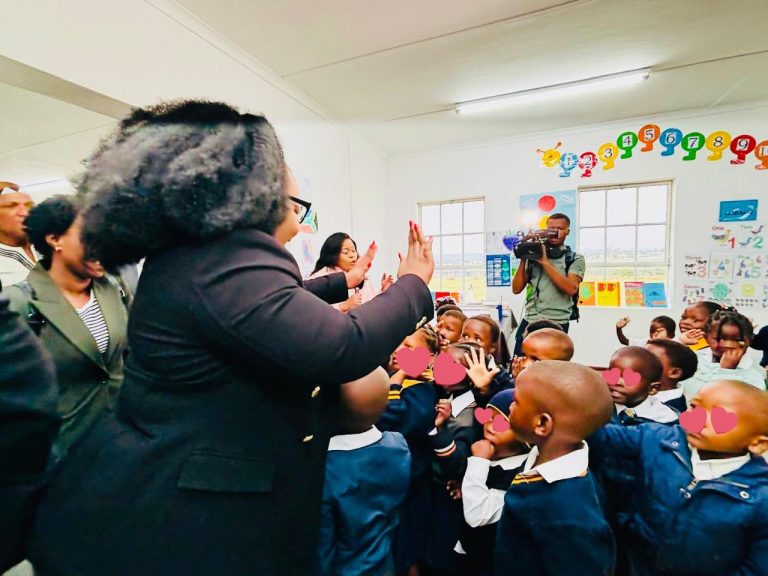
Gwarube, alongside education MEC Fundile Gade, monitored schools to ensure readiness for the academic year, greeting children in Grade R and taking time to interact with them and observe their learning environment.

The minister and Gade also went to Healdtown High School, which was attended by notable figures like Nelson Mandela and Robert Sobukwe, addressing the matric class of 2025 and inspecting the R100 million school upgrade project.

Deputy Minister Reginah Mhaule visited secondary schools in Mpumalanga to oversee operations, while Gauteng education MEC Matome Chiloane addressed infrastructure concerns and learner placement backlogs.

During her address, Mhaule stressed the essential values of self-respect among learners, highlighting the importance of respecting their parents and teachers as well.

Chiloane along with other provincial officials opened the state-of-the-art Braamfischerville Primary School with a symbolic ribbon-cutting ceremony ahead of the first day of school.

Braamfischerville Primary School in Soweto. Picture:

Despite the optimism, parents remain concerned about securing placements for their children, with thousands of learners across the country still waiting to find a spot.

In the Western Cape, over 2,600 Grade 1 and Grade 8 learners were yet to be placed as of school opening day.

The Western Cape education department maintained said it was actively attempting to address the issue, in light of an increase in late applications.

“As of January, we have allocated places for 118,914, or 98%, of the learners for whom applications were received for Grades 1 and 8 for the 2025 school year by December last year. Placement is in progress for 2,478, or 2%, of Grade 1 and 8 learners. However, since the start of the year, new extremely late applications have been received for over 300 Grade 1 and 8 learners for the current school year,” the department said.

Gauteng has yet to disclose the number of unplaced learners, but long queues formed at district offices as parents sought assistance.

Complaints about school allocations, fees and distances from home highlighted frustrations with the current placement system across the country.

Meanwhile, the impact of budget cuts weigh heavily on expectations of the academic year ahead.

The department has warned of severe budget pressures across provinces, amounting to between R78bn to R118bn, which will lead to significant cutbacks in critical areas, including fewer teachers, reduced textbook availability, and inadequate administrative support, which may disrupt teaching and learning processes.

The recruitment and retention of teachers are at risk, raising concerns over overcrowded and under-resourced classrooms.

Some regional departments have already indicated they may cut funding to essential programmes like scholar transport and nutrition in order to preserve teaching posts.

However, the department remains committed to mitigating these challenges, advocating for increased investment and measures to safeguard vulnerable schools, particularly in rural and poverty-stricken areas.

Despite worries, Gwarube reiterated the government’s dedication to supporting schools and learners, despite the challenges the country’s education sector is facing in the days ahead.

INSIDE EDUCATION

Free State snatches SA’s top pass rate for a 6th consecutive year

By Johnathan Paoli

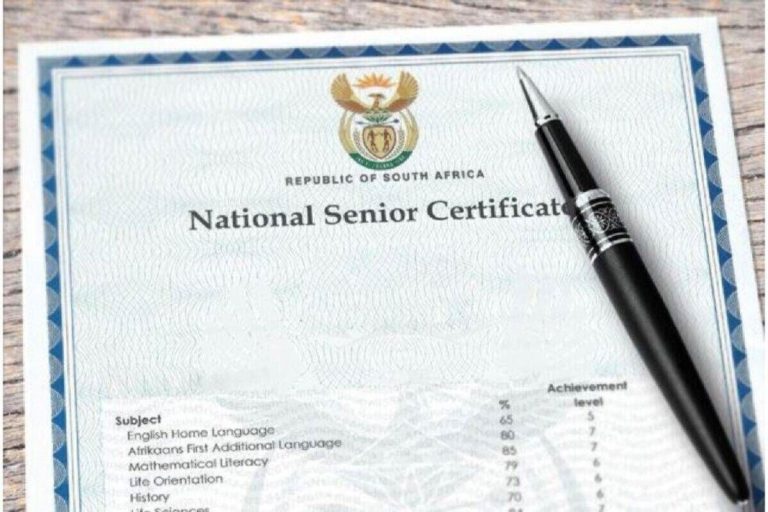
The Free State once again emerged as South Africa’s top-performing province in the 2024 National Senior Certificate (NSC) results, marking the sixth consecutive year it has claimed the top spot.

Education MEC Julia Maboya expressed immense pride in a media briefing after the provincial release of the NSC results at the Central University of Technology in Bloemfontein on Tuesday.

“We have always surpassed our targets. As a province we are really proud of learners, teachers, parents, SGBs and teacher unions. I think it is in this province that we have demonstrated that education is a societal matter,” Maboya said.

The MEC attributed this success to relentless hard work, strategic planning and community involvement.

Maboya praised the feat as remarkable given the province’s socio-economic challenges, but pridefully stressed the Free State’s determination.

“We are investing in our people through education. That is the best thing we can do for our people because we happen to be one of those poor provinces,” she said.

The Free State achieved an impressive 91% pass rate, a marked improvement from the 89.1% recorded in 2023, with key achievements including a notable increase in quality passes.

In addition, 48.2% of learners earned bachelor passes and 30% achieved diploma passes, reflecting consistent improvement in high-grade results since 2020.

A total of 17,486 learners qualified for university studies, 10,889 for diploma programmes, and 4,621 for higher certificates, underscoring the depth and diversity of academic success across the province.

Four of the Free State’s districts ranked among the top 10 nationally out of 77 districts, with Fezile Dabi District achieving a remarkable 93.5% pass rate, the second highest in the country.

Other high-performing districts include Motheo, Xhariep and Thabo Mofutsanyana, demonstrating the province’s regional strength in education.

Among the 355 schools in the province, 67 achieved a 100% pass rate, and 232 exceeded a 90% pass rate.

The province’s focus on Mathematics and science education also yielded exceptional results, with Mookodi Secondary School in Thabo Mofutsanyana District being named the best school in these subjects, achieving a 97% pass rate in both.

Maboya said the Free State’s consistent advancements in quality outcomes and district level achievements highlighted its leading role in South Africa’s education landscape.

Fezile Dabi District Director Vusi Chuta said the accomplishment reflected the district’s dedication to quality education and its transformative impact.

He stressed the drivers of success in the district including initiatives like Saturday classes, after-school programmes, and holiday revision sessions focusing on critical subjects such as Mathematics, Physical Sciences and Accounting, supporting high-risk learners.

The district also focused on fostering teamwork among educators, principals and school governing bodies, enhancing teaching quality through regular workshops and training, with the district officials actively involving parents and community stakeholders to ensure holistic learner support.

Additionally, Chuta said the district prioritised foundational literacy and numeracy, preparing learners to excel in senior grades and celebrating achievements of learners and schools by cultivating motivation and healthy competition.

Approximately 67% of Bachelor passes came from Quintile 1 to 3 schools, showcasing the district’s commitment to equity and inclusivity, with many regarding Fezile Dabi’s success as integral to the Free State’s overall 91.0% pass rate.

Despite its success, Chuta said the district aimed to address challenges like declining participation in gateway subjects.

He said the district’s commitment to sustained excellence would ensure it remained a model of educational achievement in South Africa.

INSIDE EDUCATION

Limpopo and Mpumalanga welcome the matric triumph of 2024

By Johnathan Paoli

Limpopo and Mpumalanga welcome the matric triumph of 2024

By Johnathan Paoli

The provinces of Limpopo and Mpumalanga heartily celebrated their learners during the releases of the 2024 National Senior Certificate (NSC) exam results on Tuesday.

Limpopo education MEC Mavhungu Lerule-Ramakhanya said it was the first time the province had surpassed the 80% threshold since the advent of democracy, earning it sixth place nationally, a leap from seventh last year.

“The class of 2024 made history by pushing boundaries and delivered on their promise,” she said.

Once lagging in performance, Limpopo has now emerged as a “province on the rise”, achieving a historic 85.01% matric pass rate, up from 79.5% in 2023.

The top three districts included Mogalakwena with an 87.8% pass rate, Mopani West with 87.2%, and Vhembe East and Capricorn South tied in third place with 85.8%.

Sekhukhune East was the most improved district, up from 74.7% to 84%.

Setotolwane Secondary from Capricorn South achieved a 100% pass rate with more than half of matriculants achieving Bachelor passes.

Lerule-Ramakhanya attributed this success to the relentless efforts of teachers, principals, parents and stakeholders who united under the shared vision of excellence.

She expressed gratitude to traditional leaders, pastors, government officials and sponsors for their unwavering support. Sponsors were particularly lauded for providing resources like shoes, laptops and bursaries.

While celebrating the achievements of the Class of 2024, Lerule-Ramakhanya emphasised that the work continued.

She said Limpopo had set its sights on achieving a top five national ranking.

In Mpumalanga, education MEC Cathy Dlamini noted that matriculants achieved an 84.99% pass rate, exceeding the province’s target by 1.99% and marking a significant improvement from 2023’s 77%.

“We wish to congratulate the Class of 2024. Your accomplishments are an inspiration to us all. We hope that the Class of 2025 will emulate this best practice. No one must be left behind,” Dlamini said.

Basic Education Deputy Minister Reginah Mhaule attended the provincial announcement, thanking all stakeholders had assisted in maintaining the stability and improvement of the sector.

Of the 64,201 candidates who wrote the NSC exams, 54,567 passed, with 27,885 qualifying for Bachelor programmes and there were 23,310 distinctions.

Districts recorded notable improvements in pass rates, with Ehlanzeni District leading at 88.43%, Gert Dibande at 87.67% and Nkangala at third with 85.24%.

Out of the 17 municipalities in the province, the Steve Tshwete local municipality obtained position one after passing 2449 learners which constitute a 92.9% pass rate.

The top-performing circuit was Msukaligwa, achieving a 95.9% pass rate, with 51 out of 71 circuits performing above 80%.

Among schools, 58 were able to pass all learners who wrote, recording a 100% pass rate, an improvement from the 24 schools in 2023.

A total of 201 performed between the 80% and 99% pass rate bracket compared to 117 of 2023, while 500 schools performed above 70% compared to 417 of 2023.

Hoërskool Nelspruit emerged as the best performing institution, with 100% of its learners passing and collectively achieving 366 distinctions.

The most improved school is Madoda Secondary School in Siyabuswa Circuit at Nkangala District, registering an improvement of 62% and obtaining a 90.9% pass rate this time around.

The province also saw impressive results in Mathematics and Physical Sciences, surpassing targets with pass rates of 66.37% and 73.69%, respectively.

Out of the 481 no-fee schools, 31 obtained 100%, 332 schools obtained results above 80% and 412 schools performed above 70%.

The overall best quintile 1 school in the province is Mkolishi Secondary School at Manzana in the Chief Albert Luthuli Local Municipality, obtaining a 100 % pass rate for two years in succession and passing all 103 learners who sat for the examination.

Efforts to improve inclusivity and quality education were evident, with 481 no-fee schools participating and significant resources allocated to rural and disadvantaged areas.

Key initiatives for 2025 included strengthening technical high schools, coding and robotics programmes, and e-learning systems.

Dlamini emphasised the province’s commitment to achieving a minimum 80% pass rate across all districts, with intensified support for underperforming schools.

INSIDE EDUCATION

SA’s big three welcome 2024 NSC results

By Johnathan Paoli

The country’s most populous provinces of Gauteng, KwaZulu-Natal and the Eastern Cape are satisfied at the outstanding performance of matriculants.

Gauteng education MEC Matome Chiloane commended pupils and teachers for their hard work.

“Thousands of you have again in the past year shown your dedication to your profession and to our children, attending courses, participating in our in-service development offerings, upgrading your management skills and most importantly putting our learners at the centre of your efforts every day,” Chiloane said.

Gauteng achieved a historic 88.41% matric pass rate, the highest since 1995 and a 3% improvement from last year.

Notable achievements include 66,979 Bachelor passes, contributing 20% of national bachelor-level qualifications, and a 51.5% pass rate among progressed learners, up from 42.5% in 2023.

All 15 districts surpassed the 84.5% pass rate, with Johannesburg West achieving the highest national district pass rate in the country at 97%.

Gateway subjects like Mathematics and Physical Sciences showed marked improvements. The pass rate for maths was 72.7% and for Physical Sciences 79%.

Indigenous language results were strong, with isiNdebele and South African Sign Language achieving 100% pass rates.

KwaZulu-Natal education MEC Siphosihle Hlomuka praised the collective efforts of educators, parents and stakeholders in overcoming challenges like resource shortages.

“I have the utmost confidence that these young minds will grow into agents of positive change. Armed with knowledge and skills, they are well-equipped to address the numerous challenges faced not only by South Africa, but also by those in other parts of the world,” Hlomuka said.

KwaZulu-Natal achieved an 89.5% pass rate, an improvement from 86.4% in 2023, with 144,990 of the 161,962 learners passing.

The number of schools achieving a 100% pass rate rose from 246 to 321, and no school recorded a 0% pass rate. The number of schools that performed below 75% fell from 288 in 2023 to 182 in 2024.

The uMkhanyakude District led with a 92.8% pass rate, followed by Ugu at 91.7%, and Ilembe and Zululand tied at 89.5%; while the most improved district was King Cetshwayo that moved from 83.4% to 88.6%.

Bachelor passes increased to 84,470, however, the number of diploma passes decreased from 43769 to 42830 and the number of higher certificates also decreased from 20435 to 17609.

The province’s learners performed exceptionally well in languages, recording a 100% in IsiXhosa first additional language, 99.9% in IsiXhosa home language and 99.9% in IsiZulu home language.

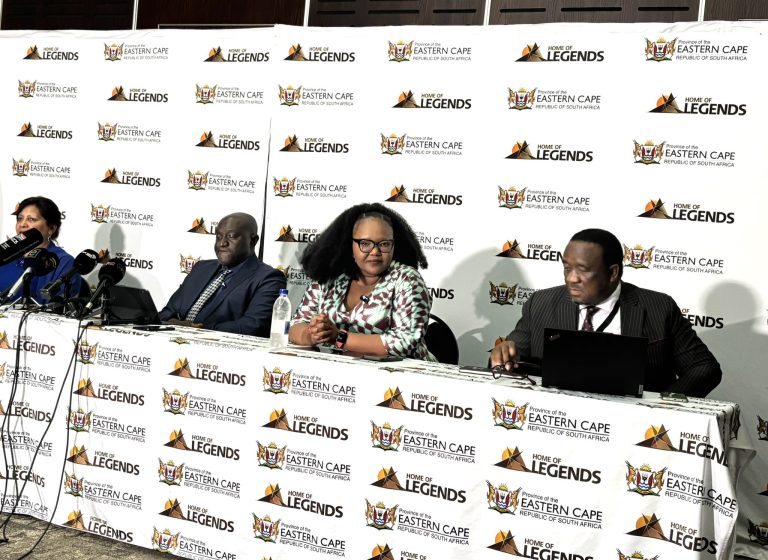
In the Eastern Cape, education MEC Fundile Gade encouraged unsuccessful candidates to persevere and highlighed the province’s strides in education quality and accessibility.

“I am proud to express that no learners were left behind in getting the opportunity to sit for their NSC examinations. The future of this country is in your hands, make it work,” Gade said.

Gade was joined by the Basic Education Minister Siviwe Gwarube, who is in her home province this week for the matric results and the opening of schools. She commended district directors and teachers and motivated the Eastern Cape to maintain its pursuit of excellence in Mathematics and Science.

“A province like ours, it is incredibly rare that a province such as ours that is incredibly rural, can produce one of the top three highest number of Bachelor passes. [t] says that there is something right happening in the province,” the minister said.

The province achieved an 84.9% pass rate, whoch was a 3.56% increase from 2023. There was a total of 352,524 passes, a 45.7% Bachelor pass rate and 35,640 distinctions, which was a five-year high.

Subject performance improved significantly, with gains in Mathematics, Physical Sciences, and gateway subjects such as Accounting and Economics.

The number of schools performing at 70% and below has dropped from 95 to 65, while the number of schools performing above 90% pass has improved from 254 to 382.

School-based assessments saw notable enhancements, while Quintile 1-3 schools demonstrating strong improvements, averaging pass rates above 80%.

The top-performing districts included Chris Hani East (88.5%), Amathole East (87.8%) and Alfred Nzo West (86.9%), while the OR Tambo Coastal district improved the most from 78.3% to 83.9%.

Curriculum interventions like extra classes, virtual lessons and online support played a key role, while collaborations with unions, NGOs and private entities further supporting learners, providing resources and motivation.

INSIDE EDUCATION

Praise for the Class of 2024

0

By Akani Nkuna

Political parties have congratulated the Class of 2024 for their remarkable determination which has ensured that they achieved the highest pass rate in the history of the country.

Despite the unprecedented disruptions of the Covid-19 pandemic, the pass rate for last year was 87.3%.

ANC national spokesperson Mahlengi Bhengu-Motsiri praised the collaborative efforts and parents, teachers and learners, whose combined hard work and dedication led to the improvement in the results.

“The Class of 2024 achieved a historic 87.3% pass rate, the highest in the country’s history. This remarkable milestone reflects the resilience of learners, educators and parents, as well as the decisive role of successive ANC-led administrations’ interventions in education,” she said on Tuesday.

The matric pass rate was 82.9% in 2023. A notable highlight is that the class got the highest ever number of Bachelor passes at 47.8%, representing a 6.9% increase from the previous year.

Democratic Alliance education spokesperson Delmaine Christians also applauded the learners, saying that despite facing adversities and budget constraints which impacted teacher staffing, class sizes, school safety and access to quality resources, they surged beyond expectations.

“We know that learners had to overcome severe socio-economic and other circumstances to reach Grade 12 and sit their examinations, and that many of them used their circumstances as a motivation to ensure they achieve the best possible results,” she said.

Christians further said that the party recommended that South African Council for Educators be strengthened to ensure all teachers were equipped to provide quality education, as even top students struggled with ineffective teaching.

Meanwhile, the EFF cautioned that the country faced significant concerns due to dwindling interest in Physical Sciences and has called for a strong foundation to be instituted for this crucial subject.

EFF spokesperson Leigh-Ann Mathys said that “the declining participation in Physical Sciences and the lack of improvement in results are also major concerns for South Africa’s future”.

“A robust foundation in these subjects is essential for global competitiveness and participation in the Fourth Industrial Revolution,” she said in a statement.

The GOOD Party is also urging the government to allocate more funds to education, focusing on rural areas so that students in village schools receive the same quality education as those in suburban schools.

“Government [needs] to place greater priority on basic education as the basic building block our developmental society. We must [spend] more money on developing our children…,  said GOOD secretary general Brett Herron.

INSIDE EDUCATION

Class of 2024 achieves historic high in NSC results

By Johnathan Paoli

Matriculants spent Monday night on tenterhooks waiting to hear how they performed in their final exams.

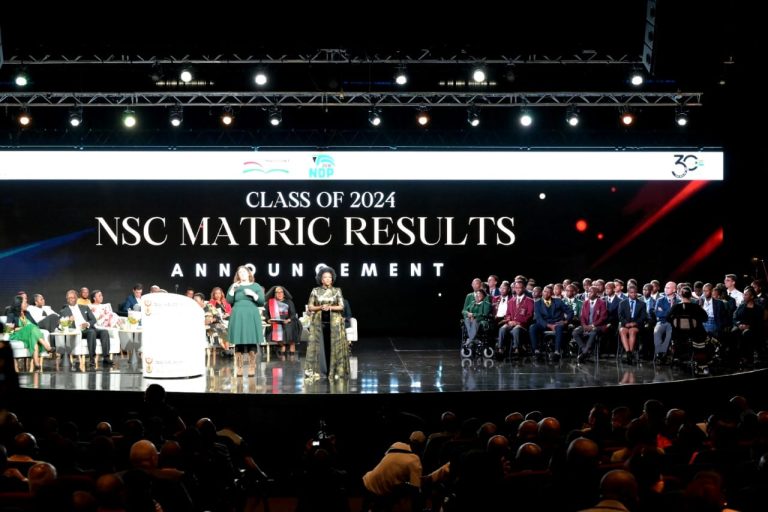
Earlier in the day, Basic Education Minister Siviwe Gwarube announced that the Class of 2024 achieved a historical pass rate of 87.3%. A total of 615,429 learners passed the exams, despite spending two of their years in high school during the height of Covid-19 pandemic, which started in 2020.

The pass rate is up from 82.9% in 2023, with nearly half (47.8%) of the candidates earning a Bachelor pass, a qualification required for university admission. This marks a substantial improvement from 40.9%, with the number of Bachelor passes doubling over the past decade to 337,158 in 2024.

Notably, 67% of these passes came from Quintile 1 to 3 schools in poorer communities, with the minister underscoring education’s transformative power.

All provinces recorded pass rates above 84%, with the Free State leading at 91%, while the Northern Cape showed the most improvement, surging by 8.3% from 2023.

KwaZulu-Natal got the second highest pass rate at 89.5%, followed by Gauteng with 88.4 %.

The North West has a pass rate of 87.5%, the Western Cape with 86.6% and Limpopo with 85.01%.

Mpumalanga got 84.99%, the Eastern Cape 84.98% and the Northern Cape at 84.2%.

The matriculants earned an impressive 319,651 distinctions, a significant increase from the previous year.

Key subjects like Mathematics saw an improved performance, with the pass rate rising from 63.5% in 2023 to 69.1% in 2024.

However, Physical Sciences showed a slight decline, highlighting the need for targeted interventions in foundational literacy and numeracy.

KwaZulu-Natal led in Bachelor passes (84,470), followed by Gauteng (66,979) and the Eastern Cape (45,662), while schools in rural and under-resourced areas also celebrated top achievers, emphasising the reach and impact of education initiatives.

Additionally, no-fee schools improved their pass rates from 81% in 2023 to 85.8%, demonstrating the success of initiatives such as the National School Nutrition Programme.

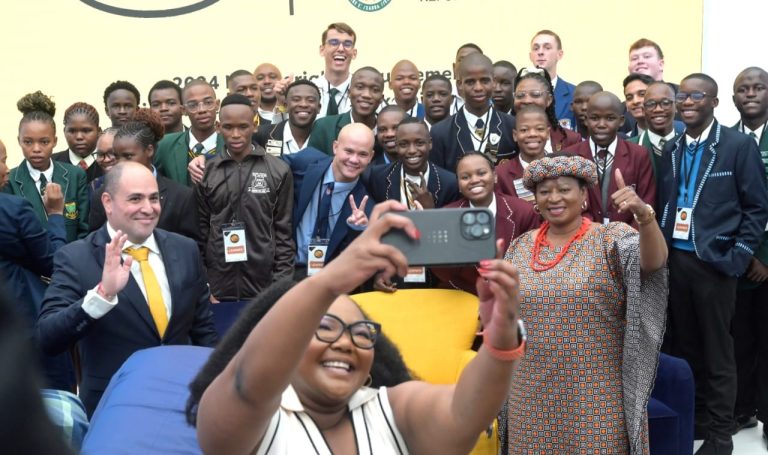
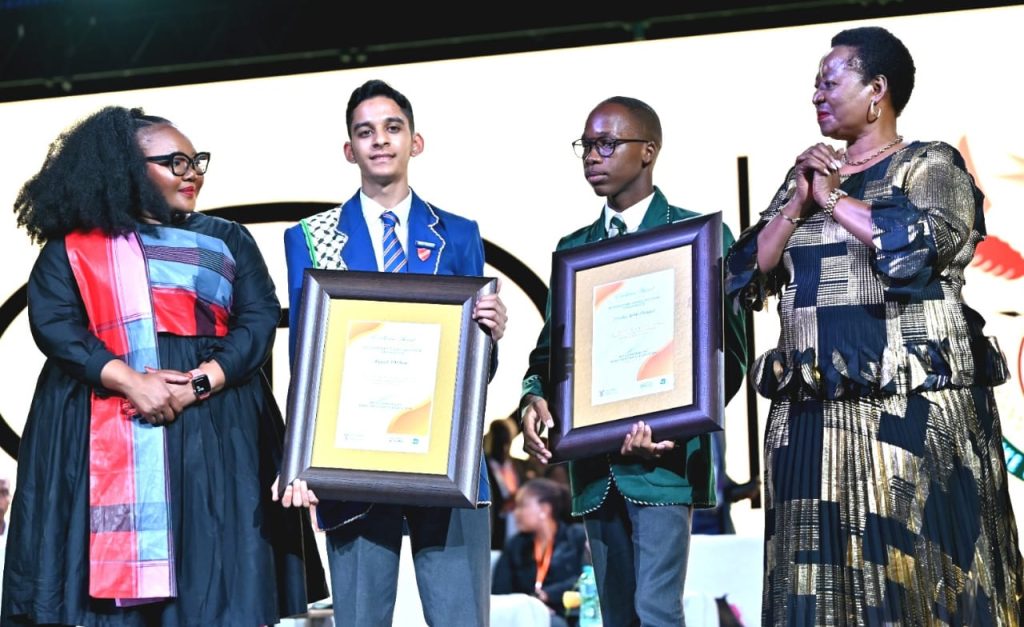
The National Top Learner Awards were won by Owethu Shangase from John Wesley from Kasi Bay Private School and Rayyan Ebrahim Pinelands High School, both from KwaZulu-Natal.

The Class of 2024 began Grade 1 in 2013 and faced the unprecedented disruptions of the Covid-19 pandemic during critical educational years.

Speaking in Johannesburg, Minister Gwarube highlighted the achievements of the “Covid generation”, who overcame numerous challenges to achieve the highest matric pass rate in the country’s history.

“This occasion is not only a moment to recognise the accomplishments of our learners, but is also an opportunity for us as a country to reflect on the health of our basic education system at the start of 2025,” she said.

She said the department aimed to achieve universal access to quality ECD programmes by 2030 and strengthen curriculum delivery in the Foundation Phase, with investments in early literacy and numeracy will lay the groundwork for long-term systemic improvements.

President Cyril Ramaphosa has praised the matriculants for the results they achieved.

“The achievements of the Class of 2024 are a proud contribution to and evidence of our progress as a nation during 30 years of freedom and democracy,” Ramaphosa said.

He said, going forward, the government must ensure opportunities for the learners, including space and inspiration for the youth to set their own course as entrepreneurs, innovators, inventors and other embodiments of creativity and self-reliance.

The president also called for a renewal in addressing the challenges facing both the education sector and the economy, stating his confidence that the matriculants themselves might produce solutions to the country’s problems.

INSIDE EDUCATION