Home Blog Page 123

Chiloane welcomes the almost complete placement of Grade 1 and 8 learners for 2025

By Johnathan Paoli

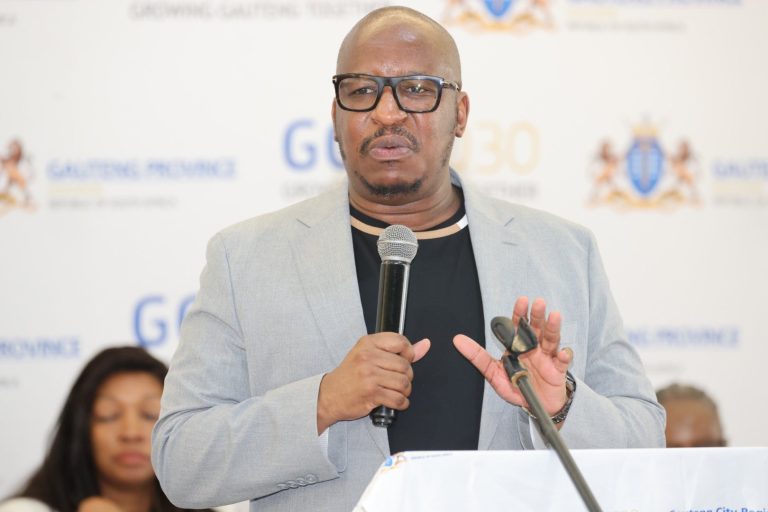
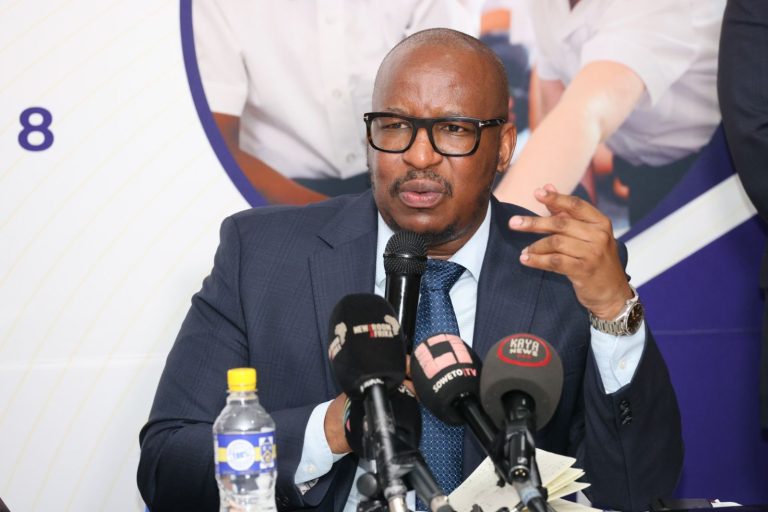
Gauteng education MEC Matome Chiloane said his department was making significant strides in preparation for the 2025 school year, with a focus on learner placement, the successful completion of the 2024 National Senior Certificate (NSC) exams, and ensuring schools were ready with the necessary resources.

Chiloane provided an update on the placement of Grade 1 and Grade 8 learners for 2025 and said the online application process, which began in July, has seen 325,734 applications (99.97%) being successfully placed, leaving 124 Grade 8 applications still in progress in the Kempton Park area, a high-growth zone.

“The department is fully prepared to ensure a smooth and successful reopening of schools in the province for the 2025 academic year, with all necessary systems, resources, and support structures in place to foster a conducive learning environment,” he said.

Chiloane explained that incomplete applications were not processed for placement, and parents who face challenges will be able to choose available schools starting on Wednesday till the end of January next year.

A total of 8379 applications for Grade 1 and 10653 applications for Grade 8 were not completed.

The department is focusing on placing learners within their home zones or closest available schools, and funding has been secured to build additional classrooms and mobile units to alleviate overcrowding in high-demand areas.

This includes 625 mobile units and 453 additional classrooms to address the shortage of spaces.

The MEC said the 2024 NSC exams concluded successfully, with 189,693 candidates in Gauteng, including both full-time and part-time learners.

While there were isolated incidents of security breaches, including impersonation and the use of prohibited materials, the department confirmed that the integrity of the exams was largely maintained.

Chiloane highlighted that exam materials were delivered on time, and issues at examination centers were swiftly resolved.

He said the main marking of the exams took place from the beginning of the month until Friday, with over 12,000 markers appointed.

Results will be announced nationally on 13 January, with Gauteng’s results revealed during a special ceremony the following day.

High-performing learners and schools in the province will be recognised and rewarded with bursaries, trophies, and other prizes.

He said his department preparedness was focused on five key areas.

The department has procured textbooks and stationery for 2,086 schools, achieving a 96.6% retrieval rate of textbooks from matriculants.

Additionally, Learner and Teacher Support Materials (LTSM) distribution was completed on time, ensuring all schools are equipped for the new year.

Chiloane confirmed that over 850 schools received new furniture in 2023-2024, supporting classroom needs for the new academic year.

He said his department continues to expand digital learning in schools, providing devices to over 200,000 learners and 21,000 teachers, with efforts including updating devices and ensuring schools are well-equipped for digital content delivery.

The department is expected to transport over 227,000 learners in 2025, with a R1.1 billion allocation for the Scholar Transport Programme.

Chiloane stressed that the contract, which started in July, is monitored for vehicle road-worthiness and safety.

Furthermore, the MEC revealed that over 1.7 million learners benefit from the department’s nutrition programme.

The department has hired additional food handlers to support meal preparation.

In terms of safety, Chiloane urged communities to help protect school facilities from theft and vandalism during recess, with increased vigilance from local law enforcement.

“Your vigilance is crucial in preventing potential criminal activities on school grounds,” he said.

The MEC is expected to meet with the parents of the 124 Grade 8 applications who have not been placed on Monday evening, in an effort to speedily facilitate the immediate accommodation of the learners in schools next year.

INSIDE EDUCATION

AG flags persistent governance issues at Merseta

0

By Thapelo Molefe

The Auditor-General has raised significant concerns about Manufacturing, Engineering and Related Services Seta’s (Merseta) governance and financial management.

A presentation at the Portfolio Committee on Higher Education this week revealed that the entity, tasked with driving skills development in South Africa, received a qualified audit opinion for the second consecutive year due to ongoing financial mismanagement, systemic inefficiencies and repeated compliance failures.

“Merseta’s audit outcome is a clear indication that the necessary corrective measures are not being implemented effectively,” said AG senior audit manager Zamahlangu Mditshwa. 

“The entity failed to resolve discrepancies in its financial reporting, particularly regarding discretionary grant expenditures from prior years. This, coupled with material misstatements in financial statements and irregular expenditure of R2.9 million, points to a worrying regression.”

The AG highlighted key operational shortcomings, including a lack of coordination between Merseta’s operational and financial units. 

This disconnect led to repeated errors in financial reporting and undermined the credibility of its performance information. 

“The root cause is the absence of a structured and functional relationship between operations and finance. Without this, we will continue to see a ripple effect of mismanagement and non-compliance,” added Mditshwa.

AG senior manager Desmond Phungula provided further details, explaining that the audit identified payments made outside contract periods, exceeded contract values, and unsupported performance achievements in certain programs. 

“For Programme 3, we found that one reported achievement was not backed by evidence, and several targets were not met. Additionally, irregular expenditure occurred because payments were made without adhering to proper controls,” Phungula said.

The AG also pointed to broader systemic issues affecting Merseta and other Sector Education and Training Authorities. 

A lack of an integrated system for data sharing among Setas has led to duplicated learner funding and instances where deceased individuals are still listed as beneficiaries. 

“We identified cases where Merseta funded learners multiple times or learners were recorded in multiple Setas. This is a glaring inefficiency,” Mditshwa said. “An integrated system is critical to eliminate these costly errors.”

Another concern raised was the significant interest retained by Setas instead of being utilised for their core mandate of skills development. 

“We need to revisit the legislation to ensure that funds are not misdirected. Skills development is too critical for South Africa’s future to allow for these inefficiencies,” Mditshwa urged.

The AG recommended a series of interventions, including strengthening project management, improving internal controls and ensuring proper accountability through consequence management. 

“It is essential that we create a culture of accountability. Action plans must address root causes, not just symptoms, and there must be consequences for those responsible for repeated failures,” Mditshwa emphasised.

Phungula also underscored the urgency of timely reporting, noting that late submissions compromised oversight and corrective actions. 

“We finalised Merseta’s audit in October, halfway through the next financial year. This delay limits the time available to address identified issues before the next audit cycle,” he said.

INSIDE EDUCATION

‘A girl of determination’, that’s Prof. Mayekiso, the first woman to set up a university in democratic SA

0

By Edwin Naidu

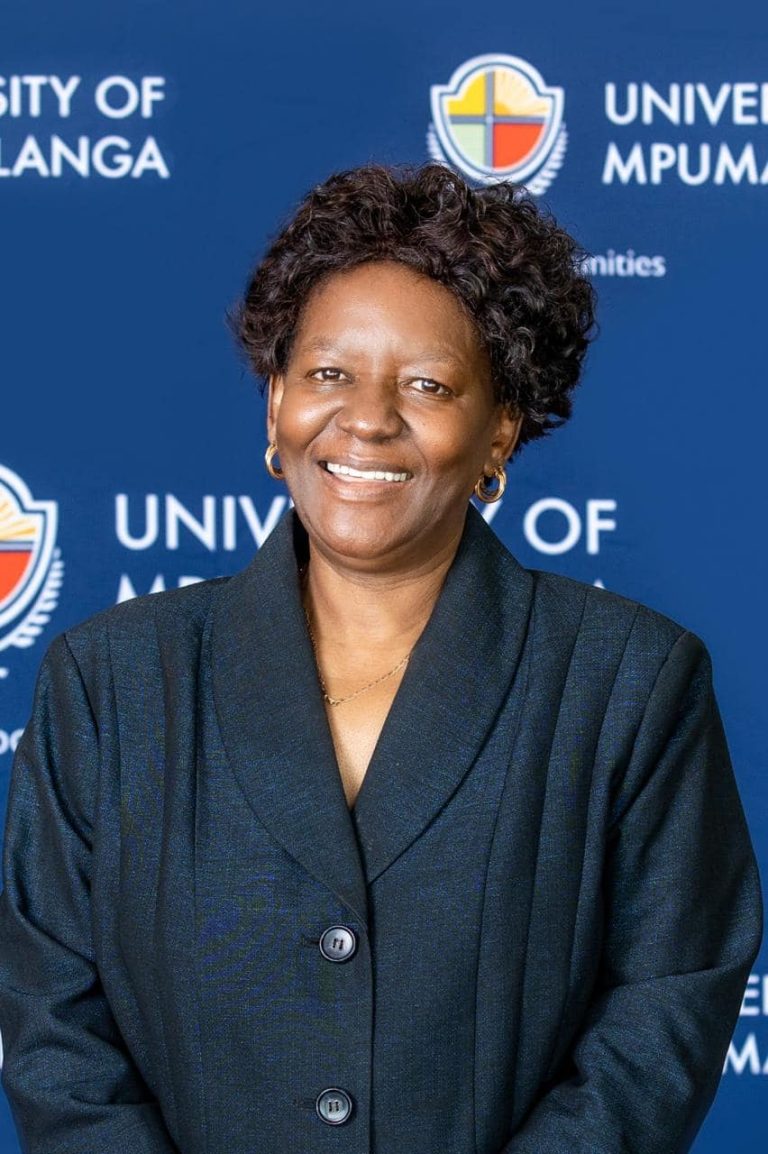
Soft-spoken clinical psychologist Professor Thoko Mayekiso is proud of her achievements as the leader of the first tertiary institution established in democratic South Africa. 

Mayekiso, a mother of two, was appointed Vice-Chancellor of the new University of Mpumalanga on 1 November 2014.

She says it’s a rare opportunity to start a campus when the general tendency is for leaders to find established institutions.

“To start from scratch is an experience we will always cherish,” she adds.

Success and ensuring the university was characterised for its pursuit of excellence were non-negotiable. She launched a new brand on the tertiary landscape from scratch, entrenching it in a decade as an integral part of the country’s higher education system.

“Just like all journeys, you have to be well prepared… and I was well prepared for this position,” she says, reflecting on her solid and varied background in terms of experience.

Her credentials include a BA, BA Honours, and MA in Psychology from the University of Fort Hare. She furthered her studies at the Free University Berlin in Germany, where she obtained her D. Phil (cum laude) in Psychology. She also holds a Higher Education Diploma (Postgraduate) from the University of South Africa. She is a registered Clinical Psychologist with the Health Professions Council of South Africa.

“When starting a new institution, you must be familiar with all the aspects of an institution, so in my case, I began my career as a senior lecturer. I was an associate professor, a professor, head of department, head of school, Dean, and deputy vice-chancellor. Those positions prepared me for the role.“

Prof. Mayekiso says her extensive experience in an academic career shaped locally at the University of Fort Hare and internationally with studies and a seven-year stint in Germany and the United Kingdom helped her hone her skills, equipping her for starting a new varsity.

She says one can’t be thrust into a leadership position without being grounded in higher education, especially when asked to start a new institution. 

“I went through the ranks in higher education and was the deputy vice-chancellor for about six years. I was already in my second term before I got the nod at UMP. That prepared me for what lay ahead because when you start a new institution, you’re setting new policies, establishing a new culture, introducing an academic project, all those things; therefore, you must be grounded in high education,” she advises.

Confident in her abilities, Prof. Mayekiso reveals she was relaxed about the enormity of the task.

“I was satisfied I had what it took to establish the institution we needed. In my installation address, I said I would achieve beyond expectations, which showed the mindset at the time.

“I know this was a huge responsibility bestowed upon us and was accepted with total commitment, understanding that one must be involved in this project. I was saying that on day one.

“The magnitude of the task was huge, but I always believed that I have the experience, knowledge and personality to deal with it, so there was no nervousness whatsoever,” she recalls.

Mayekiso says that when starting a new organisation, one must strive to overachieve, and that’s the best mark of confidence.

“Of course, there are challenges, but 10 years later, we have exceeded expectations,” she notes. 

Prof Mayekiso thanks David Mabunda, the Council Chair, and the UMP community (staff and students), past and present. She says she has worked with gifted and talented people and was able to share and celebrate their achievements.

“Progress is impossible without us pulling together. The students who brought curiosity, vibrancy and enthusiasm to the classroom are worthy of note. Many of our students over the years were first-generation students and truly celebrated the new milieu,” she adds.

She is pleased to have laid a solid foundation premised on seven values: excellence, integrity, diversity, collaboration, adaptability, relevance and inspiration.

“The African life ethos of Ubuntu forms the broad and overarching framework for our values.”

The pass rate over the years has ranged between 80 and 85%, with 4485 students (2861 female and 1 624 males) graduating, and several of them have graduated “cum laude.

Alumni Chapters in several regions have been established.

The National Research Foundation recognised the university’s research performance in 2023 with the NRF Acceleration Award for the most improved institution in research performance.

The number of rated researchers has increased from one in 2014 to 13 in 2023, as has the number of staff who hold doctoral degrees, which has increased from 5% in 2014 to 47% in 2023.

Enrolments have increased from 169 in 2014 to 8442 in 2023.

“We are attracting students from South Africa and Eswatini, Mozambique, Nigeria, Zimbabwe and India. Most of our students are from the Mpumalanga province.”

Academic offerings, ranging from higher certificates to doctoral degrees, have increased from three in 2014 to 65 in 2023.Staff numbers have increased from 12 in 2014 to 595 in 2023.

Prof. Mayekiso saysfacing challenges isn’t easy, but she never subscribes to the excuse of being a woman.

“I never say people are challenging what I am saying because I’m a woman. It’s difficult to differentiate and say, of course, now and again, there is resistance because I’m a woman.

“Still, you are not able to prove that it’s because you are a woman that’s why people are reacting, so I tried by all means whenever it’s possible to move away from and not see myself as a female leader but as a leader,” she says.

However, she says that while we find “ourselves in the majority of men,” we don’t want to create a hostile relationship with a man. In her experience, some men were more supportive than women.

“So, it’s difficult to say there are specific challenges, but we know our society is patriarchal.”

Asked how she overcame obstacles in her career, Prof. Mayekiso says:“When I was around 13-years-old, my dad told me, and I don’t know how he came up with this, but he said ‘you are a girl with determination’. At the time, it didn’t mean much because I was 13. Later, when I faced challenges, I used to reflect on that and tell myself ‘you are a girl of determination’, so it means whatever comes my way, I will succeed because I’m a determined individual.” 

She says that maybe if he had not said that, she would have taken a different route.

However, she always reminds herself there is nothing she cannot overcome.

INSIDE EDUCATION

NSFAS audit reveals numerous systemic failures

0

By Thapelo Molefe

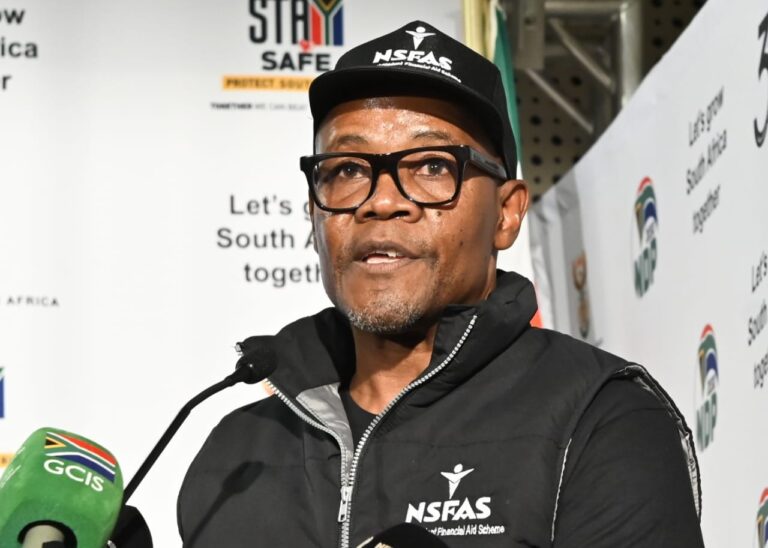
The Auditor-General of South Africa has delivered a damning report on the state of the National Student Financial Aid Scheme (NSFAS), revealing staggering levels of irregular expenditure and governance lapses for the 2022/23 financial year. 

Briefing the Portfolio Committee on Higher Education in Parliament this week, the AG’s Thomas Mamogwe, highlighted deep rooted issues in financial management, compliance and performance reporting, casting a shadow over the institution’s ability to fulfil its mandate of funding South African students.

Irregular expenditure has been a recurring problem for NSFAS, with the AG reporting a cumulative amount of R84 billion. The actual figure may be even higher due to incomplete disclosures. 

“The R84 billion reported is not the full picture,” explained Mamogwe, who is the deputy business unit leader for the AG is the Western Cape.

“We identified significant gaps in the completeness of this amount, which means there could be more irregularities that have yet to be accounted for.”

Over the years, significant irregularities have been recorded, including R25 billion incurred in 2019/20 and R32 billion in 2020/21. 

However, the 2022/23 financial year saw a reduction to R136 million, indicating some progress in addressing these issues.

Among the most significant findings were irregularities linked to two tenders – one for direct payments and the other for an office lease tender. Both are riddled with governance and compliance violations. 

“In one instance, the bid adjudication committee was not properly constituted, which directly contravenes procurement regulations,” Mamogwe said.

The AG issued an adverse audit opinion on NSFAS’s financial statements, citing major discrepancies. Among these were R10 billion in amounts owed to institutions and R11 billion in amounts owed by institutions. 

These discrepancies stemmed from the close-out project, a process designed to reconcile payments and allocations dating back to 2017.

“The close-out project is crucial for NSFAS to account for its spending accurately,” Mamogwe explained. 

“While some progress has been made, the project remains incomplete, and this has led to significant qualifications in our audit findings.”

In addition to financial mismanagement, the AG identified serious issues with NSFAS’s performance reporting and compliance. Material findings included unsupported claims about key performance indicators and a lack of explanations for discrepancies between targets and outcomes.

“The institution would report certain achievements, but when we asked for supporting evidence, it was either inadequate or missing entirely,” said Mamogwe.

“This lack of transparency undermines NSFAS’s credibility.”

Compliance issues extended to the late submission of financial statements and ineffective revenue collection. Supply chain management violations were another area of concern. 

“Contracts were awarded based on criteria not stipulated in the original tender documents, which is a clear breach of procurement rules,” Mamogwe explained.

AGSA attributed many of NSFAS’s challenges to systemic weaknesses, including outdated manual systems, insufficient IT infrastructure, and a lack of skilled personnel. 

“The scheme has grown significantly over the years, but its systems and capacity have not evolved to meet the increased demand,” Mamogwe said.

He also criticised the institution’s leadership for inadequate oversight.

“There was a failure to properly monitor and address these issues at a governance level, which has compounded the problems.”

NSFAS remains under investigation by the Special Investigating Unit as part of Proclamation R88 of 2022. The SIU is tasked with probing allegations of irregularities, including those related to direct payment service providers. 

“This investigation is ongoing, and its findings will be critical in addressing the root causes of these issues,” Mamogwe remarked.

Despite the grim findings, the AG’s office has acknowledged some progress in NSFAS’s efforts to improve governance and transparency. 

“We have seen some improvements, particularly in addressing manual payments and implementing credibility checks,” Mamogwe noted.

“However, there is still a long way to go.”

Committee chairperson Tebogo Letsie said the adverse findings were scary to say the least.

“It cannot get lower than this. The financial statements are bad. We now understand why the 2022/2023 report was late. It does not look good,” Letsie said

NSFAS administrator Sithembiso Freeman Nomvalo updated MPs on efforts to improve operations, including establishing a disbursements unit and appointing a manager to oversee annual internal reconciliations.

“We’ve added capacity for data validation and are institutionalising periodic reconciliations to reduce reliance on external service providers,” said Nomvalo. 

He also highlighted the development of a real-time dashboard to track disbursements, which was currently in testing, and plans to withhold payments to institutions when necessary.

Addressing audit concerns, Nomvalo noted improved contract management and significant progress in the NSFAS’s digital transformation, with 62% of its ICT strategy implemented. 

“Continuous improvements remain a priority,” he added.

INSIDE EDUCATION

Governance crisis at University of Limpopo deepens

By Thapelo Molefe

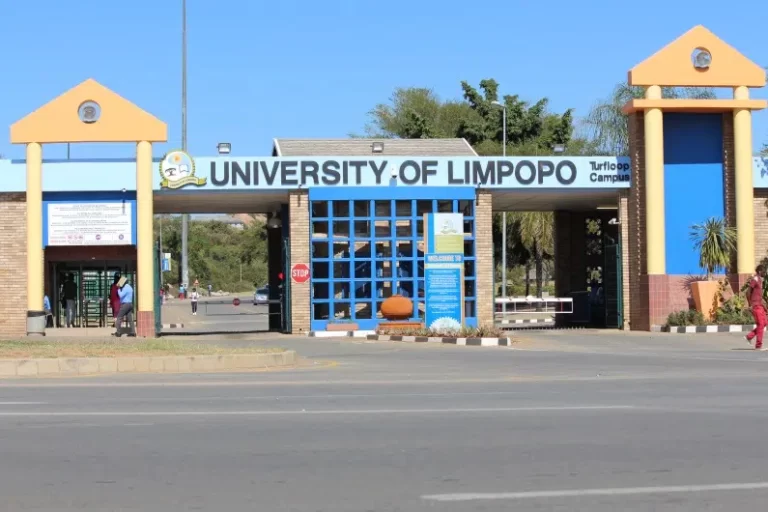
The University of Limpopo’s governance crisis has taken a turn for the worse, with revelations of the institution’s council operating without any regard for due process or the law.

“They just sit in a meeting and if they believe a faction is strong in that meeting, they just decide in that meeting that let’s vote while removing them without due process,” said Portfolio Committee on Higher Education chairperson Tebogo Letsie.

The university has been plagued by governance issues, including the council’s rejection of ministerial appointees without valid reasons and the extension of the Vice-Chancellor’s term without proper procedures. 

The university council’s actions have been described as “clumsy and overreaching” by the committee.

“The last time the Institutional Forum had a conference that we elected was in 2017,” Letsie noted. 

The university’s management has also been accused of abusing power and victimising employees.

“There were many allegations of abuse of power from the university management and victimisation of employees who are opposed to the authoritarian management,” Letsie said.

The committee has discovered that the university spent a staggering R14 million on legal fees during the 2023-24 financial year, a 100% increase from the previous year.

“They spent R14 million on legal fees… most of these fees are spent to defend the university against students and staff,” Letsie revealed.

The committee is calling for urgent intervention, including the appointment of an independent assessor or a forensic investigation.

Higher Education Minister Nobuhle Nkabane has been asked to intervene, and the committee is waiting with bated breath for a response.

“We will not hesitate to take action if the university fails to address these concerns,” Letsie warned.

Committee member Letta Maseko emphasised the committee’s commitment to preserving the university’s autonomy while ensuring accountability. 

“We want to keep the autonomy of the universities… but where we give money, we have to see value in it,” Maseko said.

“The problem is the management in the universities. Limpopo was not willing to respond to our questions.”

Lerato Khakhau condemned the leadership of the University of Limpopo, stating that it was “disrespectful not only to us as a portfolio committee, but to the ministry and the community it serves”.

Khakhau highlighted the struggles of students from Limpopo, a neglected and poor province, who relied on the institution for their future.

Sihle Ngubane criticised the university’s recruitment process, citing a culture of entitlement. 

“They wait until the end of their term, advertise the position and then claim there’s no suitable candidate,” Ngubane said.

“It’s clear they’re taking the institution and us for granted.”

Sanele Zondo stressed the need for accountability, noting that corruption was often attributed to politicians, but the real culprits were those running the institution.

“They become big-headed, thinking the institution is their home, and they can do as they please, breaching regulations,” Zondo said.

Yanga Govana echoed concerns about the university’s leadership, citing its failure to understand their own statute and breaches of the law. 

“They’re too old, too tired and forgetful. They must rest,” Govana said.

Sedukanelo Louw called for swift action, advocating for an assessor to be appointed by January and an investigation into corruption. 

“We must involve the SIU to expose those who make individuals untouchable,” Louw said. “People can’t be untouchable without backup from politicians.”

INSIDE EDUCATION

Higher Health launches multi-pronged approach to fight GBV

0

By Akani Nkuna

Higher Health SA is tackling gender-based violence through a multifaceted approach, combining skills development with comprehensive support systems to create a safer and inclusive educational setting at tertiary level.

The post-school education and training sector, which is meant to empower 2.5 million youth, is grappling with the GBV crisis, mirroring broader societal issues.

Around 10% of reported rapes in South Africa occur in higher education institutions.

Higher Heath CEO Ramneek Ahluwalia said in a statement that “this is not a linear epidemic that can be addressed with medication; it is a deep-rooted societal challenge, embedded in generations and shaped by history”.

“Higher Health’s most significant focus has been on fostering trust among young people, encouraging them to report cases of GBV,” he said.

Ahluwalia outlined that the alarming rate of sexual violence against young women, with one in three experiencing violence before the age of 21.

He emphasised that it was crucial to shatter the stigma around GBV, encourage reporting and prioritise an approach that protected survivors and ensured justice.

To tackle GBV in tertiary institutions, Higher Health is rolling out a multi-faceted strategy rooted in the principle that “Education as Prevention” is key. A core component of this approach is the incorporation of its civic and soft skills framework into a holistic co-curricular.

“Tackling GBV requires addressing interconnected issues such as mental health, substance abuse, HIV and AIDS, transactional sex and unplanned pregnancies – factors closely linked to GBV.

“Additionally, the focus extends to supporting individuals with disabilities and promoting broader themes of good citizenship, constitutional awareness, ethical behaviour and understanding systemic structures,” said Ahluwalia.

The national agency’s response to GBV includes engaging men and boys to transform mentalities, structured protocols to address the scourge and building a culture of zero tolerance.

“By addressing GBV through skills development and comprehensive support systems, Higher Health aims to foster a safer, more equitable educational environment, ensuring the well-being and success of all students and staff in our higher learning institutions in South Africa,” said Ahluwalia.

INSIDE EDUCATION

Education committee wants W.Cape IT tender scandal to be further probed

By Thapelo Molefe

Members of Parliament’s Portfolio Committee on Education have recommended that the Special Investigating Unit probe a dodgy tender awarded by the Western Cape government.

The committee held a crucial session this week to consider allegations on irregularities regarding the R50-million IT tender.

The tender, facilitated by the State Information Technology Agency (SITA), has sparked controversy following a forensic investigation by law firm Cliffe Dekker Hofmeyr, raising questions about transparency and governance.

The firm has flagged multiple procedural issues, including the acceptance of a bid that contained two pricing options, which was in breach of procurement regulations.

Despite these findings, the department has maintained its stance that there is no wrongdoing on its part.

A legal advisor to the department, Ian Steyn, explained that the department relied on SITA’s recommendation when awarding the tender to Blue Networks Consortium (BNC).

“There were no findings of fraud or corruption against WCED officials,” Steyn told the committee. 

“Our officials participated as required in the SITA bid evaluation committee, and all decisions were based on SITA’s recommendations.”

Steyn clarified that the department was unaware of any irregularities at the time of the award.

He also rejected the findings of the forensic report, which identified procedural lapses, claiming that senior counsel reviewed the report and found its conclusions unfounded.

The tender process began when the department requested SITA to procure local area network services for Western Cape schools. SITA’s evaluation committees, including department officials, reviewed bids and ultimately recommended BNC.

However, forensic investigation, commissioned by SITA, uncovered governance failures, including inconsistencies in the bid evaluation process and a controversial round robin vote by SITA’s board.

A director at the firm, Tendai Jangara, highlighted these issues in her presentation.

“The language in the tender created confusion, particularly around pricing options,” Jangara explained. 

“This highlights the need for clearer and more transparent procurement processes.”

She added that some evaluators failed to seek necessary clarifications from bidders, potentially disadvantaging competitors like Dimension Data.

SITA’s interim board later withdrew its recommendation to award the tender to BNC, citing findings from the investigation. This decision placed the department in a precarious position, as it had already entered into a contract with BNC.

Steyn explained the department’s response.

“The decision to award the tender is final and cannot be unilaterally revoked or terminated by the WCED.”

SITA has since initiated legal proceedings to review and set aside the decision to  award the tender to BNC. 

Steyn emphasised the department’s intention to oppose the application, citing financial and operational risks.

“The WCED will continue to honour the contract with BNC unless and until valid and substantiated reasons exist to take steps to set it aside,” Steyn said.

However, committee member Lerato Ngobeni questioned the department’s judgement in continuing to honour the contract. 

“Just because the department was not directly implicated doesn’t absolve it of accountability,” Ngobeni said. 

“How can we ignore the red flags raised by an independent forensic investigation?”

Ngobeni questioned the rationale behind awarding the tender despite alleged irregularities, and highlighted a lack of transparency regarding BNC’s ownership and qualifications.

“We must follow this matter to its logical conclusion,” Ngobeni stated. “It is unacceptable that the public has no clarity on who BNC is, and why this contract was awarded amid apparent discrepancies.”

Several committee members recommended escalating the matter to the Auditor-General and the SIU to ensure accountability.

“We must write to the Treasury to validate the contract and involve the Hawks to investigate this matter thoroughly,” said a committee member Sedukanelo Louw. “The current board is clearly conflicted and incapable of providing an impartial review.”

The tender in question was awarded to BNC despite findings of irregularities by both an external audit report and the Auditor-General.

“You knew what specifications you set up,” said committee chairperson Joy Maimela.

“It can’t be a justification to say there was ambiguity or confusion on the bidders’ part. You set the specifications, so you were not confused.”

Maimela argued that BNC gained an unfair advantage by submitting two pricing options for a single bid, a move that she said materially impacted the awarding of the tender. 

“Even if they were confused, you were not confused,” she stated emphatically.

Maimela highlighted the AGSA’s findings, which flagged irregularities in the procurement process months after the tender was awarded. She questioned why action was not taken earlier, especially since initial concerns were raised in a report by the law firm.

“We are being told that no reviewable irregularities exist, yet AGSA is now flagging the very same issues,” Maimela said. 

“This points to complacency. You had the chance to halt the project when the concerns first arose, but you continued.”

SITA acting managing director Simphiwe Dzengwa confirmed that the tender process had significant shortcomings, and there had been a suggestion that both the SITA and the department approach the courts.

However, Dzengwa noted that the province later opted to rely on its own legal opinion, further complicating the resolution process.

Deputy Minister of Communications and Digital Technologies, Mondli Gungubele, criticised this move, stating that the Western Cape’s decision to act unilaterally undermined efforts to resolve the matter collaboratively. 

He called for the board to either implement the forensic report’s findings or seek judicial review, describing their current approach as “misgovernance”.

The committee chairperson reiterated the need for swift and decisive action.

“We cannot allow SITA’s governance crisis to undermine critical service delivery, especially in areas as vital as education.”

INSIDE EDUCATION

Science Forum SA 2024: CSIR to showcase ground-breaking innovation

0

By Akani Nkuna

The Science Forum South Africa 2024, which showcases cutting-edge research, technology and innovation for the betterment of humanity, is taking place in Pretoria from Thursday to Saturday.

It is hosted by the Department of Science, Technology and Innovation at the Council for Scientific and Industrial Research’s International Convention Centre.

“Our researchers will engage with the public about the future of work, personalised chemo for African patients and reading for meaning in local languages like Sepedi,” said CSIR spokesperson Phetolo Phatsibi.

The CSIR has extended its to the public to engage with innovative technologies, including the Voyager robot and a text-to-speech literacy app, at its exhibition stand.

At the forum, renowned experts will share insights on research initiatives that positively impact the lives of South African.

They include:

• A literacy app for South African children: an app which draws on curriculum-approved content and the CSIR’s local language text and speech technologies to create thousands of sentences.

• Skills for future work: a network of learning factories at higher education institutions and in industries to teach hands-on Fourth Industrial Revolution skills, including artificial intelligence, robotics and digital twinning.

• Personalised chemo for African patients: researchers are screening cancer tissue samples to find existing drugs that could be repurposed as effective chemotherapies for people of African descent.

The CSIR is also currently piloting the Ngiyaqonda! literacy application, designed to support South African children in developing reading comprehension skills in their native language.

Phatsibi further outlined that the Voyager robot was designed with substantial computational capabilities, enabling it to execute intricate tasks including mapping, path planning, localisation and data filtering.

INSIDE EDUCATION

Liquor board calls for responsible behaviour during matric celebrations

0

By Johannah Malogadihlare

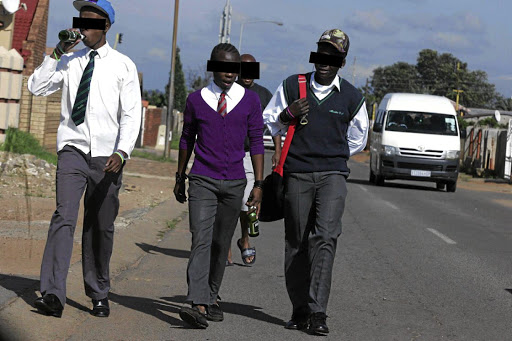
The Gauteng Liquor Board has warned liquor traders, parents and learners about the dangers of “pens down” parties to celebrate the end of the matric exams, following tragic incidents in the past that have claimed young lives.

“The fact that we continue to see alcohol-fuelled end of exam celebrations, despite repeated warnings and awareness campaigns, underscores the severity of this problem. We must act decisively to stop these dangerous gatherings before more lives are lost,” Gauteng Liquor Board chief director Fati Manamela said on Tuesday.

Provincial education departments and the Basic Education Department have cautioned learners from excessive celebrations.

“I urge matriculants to refrain from alcohol abuse during ‘pens down’ events or matric rage parties. These moments should be a celebration of achievement, not a risk to life and safety,” Basic Education Minister Siviwe Gwarube said last week.

Manamela also reminded liquor traders of their legal responsibility not to sell alcohol to minors and report any suspicious activities linked to underage drinking.

“We are not against young people celebrating their achievements, but it must be done legally, responsibly and under proper supervision. Everyone has a role to play in ensuring their safety and protecting the future of our youth,” Manamela said in a statement.

Manamela urged parents and caregivers to ensure the safety of the learners.

“Parents and guardians significantly influence their children’s decisions. We urge them to stay vigilant and actively discourage their children from attending these unsafe parties.

“This is a critical period in their lives. They are future leaders who should be focused on achieving their dreams of higher education and meaningful careers,” he said.

The board appealed to law enforcement agencies to also play their part to protect matriculants.

INSIDE EDUCATION


Riverlea school in shock after pupils die

0

By Johnathan Paoli

Gauteng education MEC Matome Chiloane has expressed deep sorrow over the tragic deaths of two learners from Wilhelmina Hoskins Primary School in Riverlea over the last two days, which has left the school community in mourning.

A Grade 7 learner was shot dead at his family’s home in Riverlea on Saturday by unknown assailants, with authorities now investigating the circumstances surrounding the boy’s death.

In an unrelated incident, a Grade 4 learner passed away on Monday, after reportedly falling ill from consuming biscuits purchased at a local spaza shop. Around 30 children have died in the province since the start of the food contamination crisis.

Emergency services were called to his home to provide medical care, but he was pronounced dead during the treatment.

Chiloane extended his heartfelt condolences to the grieving families and the broader school community.

“Indeed, we are saddened by these deaths and wish to convey our condolences to the families and the school community during this difficult time,” he said.

The department has dispatched its Psycho-Social Support Unit to Wilhelmina Hoskins to offer counselling and emotional assistance to learners, staff and affected families.

The support sessions will begin on Tuesday.

The investigation into the learner’s death will focus on determining whether the biscuits he consumed were contaminated and, if so, tracing the source of any potential health hazard.

Chiloane’s department has previously pledged to work with local leaders, law enforcement and health authorities to address these issues and ensure that learners have safe environments both at school and at home.

INSIDE EDUCATION