Home Blog Page 13

Committee demands list of foreign academics after SIU flags visa corruption

By Charmaine Ndlela

The Portfolio Committee on Higher Education and Training has given the Department of Higher Education and Training (DHET) until 18 March to submit a detailed list of foreign academics employed at universities and colleges.

The decision follows the release of an interim report by the Special Investigating Unit (SIU) into corruption in visa and permit processing at the Department of Home Affairs.

Following the report’s release, the SIU said it had “uncovered a disturbing reality”, stating that South Africa’s immigration system had been treated like a marketplace where permits and visas are sold to the highest bidder.

Committee chairperson Tebogo Letsie said foreign nationals were being prioritised over qualified South Africans in hiring and promotions at some institutions.

He said there needed to be strict compliance with the Employment Services Act and Home Affairs regulations, adding that foreign academics can only be hired if their skills appear on the critical skills list and no suitable South African candidate is available.

The DHET has acknowledged the important role foreign academics play in addressing shortages, particularly in science, technology, engineering and mathematics (STEM) disciplines.

However, Letsie rejected explanations from institutions that claim foreign academics are hired because they “bring important value to the institution,” saying such justifications are not legally compliant.

“We are a country of laws. If you break the law in South Africa, you should face the music,” Letsie said.

DHET presented audited data from the Higher Education Management Information System (HEMIS) for 2024 to the committee, showing foreign nationals constitute 7.74% of all staff at South Africa’s public universities.

According to the data, the University of Fort Hare has the highest proportion of foreign staff at 8.28%, followed by the University of the Western Cape at 8.13%, and the University of the Witwatersrand at 8.12%.

The committee has warned that employing foreign nationals without valid work authorisation can expose institutions and officials to serious consequences, including potential criminal liability under South Africa’s immigration law.

INSIDE EDUCATION
Vaal scholar-transport crash case postponed to April

By Charmaine Ndlela

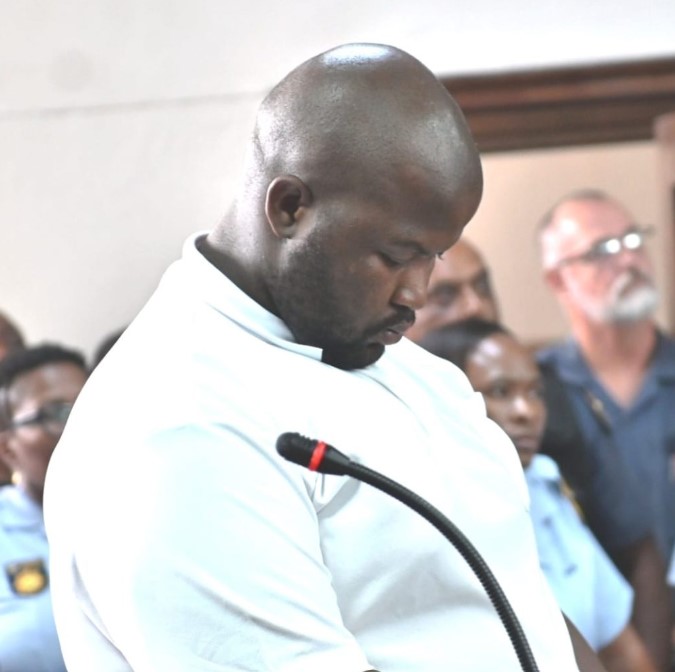
The case against scholar transport driver Ayanda Dludla, accused of killing 14 schoolchildren in a January crash in the Vaal, was postponed to April 22 when he appeared in the Vanderbijlpark Magistrate’s Court on Thursday.

Dludla has abandoned his bail application and will remain in custody while police investigations continue.

Dludla, 22, faces 14 counts of murder and three counts of attempted murder after the scholar transport minibus carrying 16 pupils crashed into a truck on 19 January on the R553 near Vanderbijlpark.

Twelve children were declared dead at the scene and two later died in hospital.

The state has also cited alleged transport-related offences, including driving without a valid professional driving permit (PDP) and operating an unlicensed vehicle.

INSIDE EDUCATION

Over 100,000 NSFAS appeals processed as funding disputes continue

By Thapelo Molefe

More than 100,000 students have lodged appeals against funding decisions by the National Student Financial Aid Scheme (NSFAS) for the 2026 academic year.

During a media briefing on Thursday, NSFAS acting chief executive officer Waseem Carrim said the scheme has processed 101,000 appeals so far, with outcomes varying widely among applicants.

Of these, 22,000 appeals have been approved, 18,000 rejected, while 44,000 were closed, deleted or withdrawn because students failed to submit required documents or complete the process within the prescribed timeframe.

About 9,000 appeals remain pending, largely because applicants still need to provide outstanding documentation.

Carrim said students have 30 days after receiving their funding decision to submit an appeal, which can be based on academic progression issues, financial eligibility concerns, or exceptional circumstances such as medical conditions or traumatic events.

“When NSFAS communicates a funding outcome, a student has 30 days from there to open an appeal and submit any outstanding documents,” Carrim said.

He urged students with incomplete appeals to act quickly to avoid losing the opportunity to have their cases reconsidered.

According to NSFAS, 692,000 first-time entering students have been approved, alongside 550,000 continuing students who met academic progression requirements to retain their funding.

The scheme has also begun distributing funds to institutions and students, with R3.6 billion paid to universities on 2 February and another R2.8 billion disbursed on Monday to support student allowances.

Technical and Vocational Education and Training (TVET) colleges have also received funding, including R680 million in upfront tuition payments and additional disbursements to students in February.

Carrim said the payments indicate improved financial management after the scheme previously faced serious challenges with delayed payments.

“We are quite pleased to say that this year we have not encountered any such challenges,” he said.

Despite the progress, Carrim warned that the student funding system remains under significant financial strain, following a R13 billion budget shortfall in 2025 that required government to reprioritise funding.

“The system does remain under severe financial pressure,” he said, noting that improved school results are leading to more students qualifying for financial aid.

Accommodation

The briefing also addressed accommodation issues affecting some students.

NSFAS said it has received 224,000 accommodation applications, with 148,000 leases already confirmed, allowing payments to landlords to begin on 13 March.

Carrim also confirmed that the scheme intervened to assist about 150 students who were struggling to secure accommodation at the Cape Peninsula University of Technology (CPUT) after reports that some had been sleeping outside.

While the university manages its own accommodation system, Carrim said NSFAS stepped in after being approached for assistance.

“When we became aware of students sleeping outside, there was also a minor protest at the NSFAS offices. We engaged with CPUT and asked them if they needed any support. Subsequently, the Office of the Vice Chancellor reached out to me and indicated that they did need support, placing about 150 students, which NSFAS has assisted them with,” he said.

“Yesterday, when I became aware that there are still issues with CPUT, I again reached out, and CPUT has indicated that from their perspective, they have done everything they can to help students.”

He added that the scheme had also cleared about R400 million in historical accommodation payment backlogs from 2024 and 2025.

Carrim encouraged institutions to submit registration data before the 31 March deadline to ensure that funding and allowances continue to be processed smoothly for the 2026 academic year.

INSIDE EDUCATION

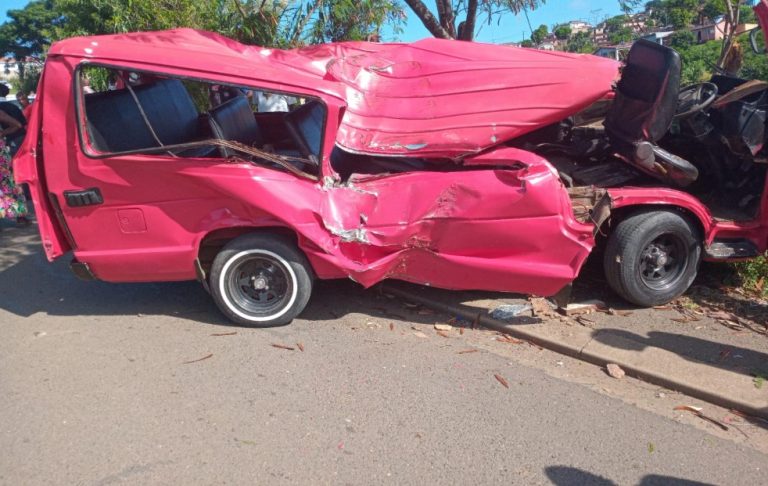
Scholar transport driver on the run after KwaMashu crash leaves one child dead, 14 badly injured

Staff Reporter

The driver of a minibus taxi that overturned while transporting daycare pupils in KwaMashu, north of Durban, is on the run.

One child died in the crash on Wednesday afternoon, while 14 others were “badly injured,” according to the KwaZulu-Natal Department of Transport and Human Settlements.

The injured children were taken to Mahatma Ghandi Hospital.

“We are calling upon the driver, who has since disappeared, to hand himself over to the police,” MEC Siboniso Duma said on Thursday.

Police had launched an investigation into the accident, departmental spokesperson Ndabezinhle Sibiya said, and also met with the owner of the minibus, who said the driver reported the crash was caused by brake failure.

“Our Road Traffic Inspectorate is working with SAPS as part of investigating the roadworthiness of the minibus taxi,” Sibiya said.

“The traumatic experience which the children have had to endure will take many years to heal,” he said.

The crash comes as provincial governments across the country have tightened oversight of learner transport following the fatal scholar transport collision in Gauteng in January, when a minibus carrying pupils to school hit a truck near Vanderbijlpark in the Vaal area, killing 14 children. The driver of that scholar transport vehicle has since been charged with murder.

Sibiya said that the province’s health MEC, Nomagugu Simelane, was “ensuring patient quality care to the injured children”. Education MEC Sipho Hlomuka would coordinate interventions “focusing on the welfare of children and teachers”, he said.

The MEC for social development, Mbali Shinga, would deploy social workers “to provide psychosocial support services and trauma counselling to the children and families”.

INSIDE EDUCATION

Medical groups urge calm after UFS study on menstrual products

0

By Charmaine Ndlela

Obstetric and reproductive organisations have urged calm after a University of the Free State (UFS) study detected endocrine-disrupting chemicals in some menstrual products, saying the research did not establish that the products cause infertility, hormonal dysfunction or cancer.

The South African Society of Obstetricians and Gynaecologists (SASOG), together with the South African Society of Reproductive Medicine and Gynaecological Endoscopy (SASREG) and the College of Obstetricians and Gynaecologists of the Colleges of Medicine of South Africa (CMSA), said the UFS study did not assess health risks and did not prove harm to consumers.

ALSO READ: Basic Education DG continues to monitor SAFE projects in the Eastern Cape

UFS said its research, which tested sanitary pads and liners sold in South Africa for chemicals including phthalates, bisphenols and parabens, was not designed to establish a direct causal link to disease, and called for further research.

In their joint statement, the medical organisations said any implication of harm to the general public had not been proven and urged the public not to panic.

The organisations said endocrine disruptors are common and found in low concentrations in a range of foodstuffs and household products, making their presence in menstrual products “not unexpected”.

“Previous published studies have indeed shown that small amounts of these endocrine disruptors are present in menstrual health products,” said Dr Jack Biko, president of SASREG.

ALSO READ: Gwarube enters race for DA deputy federal chairperson

According to the organisations, a study conducted in China reported that sanitary pads contributed only 6.8% of total exposure from feminine personal care products.

“It is clear that perspective is required in interpreting the data. The findings should not be isolated to sanitary products, which appear to be a small contributor to the overall total of endocrine-disrupting chemical (EDC) exposure,” Biko said.

The organisations noted that the UFS study did not recommend that any of the tested products be withdrawn from the market.

“Currently, we do not have evidence to recommend any change to usual practice, nor do we have evidence to advise patients to stop using menstrual health products,” he added.

However, they urged South African regulatory authorities to conduct further testing and additional studies to determine the safety of these products and clarify any potential long-term risks.

INSIDE EDUCATION

Gauteng Education says all late Grade 1 and 8 applicants placed for 2026

0

By Lebone Roah Mosima

The Gauteng Department of Education (GDE) said on Wednesday that 8.5% (33,650) of applications for the 2026 placement of Grade 1 and Grade 8 learners through its Online Admissions System were submitted during the late application period from December 17, 2025, to January 30, 2026.

The department said that about 484 Grade 1 and Grade 8 learners had remained unplaced in Ekurhuleni, specifically in Tembisa and Kempton Park, but that by Tuesday, March 3, all remaining learners were successfully placed at alternative schools in their respective areas.

ALSO READ: Advtech plans Durban university mega-campus, construction set for 2027

“In numbers, the total figure of Grade 1 and Grade 8 learners placed for the 2026 academic year through Gauteng’s Online Admissions system is 392,224,” the department said.

“The main application period, which ran from July 24 to August 5, 2025, accounts for most of these placements.”

The department said schools will implement catch-up programmes to help learners recover lost curriculum time.

GDE MEC Matome Chiloane said the online admissions system remains a key tool in transforming access to education.

ALSO READ: Basic Education DG continues to monitor SAFE projects in the Eastern Cape

“We are pleased to have successfully placed all applicants who applied online,” Chiloane said.

“However, we are determined to improve the system to ease some of the frustrations encountered during this process.”

INSIDE EDUCATION

Advtech plans Durban university mega-campus, construction set for 2027

0

By Levy Masiteng 

South African education group Advtech is planning to build a new university “mega-campus” in Durban after securing 10 hectares of land for the development.

Construction is expected to begin in 2027, with the first phase scheduled to be completed and open in 2029, the group said.

The initial build is planned to accommodate about 8,000 students and include a purpose-built 500-bed student residence.

ALSO READ: Basic Education DG continues to monitor SAFE projects in the Eastern Cape

A second phase, targeted for completion in 2035, would expand overall capacity to about 10,500 students and add a further 500 residence beds, taking planned on-site accommodation to 1,000 beds, Advtech said.

The Durban project follows two other major tertiary developments that opened in February 2026 — the Emeris/Vega Sandton mega-campus in Johannesburg and the Emeris Nelson Mandela Bay mega-campus in Gqeberha.

Advtech Group Chief Executive Geoff Whyte said the Durban development forms part of the group’s longer-term growth plans in higher education.

“As South Africa confronts high youth unemployment and rapidly shifting market demands, sustained investment in higher education remains critical,” Whyte said.

ALSO READ: Diesel, petrol prices to increase on Wednesday

“This new Durban mega-campus reflects our confidence in the province and our commitment to equipping students with the workplace readiness skills required to thrive in a fast-changing economy.”

Whyte also pointed to recent policy developments that, he said, create a formal pathway for private higher education institutions to apply for university status.

“We support a clear and transparent process for awarding university status. As soon as the framework allows, Emeris will apply,” he said.

INSIDE EDUCATION

Basic Education DG continues to monitor SAFE projects in the Eastern Cape

0

By Charmaine Ndlela

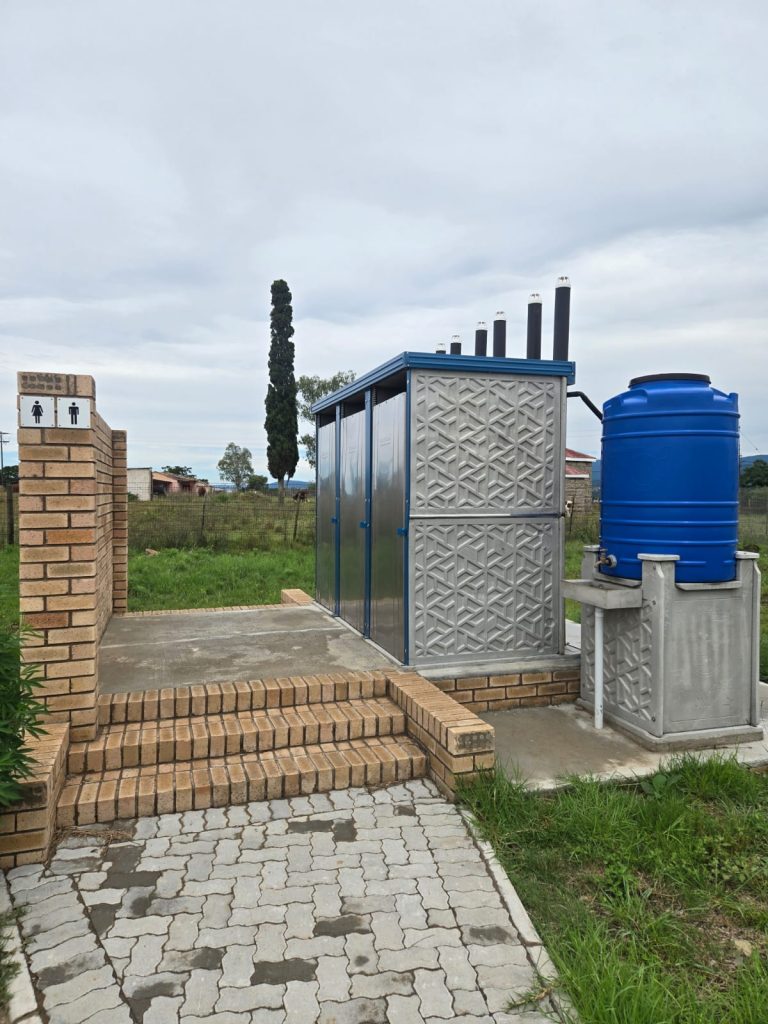
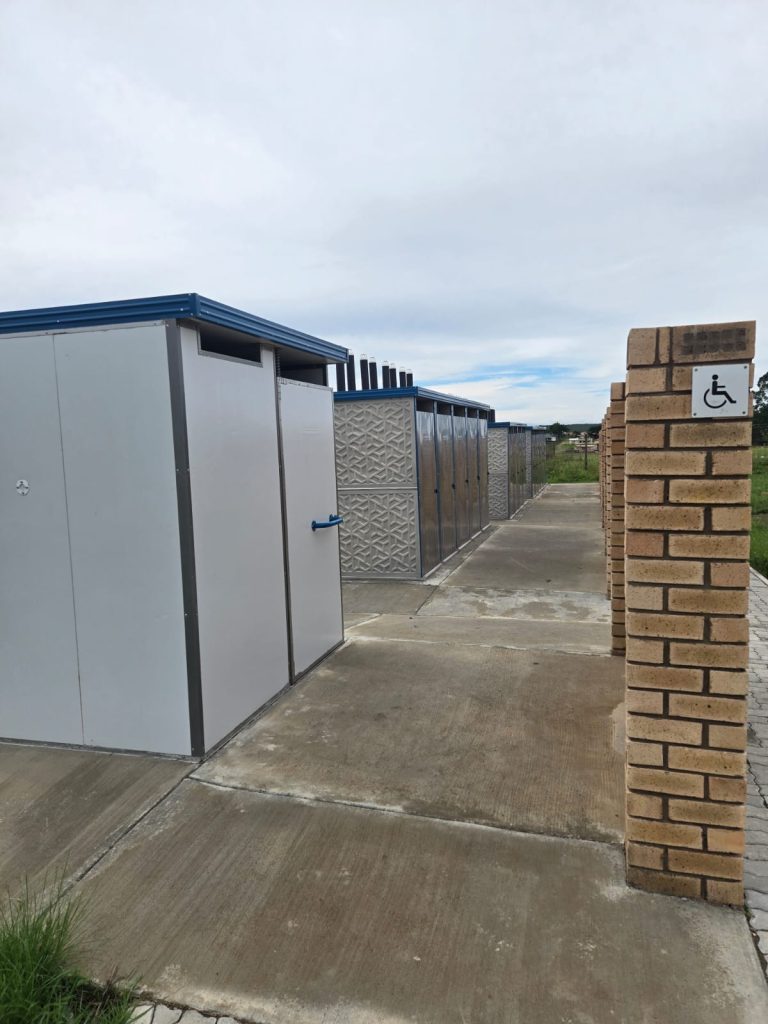
Mathanzima Mweli, Director-General of the Department of Basic Education, has continued with the monitoring and support programme for the Sanitation Appropriate for Education (SAFE) projects under Batch 4 in the Eastern Cape.

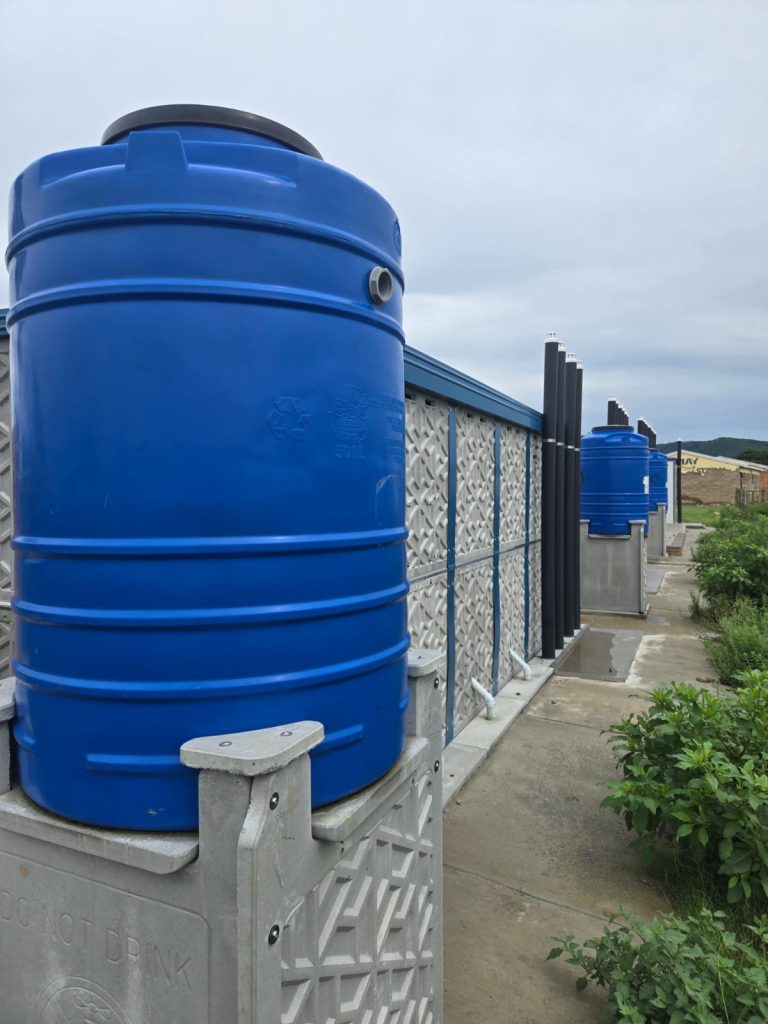
The Sanitation Appropriate for Education (SAFE) initiative was launched in 2018 and is funded through the School Infrastructure Backlog Grant. Its primary objective is to replace unsafe pit latrines with appropriate and safe sanitation facilities in line with the Norms and Standards for School Infrastructure.

ALSO READ: Diesel, petrol prices to increase on Wesdnesday

The SAFE programme focuses on eradicating dangerous pit toilets in schools across the country. As of late 2024, more than 3,100 projects have been completed out of over 3,800 identified schools. The initiative includes the construction of proper flushing toilets, rainwater harvesting systems, and in some cases, facilities that are accessible to learners with disabilities.

At L.F. May Primary School in Mbaxa Location, King William’s Town, the impact of the project has is a  positive impact in the school with learners showing gratitude and excitement of the new toilets that are safe and clean.

The principal of the school, Sulo Ge, said they are grateful for the new facilities.

“We did receive the toilet project from the Department of Basic Education, and we are very happy and comfortable with it because the old one was a pit toilet and it was dangerous for the children,” said Ge.

ALSO READ: Manamela defends SETA interventions as R2.8bn recovery drive gains momentum

“Now these toilets are much more comfortable. We are happy as a school to receive them, and the children are safe very safe. They are clean and safe.”

According to the department, the current eradication rate stands at 99% of all pit toilets identified during the 2018 SAFE Initiative audit, marking significant progress in improving school infrastructure and ensuring learner safety.

INSIDE EDUCATION

Diesel, petrol prices to increase on Wednesday

0

By Charmaine Ndlela

Consumers will have to dig deeper into their pockets as the price of petrol is set to increase by 20 cents a litre from Wednesday.

The Department of Mineral and Petroleum Resources said both grades of petrol would rise by 20 cents per litre.

ALSO READ: Mosikili: PKTT couldn’t be disbanded without demobilisation plan

Petrol 93 (ULP and LRP) will increase by 20 cents per litre, while Petrol 95 (ULP and LRP) will also go up by 20 cents per litre.

Both grades of diesel will see steeper hikes at the wholesale level. Diesel (0.05% sulphur) will increase by 62 cents per litre, while Diesel (0.005% sulphur) will rise by 65 cents per litre, the statement said.

The price of illuminating paraffin (wholesale) will increase by 44 cents per litre, while the Single Maximum National Retail Price (SMNRP) for illuminating paraffin will rise by 58 cents per litre.

The maximum retail price of LPGas will increase by 23 cents per kilogram, while the increase will be 26 cents per kilogram in the Western Cape, where LPGas is imported through the Port of Saldanha Bay.

ALSO READ: Zille says DA must capitalise on ‘out-of-touch’ ANC as Gauteng water crisis fuels election fight

The Road Freight Association (RFA) has warned consumers to brace for higher costs at the till following the increases.

“The increase in fuel prices in March 2026 is a direct result of upward pressure on the international price of oil due to both supply and logistics risks following the start of hostilities between Iran, the US, and Israel. The Road Freight Association has noted with both dismay and concern that the price of diesel is increasing between R0.60 and R0.65 per litre,” said Gavin Kelly, CEO of the Road Freight Association.

INSIDE EDUCATION

Manamela defends SETA interventions as R2.8bn recovery drive gains momentum

0

By Thapelo Molefe

Higher Education and Training Minister Buti Manamela says decisive interventions at three troubled Sector Education and Training Authorities have begun restoring governance and unlocking billions in mismanaged funds, six months after the SETAs were placed under administration.

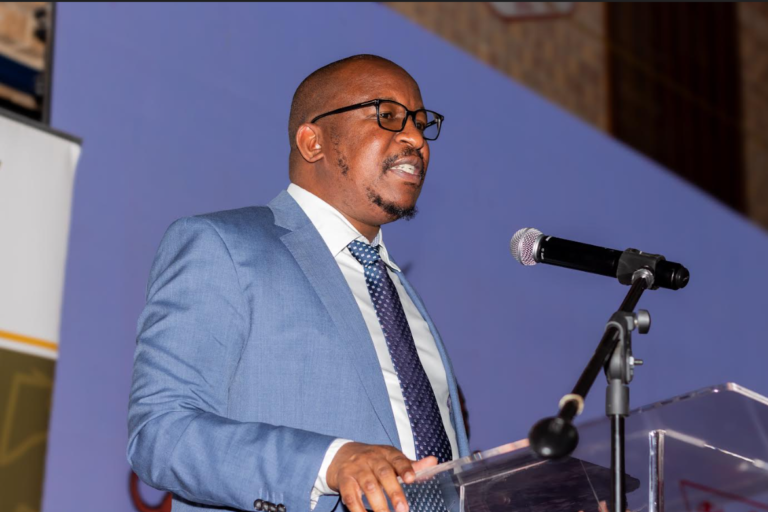
Higher Education and Training Minister Buti Manamela. Photo: Eddie Mtsweni

Addressing a media briefing on Tuesday, Manamela reported progress at the Construction Education and Training Authority (CETA), the Services Sector Education and Training Authority (SSETA), and the Local Government Sector Education and Training Authority (LGSETA), which were placed under administration on 19 August 2025, less than a month after his appointment.

ALSO READ: Administration block in Moruleng Village school gutted by fire

He said the move followed systemic governance failures, including repeated qualified audit opinions, irregular appointments, ballooning financial commitments and alleged corruption.

“At Services SETA we have recouped about R600 million and started a process to recoup the additional R2.8 billion. That is money which will go back into training,” Manamela said.

The entity, which had received seven consecutive qualified audit opinions, is also under investigation by the Hawks and the Public Protector over alleged fraud and corruption.

An acting chief financial officer with a CA qualification was appointed in February, and the minister said no new irregular or wasteful expenditure has been recorded since administration began.

“This is money that belongs to levy payers and must serve learners,” he said.

A 20,000-internship programme and a R1.3 billion bursary scheme supporting 15,000 TVET and university students are currently underway.

The SETA has also entered a three-year partnership with Takealot to create 20,000 training and job opportunities for unemployed youth.

ALSO READ: ANALYSIS| Education takes 23.7% of non-interest spending in 2026/27 budget

At the Construction SETA, administrator Oupa Nkoane has implemented a four-phase recovery plan, with 23 of 35 activities completed. A new chief financial officer started work on 2 March, ending nearly two years of acting financial leadership.

The SETA had accumulated four consecutive qualified audits and overcommitted discretionary grants by R1.4 billion against an annual income of R500 million.

“We have wiped off almost a billion rand of commitments from previous financial years that we consider invalid and non-responsive so that we can redirect that money for a proper cause,” Nkoane said.

He added that 10 officials are facing disciplinary processes, with at least three cases potentially resulting in dismissal, while six investigations linked to Auditor-General findings are under way.

“At LGSETA, part of the actions were to discipline the former CEO and to open criminal cases against former board members who participated in the irregular appointment,” administrator Zukile Mvalo said.

The LGSETA is implementing recommendations from a National Treasury forensic report that found the irregular appointment of its chief executive officer and the unlawful dissolution of its audit and risk committee. A criminal case has been opened with the Hawks, while the Public Protector is conducting a sector-wide probe.

Mvalo said 14,400 beneficiaries were enrolled in learning programmes by 31 December 2025, 58% of whom are unemployed youth. Revenue for the third quarter stood at just over R900 million, with expenditure of about R690 million.

In a related intervention, Manamela announced the appointment of Dr Robert Nkuna as administrator of the College of Cape Town following findings of governance collapse, irregular appointments and procurement breaches. The college council will be dissolved, and Nkuna will serve for up to two years.

“These institutions have been established to serve our communities and cannot become personal fiefdoms of individuals,” Manamela said.

“Where there was instability six months ago, governance has been restored,” he added, noting that new accounting authorities would be appointed before administration ends in August.

INSIDE EDUCATION