Inside Education covers the latest news, analysis and developments across South Africa's education sector. From higher education policy to classroom innovation, we bring educators, students and parents the stories that matter most.
The community of Naledi in Soweto is utterly devastated following the deaths of four children who are suspected to have died from food poisoning.
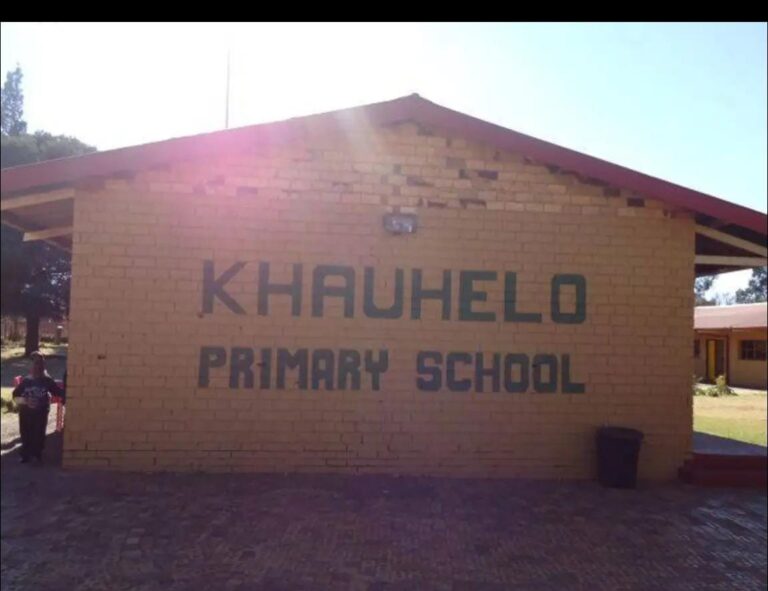
Gauteng education MEC Matome Chiloane confirmed that three children were from Karabo Primary School and one from Khauhelo Primary School.
“According to information at our disposal, a Grade 1 boy, a Grade 2 girl and a Grade 3 boy from Karabo Primary School sadly passed away on Sunday…. While a Grade 1 boy learner from the school remained in ICU at a local medical facility,” Chiloane in a statement.
A grade 2 boy from Khauhelo died on the same day after allegedly consuming snacks purchased from a spaza shop in Naledi.
It is believed that they ate chips.
Police are still investigating the matter, and the department has provided counselling to the learners, educators and family members affected by the incident. Gauteng Premier Panyaza Lesufi is expected to visit the families of children on Tuesday.
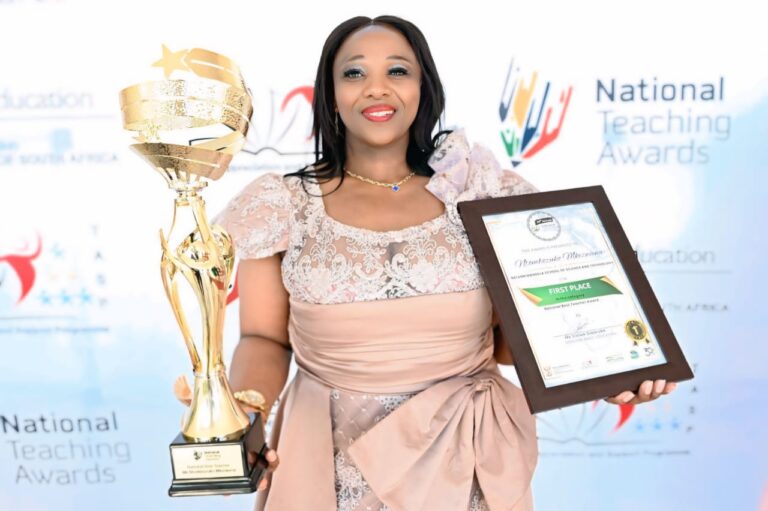
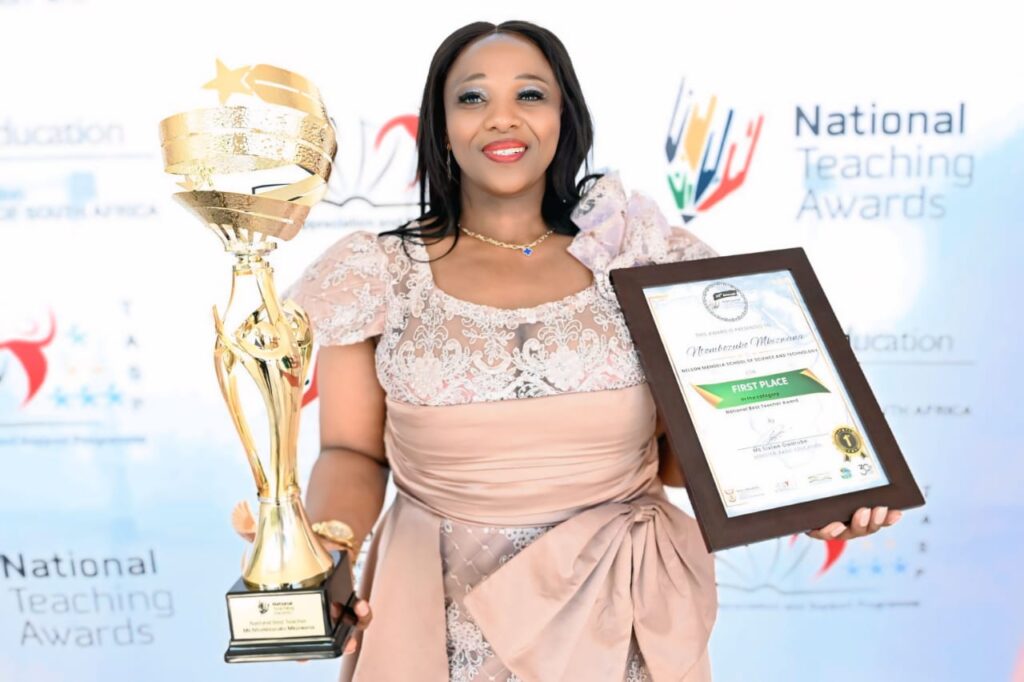
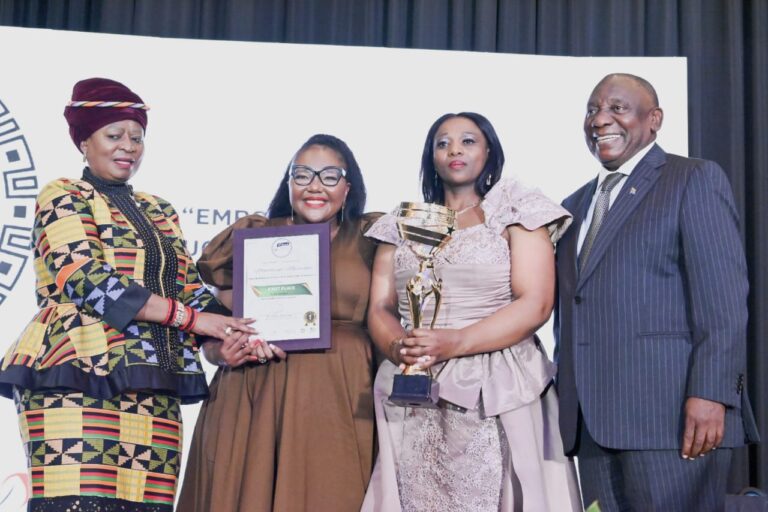
Ntombozuko Mkizwana, crowned as South Africa’s new best teacher at the 2024 National Teaching Awards, has urged educators to rise above adversity and pursue excellence and exceptional performance.
After being named as the winner of National Best Teacher Award, Mkiizwana told Inside Education that teachers must strive to overcome obstacles and not allow their backgrounds to define or confine them.
“In our corners, we are all blessed teachers, but what is important is to go beyond the call of duty. Go beyond the prescripts of the curriculum assessments policy statement,” she said.
Mkizwana’s upbringing was marked by humble beginnings in the rural Eastern Cape village of Marombe, Katkop, where she was born into a family of seven. She had a simple but challenging childhood, walking long distances to school barefoot and living in modest circumstances.
But she managed to rise above her difficult circumstances.
Mkizwana said was excited at the recognition bestowed on her at the National Teaching Awards in Ekurhuleni over the weekend, but dedicated her academic success to the village teachers who saw her potential and pushed her to excel beyond the limitations of her underprivileged background.
“I am a product of a village education where my only beacon of hope was my teachers,” she said.
She wanted to study law, but teaching became a calling. Drawing from her own inspiring educators, Mkizwana was determined to shape young minds.
“After I qualified to teach, I fell in love with the impact and difference I was making in the lives of my learners, and my teaching with inspiration grew drastically,” said Mkizwana.
Her teaching journey began in 1997 at Balizulu Junior Secondary School, where she taught English to Grades 4 to 6.
Her career took an exciting turn in 2014 when she was handpicked to join the newly established Mandela School of Science and Technology in Mvezo, Nelson Mandela’s birthplace. Today, she proudly serves as the school’s deputy.
“Education is the centre of any development in the country. It is also important to ensure that teachers are making the difference. Because it is the difference that they are contributing that will make the sector open other horizons for us to excel as teachers,” she said.
She outlines her mission as cultivating compassionate leaders equipped with values and confidence who defy rural-urban education stereotypes.
“My experience in dealing with learners is not just teaching for compliance – I am shaping global citizens, and I always have a strong commitment and drive to overcome the barriers of race and the socioeconomic backgrounds of the learners,” she said.
Her teaching extends beyond the English classroom; Mkizwana has made a lasting impact as a multifaceted educator, excelling as a researcher, community builder, mentor and leader in her school communities.
“No matter how much teachers try to teach other subjects, without ensuring that a child gets quality teaching in languages, all those efforts will be in vain,” she said.
Mkizwana has called for language developmental programmes to be enhanced so that they directly impact the National Development Plan Vision 2030.
“We ought to expand the horizon of learners, especially with co-curricular programmes, because it is through co-curricular programmes that we can see the realisation of the impact of languages,” she said.
Mkizwana says the hallmarks of a successful teacher are stimulating students’ intellectual curiosity through reading, presentation, discussions of current affairs, and promoting critical thinking and promoting effective argumentation.
She said her instructional strategy included a jigsaw approach to empowering all learners and promoting collective responsibility, inclusivity and language equity.
This ensured that each pupil’s unique strengths were embraced and their potential unfettered.
Mkizwana is no stranger to winning accolades for her work in improving education in the country, particularly for pupils in the rural areas of the Eastern Cape.
In 2016, she received top honours, earning the Provincial Award for Outstanding Secondary English Teaching and the prestigious National Teacher Award for Secondary English Education.
She represented the Mandela School of Science and Technology in Germany during the 2015 exchange programme, promoting cultural exchange through sports and dialogue inspired by the leadership of South Africa’s first democratic leader.
Through a non-profit initiative she established, Mkizwana provides free English literature lessons on weekends, impacting schools across the district and beyond and sharing best practices for improving student outcomes.
“My influence on shaping learners to become global citizens is shown by how some of them transcended beyond the barriers of poverty and are now working in China, Singapore, America, Kenya, Rwanda and Mexico,” she said.
Considering recent efforts to move from traditional teaching and learning to internet- based methods, Mkizwana said there were challenges associated with the endeavour to produce quality content and make it accessible.
She advised that it could be addressed by supplying devices specifically designed for education and establishing comprehensive management and maintenance frameworks to enable remote schools in rural areas to access quality learning resources.
“Matric alone without practical skills won’t save our sector; there is a need for the skills that were [not] in schools before. And also, progress is needed to mitigate the staggering drop in pupils reaching matric, as echoed by Professor Jonathan Jansen,” she said.
Mkizwana called for more resources for other forms of education to diversify the nation’s skills, particularly in arts, music, dance and drama academies for learners in rural areas.
“Motivate teachers to continue making a difference in their different corners despite the plethora of challenges they face,” she said.
“But most importantly, encourage them to participate in the National Teaching Awards because they are the light and the reason for the change we see in our county,” she said.
With the National Senior Certificate (NSC) exams starting later this month, the Democratic Alliance has accused the KwaZulu-Natal education department for not intervening at some of the worst performing schools in the province.
The DA is on a state of readiness tour across the province ahead of the critical exams which start on 21 October.
According to its provincial education spokesperson, Sakhile Mngadi, the delegation was seriously concerned about the effectiveness of interventions implemented by the department in addressing persistent issues affecting academic performance.
“After just one day of the DA’s tour, it is clear that issues around maintenance, crime, parent apathy and departmental support and strategy are at the heart of why some schools continue to underperform,” Mngadi said.
The DA’s tour has revealed significant challenges at some of the worst-performing schools in the Umlazi District.
During a visit to Witteklip Secondary School in Chatsworth, which recorded a dismal 47% pass rate in the 2023 NSC exams, the delegation identified a lack of parental involvement as a major contributing factor to students’ poor performance.
Principal Gopi Naidu reported that a recent parent-teacher meeting aimed at discussing academic progress was attended by only two parents out of 138 learners.
In addition, Mngadi said the DA’s visit uncovered serious management issues at both circuit and district levels, including corruption, misuse of funds, and irregularities in the promotion of educators and selection of school principals.
Parents Association of KwaZulu-Natal chairperson Vee Gani highlighted systemic corruption, alleging that principals have “bought” their positions for as much as R120,000, and that some School Governing Body members faced intimidation in decision-making processes.
The delegation then moved to Chatsworth Secondary School, where the impact of gangsterism and theft has severely hindered academic success, resulting in a 55% pass rate.
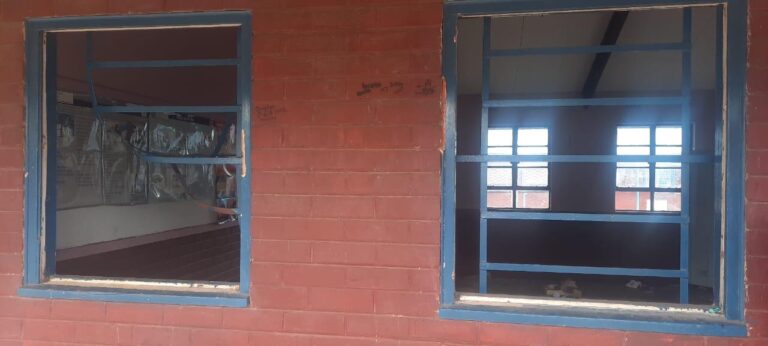
Despite a R3.5 million renovation project in 2017, the school has suffered from rampant theft, including the loss of all aluminium windows.
Principal Arthur Luckhan revealed that classrooms have been without electricity for over two years due to ongoing vandalism and theft of copper wiring.
Luckhan said with only 7% of students paying school fees, the school lacked the funds necessary for repairs, and many classrooms were unused.
Mngadi said the safety of educators also emerged as a pressing concern, with teachers feeling unsafe after hours, impacting their ability to prepare lessons effectively.
With only 11 permanent teachers remaining, he said absenteeism has become a critical issue, forcing the principal to take on teaching responsibilities himself.
Once a thriving institution with an enrolment of 1,200 and a history of 100% pass rates, Mngadi revealed that the school now struggled to retain even 400 learners.
The spokesperson said that the findings highlighted the urgent need for intervention from education MEC Sipho Hlomuka and the department in the lead up to the NSC exams.
He said his party planned on submitting a comprehensive report outlining the various challenges faced by these schools. It would also seek immediate solutions to improve teaching and learning conditions.
“The DA in KZN has consistently spoken about the good quality triad in education. This includes sound leadership at the apex, good parental involvement and well-built and maintained school infrastructure,” Mngadi said.
KwaZulu-Natal department spokesperson Muzi Mahlambi has said in the past that despite the department doing everything in its power to improve conditions for learners, criminal activity had a severe impact on schools.
Asked to comment on the DA’s report on the state of schools, he said that the MEC would brief the media soon on the state of readiness of the province to hold the NSC exams.
A recent briefing on the state of governance of higher education institutions in South Africa, particularly focusing on the role and responsibilities of university councils, presents a balanced view, highlighting both commendable practices and areas for improvement.
The Portfolio Committee on Higher Education requested an update on governance in the tertiary sector following a meeting in November last year.
At the time, tensions at several institutions were on the agenda.
This time though, university councils came under sharp focus, with discussions focusing on strategic leadership, core functions, resource management and transformation.
Areas of concern included the lack of uniformity in inducting new council members, the absence of vice-chancellor performance evaluation systems in some institutions, and failure to submit annual and financial reports by some institutions.
Other issues included recurring race-related incidents such as those at Stellenbosch University, governance challenges and instability at several universities, and legal challenges to independent assessments and panel reports.
While the policy framework emphasises the need for safe and inclusive campus environments, several institutions face challenges in meeting these expectations.
Higher Education and Training Minister Nobuhle Nkabane also briefed the committee.
She stated that the student population has grown in the last few years, and the demand for student financing has equally increased.
However, the government was committed to addressing these challenges.
“This is because the government has created access to post-school education and training for the historically marginalised people of South Africa, especially for the children of the poor and the working class.
“Education is a critical tool the government uses to address historical injustices, poverty, and inequalities and equip students to enter the labour force as a driver to build a capable developmental state,” she added.
The challenges surrounding the National Student Financial Aid Scheme (NSFAS) were also discussed.
The minister said the NSFAS must be adequately prepared regarding resources and systems to meet this growing demand.
“Many students have expressed frustration over delayed payments and inefficiencies in NSFAS systems. Our constitutional democracy provides that the people shall govern, which means that the people must play a critical role in the country’s administration. We are committed to getting guidance from different role players in the PSET sector,” she said.
The minister reiterated that she extensively consulted with stakeholders in the Post-School Education and Training (PSET) sector to solicit input and proposals for policy positions on matters affecting the system.
She said a key goal was to increase the intake of the college system by targeting one million enrolments in community colleges and 2.5 million in public and private TVET colleges by 2030.
“About our universities, we will continue to diversify them based on their strengths and the needs of the communities in which they are located by targeting 1.6 million enrolments by 2030,” she said.
“During these consultations, we have also reaffirmed our commitment to change the size and shape of our PSET system, particularly to expand the TVET college sector,” she said.
The department is also focusing on aligning the national skills need with curriculum content and looking at inputs regarding the review of some of the legislation and policies governing the sector.
Vice-chancellors from various universities, together with principals of TVET colleges also attended the stakeholder meetings.
“… their collective inputs will definitely help shape our policy positions and approaches to matters of teaching and learning and other areas of interest,” the minister said.
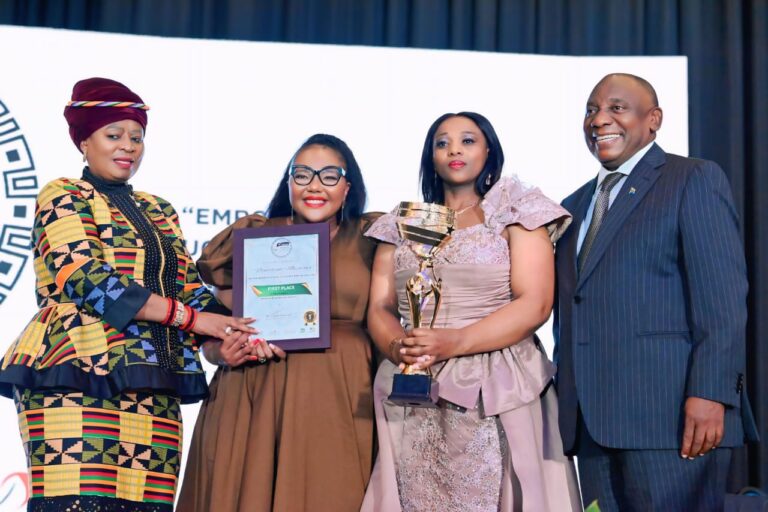
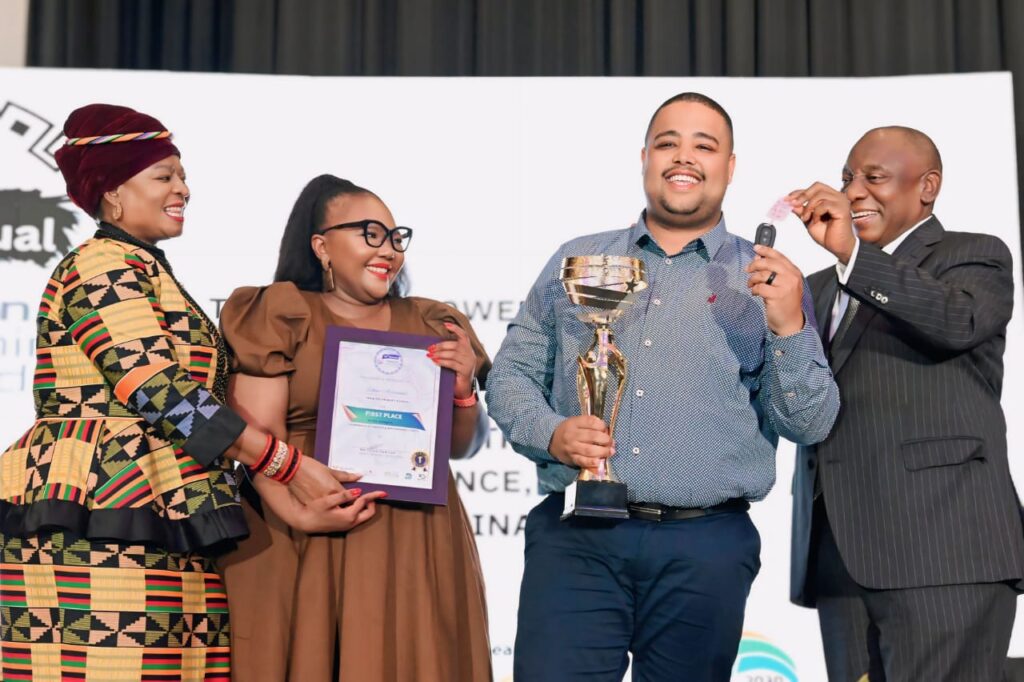
Meet SA’s top teachers, who were honoured by President Cyril Ramaphosa and Basic Education Minister Siviwe Gwarube during the 2024 National Teaching Awards held at the Birchwood Hotel in Ekurhuleni on Saturday.
Every year the Basic Education Department honours extraordinary teachers who have gone the extra mile often under very difficult circumstances.
Here are some of the winners.
Excellence in Technology enhanced Teaching and Learning, Itumeleng KomaneExcellence in Life Skills (GR 1-6) Nthabiseng Mavis MatebaExcellence in Teaching Mathematics, (Get) Ethon AlexanderKader Asmal Lifetime Achievement award, Derek SwartExcellence in Special Needs leadership , Mboniseni DlaminiExcellence in Teaching Physical Science, Lucia MaakeRelebogile Maloma participating on the #Myteacher CampaignExcellence in Primary School, Bonisiwe Happiness MaphumuloExcellence in Secondary school Leadership Rose Martha DeDonkerNational Best Teacher Award Ntombozuko Mkizwana
Researchers from the Faculty of Engineering at Stellenbosch University (SU) have joined forces with Roam, a technology-driven electric mobility company in Nairobi, to test the tailored electric motorcycle designed in Kenya for Africa.
Prof. Thinus Booysen, who is a founder of the Electric Mobility Lab, said the aim of the project was to inspire people in the society.
“We want to educate and to create awareness to show that it can be done and more importantly that it can be done with green energy,” he said.
The sun powered electric motorcycle left Nairobi last week Sunday. It is expected to arrive at SU on 18 October, in time for the university’s Electric Mobility Day celebration.
It is the first time that an electric motorcycle developed in Africa will be covering approximately 6000km with only solar power as its energy source.
The motorcycle is being accompanied by two support vehicles, on which solar panels are transported to charge the motorcycle batteries.
Booysen highlighted that Roam had donated two of its electric motorcycles to the lab for research and testing.
“We cannot think of a better way to kick-start our research collaboration than testing the motorcycle overland. To do this within the African fraternity of ingenuity is an enormous privilege”, he said.
Researchers at the newly founded lab, which is situated in the Industrial Engineering Department, are focused on Africa’s unique modes of mobility, and specifically the infrastructure and operational changes required to make electromobility work.
This collaboration intends to develop and apply research on electric vehicles and the supporting ecosystem, including but not limited to the electric motorcycles, electric vehicle powertrains, local manufacturing and digital pilots for planning for electric urban mobility.
Masa Kituyi, who is a micro mobility product owner at Roam said: “This journey showcases Kenya’s ability to design and locally manufacture world-class electric vehicles for African conditions. It’s a testament to local innovation, leading the way in sustainable mobility solutions.”
The motorcycle is being piloted by PhD candidate and co-researcher on the project, Stephan Lacock, as well as Kituyi.
“The emphasis is not on the whether such a trip can be done as there has been other similar journeys in the world, but rather to showcase African ingenuity and collaboration between SU and Roam to overcome African conditions with green solar energy,” said Lacock.
The university emphasised that their research team aimed to observe the performance of the drivetrain and swappable batteries, as well as the efficacy of the solar recharging solution.
The university sector in Aotearoa New Zealand is at a tipping point due to chronic underfunding, shifting enrolments and increasing costs from inflation. In response, the government has established two working groups to assess the health of the sector and provide recommendations for the future.
Meanwhile, universities find themselves increasingly beholden to the education technology (EdTech) industry, which claims to improve student learning by selling hardware and software – often built with artificial intelligence (AI).
Most universities already pay for services from EdTech companies such as Turnitin, Grammarly, CampusTalk and Studiosity, all of which use AI in their products.
But critics say this trust in EdTech is misplaced and amounts to what technology writer Evgeny Morozoc calls technological solutionism – “the idea that given the right code, algorithms and robots, technology can solve all of mankind’s problems”.
Intellectual property and profit
To better understand how EdTech providers work, consider the plagiarism-detection company Turnitin, used by 20,000 institutions in 185 countries.
Student essays are intellectual property (IP). According to university policy, students and universities have a shared licence over any IP written by students.
But when teachers require students to upload their essays to Turnitin, students must grant the company a “non-exclusive, royalty-free, perpetual, worldwide, irrevocable licence” to use their IP.
Turnitin adds those essays to its massive database, which it uses to build its plagiarism detection tool. The tool – built with student IP – is then sold back to universities so educators can police student writing in the name of academic integrity.
After 20 years of growth with this business model, Turnitin was bought in 2019 by Advance Publications for US$1.75 billion. On Twitter (now X), higher education researcher Jesse Stommel asked: “How much of that $1.75B do you think is going to the students who have fed their database for years? I have a pretty good guess: zero billion.”
By claiming ownership over student IP, Turnitin also profits from Indigenous students’ ideas. But this threatens Indigenous data sovereignty – that data produced by or about Indigenous communities should be governed by those communities.
AI teaching clones
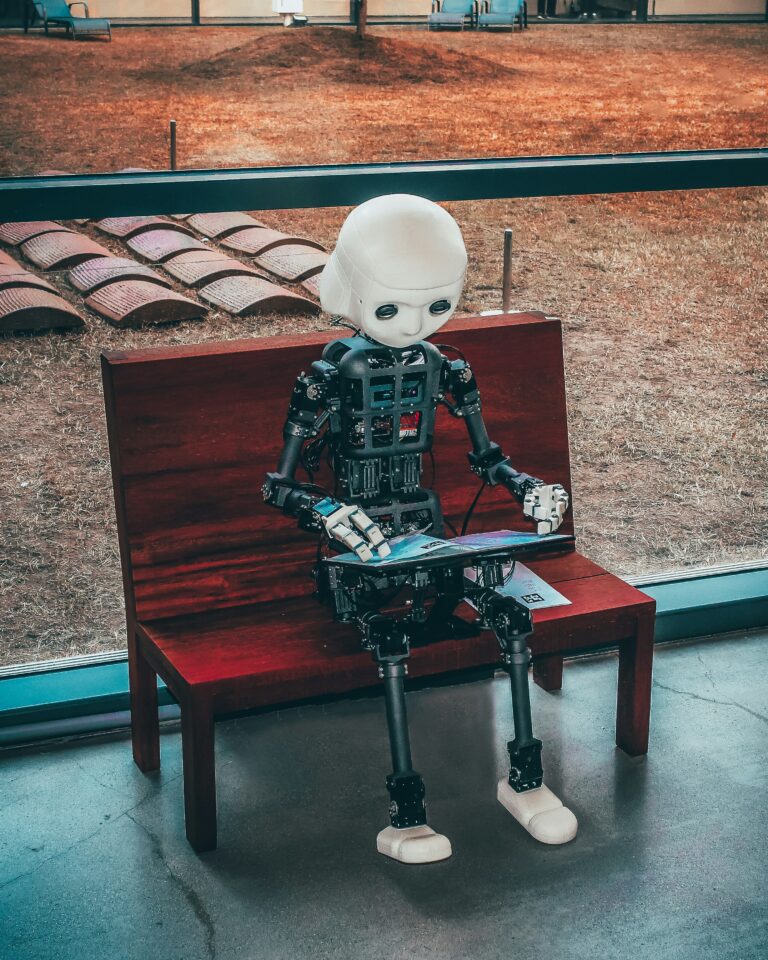
EdTech organisations such as Prifina, Khanmigo and Cogniti are now developing new AI teaching clones. These “AI twins” are trained on educators’ own course materials and can interact with students around the clock.
For overworked teachers, an AI clone might seem appealing. In one promotional video, a lecturer praises the clone for helping him teach biochemistry to more than 800 students.
Of course, another way to improve the teaching of such a large course is to hire more teachers. The Tertiary Education Union will surely emphasise this point in its collective bargaining with universities this year.
But it’s not surprising universities are looking for cheaper options, given the sector has endured long-term government underfunding.
Here’s the catch, though: we don’t yet know the full cost of AI agents in education. They may be free or cheap now, but it takes a lot of computing power to create and engage with a customised AI agent – almost certainly more power than teachers and students have on their personal computers.
For that reason, organisations that develop AI agents rely on access to high-performance servers provided by the likes of Microsoft and Amazon Web Services. After sufficient market penetration, though, these multinational companies will want a return on their investment. Will AI agents still be cheaper than teachers then?
Energy-intensive investment
We also don’t know how much energy it takes to build and operate hundreds of AI clones for tens of thousands of students. But we do know Microsoft recently retracted its goal of being carbon-negative by 2030 due to AI’s increasing demand for “energy-hungry data centres”.
Many New Zealand universities also aim to be carbon-neutral by 2030. Will they too have to renege on their green commitments? Or will outsourcing AI to EdTech companies allow them offload responsibility?
Historically, it has been difficult for teaching institutions to untangle themselves from EdTech investments. This is despite research showing “85% of EdTech tools are poor fits or poorly implemented”.
If AI is “pushing the world toward an energy crisis” is it worth the financial and environmental cost to create AI agents for educators?
Product or public good?
Without sufficient government funding, EdTech products look appealing to universities. But tertiary stakeholders must question whether EdTech “solutions” really contribute to a university education.
If a university education is primarily viewed as a product in a global marketplace, then EdTech tools might add monetary value.
But if a university education is viewed as a public good that contributes to the improvement of society, then EdTech tools might be less valuable.
Now is the time for a broader conversation about the cost and value of a university education, and the role of EdTech within it.
Bjork is a Senior Lecturer at Te Kunenga ki Pūrehuroa, Massey University.
This article was originally published in The Conversation.
The KwaZulu-Natal education department is focusing on reviving its programme for school sports, which it says is especially important because not every learner is academically inclined.
“As part of our programme to see the revival of in-school sports, we have recently introduced Siyadlala Thursdays to encourage schools to dedicate time to sports every Thursday. This programme is gaining traction throughout the province,” said education MEC Sipho Hlomuka.
“We urge district, circuit and school leadership to ensure that every school in our close to 6000 schools participates in school sports.”
He was speaking at the MTN 8 activation programme for the MTN 8 final taking place at Moses Mabhida Stadium in eThekwini.
The programme forms part of the province’s efforts to promote school sports.
Four schools in the Pinetown district are benefiting from the MTN school sponsorship of R10,000, soccer kits and soccer clinics headed up by soccer legends.
“As the department… we would like to express our gratitude to MTN for identifying some of our schools to benefit from their CSI programme. Our schools are going to benefit enormously from this sponsorship, and we are very excited that our soccer legends are going to give soccer clinics to our learners,” he said.
The department understood that additional resources were needed to help revive sport at schools, and this was why it was mobilising big business to come on board, the MEC said.
.Also, the department was keen on introducing sporting codes that were unpopular among the majority of its learners as “this is important because we know that gifts and talents know no race and knows no gender”, Hlomuka said.
“Other than that, we need to be very creative to see our way through. We cannot let financial challenges deter us in our resolve.
“We do this because we understand acutely that not all our learners will make it in life through academic means; that some will thrive only if they are given an opportunity to display their God-given talent,” he said.
The MEC told everyone attending the event that “a healthy mind goes with a healthy body [and this] must be our collective anchor”.
President Cyril Ramaphosa has likened the responsibilities of teachers to those of surrogate parents, social workers, counsellors and disciplinarians.
Speaking at the National Teaching Awards on Saturday, Ramaphosa said that a good teacher was a role model who encouraged a child to achieve their potential.
“But a teacher who disregards their responsibilities, who rules by fear, can demoralise a child, damage their self-esteem and put them off learning,” said.
The gathering, which was held on World Teachers’ Day, placed significant emphasis on the pivotal role of educators in shaping the trajectory of national progress and development.
For 24 years, the Basic Education Department has sponsored the awards to recognise outstanding teachers.
Ramaphosa said that the very essence of teaching and learning went beyond classroom walls, with the skills that learners acquired impacting on society as a whole.
“The skills that build thriving households and communities and that promote an active, engaged citizenry and a productive workforce, are all taught in the classroom,” he told the gathering.
South Africa was riddled with unemployment and inequalities that affected the socio-economic status of the country’s citizens, the president said.
“With the high youth unemployment in our country, educators need to ensure that our schools are producing the skills our economy needs.
“They need to ensure that every school leaver has the confidence and capabilities that enable them to study further, find employment and be self-employed,” he said.
Ramaphosa also acknowledged that enhancing teacher capabilities, resources and support was crucial to foster excellence in science, technology, engineering and mathematics amongst learners.
Moreover, the recent enactment of the Basic Education Laws Amendment Act marked a significant step towards creating a more efficient and equitable education system, focusing on enhanced early childhood education, parental accountability and an inclusive learning environment, Ramaphosa said.
This year the Basic Education Department increased the number of categories for the awards to 14 to acknowledge the extraordinary efforts made by excellent teachers, often in very difficult conditions.
Educators and policymakers from around the world are coming together to celebrate World Teachers’ Day on Saturday and highlight the vital role teachers play in shaping the future of education.
This year’s theme, “Valuing teacher voices: Towards a new social contract for education”, emphasises the urgent need to incorporate teachers’ perspectives into educational policy and decision-making processes.
World Teachers’ Day is held annually on 5 October to celebrate the work of educators.
The day’s celebrations will begin with an opening ceremony led by UNESCO director-general Audrey Azoulay. It will feature messages from co-convening agencies, including the International Labour Organisation, UNICEF and Education International.
A series of discussions and activities will follow, including the awarding ceremony of the eighth edition of the UNESCO-Hamdan Prize for Teacher Development.
Teachers will also share their insights and experiences on a panel, stressing the importance of their participation in decision-making processes and the need for a dignified teaching profession.
According to new data published by UNESCO, 44 million teachers are still needed to achieve the goal of providing primary and secondary education for all by 2030.
It says the problem is not only one of funding, but also the unattractiveness of the profession.
In South Africa, President Cyril Ramaphosa will address the 24th National Teaching Awards (NTA) in Kempton Park in Ekurhuleni.
The event, hosted annually by the Basic Education Department, recognises and rewards exceptional teachers who have made significant contributions to education despite challenging circumstances.
“The NTA aims to focus public attention on the positive aspects of basic education, thereby raising the public image of the teaching profession, recognise, appreciate and promote excellence in teaching performance,” Ramaphosa’s spokesperson, Vincent Magwenya, said in a statement.
This year’s theme, “Empowering educators to educate a South African learner fit for the 21st century: Strengthening Resilience, Building Sustainability”, highlights the critical role teachers play in shaping the country’s future.
The categories include excellence in teaching, leadership, science education, and technology-enhanced teaching and learning.