Home Blog Page 16

DBE workshop aims to strengthen vocational skills of teachers

By Charmaine Ndlela

The Department of Basic Education is hosting a vocational and occupational skills training workshop at Resolution Circle in Johannesburg, aimed at boosting teachers’ technical expertise and improving classroom delivery of vocational subjects.

The programme has brought together teachers for an intensive, hands-on learning experience designed to strengthen technical skills, build professional confidence, and improve the delivery of vocational and occupational subjects.

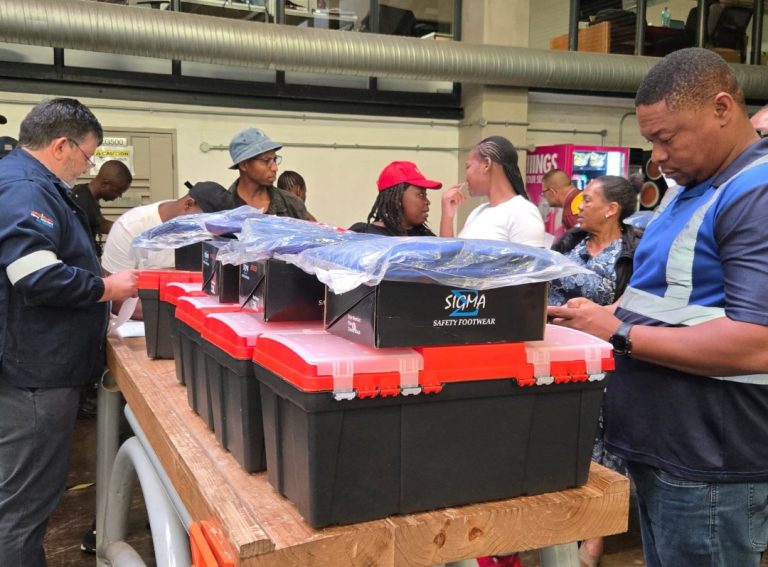
Over the course of the five-day workshop, teachers are engaging in practical training across key trades including electricity, plumbing, bricklaying, panel beating and spray painting.

The training is conducted by qualified artisans, assessors and moderators to ensure participants receive industry-standard, state-of-the-art instruction.

According to the department, the workshop forms part of a pilot curriculum developed by the DBE, supported by comprehensive training manuals. To date, 1,100 teachers have been trained in Occupational and Vocational subjects within the Engineering and Manufacturing Technology organising field. 

The 2026 training programme continues to focus on bringing together enthusiastic and committed teachers for an immersive learning experience that strengthens practical competencies aligned with industry demands.

In September 2017, the Council of Education Ministers (CEM) approved the extension of the Three Stream Model (TSM) pilot to all Public Ordinary Schools, including schools offering Technology subject specialisations.

The training initiative supports the implementation of this model by equipping educators with the necessary skills to effectively deliver vocational and occupational streams.

The DBE says the workshop represents a significant step towards strengthening technical education and ensuring learners are better prepared for the world of work.

INSIDE EDUCATION

Is your child’s immunisation card up to date?

Shaakira Abrahams

As the school year is underway, now is a good time to make sure your child’s immunisations are up to date.

Immunisation helps protect your child against serious illnesses such as whooping cough, diphtheria and tetanus. These are not just old diseases from the past, they still exist in South Africa and may spread fast, especially when children have missed some of their doses or their protection has worn off.

When one child gets sick, the disease can easily spread to other children at school, in crèches and at home.

Why immunisation matters

When your baby is small, the clinic gives them immunisations that teach their body how to fight dangerous diseases. But this protection does not last forever. Over time, immunity can decrease. That’s why children need booster doses at school age, not just when they are babies.

Children in South Africa receive immunisation against diseases such as whooping cough (pertussis), diphtheria and tetanus in a series of doses as they grow.

These work best when they are given on time – in line with the Expanded Programme on Immunisation (EPI) from the National Department of Health.

Parents can ask Primary Healthcare Clinics and Health Care providers for guidance on the specific ages at which immunisations should start (e.g. from 6 weeks after birth) and at which ages they should be repeated (e.g. at 6 years of age).

Early immunisation doses help protect babies and young children when they are most at risk.

As children grow older, their protection can weaken. That is why repeat (booster doses) are needed at school age.

If your child misses any of these, they may not be fully protected, even if they look healthy and well.

What can happen if a child is not immunised?

Some parents might think these illnesses are mild. They can, unfortunately, be serious.

Diphtheria can form a thick layer in the throat that makes it hard to breathe or swallow. It can damage the heart and nerves and can spread from person to person.

Tetanus enters the body through cuts or wounds. It causes painful muscle tightening, stiff jaws and trouble breathing, and can be fatal.

Whooping cough causes long, painful coughing fits that can last for weeks. Babies and young children can struggle to breathe, vomit after coughing, or in severe cases stop breathing for short moments.

Check your child’s Road-to-Health card

Take out your child’s Road-to-Health booklet or clinic card and look at the pages where the immunisations are written.

If you are not sure what the dates mean, the nurses at the clinic can help you understand them. If your child is behind, they can be given the missed doses.

If you have lost the card, do not panic. You can go to your nearest primary healthcare clinic and ask for a replacement. The clinic will help you rebuild your child’s record.

Where to go for help

You do not need money or private doctors. Routine childhood immunisations are free at government clinics as part of the Expanded Programme on Immunisation. You can go to your nearest primary healthcare clinic for help.4

Some schools also offer school immunisation days, especially for children who may have missed earlier doses.

Checking your child’s immunisations is one of the easiest ways to protect their health. Routine immunisations help protect against serious illness. If the card is missing, you can get a replacement at your local clinic. Keeping immunisations up to date helps safeguard your child, their classmates and your community.

You do a lot to get your child ready for school, checking their immunisations is one more way to protect them.

A short visit to the clinic could help shield your child from serious illness and keep them healthy throughout the school year.

Shaakira Abrahams is the Medical Manager at Sanofi South Africa.

INSIDE EDUCATION

R113m Mpumalanga school repair corruption: 33 suspects appear in Nelspruit court

By Charmaine Ndlela

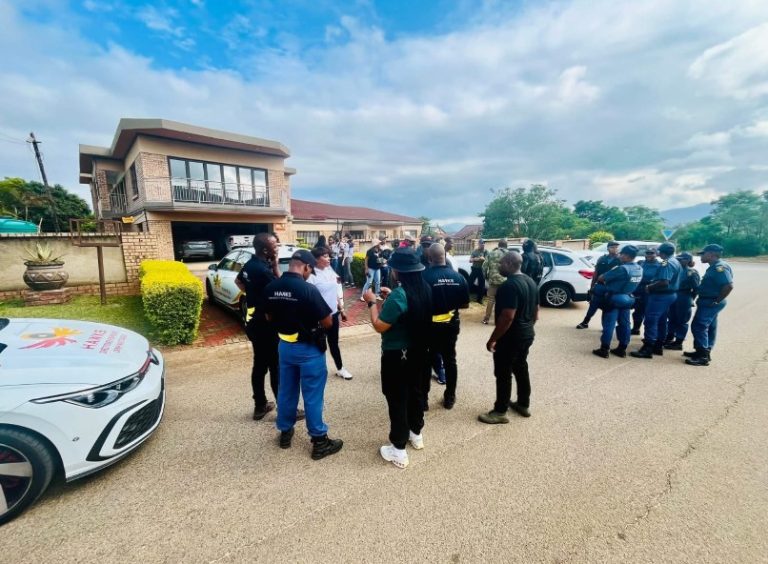
Thirty-three suspects appeared in the Nelspruit Magistrate’s Court in Mpumalanga on Monday on charges of fraud, corruption and money laundering linked to a R113 million school repair tender scandal.

The arrests were carried out by the Directorate for Priority Crime Investigation, also known as the Hawks, in Nelspruit on Sunday morning.

The operation targeted 41 suspects allegedly implicated in corruption, theft and fraud relating to emergency school repair tenders dating back to 2018. One of the suspects has since died.

Among those arrested are government officials and service providers believed to be connected to irregular tender processes within the Mpumalanga Department of Education.

Investigators also conducted search and seizure operations at the home of a Barberton-based pastor believed to be linked to the scheme.

Speaking to Inside Education, Hawks spokesperson Lieutenant Colonel Magonseni Nkosi confirmed that 33 suspects appeared in court.

“You will recall that we initially had 41 suspects. By this morning, 23 had already been arrested, and as we speak, the number has increased to 26 arrests. Today, 33 appeared in court,” said Nkosi.

Nkosi added that bail proceedings prioritised suspects with medical conditions.

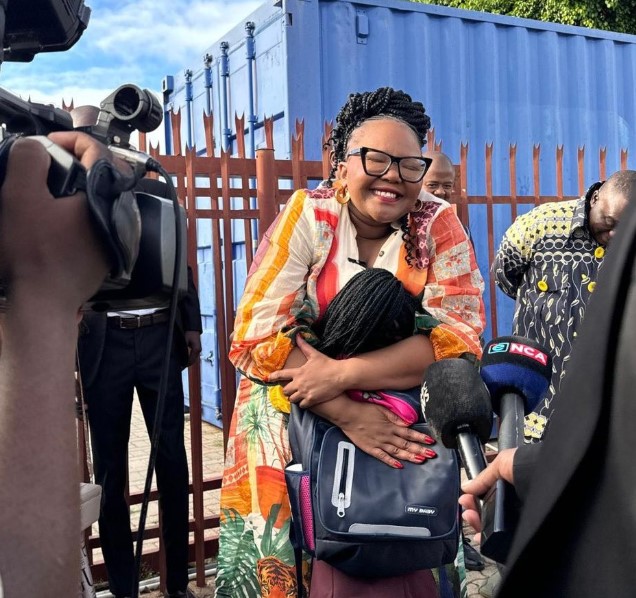
A wheelchair-bound woman was granted bail of R50,000 and is expected to reappear in court on 26 March. The Chief Financial Officer, a former Chief Director, and a company owner and director were also granted bail of R50,000 each due to medical reasons.

Another female suspect, who is reportedly breastfeeding, was also granted R50,000 bail on health grounds.

One of the accused, Jabulani Nkosi, is the former Acting Head of the Mpumalanga Department of Education. He currently serves as Chief Director for Human Resource Management and Development in the Mpumalanga Department of Health.

The remaining suspects are expected to appear in court on Tuesday for their bail applications, including three individuals who were arrested later on Monday.

INSIDE EDUCATION

Hilton finishes unbeaten as Independent Schools Cricket Festival closes with T20 finale

Staff Reporter

Hilton College signed off the Independent Schools Cricket Festival’s final day on Sunday as the only unbeaten side after switching smoothly into the festival’s closing T20 format.

Hilton opened the day by restricting hosts St Alban’s to 108/9, with Obakeng Motsepa ripping through the top order on the way to 4/19, backed up by Cameron Hargroves’ 2/13.

St Alban’s top score was Reabetswe Mokoka’s 26, but Hilton’s reply was controlled rather than frantic, with opener Ben Wilson guiding the chase with 39 not out as Hilton reached 110/4 inside 16 overs to win by six wickets.

St Alban’s recovered quickly in their second T20, rolling St John’s College (Harare) for 91 and then completing an eight-wicket chase. Will Hewitt delivered the key burst with 4/8, while St Alban’s reply was anchored by Kyle Block (27) and Mokoka (24).

Elsewhere, St David’s Marist Inanda finished strongly against Prestige College, piling up 171/5 with Jonah Gruskin lighting up the innings with 80 off 57 balls. Prestige were then dismissed for 81, with Kyle Butler (3/5) leading a tight bowling effort.

In another final-day highlight, Clifton College posted 177/5 against Woodridge and defended it by 28 runs, driven by opener Daniyaal Klinck’s 79 and a sharp spell of 3/6 from left-armer Blake Johnson.

Michaelhouse also ended on a high, cruising to a nine-wicket win over St Benedict’s after bowling them out for 101, then chasing down 102/1 with unbeaten half-centuries from Ben Heuer (51*) and Graydon Leslie (51*).

INSIDE EDUCATION

OPINION | How universities must respond to close the gap between academia and gainful employment

0

By Dr Mario Landman

The classroom is undergoing its most profound transformation in generations.

Gone are the days when universities could graduate students armed primarily with theoretical knowledge and expect them to thrive in a fast-evolving job market.

Today’s employers demand more: graduates who can do, think critically, adapt swiftly to change, and collaborate effectively across teams and disciplines.

– WATCH: Gwarube says mother tongue learning is bridge to stronger literacy, numeracy foundations

This means universities must urgently work to close the gap between what they traditionally offered, and what the future of work demands.

As artificial intelligence reshapes industries, and the World Economic Forum projects that 39% of core job skills will shift by 2030, higher education institutions worldwide are racing to redesign curricula that prioritise real-world application over rote memorisation.

This shift is breaking down traditional disciplinary boundaries. Universities are increasingly blending fields to prepare students for complex, interconnected challenges: data science fused with business strategy, cybersecurity intertwined with legal frameworks, artificial intelligence integrated with ethics, and engineering combined with entrepreneurial thinking.

At institutions like Wharton, MIT, and emerging programmes across the US and Europe, interdisciplinary majors and concentrations in AI for business or ethical AI are surging in popularity, reflecting both explosive industry demand and the need for well-rounded professionals who can navigate technology’s opportunities and risks.

DBE says most learners lose mother tongue schooling after Grade 3

Alongside these technical hybrids, there’s a powerful resurgence of emphasis on distinctly human skills – critical thinking, emotional intelligence, communication, and teamwork—that AI cannot easily replicate. These durable competencies are becoming core to curricula as employers seek resilient, adaptable talent amid rapid disruption.

Teaching methods must change

Teaching methods themselves are evolving to match. Passive lectures are giving way to project-based learning, where students tackle authentic problems in teams: building prototypes, analysing real datasets, and pitching solutions to industry partners. Assessment is shifting too – from high-stakes final exams to continuous, formative feedback that treats improvement as an integral part of the journey.

Modern attention spans and lifelong learning demands are also fuelling the rise of microlearning and sophisticated gamification systems that incorporate narrative, challenges, progression, badges, and leaderboards to boost motivation and retention.

These tools, once experimental, are now mainstream strategies helping institutions engage digital-native learners while bridging academia and the workplace.

It will come as no surprise that Artificial Intelligence (AI) and automation lie at the heart of this transformation.

ALSO READ: 100 Shining Stars: The young leaders reimagining South Africa’s future

AI is no longer a futuristic concept whispered about in laboratories  — it now lives in everyday academic life.

In classrooms, AI is building personalised learning pathways and adapting content to the needs of each student, providing instant feedback and deepening understanding.

On the administrative side, AI is handling timetables, marking, admissions, and data analytics, allowing academics to spend more time engaging with students rather than managing processes.

But AI is also unsettling old assumptions about assessment and academic integrity.

Generative AI has reached a point where it can produce undetectable essays, code, and even artistic work. This has made it clear that universities cannot rely on punitive measures alone.

Instead, they are being compelled to rethink how they assess learning, shifting from a mindset of policing to one of guiding, by teaching students how to use AI responsibly, ethically, and creatively.

The digital shift extends beyond AI, with hybrid learning and virtual classrooms now fully entrenched.

Institutions must now be investing in immersive technologies like Virtual Reality (VR), Augmented Reality (AR), and Mixed Reality (MR), turning learning into an experience rather than a download of information.

Virtual science labs, simulated courtrooms, and 3D historical worlds are moving from the realm of experimentation to mainstream practice.

This move does however come with governance challenges. Universities are being pushed to create policies that demand transparency, fairness, and human oversight of AI systems. Human in the loop has become a guiding principle: technology may assist, but it cannot replace human judgement, especially when academic outcomes and futures are at stake.

As higher education adapts to these realities, the question is no longer whether change is needed, but how quickly institutions — public and private universities alike — can scale these innovations to produce graduates truly ready for tomorrow’s world of work.

Mario Landman is Executive: Educational Technology and Innovation at The IIE and ADvTECH’s Academic Centre of Excellence.

UKZN rocket engineer joins council for SA space regulation  

0

By Lebone Rodah Mosima

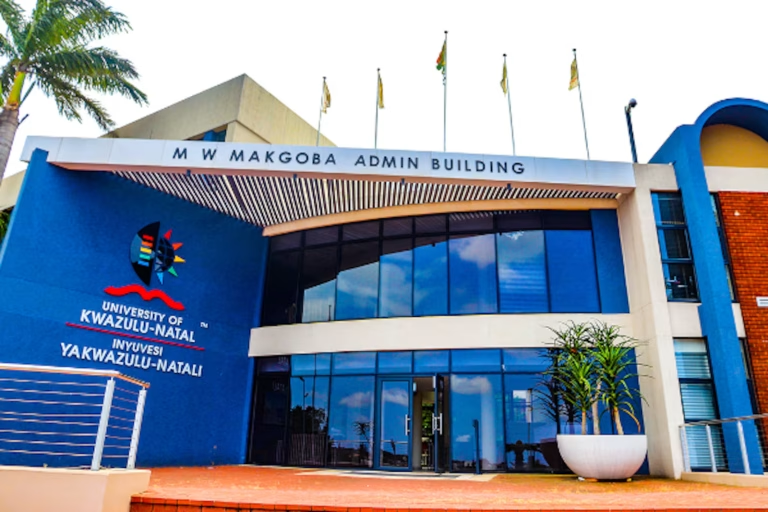
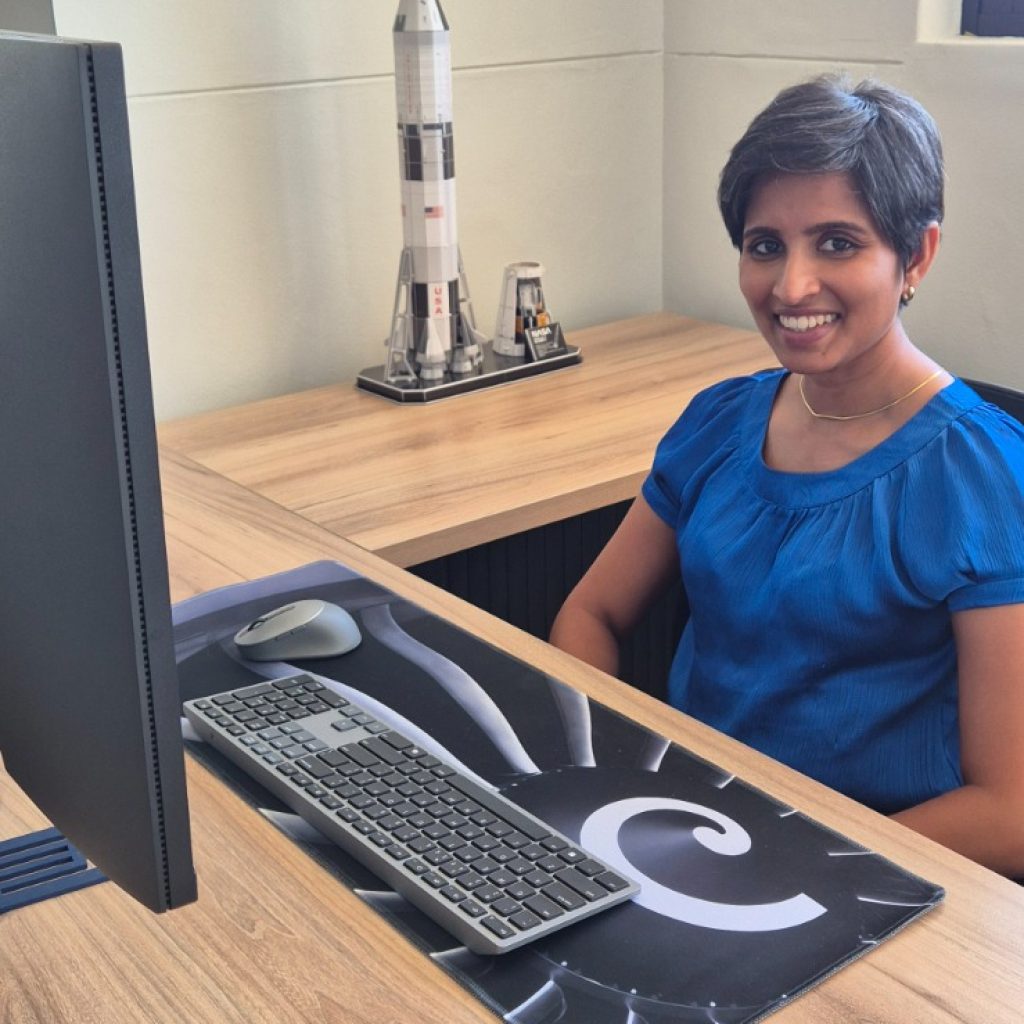
Dr Sarisha Harrylal, an engineer at the University of KwaZulu-Natal (UKZN) Aerospace Systems Research Institute (ASRI), has been appointed to the South African Council for Space Affairs (SACSA).

The appointment was made by Minister of Trade, Industry and Competition, Parks Tau, and runs from 2026 to 2029.

ALSO READ: UKZN rocket engineer joins council for SA space regulation  

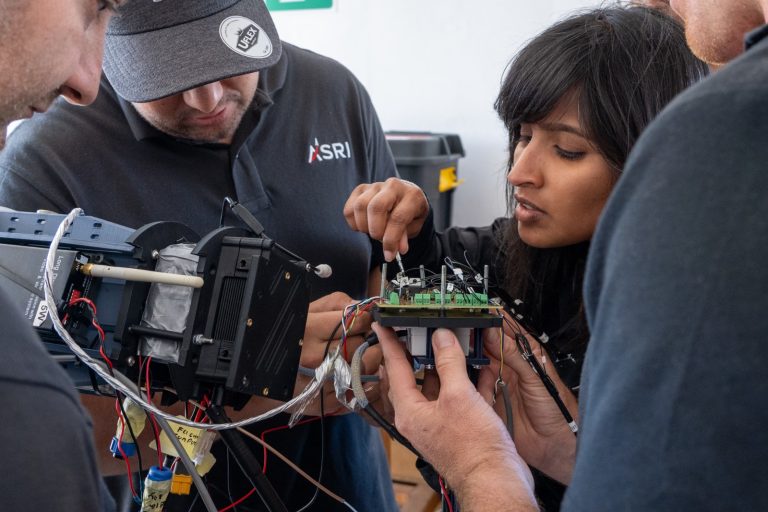
UKZN ASRI said the appointment also reflects positively on the institution, which has enhanced its profile in recent years through its work on liquid and hybrid rocket propulsion systems.

“SACSA is South Africa’s regulatory authority for space affairs,” UKZN said.

“It is responsible for implementing South Africa’s space policy and safeguarding the country’s interests, responsibilities, and obligations regarding space and space-related activities.”

SACSA members advise the minister on issues impacting space affairs, and oversee and implement matters arising from international conventions, treaties, and agreements related to the common use of space. They also issue licences for space operations, including launch activities.

ALSO READ: HSRC, University of Mpumalanga sign research partnership deal

ARI director, professor Michael Brooks, said Harrylal would take on significant responsibilities as one of the council members.

“The space regulatory environment is evolving rapidly as countries worldwide, including South Africa, increase their space engineering efforts,” Brooks said.

“The South African satellite component manufacturing industry is thriving, and the government is placing greater emphasis on developing an indigenous launch capability.”

Brooks said that while ASRI is paving the way, more work is needed to draft and enact legislation that can facilitate commercially viable launches from South Africa.

“The new SACSA council will have its hands full as it navigates regulatory processes aimed at protecting the space industry while also encouraging responsible commercial activity,” he said.

Harrylal holds a BScEng and an MScEng in Mechanical Engineering from UKZN, as well as an MBChB degree from UKZN’s Nelson R. Mandela School of Medicine.

UKZN said she will continue her full-time role at ASRI, specialising in rocket flight dynamics, stability, and trajectory simulation, alongside her enthusiasm for practical rocketry and participation in vehicle flight tests conducted both in South Africa and abroad.

INSIDE EDUCATION

Weekend roundup | Mpumalanga education pounces as 23 arrested by Hawks, Gwarube says mother tongue learning is key, DBE says kids lose mother tongue schooling after Gr 3

0

Charmaine Ndlela

The Mpumalanga Department of Education said on Sunday it was monitoring developments after the arrests of 23 people, including senior government officials, in a R114 million corruption case involving the department.

“As the matter is now before the courts, the department respects the judicial process and regards the case as sub judice. The department will therefore refrain from commenting on the merits of the case at this stage, while closely monitoring all developments,” it said.

Read more here.

Basic Education Minister Siviwe Gwarube has urged parents and schools to use home languages as a foundation for learning.

“A child’s mother tongue language should never be a barrier to learning. It should be a bridge,” Gwarube said.

“Learners struggle not because they lack the ability, but because they are being taught in a language they do not fully understand,” she said in a personal message broadcast from her X account in commemoration of International Mother Language Day on Saturday.

Read more here.

DBE says most learners lose mother tongue schooling after Grade 3

The Department of Basic Education said on Saturday it is expanding Mother Tongue-Based Bilingual Education (MTbBE), warning that fewer than a quarter of South Africans can access sustained mother tongue education beyond Grade 3.

The department made the remarks in a statement commemorating International Mother Language Day.

Read more here.

INSIDE EDUCATION

Mpumalanga education ‘closely monitoring’ corruption case after 23 arrested by Hawks

Charmaine Ndlela

The Mpumalanga Department of Education said on Sunday it was monitoring developments after the arrests of 23 people, including senior government officials, in a R114 million corruption case involving the department.

“As the matter is now before the courts, the department respects the judicial process and regards the case as sub judice. The department will therefore refrain from commenting on the merits of the case at this stage, while closely monitoring all developments,” it said.

The arrests, carried out by the Hawks in Nelspruit on Sunday morning, form part of an operation targeting 41 suspects implicated in alleged corruption, theft and fraud related to government tenders for emergency school repairs dating back to 2018. One of the suspects has since died.

Among those arrested are government officials and service providers allegedly linked to the irregular tender processes within the department. A search and investigative operations were also carried out at the home of a Barberton pastor believed to be connected to the scheme.

Mpumalanga Hawks head, Major General Nico Gerber, confirmed that the operation was being conducted across four provinces, including Mpumalanga, Gauteng, Limpopo and the Western Cape.

“Some of the suspects moved from Mpumalanga to other provinces since 2020. You have to understand that proving a case like this is not easy,” he said at a press briefing on Sunday morning.

Those arrested are expected to appear in the Nelspruit Magistrate’s Court on Monday, where they will face charges of corruption, theft and fraud.

The Hawks said investigations remain ongoing as they work to apprehend the remaining suspects and fully uncover the extent of the alleged tender corruption.

The department said it was committed to ethical governance, transparency, and accountability, and “maintains a zero-tolerance on any form of corruption or maladministration”.

“Should the need arise, the Department will fully cooperate with law enforcement agencies to ensure that due process unfolds without hindrance,” it said.

INSIDE EDUCATION

WATCH: Gwarube says mother tongue learning is bridge to stronger literacy, numeracy foundations

Staff Reporter

Basic Education Minister Siviwe Gwarube has urged parents and schools to use home languages as a foundation for learning.

“A child’s mother tongue language should never be a barrier to learning. It should be a bridge,” Gwarube said.

“Learners struggle not because they lack the ability, but because they are being taught in a language they do not fully understand,” she said in a personal message broadcast from her X account in commemoration of International Mother Language Day on Saturday.

“When a child cannot understand what is being taught, they cannot create meaning, they cannot grasp mathematical concepts, and they cannot build confidence,” she said.

“That is why we are strengthening mother tongue based bilingual education.”

Gwarube said the department’s focus this term was “to ensure that all learners are able to understand for meaning what is being taught to them in the classroom.”

Early teaching in a home language builds stronger literacy and numeracy foundations that help pupils later in gateway subjects, she said.

“Your language is a tool for learning,” she said. “In a country as beautifully diverse as South Africa, our languages are a national treasure. They carry our stories, our history and our hopes for the future.”

The Department of Basic Education said on Saturday it was expanding Mother Tongue-Based Bilingual Education (MTbBE), warning that fewer than a quarter of South Africans can access sustained mother tongue education beyond Grade 3.

Gwarube encouraged families to actively use home languages with children: “I encourage parents to speak, read, sing to their children,” she said, adding that “protecting and promoting our languages will help build a more inclusive and equal society.”

International Mother Language Day is observed annually on 21 February and is backed by UNESCO, which this year highlighted “Youth voices on multilingual education” as a global theme.

INSIDE EDUCATION

Most learners lose mother tongue schooling after Grade 3

Staff Reporter

The Department of Basic Education said on Saturday it is expanding Mother Tongue-Based Bilingual Education (MTbBE), warning that fewer than a quarter of South Africans can access sustained mother tongue education beyond Grade 3.

The department made the remarks in a statement commemorating International Mother Language Day.

“Fewer than a quarter of South Africans, primarily English and Afrikaans speakers, are able to access sustained mother-tongue education beyond Grade 3”, it said, while learners whose home languages are African indigenous languages are often required to transition prematurely to English or Afrikaans as languages of learning and teaching.

“Extensive local and international research confirms what communities have long understood: children learn best in the language they know best,” it said, adding that “learners require at least six to eight years of strong mother-tongue instruction to transition successfully to additional languages used for learning.”

The department said it has expanded MTbBE since a pilot began in the Eastern Cape in 2012.

It said that learners taught in their home languages “have demonstrated improved performance in key subjects, including Mathematics and Natural Sciences”.

It said that the phased expansion of MTbBE, including the 2025 rollout to Grade 4, with maths exams offered nationally in a bilingual paper for the first time, was a significant milestone.

The aim was to “restore dignity to African languages, dismantling historical inequalities, and ensuring that our linguistic heritage becomes an asset in the knowledge economy”.

The department said “the success of this programme depends on strong partnerships,” acknowledging educators, school governing bodies, language practitioners, community leaders and others.

It said digital resources, including multilingual learning materials and innovative tools, were expanding access and supporting teachers in the classroom.

“As we mark this important day, we call on parents, communities, and stakeholders to support mother-tongue based education and to recognise its long-term benefits for learners and for our country,” it said.

INSIDE EDUCATION