Home Blog Page 17

Dube-Ncube says Kheta radio relaunch expands career guidance in official languages

By Charmaine Ndlela

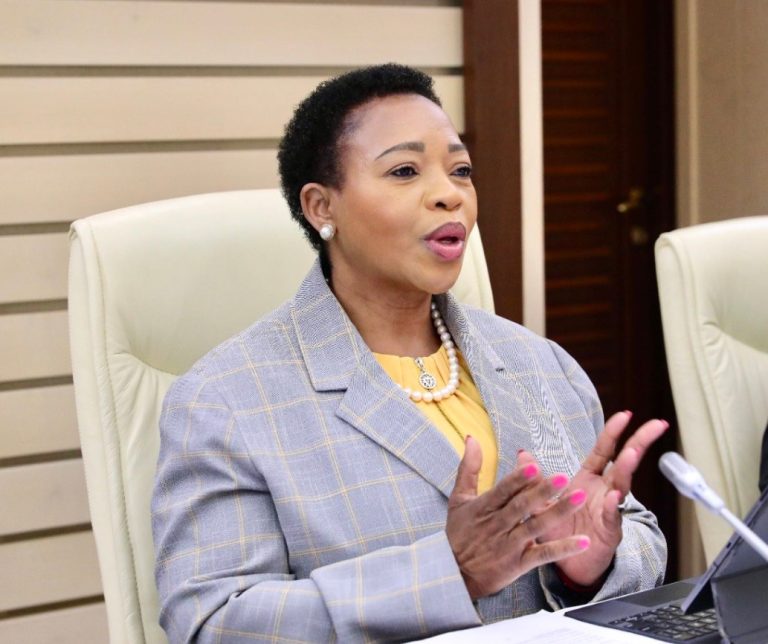
The Deputy Minister of Higher Education and Training, Dr Nomusa Dube-Ncube, on Friday led the relaunch of the Khetha Radio Programme at the SABC offices in Auckland Park, Johannesburg.

Dube-Ncube said the relaunch marked a significant milestone in strengthening Post-School Education and Training (PSET) communication in South Africa’s official languages.

The Khetha Radio Programme is implemented in partnership with the South African Broadcasting Corporation (SABC) through SABC Education, which is responsible for delivering the public broadcaster’s educational mandate.

The programme was initially introduced as a pilot on Ikwekwezi FM (isiNdebele) and later expanded to nine additional radio stations, including Ukhozi FM, Umhlobo Wenene FM, Lesedi FM, Motsweding FM, Munghana Lonene FM, Phalaphala FM, Thobela FM, Ligwalagwala FM and Radio Sonder Grense (Afrikaans)

The Khetha Career Development Services provides free career information, guidance and advice to learners, graduates and members of the public.

Originally launched in 2010 as a strategic media campaign of the Career Development Services  then known as Career Advice Services, the programme was based at the South African Qualifications Authority (SAQA). It was initially introduced as part of commemorating the late former President Nelson Mandela.

The department said that the programme is the first of its kind in Africa, offering free career development services to the public.

The aim of the radio programme is to provide relevant and accurate career and study information on opportunities available within the PSET system in listeners’ own languages. It is a weekly live broadcast tackling a wide range of study and career topics for audiences of all ages. 

According to the department, the shows are presenter-driven and feature a content specialist as a guest usually a Khetha Career Development Services advisor.

 The programme also incorporates information from other branches of the Department of Higher Education and Training (DHET), including TVET, Community Education and Training (CET) colleges, and Universities Education. It further works with entities and special projects such as NSFAS, SETAs, Indlela, NAMB, WorldSkills South Africa, the Centres of Specialisation, and others.

Over the years, Khetha has supported several national campaigns, including the NSFAS Application Campaigns, the Decade of the Artisan, the Central Applications Clearing House, the Apply Now! Campaign, and the Bogus College campaign 

“This relaunch signals renewed energy and strengthened collaboration across the PSET system. We are bringing additional subject experts into the programme, including representatives from universities, TVET and Community Education and Training colleges, Sector Education and Training Authorities, and industry partners. This ensures that listeners receive comprehensive, accurate and coordinated information,” said Dube-Ncube.

She said that “Khetha” means “to choose”, emphasising that meaningful choice is rooted in access to knowledge.

“Choice is fundamental to dignity and empowerment, and meaningful choice can only exist where there is knowledge. This programme is about empowering individuals with the information they need to choose pathways aligned with their aspirations and the needs of the country whether that involves enrolling at a TVET college, pursuing university studies, entering an apprenticeship, accessing bursary opportunities, or starting a business,” she said.

The enhanced format of the programme will promote greater interaction with listeners through call-ins, social media integration and practical guidance segments.

INSIDE EDUCATION
100 Shining Stars: The young leaders reimagining South Africa’s future

By Thapelo Molefe

In a country reflecting on 30 years of constitutional democracy and 50 years since the historic youth uprising of 1976, a new generation is stepping forward with its own vision for South Africa.

They are not defined only by protest, but by projects. Not only by frustration, but by solutions.

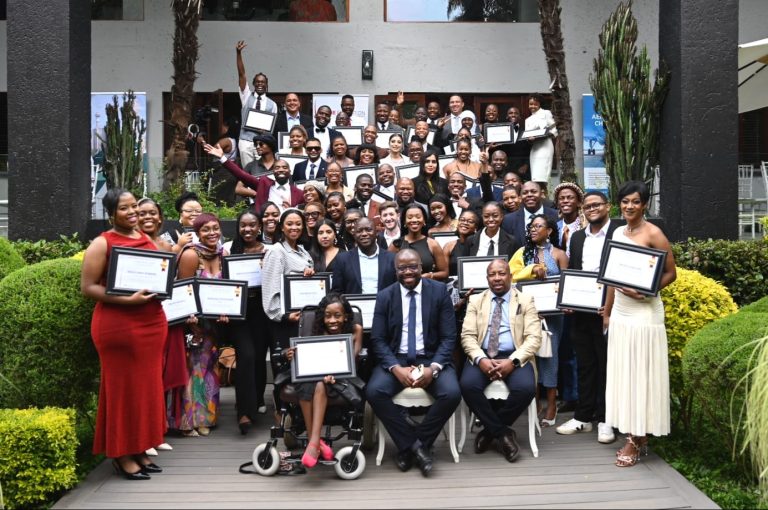
This year, Inside Education honoured 100 exceptional young achievers through its 100 Shining Stars initiative, celebrating them as beacons of hope and drivers of change across the country. 

Since 2018, the programme has recognised young leaders working across 12 categories, including education, health, civil society, business, science and technology, arts and culture, politics, justice and law, environment and philanthropy.

Behind the accolades lies a shared purpose: to uplift underprivileged communities and expand opportunities for young people.

Faith Murumbi, special projects manager at K and K Media, said the annual celebration continues to affirm the power of youth leadership in shaping the country’s tomorrow. The winners may come from different sectors, but their mission is unified, to create meaningful change where it matters most.

For Wayde Groep, Youth Development Leader at YearBeyond, the recognition is both personal and collective.

“I feel good, I’m humbled. It’s an important recognition but it’s not just about me, it’s about the work that we do for young people in our country.”

Groep said while South Africa celebrates 30 years of democracy, there is still significant work to be done. Although unemployment statistics are slowly declining, too many young people remain without decent income opportunities. 

He believes young people are already playing a major role in shaping the country, describing them as innovators, educators and leaders serving communities in multiple ways. His programme hopes to recruit close to 4,000 young people this year, even as applications exceed available spaces, and he emphasised the need to amplify youth voices and invest more boldly in national youth service.

In Soweto, literacy advocate and early childhood development champion Bontle Ndaba is confronting a stark reality: 81% of Grade 4 learners in South Africa cannot read for meaning.

“I feel very humbled and grateful to be acknowledged for the impact and purpose that I have within my community,” she said.

Ndaba said the milestone of 50 years since the 1976 youth uprising carries deep significance, as it honours young people who fought for the right to education. She believes today’s youth are introducing new movements and new ways of thinking that align with current realities. 

Through her literacy work in underserved communities, she aims to strengthen foundational reading skills and create safe, engaging reading spaces that allow children to thrive.

For Advice Tshikani Chuma, provincial chairperson of the ActionSA Youth Forum in Gauteng and a PR councillor in the City of Johannesburg, youth empowerment also means civic participation and ethical leadership.

“It’s a mixed reaction,” he said of the country’s milestone celebrations. “The youth of 1976 said enough is enough, but today many young people don’t want to participate in politics or vote.”

Chuma believes young people must conscientise one another about the importance of democratic participation, particularly ahead of local government elections. He said advancing democracy requires active involvement, from registering to vote to raising one’s hand to serve in public office, especially within higher learning institutions and local communities.

Innovation is another strong thread among the Shining Stars. At just 20 years old, Relebogile Lebitsa is developing digital solutions aimed at modernising township taxi industry through digital payments and commuter support, and improving access to healthcare services.

“The youth is opening opportunities for themselves,” she said. “They are taking whatever space there is and showing up.”

Lebitsa described the recognition as an honour and said young people continue to demonstrate resilience by embracing challenges and creating solutions, whether in technology, policy or community development. She is continuing her work in tech while building her professional career.

In the legal field, candidate attorney Lesego Makhwenkwe of Motsoeneng Bill Attorneys is building a reputation as an emerging labour law scholar while mentoring fellow young professionals and advancing his postgraduate studies.

“To be recognised at such an early stage in my career means a lot,” Makhwenkwe said. “It shows that the hard work we put in is seen.”

He described the 30-year constitutional milestone as both a celebration of progress in freedom and equality and a reminder that more work lies ahead. He believes young entrepreneurs and professionals are helping reshape South Africa with innovation and determination as he continues to pursue academic excellence in law.

INSIDE EDUCATION
HSRC, University of Mpumalanga sign research partnership deal

0

By Lebone Rodah Mosima 

The Human Sciences Research Council (HSRC) and the University of Mpumalanga (UMP) have signed a memorandum of understanding to promote collaborative research, capacity-building, and knowledge-sharing.

The MoU, signed in Mbombela by HSRC CEO Professor Sarah Mosoetsa and UMP Vice-Chancellor Professor Thenjiwe Meyiwa, formalises cooperation in research and academic activities.

ALSO READ: Wits students protest in Braamfontein over financial exclusion

The institutions said the partnership will include co-designing and implementing applied research projects to address community and development challenges.

They will also engage with government departments to create employment, alleviate poverty, and foster social cohesion.

 “Capacity-building initiatives will include mentorship programmes for postgraduate students and early-career researchers, postgraduate co-supervision, internship opportunities, and workshops on research writing, methodology, and policy communication,” they said.

“Additionally, the institutions will jointly host the Africa Young Graduates and Scholars (AYGS) Conference, providing research capacity strengthening via pre-conference training and post-conference engagement.”

Mosoetsa, speaking after the ceremony, said the signing was a “significant milestone” at a pivotal moment for South Africa and the continent, and also a moment to celebrate 30 years of democracy.

“It is also not just a ceremonial signing of an MoU but a partnership of like-minded institutions with an aligned vision of development, capacity building, and innovation,” said Mosoetsa.

ALSO READ: Mother-tongue language summit starts in Soweto

“These are the key drivers that inform the HSRC decision to embark on this journey with UMP.”

Meyiwa said the partnership aims to ensure research has tangible impact.

The partnership was about “translating research into real change, not research that remains in papers and policies, but research that transforms the lives of youth and the African continent,” Meyiwa said.

Meyiwa said the collaboration with the HSRC would help ensure solutions “are grounded in evidence-based research and shaped by people with lived experiences,” in order to “not produce white-elephant solutions but meaningful, practical interventions”.

INSIDE EDUCATION
Small group of Wits students protest over financial exclusion

0

By Thapelo Molefe
– Images by Eddie Mtsweni

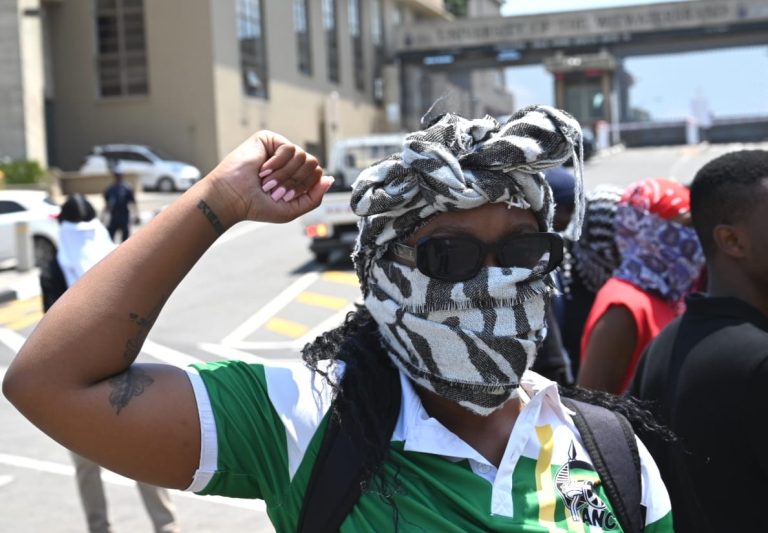
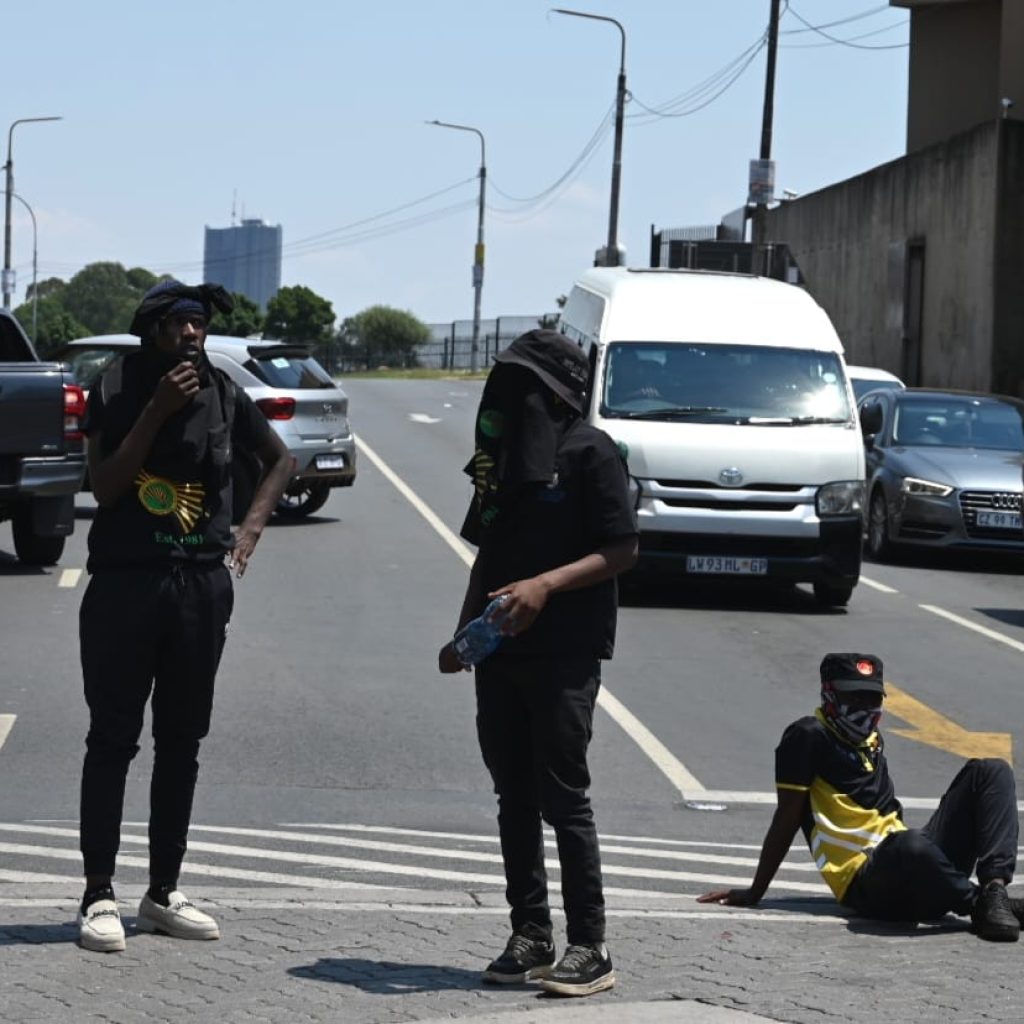
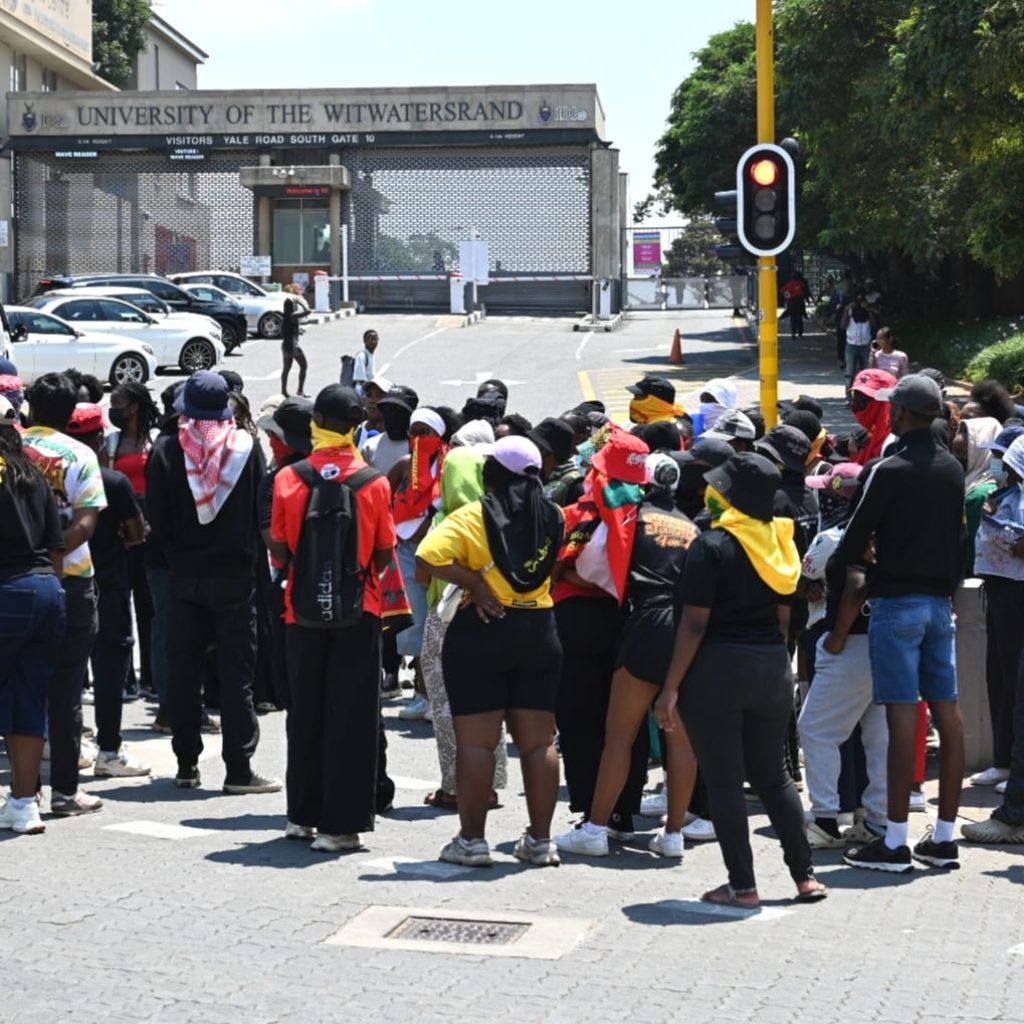
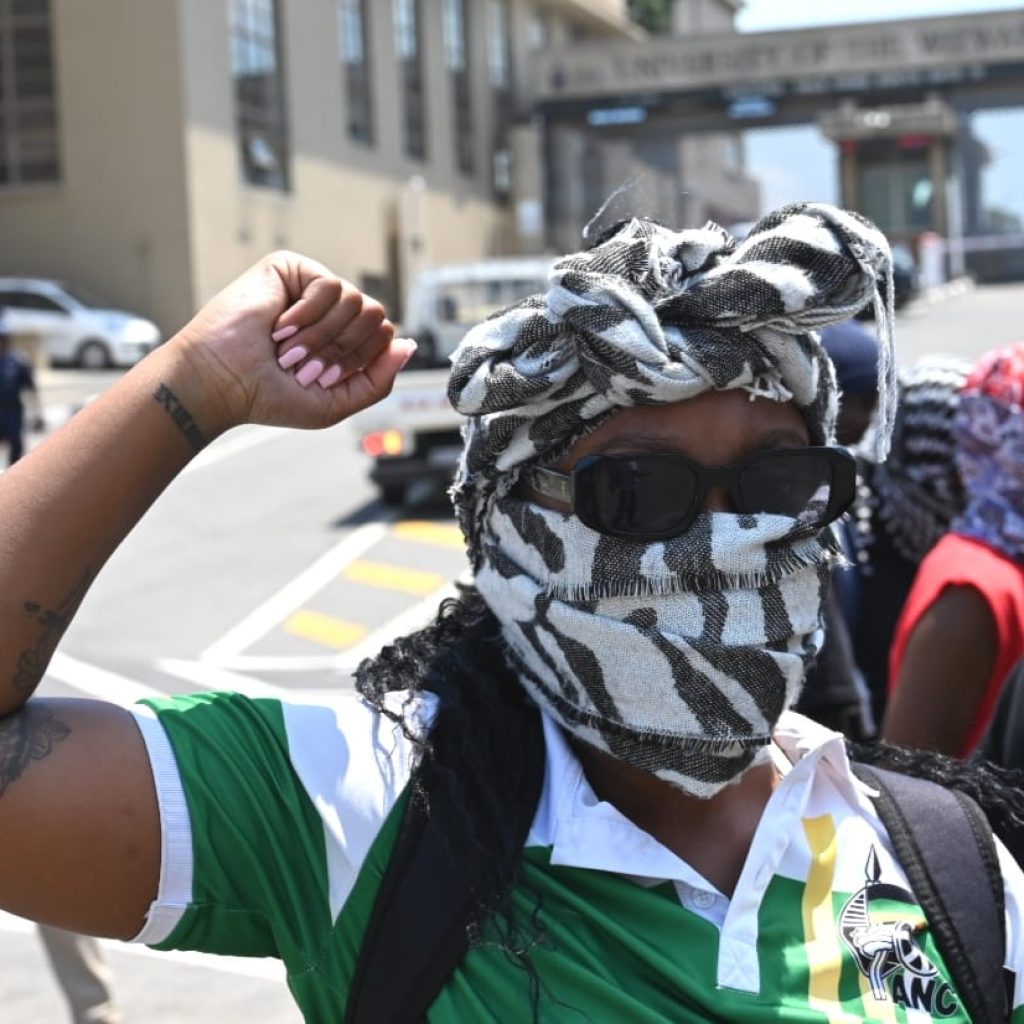
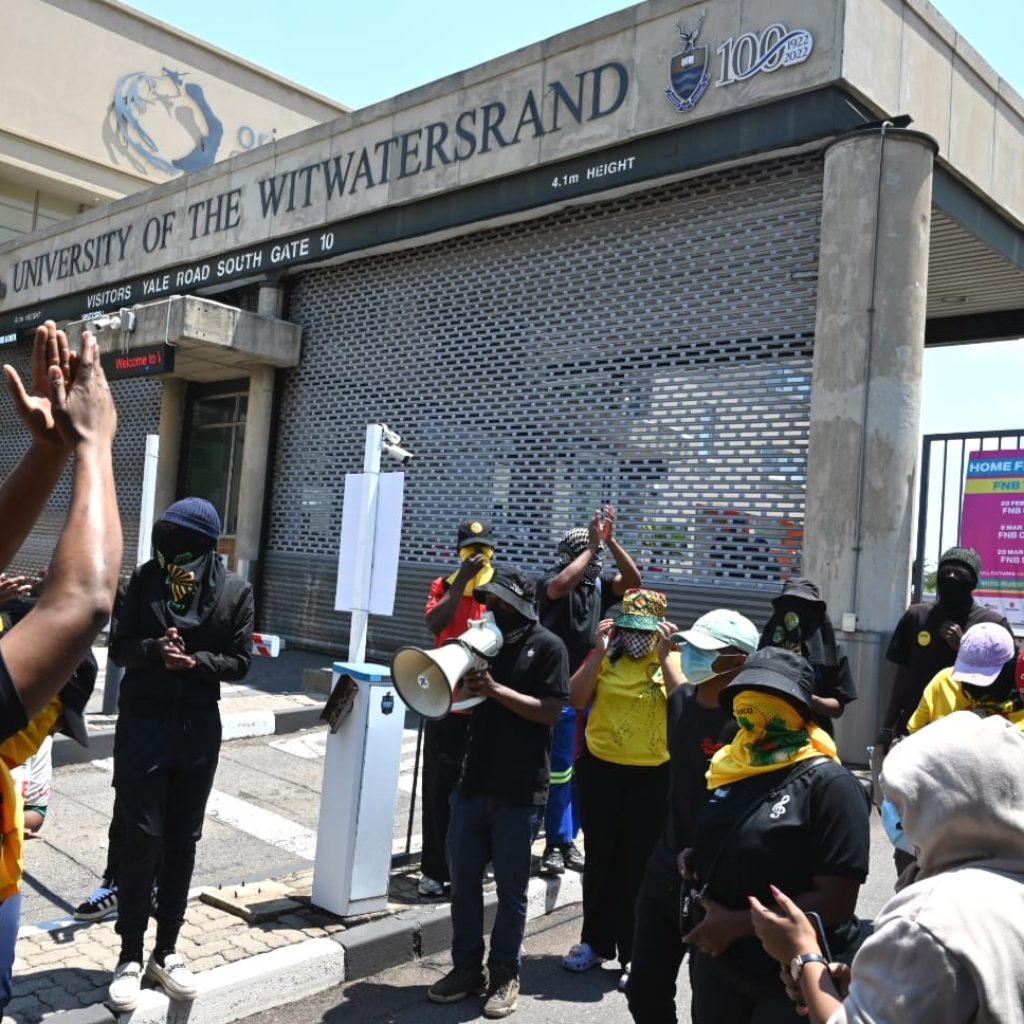
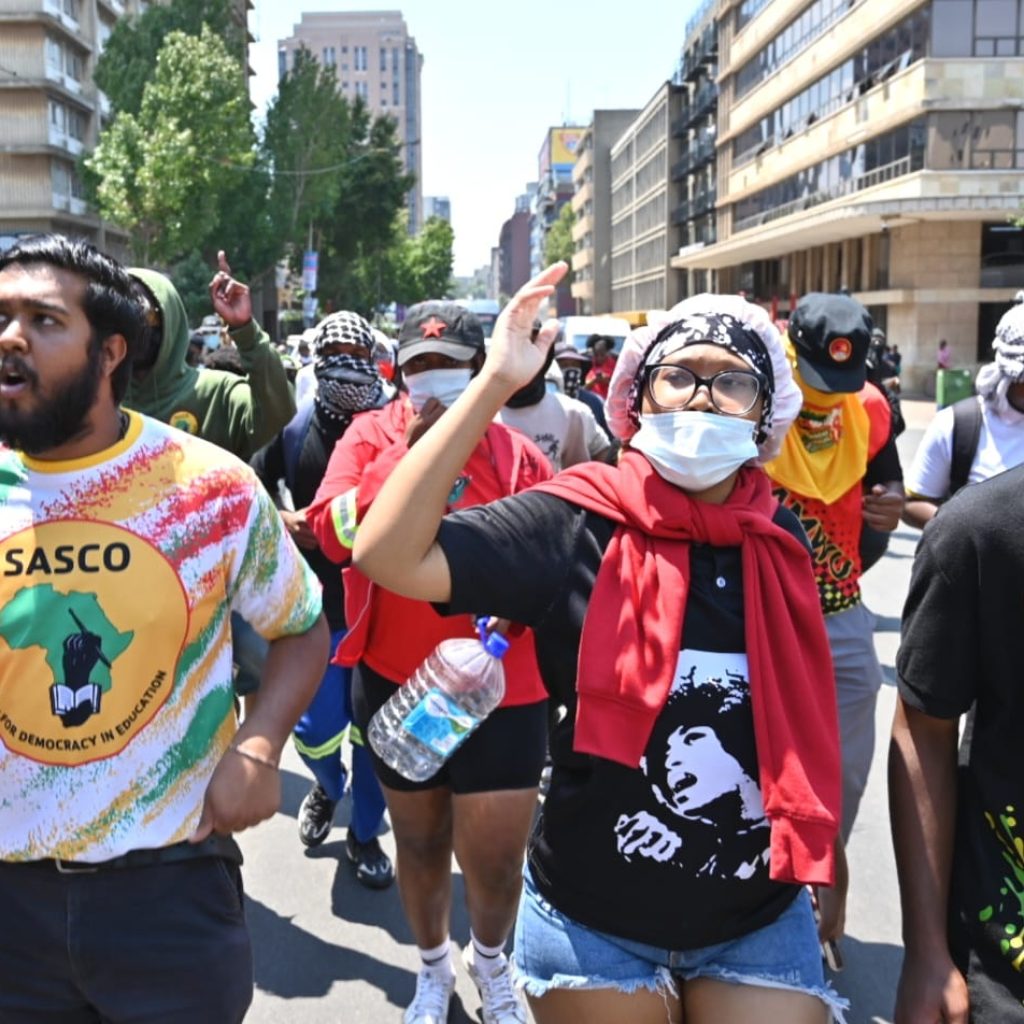
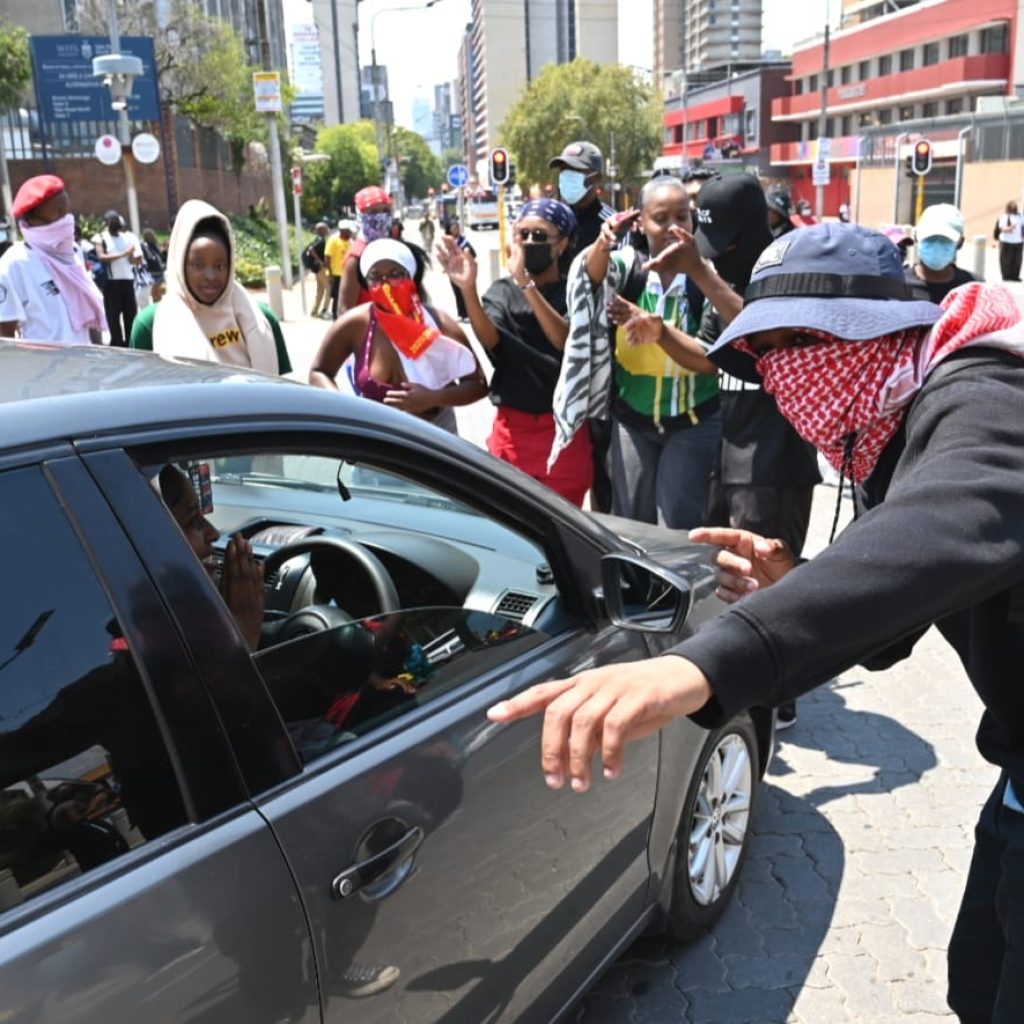
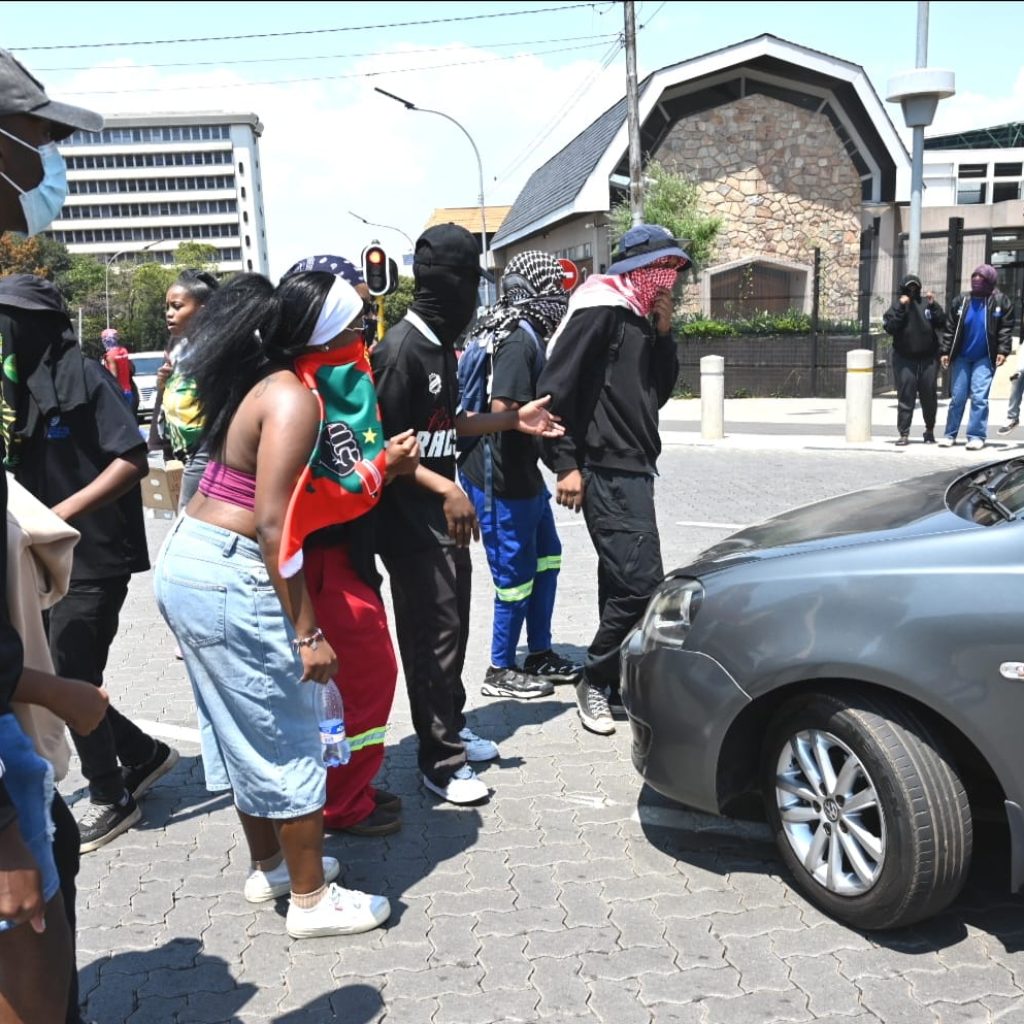
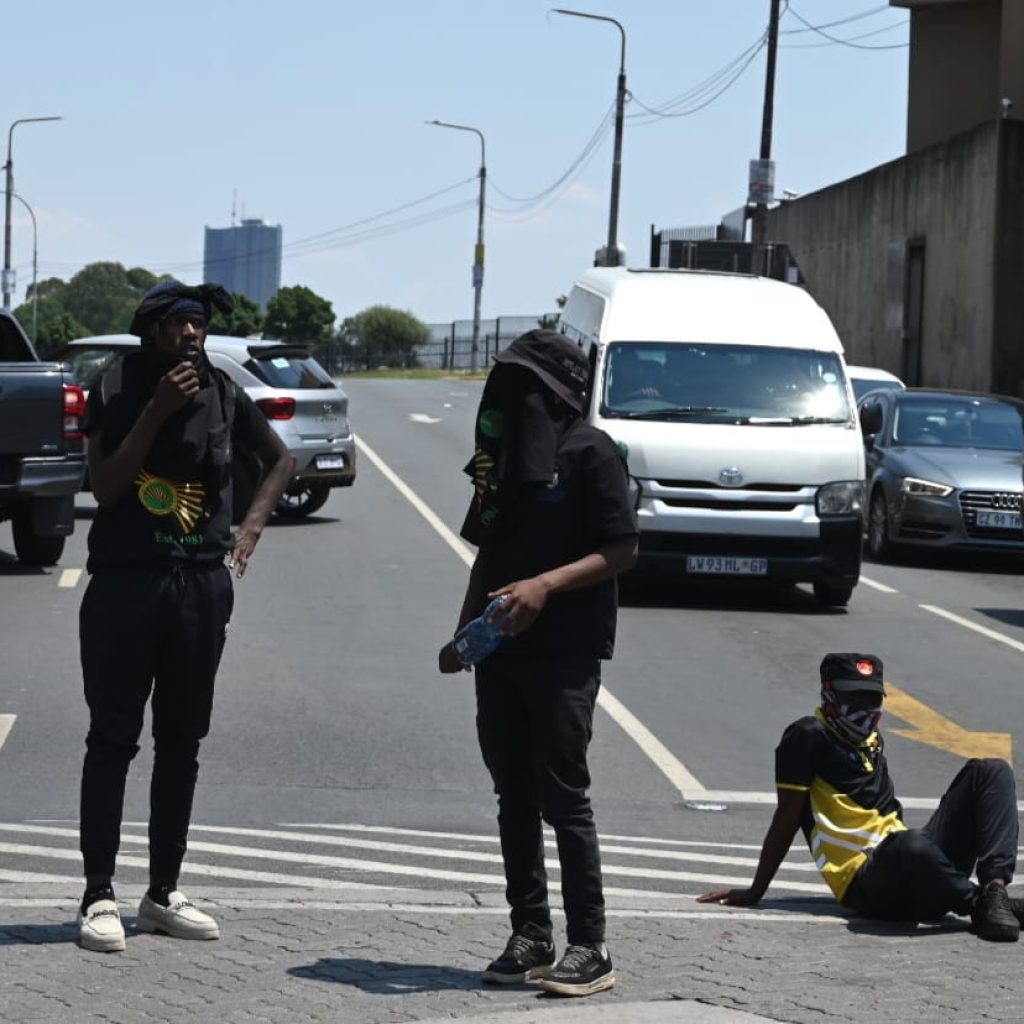
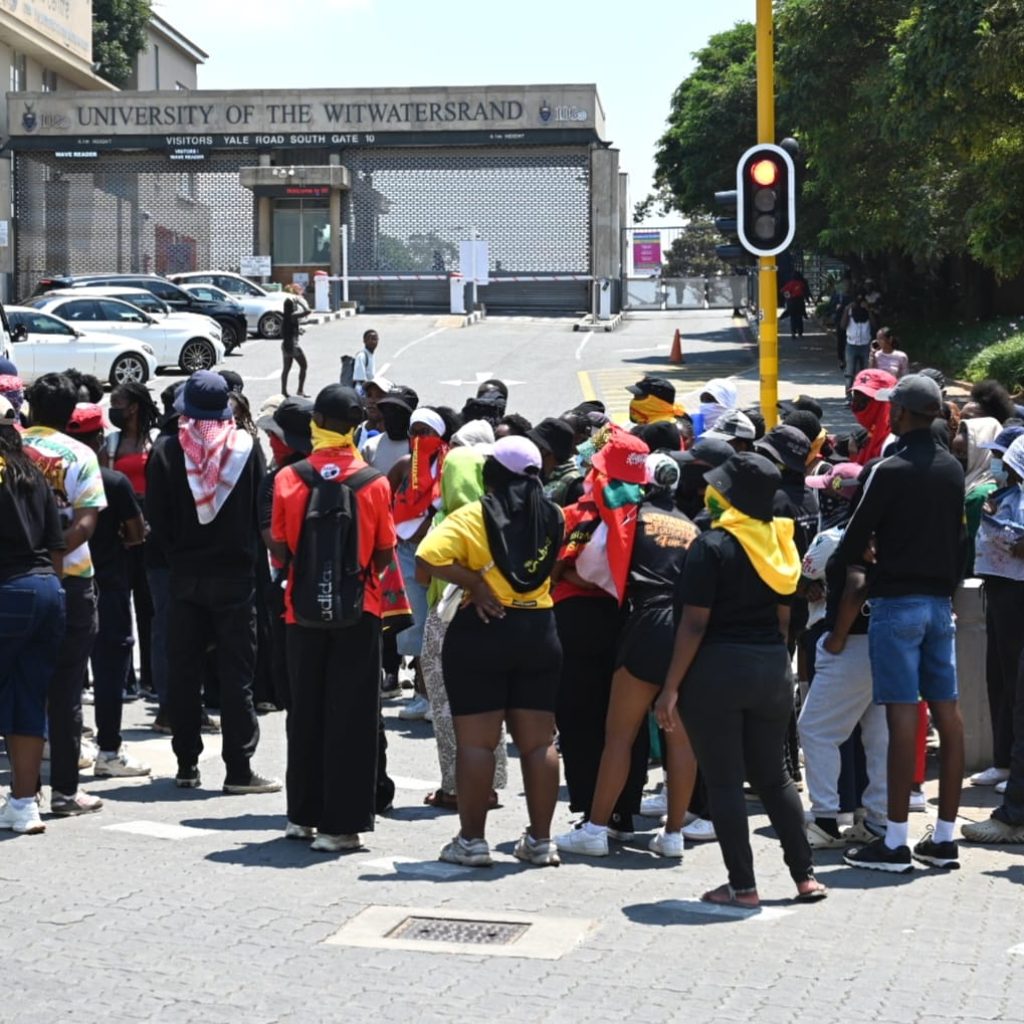
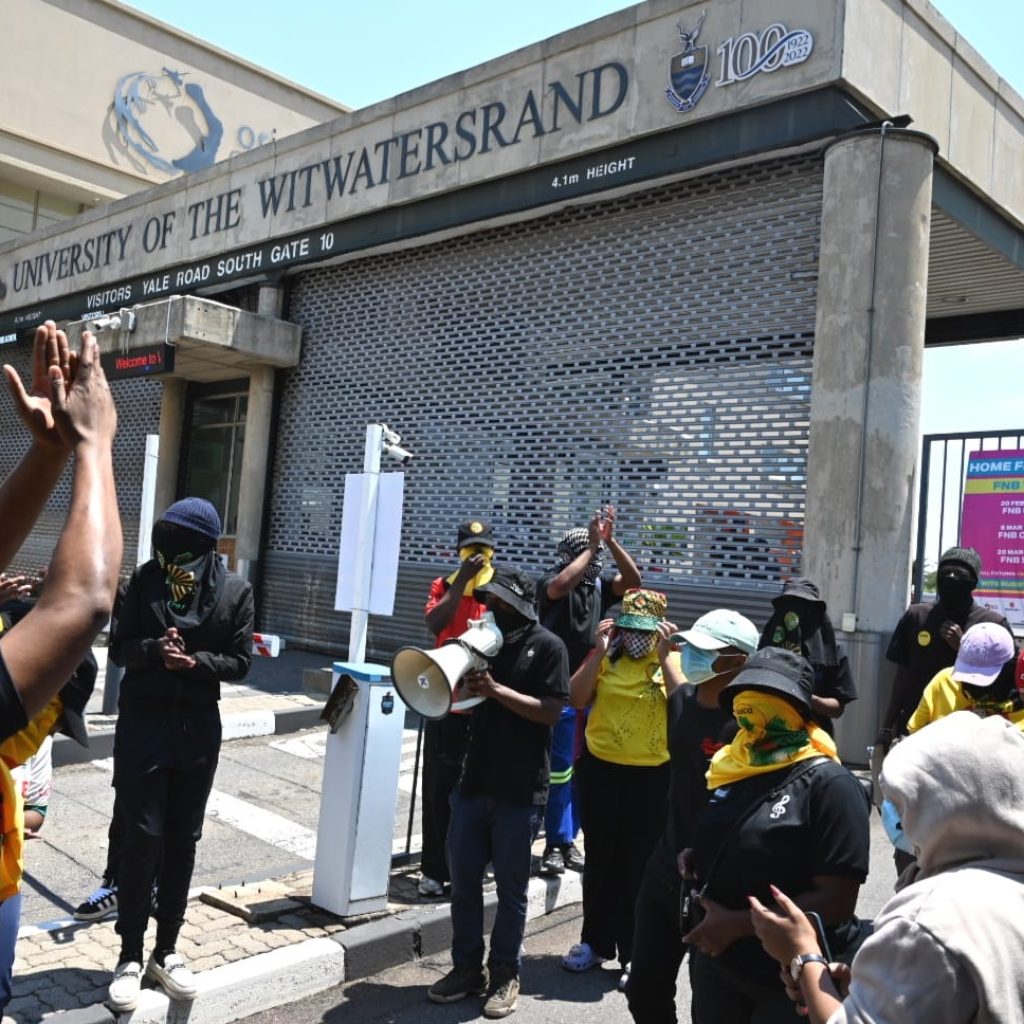
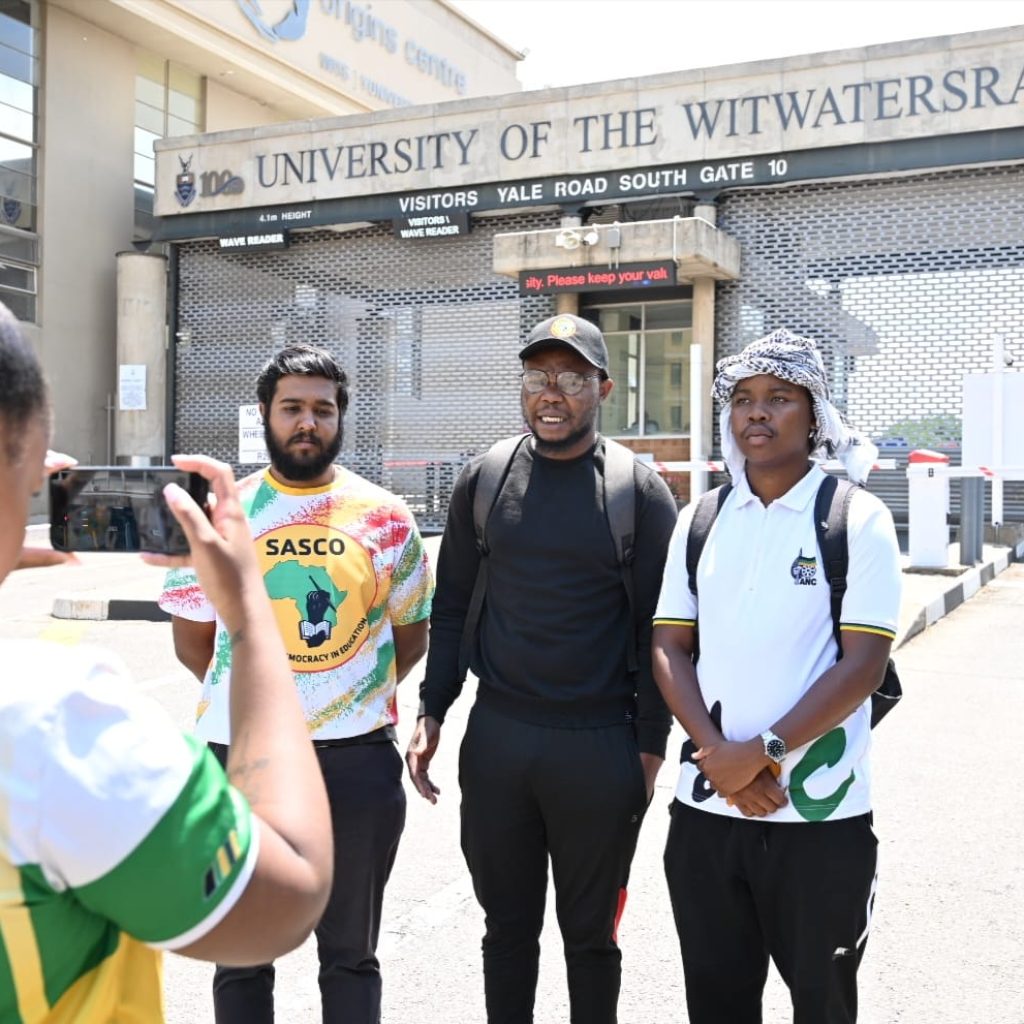
Wits students took to the streets of Braamfontein on Friday morning, blocking entrances to the university as they entered day five of protest action over financial exclusion.

Students are currently closing the Yale Road entrance to the University of the Witwatersrand, preventing vehicles from entering campus. 

ALSO READ: Mother-tongue language summit starts in Soweto

Police officers and Gauteng community patrollers are stationed along the road, monitoring the situation as protesters sing struggle songs demanding the immediate registration of all students, regardless of historic debt.

The protest, organised by Wits PYA, PASMA and the EFF Student Command, marks 10 years since the #FeesMustFall uprising. Student leaders say the current mobilisation is a continuation of that struggle, arguing that financial exclusion remains a structural barrier to higher education.

“At least 20,000 students remain unregistered at the start of the academic year. This cannot be treated as a minor administrative issue. It is a structural indictment on the funding model of higher education,” student leader Zwelimangele Jamjam said in a statement issued on Friday.

The university has not publicly specified how many students are currently excluded. However, protest organisers say that the number runs into the tens of thousands. They say this includes around 9,000 students who were financially excluded in 2025, as well as others barred from registering due to historic debt exceeding R120,000.

Students are demanding the immediate registration of all academically eligible students, regardless of outstanding fees. 

ALSO READ: Scenes from 100 Shining stars: Beacons of hope in a time of change

“The doors of learning cannot be conditionally open. They must be structurally and permanently open,” Jamjam said.

Protesters are also calling for the reinstatement of 30 students who were suspended following the first day of demonstrations earlier this week, saying the move criminalises dissent instead of addressing the root causes of the crisis.

Traffic in parts of Braamfontein has been disrupted, with private security and law enforcement maintaining a visible presence. 

The situation remains tense but calm as students vow to remain mobilised until their demands are met.

INSIDE EDUCATION
Mother-tongue language summit starts in Soweto

0

By Charmaine Ndlela

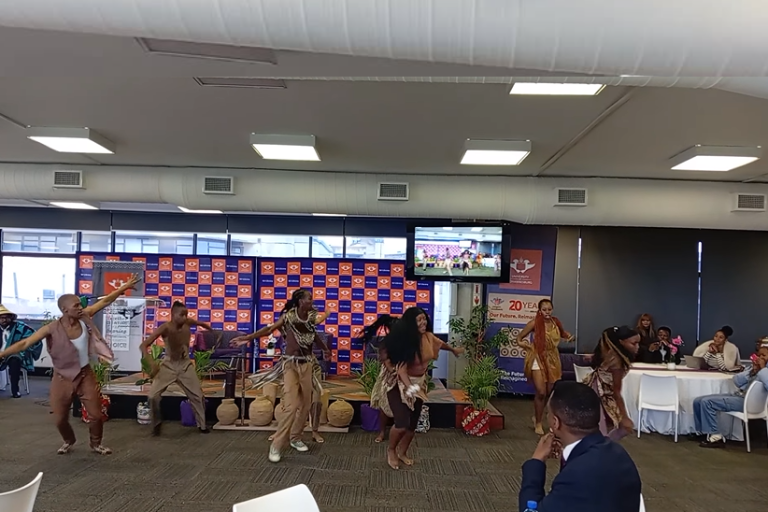
Language advocates will on Friday gather in Soweto for an International Mother Language Summit aimed at boosting the use and protection of indigenous languages.

Under the theme “Save Mother Tongue Now”, the Cultural, Religious and Linguistic Rights Commission (CRL), Ilifa Lethu Institution and the June & Andrew Mlangeni Foundation will host the high-level summit at the historic Uncle Tom’s Hall in Orlando West.

ALSO READ: Scenes from 100 Shining stars: Beacons of hope in a time of change

Held in recognition of International Mother Language Day, the meeting will bring together language advocates, academics and policymakers to strategise on the preservation, promotion and growth of indigenous languages.

International Mother Language Day, commemorated annually on 21 February, originated in Bangladesh, where protesting students were killed in 1952 while demanding recognition of their mother tongue, Bengali. The day was proclaimed by the United Nations Educational, Scientific and Cultural Organization (UNESCO) in 1999 and has been observed worldwide since 2000.

The annual celebration serves as a platform to consolidate development plans and ensure that South Africa’s linguistic heritage remains a functional asset for future generations.

“South Africa now recognises 12 official languages, including South African Sign Language. However, indigenous languages continue to face marginalisation in education, commerce, technology and public discourse,” the CRL said.

ALSO READ: Apex Education Group opens new school campus in Stellenbosch

The summit also forms part of efforts to implement milestones of the International Decade of Indigenous Languages 2022–2032, which was launched in October 2022.

The Department of Basic Education has been advancing its Mother Tongue-based Bilingual Education programme, including extending mother tongue instruction beyond Grade 3 into Grade 4 in 2025.

INSIDE EDUCATION

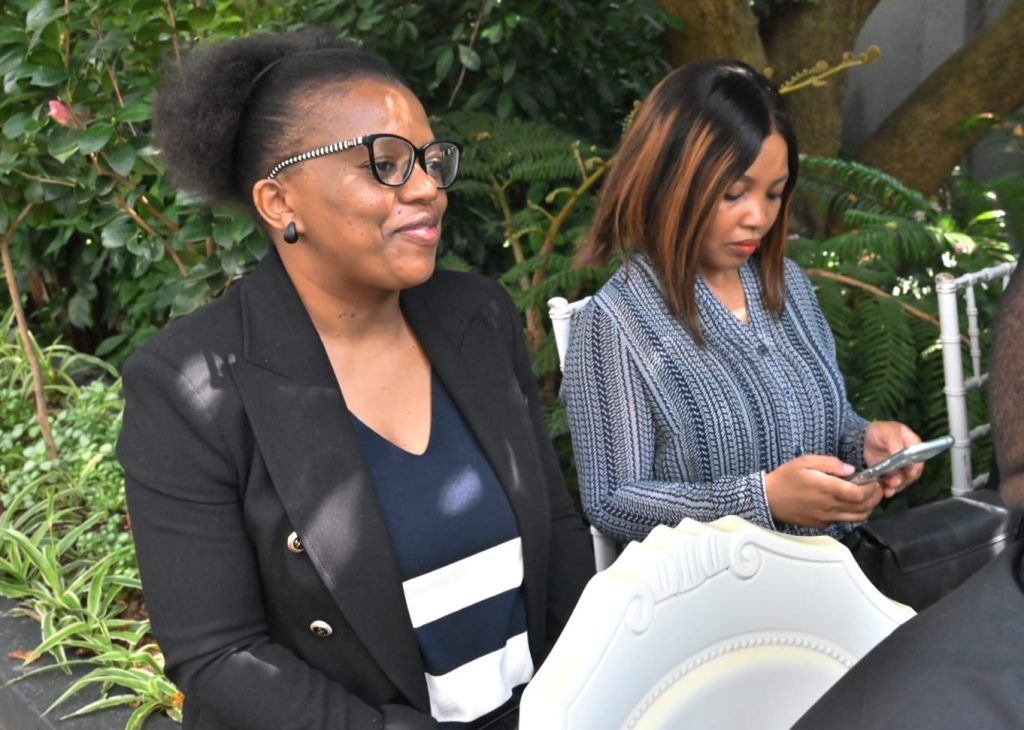
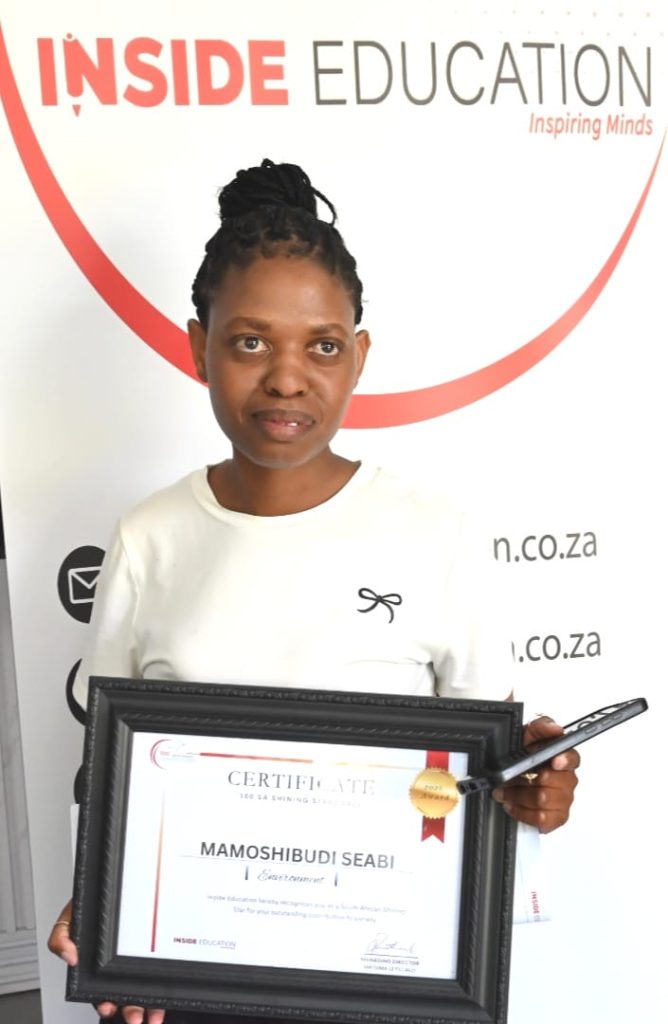
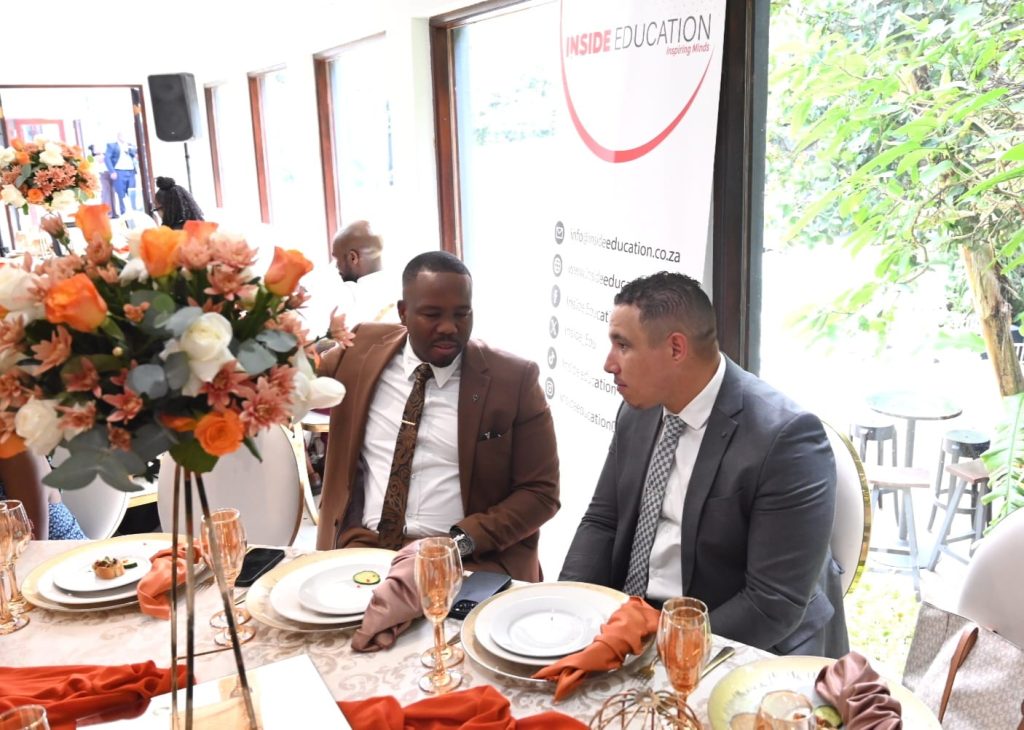
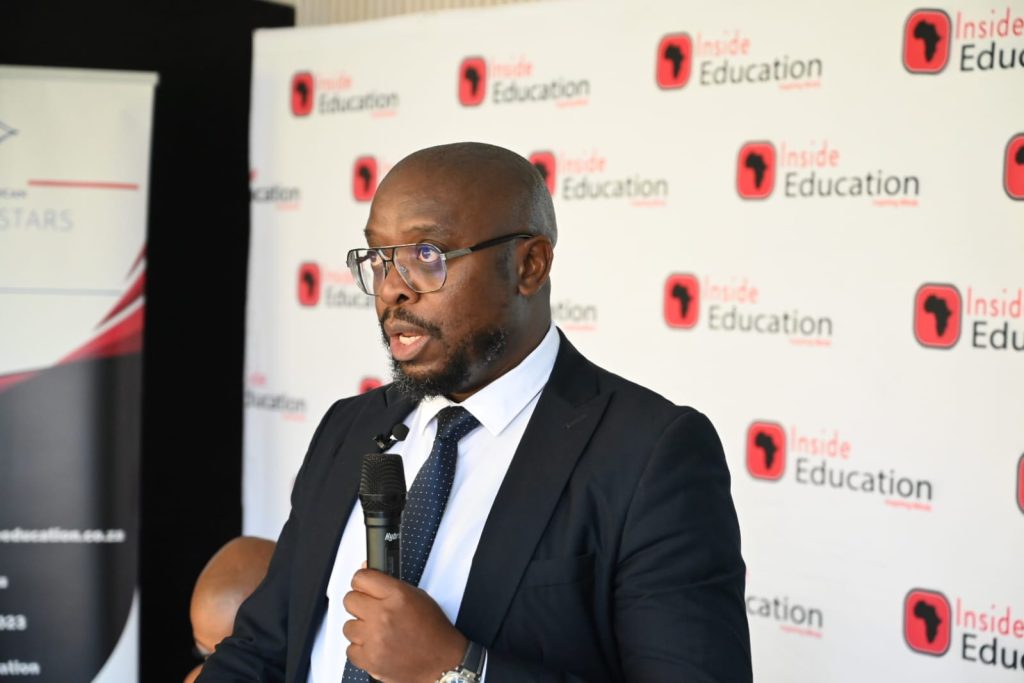
Scenes from 100 Shining stars: Beacons of hope in a time of change

0

Inside Education Reporter

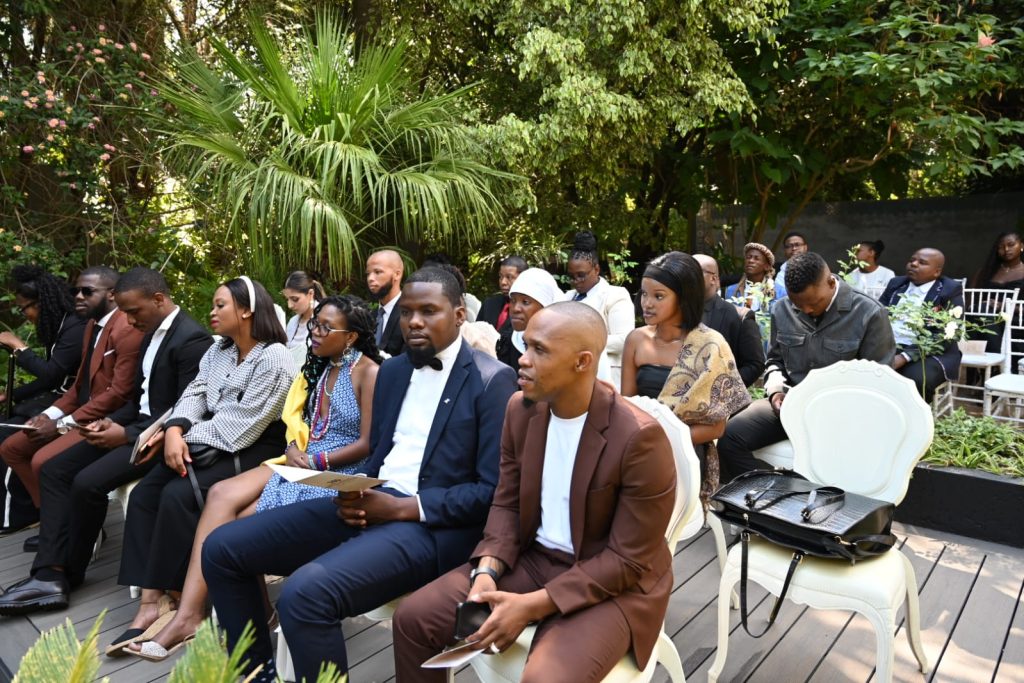
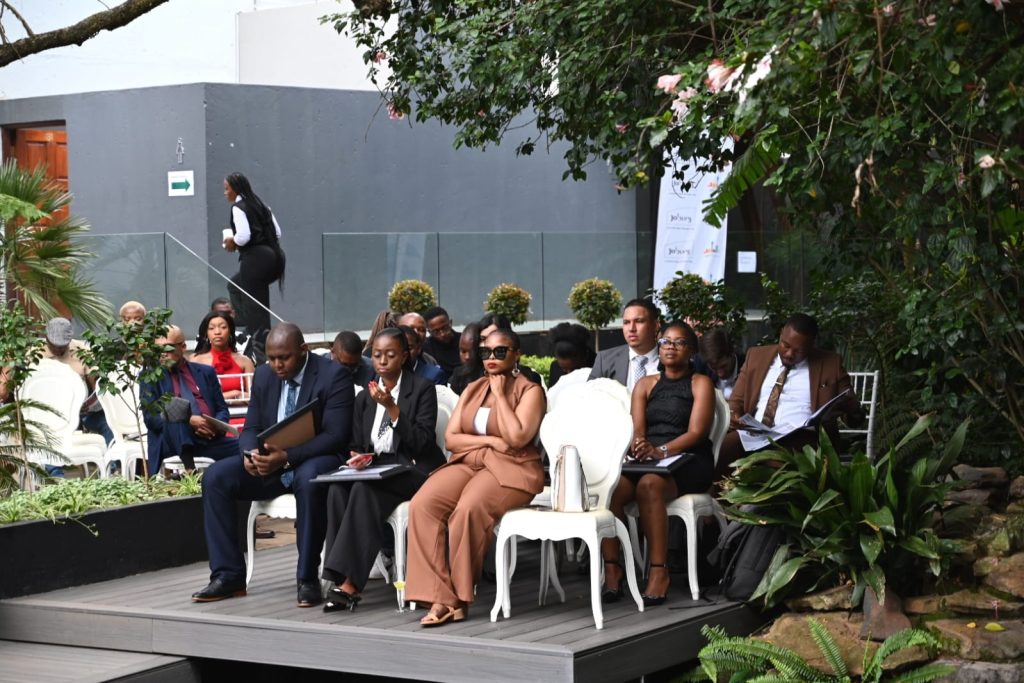
The 100 South African Shining Stars Awards, an initiative by Inside Education since 2018, has become an inspiring fixture on the national calendar, highlighting young trailblazers aged 18 – 35 who are reshaping communities across the country.

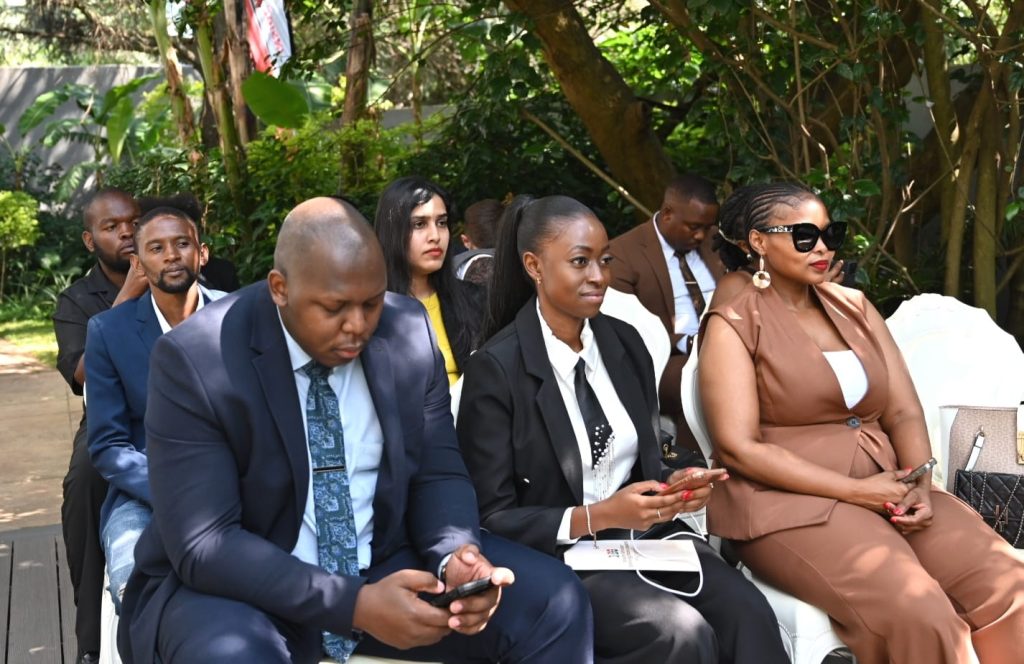
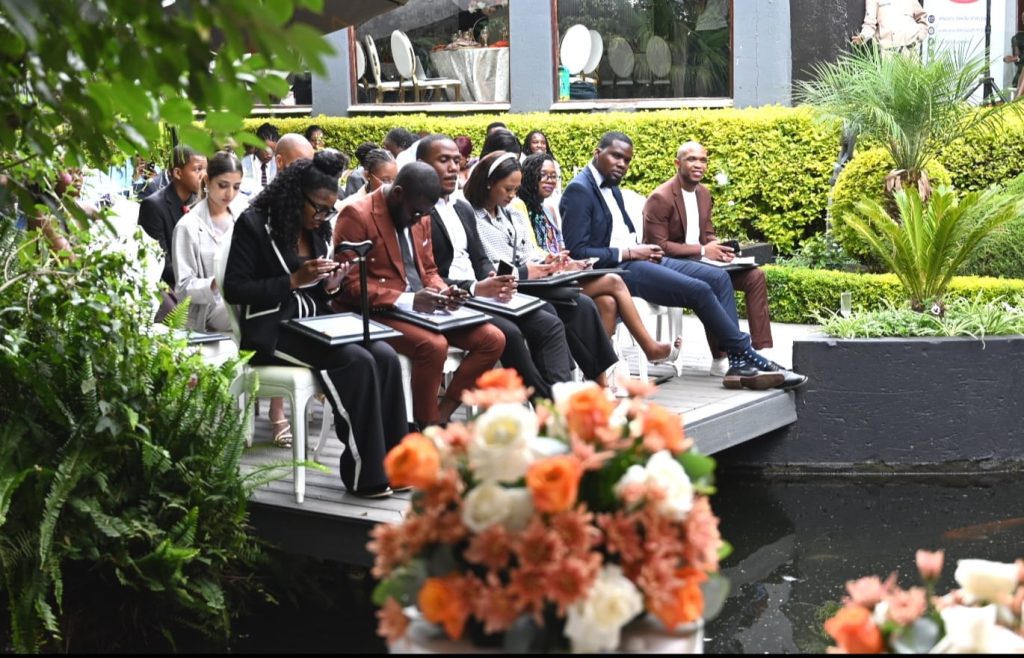
On Thursday, 19 February 2025, the 9th Annual ceremony unfolded at The Garden Venue in Randburg, Johannesburg, transforming the space into a constellation of ambition, resilience, and hope.

This year’s theme, The Power of Youth in Action, was more than a slogan. It was a call to action, echoing the legacies of Nelson Mandela and Solomon Mahlangu, urging South Africa’s youth to confront unemployment, inequality, and social fragmentation with courage and creativity.

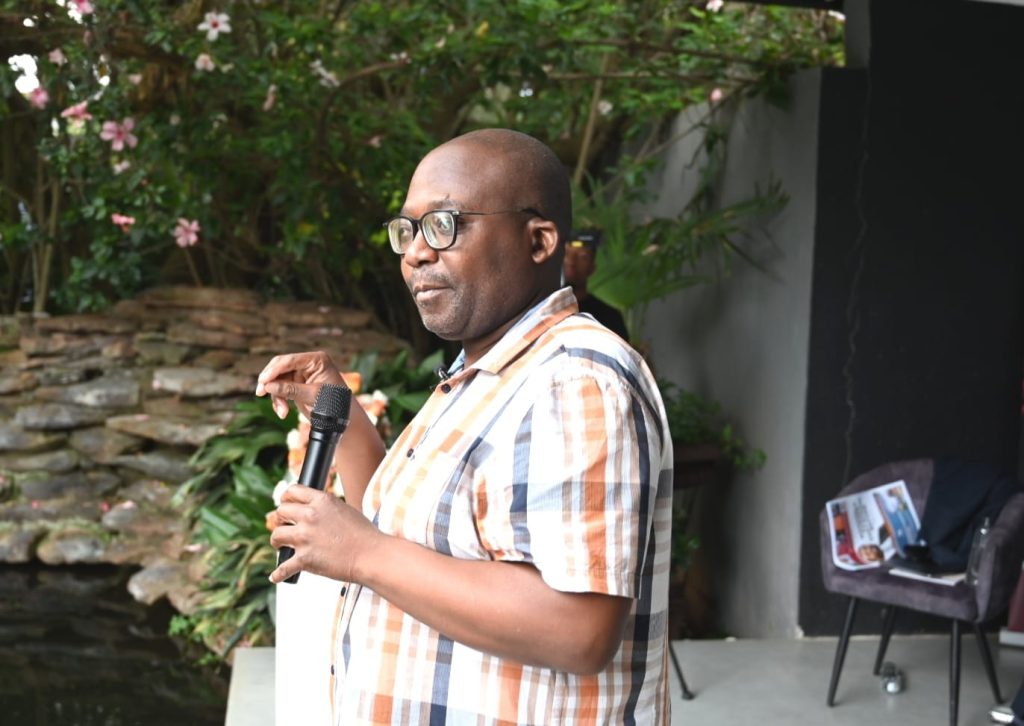
Matuma Letsoalo, Chairperson of the Inside Education Foundation, anchored the evening with gravitas.

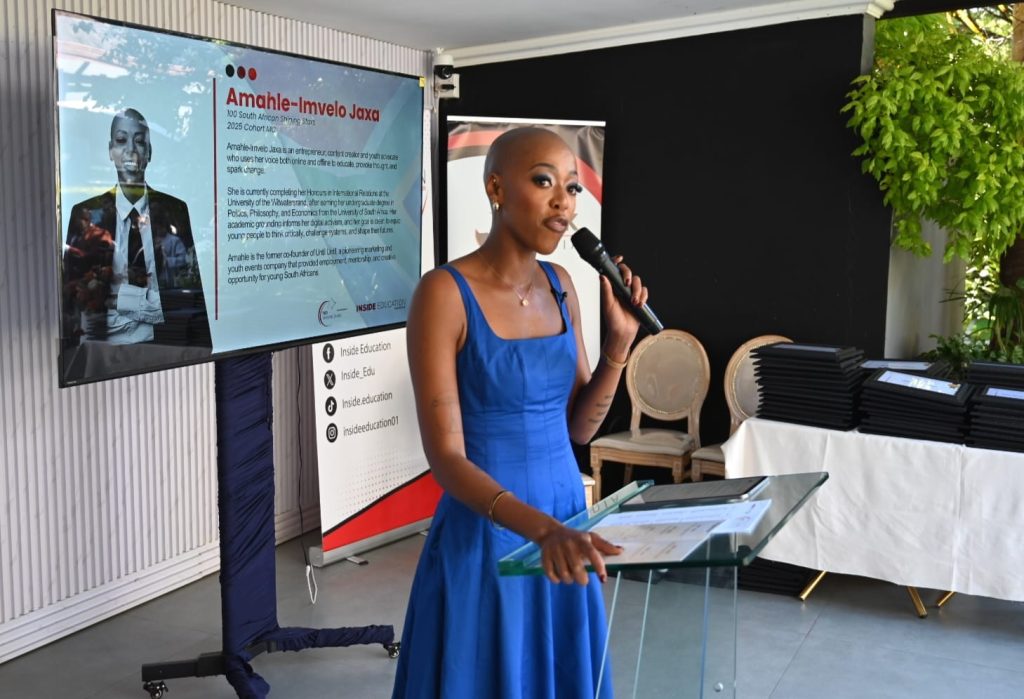
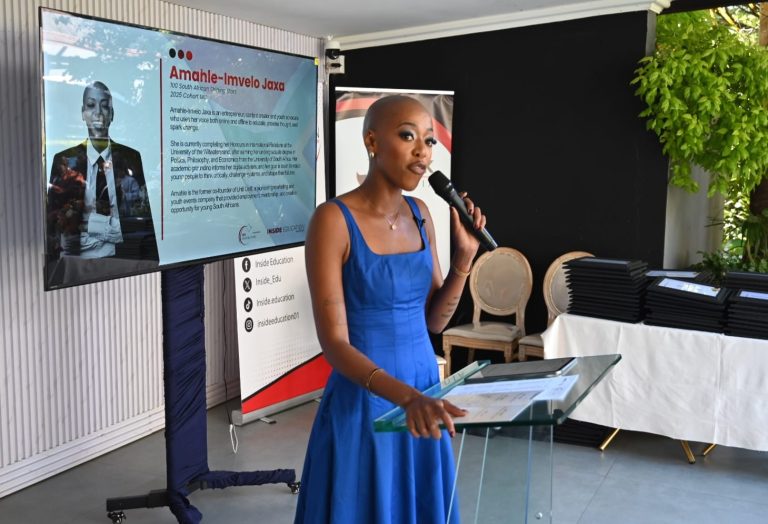
The ceremony’s energy was amplified by Amahle-Imvelo Jaxa, whose charisma as MC blended youthful flair with sharp advocacy.

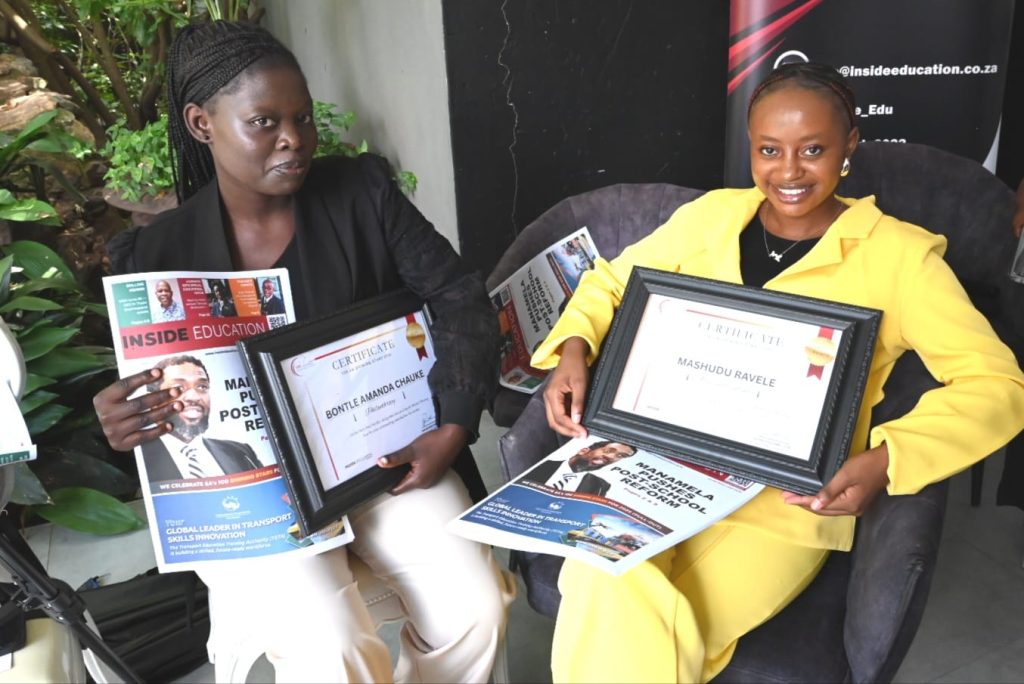
The highlight came when Mashudu Ravele, author and activist, challenged winners to transform recognition into decisive community action.

INSIDE EDUCATION
Applications open for 2026 Durban Fashion Fair mentorship programme

0

By Lebone Rodah Mosima 

eThekwini municipality has opened applications for its 2026 Durban Fashion Fair (DFF) mentorship programme, inviting local emerging designers to apply before its March deadline.  

Councillor Thembo Ntuli, chairperson of the city’s Economic Development and Planning Committee, has urged emerging designers to take part in the programme.

ALSO READ: Apex Education Group opens new school campus in Stellenbosch

Ntuli said that about 120 emerging designers have participated in the mentorship programme over the past five years, with more than R1.25 million raised to support 45 rising designers.

“Funding from eThekwini Municipality and the Hollywood Foundation provided equipment, strengthening businesses and helping scale operations for sustainable growth and impact across the industry,” he said.

Former mentees have said the programme helped them grow their businesses.

ALSO READ: Youth urged to turn recognition into action at 100 SA Shining Stars awards

Sduduzo Nkwanyana, a 2023 DFF mentee, said the programme launched his brand and raised his profile.

“I now have my own studio and factory,” Nkwanyana said.

“I work with established clothing lines and produce school uniforms. This growth has enabled me to create employment opportunities for others.”

Another 2023 mentee, Noxolo Ngcobo, who now runs a studio in Springfield and an online store, said the programme helped her build skills and a sustainable business.

“All my achievements are a result of the 10-month mentorship. I will forever be grateful to have been selected,” she said.

The municipality said the programme aims to support aspiring designers through structured skills development, mentorship and market access, including platforms such as the DFF emporium, pop-up markets and fashion shows.

“Participants gain technical expertise, business tools, and networking opportunities, helping them connect with local and international buyers to grow sustainable brands and create jobs,” the municipality said.

Applications for the 2026 DFF mentorship programme close on 6 March 6 at 3pm.

ALSO READ: Tshwane launches youth education orientation programme

Applicants must submit a short biography of themselves or their fashion business, a motivational letter, storyboard, residential letter and proof of qualifications, the municipality said.

Applications must be hand-delivered to the city’s Small, Medium, and Micro Enterprises Development Division under the Economic Development Directorate, 7th Floor, Embassy Building, 199 Anton Lembede Street.

INSIDE EDUCATION
Apex Education Group opens new school campus in Stellenbosch

0

By Charmaine Ndlela

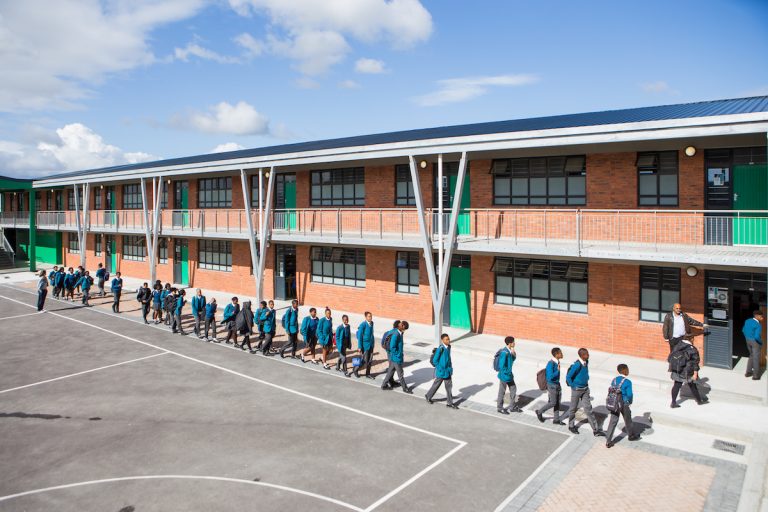
Apex Education Group has officially unveiled a newly completed high school campus on Koelenhof Road, adjacent to Kayamandi, in Stellenbosch.  

Group CEO Jana du Plooy said the Stellenbosch campus first opened its doors in 2024 in a temporary facility while construction of the permanent building was underway.

ALSO READ: Youth urged to turn recognition into action at 100 SA Shining Stars awards

“We then moved across to the building in January 2025 when the first phase of construction was done. Now the whole building is complete. That was one of the things we could celebrate,” she said.

“We currently have 500 learners from Grade 8 to Grade 10 on campus and will grow a grade every year. The full high school will accommodate 1,000 learners, with 200 pupils in every grade,” du Plooy said.

Apex Education Group, a non-profit organisation, started with its first campus in Eersterivier in 2018. Its mission is to provide quality, affordable education to children across South Africa and to contribute sustainable solutions to the country’s educational challenges.

The organisation has also formally introduced its 10-year expansion strategy, Vision 10/10/10, which aims to establish 10 schools and create 10,000 affordable school places by 2034.

Speaking to Inside Education, Apex Stellenbosch school administrator Cindy Lombard highlighted the range of extracurricular activities currently offered.

ALSO READ: WATCH LIVE: Young leaders recognised at 9th Annual 100 South African Shining Stars awards

“We have extracurricular activities such as robotics and coding. Specialists come in and give our scholars the necessary guidance to fulfil those activities. We also participate in maths, English and geography olympiads. We are still in the process of building our sporting programme, which we hope to implement fully this year or next year,” Lombard said.

She confirmed that the current Grade 10 learners will form the school’s first matric class in 2028.

“Our existing Grade 10s will be matrics in 2028, and our current Grade 5s will be in Grade 7 for the 2028 academic year. Each year we extend the grades. We accept new Grade 4 and new Grade 8 learners annually, and admissions will open in March or April,” she said.

Lombard said Kayamandi was identified as an area in urgent need of quality education.

“Kayamandi is not fully equipped to accommodate the growing number of learners who need access to quality schooling. That is why we decided to open here in Stellenbosch. We have also opened in Vineland in the urban area, where there is high demand. There, we currently have at least 100 Grade 8 learners and just under 50 Grade 1 learners,” she said.

The Stellenbosch branch currently employs about 25 teachers.

ALSO READ: Tshwane launches youth education orientation programme

Apex has also confirmed plans to break ground on a new campus in Pinelands, where the school is expected to accommodate 1,720 learners once completed.

INSIDE EDUCATION

Gwarube says DBE banking on early learning to transform education  

0

By Lebone Rodah Mosima 

Education minister Siviwe Gwarube has said her department had “radically turned the education system on its head” to prioritise early learning, literacy, and numeracy.

Gwarube was speaking in the National Assembly in response to President Cyril Ramaphosa’s State of the Nation Address, which he delivered last week.

ALSO READ: Youth urged to turn recognition into action at 100 SA Shining Stars awards

“The president has correctly placed growth and jobs at the centre of the national agenda [in his address], but no country can grow without an education system that works,” she said.AL

Gwarube said her focus since taking office had been improving foundational literacy and numeracy, adding that stronger basics would allow more pupils to take “gateway subjects” that respond to the needs of the country’s economy.

A major emphasis of her speech was early childhood development (ECD), where she said the government had surpassed its targets for registering centres under the Bana Pele Mass Registration Drive.

“Last year, we set an ambitious target through the Bana Pele Mass Registration Drive to register 10 000 ECD centres by 31 December 2025,” she said. “We reached that target by September and closed the year with over 13 000 registered centres.”

ALSO READ: WATCH LIVE: Young leaders recognised at 9th Annual 100 South African Shining Stars awards

Gwarube said the expansion had widened access to nutrition and early learning for young children. “This means over 1.3 million children have access to good nutrition, foundational learning and safe places,” she said.

She said the government had allocated “R10 billion over the next three years to support ECD, increasing the subsidy to R24 per child per day,” and that “in 2025 we added 150 000 children to gain access to this subsidy”.

“South Africa is not a poor country. Our children cannot die of hunger,” Gwarube said. “That is why we are including school nutrition at ECD centres.”

“In addition, we have established the nearly R500 million Outcomes-Based Fund to create over 100 000 new ECD spaces across three of our rural provinces: KwaZulu-Natal, the Eastern Cape, and Limpopo — the largest Early Childhood Care and Education fund of its kind, globally,” she said.

Gwarube said fiscal pressure remained a constraint, but that provinces would be required to protect frontline learning.

ALSO READ: Tshwane launches youth education orientation programme

“[T]remendous progress is being made even in the harshest fiscal constraints,” she said. “Each province is required to produce financial recovery plans to protect the classroom from budgetary pressures.”

“If we get the basics right — reading, writing, counting, safe schools, supported teachers, and accountable governance — we will build the human capital that makes growth possible and restores dignity to millions of our people. We will not stop until we get it right.”

INSIDE EDUCATION
Youth urged to turn recognition into action at 100 SA Shining Stars awards

0

By Johnathan Paoli

Author and indigenous languages activist Mashudu Ravele on Thursday challenged young South Africans to treat recognition not as a ceremonial milestone, but as a responsibility to act decisively in their communities, as the 100 South African Shining Stars for 2025 were unveiled.

Delivering the keynote address in North Riding, Ravele said the initiative was grounded in the values of Nelson Mandela and aimed to spotlight real, measurable impact instead of status, education or wealth.

ALSO READ: WATCH LIVE: Young leaders recognised at 9th Annual 100 South African Shining Stars awards

“When I look at you, I see leaders and the people who will talk for us tomorrow. You are not nominated because of position or titles, but because of the difference you are making in your communities,” she said.

Ravele hails from the Vhembe District in Limpopo, writes and publishes in Tshivenda, and is the author of two award-winning books that are used in the education sector.

Born and raised in Mbilwi Sibasa township, she holds a diploma in journalism and is currently studying communication science at the University of South Africa.

Her poetry collection Tshisima Tsha Dora (2020) and novel Ndi Vhudza Nnyi? (2022) have earned critical recognition, including a nomination for Best Tshivenda Book.

“The power of youth in action is not a slogan. It’s a call to action. When young people act, they do not wait for permission. They create new pathways, new industries and new movements,” Ravele said. 

She said the stories represented by previous Shining Stars since the programme’s launch in 2018 were “stories of courage”, demonstrating that youth empowerment was “practical and lived every day”.

ALSO READ: Tshwane launches youth education orientation programme

Ravele said the awards signalled an investment in South Africa’s future, particularly as the country marks 30 years since the adoption of the Constitution and looks ahead to upcoming local government elections.

“You are not just recipients of recognition. You are custodians of Mandela’s dream. Greatness is not measured in titles, but in impact,” she said.

She urged stakeholders to continue backing young people, stressing that investing in youth was “not optional, but the only path to success”, and encouraged the award recipients to see the moment as the beginning of a broader movement rather than an end point.

Delivering the welcoming address, Inside Education Foundation chairperson Matuma Letsoalo congratulated the 100 honourees selected from over 800 nominations nationwide.

“It gives us immense pleasure as the foundation to present the 100 South African Shining Stars for 2026. You are trailblazers and thinkers of the future,” he said.

Letsoalo reflected on the inspiration he drew from working with young people.

“One of the good things about interacting with young people is that it reminds those of us of a time when we were young. When I was your age, I was not thinking about the amazing things you are doing to change the world,” he said.

He said the Shining Stars initiative celebrated youth from all nine provinces who were making a positive impact in their own lives and in their communities, describing them as “thinkers, doers, athletes and activists” who served as role models to their peers.

ALSO READ: Fort Hare VC: Political forces orchestrated campus violence to remove me

Letsoalo placed strong emphasis on the role of young people in sustaining democracy, particularly as South Africa reflects on three decades of constitutional rule.

“As South Africa celebrates 30 years of the adoption of the Constitution and prepares for the upcoming local government elections, you serve as a reminder that young people are central to a thriving democracy,” he said.

Letsoalo highlighted youth unemployment as one of the country’s most pressing challenges, pointing out that four out of 10 young people were without work, with many classified as not in employment, education or training.

Several Shining Star awardees were already responding to this crisis by facilitating skills training, establishing small businesses and supporting entrepreneurship within their communities, he said.

ALSO READ: IEC to host annual tertiary student democracy campaign in North West

“As young ambassadors, you take your cue from Theodore Roosevelt: do what you can, with what you have, where you are.”

Letsoalo cited alumni success stories to illustrate the programme’s long-term impact, including Brigadier Athlenda Mathe, now the national spokesperson of the South African Police Service, who was recognised as a Shining Star in 2022.

“We are quite good at spotting potential,” Letsoalo said.

He concluded by praising the awardees as problem-solvers who often step in where government or markets fall short, from education and healthcare to environmental work, legal services, civic education and climate mitigation initiatives.

INSIDE EDUCATION