Home Blog Page 174

Oversight visits to assess public schools’ state of readiness

Lerato Mbhiza

THE Portfolio Committee members on Basic Education will this week visit schools to assess their state of readiness for the 2024 academic year.

Schools opened last Wednesday, and unlike previous years, all public schools in South Africa will resume academic programmes on the same day.

The  chairperson of the committee Rajaa Azzakani said the visit to schools is part of the committee’s programme to assess the readiness of the schools for the 2024 academic year.

“As part of the committee’s draft programme, committee members will engage stakeholders in the education sector to discuss the state of schooling for 2024”.

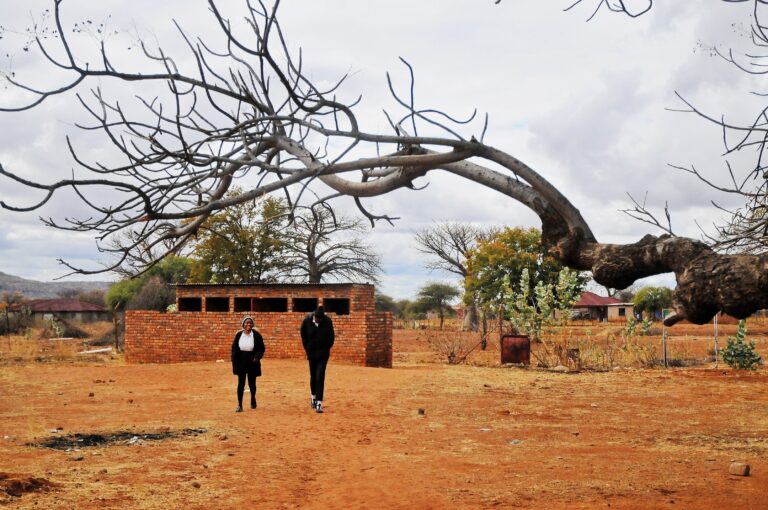
Azzakani  said the focus of the visit will include, among other things, assessing infrastructure; ablution facilities in schools, including pit-latrines eradication in the Eastern Cape; flood-damaged schools, especially school infrastructure in KwaZulu-Natal after the floods; monitoring Grade R and early childhood development sites; the delivery of learner-teacher study material; school nutrition; learner transport and special schools support.

“The delegation will be in the North West until tomorrow. Later in the week, they will visit schools in the Eastern Cape. A second delegation of the committee is visiting Limpopo for the next two days and later  in the week will move to KwaZulu-Natal. Committee members are divided into two groups to ensure that they reach as many schools as possible in several provinces”.

She added that after they visit the schools, the delegation will also meet with the North West Department of Education, the National Department of Basic Education, including the Office of the MEC, HOD, Senior and District Officials, members of the Portfolio Committee on Education in the North West Provincial Legislature, Provincial House of Traditional Leaders, Student Governing Bodies Associations, Organised Labour and the South African Principals Association.

INSIDE EDUCATION
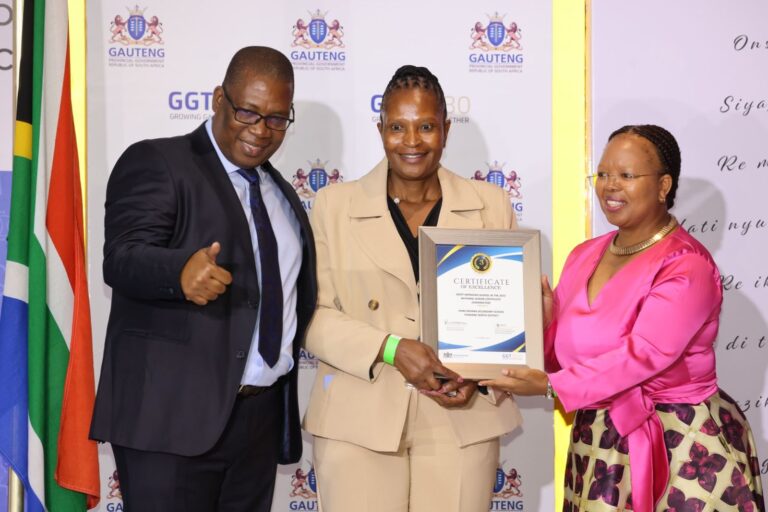
Gauteng Premier calls for tax exemption incentives for public schools teachers

Johnathan Paoli

Gauteng Premier Panyaza Lesufi criticized the province’s failure to achieve a complete 90% matric pass rate, and said he will withhold Gauteng Education and Youth Development MEC Matome Chiloane’ s performance bonus.

The premier was talking at the release of Gauteng’s class of 2023 results at the Microsoft Corporate Office in Bryanston, Johannesburg on Friday and confirmed that the performance agreement with Chiloane was that the province should achieve a 90% pass rate.

But Gauteng’s class of 2023 achieved a pass rate of 85,4%, a 0,95% and improvement compared to the class of 2022’s 84,4%. But still short of the 90% that would have seen Chiloane get a bonus.

The class of 2023 candidates comprised 132,570 full-time and 59,094 part-time candidates, with full-time candidates including 7,197 candidates, who progressed from Grade 11 in 2022 to Grade 12 in 2023, comparable to the 9,125 progressed candidates, who sat for exams in 2022.

Lesufi said directors of education districts that performed above 90% will be rewarded with performance bonuses.

He also urged President Cyril Ramaphosa to sign the Basic Education Laws Amendment (Bela) Bill into law and said that teachers should be better paid and taken care of for their contribution in education. 

He also called for tax exemptions for public school teachers and a retention incentive while highlighting that private schools were poaching the best teachers by giving them higher salaries.

MEC Chiloane praised the pass rate and said that the province achieved the highest number of candidates qualifying for Bachelor studies since 1996, and the second highest in the country, with 56 554 who qualified for the pass.

Chiloane said there was also an increase in the percentage of candidates, who passed at the Higher Certificate level – these are mainly progressed learners.

The MEC pointed out, however, that there were four districts that had a slight decline due to the impact of the pandemic on learning.

The schools awarded by the MEC included Afrikaanse Hoer Meisieskool, Hoërskool Menlopark, Hoërskool Garsfontein, Hoërskool Waterkloof, Parktown High School for Girls, and Hoërskool Randburg.

Chiloane applauded schools located within townships, specifically Mohaladitoe Secondary School in Sedibeng West for turning around the performance of the school from 56,6% to 93,8%, an exceptional improvement of just more than 37,2%.

“In 2009, township schools achieved an average pass rate of 60.1%, with non-township schools achieving 84.2%, making a gap of 24,1% points. In 2023, the gap declined to 9,7%, compared to 8,3% in 2022,” Chiloane said.

Township schools achieved a pass rate of 82,3% compared to 80,7% in 2022 and non-township schools achieved 92% compared to 89% in 2022.

Then 42,5% of progressed learners passed, compared to 45,5% of the progressed learners that wrote in 2022. This is a massive decline when compared to 2022. And 7,4% of these learners who passed, achieved a bachelor pass and almost 16,3% achieved a diploma pass.

He said 297 schools in 2023 achieved above 95%, compared to 290 in 2022, while in 2023, 143 schools achieved 100% compared to 149 in 2022.

“It must also be noted that just over 94,1% [of] Gauteng schools performed above the nationally defined benchmark for school under-performance of 65% compared to 92,6% in 2021,” the MEC said.

Chiloane said that authorities are expected to attend to schools that consistently perform below par, as the results indicated that 34 public and independent schools achieved less than 65%, compared to 53 public and independent schools in 2022.

The MEC confirmed that in the next few days, the department would meet with the school management teams of all public schools that performed below 65% and to hold them accountable for their poor performance.

INSIDE EDUCATION

Hope is the most powerful armour for school leavers said St Martin’s Headmaster

Inside Education Reporter

While last year’s matriculants have ended a journey, it’s just the beginning of a new adventure, said St Martin’s School Headmaster, Warren Venter.

He said that hope is the most powerful armour that students must be equipped with.

“We face a very uncertain world,” said Venter, “and the underlying fear of joblessness in a country where almost 40% of the population is unemployed, and nearly half of the nation is under 35. It can spell confidence disaster for any school leaver.”

This year St Martin’s expects to list several top achievers on the national results hit parade.

“Academic achievement is key to gain university entrance, to position yourself firmly in the starting blocks for the rest of your life,” said Venter. But he added that with diminishing prospects because of the current local and global climate, may dampen anyone’s spirit. “Yet, what South Africa needs more than anything is a new generation of leaders, of business people that can contribute positively to economic growth, that can help to heal our country in the many places that it has become unfastened.”

Hope, he said, and sharing ideals, resilience or strength or resolve with our youth is so important.

This year’s poll, the before and aftermath, the potential of South Africa amidst its challenges must be distilled and instilled.

“It is our responsibility as educators and as parents to remain positive, to engender a measure of idealism and dreams for the future. This is how we can ignite our youth, because after school, there is a long road ahead in adulthood, and it should be a journey they embark on with enthusiasm.”

Hope inspires students to set goals and work towards achieving them, even in the face of challenges. It nurtures a positive outlook, essential for mental and emotional well-being.

This positive mindset enables school leavers to navigate uncertainties and seize opportunities, contributing to personal growth and success.

“Hope is a driving force that encourages continuous learning and adaptability, key attributes in a rapidly evolving world,” said Venter.

To nurture hope in children, it’s important for teachers and parents to encourage realistic goal setting and to collaborate in establishing meaningful objectives said Venter.

“We must help students cope with setbacks, promote a positive outlook and support their interests and passions. After all, we are role models and demonstrating hope in our own lives allows us to lead by example,” he said.

INSIDE EDUCATION

Minister denies awarding tender to Tilson Manyoni

Inside Education Reporter

THE Minister of Higher Education, Science and Innovation, Prof Blade Nzimande said in a statement that he has become aware of the circulation of yet another set of false and ill-informed suggestions that he may have influenced the awarding of a NSFAS tender to Tilson Manyoni.

Firstly, Tilson Manyoni is not and has never been an advisor to the Minister, as erroneously suggested by some media houses, the statement said.

“The names of the advisors of the Minister are matters of public record and discoverable with little or no difficulty. Secondly, in terms of the Public Finance Management Act and applicable Treasury Regulations, Ministers are defined outside the value chain of procurement matters precisely to guarantee the integrity of such processes. Therefore, Minister Nzimande had absoluetly no role in the awarding of a NSFAS tender to Mr Manyoni or any other individual or company. These allegations are therefore both false and malicious.”

Thirdly, the statement added that the Minister is the Executive Authority and not the accounting officer of the Department of Higher Education and Training.

“Therefore, any queries relating to procurement procesess at NSFAS should rightfully be directed to the Chief Executive Officer or Board of NSFAS. It is both unfair and mischievous to expect the Minister to answer questions relating to the procurement detail of entites, when such entities have their own accounting officers, executives and boards.

“The Minister views the latest set of false allegations as part of the continuing attempts to tarnish his name and distract the Department from the important task of ensuring a smooth start to the 2024 academic year. The Minister wishes to reassure the public that, together with the executive of the Department and the leadership of the Department’s various entities, he stands firm on his commitment to ensuring that the country experiences a smooth start to the 2024 academic year.”

INSIDE EDUCATION

Minister congratulates mixed martial artist on UFC title win

Sports Reporter

South Africa has a new champion.

The Minister of Sport, Arts and Culture Zizi Kodwa has congratulated mixed martial artist Dricus du Plessis on winning the United Fighting Championship (UFC) Middleweight title.

On Sunday, 21 January 2024, du Plessis defeated American Sean Strickland to make history as South Africa’s first UFC champion.

Remarking on du Plessis’s record-breaking win, Minister Kodwa says, “Dricus du Plessis has flown the South African flag high with his performances in the United Fighting Championship. I congratulate him on the remarkable achievement of being the first South African to be crowned UFC Champion.”

“It has been particularly special to see South Africans unite in their diversity to support their own, as du Plessis made history. This once again shows the power of South Africans when uniting and supporting their own. Let us carry this spirit, as South Africans continue to make history on global platforms in Sport, Arts and Culture,” said Kodwa.

INSIDE EDUCATION

No expenses will be spared for the bright future of Gauteng’s best, says Lesufi

Johnathan Paoli

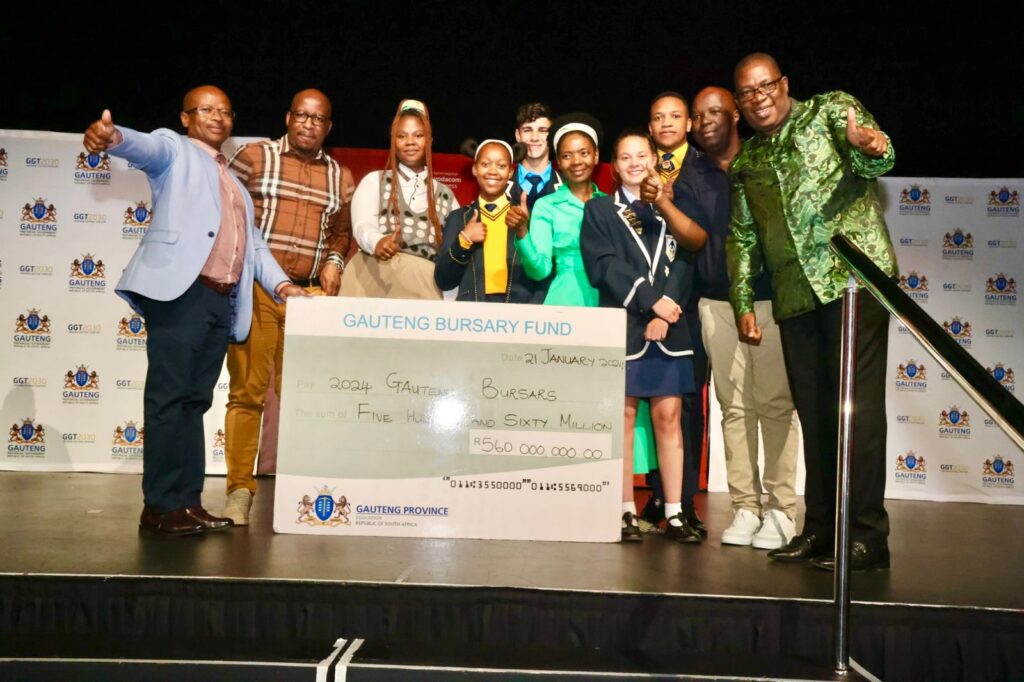
Gauteng Premier, Panyaza Lesufi praised the top three learners from all the no-fee schools across the province, and said that no expense would be spared in funding the future of the province and the country.

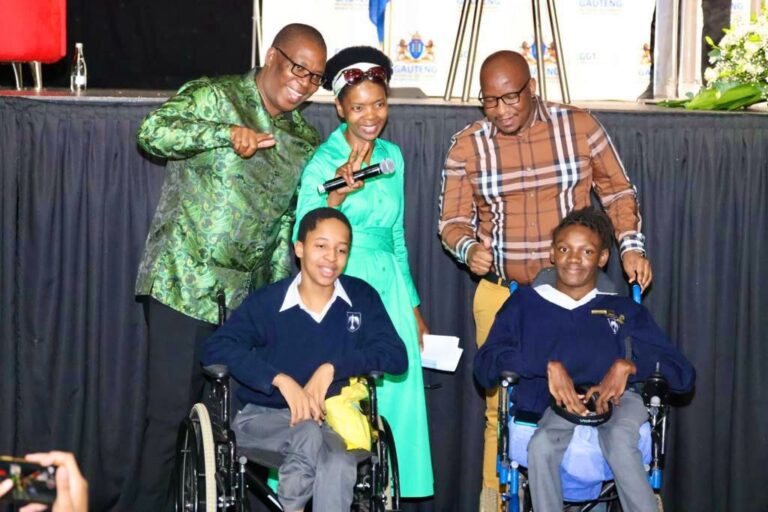
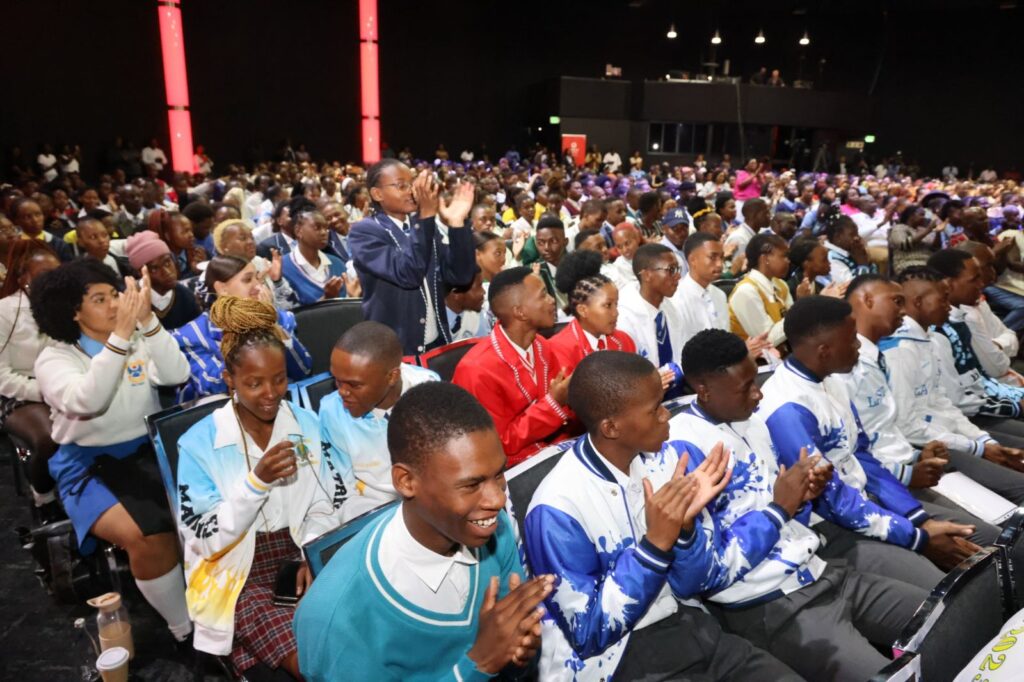
The premier was speaking at an event where together with the MEC for Education, Matome Chiloane, the Gauteng City Region Academy awarded bursaries to the province’s top best-performing matriculants from no-fee paying schools as well as another top three pupils from Learners with Special Education Needs (LSEN) schools on Sunday at Vodaworld in Midrand.

In acknowledging the learners who had gathered at the event, Lesufi said the award winners were not invited, but invited themselves by their marks.

The premier said over R560 million would be provided for the beneficiaries of the bursary, and that there would be no limit to the cost of a course or qualification a learner wishes to pursue.

Lesufi called on the learners to appreciate the desperate need for skills the province required in light of its development and said that the Masters Skills Plan, a document over the future careers of the young people of the province, was only available in Gauteng.

“GCRA was established to reverse this tendency of everyday products and solutions being sourced from out of the country, we must reverse it, and ensure that it all be made in SA, proudly Gauteng,” Lesufi said.

The premier said that the government wanted to commit to reversing poverty through the beneficiaries developing indigenous solutions for the poor people of the country.

Lesufi concluded by thanking former premier David Makhura for being the integral founder and organiser of the GCRA bursary.

“Tears and sweat taste the same, both tears and sweat taste salty, but with tears you get sympathy, and with sweat you get results,” the premier said.

The GCRA is a branch of the Gauteng Department of Education, which is responsible for skill development within the province and assists with the development of skills of students by way of facilitation and coordination of bursaries, internships, learnerships and career guidance programmes.

The program provides financial assistance to eligible youth in Gauteng for their undergraduate and postgraduate studies and covers registration fees, tuition fees, accommodation in residence (to a maximum value of R65 000) or off-campus/ private accommodation (to a maximum value of R47 000), books, laptop and a living allowance for off-campus/ private accommodation.

The MEC said that the importance of business coming to the table could never be overstated in funding and supporting the development of education of the young people of the country.

“Every society rests upon the success and quality of its education,” Chiloane said.

The MEC expressed his pride at the class of 2023 and said that they have shown what it means to uphold their determination under extreme circumstances.

Chiloane said in terms of the province, Gauteng has consistently produced, and remained producing good results despite not coming first, and praised the 7% increase in the Maths pass-rate.

He thanked both the parents, teachers and SGBs upon whose support, the children of the nation would not be able to have achieved as well as they did in last year’s examinations.

The MEC elaborated further on the key role of educators and decried the poaching of well performing teachers from township schools in light of the issue of inadequate remuneration.

He confirmed that currently there were over 4000 recipients of the provincial bursary, before the inclusion of this year’s learners.

“This is the best of the best of young people who come from our townships and who have defied the odds and who said that my background does not matter and achieved the best,” Chiloane said.

The MEC said that the department was currently working on a memorandum of agreement with both the GIBS Business School of the University of Pretoria as well as the Matthew Goniwe School of Leadership in order to help and support the management structures of a lot of under-resourced township schools.

INSIDE EDUCATION

Free State keeps its Top Spot, getting the highest pass rate in 2023 Matric Exams

Lerato Mbhiza

Basic Education Minister Angie Motshekga announced on Thursday evening that the matric class of 2023 achieved a pass rate of 82.9%, as the Free State led the way as a province with the highest pass rate of 89.03%.

Last year the Free State also led with the highest pass rate at 88.5%.

The national matric pass rate overall is up by 2.8% points from the 80.1% in 2022.

A total of 715 719 full time and 182 056 part time candidates registered to sit for the 2023 NSC examinations.

The number of bachelor passes increased, to 40.9% in 2023 up from 38.4% in 2022.

Gauteng clinched second spot, getting 86.36% from 83.0% in 2022.

KwaZulu-Natal continued its impressive streak, overtaking Western Cape to become the province with the most distinctions, the province jumped from 6% to 8.3%, the Western Cape came in second while Gauteng took third place.

The province was also among three whose districts achieved 80% and above as the other two were Gauteng and Free State.

This was revealed in the technical briefing report by Basic Education director-general Mathanzima Mweli.

“To just give you a glimpse, out of 10 pupils, four pupils presented with bachelors, in terms of the 900,000 candidates who enrolled for the NSC in 2023, which means it has increased from last year,” Mzweli said.

Motshekga said the results highlighted a significant shift in South Africa’s educational landscape, challenging the notion that quality education is exclusive to urban areas.

It should be noted that while the pass rate of the 2023 NSC exams in number is the second highest in the history of the NSC exams; when expressed as a percentage, the pass rate of the 2023 NSC exams, is the highest in the history of the NSC so far.

Similarly, Bachelor passes as well as passes with distinction produced by the Class of 2023, stand out at the highest in the history of NSC exams, Motshekga said.

Provincial level performance percentage per province

𝐅𝐒: 𝟖𝟗.𝟎%

𝐊𝐙𝐍: 𝟖𝟔.𝟒%

𝐆𝐏: 𝟖𝟓.𝟒%

𝐍𝐖: 𝟖𝟏.𝟔%

𝐖𝐂: 𝟖𝟏.𝟓%

𝐄𝐂: 𝟖𝟏.𝟒%

𝐋𝐌:𝟕𝟗.𝟓%

𝐍𝐂: 𝟕𝟕.𝟎%

𝐌𝐏: 𝟕𝟓.𝟖%

INSIDE EDUCATION

Lesufi says every child must have access to Early Childhood Development phased education 

Lerato Mbhiza

Gauteng Premier Panyaza Lesufi says every child must attend an Early Childhood Development phase of education and there must be no child left out just because they are poor.

Lesufi was speaking at the 2023 Gauteng  Matric Awards held at the Microsoft headquarters in Bryanston, Sandton, where the Gauteng Provincial Government celebrated the top matric learners who helped the province reach an 85.4% matric pass rate in the 2023 matric results.

Lesufi said: “There must be no child who cannot attend ECD because they can’t afford it. We want ECD to be exactly like Grade 1, all children must attend. If we don’t sign the law, we will be defeating the purpose of the BELA Bill on grounds of language. 

“Let our children go to school rather than spend time playing with bricks at informal settlements. As Gauteng, we are ready, we will unveil the crèche of the future, there will be no chalk, they will use the latest gadgets. 

“This is the foundation for the future. If we can’t get it right, we will fail. Mr President we are ready, sign the bill into law,” he said and added that education authorities are ready to meet those who oppose the BELA Bill in court. 

The National Assembly passed the controversial Basic Education Laws Amendment Bill  also known as the BELAl Bill  last year setting up a legal showdown with the Democratic Alliance and AfriForum who have vowed to fight it all the way to the Constitutional Court.

Lesufi had  earlier this week suggested on his X account that matriculants should write the same examinations instead of two separate exams – the Independent Examination Board (IEB) written by private institutions and the National Senior Certificate (NSC) for public schools. 

“I want to enter into this debate not influenced by emotions but to give practical examples. In 1995 the national matric results or pass rate was 53.4% and in 2023 the national matric results pass rate was 82%,” Lesufi said on Friday. 

He applauded the improvement in the results, where more than 57 000 learners in Gauteng passed with the Bachelors which allows them to study in a university or any tertiary institution .

“We want the best teachers to be where our learners are, what can we do when our best teachers produce 100% and they are recruited by the likes of Curro?” Asked Lesufi.

“It is within that context that we believe all our children should be treated equally and fairly and write one examination across the country to determine who is the best learner in our country.” 

He said there cannot be a situation where some children are perceived to have poor quality education and others quality education. 

“All these children are South African children. All these children are going to the same universities. All these children deserve quality if there is quality,” he said.

Gauteng Education MEC Matome Chilone said the GDE is one of the largest matric examination subsystems of the national system. “We pride ourselves that Gauteng produces some of the highest overall pass rates and bachelor pass rates in the country . 

“The class of 2023 achieved a pass rate of 85.4%. This is a 0.95% improvement over the 2022 achievement of 84.4%. Congratulations to the class of 2023. Your hard work and resilience has been justly rewarded”.

INSIDE POLITICS

GDE acclaims its finest in 2023 NSC Exams

Johnathan Paoli

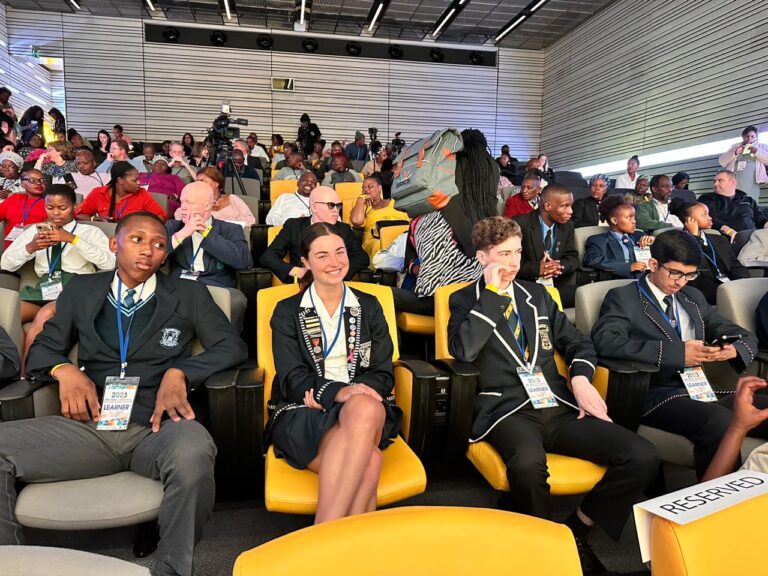
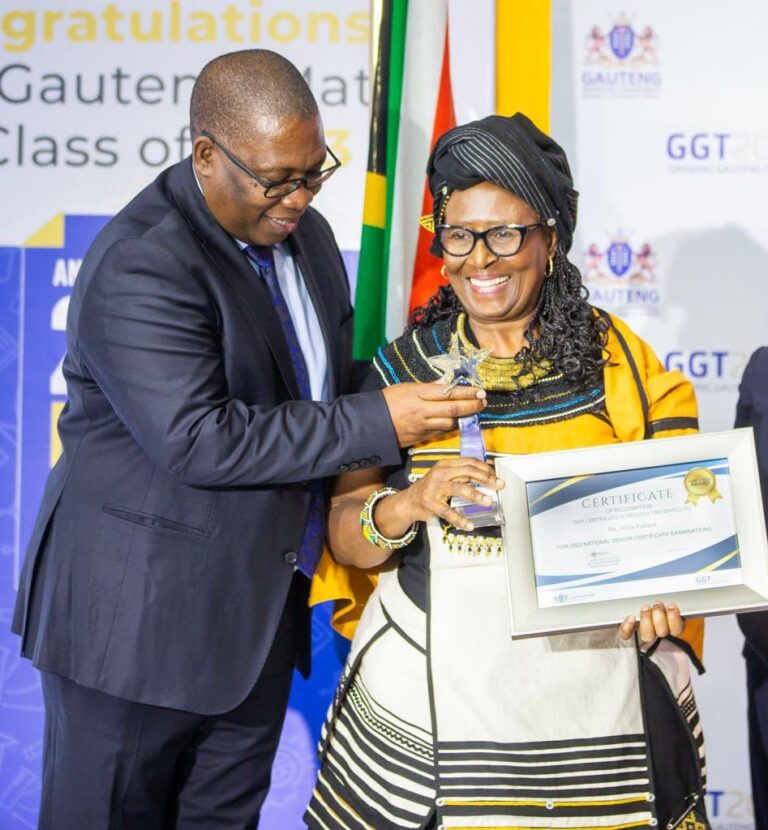
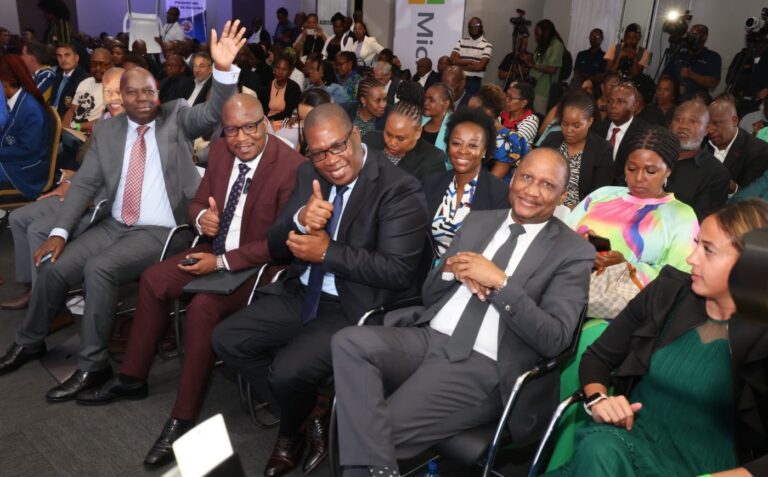
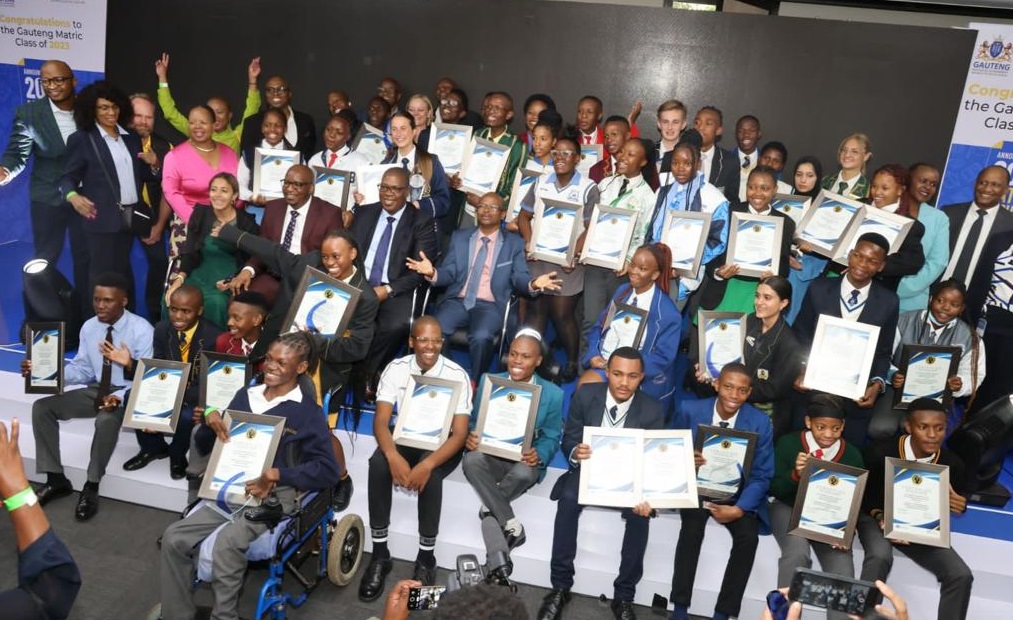
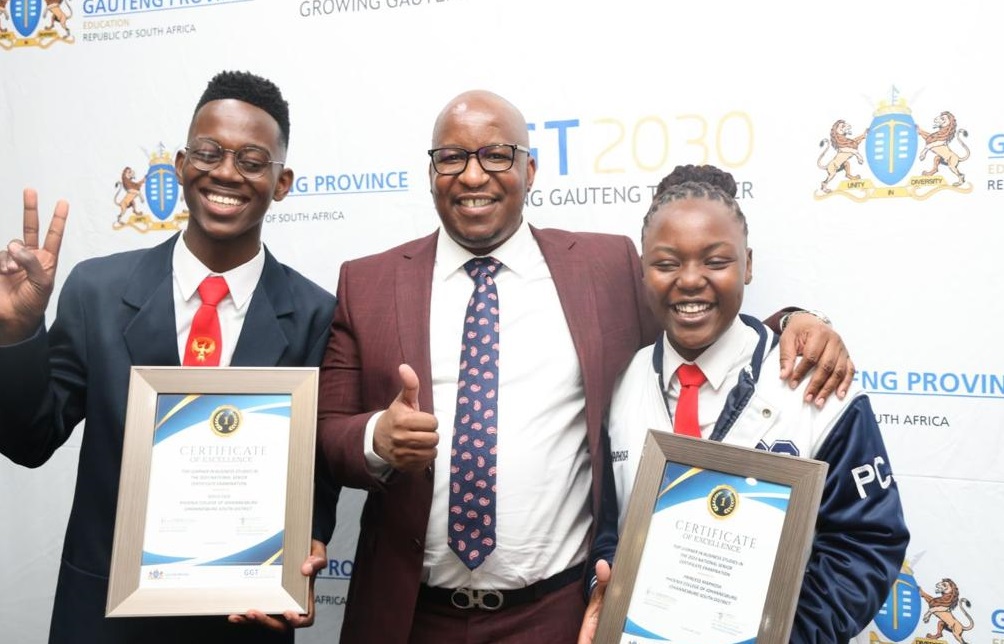
THE Microsoft Corporate offices were abuzz with learners, parents and educational staff as the Gauteng Department of Education awarded top-achieving candidates from the province’s 2023 cohort in Bryanston on Friday.

The ceremony, facilitated by Gauteng Premier Panyaza Lesufi and Education MEC Matome Chiloane, follows the publishing of the National Senior Certificate exam results on Thursday night which showed that Gauteng’s pass rate was among the top three in South Africa after the Free State and KwaZulu-Natal.

Free State kept its top spot with an 89.03% pass rate, KwaZulu Natal followed with 86.4%, and Gauteng retained its national top 3 position with an 85.4% pass rate.

Basic Education Minister Angie Motshekga announced on Thursday evening that the matric class of 2023 achieved an overall pass rate of 82.9%.

The province’s top-performing candidate will be awarded bursaries to study at any South African higher education institution of their choice.

KZN and Gauteng contributed the most Bachelor passes to the national tally.

In addition, a total of 253 807 distinctions were achieved, with the main contributors towards passes with distinctions being KZN, Gauteng, Eastern Cape, Western Cape and Limpopo.

In a preliminary technical stakeholder briefing held before the event, the department confirmed that 132 570 candidates enrolled, 127 697 candidates wrote the examinations, with 109 030 candidates passing, culminating in the provincial pass rate of 85.38%.

INSIDE EDUCATION

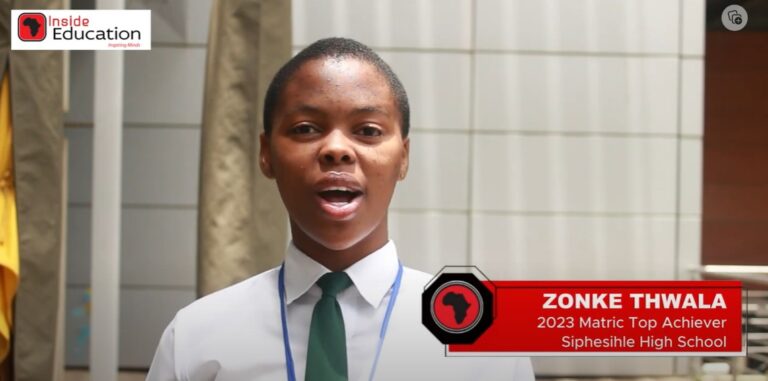
2023 Matric top achiever: Thwala is grateful for support from her family, church and school

The 18-years-old Zonke Thwala from KwaZulu-Natal told Inside Education that despite challenging home circumstances she had to find ways to get the best matric results. 

Thwala, together with other 33 matriculants, were awarded as top performers with multiple distinctions by Basic Education Minister Angie Motshekga on Thursday night.

Born in Verulam, she wants to study Bcom Accounting at the University of Pretoria.

INSIDE EDUCATION