Home Blog Page 182

Conference highlights the importance of teaching climate change to schools

Lerato Mbhiza

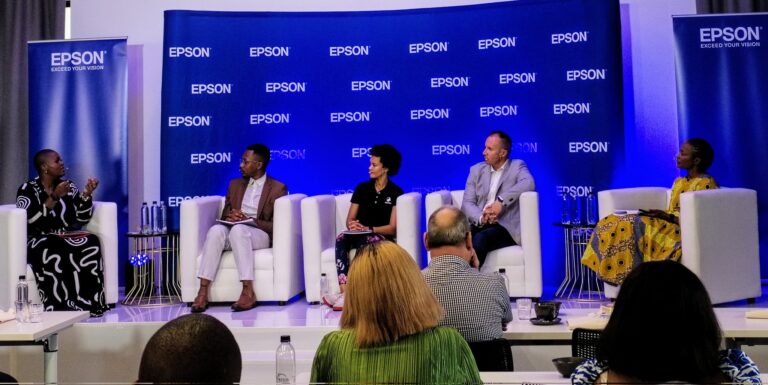
THE climate change literacy workshop kicked off on Wednesday at the Knightsbridge Office Park on the importance of raising awareness among educators and how they can help improve school literacy in South Africa.

Timothy Thomas, a manager at EPSON highlighted the importance of teaching the youth about climate change that has an impact in many communities worldwide. Recently floods in Pakistan affected more than 3 million people and in South Africa over 500 people have died in the April 2023 floods.

“Today is about what we can change as individuals on matters of climate change and finding better ways to inform the community and pupils,” he said. 

Sibusiso Masombuka the deputy principal at Greenside High School said schools have few challenges when it comes to teaching climate change literacy because most schools don’t have teachers who have knowledge on the subject. 

Masombuka also cited Life Orientation as one area where most schools are lacking in terms of qualified teachers to teach the subject.

“You will find that the teacher teaching the subject is a Maths teacher but took the subject because there was space that needed to be filled”. 

He suggested that schools and communities need to be creative and take education further by making programs that will educate the young and the old while calling out on Life Science and Geography teachers to give more information to the community and pupils. 

“We need to educate more people .. also teaching takes place in different places not only in schools. We can get parents involved in spreading information on how to take care of the environment”.  

Saray Khumalo, a mountaineer told the panel that climate change is being caused by human behaviour and can be reversed by human behaviour. She said that through the right partnership with the department of education and different companies – the schools could be assisted to benefit with resources.

“With the right partnership the school can get resources and be able to spread the message in different areas …teaching people about climate change  and what can be done to stop it.  Also checking the type of plastic that is used in schools, the eco-friendly plastic needs to be used more in schools to help pupils to understand  more on climate change” 

Sindili Cloeter from WESSA said teaching climate literacy to pupils is a big challenge as some schools lack resources and teachers have to carry all this pressure to teach and make sure the word reaches the parents and community. 

Cloeter added that it has been proven that indigenous knowledge could also be used to stop climate change.

INSIDE EDUCATION 

NGOs, EFF call on Basic Education Minister to fulfil a 10-year-old promise to fix ailing schools infrastructure

Johnathan Paoli

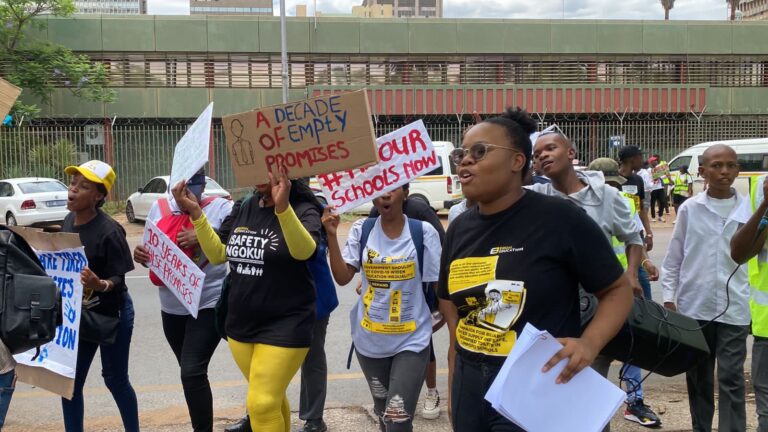
Civil society organisations, including Equal Education, Section27, The Bookery and Right2Protest, on Wednesday called on the Minister of Basic Education Angie Motshekga to urgently fulfil the legal obligations set out in the Norms and Standards for Public School infrastructure, which she signed into law 10 years ago.

29 November 2023 marks 10 years since the Norms & Standards for Public School Infrastructure was published.

“This letter expresses our concern and disappointment that despite it being 10 years since the promulgation of the Regulations relating to Minimum Uniform Norms & Standards for Public School Infrastructure, many schools’ infrastructure conditions have not improved,” the letter read.

EE said that despite this important law, the government continued to struggle to ensure all learners have access to quality schooling, leaving many school communities to contend with deplorable infrastructure conditions.

Earlier this month, Equal Education released a 48-page report under the title “Schooling under Unusual Conditions: Research into how school infrastructure shapes teaching and learning in SA”.

The report sought to examine the relationship between infrastructure and teaching and learning, using a nationally representative sample of individuals aged 20 and younger and drawn from the 2019 General Household Survey.

The report found that a review of the empirical literature showed that the physical conditions of schools, including classroom size, affect schooling outcomes, although the impact varies widely across contexts.

The report said that nearly three decades into democracy, the post-apartheid government was still struggling to undo the inequalities in the schooling system that were created by the apartheid regime.

The report continued that the quality of schooling was compromised because pupils were not gaining enough of the basic skills and knowledge needed for further education or to lead productive lives.

“Generally, insufficient classroom infrastructure or overcrowding conditions (measured as classes too big/too many learners) emerged as a consistent and important environmental factor at the school level, with a negative impact on motivation for both learners and teachers,” the report read.

Equal Education said the Department of Basic Education committed to replacing all schools constructed from inappropriate materials, including mud, asbestos, zinc, and wood, and to provide schools with electricity, running water, and proper sanitation facilities by 2016.

Sufficient resources including classrooms, electricity, running water, and functional toilet facilities, in order to supply schools with electronic connectivity (telephones and the internet) and perimeter security (fences) by November 2020 as well as providing schools with labs and libraries by November 2023.

The civic organisations expressed their deep concern over school infrastructure backlogs, especially sanitation backlogs, despite focused interventions like the Accelerated School Infrastructure Delivery Initiative (ASIDI) and the Sanitation Appropriate for Education (SAFE) initiative.

EE held that 728 schools across the Eastern Cape, Limpopo and KwaZulu-Natal still relied on pit toilets as their only form of sanitation and that education departments have consistently missed key targets, including those for libraries and laboratories by 2023, as well as those set for 2020 and 2016.

The organisation said that 82% of schools do not have a laboratory, while 74% of public schools lack a library, and the ones that do have libraries are often inadequately stocked, in a country where 81% of children cannot read for meaning in any language by the age of ten.

“The consistent failures to meet the deadlines in the regulations not only represent missed opportunities to address the historic backlogs endangering the lives and future of learners but also missed chances to improve learning outcomes in the sector,” the open letter read.

EE said that although they recognised that lack of funding has been cited as the reason for the provincial and national departments of basic education’s failure to achieve targets and plans, particularly regarding school infrastructure, the sector needed to take responsibility for its spending problem that leads to poor service delivery.

“Even though funding for basic education is insufficient to address the numerous issues, both national and provincial education departments are notorious for irregular, wasteful, and fruitless spending,” the letter read.

In addition, the organisation said that before the discontinuation of the National Education Infrastructure Management System (NEIMS) reports, public data on infrastructure backlogs was frequently inconsistent with current realities, and that it not only hindered civil society’s ability to hold education officials accountable but suggests that departments do not know the true extent of the crisis they are meant to address.

EE further said that adequate school infrastructure was a critical component of the full enjoyment of the right to basic education, an immediately realisable right that requires proactive measures for its progressive realisation.

“Persistent infrastructure backlogs not only infringe on learners’ constitutional right to basic schooling; they threaten the achievement of the Sustainable Development Goal 4 target of ‘free, equitable and quality primary and secondary education for all girls and boys leading to relevant and effective learning outcomes by 2030’,” the letter concluded.

Apart from realising the targets of the Norms, the open letter also called for the national and provincial Treasuries to prioritise and provide adequate infrastructure funding, as well as for the DBE to conduct a thorough audit of schools to ascertain the true extent of the infrastructure crisis.

INSIDE EDUCATION

‘This is a lie, a blue lie, actually; there is no such thing…’, Nzimande on Mdwaba’s R500m bribe allegations

Lerato Mbhiza

Higher Education Minister, Blade Nzimande, has laid a criminal complaint against businessman Thuja Holdings CEO Mthunzi Mdwaba, at the Brooklyn Police Station for his failure to report corruption to law enforcement authorities.

This is in relation to the allegations that Mdwaba made earlier this month against Nzimande and two ministers who allegedly attempted to solicit a bribe of R500 million from him.

Mdwaba alleged that Nzimande, Employment and Labour Minister Thulas Nxesi, Finance Minister Enoch Godongwana, and the ANC secretary-general Fikile Mbalula were among those who sought to bribe him to give the green light to his R5 billion seed funding from the Unemployment Insurance Fund (UIF).

All the ministers and Mbalula have denied the allegations and threatened legal action against Mdwaba if he did not issue a statement of apology.

Addressing the media outside the police station, Nzimande described Mdwaba’s allegations as a blue lie.

“I have come here to open a criminal case against Mthunzi Mdwaba, who has come up with allegations that I and a few of my other colleagues asked for a bribe from him. This is a lie, a blue lie, actually; there is no such thing, and I never sent anyone,” Nzimande said.

According to Nzimande, when Mdwaba’s team asked him why he didn’t open a case against the implicated ministers, he responded that he didn’t trust the law enforcement agencies.

Nzimande said this was very strange for someone who claimed to be a lawyer, a professor, as well as a businessman and called Mdwaba’s allegations a smear campaign against him, the ANC, and the South African Communist Party (SACP).

“This has the potential to damage my image as a political person. We are going to elections. I don’t want this to be hanging over my head. This is a smear campaign against me, the ANC as government and the SACP. He is doing it deliberately. He has never come to me… to ask for money. This is very strange,” Nzimande charged and also denied that he had ever worked with Mdwaba.

“We might have bumped into each other in forums or other activities, but I have no relationship with the guy,” Nzimande said.

INSIDE EDUCATION 

Destruction of schools in Gaza takes centre stage at WISE summit on education in Doha with plea for peace by Her Royal Highness

Edwin Naidu

THE suffering of the people of Palestine hung like a cloud over proceedings at the World Innovation Summit for Education (WISE), a global platform for education established by the Qatar Foundation, which began today on November 28, at the Qatar National Convention Centre (QNCC) with a powerful account of the destruction of places of learning according to Her Highness Sheikha Moza bint Nasser, the Chairperson of Qatar Foundation (QF).

Opening the 11th edition of the WISE Summit held under the theme ‘Creative Fluency: Human Flourishing in the Age of AI’, Sheikha Nasser told about 1200 delegates that for more than 20 years the foundation has supported education in Palestine, and especially in Gaza.

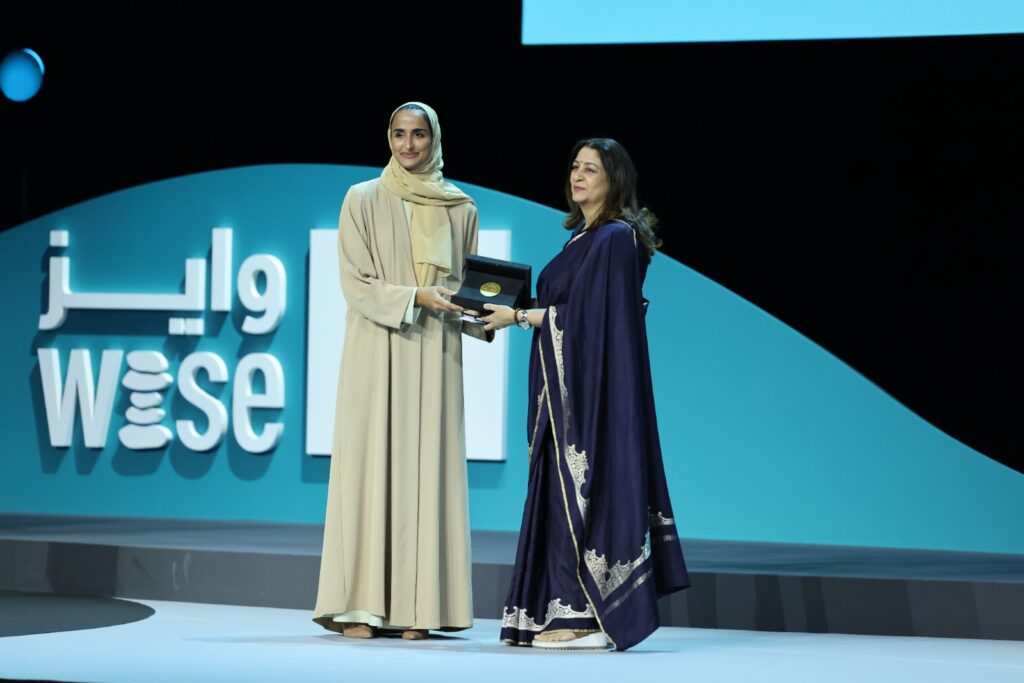
Her Excellency Sheikha Hind bint Hamad Al Thani, Vice Chairperson and CEO of Qatar Foundation, awarded the prestigious WISE Prize for Education to Safeena Husain, Founder and Board Member of Educate Girls. The WISE Prize for Education is the first global award of its kind that honors an individual for an outstanding contribution to education.

“We built the Al Fakhoora School as the first of many educational projects in Gaza. It has since been shelled by the Israeli Forces. The projects, which now constitute the Al Fakhoora program include teaching and training, building schools and universities, and funding specific research projects that are not available elsewhere in the strip. They also provide psycho-social support to cope with the devastating reality of life in times of crisis in Gaza.

“Since the start of the current Israeli aggression in October, 36 Education Above All supported schools and universities have been completely or partially destroyed. And so, Israeli forces have destroyed so much that has been accomplished by the Al-Fakhoora program. With the collapse of each school and each university, we lose a pillar in the foundation of the future. For every child deprived of education because of violence, another pillar is lost,” she said.

Her Highness said war disrupts educational institutions, exhausts health sectors, and prevents the wheels of development from turning. “Those very wheels are buried deep in the debris. And because of this the greatest threat to a society’s progress occurs after the ceasefire. The victims, their old lives buried under the rubble, must rise from the ashes left by the destruction, and start again with nothing,” she said.

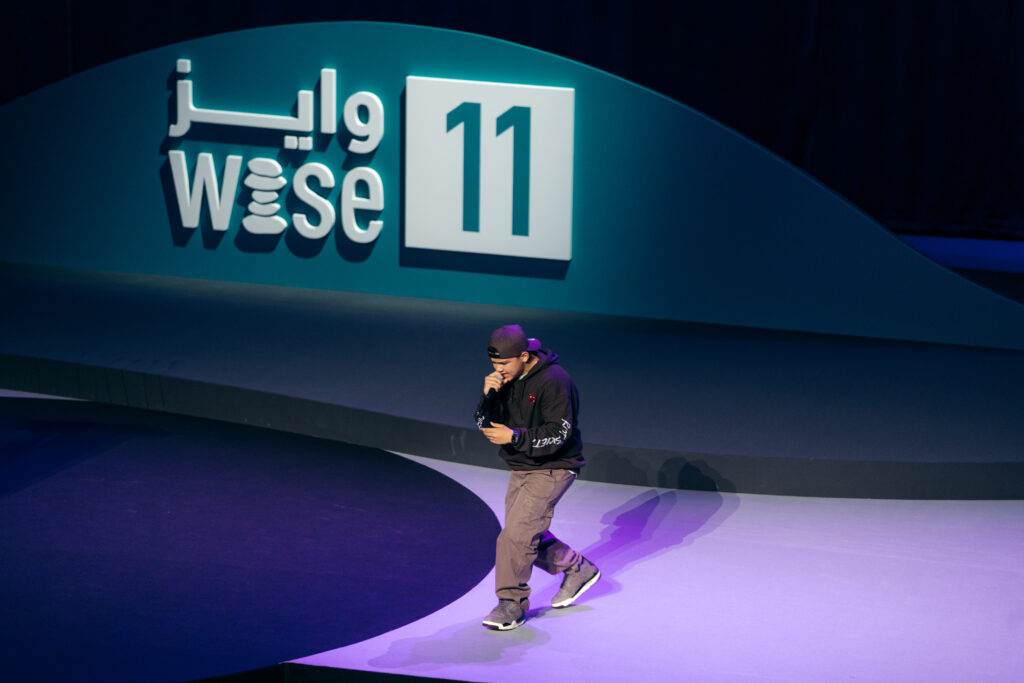
Moving performance: by 15-year-old Palestinian rapper Abdulrahman AlShanti – known as MC Abdul was given a standing ovation.

“And connected to education — is anything not connected to education? — is the focus of this year’s WISE Summit: the potential of artificial intelligence: addressing related issues, and how to improve the ways we harness its capabilities and possibilities. During the war in Gaza, we have seen artificial intelligence being used to fabricate stories, falsify facts, and block publications, photos, and videos that include atrocities committed by the Israeli occupation forces against the people of Gaza and the West Bank. This makes us wonder: whose stories does artificial intelligence select to be archived as history? Whose history will be told? Which ideas will be chosen as the most credible? And then: how do we maintain our independence and preserve our educational values? How do we remain sovereign societies?” she asked.

Sheikha Nasser said it was important to ensure that WISE is a platform for new ideas that keep pace with the changes taking place in the world, and the obstacles that education faces in certain countries for obvious reasons.

“And I say as I have said many times before: there is no alternative but to innovate if we are to find solutions to intractable problems. This is the role that WISE plays. In tackling the challenges of education, scientists and researchers — like you — bear an academic and moral responsibility. You have made an honorable choice, and we here at WISE are privileged to support you on your noble paths. You excel in your efforts, and we value all that you do. I bless your past and future efforts and wish you a successful conference.

During the opening plenary, Her Excellency Sheikha Hind bint Hamad Al Thani, Vice Chairperson and CEO of Qatar Foundation, awarded the prestigious WISE Prize for Education to Safeena Husain, Founder and Board Member of Educate Girls. The WISE Prize for Education is the first global award of its kind that honors an individual for an outstanding contribution to education.

Husain was recognized for dedicating 16 years to building the non-profit organization focused on empowering communities for girls’ education in some of India’s hardest to reach villages.

Her journey with WISE began with a WISE Award in 2014 that acknowledged Educate Girls for its positive social impact and ability to scale. Over the years, Educate Girls has mobilized more than 1.4 million girls for enrolment and supported over 1.9 million children in their learning in India. Thanks to a precision targeting method using AI, Educate Girls is able to target, in 5 years, the same number of out-of-school girls, which would otherwise require 45 years. Through a network of over 21,000 community-based champions in some of the most marginalized communities in the country, the organization has been working to break the intergenerational cycle of inequality and exclusion.

Under Husain’s guidance, Educate Girls has evolved into a leading global force, harnessing innovative financing and AI technology to bridge the gender gap in education. This is mirrored in its global milestones: the delivery of the world’s first Development Impact Bond in education, and the organization becoming Asia’s first The Audacious Project – which, housed at TED, is a collaborative funding initiative catalyzing social impact on a grand scale.

“This is a collective win for all of us working toward girls’ education, right from the government and local communities to dedicated gender champions and our supporters. It is a testament to the array of initiatives that are actively addressing this global challenge, embracing grassroots innovations and technology-driven solutions that are tirelessly working to ensure that every girl, in every village, is in school and learning well.

“Girls’ education is the closest thing we have to a silver bullet to solve some of the world’s most complex problems. We must recognize that the right to education is a girl’s inherent right – a right that must always take center stage.”

Among the highlights of the opening plenary was a heartful performance by 15-year-old Palestinian rapper Abdulrahman AlShanti – known as MC Abdul. He was given a standing ovation.

The official strategic partner of WISE 11, Education Above All (EAA), a global non-profit organization established by Her Highness Sheikha Moza, dedicated to transforming lives through
education, is at the forefront of the summit’s program creating dialogue around inclusive education, innovative financing, and protecting education in crises.

Day one was spread across distinct thematic zones that included diverse sessions covering some of the core summit discussion topics: Classrooms of the Future; AI and Digital Sovereignty; and Building Ethical AI. A series of thought-provoking panel discussions and policy roundtables explored topics such as strategies for educators to future-proof classrooms in the era of AI and navigating the impact of AI superpowers to build an inclusive global AI landscape, among others.

Young innovators and advocates led discussions on a range of topics including personalized learning for students with disabilities, and cultural perspectives of Arabic learners in classrooms at the Youth Studio.

Jeffrey Sachs, University Professor and Director of the Center for Sustainable Development, Columbia University, addressed the economic impact of conflict on education in his keynote speech at the session.

INSIDE EDUCATION

6 teenagers go on trial for their alleged role in the 2020 beheading of a French teacher

0

Six teenagers go on trial Monday in Paris for their alleged roles in the beheading of a teacher who showed caricatures of the prophet of Islam to his class, a killing that led authorities to reaffirm France’s cherished rights of expression and secularism.

Samuel Paty, a history and geography teacher, was killed on Oct. 16, 2020, near his school in a northwest Paris suburb by an 18-year-old of Chechen origin who had become radicalized. The attacker was in turn shot dead by police.

Paty’s name was disclosed on social media after a class debate on free expression during which he showed caricatures published by the satirical newspaper Charlie Hebdo, which triggered a newsroom massacre by extremists in January 2015.

The defendants arrived Monday morning at the Paris court, their faces hidden behind masks and hoods, accompanied by their families. The media are not allowed to disclose their identity.

Among those going on trial, a teenage girl, who was 13 at the time, is accused of making false allegations for wrongly saying that Paty had asked Muslim students to raise their hands and leave the classroom before he showed the cartoons. She later told investigators she had lied. She was not in the classroom that day and Paty did not make such a request, the investigation has shown.

Five other students of Paty’s school, then 14 and 15, are facing charges of criminal conspiracy with the aim of preparing aggravated violence to be committed.

They are accused of having waited for Paty for several hours until he left the school and of having identified him to the killer in exchange for promises of payments of 300-350 euros ($348-$406).

The investigation established that the attacker knew the name of the teacher and the address of his school, but he did not have the means to identify him.

The lawyer for one of the defendants, Antoine Ory, said his client is “tormented by remorse and very much afraid of the confrontation with Mr. Paty’s family.” He said the teenager ”obviously didn’t know about the criminal plan” of the killer, Abdoullakh Anzorov, a Moscow-born Chechen refugee.

Ory said his client since then had “difficult” times, changed school and friends and now sees the trial as an opportunity to turn the page.

All six teenagers are facing 2 1/2-year in prison. The trial is scheduled to end on Dec. 8.

Louis Cailliez, the lawyer for Paty’s sister, Mickaëlle, said she wants “to understand the real causes” that led the students to commit something irreparable. He pointed to the “fatal combination of little acts of cowardice, big lies, calumnies, arrangements, complicity and help without which Samuel Paty would still be alive.”

“Without the denunciation, there would be no visibility (on the social media), without visibility, there would be no crime,” he said.

Eight other adults are to be sent to trial later. They include the father of the teenage girl charged with false allegations. At the time, he had posted videos on social media that called for mobilization against the teacher.

A radical Islamic activist who helped him disseminate the virulent messages naming Paty has also been charged.

The trial comes six weeks after a teacher was fatally stabbed and three other people injured in a school attack by a former student suspected of Islamic radicalization. The killing in a context of global tensions over the Israel-Hamas war led French authorities to deploy 7,000 additional soldiers across the country to bolster security and vigilance.

AP

Motshekga signs bilateral agreement with Qatar

Inside Education Reporter

Basic Education Minister Angie Motshekga, formed part of the delegation of the President of South Africa, Mr Cyril Ramaphosa’s State Visit to Doha in Qatar, that took place on 15 November 2023. 

Minister Motshekga was supported by the Director-General of Basic Education, Mr Mathanzima Mweli.

The State Visit to Qatar was aimed at reaffirming the close and historic political ties between the two countries, underpinned by solidarity, mutually beneficial partnership and people to people cooperation. 

The State Visit also served to strengthen bilateral relations between the two countries in various areas of priority.

In this regard, Minister Motshekga and the Minister of Education and Higher Education of the State of Qatar, Her Excellency Ms Buthaina bint Ali Al-Nuaimi, signed a bilateral agreement in the field of basic education. 

The bilateral agreement will serve to strengthen cooperation in various areas of basic education, including teacher development; curriculum development; assessment; school management; and mutually beneficial exchanges among experts, student delegations and school sports teams.

Minister Motshekga and Minister Buthaina bint Ali Al-Nuaimi committed to conduct further bilateral exchanges between the two Ministries, to ensure active implementation of the newly signed bilateral agreement. In this regard, DG Mr Mathanzima Mweli will engage his counterpart in the Qatari Ministry of Education and Higher Education to commence discussions and conclude a time-based plan that will guide the implementation of the bilateral agreement.

INSIDE EDUCATION

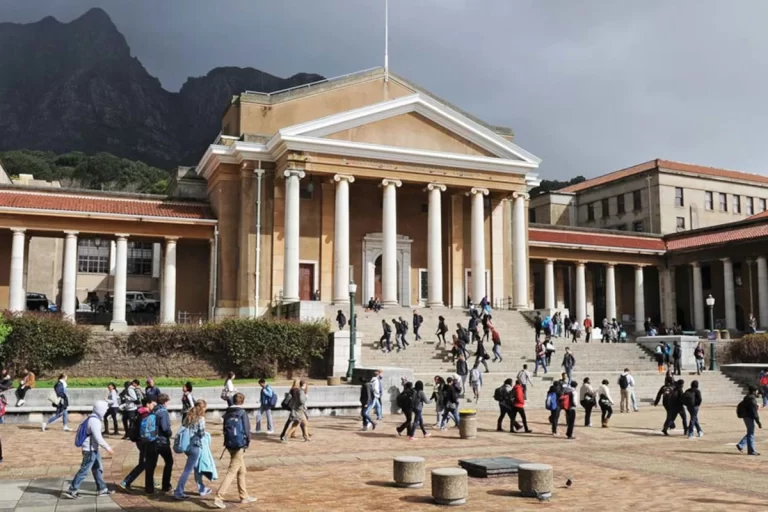
UCT interim VC’s first 250 days in office bring stability, equanimity

Edwin Naidu

THE University of Cape Town (UCT) interim Vice-Chancellor Emeritus Professor Daya Reddy has marked 250 days in office and reflecting on this period, he has emphasised the need to continue restoring stability within the university and acknowledged the UCT community’s resilience and commitment to keeping things on track.

Reddy, who previously mentioned that he was ‘extracted’ from peaceful retirement to take up the role earlier this year, explained what persuaded him to step into the challenging role.

“The approach to me came completely out of the blue. But it didn’t take me too long to decide that I would agree. I’d had conversations with various colleagues, some of whom were quite persuasive. I’d had such a long association with the university and was very concerned about the direction of events… Once I’d recovered my composure, I chatted with my wife, Shaada. 

“That was the big thing because it was clear that this decision would turn our lives upside down. So, once she assured me of her support for me to make myself available, and I thought through the implications, it was clear to me that I should do this.”

Reddy pointed out some of what has been the most significant challenges of his first 250 days in office.

“It had been put to me formally and informally that what the university needed, more than anything else, was to ensure that the institution functioned in stable circumstances and in a stable environment. 

“Broadly, I saw that as my number one goal: to ensure that we had a stable, well-functioning executive, including the deans and the executive directors, and that everything stayed on course, particularly our academic activities, i.e. teaching and research,” said Reddy. 

In the 250 days under his leadership, the university has recorded several standout success stories.

“Research is high on the list of activities and accomplishments that we can feel happy and proud about. There have been several research achievements that have been very well reported on internally and beyond. The academic programmes and activities have also proceeded well. 

“We hosted a huge set of graduation ceremonies in late March and celebrated 5 400 graduates. In July, we capped 104 PhD graduates and awarded four honorary doctorates. And that was so affirming. It was a concrete expression of the fact that our students have done well; that things have been on track. 

“Another highlight is that during this period we’ve received some significant donations. I mention these as success stories because, after everything that has been said about UCT and after all the upheavals here, we have a very clear expression of confidence in and support for the university. And that augurs well for the future.”

Having served in the UCT executive leadership before as Dean of Science and stints as acting DVC, the experience gained in those roles have been useful for Reddy in these 250 days.

“I served for seven years as a dean, and in many ways, a deanship could be considered as a microcosm of the vice-chancellorship. I say this in light of our devolved structure, as a result of which deans have responsibilities that go beyond the academic and include finance, human resources, physical planning, and so on. In the case of the VC, in a simplistic way, that is the case as well. But the degree of complexity, the scale, the demands of the position, are just something altogether different!” 

In addition, there is the level of complexity that derives from the external environment, with the VC having a range of responsibilities pertaining to other stakeholders such as the Ministry of Higher Education, Science and Innovation, Universities South Africa, civil society, the business sector, alumni and donors. 

“UCT is a huge community of just under 30 000 students and 5 000 staff. It’s like a town. What I do find slightly frustrating is the limited extent to which I’m able to get out there and chat with colleagues and students. I try to do as much of that as I can. But it feels to me that I’m not seeing enough of my colleagues and our students, and I continue to work on that,” he said. 

Reddy added that 250 days was a good period to reflect on. “First, I’m certain now – not that there was any doubt in my mind – of what a good, fine, strong institution UCT is; an institution that has been through a rocky time. 

“There is an almost contradictory way of looking at all of this in the sense that we talk about the fragility of academic institutions and the fragility of the institution’s staff during periods of turmoil, and that is so. But at the same time, I’ve had good reason to reflect on the resilience of the institution and its people. And it’s because of that that we are where we are now. 

“The staff have done a great job under difficult conditions, and we must recognise the impact that this has had on their well-being, their health and their ability to function effectively. But they have come through. 

“I’m asked very often about how things are going, and in my responses l indicate that most of the time I’m enjoying myself. And I’m happy to be doing this and I do find it rewarding. Part of the reason for that is the collegiality that I have experienced [and] the wonderful support from colleagues, right across the university,” remarked Reddy. 

The university has commenced the process of appointing a substantive VC, and Reddy looks forward to its conclusion as it would signal his return to retirement. 

“When I stepped in as VC (interim), I did have various commitments, and put some on hold. Some I could not, and I had to see those commitments through, which has not been easy. But it worked out. 

“I hold various positions on boards, advisory boards and so on, both in the country and internationally, and I’ve retained those. I look forward to devoting more time to those activities. 

“I’m also looking forward to getting back to some of my research activities. And I’d like to spend some time just staring at a blank diary, to remind myself what that looks like! And functioning without a routine, spending more time with my family,” he concluded. 

INSIDE EDUCATION

“Our straining economy is deteriorating our health” – NWU academics

Inside Education Reporter

South Africans are struggling to afford a healthy diet – loadshedding has pushed up living costs, particularly in the food production value chain, and this is putting tremendous daily pressure on the citizens. 

According to the due of Dr Christine Taljaard-Krugell from the North-West University’s (NWU) Centre of Excellence for Nutrition and Prof Waldo Krugell from the NWU’s Faculty of Economic and Management Sciences, who combined the fields of dietetics and economics for their analysis, food price inflation has skyrocketed in South Africa and around the world. 

“The facts are well documented. Russia’s invasion of Ukraine caused the initial spike in the price of food commodities such as wheat and sunflower oil. Adverse weather conditions in the Americas kept the price of maize high. 

“In South Africa, the mitigation of load shedding increased costs and pushed up prices throughout the food production value chain. At the same time, economic growth stagnated and employment opportunities and incomes failed to keep pace with inflation. 

“The proportion of the population unable to afford a healthy diet, fell across all income groups. Finding solutions to these challenges requires a multidisciplinary approach.”

Dr Taljaard-Krugell also notes that South Africa is in the midst of a nutrition transition as people migrate from rural to urban areas: “These people are less active and consume more processed foods. At the same time, big grocers and fast-food retail chains are expanding into rural and township malls. 

“The result is the double burden of malnutrition, where undernutrition and overnutrition coexist in the same community, household and even person. Yet, a healthy diet is the key to reducing the incidence of noncommunicable diseases.”

She also says it is imperative that nutrition experts play an educational role in communities as to best equip them with the knowledge to navigate nutritional needs and financial constraints: “Expert advice plays an important role in educating the public about healthy and thrifty meal plans using the South African Food Based Dietary Guidelines (SA-FBDGs). At the NWU, dietetics students are trained with this focus on prevention in mind. 

“In their fourth year of study, their internship includes service at community clinics. Community education is about behaviour change through healthy conversations about food and diet.”

According to Prof Krugell, economists and agricultural economics specialists at the NWU are trying to address the issues at a sectoral and macro level. He states: “Food prices are not only determined by supply and demand, but also by policies and politics. 

“South African research shows that grants have made a clear contribution to reducing hunger. In fact, one study shows that the old-age grant improves food security and dietary diversity of rural households. 

“Some individuals use the money for small-scale production and benefit from having more food. Others use the money to buy a greater diversity of food, improving the quality of their diet.” 

INSIDE EDUCATION

African Rainbow Minerals (ARM) sponsors R20 million in research Wits

Inside Education Reporter

South Africa is facing three key challenges: energy shortages, water scarcity, and the lack of skills in digitalisation. 

To address this triple challenge, the African Rainbow Minerals (ARM), has sponsored a Postdoctoral Fellowship Programme to support research into water, energy and digitalisation in the Faculty of Engineering and the Built Environment at the University of the Witwatersrand (Wits).

The collaboration between African Rainbow Minerals (“ARM”) and the Faculty of Engineering and the Built Environment at Wits University aims to develop the high-level skills required to address these issues. Energy

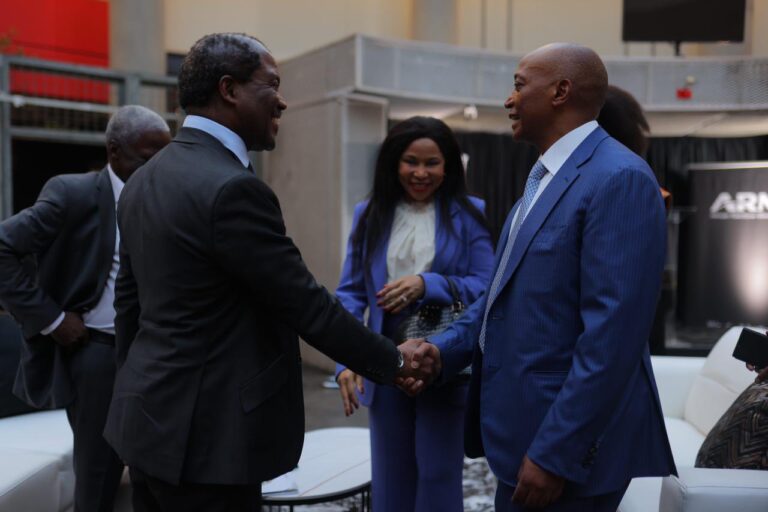
Dr Patrice Motsepe, Founder and Executive Chairman of African Rainbow Minerals (ARM), a Wits University alumnus and recipient of an honorary doctorate degree, said: “ARM is proud to partner with Wits University which is a globally respected academic institution. 

“Partnering with South African institutions of higher learning is paramount in our pursuit of knowledge, innovation, skills, and sustainable development. Public-private partnerships are crucial in addressing the socio-economic and environmental challenges confronting our communities and country. 

“ARM works with several top universities across South Africa, supporting young people from undergraduate to postgraduate studies, helping them to realise their dreams. Some of these students come from communities neighbouring our mining operations. 

“We also contribute to the development and upliftment of poor rural and urban communities in South Africa by educating students from these communities.”

The ARM Postgraduate Fellowship Programme at Wits University aims to develop and sharpen a critical mass of skills in South Africa through supporting a new cohort of postdoctoral fellows who will specialise in Water Resource Management, Digitalisation, and work towards a Just Energy Transition. ARM will sponsor a R20 million endowment, which will be invested in perpetuity. 

“We recognise the importance of digital transformation in the mining industry, and the necessity to develop the critical skills needed to advance our economy,” says Prof. Zeblon Vilakazi (FRS), Vice-Chancellor and Principal of Wits University. 

“This investment is firmly located in the Wits University Mining Precinct and dovetails with our broader initiatives in quantum computing, fintech and innovation. We are confident that through more private sector partnerships like the ARM Postgraduate Fellowship Programme, Wits University can help make a real difference in developing the critical skills and research needed to secure the long-term sustainability of the mining industry.”

Prof. Thokozani Majozi, the Dean of the Faculty of Engineering and the Built Environment adds: “The Faculty recognises the urgency of transitioning to a more sustainable and just energy system. Research and promotion of accessible, affordable, and socio-economically just renewable energy solutions are our top priorities. 

“Water is a critical resource, and we aim to contribute to the sustainable management of water resources through research, education, increased awareness and community engagement. This includes addressing challenges related to water scarcity, pollution, and climate change.”

Phillip Tobias, Chief Executive Officer of ARM said: “The ARM Postdoctoral Fellowship Programme is a testament to our commitment to addressing critical challenges in water, energy, and digitalisation facing our business and the country as a whole. 

“This initiative is about creating a pipeline of future critical skills that will cater for future business needs. We believe that through this collaboration, we can make a significant impact and leave a lasting legacy that will provide innovative and sustainable solutions that will benefit not only the mining industry but broader South African society as well.” 

INSIDE EDUCATION

SAP, UNICEF and GenU in youth sills initiative for South Africa 

Staff Reporter

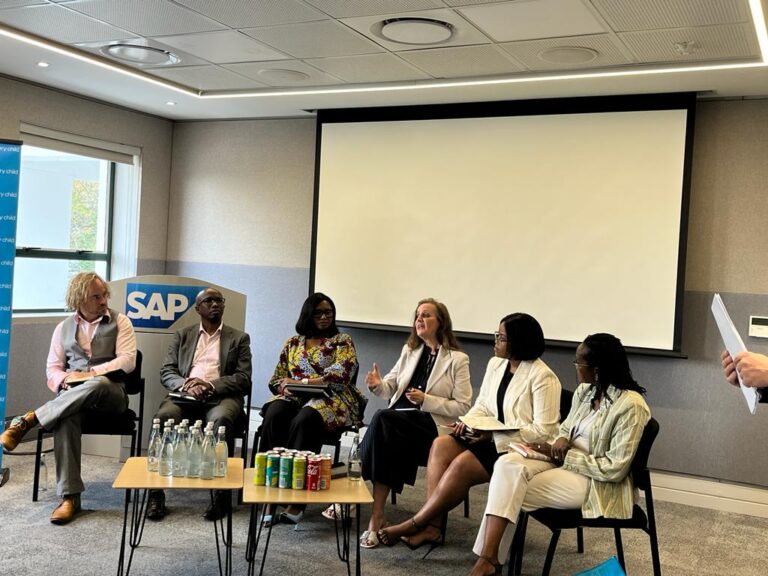
SAP reaffirmed its commitment to youth skills in South Africa by profiling its SAP Educate to Employ initiative, and public-private partnership with UNICEF and government at an event in Johannesburg recently.

The event showcased the SAP Educate to Employ initiative which aims to educate youth aged 16–24 years on soft skills, foundational knowledge and SAP skills using the student zone on the SAP Learning site, where students can learn about the latest SAP solutions for free to kickstart their career. 

The initiative forms part of SAP’s global commitment to supporting UNICEF’s Generation Unlimited (GenU), a public-private-youth-partnership that aims to deliver innovative solutions to challenges youth face around the world. 

In the region, the partnership is aimed at helping young people in Nigeria, Kenya and South Africa gain skills for employment, with 100 youth forming part of the initial intake in South Africa.

“Skilling our youth to meaningfully participate in the digital economy is essential to an equality-centric and prosperous nation. We welcome SAP’s continued investment into skills development for the youth and extend our congratulations to UNICEF and SAP on their partnership. 

“The South African government is encouraged by the initiative, and we look forward to supporting efforts to scale the SAP Educate to Employ initiative,” said Pinky Kekana, Deputy Minister in The Presidency for Planning, Monitoring and Evaluation

The admission of the first 100 participants was announced at the event, a competitive set of students selected from a pool of 18,000 applicants across the continent who will receive fully remote learning over a six- to twelve-month period, with the aim of joining the SAP ecosystem as a young professional upon completion of the course. 

Anele Chulayo, an SAP Educate to Employ candidate, commented: “I have been passionate about coding since high school and the possibility of creating apps and technology that can make a difference to young people from all walks of life. 

“I applied for SAP Educate to Employ in August this year and am delighted to have been selected as part of their programme.  The programme is already underway and I’m excited to be learning new things every day including programming language and web development.  

“I believe in the power of technology to do good and make a positive impact and difference in people’s lives, regardless of background.”

Kholiwe Makhohliso, Managing Director at SAP Southern Africa, said: “Upskilling and mobilising Africa’s youth population is one of the defining challenges of our time. To build a prosperous future for all, we must urgently address one of South Africa and the continent’s greatest challenges – youth unemployment – which affects a disproportionate number of African youths. 

“We are proud to introduce a new Corporate Social Responsibility initiative – SAP Educate to Employ in South Africa as a demand-driven job creation initiative that empowers youth with vital skills, knowledge, attitudes and values to build their competencies for the 21st century digital economy.”

The initiative builds on SAP’s other extensive youth skills development initiatives throughout Africa, including Africa Code Week, which has trained nearly 14 million African youth in basic coding skills, and SAP Young Professional Program, which has equipped nearly 2000 youth in Africa with work-ready SAP skills and certification as well as direct job placements.

SAP and UNICEF first joined forces in support of GenU in 2019 launching in India, Turkey and Vietnam. The partnership was further extended in 2022 with a $4.55 million over three years investment focused on impacting youth in Kenya, Nigeria, the Philippines and South Africa and has since generated opportunities for over 7.6 million adolescents through inclusive and innovative skills development programs. 

The initiative launched in South Africa at a time when youth unemployment is at a peak. More than half of South Africa’s youth are currently unemployed. Without concerted effort by public- and private-sector role-players, South Africa will not reap the benefits of its substantial youth skills pool.

Christine Muhigana, UNICEF Representative in South Africa, says: “To remain competitive in a dynamic and changing job market, youth need access to work-relevant skills and training opportunities. 

“Through our partnership with SAP and working closely with key public sector role-players, we believe that this initiative can potentially make a lasting positive impact on youth job prospects in South Africa and beyond.”

INSIDE EDUCATION