Home Blog Page 184

‘No leaked matric exam papers’: DBE cautions against fake news

Lerato Mbhiza

THE Department of Basic Education has assured matric pupils that there is no truth to social media posts suggesting that some question papers have been leaked. 

Basic Education spokesperson Elijah Mhlanga said the posts are fake, misleading and seek to cause unnecessary confusion.

Mhlanga said there have been no serious irregularities since the start of the exams.

“This implies that the measures put in place to secure the examinations are working well thus far. A total of 136 of the 231 question papers have already been written and today is day 15 of the 28-day examination period.”

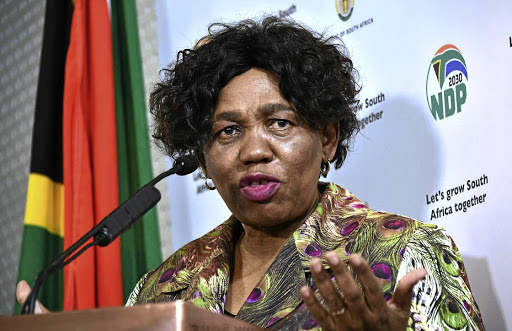
“The Minister of Basic Education Mrs Angie Motshekga has made no such announcement about any incident related to examinations. The social media posts are a pure fabrication and malicious.

“The examinations are proceeding well without any major incidents reported.

“The department wishes to reassure the National Senior Certificate candidates, their parents and guardians and members of the public that there have been no examinations paper leaks nor an announcement about any rewrite of any papers whatsoever,” Mhlanga said.

INSIDE EDUCATION 

Reflections on teaching mathematics in South Africa

Inside Education Correspondent

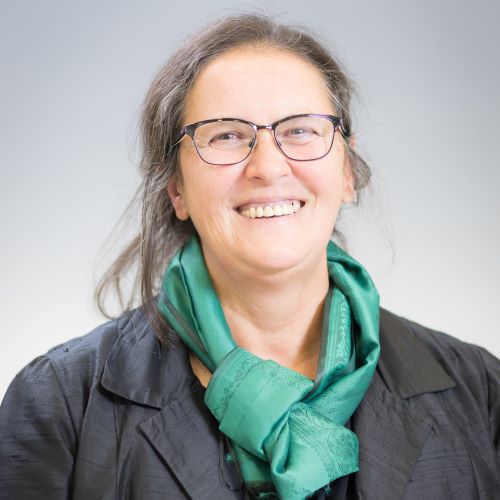
Teaching mathematics in South Africa, like in many other countries, is a complex and multifaceted challenge, according to Yeshvira Brijlall, the Department Head (Acting) for Maths & Sciences at the University of KwaZulu Natal.

Speaking during a maths symposium at UKZN, Brijlall said the effectiveness of mathematics education is crucial not only for individual academic success but also for the overall development of the country.

“South Africa faces significant socio-economic disparities, and this is reflected in the education system. Many students come from disadvantaged backgrounds with limited access to resources, which can impact their learning experiences. At my school, we have learners from Grade R (pre-school) all the way to Grade 12 (Matric).

“Many of these learners’ stem from affluent backgrounds with a few learners coming in from the nearby informal settlements. Even though my school is relatively well-resourced, the learners are not all equal when they leave the school premises resulting in them still having unequal opportunities,” she said.

Brijlall said the learners have parents/caregivers who may not be able to offer these children support and guidance when it comes to homework and re-enforcement of skills.

As a result, these learners are often left behind as teachers check activities and move on with the syllabus in the interests of time constraints. Their school ran intervention programmes for at risk learners.

Citing language of instruction as a crucial factor, she said South Africa has multiple official languages (12 languages – inclusive of Sign Language), and the choice of language in which mathematics is taught can affect students’ understanding.

“It’s important to consider language barriers and ensure that students have a strong foundation in the language used for teaching.”

Remedial classes, literacy and numeracy programmes can increase understanding of the subject.

However, Brijlall noted that the quality of mathematics education depends heavily on the competence and commitment of teachers.

“Continuous professional development is essential to keep educators updated with the latest teaching methods and technologies. Additionally, addressing the shortage of qualified mathematics teachers remains a priority.”

INSIDE EDUCATION

Study shows surge in funding for universities, but stark inequality remains

Inside Education Correspondent

A study commissioned by Inyathelo, the South African Institute for Advancement, has revealed a significant increase in philanthropic funding for South African universities.

However, the research also exposes deep-seated disparities in funding distribution that continue to plague the higher education sector.

South African universities saw a remarkable increase in philanthropic income in 2020, valued at R2.31 billion, nearly double 2019 funding. When Sector Education and Training Authority (SETA) income is also included (funding from skills development and training organisations), the total reached R2.66 billion.

Now in its eighth edition since it was launched in 2013, the Annual Survey of Philanthropy in Higher Education (ASPIHE) provides comprehensive data and analysis on philanthropic support to South African universities.

To ensure continuity with previous research, the latest study is based on philanthropic funding during 2020, a year marked by the global Covid-19 pandemic. It sheds light on the challenges faced by universities in South Africa at that time, as well as the resilience they showed in navigating the crisis.

This upward trend in giving highlights the commitment of donors in addressing pressing pandemic issues such as emergency relief, medical research and digital technology support, says Professor Beverley Thaver, Professor in Higher Education Studies, University of the Western Cape, and lead researcher, ASPIHE.

Key findings from the ASPIHE 2020 report include:

More donors: Some 11 244 donors contributed to 10 institutions in 2020, compared with 4 355 donors in 2013.

Parity in giving: The proportion of income from international donors, 50%, was matched by South African sources. This suggests robust levels of civic responsibility by South Africans, says Professor Thaver.

Shift in allocation: Unlike previous years, where student funding received the bulk of philanthropic support, the pandemic caused a significant shift. Some 40% of funds were directed to infrastructure, such as vaccination stations, and less than 30% to student funding.

Greater staff investment: The 10 participating universities employed 178 full-time and part-time staff in fundraising, development and alumni relations by 31 December 2020. This was just below 2019 and 2018 figures, and an increase from the total of 136 staff in the 2013 sample.

“The numbers suggest that the more an institution spends on attracting philanthropic income, the higher the income amount. That is, the more fundraising, alumni relations and associated support staff an institution has, the higher its philanthropic income.

“Nonetheless, the higher the income received, the greater the cost. Three institutions had expenditure ratios ranging from 18% to 40%, way above the international benchmark of between 8% and 12%.”

South African universities are divided into three types: traditional universities which offer theoretically-oriented university degrees; universities of technology which offer vocational-oriented diplomas and degrees; and comprehensive universities which offer a combination of both types of qualification.

Shift in SETA strategy: Non-traditional universities have generally been more successful at attracting SETA funding. The top earners of SETA income in 2020, however, were traditional universities, a reversal from the previous year. This suggests traditional institutions increasingly target SETAs for funding

Skewed income distribution: Traditional universities received a disproportionate share of philanthropic income. In 2020, traditional universities accounted for 99% of total donor income, leaving non-traditional institutions with just 1%.

“The stark inequality in the donor income totals between traditional and non-traditional universities has been persistent and the gap is growing. Previous reports have pointed to deep and complex historical, political, and structural factors that continue to disadvantage most institutions that are not classified as traditional by the South African Department of Higher Education,” says Professor Thaver.

The 10 universities that participated in the latest research were the Durban University of Technology (DUT); Tshwane University of Technology (TUT); University of Cape Town (UCT); University of the Free State (UFS); University of Johannesburg (UJ); University of KwaZulu-Natal (UKZN); University of Pretoria (UP); Stellenbosch University (SU); University of the Western Cape (UWC); and University of the Witwatersrand (Wits).

INSIDE EDUCATION

Swartbooi aims to restore Tuks’ rugby honour

Sports Reporter

“Winning rugby” is Dewey Swartbooi’s honest answer when asked what kind of rugby he wants Tuks to play next year.

The former Bulls rugby player is TuksRugby’s new head coach.

Swartbooi admits that saying he wants the team to win is a cliche. But then, he justifies what he said by quoting one of South Africa’s coaching legends, Heyneke Meyer.

“Heyneke used to say he is coaching players to play winning rugby because playing attractive rugby is no guarantee to win trophies.”

Swartbooi is under no illusion of the enormity of the task that awaits him and his players from next year on. They have got to restore Tuks’ rugby honour. 

This year’s Varsity Cup campaign was a disaster. As defending champions, Tuks lost all seven games. It is hard to remember when last, if ever, Tuks lost seven games on the trot. It led to Tuks being relegated to the Varsity Shield Tournament.

According to Swartbooi, many might think that it is going to be a mere formality for Tuks to win the Shield Trophy.

Making a difference in the lives of young people

“Experience has taught me to never take anything for granted. I know now that we must be at our best to win. Every team in the Shield competition is going to come for us. 

“For them, it is about getting the bragging rights to beating Tuks. Despite what happened, Tuks is still considered one of the legendary teams of South African rugby.”

As a coach, Swartbooi firmly believes that getting to know and understand your players is the foundation of success.

“As said, winning is important, but the most rewarding thing about being a coach to me is knowing that I can make a difference in the lives of young people. 

“It is important that players not only succeed on the field, they must excel in everything they do. Rugby is a tool to help players think like winners.”

In 2017, Swartbooi coached Tuks Young Guns to victory.

Swartbooi’s passion for rugby started in the dusty streets of Sutherland. At the age of four, he went along with his dad to watch club rugby. A memory that has remained is how sometimes the spectators switched on the headlights of their cars to allow for enough light so the players could finish the game.

Then there are also the memories of listening on Saturday afternoons to the rugby games broadcasted on the radio.

2002 Junior World Cup a highlight

“The commentators in those days were brilliant. The way they described the action made you feel as if you were next to the field watching the game.”

It was in Worcester, playing as a centre, that Swartbooi’s heroics started to get noticed. He got to play for the Boland Craven Week team, the South African Schools (under-18).

A definite highlight was being part of the South African under-21 team that won the inaugural Junior World Cup in 2002. The team was coached by Jake White. In the backline, Swartbooi partnered with the likes of Jean de Villiers, Fourie du Preez, Clyde Rathbone and Ricky Januarie. A year later, he debuted for the Bulls playing SuperRugby.

Playing golf to forget about rugby and to relax is something Swartbooi learned in Pretoria. He admits not to being one of the best.

“I play off an 18 handicap, which is genuinely an 18 handicap. When I play, I am there to lift the spirits of the other players.”

INSIDE EDUCATION

Mastering the exams through controlling your study habits

Inside Education Reporter

Exams can be daunting, stress-inducing, and downright nerve-wracking, according to Dr Hestie Byles is Manager: Academic Advising at the University of Pretoria.

The mere thought of those looming exam papers can send shivers down the spines of even the most confident students.

However, amidst the anxiety, she says it’s crucial for students under pressure to remember that success in exams is not solely determined by innate abilities (“I have good study techniques”) or external factors (“This is a difficult module” or “This lecturer’s standards are too high”). It’s about approach, mindset, and ability to focus on what you can control.

In today’s fast-paced academic world, the pressure to excel can be paralysing, and many students become fixated on the uncontrollable elements of exams, such as the difficulty of the questions or the expectations of teachers and parents.

This fixation on external factors can lead to feelings of helplessness and despair. However, there is a better way to approach exams – one that empowers students to take control of their own success.

The key to coping with exams is to shift the focus away from what you cannot control and redirect it towards what you can. Here are some strategies to help students do just that:

Preparation:

It all begins with how you prepare for your exams. You can control your study habits, the resources you use, and the time you allocate for studying. Create a study schedule that suits your learning style and stick to it.

Organise your study materials and your study space, seek help from lecturers, advisors, tutors, or peers if needed, and actively engage in the learning process. Remember, preparation is the foundation of success.

Mindset:

Your mindset plays a significant role in how you cope with exams. Cultivate a growth mindset, which believes in the power of effort and resilience.

Understand that setbacks and failures are opportunities for growth and improvement. Anyone can get better at anything if they are willing to put in the work. By focusing on your ability to learn and adapt, you can approach exams with a sense of confidence and determination.

Stress Management:

Stress is a natural response to exams. It’s part of what makes us human, but how you manage it is within your control. Practice stress-reduction techniques such as deep breathing, meditation or exercise. Create a conducive study environment that minimises distractions.

Switch OFF your cell phone while studying; I have proven to myself (many times over) that multi-tasking, especially if a phone is involved, does not work! Taking breaks and getting enough sleep are also crucial for managing stress and maintaining focus, and both are within your control too.

Perspective:

Shift your perspective from a narrow focus on grades to a broader view of education as a journey of personal growth and knowledge-acquisition to empower yourself to be the best version of whatever career-person it is that you see yourself as.

While grades are important, they do not define your worth or your potential. If they did, many of our great heroes of the past would have been deemed pretty worthless (case in point, Einstein and more). By valuing the learning process itself, you can reduce the anxiety associated with exams.

Adaptability:

Exams can be unpredictable, but your ability to adapt to changing circumstances is within your control. I remember coming to university as a first-year student, thinking I had it all figured out, only to realise that we cover a term’s worth of schoolwork in one week!

The only way I survived was by being open to different methods of learning and problem-solving. I often found that you have to use different study methods for different subjects. If you encounter a challenging question or unexpected format, stay calm, breathe, and then apply the knowledge and skills you have developed throughout your studies and by incorporating different study methods.

In the grand scheme of the educational journey, exams are just one part of the process. Focusing on what can be controlled – preparation, mindset, stress management, perspective and adaptability – will not only help students cope with exams, but also empower you to thrive in your academic career and reach your finish line.

Above all, students must remember you have the power to shape your exam experience, and ultimately your success. By taking charge of what you can control, you can approach exams with confidence, resilience and the certainty that you are capable of achieving your goals and mastering your exams and your academic life.

INSIDE EDUCATION

Decoding the mysteries of protein

Gugu Masinga

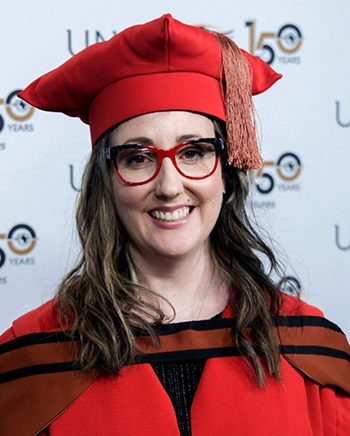
On 26 October 2023, Professor Samantha Gildenhuys, of the Department of Life and Consumer Sciences in the College of Agriculture and Environmental Sciences, delivered her virtual inaugural lecture, entitled “Decoding protein function”. In the lecture she briefly shared her academic journey, discussed her research focus at Unisa, and outlined the future direction of her research.

Academic journey

Gildenhuys began the lecture by sharing her experience at an open day at the University of the Witwatersrand, where she first saw an image of the protein structure of the Glutathione S-Transferases enzyme. That is when she knew she wanted to pursue a BSc degree, majoring in genetics and biochemistry.

Having completed a BSc Honours, she embarked on an MSc focusing on protein folding – a study which was subsequently upgraded to a PhD. This was followed by a postdoctoral fellowship at the University of the Witwatersrand. A grateful Gildenhuys acknowledged the many individuals who played a vital role in her career progression to full professor.

As Gildenhuys explained, her research focus on proteins involves investigating how they function and can be manipulated. Viruses are non-living entities that contain some form of code or genetic material, which specifies how to produce more of that virus. To do so they require host cells which they infect, causing disease. Their viral packaging is protein and, in some cases, lipid layers that protect the virus genome and allow it to enter cells. Rotaviruses are non-enveloped viruses that have no lipid layers. Only three protein layers protect their genome and ensure that the virus enters a cell and reproduces.

Gildenhuys stated that, to better understand rotavirus proteins, it is crucial to analyse their sequences. Her first published work on rotaviruses dealt with the three virus proteins, VP7, VP6 and VP2, and specifically their sequences, identified over time by researchers from across the world.   

“To study the proteins,” she said, “a production system must be engineered, so essentially you use a plasmid to transform the bacterial cell. This plasmid contains the code for the protein you wish to produce, as well as a switch code that can be activated, when appropriate, to produce the protein. Once produced, the protein must be purified of all the bacterial cell components prior to being studied or used.”

Gildenhuys added that once proteins are obtained one needs to determine how they might act in the virus or in a formulation for say a vaccine. VP7 Bluetongue virus was produced using a bacterial system and tested to see how its structure altered in the presence of possible vaccine formulation additives, namely sodium chloride and glycerol, to determine their effect on the stability of the protein.

Future research  

Gildenhuys concluded her lecture by revealing that her future research will revolve around identifying compounds that can modify the different virus proteins she is studying – compounds that might lock the proteins in certain positions or structures. That would allow the proteins to display key epitope regions to the immune system – without being part of a full virus particle – as part of a subunit vaccine. The binding of certain compounds could also prevent the proteins from carrying out a key function, thus helping to cure an infection. Studying how proteins interact with compounds will also provide further details about the key residues and surfaces which proteins use to carry out their tasks, and how these can be manipulated or used in other applications.

Supervision

“Supervising postgraduate students is a very important task, as it entails guiding a student to develop skills that will make him or her successful,” noted Gildenhuys. “These skills are not solely confined to laboratory techniques or research techniques, but also the soft skills they need to develop. Just as each student is unique, so each supervision journey is unique.”

Gildenhuys has supervised two postdoctoral fellows, co-supervised eight MSc and PhD students to completion, and 24 BSc Honours students’ mini-research projects.

She concluded: “I am happy that many of these students have either entered the industry or studied further, so I think I succeeded in capacitating them to a level where they could advance their careers, in line with their abilities and interests. So many significant research outputs have emerged from the projects which the students completed or are in the process of completing.”

*By Gugu Masinga, Communication and Marketing Specialist, College of Agriculture and Environmental Sciences

UJ academics win South African Literary Awards

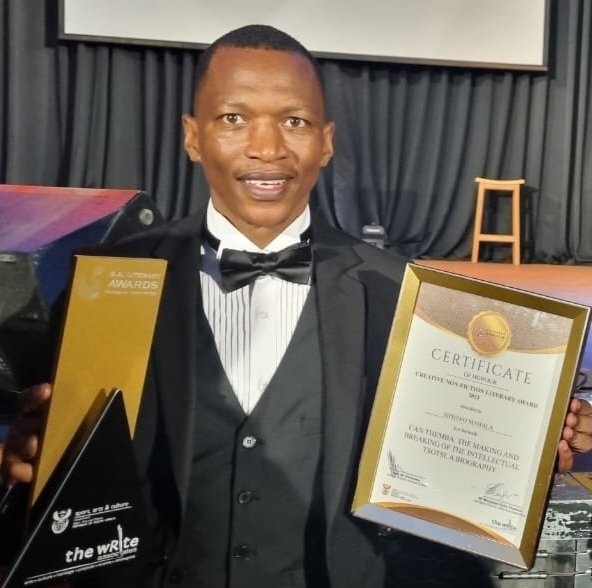
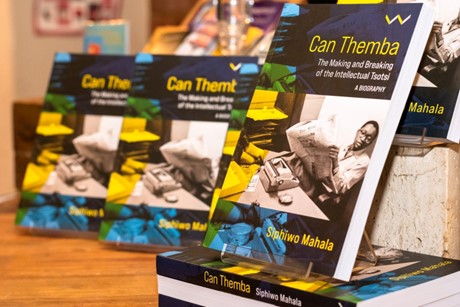
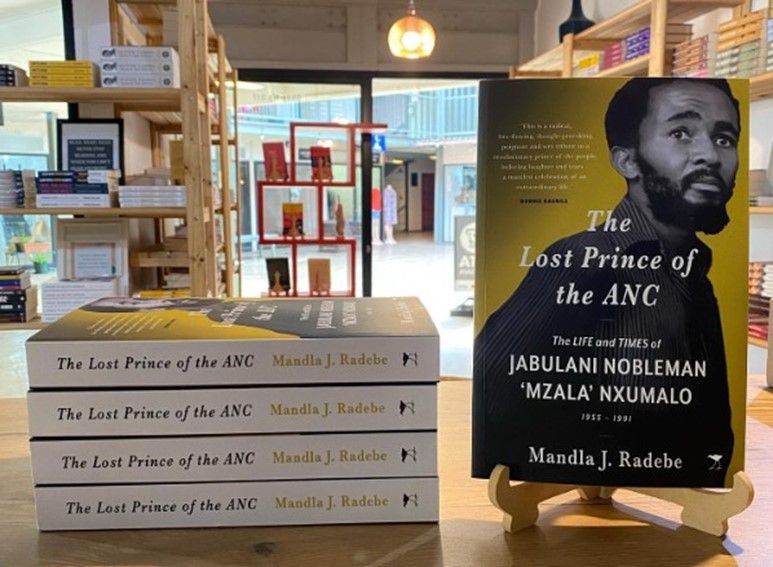
Two academics from the University of Johannesburg (UJ) have been awarded the prestigious South African Literary Award (SALA) in the Best Creative Non-Fiction category. Dr Siphiwo Mahala, a Senior Lecturer in the Department of English, and Professor Mandla J Radebe, the Associate Professor: Strategic Communication and Director for the Centre for Data and Digital Communications, were recognised for their outstanding works, Can Themba: The Making and Breaking of the Intellectual Tsotsi and The Lost Prince of the ANC: The Life and Times of Jabulani Nobleman ‘Mzala’ Nxumalo, respectively.

Dr Mahala’s book, Can Themba: The Making and Breaking of the Intellectual Tsotsi, is an in-depth exploration of the life and work of Can Themba, a prominent South African intellectual and writer during the apartheid era. The book delves into Themba’s complex persona, his contributions to South African literature, and the social and political context in which he lived and worked. 

Says Dr Mahala: “ I am deeply honored to share the South African Literary Award for Best Creative Non-Fiction with my esteemed colleague and friend, Prof Mandla J. Radebe. This award is a testament to the years of research and writing that culminated in the book ‘Can Themba: The Making and Breaking of the Intellectual Tsotsi’ (Wits University Press, 2022). I am eternally grateful to the Johannesburg Institute for Advanced Study (JIAS) and the National Institute for the Humanities and Social Sciences for their unwavering support throughout this journey. Winning this coveted award has provided me with an affirmation that I did not know I needed. This book represents my contribution to the scholarship of Black intellectual history and to the reconstruction of the legacy of Can Themba, an intellectual luminary who tragically passed away more than five decades ago.”

Prof Radebe’s book, The Lost Prince of the ANC: The Life and Times of Jabulani Nobleman ‘Mzala’ Nxumalo, is the first comprehensive biography of Jabulani Nobleman ‘Mzala’ Nxumalo, a key figure in the South African liberation movement. The book traces Nxumalo’s life from his early years in rural South Africa to his untimely death in London in 1991. It explores his intellectual and political journey, his contributions to the anti-apartheid struggle, and his enduring influence on South African thought.

Prof Radebe echoed Dr Mahala’s sentiments adding that this recognition is one that he will always cherish. “I wish to extend my appreciation to the wRite associates, the founder and custodian of these Awards, the national Department of Sport, Arts and Culture, the strategic partner for the awards and the North-West University as the host. Most importantly, my appreciation goes to Jacana Media the publisher of this book. The Lost Prince of the ANC: The Life and Times of Jabulani Nobleman ‘Mzala’ Nxumalo, was a labour of love, a journey of discovery and remembrance. I’m privileged to have had the opportunity to share this story, a piece of South African history, which is now has been recognised.”

The SALA recognition for Dr Mahala and Prof Radebe is a testament to their exceptional scholarship and their commitment to telling the stories of South Africa’s past. Their works offer valuable insights into the country’s rich history and cultural heritage, and they serve as a reminder of the important role of intellectuals in shaping society.

The University’s Faculty of Humanities is immensely proud of the achievements of Dr Mahala and Professor Radebe. “Their dedication to research and their passion for storytelling has brought them this well-deserved recognition. The Faculty congratulates them on their outstanding contributions to South African literature and scholarship,” said Prof Kammila Naidoo, the Executive Dean of the Faculty of Humanities, UJ.

 University of Johannesburg.

HSRC to provide recommendations on GBV following stabbing at CPUT

INSIDE EDUCATION REPORTER

THE Human Sciences Research Council (HSRC) will present its findings and recommendations of the South African National Survey on Health Life Experiences and Family Relations study to the Portfolio Committee on Higher Education, Science and Innovation in Parliament on Friday following another violent incident at a tertiary institution in the country.

A University of the Western Cape student who reportedly stabbed a female student believed to be his wife at a private student residence at the Cape Peninsula University of Technology in Cape Town was arrested in connection with the incident.

Chairperson of the Portfolio Committee on Higher Education Science and Innovation, Nompendulo Mkhatshwa, welcomed the arrest and said tertiary institutions must do more to address violence on campuses.

“Institutions of higher learning are one of many social institutions that ought to play a role in shaping and harnessing the social construction of societies in alignment to our constitution that speaks of a non-sexist society.”

The committee continuously invites the portfolio committees on police, and women, youth and people with disabilities on a wide range and cross cutting GBV and gender related matters.

The Portfolio Committee on Higher Education Science and Innovation has extended an invitation to the chairpersons of the Portfolio Committee on Women, Youth and Persons with Disabilities and of the Multi Party Women’s Caucus to its upcoming meeting.

Furthermore, the committee further urged Higher Health and the institution’s mental health services to ensure that the victim and the entire CPUT community receives the support it needs to get through such a traumatic experience has welcomed the arrest of the University of the Western Cape student who reportedly stabbed a female student believed to be his wife at a private student residence in Cape Town.

The committee wishes the victim of the assault from the Cape Peninsula University of Technology (CPTU) a speedy recovery and further calls for a multipronged approach to addressing gender-based violence (GBV) in society and at institutions of higher learning.

The committee is concerned that a scourge of GBV continues to plague society and has reached unacceptable levels, in which institutions of higher learning have not been spared.

The committee calls upon the full implementation of the National Strategic Plan on GBV which aims to provide a multi-sectoral strategic policy and programming framework to strengthen a coordinated response to the GBV crisis.

The committee welcomes initiatives of the Department of Higher Education and Training in introducing programmes such as the Higher Health Civic Education and Health Skills Programme as well as the Transforming MENtalities programmes as part of the curriculum.

The Transforming MENtalities Initiative is a programme focused on men in the higher education sector to be part and champions of a world free of GBV and against all forms of discrimination.

The committee welcomes the introduction of these programmes in the Post School Education and Training sector as they contribute to assist in shaping the social construction of students.

The committee said it engages with the Commission for Gender Equality on its investigations in universities and TVET colleges regarding GBV, and gender related matters reported at institutions.

The committee has had follow up meetings with institutions to ensure that they implement observations and recommendations of the CGE.

INSIDE EDUCATION

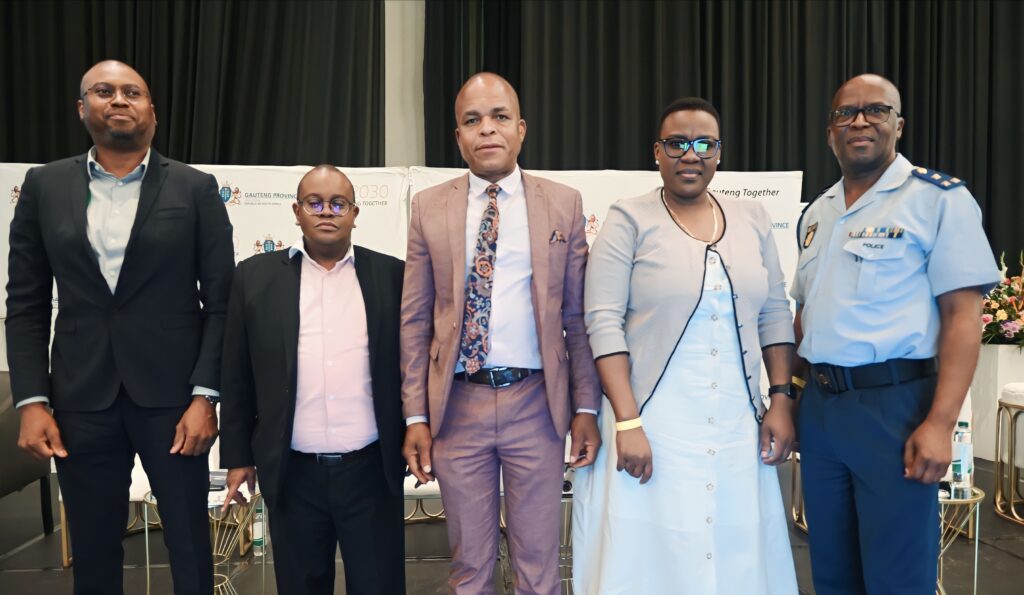
Tackling the state of security in Gauteng schools gets top priority at weekend indaba

Jonathan Paoli

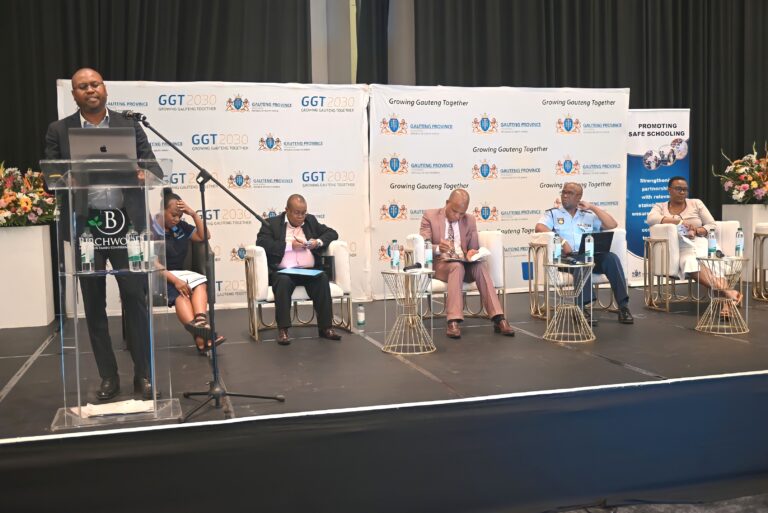
Education is a societal issue, since the school is a microcosm of society, says Gauteng MEC for Education and Youth Development Matome Chiloane in his address to 240 delegates on the status of safety at the province’s schools on Saturday at the Birchwood Hotel in Boksburg.

Violence and incidents of crime have increased at schools, prompting a collaborative effort to stem the tide. An example is that on Friday, a gang failed in their attempt to stop matric learners from writing examinations. The Acting HOD Rufus Mmutlana said while giving a brief background on the state of school safety in Gauteng, which led to the indaba. 

The School Safety Indaba is part of the Safe Schools Campaign, a commitment under the Operation Kgutla Molao – Restore Order Campaign, which mobilises different stakeholders to safeguard schools against criminal activities, especially during the holidays.

The Indaba evaluated the progress of the campaign so far, developing further interventions for emerging threats and also providing a status update on identified high-risk schools in the province.

Chiloane told stakeholders present at the Indaba that the safety of public schools in Gauteng was paramount and spoke about the interventions that have been implemented at schools across the province.

The school is a microcosm of the larger society, Chiloane said and the context of the challenges faced by learners at the school extended beyond the actual school, and the reflection of society, required an integrated approach involving the contribution of various stakeholders, including parents, families, communities, and NGOs.

The MEC further highlighted the obstacles faced by school safety intervention programmes which undermined their success, including
social challenges brought into the school environment, territorial constraints upon what schools can do, as well as the lack of resources needed to improve the physical side of safety development, namely non- educational staff as well as the implementation of safety technology.

The Director of Psychosocial Support Services Anthony Meyers spoke about learner support systems while inputs from the NGO ChildLine Gauteng, the Teddy Bear Foundation and the SA Depression and Anxiety Group were heard, outlining school-based intervention programmes, early-stage interventions and mental health programmes.

Director of Clinical Services of the Teddy Bear Foundation, Shaheda Omar detailed the current condition of support within schools and said that 42% of children have been exposed to violence, with currently only 127 social workers across the province.

She further highlighted the contextual factors of mental health among learners and said a holistic approach was required. “Poverty doesn’t create abuse, but it does create the conditions under which abuse flourishes,” Omar said.

INSIDE EDUCATION

Reposition Work Integrated Learning – towards a context-specific strategy to recruit and retain young teachers in rural schools

Inside Education Correspondent

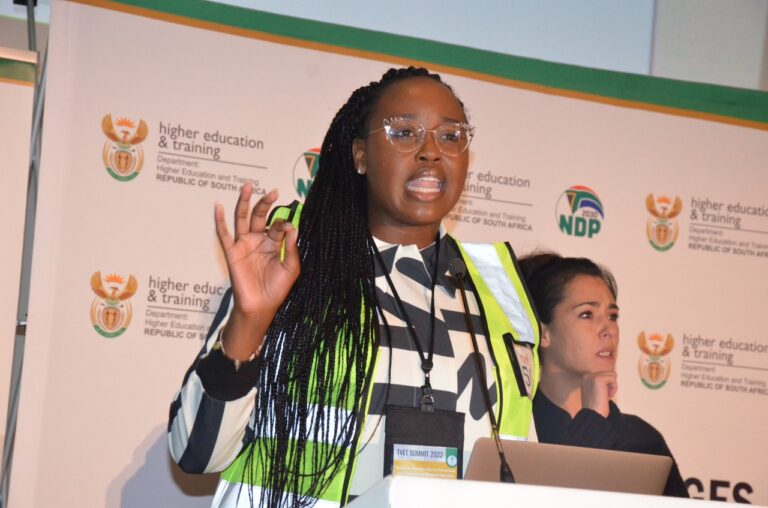
Dr Phumzile Langa, Director for the Rural Education Directorate at the DBE, recently participated in a Work Integrated Learning Conference hosted by the UNISA’s College of Education in Pretoria. 

The Conference was attended by renowned education experts from various Higher Education Institutions (HEIs). The theme of the Conference was “Employing and strengthening Work Integrated Learning as a strategy to enhance academic and workplace competencies in the context of 4IR”. 

On welcoming the delegates, Prof Mpine Makoe. Executive Dean of the College of Education highlighted that, “UNISA is one of the key developers of the education profession in the country, and so, through this Conference, we want to sharpen and refine the application of theory by aspiring teachers we produce through the application of Work Integrated Learning”.

In her official address, Dr Langa informed the attendees that the DBE had initiated the Integrated Strategic Planning Framework for Teacher Education and Development in SA, 2011-2025, in line with its ambition to
recruit suitable young vibrant teachers.

“Through this Framework, the DBE has committed to making concerted efforts to attract and encourage high-achieving school-leavers to strengthen the teaching profession. 

“This will be achieved through effective implementation of strong teacher recruitment strategies and the sustainability of bursary programmes such as the Funza Lushaka Bursary Programme. 

“Despite these efforts, attracting and retaining young, qualified teachers in rural schools has remained a serious challenge. The need for new teachers is more pronounced in certain phases of schooling and subject areas. 

“One of the primary factors contributing to this challenge is the high cost of obtaining a degree, which prevents students from embarking on teacher education studies, especially for those from poor socio- economic backgrounds. 

“There is a need to explore teacher recruitment and retention strategies that respond to contextual and economic needs of the country,” elaborated Dr Langa.

Dr Langa proposed a Context-Specific Work Integrated Learning Model for Initial Teacher Training. 

“Through this model, HEIs would benefit from course planning and needs analysis in their teacher education programmes. It will ensure that courses offered align with the needs of schools in terms of phases of schooling and subject areas. Furthermore, the model will also contribute to enhancing the livelihoods of rural youth”. 

The DBE has committed to achieve this through the contextualisation of the National Framework for Rural Education, which provides a basis for the development of context-specific, relevant and sustainable strategies
to improve teacher recruitment and retention. 

It recommends youth exposure to working in rural schools through an effective and targeted Education Assistants Programme as a significant strategy. While still on the Framework, it is noteworthy to mention that
the DBE piloted and conducted a three-year action research known as the Rural Education Assistants Project (REAP). 

The project targeted unemployed youth to work as Education Assistants in rural schools with the aim of enrolling them in School-Based Initial Teacher Training Programmes using various models from distance, online and block release for face-to-face sessions.

“The findings emanating from the research conducted by the DBE on REAP, demonstrated the strategy as an effective mechanism for teacher recruitment and retention in rural schools, especially by exposing the youth to experiential training in the teaching profession; the realities of rural schooling contexts; and as a way of providing ongoing school-based mentorship, all of which are crucial to the development of skills, attitudes and attributes to become a quality teacher on exiting the system. 

“The proposed model therefore will solve the challenges of teacher recruitment and retention, but its implementation would require the DBE to forge a strong partnership with HEIs, including UNISA,” emphasised
Dr Langa.

INSIDE EDUCATION