Home Blog Page 188

From Russia, with Love…South African students in finals of the International Financial Security Olympiad

Inside Education Correspondent

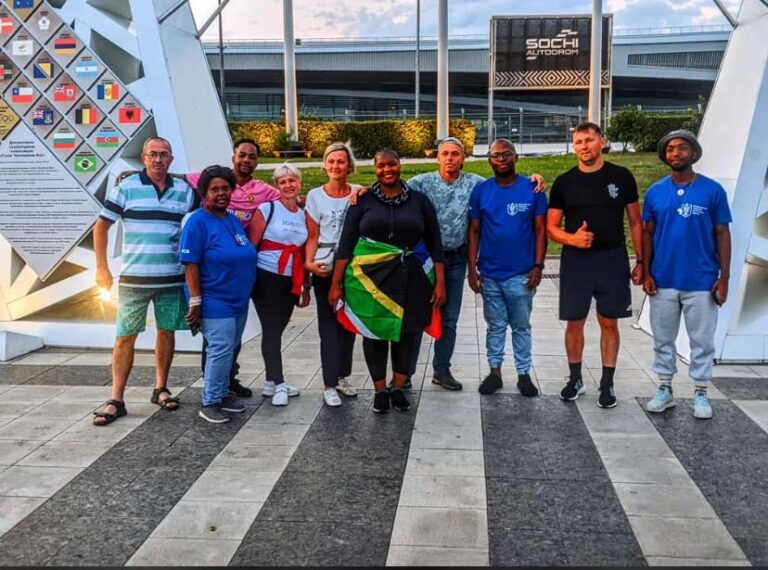
A delegation of South African students from various universities, led by Advocate Nomazotsho Memani, is in Sochi, Russia for the International Financial Security Olympiad.

Russian Alumni coordinated the program in conjunction with various universities.

Memeni said, via WhatsApp, that the group left South Africa on 29 September and has reached the final stages of the competition. 

“Seven South Africans who have passed the first round of trials will participate in the final stage on 2 to 6 October 2023, at the ‘Sirius’ federal territory in Sochi, Russia. 

The South African participants are Bubulumko Baai, Karabo Masenyadiloana, Thokozani Simelane, Thabo Lehlohonolo, Malale Kasango, Mamello Mofokeng, Snazo Mona and Zandile June-Rose Ngcobo.

The Olympiad is hosted by Rosfinmonitoring, Russian Ministry of Education, the Ministry of Science and Higher Education and RUDN University,” she said. 

In a statement, the head of the International Olympiad on Financial Security project, Vice-rector for Student in Affairs in Russia, MJ Katsarsky, said South Africa is taking part in the event for the second time. 

“The peoples’ Friendship University of Russia named after Patrice Lumumba (RUDN University) has the honour to express our compliments and inform that according to the results of the qualifying stage of the International Olympiad on Financial Security (hereinafter -Olympiad) the 8 finalists from South Africa, will go through the final stage.

“The purpose of the Olympiad is to show modern trends to the talented young people in the sphere of financial security, directions of development of science and technology in this area, to allow determining their future path”.

More than 12 500 students took part in the Olympiad in total and about 2 000 of them are foreigners”. 

Katsarskysaid due to the growing interest in the International Financial Security Olympiad among a number of states, the geography of participating countries was expanded in 2023, with countries such as Algeria, Cuba, Iran, Namibia,, Pakistan,, Venezuela, and Vietnam having joined BRICS. 

INSIDE EDUCATION

Samsung’s Solve for Tomorrow enters the home stretch as finalists develop their prototypes

Inside Education Reporter

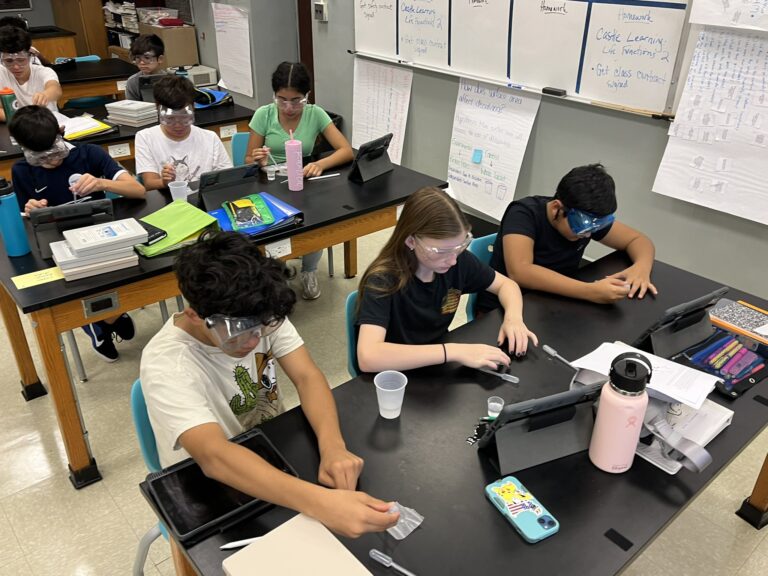
The ten finalist schools in Samsung’s Solve for Tomorrow competition are in a race against time to complete their solutions in the third phase of the nationwide challenge.

The current phase involves creating prototypes to solve the various societal challenges the learners identified in their respective communities. This leg of the competition is running until the end of September 2023.

The learners were prepared for this phase through purposeful Design Thinking workshops held in their regions in May 2023. At these workshops, they were taught invaluable skills on how to approach best and get the most out of their work, think critically, speak and act like designers, and a cognitive and structured process for human-centred, creative problem-solving. They were also encouraged to focus on building strong teams and training on conducting research that could help transform their ideas from mere concepts to workable solutions that would address the identified issues within their communities.

The finalist schools, who hail from the provinces of Gauteng, Mpumalanga, Free State, KwaZulu-Natal and Limpopo, now have just over a month until the end of September to work on and complete their prototypes. They will then present to a panel of judges on the 3rd of October as they vie for the top prize.

The different groups of learners are coming up with exciting and varied solutions for their communities that include an ambitious plan for better roads using sustainable materials, basic needs during load-shedding, alternative solutions for water and electricity, and clean water, to name a few.

Grade 11 learner from Mbilwi Secondary School in Venda, Limpopo, Igoline Coelho, shared how her team is determined to blow the opponents out of the water. “Our team has been ready from the get-go to put in the hours and hard work needed to get us over the finish line. Ours is a very simple solution but with the potential for a high impact. The problem affects everyone and we are happy to make a contribution with our solution. We hope it can catch on and be used by many other communities. We are a very competitive team and are determined to win the competition.”

The finalist team from Acornhoek in Mpumalanga, Maphuthaditshaba Secondary School, believes they will be delivering the best solution that will help their community. “Our solution will help households and small enterprises, so it will also have an impact on the local economy. We are going to do our best to win, especially because we are the only representative of our province in the competition,” said team member Keabetswe Malaza (Grade 10). 

Amahle Skhosana (Grade 11) from Adams College in Amanzimtoti, KwaZulu-Natal, said they’ve worked hard as a unit up to this point in the competition and discovered that they work well together. “Using science, technology, engineering and maths to solve our community’s problem has excited the entire team because of all the learning opportunities it presents. We are going to do our best to win to make everyone proud, but more importantly, to solve the problem.”

Sbongile Zulu, a Grade 10 learner from Buhlebemfundo Secondary School in Tsakane (Gauteng) said her team feels ready to conquer after all the great insights and useful tips they learned from the Samsung mentors allocated to each school. 

“We are determined to do well in this competition because if we win, the prize is double – we get to solve a problem in our community and also get an awesome prize for our school. There is more than enough motivation.”

The Solve for Tomorrow competition officially launched in South Africa in January this year, and is Samsung’s Contribution to youth empowerment and skills development in the information communication technology sector to help advance the country’s Fourth Industrial Revolution (4IR) agenda. It was designed to increase interest and proficiency in Science, Technology, Engineering and Maths (STEM) among grade 10 and 11 learners from underserved communities.

“As the learners enter this critical stage of the competition, we are getting excited and looking forward to seeing all the solutions they come up with. This bodes well for the future of our country as the youngsters are killing the proverbial two birds with one stone by learning and also improving or solving problems in their communities,” said Hlubi Shivanda, Director for Business Operations, Innovation and Corporate Affairs at Samsung.

The winning school will get a prize of R100 000 worth of STEM equipment for their school, while second and third positions will get R50 000 and R30 000 worth of STEM equipment for their schools respectively. In addition to the main prizes, each of the learners in the top three teams will be rewarded with a Samsung device.

INSIDE EDUCATION

Springbok Women beat their Kenyan counterparts in a historic Test match

Inside Education Reporter

This was the first-ever international rugby match at UWC, mere days after the Operation Room, as the UWC Sports Stadium is affectionately known among the locals, hosted a Cape football derby when Cape Town City took on Cape Town Spurs in the DStv Diski Challenge. 

It was a proud moment for UWC alumna Babalwa Latsha. 

The two events are a testament to the goal of the University’s Department of Sport Administration to make a massive contribution to South African sport in the broader scheme of things as part of UWC’s community engagement strategy. 
Few years ago, UWC spent millions of rands to revamp its sports facilities to be at world standards to host matches of this magnitude.

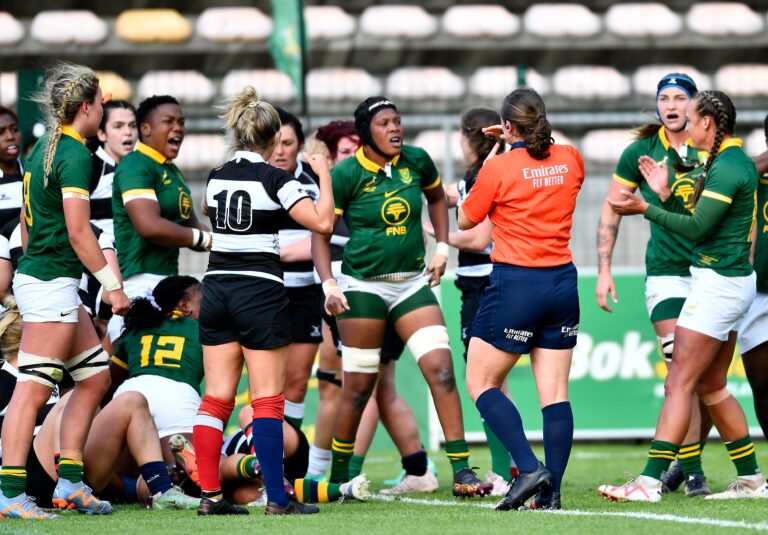
A hattrick by Veroeshka Grain, playing in the number 14 jumper just like former UWC Varsity Cup star Kurt-Lee Arendse did for the Springbok Men in the Rugby World Cup, was the standout performance for the wearers of the green and gold.

The game was still in the balance at halftime when the Boks led 24-12, but a resurgent second-half effort from South Africa meant they eventually won comfortably by 77-12.

The home team, led by UWC alumna Babalwa Latsha, started like a house on fire and enjoyed a healthy 17-0 lead after 16 minutes after Grain, Sinazo Mcatshulwa (lock) and prop Yonela Ngixingolo all crossed the whitewash. 

The Lionesses from Kenya, however, refused to back down and scored back-to-back tries through Diana Kemunto (flanker) and Stellah Wafula (left wing), while flyhalf Ann Goretti converted Kemunto’s try to bring the scores to 19-12.

A try after a rolling maul from a lineout by Bok-hooker Roseline Botes gave interim head coach Louis Koen’s side some breathing space as they went into the halftime break, leading 24-12.

Although the heavens opened sporadically in the first half, which made handling the wet ball tricky at times, the try-scoring floodgates opened after halftime. The Boks dominated the Lionesses during this period and eventually ran in 9 unanswered tries in the second half.

The forwards, expertly led by Latsha with her barnstorming runs, were physically far superior to the Kenyans and laid the perfect platform from which Libbie Janse van Rensburg (flyhalf) could send her speedsters away. The Bulls Daisies playmaker impressed with her distribution and game management and had a hand in most of the Boks’ tries.

Latsha was ably supported up front by Sinazo Mcatshula, her lock partner and fellow UWC alumna Danelle Lochner, and flankers Nompumulelo Mathe and Catha Jacobs, while the backline had a field day. Reserve lock Vainah Ubisi’s impact in the second half was so impressive that the powerful front ranker earned herself the player of the match award despite her not starting the game.

“This was a typical test match – it was physical and hard, and we had to chip away at Kenya,” said Koen. “I said to the players that we cannot expect a wall to fall with one blow, but it will fall if you chip away repeatedly, and that is how it panned out. I think the good work of our assistant coaches, Laurian Johannes-Haupt and Franzel September, over the last couple of weeks, is really showing now, as well as the impact of our conditioning and wrestling sessions.”

The Springbok Women will play a training match against the San Clemente Rhinos on Tuesday, and following that match at False Bay Rugby Club, they will face an array of international stars when they take on the Barbarians at Athlone Stadium on Saturday.

INSIDE EDUCATION

Gauteng Education MEC launches Hospitality and Tourism school in Boipatong, Emfuleni

Lerato Mbhiza

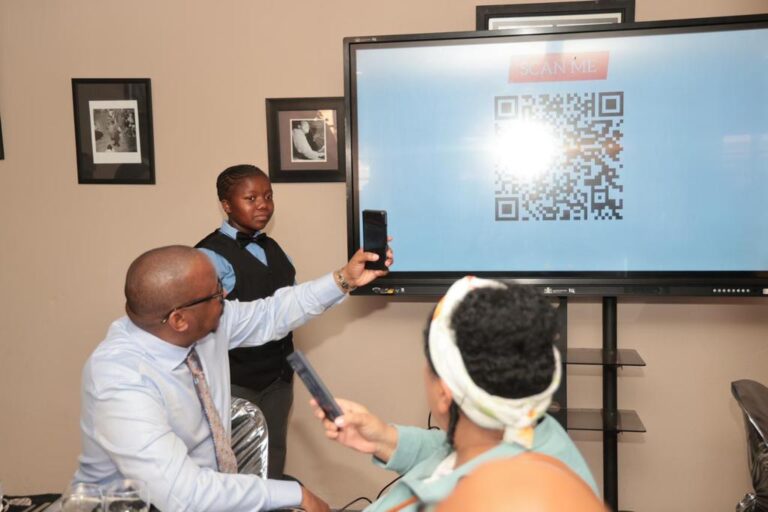
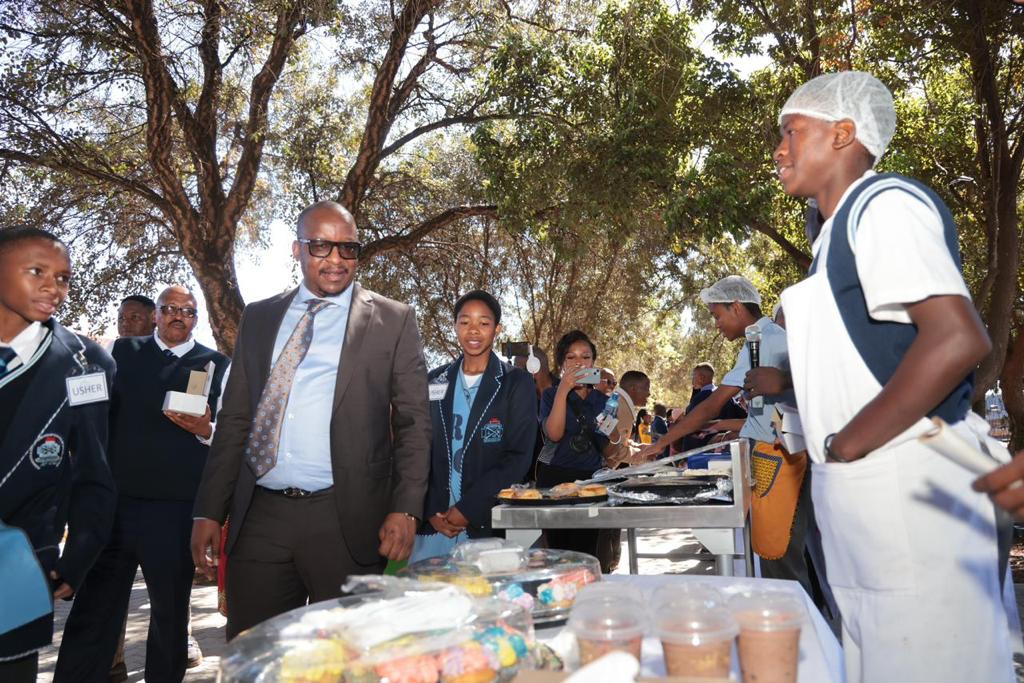
Gauteng Education MEC Matome Chiloane on Tuesday officially launched the Jet Nteo Commerce and Entrepreneurship School in Boipatong, Emfuleni, that will focus on Tourism and Hospitality.

Chiloane said the reason behind the establishment of a Commerce and Entrepreneurship School of Specialisation was rooted in the imperative of reinvigorating the Township Economy, thereby breaking the cycle of poverty.

 “Entrepreneurship education plays a pivotal role by instructing learners in conducting community research and identifying prevailing challenges. Subsequently, learners are encouraged to devise innovative solutions to address these challenges. 

“The Commerce subjects complement this entrepreneurial spirit by providing learners with essential business and accounting acumen, equipping them with the skills necessary to initiate and operate their own businesses. 

“The collective impact of these efforts promises a substantial transformation and upliftment within the community,” said Chiloane.

Last week, Chiloane launched a similar school called Khanya Lesedi, but this time it was a Sports School of Specialisation in Ratanda, Heidelberg.

The significance of Boipatong’s history beckons a transformation, with aspirations to emerge as a prominent township boasting a productive community and a flourishing economy, Chiloane said. 

“In this context, the establishment of Jet Nteo as a Commerce & Entrepreneurship School of Specialisation holds profound significance. This institution is poised to serve as a beacon of hope within the Township, ushering in a new era of opportunity and prosperity” he added.

The resources available at Jet Nteo Commerce and Entrepreneurship School of Specialisation are essential components of a comprehensive education, collectively shaping well-rounded learners destined for success in business and entrepreneurship. 

The Entrepreneurship Hub fosters innovation, the Maths Park hones analytical skills, the Outdoor Furniture Factory imparts practical craftsmanship, and our Museum instills cultural appreciation.

“The benefits accruing to the community are multifaceted. Entrepreneurship begins with the inception of an idea, often stemming from community-based research to identify and address pressing local challenges. Notably, learners from the community are empowered to undertake this vital research and subsequently contribute to resolving these challenges. 

An overarching benefit for the community lies in the creation of employment opportunities, facilitated by those learners who evolve into entrepreneurs themselves. This virtuous cycle of employment generation and economic rejuvenation is poised to breathe new life into Boipatong’s economy,” said Chiloane

INSIDE EDUCATION 

Mbulula calls on Nzimande to account over NSFAS

Johnathan Paoli

In a community report back process on Monday, Secretary-General Fikile Mbulula raised attention to the corrupt status of Nsfas and called on the Minister of Higher Education and Technology Blade Nzimande to correct the status quo.

Mbalula was addressing the Hammanskraal community at the Mandela Stadium in Tshwane as part of the ANC’s Manifesto Review report back process. 

Mbalula said the ANC-led government has allocated money for the scheme and that minister Nzimande has to fix the mechanism of allocating these funds. 

The SG said that education in South Africa is fully subsidised, and that the ruling party has continued to reform the country’s social security net.

He said that it remains very easy for opposition parties to oppose, promise and mislead people about things that they can never deliver, and called on communities to solve crime and the related problems together. 

“The crime that is happening in our communities needs everyone’s intervention, including community members,” Mbalula said.

Mbalula’s public outburst is not the first where he called out and demanded action on the ANC’s top leaders in the government perceived not to be delivering on their mandate. 

In his address at the opening of the party’s Women’s League conference earlier this year, Mbalula warned Public Enterprises Minister Pravin Gordhan to “move fast or we will move you” in relation to challenges faced by Prasa, Eskom and Transnet.

Mbalula’s public stance could be seen as a reflection of an increasing decline in confidence for the ruling party, with ANC-alligned Sasco said to be losing support across the country’s universities.

This assertion comes in the wake of the EFF Student Command (EFFSC) winning the majority of seats on the Wits University students’ representative council (SRC), occupying eight seats out of the 13 contested.

While at the University of the Free State (UFS), the EFFSC claimed an overwhelming victory during the SRC election at the Bloemfontein campus.

The EFFSC won all eight seats in the SRC elections at the University of Pretoria, the first time that the EFFSC has secured a clean sweep victory at UP, making it the dominant student political organisation on campus.

However, all eight members were disqualified following an application by Afriforum which alleged that the students breached some electoral laws and accused the student organisation as a racist and a violent movement. 

INSIDE POLITICS

Skills Imperative for the Just Energy Transition – Nzimande

Inside Education Reporter

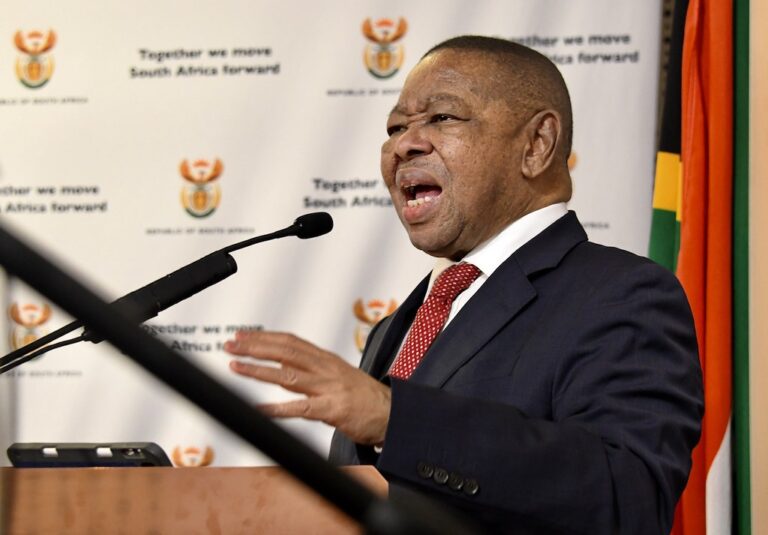
Equipping South Africans with skills, assets, and opportunities to participate in industries of the future is a critical imperative of the ‘Just Transition Framework’ that seeks to decarbonise the country’s energy mix, according to Minister of Higher Education, Science Innovation Dr Blade Nzimande. 

A just energy transition (JET) to a low-carbon economy in South Africa is expected to lose about 300,000 jobs. Still, the creation of approximately 815,000 new jobs by 2050, said the Minister. 

Speaking at the Tokyo GX Week Ministerial Plenary Session on Monday (25 September), Nzimande said in response to the need to decarbonise its energy mix, South Africa has established several national strategies to expand renewable energy and deviate from a fossil fuel-dominated economy. 

Through the ‘Just Transition Framework’, the South African government will oversee and facilitate a Just Transition to a low-emissions and climate-resilient economy focusing on financing renewable energy and technological advancements.  

Nzimande said equipping South Africans with skills, assets, and opportunities to participate in future industries, with particular attention on impacted groups, people experiencing poverty, women, people with disabilities and the youth, was a must. 

He added that implementing transformative national economic and social policies that consider how benefits and burdens will be distributed (this includes clear indication of where jobs are gained, where jobs are lost, and the quality and longevity of future employment). 

Increasing provincial and local capacity (both resources and skills) to promote local economic development and ensuring corporate responsibility to support a green and inclusive economy were also part of the priorities. 

“The jobs expected to be lost will be in the high-emissions industries of coal and petroleum, but there is expected to be a net gain in mining-related employment as demand for energy minerals and metals rise, which will be needed to produce cleaner energy sources,” he said. 

The carbon intensity of the South African economy remains high, which presents opportunities for decarbonisation. 

Fossil fuels comprise approximately 92% of South Africa’s energy mix, with the majority consisting of coal, increasing the carbon intensity of locally made goods. For example, the carbon intensity of steel production amounted to 2,295.1 kgCO2/tonne product in 2016, exceeding the world average of 1,900 kgCO2/tonne. 

Through the ‘Just Transition Framework’, the South African government will oversee and facilitate a Just Transition to a low-emissions and climate-resilient economy focusing on financing renewable energy and technological advancements. 

“Therefore, we need to scale our collaboration, investment and innovation to transform our commitments into actionable interventions, ultimately contributing to establishing an equitable and just net zero carbon emission scenario by 2050.”

INSIDE EDUCATION

PhD Study Highlights Various Aspects of Motherhood 

Inside Education Reporter

Several facets of parenthood were captured through research investigating delicate matters of motherhood, mainly the impact of both present and absent biological mothers on young mothers in Africa.

Thobelani Majola, who has earned the highest postgraduate degree (PhD) from the University of KwaZulu-Natal, examined socio-cultural views about motherhood and the maternal presence or absence among young African mothers. 

‘This study looked at how having biological mothers who are both present and absent affects young mothers’ experiences and perspectives of parenthood,’ she said.

Through her research, Majola has discovered that factors such as death, marriage, female labour migration, and education are identified as the root causes of mother absence. Adding to this are high unemployment rates in South Africa that have led some women to settle for informal employment, especially those from poor socio-economic backgrounds, to provide financial support for their children.

Despite minor setbacks due to lack of participation from a few young mothers because of discomfort, Majola expressed gratitude to her participants for completing the study, saying, ‘It truly does seem like a dream come true to have finally achieved a PhD.’

She is proud of herself for persevering and being resilient despite facing numerous challenges; she also praises her supervisor, Professor Pranitha Maharaj, for her support. Noting the sacrifice of completing doctoral studies, Maharaj said, ‘I commend Thobelani for her diligence, dedication and strong work ethic.’

Majola recounts her PhD journey as a solo trip, which would, however only have been successful with the support of her family and friends. She also acknowledged her self-motivation during the process as it was challenging for their family to understand the long journey.

She offered words of encouragement to her peers: ‘You will never be granted an opportunity that is beyond your capabilities. You will succeed if you push through the toughest days. Always establish a strategy for your study with goals and take each day as it comes.’

Majola is currently seeking employment in a public institution or university where she can contribute to the lives of diverse individuals.

INSIDE EDUCATION

Top 10 SITA Robotics Challenge 2023 teams participate at GovTech2023 Conference

Inside Education Reporter

The top 10 teams from selected schools were invited to showcase, exhibit and present their winning robots at the SITA’s GovTech Conference 2023 at the ICC in Durban from 12 –13 September 2023. 

Earlier this year, the Department of Basic Education (DBE) and the State Information Technology Agency (SITA) held a SITA Robotics Challenge 2023 for piloting schools at the University of Mpumalanga, where the winning teams were announced. Four learners and one teacher represented each team at the event.

SITA’s GovTech Conference is an annual event and a platform for the public and private sectors to come together and share experiences, solutions, and ideas that can showcase the power of technology to promote better planning, improved service delivery, sustainable development, grow inclusive economies and ensure an immediate recognisable impact on the lives of citizens.

The following inventions were notable: 

  • Wesbank Secondary School from the Western Cape designed a robot to assist those with hearing impairments; 
  • Shree Bharat Sharda Mandir (SBSM) from Gauteng designed a  RoboStop, which is a solar-powered intelligent traffic light prototype; 
  • Realogile Secondary School from Gauteng presented an automated tap sensor to reduce water wastage in the school environment; 
  • Sibukosetfu Secondary School from Mpumalanga designed a robot that pumps water underground using a windmill and transfers moisture to a reservoir for easy access;
  • Douglas Combined School from the Northern Cape showcased a prototype of an air-purifying robot that is meant to tackle global warming by cleansing and purifying air;
  • Bredasdorp High School from the Western Cape demonstrated how their robot’s timer and sensor assist the elderly in taking their medication on time; 
  • Ntulabakayise High School, in KwaZulu-Natal, presented a robot tractor which targets to refill and fix potholes to reduce road accidents; 
  • Nkgopoleng High School, from Free State, designed Robot Nicole, which detects metal objects to reduce criminal activities in schools; 
  • Cosmo City Secondary School, from Gauteng, showcased a Smart Automated School with a turnstile gate and biometric gate link to the South African School Administration Management System (SA-SAMS) to identify absent learners and teachers as well as to minimise the number of intruders in the school; and, 
  • Ozias Davhana Secondary School from Limpopo designed a community assistant robot to assist the elderly and people with disabilities. The robot has built-in sensors to detect surroundings and avoid collisions.

Learners expressed gratitude to the DBE and SITA for the opportunity to showcase their projects to ICT trailblazers and potential investors, stating that the Conference remains a valuable platform to engage with ICT gurus and experience the latest technological advances.

INSIDE EDUCATION

PROVINCIAL CORNER: Mashatile launches indigenous games taking place at Hoy Park

Staff Reporter

Deputy President Paul Mashatile launched the Indigenous Games during Heritage Day Commemoration at Princess Magogo Stadium, KwaMashu, Durban, on 24 September.

Joined by the Minister of Sport, Arts and Culture, Zizi Kodwa and MEC for Sports, Arts and Culture, UBab uMahlaba, the Premier of KZN Nomsa Dube-Ncube, Mashatile said sports has also been used as a vehicle to foster cohesion, peaceful coexistence and mutual solidarity in communities.

As part of the 2023 Heritage Month celebrations, the spotlight fell on South Africa’s rich and diverse cultural heritage, incorporating African, Asian, and European cultures and traditions.

Mashatile also launched the best indigenous games from all South African cultures, this festival being an example of the kind of initiatives that the Department of Arts and Culture prioritises towards its strategic objectives to preserve culture and heritage.

The indigenous games are taking place at Hoy Park, where we also have the Beautiful Things Craft Exhibition from the 24th – 29th of September.

“We are here to acknowledge and celebrate South Africa’s diverse heritage, which is being showcased and highlighted throughout September. Heritage Month holds immense cultural significance in South Africa, as it provides a platform for communities to celebrate and display their unique traditions, customs, and languages,” he said.

He said Heritage Month helps recognise the importance of cultural diversity in shaping national identity and fostering a sense of unity and belonging among all citizens. Indigenous languages were introduced in 2 400 schools to build social cohesion.

During this administration, sports have fostered cohesion, peaceful coexistence and mutual solidarity in our communities. 4 732 schools, hubs and clubs have been provided with equipment and attires, recording 332,053 people actively participating in sport and active recreation events arranged by the Department and provincial departments.

Despite the odds, several advances have been made regarding the inclusion and support of women in sports, the key to this being the support for their demands for equal pay for work of equal value.

Additionally, in addressing issues that affect women in our country, especially in the area of Gender Based Violence and Femicide, he added that the government has adopted a National Strategic Plan on Gender-Based Violence and Femicide (NSP GBVF) and has strengthened the response of our criminal justice system to GBVF, improving the support provided to survivors through legislative reform, increasing the number of places of safety and a range of other mechanisms.

“I, therefore, call upon all South Africans to not only embrace our culture, heritage and indigenous knowledge but also to safeguard the interests of the kind of future that we aspire for – a future rooted in democracy, social cohesion, economic prosperity and enhanced unity in our diversity.”

INSIDE EDUCATION

SPORTS CORNER: DBE, Sport map future at two-day Indaba

Edwin Naidu

THE DBE and the Department of Sport, Arts and Culture (DSAC) organised a two-day Sports Indaba to engage representatives of teacher unions, sports federations, international bodies and governments on the future of the School Sports Programme in South Africa. 

The Minister of Sport, Arts and Culture, Zizi Kodwa, officially addressed the Indaba at Birchwood Hotel and OR Tambo Conference Centre on 14 September 2023. The DBE and the DSAC have identified the school sports programme as one of the critical levers to unleash sporting talents amongst learners at various phases of the schooling system. 

The Indaba was intended to unify the school sports sector and to develop a national programme for South Africa, benchmarked against the world’s most influential school sports programmes.

The Indaba further acknowledged the Government’s focus on grassroots sports development through early identification and nurturing of sporting talent in education.

Briefing the Indaba on the strides made by the DBE and the DSAC in terms of implementing the school sports programme, Sifiso Ngobese, Director for Sport and Enrichment in Education, said that the two departments have produced a draft implementation protocol, which focuses on 22 areas of cooperation. 

Physical Education is one of the vital areas of school sports currently offered as part of Life Orientation/Life Skills, a compulsory curriculum offering. 

Capacity-building programmes are also organised to support teachers and subject specialists with gaps identified in research reports. Although the two departments have successfully conducted sporting activities in schools ranging from Autumn to Summer Games, more is needed to promote mass participation in school sports.

The Indaba deliberated structured capacity-building programmes for teachers and the need to support teachers in implementing Physical Education. 

In his address, Kodwa reminded the Indaba that in November 2011, sports luminaries, activists, leaders, and administrators gathered at Gallagher Estate to chart a new way to transform South African sport. 

“For South Africa to realise the dream of a non-racial, non-sexist, equal, and democratic society, we needed the agency to design and implement a system predicated on a philosophy of, among other dimensions outlined in the Transformation Charter: the provision of sports infrastructure and facilities; breaking barriers to access; increasing participation; and promoting representation and equity. Over a decade has passed since 2011, and we gather here to take stock of the road travelled since adopting the National School Sports Programme”.

Kodwa added, “According to the EPG 2018 report, the School Sports competition system indicates three streams from which talent is identified and competition is staged: a Government-run school sport system; a model where former Model C schools and private schools compete and where most athletes are identified; and then there is a system which the Federations use to stage the tournaments and select national athletes. 

He said this system currently needs to be integrated and has challenges. The athletes competing in the Government-run school sports system are from 23,000 public schools, most of which are previously disadvantaged with poor or no sports facilities and no proper coaching support. The second group are athletes from the former Model-C schools, including private schools, which are adequately resourced with world-class sports facilities and proper coaching support. 

“As part of the Indaba, we must review and assess the School Sport Programme to map a way forward on policy directives to determine the role and responsibilities of various stakeholders to lay the foundation for reviewing the National Sport and Recreation Plan,” he said.

INSIDE EDUCATION