Home Blog Page 193

PROVINCIAL CORNER: Mashatile launches indigenous games taking place at Hoy Park

Staff Reporter

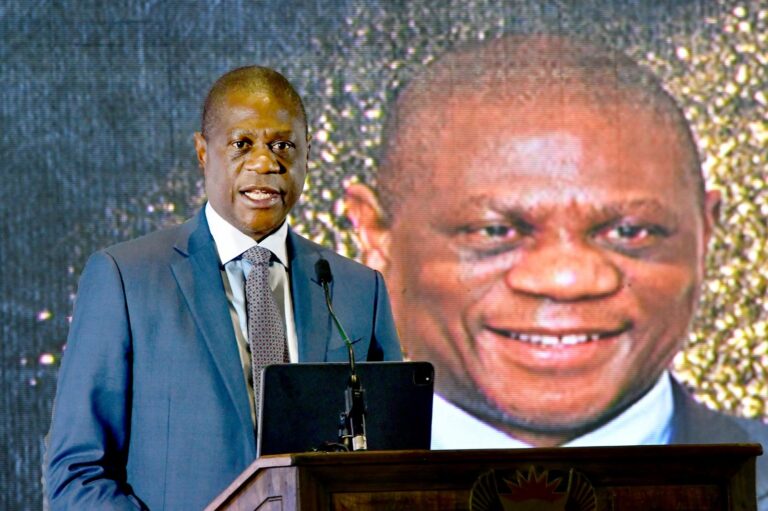
Deputy President Paul Mashatile launched the Indigenous Games during Heritage Day Commemoration at Princess Magogo Stadium, KwaMashu, Durban, on 24 September.

Joined by the Minister of Sport, Arts and Culture, Zizi Kodwa and MEC for Sports, Arts and Culture, UBab uMahlaba, the Premier of KZN Nomsa Dube-Ncube, Mashatile said sports has also been used as a vehicle to foster cohesion, peaceful coexistence and mutual solidarity in communities.

As part of the 2023 Heritage Month celebrations, the spotlight fell on South Africa’s rich and diverse cultural heritage, incorporating African, Asian, and European cultures and traditions.

Mashatile also launched the best indigenous games from all South African cultures, this festival being an example of the kind of initiatives that the Department of Arts and Culture prioritises towards its strategic objectives to preserve culture and heritage.

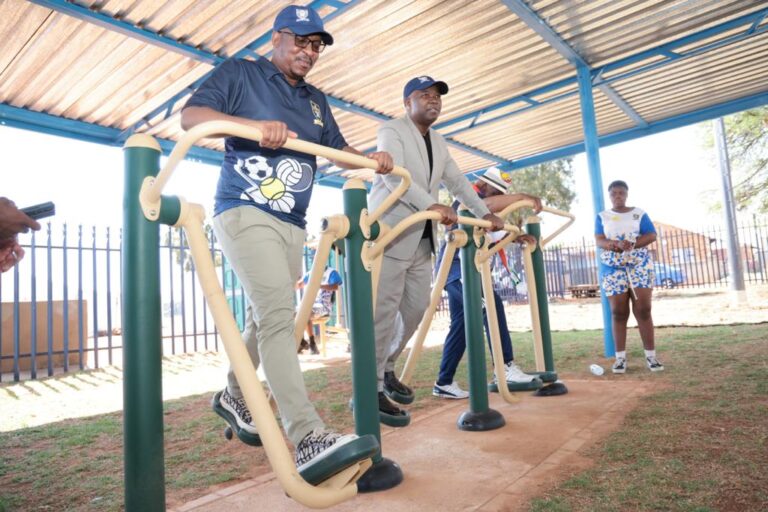
The indigenous games are taking place at Hoy Park, where we also have the Beautiful Things Craft Exhibition from the 24th – 29th of September.

“We are here to acknowledge and celebrate South Africa’s diverse heritage, which is being showcased and highlighted throughout September. Heritage Month holds immense cultural significance in South Africa, as it provides a platform for communities to celebrate and display their unique traditions, customs, and languages,” he said.

He said Heritage Month helps recognise the importance of cultural diversity in shaping national identity and fostering a sense of unity and belonging among all citizens. Indigenous languages were introduced in 2 400 schools to build social cohesion.

During this administration, sports have fostered cohesion, peaceful coexistence and mutual solidarity in our communities. 4 732 schools, hubs and clubs have been provided with equipment and attires, recording 332,053 people actively participating in sport and active recreation events arranged by the Department and provincial departments.

Despite the odds, several advances have been made regarding the inclusion and support of women in sports, the key to this being the support for their demands for equal pay for work of equal value.

Additionally, in addressing issues that affect women in our country, especially in the area of Gender Based Violence and Femicide, he added that the government has adopted a National Strategic Plan on Gender-Based Violence and Femicide (NSP GBVF) and has strengthened the response of our criminal justice system to GBVF, improving the support provided to survivors through legislative reform, increasing the number of places of safety and a range of other mechanisms.

“I, therefore, call upon all South Africans to not only embrace our culture, heritage and indigenous knowledge but also to safeguard the interests of the kind of future that we aspire for – a future rooted in democracy, social cohesion, economic prosperity and enhanced unity in our diversity.”

INSIDE EDUCATION
SPORTS CORNER: DBE, Sport map future at two-day Indaba

Edwin Naidu

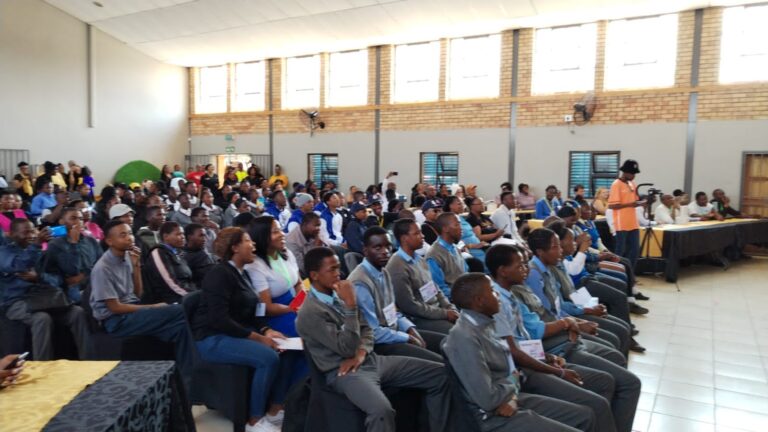
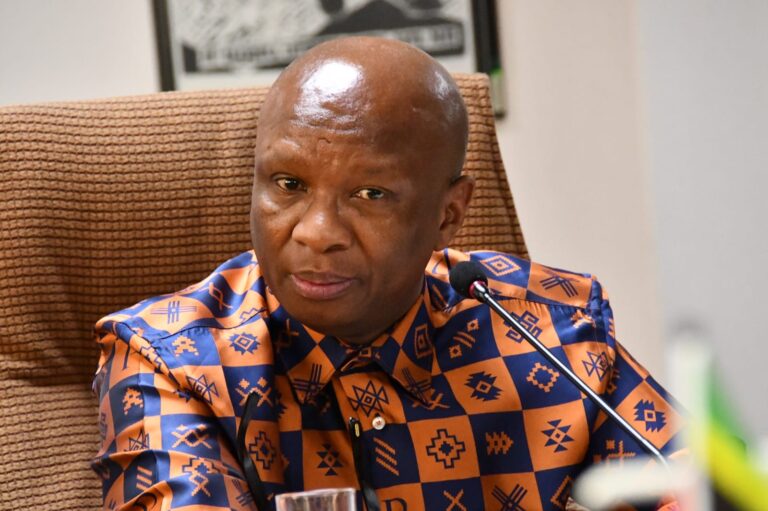
THE DBE and the Department of Sport, Arts and Culture (DSAC) organised a two-day Sports Indaba to engage representatives of teacher unions, sports federations, international bodies and governments on the future of the School Sports Programme in South Africa. 

The Minister of Sport, Arts and Culture, Zizi Kodwa, officially addressed the Indaba at Birchwood Hotel and OR Tambo Conference Centre on 14 September 2023. The DBE and the DSAC have identified the school sports programme as one of the critical levers to unleash sporting talents amongst learners at various phases of the schooling system. 

The Indaba was intended to unify the school sports sector and to develop a national programme for South Africa, benchmarked against the world’s most influential school sports programmes.

The Indaba further acknowledged the Government’s focus on grassroots sports development through early identification and nurturing of sporting talent in education.

Briefing the Indaba on the strides made by the DBE and the DSAC in terms of implementing the school sports programme, Sifiso Ngobese, Director for Sport and Enrichment in Education, said that the two departments have produced a draft implementation protocol, which focuses on 22 areas of cooperation. 

Physical Education is one of the vital areas of school sports currently offered as part of Life Orientation/Life Skills, a compulsory curriculum offering. 

Capacity-building programmes are also organised to support teachers and subject specialists with gaps identified in research reports. Although the two departments have successfully conducted sporting activities in schools ranging from Autumn to Summer Games, more is needed to promote mass participation in school sports.

The Indaba deliberated structured capacity-building programmes for teachers and the need to support teachers in implementing Physical Education. 

In his address, Kodwa reminded the Indaba that in November 2011, sports luminaries, activists, leaders, and administrators gathered at Gallagher Estate to chart a new way to transform South African sport. 

“For South Africa to realise the dream of a non-racial, non-sexist, equal, and democratic society, we needed the agency to design and implement a system predicated on a philosophy of, among other dimensions outlined in the Transformation Charter: the provision of sports infrastructure and facilities; breaking barriers to access; increasing participation; and promoting representation and equity. Over a decade has passed since 2011, and we gather here to take stock of the road travelled since adopting the National School Sports Programme”.

Kodwa added, “According to the EPG 2018 report, the School Sports competition system indicates three streams from which talent is identified and competition is staged: a Government-run school sport system; a model where former Model C schools and private schools compete and where most athletes are identified; and then there is a system which the Federations use to stage the tournaments and select national athletes. 

He said this system currently needs to be integrated and has challenges. The athletes competing in the Government-run school sports system are from 23,000 public schools, most of which are previously disadvantaged with poor or no sports facilities and no proper coaching support. The second group are athletes from the former Model-C schools, including private schools, which are adequately resourced with world-class sports facilities and proper coaching support. 

“As part of the Indaba, we must review and assess the School Sport Programme to map a way forward on policy directives to determine the role and responsibilities of various stakeholders to lay the foundation for reviewing the National Sport and Recreation Plan,” he said.

INSIDE EDUCATION

Children with disabilities need parental support and encouragement

Lerato Mbhiza

The second Intellectual Disability Awareness and Career Expo kicked off at Isipho Sethu LSEN School in Vosloorus on Wednesday where parents were urged to support their children living with disabilities.

The event focused on celebrating people with disabilities but also creating awareness on their challenges. And its aim was to contribute to the progressive fulfillment of the inclusion of persons with intellectual disabilities into the employment sector to increase their participation in the socio-economic environment.

The school representative, Diggan Mtshali, said parents need to support children with disabilities and he encouraged parents not to be ashamed of their children who have disabilities.

Mtshali said learners with disabilities faced a lot of challenges and some of the challenges include not having matric as some of the special schools don’t offer matric to the pupil. But he encouraged the learners to work hard and be patient with what they do.

The event was also a platform to motivate learners with disabilities, since they are at a higher risk of not getting exposure to the real world.

One of the former students of Isipho Sethu LSEN School, Phumzile Nguni, shared her emotional experience with the challenges that she encountered when exiting the school as a student with special needs.

“Coming from a special school, you need to know that the world is tougher out there, and people with disabilities will be judged from the outer cover. You need to be patient and strong when it comes to work”. 

Five schools were invited to discuss corporate career opportunities and what companies look for when attracting people with disabilities into their employment. Schools such as Dukathole LSEN School, Zimeleni LSEN School, Ezibeleni LSEN School, and Samson LSEN School attended the expo. 

More than 8 % of South African females and 6,5% of males are disabled, yet sourcing and accessing relevant skills within this marginalised sector remains a challenge.

One of the speakers, Sibusiso, from Hius Van Cofifi, said they work with the youth to help people with disabilities. 

“We help the youth develop skills, not just in making coffee but in basic skills, which will help them in their skills.”

“’HVC aims to promote and build opportunities for youth generations that will effectively together forge South Africa ahead through its youth revolution in coffee programs designed for secondary schools.

INSIDE EDUCATION 

Chiloane launched Khanya Lesedi Sports School of Specialisation

Lerato Mbhiza

Gauteng Education Department MEC Matome Chiloane has officially launched Khanya-Lesedi Sports School of Specialisation on Thursday at Ratanda, Heidelberg – the 27th School to be launched by the Department.

Khanya Lesedi, is a distinguished public school with a rich history of academic excellence, sports achievements, artistic endeavors, and social development. 

Established in January 1898, the school has consistently excelled in sports disciplines such as soccer, netball, and athletics, and it has proudly represented the Sedibeng cluster at the District, Provincial, National, and even International levels.

Chiloane said It is encouraging that students have the privilege of interacting with sports icons and legends who offer coaching clinics and guidance based on their respective sports.

“Community involvement is encouraged, allowing residents to access school facilities. This collaboration also holds the promise of revitalising the township economy, drawing spectators, and boosting local businesses as outside communities come to witness sporting events at the school,” said Chiloane.

The school is home to many of South Africa’s iconic athletes such as Emma Manana, who excelled in events like 800m, 1500m, and cross country for five consecutive years from 1990 to 1995, and John Tshabalala, an exceptional athlete in 5000m and cross country for a similar duration.

Given this remarkable track record, Khanya Lesedi has earned its status as a Sports School of Specialisation, providing students with opportunities to nurture their talents alongside academic pursuits.

The school features a real racing track through which learners can run various lengths of races, hurdles and marathons. Accessible at the school is also a tennis court, volleyball court, soccer pitch, basketball court, and various equipment that can be used for javelin, discus and long jump, among other athletic sports.

Chiloane said the school offers a specialised curriculum that extends beyond physical activities, incorporating scientific innovation in physical health.

INSIDE EDUCATION

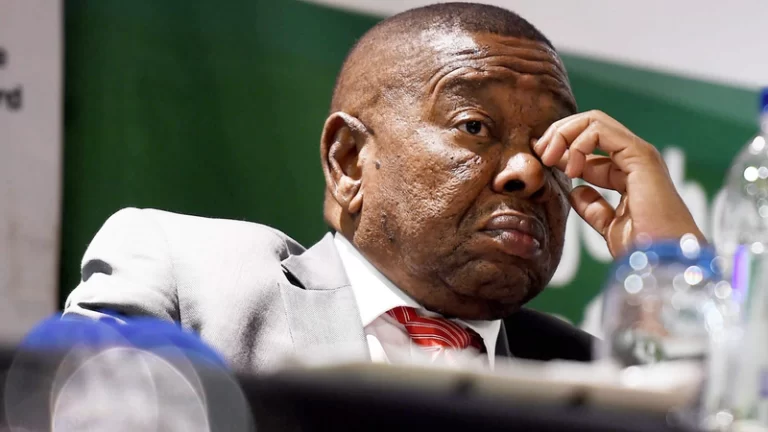
Nzimande and NSFAS a no-show in Portfolio Committee meeting

Johnathan Paoli

THE Portfolio Committee on Higher Education, Science and Innovation kicked off with chairperson Nompendulo Mkhatshwa, announcing the absence of officials from both the Department of Higher Education as well as NSFAS, saying that she had received three forms of communication requesting postponement in order to brief the committee on a more comprehensive plan in mid-October.

The committee was expected to hear submission on a turn-around strategy or plan to resolve the problems related to the new direct-payment system; delays in resolving student appeals and accreditation of student accommodation; plans to improve the information and communication technology (ICT) systems and plans to achieve day-zero of outstanding appeals and query resolution matters.

In addition, the committee was expected to hear from the service providers contracted by NSFAS, namely Tenet Technology, eZaga, Noracco Corporation and Coinvest Africa on their background and profile, contract with NSFAS, disbursement of allowances to students, challenges experienced and plans in place to address them.

DA MP Karabo Lerato Khakhau, expressed her concern over NSFAS’ and the department’s failure to appear before the committee, and said this undermined the important role of the committee and an illustration that the deliberations of this committee were not taken seriously.

“We are not a spaza shop, we as a committee do not run things happy go lucky, without the members taking their work seriously. This letter for me indicates that NSFAS does not know how to fix the mess they are in,” Khakhau said.

EFF MP Naledi Chirwa criticised the absence of the NSFAS representatives and the Minister as merely the recent step in a long line of disrespect both have shown to the committee, to parliament and to South African youth that are so dependent upon the deliberations and decisions undertaken on these platforms.

Following a committee meeting held earlier this month, the committee gave NSFAS a two-week deadline to present a plan for how it will resolve the issues raised in the meeting.

Earlier this month, NSFAS briefed the committee on its disbursement of allowances to students, the roll-out of its new direct-payment system, and its query system.

The student financial scheme has been facing criticism for its ongoing inadequacies, nonpayment and allegations of corruption.

Last month, NSFAS announced that its CEO, Andile Nongogo, had taken “a leave of absence” while the board investigated allegations against him related to his conduct in awarding bids at NSFAS.

According to the Organisation Undoing Tax Abuse (OUTA), NSFAS hired businesses without banking license registrations to handle direct payment to students, and these businesses charged much higher rates than commercial banks.

Last month, NSFAS acting CEO Masile Ramorwesi said that the fund had received 2.1-million applications from first-time and recurring applicants. Of these 24% were rejected; 2.4% withdrawn; 62% accepted; and 11.6% pending, largely due to missing information from students, third parties, or institutions.

The acting CEO said 45 927 students were disqualified for submitting falsified or fraudulent documents and confirmed that after NSFAS re-evaluated the applications, 14 703 applications were reinstated, while 31 224 remained disqualified.

Ramorwesi had previously said that NSFAS plans to resolve all internal appeals by 30 September and resolve appeals that are dependent on the student or institution by 30 October.

Following today, both NSFAS as well as the Department of Higher Education will have another opportunity scheduled to appear before the committee to present updates as well as the comprehensive plan that is seeking to engage the crisis underway.

INSIDE EDUCATION

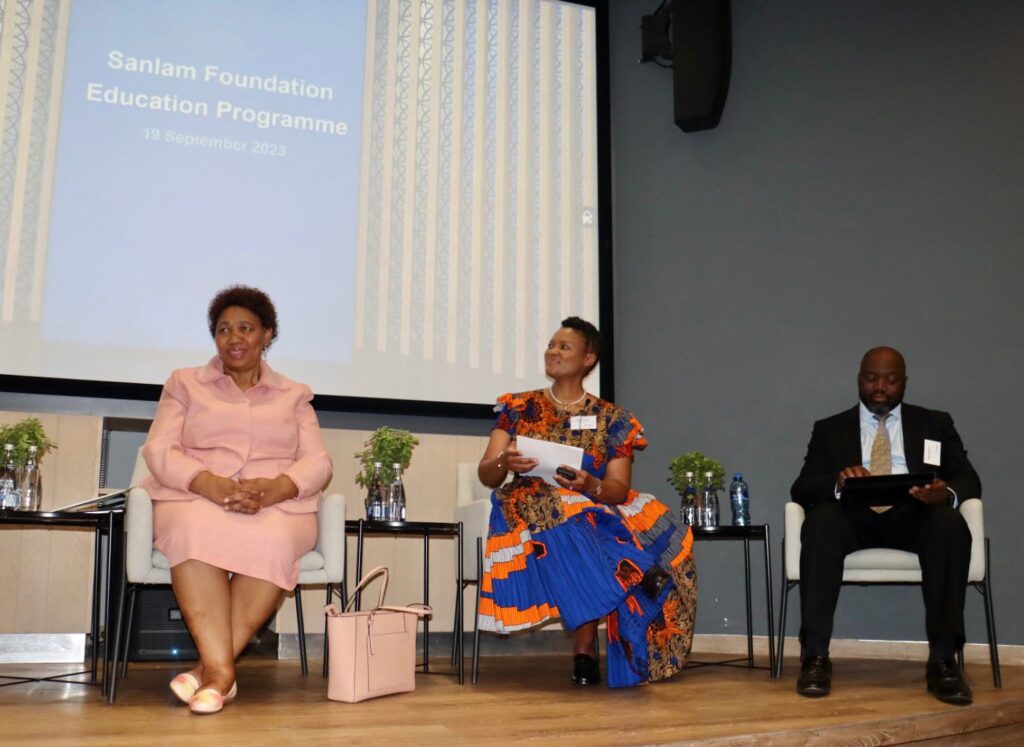
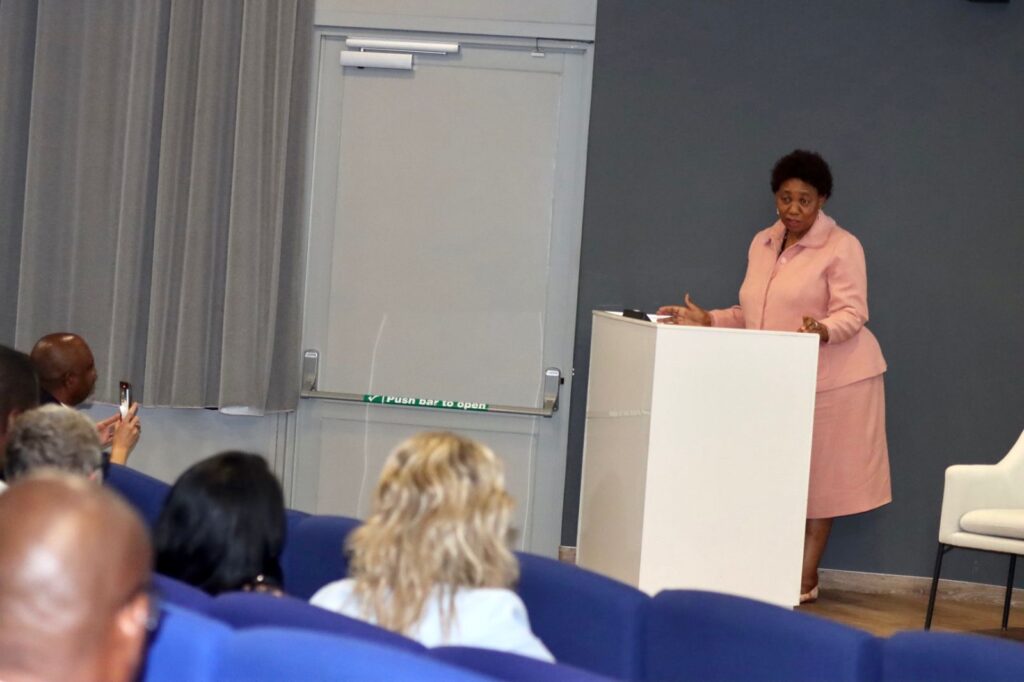
Motshekga launches the Sanlam Foundation Education Programme

Johnathan Paoli

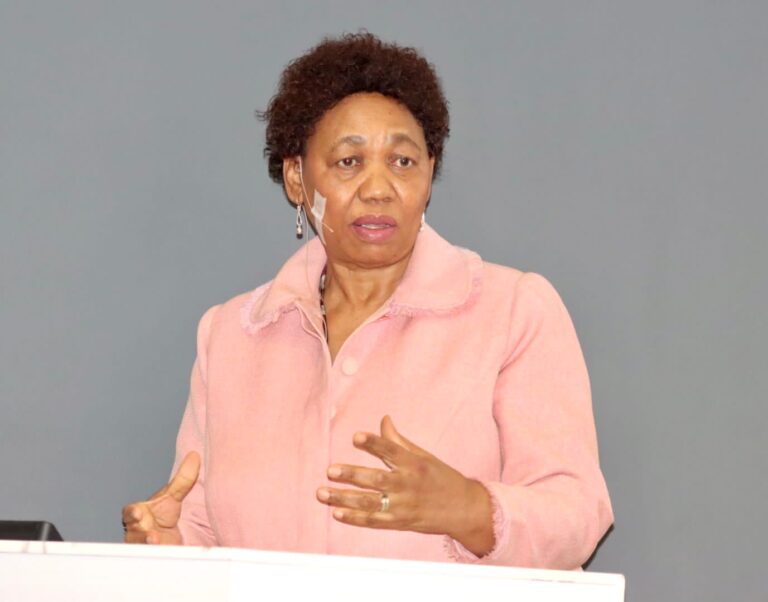
Minister of Basic Education Angie Motshekga on Tuesday launched the Sanlam Foundation Education Programme, an initiative by the Sanlam Foundation and aligned with the NDP 2030 as well the UN’s Sustainable Development Goals (SDGs).

The Minister was joined at the launch held in Sandton, Joburg by the Head of Sanlam Foundation Nozizwe Vundla including DBE and Sanlam Foundation officials.

The main intervention focus for the early childhood development (ECD) and primary school level, which represents the 3 – 9-year-old age group, is on numeracy, reading, and home language development; while for the secondary school level, the focus is on Science, Technology, Engineering and Mathematics (STEM), and Language (English as first additional language – EFAL).

Minister Motshekga said that one of the main aims was to foster an environment of lifelong learning aimed at sculpting learners equipped to navigate the demands of a 21st-century landscape while preserving the vibrant cultural tapestry that defines our nation and to invest in the communities in which they operate to help future generations live with confidence. 

“This joint venture seeks to uplift our educational landscape through systemic interventions targeted at quintile 1 to 3 schools, shaping platforms of learning that resonate with international standards and inclusivity,” Motshekga said. 

The programme is expected to reach 1,403 pupils and 40 teachers across 20 ECD centres and 14 primary schools in KwaZulu-Natal, Western Cape, Eastern Cape and Gauteng and will be scaled up and refined once Sanlam starts receiving monitoring and evaluation (M&E) data. 

Since 2011, the Sanlam Foundation has invested more than R652 million in education, financial literacy, health (HIV/AIDS), water security, enterprise and supplier development initiatives, and employee volunteerism.

Vundla said the programme is anchored by a theory of change and measurable outcomes that are regularly reported on and centred around important pillars which include nutrition, teacher and principal training to ensure robust numeracy and literacy skills are embedded early, prioritising the use of home languages, psycho-social support and robotics. 

“It’s a commitment for the long term through a pipeline approach, from ECD to primary and secondary school,” Vundla said.

INSIDE EDUCATION

Eminent TB scientist elected a Fellow of the prestigious Royal Society in South Africa.

Inside Education Reporter

Leading TB expert and eminent research scientist Professor Kogie Naidoo has been elected as a Fellow of the prestigious Royal Society in South Africa for her seminal research over three decades in TB-HIV co-infection and multidrug-resistant TB. 

Naidoo is among South Africa’s highly accomplished medical scientists playing a leading role in tuberculosis research, the leading cause of death in people living with HIV (PLWH) and has made significant contributions to the global understanding of TB-HIV treatment integration. 

The Royal Society of South Africa, a “learned society composed of eminent South African scientists and academics,” announced last week, following “rigorous consideration by the Society’s Adjudication Committee” and approval by the Council and current RSSAf Fellows. 

Naidoo, the Deputy Director and leads the HIV-TB treatment programme at the Centre for the AIDS Programme of South Africa (CAPRISA), said she was “honoured and deeply humbled by the recognition.” 

“My passion is to save lives through medical research and change the lives of vulnerable, marginalised populations most affected by tuberculosis, multidrug-resistant tuberculosis, and HIV.”

Born in Durban, she obtained her MBChB and PhD at the University of KwaZulu-Natal, where she is an honorary associate Professor in the College of Health Sciences and was among the first to implement public antiretroviral therapy (ART) services for people living with HIV over 25 years ago. 

Her research with her colleagues showed that starting antiretroviral treatment (ART) simultaneously with tuberculosis treatment resulted in a 56% lower death rate, saving the lives of patients with HIV-TB co-infection. This work led to the WHO advising that co-treatment would now be the standard of care for people with HIV and TB.

“Her research has shaped the development of international clinical guidelines and algorithms used in managing TB-HIV co-infection,” said Professor Salim Abdool Karim, Director of CAPRISA. 

“She leads several CAPRISA studies across multiple research sites to optimise innovative treatment strategies to reduce deaths in patients further co-infected with TB-HIV and HIV patients with drug-resistant TB.”

INSIDE EDUCATION

NWU academic speaks on the economic impact of the Rugby World Cup

INSIDE EDUCATION REPORTER

THE first shots of the IRB Rugby World Cup have been fired in France, titans have been sunk, changing rooms are rife with the walking wounded, and rugby fever is at the pitch.

But, the impact of the Rugby World Cup far exceeds entertaining crowds with breath-taking tries and eliciting jeers from aggrieved crowds for off-the-ball scuffles.

Numerous economic factors fluctuate with the fortunes of the respective teams.

“The economic aspects are, of course, diverse. It is a long tournament, and analysts have already warned that it can influence people’s productivity,” explains Prof Waldo Krugell, an economic expert at the Faculty of Economic and Management Sciences of the North-West University (NWU).

“With South Africa’s matches being played on Sundays, a win or a loss can cause an absence from work on Monday. However, the beer industry is unsure if that will be the case. Consumers struggle financially, and load-shedding means taverns cannot always keep the beer cold. Where people are wary of crime, they may not leave the house to watch matches, dampening spending,” says Krugell.

“Internationally, much research has also been done on the influence of sports sentiment on the stock market. When a country’s team loses, investors are somewhat depressed, and the next day is often a bad one on the stock exchange. The research has found that this is true for the FIFA World Cup and international cricket and rugby matches.

“Other research, in turn, looked at what happens to the stock prices of the big sponsors. Regarding the PGA golf tour and American NASCAR Cup races, sponsors’ stocks do better for the duration of the competition,” Krugell explains.

INSIDE EDUCATION

Policy Dialogue on School Dropout of Young Girls During Pregnancy and Postpartum Period

Staff Reporter

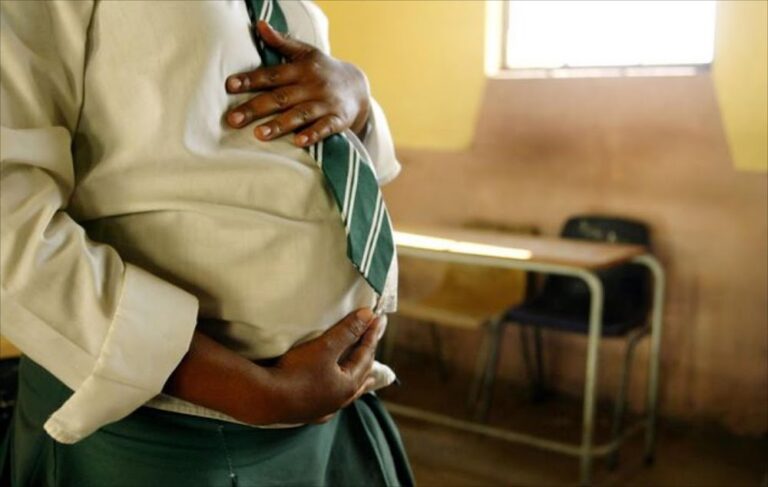
THE Commission for Gender Equality (CGE) has begun a policy dialogue on School Dropout of Adolescent Girls during Pregnancy and in the Postpartum Period. 

The dialogue is informed by CGE’s recently published research report exploring reasons for school dropout by adolescent girls during pregnancy and postpartum. The research study investigated the social, cultural, legislative, and economic factors that pose barriers to school attendance by teenage girls during pregnancy and after birth. 

This research was conducted in three provinces with the highest prevalence of adolescent pregnancy, i.e., KwaZulu-Natal, Eastern Cape, and Limpopo. The policy dialogues will engage key stakeholders to communicate the research findings and recommendations. 

The KZN policy dialogue was held on 8 September, Limpopo on 15 September, and the remaining discussion will occur in the Eastern Cape on Venue on 22 September 2023. 

INSIDE EDUCATION

Passionate Soweto teacher sets up a centre to help learners ace mathematics

Prashwin Naidu

Long-serving teacher Mlungisi Nkosi has a passion for education. The mathematician and award-winning educator has recently turned his dream of making STEM education accessible to all into reality with the Mlungisi Nkosi Maths & Science Centre in Northriding, Randburg.

Soweto-born Nkosi has been a teacher for 15 years. He says the idea for the centre has been with him for at least 13 years. 

The centre assists learners from grades 8 to 12 with Maths, Science, and Coding tutoring and career guidance aligned with STEM. The focus is on students who have yet to perform well, although students seeking extra lessons are welcome. 

Matric students can access exam preparation classes, while post-matric students can take upgrade classes to enhance their performance.

“I truly believe that anyone can excel in mathematics and physics. I work extensively 

with my learners to help them believe in their capabilities,” says Nkosi.

Nkosi was recently honoured with the Outstanding Educational Influencer award at the AKS Global Teaching Awards in Dubai. His educational content creation on the social media platform YouTube began in 2020 in response to the challenges faced by students during the global coronavirus pandemic.

Nkosi has garnered over 160,000 subscribers to his channel, where he focuses on innovative approaches to assist learners in comprehending Mathematics and Physical Science. The track has resonated with his audience and has aided many students in mastering and destigmatising these subjects. His philosophy of “individuals before content” ensures no learner is left behind, earning him views from across the country and beyond.

The passion for mathematics and physical science begins with cultivating a relationship with the individual. Acknowledging their potential and employing relatable teaching models significantly contributes to the teaching process,” says Nkosi. His strategy involves not making assumptions when tutoring on his channel; he often starts by revising concepts from grade 10 for his Matric preparation classes, ensuring his audience is comfortable with Matric-level concepts.

The dream of the maths and physics centre has become a reality for Nkosi and his team. Many students wish to benefit from the centre but need help. Nkosi welcomes donations from individuals and corporations interested in sponsoring struggling students. 

His former students sparked the idea and approached him about paying forward the education they received to help another student.

“I imagine there are people who can and would like to contribute by offering their time, sharing advice, discussing their journey, and sharing wisdom in the field of STEM. We also welcome assistance in leadership and career guidance,” adds Nkosi.

INSIDE EDUCATION