Home Blog Page 195

Teachers must play a greater role in addressing bullying – Unesco

Staff Reporter

THE Education Sector Committee of the National Commission for UNESCO in South Africa, in collaboration with the Faculty of Education at the University of Johannesburg (UJ) and JET Education Services, hosted their 5th Teacher Conversation Webinar recently.

The conversation took place with three award winning South African teachers who were finalists of the Global Teacher Prize, a US $1 million award presented annually by the Varkey Foundation to an exceptional teacher who has made an outstanding contribution to their profession. These teachers shared their journeys, including their joys and struggles, and how they dealt with obstacles.

Palesa Tyobeka, Chairperson of the Education Sector Committee of the SA National Commission for UNESCO, spoke of the importance of teachers in society. She said knowledge and education are the basis for all things that can be accomplished in life; and teachers provide the power of education to youth thereby giving them the possibility for a better future, Teachers simplify the complex, and make abstract concepts accessible to students. She further said the centrality of teachers is showing through more in themes for Global UNESCO initiatives. The theme for World Teachers’ Day 2023 for instance is “The Transformation of Education Begins with Teachers” and for the focus on dealing with violence and bullying it is: “Not on my watch: the role of teachers in preventing and addressing school violence.”

Again, demonstrates the centrality of teachers not only in the education endeavour but in the broader development of communities. The Teacher Conversations assist in creating a platform for teachers to share and learn from each other as they grow in their profession. Tyobeka congratulated the organisers of the Conversation Series for paying attention to matters of inclusion by ensuring that there are sign language interpreters in the Conversations, particularly in light of the declaration of Sign Language as the 12th South African Language.

Prof Sarah Gravett, Professor of Education and former Dean of the Faculty of Education at UJ, facilitated the conversation by introducing the three South African teachers who were among the top 50 finalists in the Varkey Foundation’s Global Teacher Prize and were asked to share their journeys with fellow teachers and educationists.

Phuti Ragophala, a retired school principal, who grew up in rural Limpopo, wanted to become a nurse, but became a qualified teacher instead – journeying from a learner under a tree to a Cloud teacher. Ragophala is a Microsoft Innovative Expert Educator, pioneering the integration of technology in the classroom, and has received many awards in recognition of her achievements.

“Teachers can redefine teaching and learning through technology and should embrace the importance of continued and lifelong learning; they should be willing to take risks and use stumbling blocks as stepping stones,” Ragophala said.

Wendy Horn, District Director for Education in the Western Cape Province, feels that her current position assists her to give back to education by uplifting schools and assisting teachers and principals in unblocking bottlenecks.

Horn, a beneficiary of Government’s Funza Lushaka bursary which seeks to attract quality matriculants to train as teachers in scarce skills areas, went on to win in two National Teaching Awards (NTAs) categories. She is passionate about Science, Technology, Coding and Robotics, and about empowering girls to become global leaders in these fields through participating in international championships.

Horn sees the need to develop critical and analytical thinkers with good critical thinking skills, for them to collaborate across different cultural groupings in a world that is shrinking with the use of social media platforms and the Internet.

Marjorie Brown finished in the Top 10 of the Global Teacher Prize. She is a former human rights activist, teaching History to girls in South Africa and encouraging social justice, critical thinking, and global citizenship. Her students have gone on to represent South Africa at youth forums, the Paris Climate Talks, and various Ivy League universities.

She also started and still leads the Kids Lit in SA programme, devoted to improving children’s literacy. This international competition was founded 26 years ago. South Africa has won three times over the past 13 years, despite it being the poorest country to participate. “Teachers must understand the context of learners to understand their challenges. There is a lack of literacy, reading skills and social entrepreneurial programmes. Education is about humans engaging with each other, more than with just textbooks.”

In conclusion, Dr James Keevy, JET CEO, reminded delegates about the South African Council for Educators’ (SACE’s) professional teaching standards for South African teachers, consisting of ten standards that are necessary and interlinking components of professional practice.

Teachers who are well-trained, supported and valued are essential to ensuring quality education for all and achieving UNESCO’s Sustainable Development Goals (SDG) 4, towards quality education.

For this reason, the 2023 World Teacher’s Day theme, “The transformation of Education starts with teachers”, is applicable to all teachers and not only those attending the Teacher Conversation Webinar.

INSIDE EDUCATION
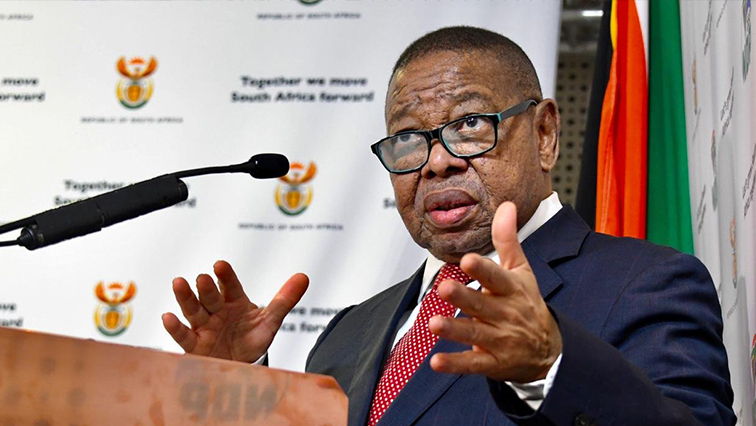
Minister Launches National Plan for Post-School Education and Training

Staff Reporter

THE National Plan for Post-School Education and Training (NPPSET) is a roadmap for implementing the vision of the White Paper for Post-School Education and Training (WP-PSET).

Speaking during the launch last Thursday, Minster of Higher Education, Science and Innovation, Dr Blade Nzimande, said it was framed within the broader goals and priorities of the National Development Plan (NDP), which foregrounds the national efforts to address the triple challenges of unemployment, inequality, and poverty.

“It is an overarching instrument and a blueprint for guiding planning in our PSET sector. It aligns and integrates the work that is already underway and provides a policy framework for major transformative changes the Government wants to bring about across the PSET system and its nexus with society and the economy,” Nzimande said.

The National Plan for Post School Education and Training has six goals which are the drivers for the system.

The drivers seek to achieve the following:
• An integrated, coordinated and articulated PSET system;
• • Expanded access to PSET opportunities;
• • A responsive PSET system, with appropriate size and shape;
• • Improved relations between education and training institutions and
the world of work;
• • Improved quality of PSET provision; and
• • Improved efficiency and success of the PSET system
While the plan is already in implementation, it was formally introduced to the entire sector and the public on 7 September.

“Our launch of the Plan showcases the government’s continuous effort towards achieving an improved, transformed, expanded, responsive and articulated Post-School Education and Training (PSET),” Nzimande said.

The Department of Higher Education and Training has the single largest number of entities of all the national government departments, with over 110 departments making South Africa’s PSET sector one of the biggest in Africa.

When the Sixth Administration took over in 2019, Nzimande said spending on education as a proportion of overall government expenditure was 22.7% in 2019/20 and 7.2% of Gross Domestic Product (GDP), far exceeding the benchmarks set by UNESCO, which recommends allocating 15-20% of public spending to education and 4-6% of GDP to education.

“As we draw closer to the end of the Administration, this trajectory is continuing,” he said.

In 2021/22 he added that spending on education as a proportion of overall government expenditure was 22.6% and Gross Domestic Product (GDP) at 6.4% which continues to exceed the UNESCO benchmarks.

“This shows that the South African government continues to spend a large share of its national budget on education (both schooling and post-schooling). Our main challenge is to maximise the impact of this progressive educational investment,” Nzimande added.

In the quest to expand access to PSET opportunities various funding streams which include the National Skills Fund (NSF), the National Financial Aid Scheme (NSFAS), the National Research Foundation (NRF), the National Institute for Human and Social Sciences (NIHSS), Sector Education and Training Authorities (SETAs) and the International Scholarships Programme have been introduced.

On student funding the Minister said he will be submitting a clear proposal on a Comprehensive Student Funding Policy to Cabinet before the end of the year. This follows extensive consultations with financial institutions, student organizations, university and TVET College leaders, and international benchmarking.

“Through this we aim to introduce measures to specifically support categories of students in the so-called ‘missing middle’ income groups who are unable to access NSFAS funding.”

When NSFAS began in 1991, it had a budget of R21.4 million for the first cohort of about 7000 students. “We are proud to say that NSFAS is currently funding 1.1 million students with a budget allocation of R47,6 billion in the 2023 academic year,” Nzimande said.
Of this amount, universities have been allocated R38.6 billion and TVET Colleges R8.9 billion for the first time passing the one million mark. In 2023, SASSA beneficiaries account for 49% of the funded students in 2023.

“As we release the Plan today, I am confident that it will take the confidence of the people of South Africa in the country’s post-schooling system to the next level,” he said.

INSIDE EDUCATION

Bilateral agreement with Cuba to train teachers in SA

Staff Reporter

A Cuban delegation spent time in South Africa earlier this month to monitor the training of local teachers in Mathematics and Science.

Following the bilateral agreement between the Department of Basic Education and the Ministry of Education of Cuba in 2016, a monitoring visit by a delegation from Cuba took place from 28 August to 1 September 2023.

As part of the agreement Cuba provided skilled Mathematics and Science specialists to assist in developing training programmes and materials that will benefit subject advisors and teachers to effectively use the Mathematics and Science teaching methods from Cuba.

“What we are tracking is the extent to which more learners can better understand the areas of Mathematics that have been covered and more importantly, how we can increase the number of learners who take up Mathematics, along with the number of teachers who are able to, after the training, improve on the outputs of teaching Mathematics to improve the learners’ performance in this subject,” said Deputy Director-General, Simoné Geyer.

Geyer added that further deliberations were underway to ascertain how Cuba and South Africa can work together to improve teaching in areas such as Early Childhood Development (ECD) and technical subjects that are taught in focus schools.

As a way forward, the Cuban delegation will look at the type of support required for the Cuban specialists who are already assisting in South Africa and how best they can be supported in ensuring that the outcomes of the bilateral agreement are met, and that they are adding value to the South African context of how Mathematics and Science can be taught.

The delegation also visited KwaZulu-Natal and the Free State Provinces, where they received first-hand experience on how the Cuban team is assisting in running teacher training workshops, Professional Learning Communities (PLCs) and providing direct support to learners.

The monitoring visit concluded with a debriefing session to ascertain the progress that has been made by the Cuban specialists in these subject areas.

INSIDE EDUCATION

3000 Solar Installation Technicians to resume training

Lerato Mbhiza

Gauteng Premier Panyaza Lesufi said close to 3 000 additional technicians will resume training sessions in a few weeks time. 

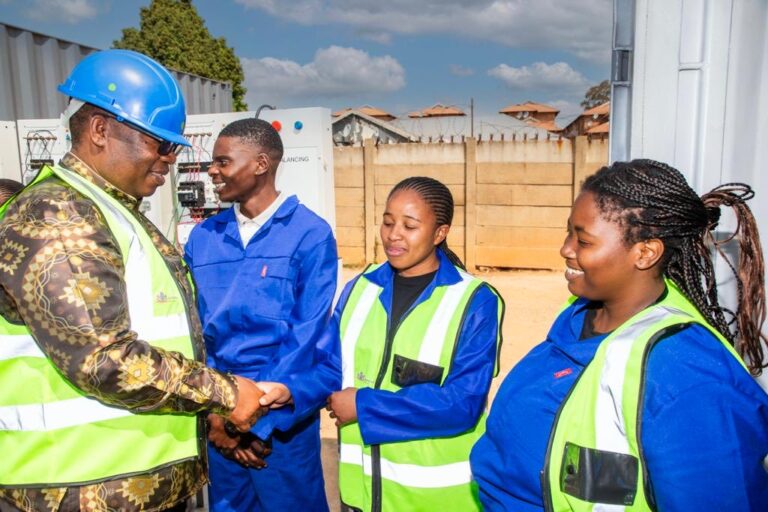
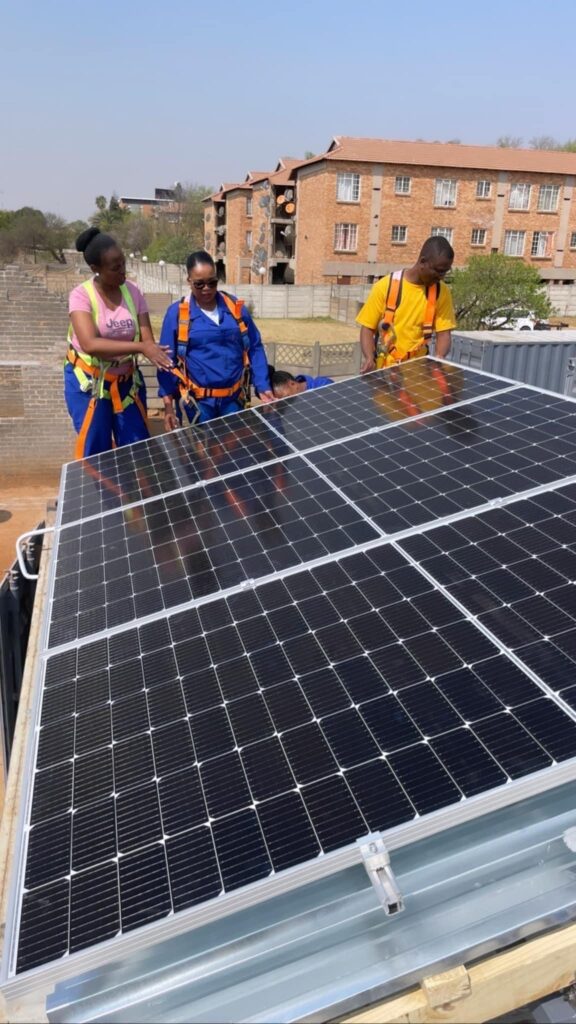
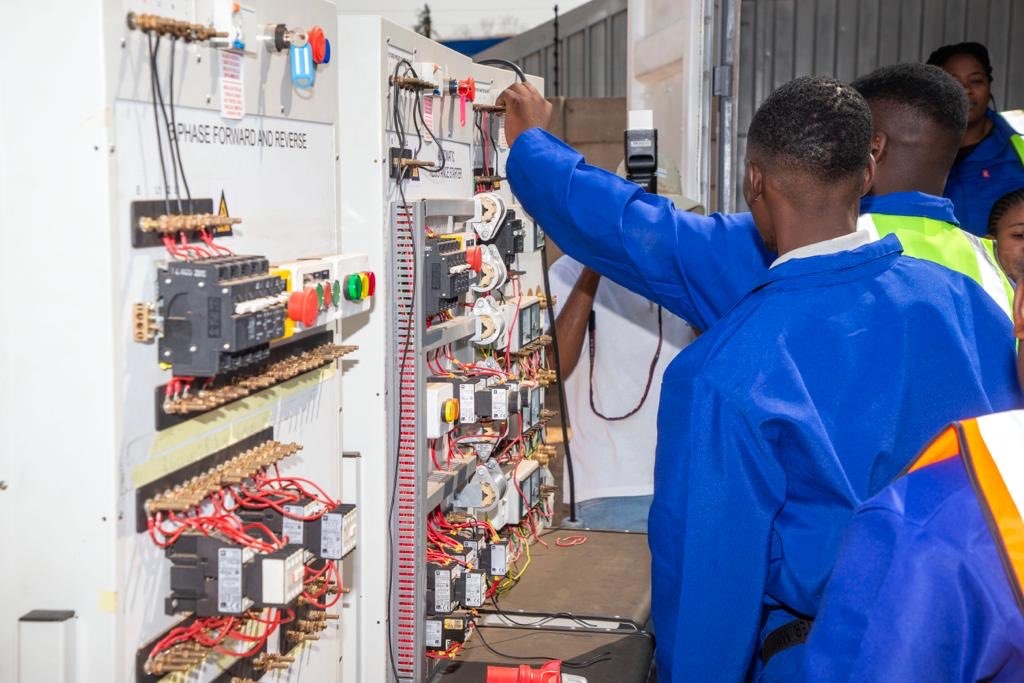
Lesufi joined MEC Matome Chiloane on Wednesday for an oversight visit at Denel Kempton Park Campus where more Solar Technician trainees from the 1st cohort are undergoing theoretical and practical training.

Lesufi said he had the honour to visit the Solar Installation Technicians in training and said there are still close to 3 000 additional technicians that must resume their training sessions in a few weeks’ time.

Chiloane addressed the Solar Technician trainees at Denel Kempton Park Campus and said the programme aims to go beyond addressing load shedding by nurturing specialists in renewable energy, thereby making a positive contribution to the economy. 

The department said the Solar Technician trainees will undergo both theory and practical training. Their training programme will provide them with additional skills beyond solar installation, enabling them to become operators, solar electricians or even open their own businesses.

“We are excited to have welcomed the first cohort of Solar Technicians trainees in Gauteng. These are young men and women who will usher in a new era of green energy and renewable energy in the province,” said Chiloane. 

One of the trainees Gordon Mogale (24) from Hammanskraal said he applied for the job because he’s interested in solar panel installation. 

He is part of the 1st cohort of Solar Technician Programme candidates training at Ekurhuleni Artisans & Skills Training Centre at Kempton Park.

INSIDE EDUCATION

Gauteng Education MEC says Grade 1 and 8 online admissions process is a success

Gauteng Department of Education (GDE) has announced that the 2024 online admissions application period has been a success with 757 075 Grade 1 and Grade 8 applications processed.

 “This translates into a total of 324 756 Grade 1 applications and 432 219 Grade 8 applications. This success can be attributed to system improvements over the years, which is necessitated by continuous stakeholder engagements and technological advancements,” said MEC Matome Chiloane.

The application period ran from 15 June to 21 July 2023.

“We wish to announce that the 2024 Online Admissions Placement Period for Grade 1 and 8 will begin on 4 September 2023 and will continue throughout the remainder of the year until all learners are placed,” the MEC added.

From Monday, 4 September 2023, parents and guardians with complete applications will receive SMSes with placement offers to the contact numbers they used when applying. 

INSIDE EDUCATION

Gauteng Premier and Sports Minister handover Multipurpose Sports Court to Lofentse Girls High School in Orlando

Phuti Mosomane

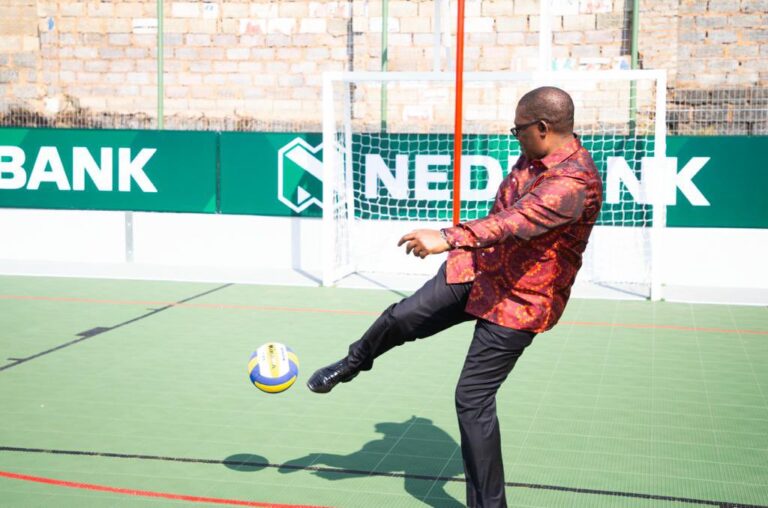
Gauteng Premier Panyaza Lesufi and the Department of Sport, Arts and Culture Minister Zizi Kodwa handed over the Pitso Mosimane Multipurpose Sports Court at Lofentse Girls’ High School in Orlando East on Tuesday.

This handover was conducted on behalf of Orlando Pirates Football Club, the winners of the 2022/2023 Nedbank Cup.

The multipurpose sports court was made possible through a partnership between Nedbank and The Sports Trust.

“It is significant that this handover takes place as the government mobilises stakeholders to deepen investment in women and grassroots sports development,” Kodwa said.

The department of Basic Education said the Multipurpose Sports Court handover ceremony serves as a platform to introduce and celebrate the profound impact of sports within schools and communities.

Kodwa said the former Bafana Bafana coach, Mosimane has raised the bar for football coaches in and outside of South Africa. 

“The multipurpose sports court unveiled in his name today at Lofentse Girls’ High School promises not only to benefit the school, but the wider Orlando community.

“The Pitso Mosimane Multipurpose Sports Court is an example of what is needed to help identify and nurture sporting talent. We need to see more of these facilities being built in rural and township communities. Well done Nedbank,” he said.

Lesufi thanked ⁦Nedbank⁩, Pitso Mosimane Soccer School and ⁦Orlando Pirates⁩ “for this amazing sports field investment in our township school.

“Our communities must protect this valuable resource.”

The school kit was distributed to the following schools: Lofentse Girls High School, Bona Secondary School, Zifuneleni Junior Secondary School, Orlando High School, Selelekela High School and Job Rathebe Secondary School.

Lesufi was also joined by Gauteng Education MEC Matome Chiloane in the ceremony. 

Chiloane said that the launch aligns with Gauteng Province’s commitment to promote active schools and create future sport stars.

“Today, we were privileged to participate in the handover of the Pitso Mosimane Soccer School Sports Court at Lofentse Girls High School. We strongly advocate for active learners at schools and take immense pride in sports legends like Coach Mosimane aligning with our vision,” Chiloane added.

INSIDE EDUCATION

Pendulum Swings Back to Universities, says Manamela

Johnathan Paoli

Deputy Minister of Higher Education, Science and Innovation, Buti Manamela, praised the recent think thank gathering regarding a perspective, aimed towards the future, specifically centering around the role of universities.

“The world is facing four major transformations- and they are all occurring at once. They are economic, including the dramatic decarbonisation of industry; technological, due to the merging of the digital and physical worlds and embedding of AI; geopolitical, driven by the shift from a unipolar to multipolar environment; and social, as citizens cope with massive changes and sometimes conflicting values,” deputy minister Manamela said.

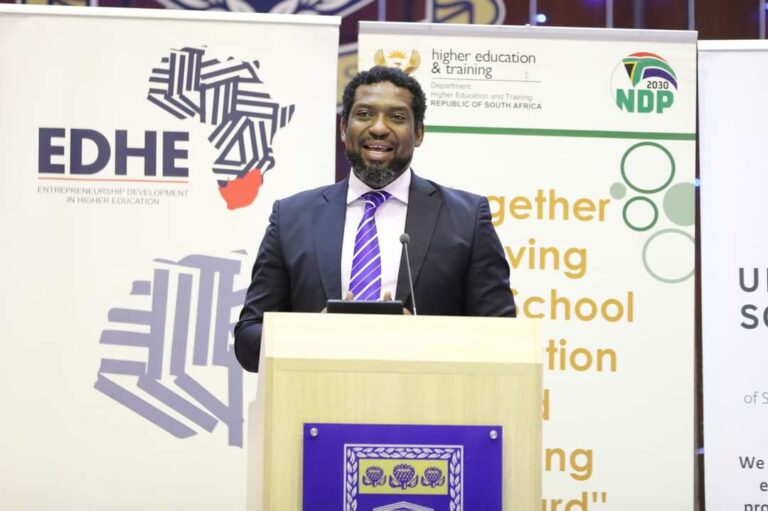
Manamela was attending the EDHE Lekgotla and Studentpreneurs Indaba 2023, held at the University of the Western Cape on Monday.

In opening remarks to the Indaba, the deputy minister addressed the need to keep up with changes in relation to technology, social medial and the world at large.

Praising the role of universities in not only updating current scholastic frameworks but more importantly facilitating new technologies and opportunities for employment.

This follows on a recent shift away from universities towards a concentration upon TVET colleges, and what some have felt to be a neglect of the potential of new technologies and forms of entrepreneurship emanating from university level knowledge production.

“The heart of the EDHE programme is the task of helping us to find ways of making better use of the knowledge that our universities produce so that we can produce policy and institutional mechanisms that will extricate the economically marginalised sections our society such as young people, women, and rural communities from the trap of poverty, unemployment, and inequality,” Manamela said.

The deputy minister said that these discussion and pooling of intellectual and other forms of knowledge resources remains in line with the facilitation of a conducive platform for the sharing of good practices and emerging initiatives in university entrepreneurship.

INSIDE POLITICS

DG expresses concern over mathematics performance

Staff Reporter

Basic Education Director-General, Mathanzima Mweli, this week, concluded the Western Cape and Free State leg of his national Reading Literacy engagements.

DG Mweli, together with his team of senior managers from the DBE, convened the engagements with district and provincial officials, primary and high school principals. The engagements, which took place from 28 August 2023 to 01 September 2023, commenced in George, Cape Town and proceeded to Bethlehem, Bloemfontein and lastly, Kroonstad to capacitate officials on the effective implementation of reading strategies and to increase support for the Class of 2023 to improve learning outcomes.

Mweli encouraged officials from both provinces to implement effective strategies, to strengthen learner support programmes for all grades, to lead to an education and training system of the highest quality through significantly improved learning outcomes as the National Development plan enjoins us to do.

“The Mathematics results in our country are very concerning and principals should ensure that teachers provide adequate support to struggling learners, in Mathematics and Languages in particular.”

In his presentation, Seliki Tlhabane, Chief Director for Mathematics, Science and Technology and Curriculum Enhancement Programmes, stated that Mathematics is not performing well, therefore the Basic Education Sector requires resources to improve learning outcomes of the subject: For too long our performance in Mathematics has been very low, both in the General Education and Training (GET), as well as Further Education and Training (FET) Bands.

He also emphasized that the Curriculum is structured in such a way that it is accessible to all learners, for instance there is low order content (Cognitive levels 1&2), Medium order content (Cognitive level 3), and High order content (Cognitive level 4).

All teachers should be able to teach learners well to at least do very well in Cognitive levels 1 and 2. 

He also emphasized the need for extensive monitoring by School Principals and School Management Teams.

The National and Provincial Education Departments will provide additional support to schools to ensure that struggling learners are given adequate resources and support through various intervention programmes.

In her presentation on leading basic school functionality from the front, Agnes Rasesemola, former principal of Sunrise View Secondary School in the North West Province, in sharing her journey as a School Principal concluded her presentation by making the following observations: “Control is an illusion; We need to focus on influence rather than control”; “Let us be Selfless: Serving is Leadership”; “Let us be the Thermostat of Positive School Culture”; Let us be accountable to our Teachers”; “Let us be the Cheerleaders and Praise our staff”; “The cow does not give milk, you have to milk it”

INSIDE EDUCATION

UKZN leads the charge against Gender-Based Violence

Staff Reporter

The University of KwaZulu-Natal (UKZN) has announced key strategic interventions expected to bring about significant change in the fight against Sexual and Gender-Based Violence (SGVB).

The University is appointing a central strategic coordinator for SGBV response, has established a specialised SGBV Investigations Unit and plans to roll out an innovative Social Justice Educational Module, which will be compulsory for all students.

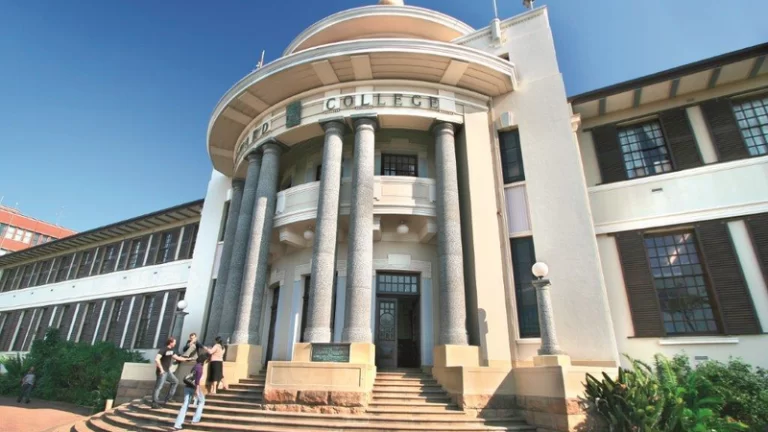
The announcement was made at a recent GBV Awareness Panel Discussion held on the UKZN Howard College Campus.

Executive Director for Corporate Relations at UKZN, Normah Zondo said the SGBV response official will be central in shaping and implementing the University’s comprehensive approach, focusing on enforcing accountability measures, enhancing preventive systems, and bolstering existing support and response mechanisms.

“This appointment is critical in instituting a zero-tolerance policy on SGBV across all university campuses. The coordinator will also oversee the revision of existing SGBV-related policies and manage systems for the monitoring, evaluating, and tracking of reported cases,” said Zondo.

The newly established SGBV Investigations Unit will prioritise maintaining the confidentiality of cases and ensuring the prevention of secondary victimisation for victims of SGBV. Ms Zinhle Dlamini from the University’s Risk Management Services spoke on the operations of the unit and support systems available to students.

The UKZN Gender-Based Violence Committee Chairperson, Dr Janine Hicks spoke on the Committee’s efforts to respond to GBV against students in Higher Education. 

“The University has been working hard to ensure that students are heard and that our GBV policies at UKZN align with the government’s response. We are delighted to have this institutional response to GBV!”

One of the speakers on the panel, Advocate Mzo Rusi, who heads the Sexual Offences and Community Affairs (SOCA) unit of the National Prosecuting Authority in KZN, explained the motivation for the establishment of the SOCA unit and Thuthuzela Care Centres, which prioritises on sexual offence matters. 

He provided information on the services at these centres and advised on the many essential measures and protocols for reporting a GBV case.

Chairperson of the UKZN ‘Men of Virtue’ project, Sanele Zuma, said that as much as men are perpetrators, some are also victims of GBV. He highlighted some of the work ‘Men of Virtue’ are doing to bring them on board as partners in the GBV response, which includes dialogues and psychoeducation on topics such as consent.

The panel responded to questions from the audience, many of whom opened up about their own personal experiences with GBV and the poor service or lack of response they’d received from the authorities placed to protect and support them.

INSIDE EDUCATION

DBE and President host Presidential Young Men and Boys Indaba at Maponya Mall

Staff Reporter

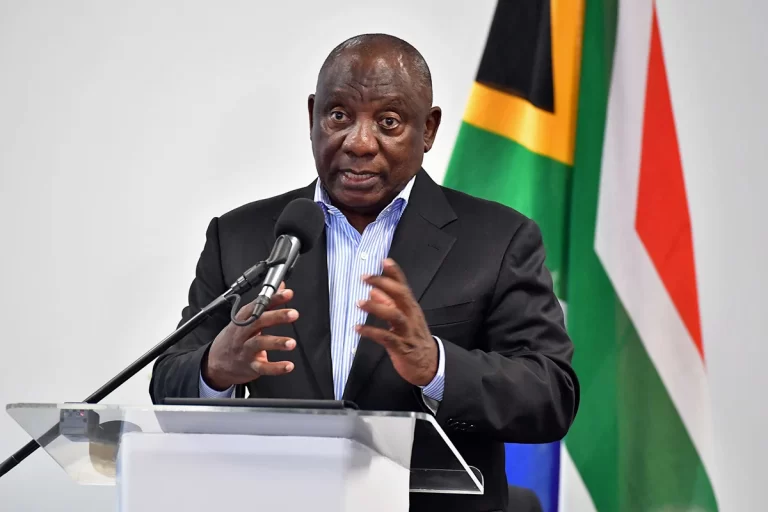
President Cyril Ramaphosa delivered the keynote address during the Presidential Young Men and Boys Indaba that took place at the Maponya Mall in Soweto last week.

The Department of Basic Education collaborated with Primestars and SterKinekor for the screening of the “What about the Boys?” film and subsequent dialogue for young men and boys to become part of South Africa’s journey towards a society free from Gender-Based Violence (GBV).

DBE’s Director for Social Cohesion and Equity in Education, Likho Bottoman, explained that, “the young men’s dialogue was an open and honest conversation about what contributes to violence against women and girls, discussing patriarchal attitudes and practices for toxic masculinity to be challenged, as well as the influence of culture and media depictions of men and women to ensure that men and boys are not left behind, but become part of the solution. It is an intentional effort of the sector to create safe spaces for boys to confront their own vulnerabilities”.

During his address, President Ramaphosa said that, “there is a crisis in society; that crisis is violence against women and girls; violence that men perpetrate. Because it is men who are responsible for this scourge, men need to be part of bringing it to an end. We are encouraged that we have with us today young men from different parts of our country who have stood up and said yes, we want to be part of bringing about change. There must be an open and honest conversation about what contributes to violence against women and girls. We need to talk about patriarchal attitudes and practices. We need to challenge toxic masculinity, which is the idea that being a man means one must dominate and demean women. We must talk about the influence of culture and media depictions of men and women”.

President Ramaphosa referred to the pressure faced by SA men within families, in relationships, with friends, at school and in peer groups due to social ills and other challenges. 

Many young men may not have positive role models due to absent fathers, whilst others face pressure to become sexually active when they are not ready to, or to engage in unsafe sex practices, leading to teenage pregnancies, the spread of HIV and sexually transmitted infections. 

“We need to talk about sexuality in general, about stigma, bullying and even violence against gay or gender non-conforming young men. This is a problem in many of our communities.”

Basic Education Minister, Angie Motshekga and Basic Education Deputy Minister, Dr Reginah Mhaule, also voiced their gratitude towards the initiative. 

“The programme focuses on reimagining and reinvent masculinities in sensitive, kind, respectful, accountable, expressive and nurturing ways. It is about working with young men and boys through theatres of learning to influence how they view themselves and the kinds of men that they grow into”.

The event was attended by Primestars Managing Director Martin Sweet, Gauteng Premier Mr Panyaza Lesufi, Gauteng MEC for Education, Matome Chiloane, Junior Mayor of the City of Johannesburg, Arabile Maphiri and representatives of civil society and business in collaboration towards raising a nation of good men.

More engagements of this nature are intended to take place in provinces towards developmental and integrated gender empowerment social programming for young men and boys.

INSIDE EDUCATION