Through his foundation, the first Black Springbok captain to hold the Rugby World Cup, Siya Kolisi, plays a vital role behind the scenes in tackling inequality in South Africa. The Kolisi Foundation was established in April 2020, a month after the COVID-19 pandemic left the country and the globe in lockdown.
With a vision by Springbok World Cup- winning captain Siya Kolisi and his wife, Kolisi Foundation CEO Rachel, to impact vulnerable and under-resourced communities in South Africa, the foundation has made a difference, particularly in several areas of need, namely, food security, gender-based violence and education and sports development.
“After the Springboks won the Rugby World Cup in 2019, we knew we wanted to do something great for South Africa and use that responsibility for something good,” said the Kolisis.
The Foundation unites organisations to mobilise resources and strengthen infrastructure and learning. To help communities thrive, they aim to bring about systemic change by creating safe spaces through sport and education, addressing gender-based violence, and contributing to food sustainability.
Their mission is underpinned around three integrated strategic focus areas based on Siya’s lived experience: Food Security, Gender-Based Violence, and Education and Sports Development.
In particular, the work has been strengthened around food security: Adopt a Community Kitchen, Gender-Based Violence: Kolisi Connect, and Power2You packs, with an empowerment component being developed. Critically, the impact has been significant in Education and Sports Development via the flagship Siyaphakama Zwide Schools Project.
As part of this initiative, six Zwide schools, identified as key to materialising the vision laid out by Rachel and Siya, have been supported on an ongoing basis as part of the Kolisi Foundation Education and Sports flagship project. The six schools are Emsengeni Primary School (Siya’s primary school), Isaac Booi Primary School, Daniels Lower Primary, Sithembile Junior School, Garret Primary School and Ubuntu Pathways Primary School.
Notably, the foundation has also tackled the food security issue head-on through its nutrition programme at the six schools, with the engagement of food preparers in training workshops around basic knowledge of nutrition, health, and hygiene. This includes completing baseline nutritional status assessments of learners at all six schools.
Community kitchens are becoming critical spaces where communities can connect and exchange. They are also places where norms are queried, transformation is spearheaded, dialogues around food are happening, and advocates’ voices for changing existing food systems are heard.
The Foundation is committed to a more holistic approach to fighting hunger.
Finally, regarding the pressing gender-based violence pandemic, the Foundation partnered with The Saartjie Baartman Centre for Women and Children to conceptualise and create a facility to serve therapeutic needs through counselling, therapy reflection, reading, and journaling. Most importantly, it is also a supportive and healing space for mothers and children to spend quality time together. This space is dedicated to Nikita Lewis; read more about The Nikita Lewis Serenity Hub here.
“It has been a year of impact and making a difference in communities that need it most. However, our work is by no means complete, and we encourage society and corporates to work with us to help create the better society we want,” said the Kolisis.
Siya talks to Inside Education about his favourite teacher at Emsengeni Primary School, a school he supports via the foundation.
Which school did you attend?
I attended Emsengeni Primary School briefly in 2003.
Who was your favourite teacher?
My favourite teacher (Mr Eric Songwiqi) stood by me during my schooling years. He was more than just a teacher; he was a mentor, a support system. He moved me from one township school to another and was always there for me whenever I needed him. He even played the role of a father figure in my life. He took me to every sports trial and always encouraged me.
What subject did he teach?
He didn’t really teach me a specific subject per se. He supported my rugby development. He was there as a guiding figure, mentoring me through my life and schooling years.
Did you look forward to your sessions with him?
Absolutely, I looked forward to every training session with him. He always had words of encouragement for us, it was about something other than a subject in a classroom. He gave lots of practical life advice.
What was he like?
He was always kind, loving, and supportive, and he went out of his way to make sure I had what I needed. But he also knew when to be firm and when discipline was needed. He was everything that I needed.
What was your favourite subject at school? My favourite subject at school was maths. I was actually one of the top students in the class for that subject until I moved to Grey High School.
Did your love for the game influence your career choice?
My passion for rugby influenced my choice of career. That being said, I struggled later with maths in school. I do wish I had focused a little bit more in school and persevered with my academics because I believe that would add more value to what I do after rugby as well.
What phrase from your teacher stuck with you? The phrase that stuck with me was, “Believe in your dreams, work as hard as you can, and protect them with everything you have.” This was told to me by Mr Songwiqi and has stayed with me throughout my life.
Have you remained in contact with your teacher? Yes, I have kept in touch with him. We even spoke recently about him, and I am working together to help more kids from the community I grew up in the same way he helped me.
Have you met since your school days? The first meeting with him, outside of a classroom setting, always gets me emotional. We’ve done a lot together, and seeing him still brings up many emotions. He’s a special person in my life.
Describe the influence of teachers on society. Teachers are incredibly important to society. They spend the most time with kids and have a significant influence on them. They can provide positive encouragement and energy that a child might not be getting at home. I know teachers often don’t get the credit they deserve, but they play a massive role in giving kids hope and support.
What advice would you give youngsters wanting to be a success?
My advice to anyone wanting to reach for and achieve their dreams would be not to let your environment dictate your dreams. It’s hard sometimes to see past your current situation, but you can find hope in people from the same environment as you. Work as hard as you can with what you have around you before looking for what you don’t have. Surround yourself with positive people, and don’t let the struggles of others bring you down. Keep working, no matter how big or small your goals may be.
As the world becomes increasingly interconnected, collaborations that drive positive change and shape the future of education have never been more important.
For over a decade, Oxford University Press (OUP) and the Mandela Rhodes Foundation (MRF) formed an innovative shareholding partnership, pledging to promote leadership and scholarship in Africa to benefit present and future generations, igniting a shared passion for knowledge, empowerment and the pursuit of excellence.
Since its inception in 2008, the alliance between Oxford University Press and Mandela Rhodes Foundation has flourished, creating a powerful synergy that transcends borders and impacts lives.
At the heart of Oxford University Press’s mission lies the commitment to the dissemination of knowledge and the advancement of education.
We believe education is a fundamental catalyst for progress, enabling individuals to transform their lives and contribute meaningfully to society.
The partnership with the Mandela Rhodes Foundation perfectly aligns with this vision, as Mandela Rhodes Foundation shares a similar dedication to nurturing young African leaders through education and empowerment.
“It is a privilege and honour for Oxford University Press to travel on this journey with the MRF as a like-minded partner who believes in the transformative power of education and who has such a profound impact on the shaping of leadership in Africa”, said Henri Pieterse, Managing Director of Oxford University Press Southern Africa.
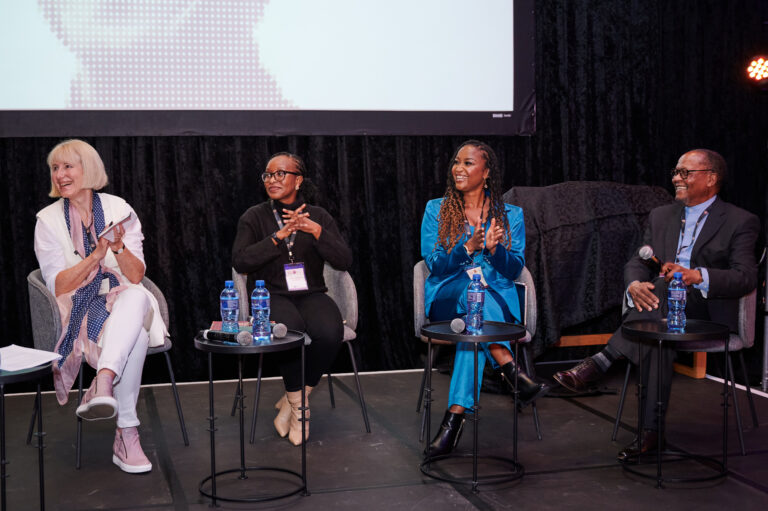
On 14th July, The Mandela Rhodes Foundation (MRF) hosted its 20th-anniversary celebration, which took place at the Century City Conference Centre in Cape Town.
This milestone also coincided with the 10th anniversary of the death of former president Nelson Mandela, the founding patron of the foundation. The book titled “The Audacious Experiment: The Mandela Rhodes Story” was co-authored by Shaun Johnson, the late founding CEO of the MRF and Professor Elleke Boehmer.
She was supported by research assistants Iris Nxumalo-de Smidt and Makomborero Muzenda, who are Mandela Rhodes Scholars.
Mandela Rhodes Foundation CEO, Judy Sikuza, introduced the panellists. The discussions were around the theme: “The courage to be unpopular: lessons on leading in complex times” to bring Nelson Mandela’s leadership legacy to life in the present moment. Hanri congratulated the editorial team of Oxford University Press, who generously published the book.
Furthermore, Hanri said she was reminded by a quote by Katherine Paterson, “A dream without action is just a wish, but a dream backed by passion becomes a purpose”, a common theme evident in the book of the purpose of delivering Mandela’s promise.
Mandela Rhodes Scholars Iris Nxumalo-de Smidt and Makomborero Muzenda encouraged young readers to purchase the book as it highlights the power of community and collaboration and that the MRF story demonstrates how individual ideas have the power to transform the world and the ability to make an impact.
Furthermore, through the stories of scholarship recipients, the book provides a global perspective and promotes cross-cultural understanding. It encourages young readers to embrace diversity and appreciate different perspectives in an increasingly interconnected world.
The Mandela Rhodes Foundation’s was founded in 2003 in partnership with the Rhodes Trust.
To date, they have selected 622 Mandela Rhodes scholars from 33 African countries by offering young leaders from across the African continent a chance to become part of Nelson Mandela’s legacy of transformative impact.
Oxford University Press has had the privilege of contributing to the vital work of The Mandela Rhodes Foundation by reinvesting 25% of our profits in education, research and scholarship.
The partnership between Oxford University Press and the Mandela Rhodes Foundation holds immense significance for several reasons.
Firstly, it amplifies the reach and impact of both organisations, allowing us to extend our educational resources and support to a broader audience. By working together, we leverage our collective strengths to develop innovative solutions that address the challenges faced by African communities.
Secondly, this collaboration serves as a beacon of hope, inspiring generations of young Africans to pursue their educational aspirations and take up leadership roles in their respective fields.
By nurturing a diverse and inclusive community of scholars, we empower them to drive positive change and transform their societies from within.
As we celebrate over a decade of collaboration, the partnership between Oxford University Press and the Mandela Rhodes Foundation stands as a testament to the power of collective action, shared vision and the pursuit of excellence.
Together, we continue to pave the way for a brighter, more inclusive future, where education and ethical leadership thrive.
When the news broke in May that South Africa had come last in a global assessment of reading achievement, it caused a nationwide outcry. This special report examines the findings, speaks to experts to make sense of it all, and looks at the prospects of improvements.
Our “child literacy rates are a disgrace,” Business Day said in an editorial the day after the findings of the latest Progress in International Reading Literacy Study (Pirls) were released on 16 May 2023, showing that four out of every five Grade 4s tested in South Africa (SA) in 2021 could not “read for meaning”.
This level of reading is the highest “be- cause it requires that our children are empowered to analyse and interpret information and make deductions and inferences, which demonstrate their ability to organise and internalise facts logically, systematically and coherently,” Basic Education Minister Angie Motshekga explained to parliament in her department’s budget vote two days later.
That only 19% of Grade 4s had shown they could do these things was described as a “generational catastrophe” by Nic Spaull, associate professor in Economics and research fellow with the Research on Socioeconomic Policy (Resep) group at Stellenbosch University (SU). His sentiment would be echoed in numerous news reports and op-eds over the next few days and weeks.
Last year, Mathanzima Mweli, director-general of the Department of Basic Education (DBE), wrote that learners “who do not acquire the foundational skills necessary for proficient reading remain perpetually behind, as their ability to process, interpret and understand grade-level texts is largely impeded.”
Reading-for-meaning tests are conducted in Grade 4 because it is considered an important transition point in children’s development, when they are supposed to go from “learning to read” to “reading to learn”, according to the Pirls website.
What is Pirls?
Pirls is a “regular international comparative assessment of student achievement in reading,” an initiative of the International Association for the Evaluation of Educational Achievement, headquartered in Amsterdam.
Since 2001, Pirls has been conducted every five years by the International Study Centre of Boston College’s Lynch School of Education and Human Development. In SA, Pirls is undertaken by the Centre for Evaluation and Assessment of the University of Pretoria’s Faculty of Education.
SA has been participating in Pirls since 2006 and was one of 57 countries which took part in 2021. It was the only sub-Saharan African country in the study; the other participants from the continent were Egypt and Morocco. The relatively few other developing countries included Jordan and Brazil. A total of 12 426 of our Grade-4 learners in 321 schools were assessed, representing all our official languages (11 at that stage) and all nine provinces.
How did we do?
• SA’s score dropped from 78% of Grade 4s not being able to read for meaning in 2016 to 81% in 2021. This is scarcely better than our 82% in 2011, which means the country has lost an entire decade of progress.
• Learners writing in Afrikaans and English maintained their performance, while the performance of those writing in SA’s other official languages worsened.
• Results in all provinces deteriorated, but the Western Cape, Gauteng and KwaZulu-Natal performed better than the national average.
The impact of Covid-19
Motshekga blamed the weakening of SA’s results on the “devastating effects of the Covid-19 pandemic on teaching and learning.”
Nompumelelo Mohohlwane
In an op-ed in Daily Maverick, Nompumelelo Mohohlwane, the DBE’s deputy director for research, monitoring and evaluation, concurred: “The decline is extremely unfortunate, but it was not sur- prising because school closure was one of the early responses to the Covid-19 pandemic. In SA, this led to the loss of about 60% of the academic year in 2020 and 50% in 2021.”
Inequality
As to why the performance of Grade-4 learners who wrote the tests in African languages was worse than the results of those who wrote in Afrikaans and English, Motshekga blamed “our regrettable past”.
This was a reference to the stratification of education under apartheid in terms of class and race.
Prof Servaas van der Berg
In an interview with Inside Education, Prof Servaas van der Berg, who holds the SA National Research Chair in the Economics of Social Policy, based at SU, confirmed that there was a close correlation between the socio-economic status of schools and their feeder communities, on the one hand, and the academic performance of their learners, on the other.
“Better performing learners and schools tend to come from wealthier communities. There are exceptions, but unfortunately, we do not have enough examples of good performance, in general, coming from poorer communities and schools. It seems to be a question of resources, at least partly,” he said.
He ascribed that the Western Cape and Gauteng showed the most minor decline in Pirls to the fact that “they are, in the first instance, our wealthier provinces.”
The DBE looks at the levels of income, literacy and unemployment in a community to determine a school’s ranking. Quintile-1 to -3 schools are no-fee paying schools, and quintile-4 and five schools may charge fees.
According to Van der Berg, nearly two-thirds of Western Cape learners are in quintile-4 and -5 schools. They tend to have better facilities, and their learners also tend to have greater access to books, computers and the internet at home – resources that are in short supply in poorer schools and communities.
Language
The Pirls results also reflect South Africa’s complexities in terms of language.
“About 70% of learners in South Africa are in no-fee schools that use an African language as the language of instruction for the first three grades. During this time, most children learn English as a subject and then experience a switch in Grade 4 when English becomes the language of instruction. Their African languages become a subject,” Mohohlwane wrote.
“In contrast, about 9% of learners start school in Afrikaans and do not switch at any stage but continue with Afrikaans after Grade 4 until matric. Similarly, the 23% that start in English continue past Grade 4 without any language switching.”
However, she argued, it “would be a mistake to blame the African languages for the decline,” adding that “it remains the right decision to start school in the language you know best.”
Spaull agrees that “the legacy of colonialism and apartheid is very much still with us” but argues, “That doesn’t mean there is not more that we could do to redress that legacy – we have proven interventions about what works to improve reading in no-fee schools, but we are not doing them.”
What can be done?
In a synthesis report released in 2022, the DBE says foundation-level reading has been high on its agenda since at least 2012.
By 2019, this emphasis had found its way into President Cyril Ramaphosa’s State of the Nation Address, when he said that “substantially improving reading comprehension in the first years of school” had become a “critical priority”.
The master plan to give effect to this goal was supposed to be the National Reading Strategy, also launched that year. However, it suffered from some fundamental flaws, which – according to Spaull – included having “no credible milestones and no credible plan of achieving it.”
Then Covid-19 struck, and school closures and rotational timetables wrought their damage, as reflected by the 2021 Pirls findings.
Now, an improved plan is in the pipeline – the National Integrated Reading Literacy.
The strategy mentioned by Motshekga in the DBE’s budget vote. She said there had been “lessons learnt”, one of which seems to be prioritisation. The plan’s “10 pillars” of old will be reduced to “four key interdependent strands”.
Inside Education got more details from Mohohlwane on what the new plan due to be launched might contain:
• Policy: There will be an emphasis on home language literacy in the foundation phase.
• Teachers: In-depth training and support through such mechanisms as ex- pert reading coaches, workshops, and daily lesson plans.
• Materials: Such ideas as graded readers, flashcards, posters, big books, and alphabet friezes are integrated into lesson plans to ensure they are used appropriately within a coherent lesson.
• Parents and communities: Advocacy about the importance of fostering reading enjoyment among children.
Triple cocktail
In its synthesis report, the DBE said it had found that a “triple cocktail” of daily lesson plans, quality integrated reading materials and on-site coaching resulted in an extra 40% of learning at the end of one year.
These ideas were derived from a series of large-scale evaluations since 2015 in North West and Limpopo to build a scientific evidence base about what interventions have the most significant impact on reading outcomes and how the change process works.
Incubating ideas
Non-governmental organisations (NGOs), such as Funda Wande, are also helping to look for solutions.
Dr Nwabisa Makaluza
“We incubate ideas that we think would work. At the moment, we are trying different models in three provinces,” Dr Nwabisa Makaluza, head of research and development, told Inside Education.
“In the Eastern Cape, we are trialling coaching, both by outside experts and by equipping schools’ heads of departments to become coaches.
“In Limpopo, our teaching assistant model was very effective, and we also got good results from providing schools with learning and teaching support materials.
“And our latest project is in the Western Cape, where the provincial education department is doing the rollout themselves in about 50 schools. Elements include reading coaches, monitoring and evaluation.”
Collaboration
Makaluza says public-private partnerships are essential.
“We are under no illusion that we can do this alone. We do not even start at a school without building a relationship with the relevant education department because they are the schools’ custodians.
“And when we get the results of our trials, we always feed it back to the departments – so they can learn with us. Collaboration is essential.”
Benchmarking
Dr Zelda Barends
Dr Zelda Barends, a senior lecturer in curriculum studies at SU’s Faculty of Education, is part of the DBE’s benchmarking process for learning to read in the foundation phase. The benchmarks were developed through collaboration between education technocrats, reading experts, linguists and quantitative experts.
Grade-specific reading benchmarks pro- vide the tools to measure whether learners are on-track to reading for meaning by the end of the foundation phase. The benchmarks for each language differ, but they all include the following:
• By the end of Grade 1, all learners should be able to sound a certain number of letters per minute correctly.
• By the end of Grade 2, all learners should be able to read a certain number of words within a passage correctly.
• This tally would go up for Grade 3.
The benchmarks are set high enough to support system-wide improvements yet not so high as to be unattainable. Learners achieving the required fluency are increasingly able to comprehend what they are reading and would therefore be able to transition to the next stage, the intermediate phase.
The benchmarks are intended for use by teachers, school leaders and provinces, as well as the national department, to support reading in South Africa’s official languages.
Principals
Barends says the role of principals is something that is often overlooked.
“If we start investing in school leadership, we would be able to turn the problem of reading around slowly but surely, because when there’s a visionary leader, someone who believes in what they’re doing and knows how to work with other people and get the most out of them, things change for the better.”
Teachers
Some commentators say some teachers are part of the problem – those who are not motivated, for whatever reason, and don’t give their best.
However, Barends said, “Teachers need some grace in the system.”
“Most of them are working very hard, but they are getting flak from all sides. They are expected to achieve high outcomes with all the learners that come to them, but the learners are at different levels, and sometimes the teachers have not had the specialised training they need to teach learners to read.”
That is why teacher empowerment is considered vital by the DBE.
In its 2022 synthesis report, the Department said that teacher support interventions had positive impacts on reading outcomes, mainly on-site coaching.
Mohohlwane said that teachers some- times resisted interventions they experienced as critical of their abilities but that it was possible to overcome this problem.
“In our coaching interventions, we have coined the term ‘critical friend’ because they visit often, build up a relationship with the same teacher, and most importantly, only with them. They don’t report to the principal or anyone else in the system. It’s not linked to a teacher’s performance review or promotion or anything like that.
They are just an expert resource to help the teacher teach children to read. It may take teachers three or six months to relax with this per- son, but then they say they feel supported.”
Accountability
Some analysts have identified a lack of accountability by teachers and principals, and schools – especially at the foundation phase level – as a significant part of the problem.
“In a democracy, the role of civil society is to hold the government to account for what it says it is doing and what its constitutional obligations are,” Spaull told Inside Education.
He thinks the fact that the Pirls results have caused an outcry is putting pressure on the DBE, which might result in quicker results.
Pace of change
The Parliamentary Monitoring Group reported that when Motshekga briefed parliament about Pirls on 23 May, she said, “Education was like growing a tree, not like carrots”, – meaning that it takes time to get results.
Her statement might be accurate but is unlikely to satisfy South Africans who want urgent action to avoid losing another generation.
Before the Covid-19 shock, SA was making good progress in improving early-grade reading scores. Between the 2011 and 2016 Pirls cycles, SA showed the second-fastest improvement among all participating countries, after Morocco.
The question is now whether we can return to that pace and even speed things up.
Mohohlwane is optimistic: “The planning and testing and policy formulation and lobbying have been ten years in the making, and now things are coming together.
If it were not for Covid, we would have been further along. Now we must redouble our efforts to make progress. We will get there incrementally.”
Special time
Makaluza agrees: “I find the current push from the public, academia, the media, the rest of civil society and even from within government and the education departments, national and provincial, interesting. It’s a special time of consensus that we need a drastic change, which might give us the push we need.”
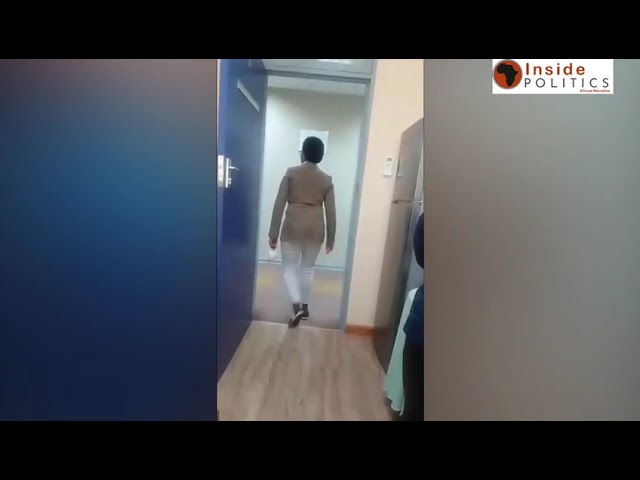
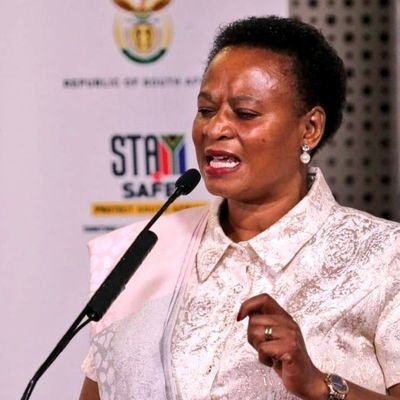
The spokesperson for the Eastern Cape Education MEC Vuyisile Mboxela has been suspended, after a video of her in a heated conversation with a colleague went viral.
In the video footage Mboxela is heard using “harsh and unacceptable language” against a fellow employee.
Both the office of MEC and the acting Head of the department DR Soyisile Nuku have condemned Mboxela’s behavior saying it is “unwelcome at work”.
Further, a meeting with the affected employees has been arranged and a formal apology will be tendered, the department said. The matter has also been referred to the employee wellness directorate to ensure all these employees are counseled and briefed for them to be fit to work
“This matter has been escalated and a case has been opened with the Labour Relation director against her and investigations are underway,” the acting spokesperson for the department Mail Mtima said.
“The Department does not tolerate any unbecoming behavior at work be it bullying, unfair treatment including racism as these negatives disrupts the functioning of the system hence its activation of the labor relation directorate,” said Mtima.
This will ensure fairness, upholding mutual respect amongst employees as espoused in the Batho Pele principles, Mtima added.
“The department sends a heartfelt apology to the people of the province and the country at large,” Mtima added.
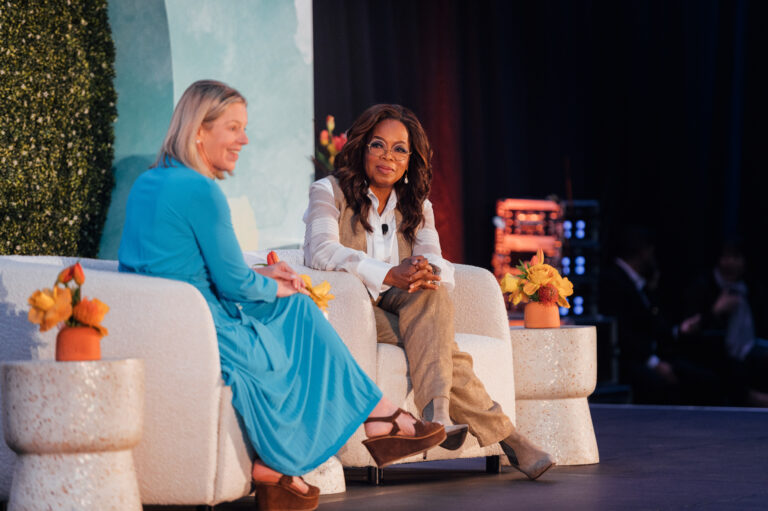
Media mogul Oprah Winfrey is on a mission to influence the South African education system into adopting a trauma-informed approach in its curriculum.
Last week Winfrey, through her school the Oprah Winfrey Leadership Academy for Girls (OWLAG), hosted a gathering of teachers and counselors in Midrand to discuss the impact of trauma on learning and strategies to support children.
The proposed strategies are based on the Neurosequential Model (NM) in Education, which has been in use at Winfrey’s institution since 2018 to address the needs of the learners, who come from disadvantaged and often traumatic backgrounds.
In an interview with Inside Education at the Gallagher Convention Centre, Winfrey dismissed any plans of opening another school in South Africa, and said her future efforts would be focused on seeing the rollout of the Neurosequential Model (NM) in as many local schools as possible.
“The work continues but no more brick and mortar for me,” Winfrey laughed. “The great hope is that, beginning with this conference, the word gets spread and we get more educators who are interested and have their own ‘Aha’ moment here.
“We are doing it [trauma-informed work], we are successful with it and we see the difference between the classes that have had it and the ones who didn’t. And we’re hoping that people will take this message, come to us for training and then spread the word,” Winfrey said.
At its inception in 2007 OWLAG, with its state-of-the-art facilities, was not a trauma-informed school. Consequently Winfrey, who had handpicked all the learners at the school, began worrying when the girls started to exhibit mental health problems.
Panic attacks, behavioral issues and disassociation, which can mimic chronic daydreaming, became common scenes inside OWLAG classrooms.
“I understood after so many girls being anxious and so many girls being depressed that we were doing something wrong. And there was something we needed to do that I wasn’t aware of. When we started, I just thought we just needed to build a good school,” Winfrey said.
“And then I realised that because these girls were so specifically from backgrounds that are challenged…unless you address that, you’re going to have major issues going forward,” she added.
Following this realisation she enlisted the services of neurosurgeon Dr Bruce Perry who explained that heightened anxiety, reduced concentration, and impaired problem-solving skills were among the many symptoms of Post Traumatic Stress Disorder (PTSD) in the learners due to their backgrounds and abrupt change in environment.
Perry proposed the introduction of the Neurosequential Model (NM) at the school, which encourages healing the parts of the brain that have been impaired by trauma, in order to return children to a calm state under which they can learn.
Some of the trauma-informed techniques used at OWLAG under this model include self-regulating activities such as going for walks, breathing exercises, music, meditation and other activities.
“The thing that disturbed me was that we’d gotten to the end of the six-year term and so many girls were still feeling this sense of unworthiness,” Winfrey recalled. “They didn’t even understand why they were there. NM helps you understand why you’re there. That what happened to you or your circumstances does not make you lesser than”.
The Covid-19 pandemic imposed great challenges on learners globally, as schools shut their doors during the lockdowns calling for the adoption of virtual lessons.
For many children, learning from home meant they did not have the comforts of the school environment to shield them from the difficulties in their homes and communities.
Winfrey said this was initially a concern for the staff at OWLAG, as many of the girls would have to leave their palatial boarding-school to return to their challenged environments for an indefinite period. However, their academic performance exceeded what teachers at OWLAG had expected, something Winfrey credits to the school’s trauma-informed approach, which could aptly anticipate learners’ needs.
During that period social workers were sent to the homes of every learner to monitor their wellbeing. Power-packs and Wifi routers were provided and staff members were available to attend to any technological challenges learners had.
While the hope is for the trauma-informed models to be adopted in other South African schools, the country’s public schooling system is burdened with systemic and infrastructural issues which threaten the ability to adequately address children’s trauma.
In addition to trauma in the community, many South African children experience trauma in their schools where pit latrines threaten their sense of safety and, in some cases, result in death.
Earlier this year the KwaZulu-Natal Education Department came under fire for irregularly awarding a feeding scheme tender to a service provider that failed to deliver food, leaving thousands of children without a meal that in many cases could have been their only one for the day. These are some of the examples of the plight facing South African children, which will require an overhaul of the whole system to address.
Educators present at the OWLAG conference in Midrand lamented fractures in the system which made it difficult for them to recommend or access psychological or social work services for children who showed signs of needing assistance.
This was one of the many challenges highlighted as a hindrance in the adoption of trauma-informed approaches in schools, which would require all necessary professionals to be on board.
From an educator’s perspective, the Neurosequential Model (NM) would also require teachers to undergo processes to heal their own trauma to avoid the use of punitive measures when dealing with wounded children.
OWLAG Executive Director Gugu Ndebele said the mission was to have this training become part of the curriculum at teacher training institutions.
“We are paying it forward by aligning with the schools nearby. And once the teachers in those schools get it, we don’t need [to influence] the system, the teachers will change things,” Ndebele said.
“Our biggest wish is for the [trauma-informed] work we are doing to be the core curriculum for teacher education. That’s why we have universities here. We want to see how we make it the core curriculum, so that every teacher that goes through the system understands”.
Speaking on behalf of the Gauteng Education Department, Head of Department Edward Mosuwe said his department had noticed worrying trends in Gauteng schools.
This year, Gauteng’s 24-hour hotline had received more than 50 complaints of bullying at school, nearly 30 complaints of physical bullying and more than 200 phone calls from learners complaining about abuse.
For these and other reasons, Mosuwe said the Gauteng Education Department would commit itself to implementing the OWLAG model of trauma-informed education in public schools.
“We want to work with the OWLAG team. I have been to the OWLAG school and I’ve seen what they do. How I wish all our schools could take these principles of trauma-informed schools as a phenomenon that begins to define the new South African school,” Mosuwe said.
Winfrey is no stranger to trauma herself. As a young girl growing up in rural Mississippi, Winfrey experienced multiple incidents of trauma, including sexual assault by a family member from the time she was seven-years-old all the way into her teenage years.
While there was no knowledge of the Neurosequential Model (NM) in her environment at that time, it was her school that afforded her the safety she needed in the world.
In particular, Winfrey said it was her Grade 4 teacher, Mrs Mary Duncan, who changed her trajectory. “Oh I will tell you what Mrs Duncan did…she saw me,” Winfrey recalled emotionally. “She saw that I was smart, she saw that I loved learning. She encouraged me and told me that I was pretty. She told me that I can be anything I wanted to be.
“And so school was my haven, it was the only place where I actually felt safe. That’s why I loved school and I hated when summer [holidays] came,” she added.
According to Winfrey teachers were one of the most important components of helping schools become trauma-informed institutions. She said it would be important for South African teachers to receive healing from their own emotional scars first so that they could become a safe haven for wounded children, the way Mrs Duncan was for her.
“It is so incumbent upon the teachers to see themselves, getting them to heal. Because if you’ve been through apartheid, you’ve been through war, you’ve been through trauma and there is just no way around it. [For both] black and white,” Winfrey said.
“So we [have to] work on ourselves first. You have to heal in order to share that healing with other people, and then you offer that healing in the most generous of spirits to others”.
Learners of Kamagugu Primary School in the Mpumalanga Province commemorated Nelson Mandela International Day by taking part in a fun walk. They received prizes for their creative artwork submitted during the 2022/2023 World School Milk Day Recycling Art Challenge.
The Challenge was introduced to the Basic Education Sector in the previous financial year as part of the World School Milk Day (WSMD) annual celebration.
The Challenge has assisted the sector in raising awareness of the importance of dairy in children’s development. The 2022/23 Challenge included build-up classroom activities such as the recycling art challenge competition linked to nutrition education in Life Orientation.
As part of the project, learners were required to produce art using dairy containers. Winning nominees were nominated through the assistance of Provincial Education Departments (PEDs).
Director for the National School Nutrition Programme (NSNP), Neo Sediti, said that the Challenge targeted all primary schools (Quintile 1-5), as well as special schools to ensure inclusivity.
“Educators selected participating learners and grouped them according to grades to create artistic pieces from recycled dairy packaging materials after lessons about the importance of milk and dairy were presented to them. Entrants competed in three categories: Grades R to 2 for dairy animals (cows, sheep, goats); Grades 3 to 4 for self or landscape portraits (collage and/or mosaic); and Grades 5 to 7 for fashion (outfit and accessories). Approximately 37 nominations were submitted on 14 October 2022, and the DBE subsequently identified Kamagugu Primary School as the overall winner.”
The initiative was a collaboration between the DBE and the Consumer Education Project (CEP) of Milk South Africa, as one of the NSNP partners.
“The challenge was a response to the global Climate Change and Environmental Health Rights agenda by involving learners in the General Education and Training (GET) band. The 2023 WSMD was celebrated under the theme, “Dairy gives you Go for a healthy me and environment,” Ms Sediti added.
Deputy Minister Mhaule said that the main objective of the NSNP was to promote healthy eating among learners.
“The meals provided at schools are intended to provide nutrition and energy for mental and physical activities for the body and brain to function optimally, making learners alert and receptive during lessons. This also helps in improving the quality of learning. Whilst learners are provided with nutritious meals, they are also taught to establish and maintain healthy eating and lifestyle habits through Nutrition Education.
“The frequent promotion of healthy eating is critical in curbing obesity in children. The provision of milk to schools will also assist in promoting balanced diets to learners. Milk is vital in growth and development, immunity, healthy bones, skin and nerves. There are several other benefits from milk than just building strong bones; milk products such as cheese, butter, cottage cheese and flavoured milk are both delicious and healthy. Milk consumption is essential to maintaining good health and is a great source of calcium for all ages. We salute our partners for their continued support in strengthening the NSNP in the sector.”
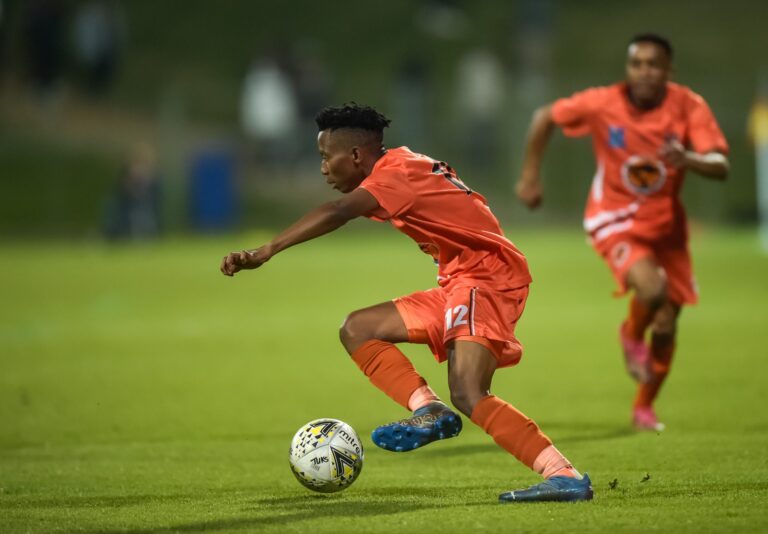
Several universities are set to do battle at an inter-varsity football tournament.
UJ, TUT, NWU, VUT, UFS, CUT, UFH and UWC will take on each other over seven rounds between July 27 and September 7.
The hottest university football tournament is back, as the 2023 Varsity Football tournament kicks off on July 27.
Varsity sports fans can look forward to an action-packed competition that entertains and is a stepping stone to greatness for participants.
Since the first tournament in 2013, Varsity Football has grown.
Lisa Roux, head of Varsity Sports, said the possibilities of playing in the tournament and its impact on the players’ lives have been great.
Varsity Football is described as a place where future football stars are born and where they showcase their skills
“It’s where the field of dreams becomes a reality and where lives are transformed. This season, Varsity Football will again be more than just another tournament. It will be a cultural phenomenon that you can’t afford to miss out on. We’re talking about the vibe, the people, and the endless opportunities that define Varsity Football.”
This year, UJ, TUT, NWU, VUT, UFS, CUT, UFH and UWC will take on each other over seven rounds between July 27 and September 7.
The semi-finals against the top four teams are scheduled for September 14, while the final will be contested on September 28.
All matches take place on Thursday evenings, with featured games broadcast on SuperSport.
The 2023 Varsity Football Women’s tournament will occur between August 11 and 19. UFH, UKZN, UP, Wits, UJ, UWC, DUT and TUT are vying for top honours.
TUT beat UJ 2-1 in last year’s men’s final and will undoubtedly be out to claim an unprecedented fourth Varsity Football title.
The Pretoria-based team were the champions in 2016 and 2018 and also made it to the final in 2015, 2017 and 2019.
The opening round of the 2023 Varsity Football tournament begins on July 27.
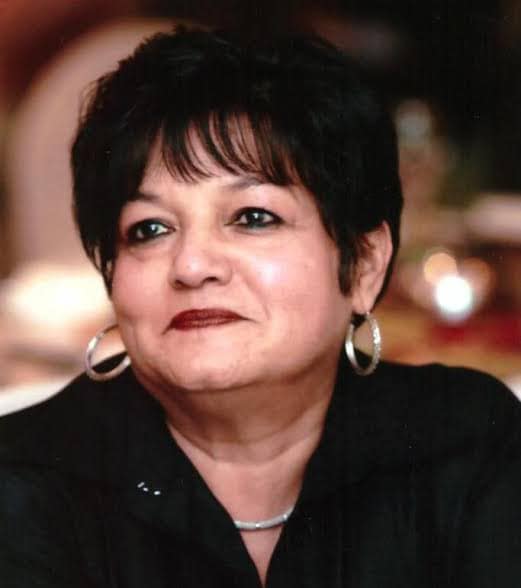
Universities South Africa (USAf) has expressed sadness at the passing of Anshu Padayachee, Chief Executive Officer at Technological Higher Education Network South Africa (THENSA), an associate organisation in higher education.
Dr Padayachee passed away last Thursday.
“On behalf of the Board of Directors of USAf, we express our most profound condolences to family, friends and colleagues of this true compatriot,” said Dr Phethiwe Matutu, Chief Executive Officer of USAf.
She described Dr Padayachee’s passing as a tragic loss for THENSA, the organisation she previously served and South Africa’s higher education sector at large.”
Dr Matutu said that having been at the helm of THENSA from 2016 to date, Dr Padayachee made a significant contribution to the universities of technology and other comprehensive institutions affiliated with it.
She was central and instrumental to the name change from the South African Technological Network (SATN) to the now THENSA, facilitating the most impactful partnerships and development programmes within that consortium.
Her contribution to higher education dates back to when she was Deputy Vice-Chancellor: Academic and Research at the Durban University of Technology (DUT) from 1998 to 2003.
After her time at DUT, she served as CEO of the South Africa–Netherlands Research Programme on Alternatives in Development (SANPAD), a doctoral research preparation programme for candidates in Africa, which evolved from an aid initiative into a model of innovation called SANTRUST. She served in this capacity for 13 years before going on to do consultancy work for another eight years after joining the SATN.
Dr Padayachee was a selfless human being who saw nothing but good in other people. “She was an astute leader with a clear vision of what she wished to achieve with THENSA,” she said.
“She was also uniquely generous, going out of her way to create opportunities for people in the sector to thrive. I only met her recently, but I formed a deeply positive impression of her.”
Dr Matutu said South Africa’s higher education sector had lost a true compatriot, a champion for transformation and redress, and a genuine capacity developer.
Students or academics are invited to apply now for a fully-funded scholarship to study a Master’s level course in Ireland.
The scholarship is named after the late ANC stalwart and human rights Professor Kader Asmal, a former government leader in education and water who spent time in Ireland during exile.
The Embassy of Ireland administers a full scholarship to study at a Master’s level at an institution in Ireland. The KAFP is a fully-funded scholarship opportunity offered to South African students to look at the Master’s level in Ireland’s world-renowned Higher Education Institutions.
This flagship programme of the Embassy of Ireland in South Africa is part of the broader Ireland-Africa Fellows Programme offered by Ireland’s Department of Foreign Affairs. The Kader Asmal Fellowship Programme is targeted at early career professionals in South Africa with leadership potential.
The scholarship broadly supports leadership for the Sustainable Development Goals, and supporting the development of women’s leadership capacity and women’s participation in STEM are vital priorities.
The deadline for applications is 31 July 2023.
Ireland’s Ambassador, Fionnuala Gilsenan, said South Africa enjoys a successful partnership with universities of technologies in Ireland; in addition, there is a National Qualifications Framework shared between South Africa and Ireland, with plans to expand on regional technical colleges, which are now part of the universities of technology initiative.
The ambassador said there was enormous potential in the partnership.
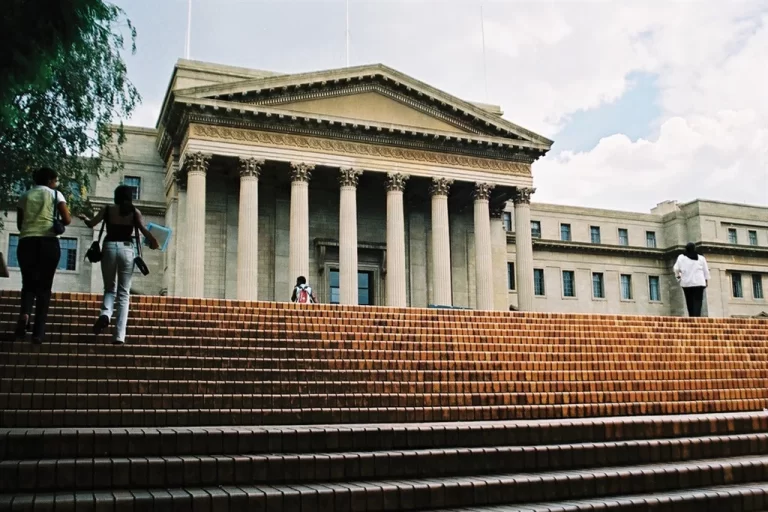
THE Theatre and Performance (TAP) and Drama for Life (DfL) departments in the Wits School of Arts (WSOA) host the multi-site conference in partnership with the internationally acclaimed arts and research association, Performance Studies International (PSi).
The event takes place in Johannesburg from 2-5 August 2023.
Themed Uhambo Luyazilawula (“embodied wandering practices”), the conference highlights practices of artists and scholars with indigenous and/or migrant roots in South Africa, and it places these practices and forms of research in dialogue and exchange with the work of artists and scholars in Africa and globally.
A first for Wits University and Africa, the conference will create opportunities for network development, collaborative research and artistic co-production between African countries, African universities, and African cultural sites/hubs. This will result in the action of new studies, performances, artworks, projects and networks that will endure beyond the conference, thereby continuing the theme of journeying and mapping different spaces and cultures.
Supported by the fourth edition of the National Arts Council’s Presidential Employment Stimulus Programme, the conference takes place across six cultural sites in Johannesburg, including The Wits Theatre Complex, the Centre for the Less Good Idea, Market Theatre, Soweto Theatre, Constitution Hill, and the University of Johannesburg.
Keynote speakers and performances include Dr Mwenya Kabwe, Nondumiso Msimanga, James Ngcobo, and a keynote performance titled HOW: Showing the Making; Sibusiso Shozi. The programme also includes talks, workshops, installations, presentations, exhibitions, and performances of Isidlamlulo by the Empatheatre, Khongolose Khommanding Khommissars by Standard Bank’s Young Artist Award Winners, by the Theatre Duo, as well Mbuso Ndlovu’s Echoes of Heritage.
Associate Professor René Smith, Head of the School of Arts, says: “The conference theme is a relevant and necessary provocation within global and local contexts where freedom of movement and other human rights, as well as democracy per se, are increasingly under threat.”
“Mobility and journeying are universal and core to the human experience. ‘Embodied wandering practices’ invite us to imagine a world of inclusion and interconnectedness. We are especially pleased that the organising committee for this interdisciplinary conference includes creatives and emerging scholars from different disciplines in the Wits School of Arts.”