Equal Education and the Equal Education Law Centre expressed outrage, last week Thursday, in a statement, at the Western Cape High Court’s ruling on the regulation of collaboration schools, donor-funded schools, and intervention facilities introduced in the Western Cape Provincial School Education Amendment Act 4 of 2018
This follows the steady systematic introduction of collaboration and donor-funded schools, which would be granted significant freedom by the new legislation in addition to the establishment of intervention facilities for “serious misconduct: offending learners.
This would culminate in the removal of a learner from the formal education system for up to a year.
“EE has consistently advocated for regulatory frameworks that protect the best interests of learners. This formed the basis of our court challenge, which was specifically about the provisions in the Amendment Act around collaboration schools, donor-funded schools, and intervention facilities that were vague, inconsistent with the Constitution and in conflict with the South African Schools Act,” the NGO said in a statement.
The Western Cape Education Department’s Collaboration Schools project reflects the commitment of the Western Cape Government to innovation, as it explores all options for improving opportunities for all citizens, especially in poor communities.
The project is one of a range of pro-poor initiatives by the WCED designed to improve the quality of education in our poorest schools, the department said.
The NGO said it would study the judgement and set out a subsequent media statement at a later time, still to be determined.
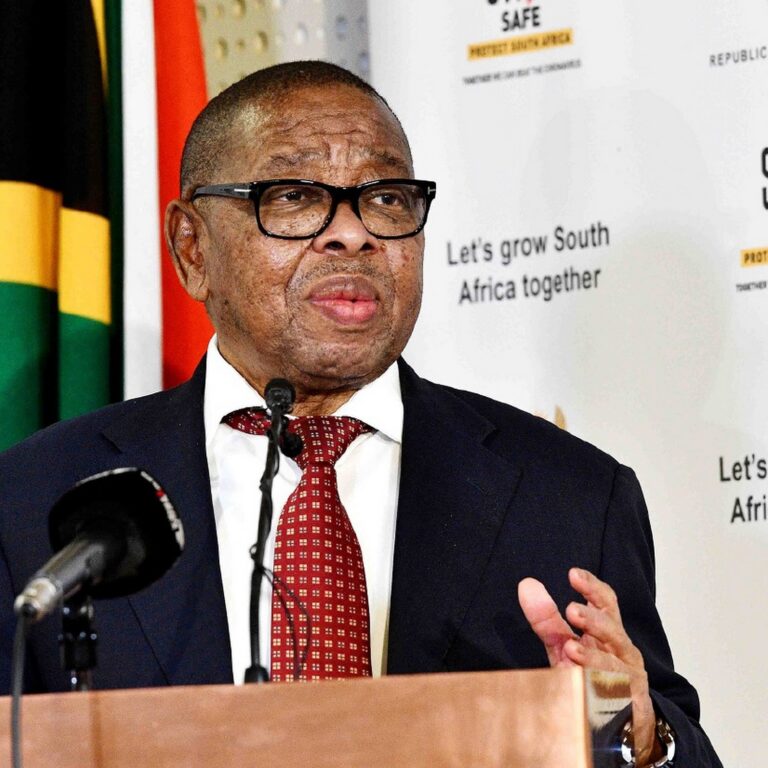
Minister of Higher Education, Science Innovation, Dr Blade Nzimande, has launched the first comprehensive National Tracer Study of Doctoral Graduates in South Africa.
“Our current National Tracer Study of Doctoral Graduates in South Africa is the first such comprehensive study by the government and our higher education institutions and research institutions,” said the Minister.
Speaking at the launch last Friday, he said previous studies were limited in focus and scope, thus not systemic and never zoomed into specific sectors, certain disciplines or even lower qualification levels.
Building on the Water Research Commission’s capabilities in conducting the Tracer study of Water PhDs in South Africa, the Department of Science and Innovation (DSI) assigned Water Research Commission (WRC) as the project manager for this National PhD Tracer study.
“Through this launch, we aim at the dissemination of key study findings and recommendations, as well as stimulating a discussion with key stakeholder groups, be it government, business, higher education institutions, civil society, and students, on the value of the PhDs in society and the economy,” said Nzimande.
Present at the launch were the DSI Director-General, Dr Phil Mjwara; DSI Deputy Director General Research, Development and Support, Imraan Patel; DDG from both DSI and DHET; Representatives and leaders of Science Councils; National Research Institutions, particularly Dr Jennifer Molwantwa, the CEO of the WRC which partnered with the DSI on this study; and Drs Fulufhelo Nelwamondo, and Phethiwe Matutu, the CEOs of the NRF and USAf, respectively; Prof. Johann Mouton, the Director of the DSI-NRF Centre of Excellence for Scientometrics and STI Policy (SciSTIP), who led the research team; including representative of the private and business sectors, among other stakeholders.
Nzimande said the correlation between the weighted number of PhDs, as in the number of PhDs per million of the population and the country’s economic and innovation performance is well established globally.
With the pivotal role that PhDs play in the country’s socioeconomic development, he added that South Africa has not empirically demonstrated and domesticated this cause-and-effect relationship.
“The question is, have we, as South Africa, empirically traced the socio-economic impact of our PhDs?
Both the Department of Science and Innovation’s White Paper on STI and the STI Decadal plan seek to expand the research enterprise by supporting more PhDs and building a solid pipeline of human capabilities.“
Nzimande said the tracing of PhD holders/graduates into their careers and occupations in different sectors, including the entrepreneurial industry, is essential and justified given that the PhD is an apex qualification obtained after a considerable amount of investments (of upwards of 20 years) in learning, teaching and supervision support, mainly at the State’s or tax-payers expense.
Advanced countries have been conducting studies to trace the mobility and careers of PhD holders. The EU countries, for example, have commissioned these studies under the general theme or title of the “Mobility and Careers of Doctorate holders” – to trace what is called the “stock and flows” of PhDs in and out of different sectors and EU member state countries.
With a significant portion of PhDs enrolled and graduating from South African universities coming from outside SA and with SA having positioned itself as a PhD training destination, especially for the continent, it is thus important for the country to answer questions relating to the brain gain, brain drain or brain circulation of these highly skilled human resources and human capabilities.
“I want to avoid going into details by immersing myself in the findings and recommendations of the study, but as a system, we have been concerned with both the supply and demand side of the PhDs,” said the Minister.
“While we were making strides and successive leaps in increasing the numbers of PhDs graduating annually from our universities, the question of the absorptive capacity of these PhDs by the country’s economy has been lurking in the background.”
This study reflects on the PhD absorptive capacity of the private sector, the public research system and higher education institutions.
Most importantly, this PhD tracer study will be a useful input into that digital platform even though the National PhD Tracer study is open to more than just NRF-funded students.
“As the Department entrusted with driving research and innovation, we pride ourselves in using well-researched data and evidence in making decisions about critical policy issues or interventions,” Nzimande concluded.
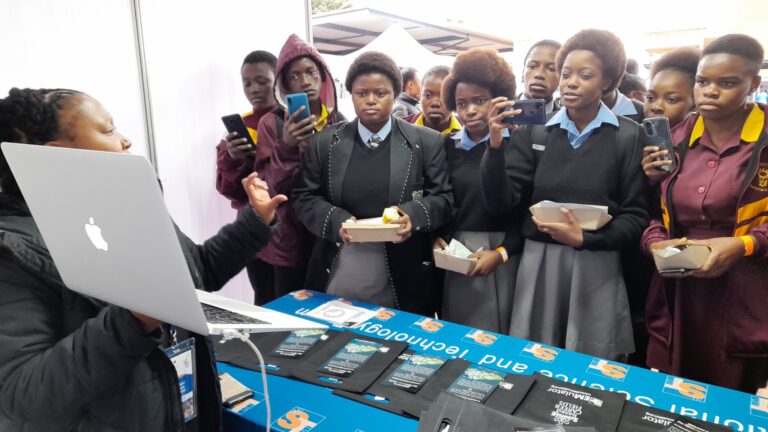
The Department of Science and Innovation has launched National Science Week 2023 under the theme “Building a Culture of evidence-based practice.”
The National Science Week will run from 31 July to 5 August 2023.
South Africa is currently considered one of the most technologically advanced countries in Africa and was rated the most innovative region in sub-Saharan Africa in the 2022 Global Innovation Index.
“We continue to advance our position among the world’s scientifically and technologically advanced countries, and we are working hard to profile our scientific achievements.
“South Africa and the entire world have challenges that require us to advance science, technology, and innovation expeditiously. As the Dept of Science and Innovation, we have committed ourselves to using science, technology, and innovation as catalysts for faster and inclusive economic growth, in the short and longer term, as per the National Development Plan,” said Dr Blade Nzimande, Minister of Higher Education, Science Innovation.
Come 31 July 2023, the only noise in our country should be about science! National Science Week.
Inside Education Foundation, a leading non-profit organization dedicated to youth development and empowerment, is proud to announce the launch of the 2023 100 South African Shining Stars, to coincide with late struggle icon Tata Nelson Mandela.
The Foundation is calling for nominations of exceptional young individuals who epitomises the values of Madiba by making a significant impact in their respective communities.
The annual 100 SA Shining Stars initiative aims to recognize game changers, disruptors, innovators, and high-potential professionals under the age of 35 who are shaping the future of South Africa. By highlighting their achievements and contributions, Inside Education Foundation aims to inspire and empower other young people across the country.
“We believe the youth are the driving force behind positive change in our society,” said Matuma Letsoalo, chairman of the Inside Education Foundation.
Letsoalo added: “Through the South African Shining Stars initiative, we want to celebrate and honour the extraordinary achievements of the young ambassadors, who are making a real difference in their communities. We encourage all South Africans to nominate deserving individuals who exemplify excellence and dedication.”
Nominations are open to achievers from all provinces in South Africa who are actively contributing to community development in various fields, including:
Education
Health
Sport & Recreation
Justice & Law
Arts, Culture, Media and Entertainment
Science & Technology
Business & Entrepreneurship
Environment
Civil Society and Youth Activism
Philanthropy
Politics & Governance
Transport & Tourism
To nominate a deserving candidate or self-nominate, participants are invited to click here and complete the easy and quick nomination process. Nominees must be South African ID holders between the ages of 18 and 35, and their work and vision should have had a tangible impact on their communities and South Africa as a whole.
The nomination period opens on 18 July 2023 and will close on 30 September 2023. A distinguished panel of adjudicators will select the 2023 100 SA Shining Stars finalists.
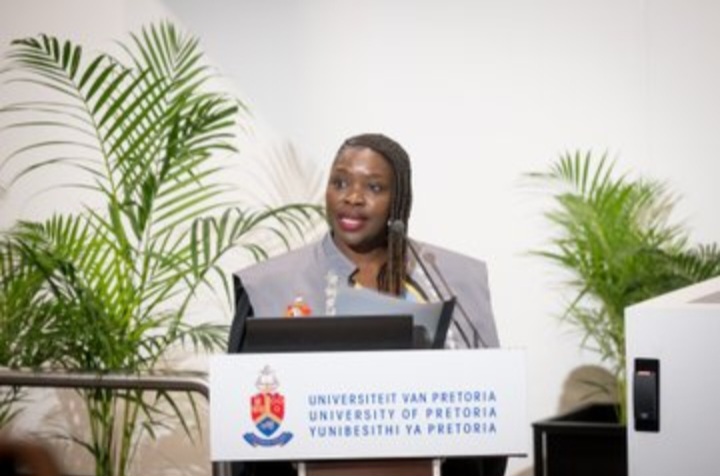
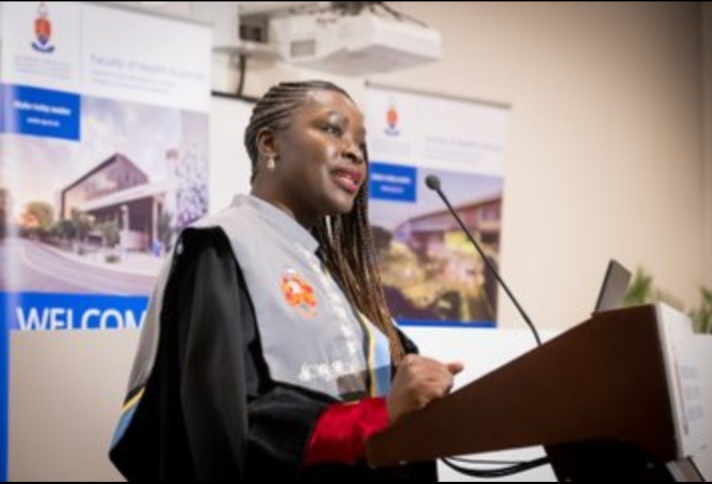
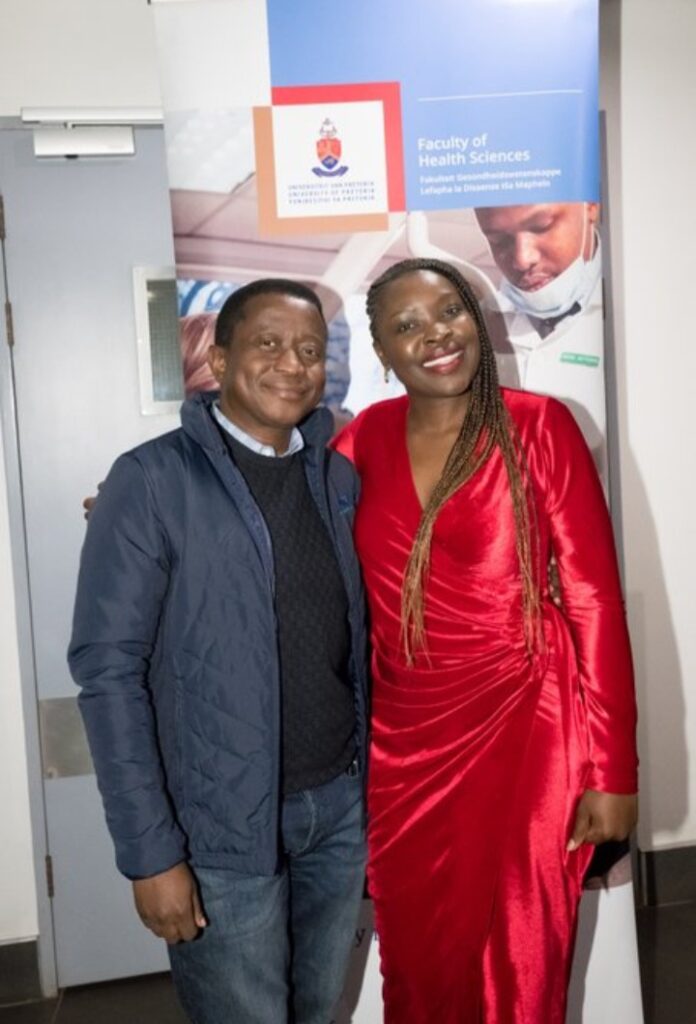
“It really takes a village to produce a UP Professor,” said University of Pretoria Deputy Dean of Research and Postgraduate Studies, Faculty of Health Sciences, Prof Tivani Mashamba-Thompson, in her inaugural address last Wednesday.
In her address, the respected awarding-winning Prof paid tribute to her grandfather, who dared to dream that his grandchildren would one day be leaders in their fields.
She said that despite having no formal educational qualifications, working as a security officer in Johannesburg, leaving his family in rural Limpopo where access to quality education was limited, he made sacrifices and supplemented his salary through side hustles to send her mother to boarding school and teachers training college.
“Following that, he ensured that she had a better start in life by building her a comfortable starter home for her and her children. I dedicate this inaugural lecture to my late grandfather Father Frank Maluleke and to all the people who ensured that his dream came true.”
She was grateful too for the influence of her role model mom, Mihloti Mashamba, inspirational late grandmother Florah Maluleke, husband Rowan Thompson and children, Gabrielle Thompson, M’hloti Thompson and Frank Thompson.
She also thanked the university leadership and praised mentor Prof Thabane, colleagues, and FHS executives, with a special mention to Dean Prof de Jager, “who puts up with having his lunch break disturbed every time I want to share something that cannot wait for him to finish his lunch and a constant request for selfies”.
Democratising healthcare access in Sub-Saharan Africa through research conducted by teams in Ghana, Rwanda, South Africa and globally since 2015 was the focus of her lecture.
“The ultimate goal of our research is to democratise healthcare access through REASSURED diagnostics,” said Prof Mashamba-Thompson in her address on 11 July at the Tswelopele Building, Lecture Hall 1, attended by the university’s top brass.
REASSURED is an acronym that stands for Real-time connectivity, Ease of specimen collection, Affordable, Sensitive, Specific, User-friendly, Robust and Equipment accessible and Delivered to end users. The REASSURED criteria guide the research focus on POC diagnostics.
Prof Mashamba-Thompson, on 10 March, received a Bronze Scientific Achievement Award in recognition of her excellence in research from the South African Medical Research Council.
Dignitaries present at the inaugural lecture included Deputy Vice-Chancellor: Academics Prof Loretta Feris, FHS Dean, Prof Tiaan de Jager, FHS Deputy Dean Teaching & Learning Prof Vanessa Steenkamp, FHS Deputy Dean Research and Postgraduate Education Prof Flavia Senkubuge, as well as FHS School Chairs. Interim Vice-Chancellor and Principal, Professor Mosia and Deputy Vice-Chancellor: Research and Postgraduate Education, Prof Sunil Maharaj, attended virtually.
She said access to high-quality and timely diagnostic services is essential for strengthening health systems.
However, Prof Mashamba-Thompson, cautioned that diagnostics services have traditionally received limited attention in global health compared to drug discovery and vaccine development.
Inadequate diagnostic systems and inequitable access to reliable tests often contribute to poor health outcomes, especially in settings with limited access to laboratory infrastructure.
However, she noted that Point-of-care (POC) diagnostics have emerged as a promising healthcare innovation to address these challenges. POC diagnostics are near-patient diagnostic devices that provide rapid results to guide clinical decisions.
Prof Mashamba-Thompson said the World Health Organization had defined criteria which should be met by POC diagnostics used in resource-limited settings.
“We have identified that there is limited focus on sustainability of POC diagnostic tests that are deployed in resource-limited settings and limited focus on local infrastructure capability for sustainable delivering REASSURED POC diagnostic tests to end users.”
As part of the research, Prof Mashamba-Thompson recommended an increase in research resources investment on research focused on advancing local development and sustainable implementation of POC diagnostics that meet the WHO’s REASSURED criteria to ensure sustainable quality service delivery to improve health outcomes of underserved populations.
The research focus employs an implementation science approach to assess whether POC diagnostics, used in various SSA settings, meet the REASSURED criteria.
The Prof noted that tests must be connected to health data platforms in real-time to enable the reading of test results to provide required data to clinical decision-makers and for disease surveillance. Combining high-quality point-of-care (POC) diagnostics devices with mobile health technologies offers novel ways to diagnose, track and control infectious diseases and improve the health system’s efficiency.
“Our Nature Review examined the promise of these technologies and discusses the challenges in realizing their potential to increase patient’s access to testing, guide clinical decisions and improve the capability of public health authorities to monitor outbreaks, implement response strategies and assess the impact of interventions worldwide,” she added.
One of the key outcomes of the research relates to affordability. She added that tests should be affordable to end-users and the health system.
“The affordability of POC tests to end users and health systems is paramount. Globally, vulnerable populations face healthcare challenges such as limited access to diagnostics and poorer health outcomes,” she said.
Prof Mashamba-Thompson added that these challenges are more pronounced among vulnerable populations from low-and middle-income countries (LMICs), where the health system is fraught with inadequacies and lack of resources.
During the early stages of the COVID-19 pandemic, researchers observed the financial challenges faced by the public health sector under pressure to meet the increasing need for tests. Fortunately, the private health sector played a crucial role in expanding COVID-19 testing capacity.
Prof Mashamba-Thompson acknowledged that the presented research emanated from the work that was done by the team that she led in UKZN and UP in partnership with the University of Washington, University College London, McMaster, McGill University and Imperial College London.
“Our POC diagnostics research will also incorporate non-invasive sampling technologies, and we are collaborating with Prof Ashleigh Theberge’s lab at Washington University. We also plan to work on diagnostics for precision medicine, which will be enabled by our collaboration with the NuMeRi under Prof Sathekge’s leadership.
She said the team was also partnering with Edinburgh University to create a WHO collaborating platform for POC Diagnostics in SSA.
A partnership has also been reached with American multinational medical devices and health care company Abbott for a multi-country HCV POC diagnostics performance evaluation study, which started in West Africa, represented by Ghana.
On Mandela Day, 18 July, South Africans are encouraged to give up 67 minutes of their time to help others.
But due to the many problems South Africans face and the ever-increasing unemployment rate, more than 67 minutes is needed to address these issues.
Mandela’s vision was for a just and fair society where every citizen had equal rights and opportunities. When addressing these issues, we should focus on meaningful and sustainable efforts.
Unemployment represents a significant challenge that South Africa faces today. It occurs when individuals actively seeking employment need more opportunities to secure jobs.
Unfortunately, a significant portion of our country’s unemployed population comprises young people aged 15 to 24. As Mandela Day approaches, we must come together to address this pressing issue and empower our youth.
Statistics reveal that a staggering 10 million young South Africans are currently unemployed. This number emphasises the urgent need for action. Unemployment, if addressed, can lead to a host of negative consequences.
One of the key factors contributing to unemployment is the legacy of apartheid, which has resulted in the uneven distribution of job opportunities across the country. To combat this, we must focus on creating new avenues for employment.
Embracing renewable energy sources could help address the adverse effects of load shedding and create employment opportunities for the youth.
Equipping young people with the knowledge, skills, and resources necessary for farming allows them to generate income while fostering self-sufficiency.
Skills shortages are another critical aspect that needs to be addressed.
The government should allocate a substantial portion of funds towards providing unemployed youth with the necessary materials, tools, knowledge, and skills required in sectors experiencing skill gaps.
By bridging these gaps, we create a more inclusive workforce that can meet the demands of various industries.
On Mandela Day, we must unite to empower our youth and create sustainable job opportunities.
Let us honour Nelson Mandela’s legacy by working towards a South Africa where unemployment is a thing of the past and every citizen has the opportunity to thrive and contribute to our nation’s success.
‘South Africa talks a great deal but lacks a great deal of implementation capacity.’
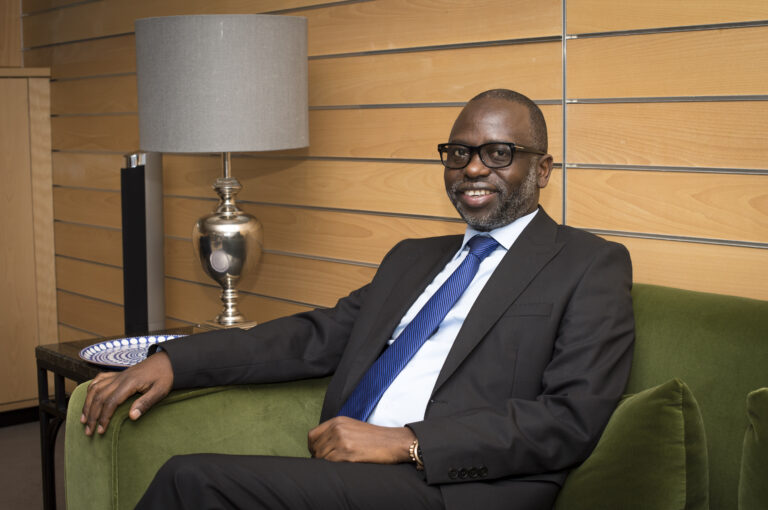
This was the opinion of Professor Tshilidzi Marwala, Rector of the United Nations University and Under-Secretary-General of the United Nations, during a policy debate around unemployment held at the University of Pretoria’s (UP) Future Africa Institute in Hatfield, Pretoria.
The debate, themed ‘Rethinking traditional approaches to tackling unemployment in South Africa: Exploring feasible, well-designed grant-based approaches for the unemployed to complement active labour-market policies’, was hosted by Southern Africa – Towards Inclusive Economic Development (SA-TIED) programme and independent research forum Econ3x3.
SA-TIED is a programme that looks at ways to support policy-making for inclusive growth and economic transformation in the southern Africa region through original research in collaboration with the United Nations University World Institute for Development Economics Research (UNU-WIDER), South Africa’s National Treasury, the International Food Policy Research Institute, and other governmental and research organisations in the region.
Econ3x3 is an independent forum for critical public debate on unemployment and employment, income distribution, and inclusive growth in South Africa, and it publishes accessible research-based contributions and expert commentaries.
The debate at UP encouraged an analysis of the success of grant-based approaches to tackling unemployment in other developing countries.
Participants suggested that South Africa could learn from other countries by assessing the relationships between grants and active labour market policies and how, collectively, these can boost employment.
“Many of the things I heard during this debate are quite important, and they are worth repeating, but I have to add that this is not the first time I am hearing these sentiments,” said Prof Marwala, who is also a UP alumnus and the former Vice-Chancellor and Principal of the University of Johannesburg.
We are starting not from point zero but from negative.
“My message to South Africa and South Africans is that it is time to implement. We do talk quite a great deal about implementation capacity. We need to start doing things. And I am reminded of what the first Prime Minister of Ghana, Kwame Nkrumah, once said: ‘Like never before, we need thinkers of great thoughts; like never before, we need doers of great deeds.’ It is time for us to start doing.”
He said South Africa’s struggles with implementation stem from a pressing shortage of technical capacity, which can be easily seen in the inadequate skill sets among the country’s political groupings.
“Go and look at some of the layers of our government. Go to local governments. I come from Limpopo province in Thohoyandou, and we can see that we need engineers to be able to run that municipality,” Prof Marwala said.
“Where will we get them because we do not train enough technically skilled people in South Africa? They do not want to go and live in rural areas, and we need to change that mindset. But we also need to expand our training process.”
“Secondly, organisational and managerial skills are something that we need to develop actively, but we need to start at a young age. The idea that somebody can suddenly start knowing what needs to be done when they have just graduated from university is false.
“Education starts in our homes at the earliest of ages, and we need to be actively involved in making sure that we have a cohort of cadres who are equal to the task when it comes to confronting the problems that we are facing as a society.”
Discussing timelines for when South Africa should implement solutions, Prof Marwala said: “We obviously ought to have known in the past. Today is too late. It needs to have been done in the past. When should we start? We should start now. And we should know that we are beginning not from point zero but from negative. We have lost time. We have lost ground. This is urgent. Our people want jobs. Our people want prosperity. We need to have good roads. We need to once and for all replace informal settlements with decent living areas for our people. We need to fix our education and health systems.
Schools throughout the country face a variety of challenges when it comes to ensuring the efficient functioning of the Representative Council of Learners (RCLs).
But these young minds, who have a critical governance role under the South African Schools Act (SASA), a Representative Council of Learners (RCL) promotes quality learning and teaching in schools as the elected representative structure.
In terms of the Act, they can allow learners to voice their concerns and formulate strategies that respond to various challenges faced at schools.
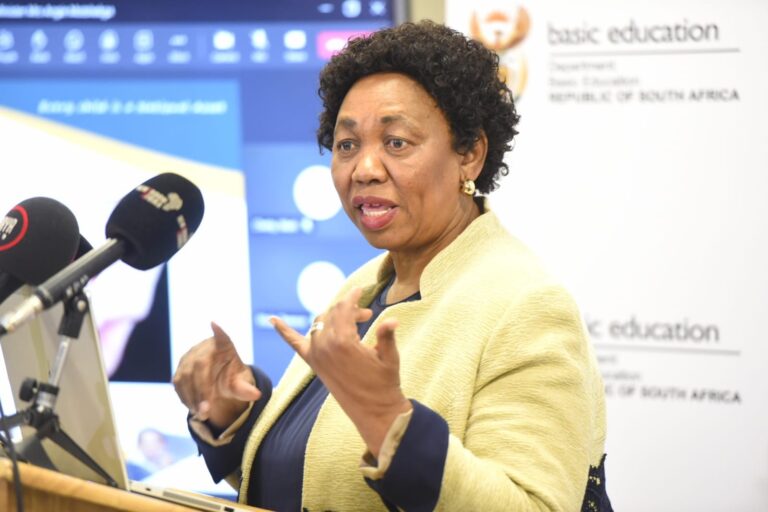
Minister of Basic Education, Mrs Angie Motshekga, together with Deputy Minister Dr Reginah Mhaule, last month addressed the 2023 National RCL Conference under the theme, “Advancing learner participation and Functionality of Learner Leaders in South African Schools.”
The Conference was hosted to strengthen the functioning of RCLs in provinces while seeking to create a platform where the Department and stakeholders can engage in progressive ways to improve RCLs to highlight the challenges schools face in ensuring the efficient function of RCLs.
Minister Motshekga said it made her proud to witness the enthusiasm and dedication of young minds shaping the future of the educational landscape.
“Your mission as the youth of 2023 is to use the words of wise African statesman Thomas Sankara: “We must dare to invent the future”.
The Minister further stated that the youth have the potential to drive positive change, overcome societal challenges and build a more inclusive and prosperous South Africa. Minister Motshekga concluded her ad- dress by highlighting the importance of learner leadership towards positive discipline in schools and the power of reading.
She said this platform acknowledges the potential of learner leadership in schools, nurtures the passion for reading, and explores the significant role that learner leadership plays in maintaining discipline within our educational institutions.
Deputy Minister Mhaule also touched on the importance of being a true leader. “Being a leader begins at this very moment; I urge you to go out there and make it a mission to make a difference in our country and to transform society for the better. Positive action will make you a true and selfless leader who puts the needs of others first.”
The Conference drew inputs from various representatives, including the Agape Youth Movement (AYM), Ubuntu Youth Leadership (UYL), the National Education Collaboration Trust (NECT), the Ngangezwe Foundation and the University of South Africa (UNISA).
The selected RCLs engaged in robust discussions whilst applauding the DBE for their inclusion in the mission towards shaping a brighter future for the next generations.
Google has announced the expansion of Bard, its conversational AI service, to 40 new languages including Swahili- the first African language to be included and 59 new countries and territories.
The expansion includes new features that allow users to better customize their experience, boost their creativity, and get more done.
With the expansion, Bard is now available in most of the world, including countries in the European Union (EU), and in the most widely spoken languages, including Swahili, Chinese, German, Spanish, Arabic, and Hindi, and Spanish. Users can now access Bard in their preferred language with text-to-speech also enabled in 8 languages.
“We’re excited that this is Bard’s largest expansion to date – we see its global availability as a great democratizer of knowledge,” said Dorothy Ooko, Head of Communications and Public Affairs, SSA, Google.
“That’s why we created Bard: to help you explore that curiosity, augment your imagination and ultimately get your ideas off the ground — not just by answering your questions, but by helping you build on them.”According to UNESCO, Swahili is among the 10 most widely spoken languages in the world, with more than 200 million speakers.
The inclusion of more languages and territories will also help to make Bard more inclusive and safe, through feedback from a wider range of users.
“The launch of Bard in Swahili is a major milestone as it allows Bard to reach even more people in Africa, where approximately 150 million people speak Swahili. This makes Bard more accessible to everyone in the region, and we believe that it has the potential to be a powerful tool for creativity and learning. We are excited to see how people in the region use Bard to explore their ideas and discover New things,” said Rachael Ndichu, Language Manager at Google.
Bard seeks to combine the breadth of the world’s knowledge with the power, intelligence and creativity of Google’s large language models.
It draws on information from the web to provide responses. As an experimental technology, Bard may occasionally make inaccurate statements in response to user prompts.
So if a response from Bard is inaccurate or unsafe, if one experiences an issue, or just wants to provide feedback, there’s an easy way to do that.
The impact of the COVID-19 pandemic on education is far from over, according to St Martin’s School principal Warren Venter, who warned that liquidating the deficit as soon as possible to protect an entire generation from “dangerous regression”.
He said the learning deficits were worse in mathematics and literacy.
Recently, South Africans were shocked to learn that Grade 4 learners struggled to read with meaning. The 2021 results of the Progress in International Reading and Literacy Study (PIRLS) were recently published and indicated that 81% of South Africa’s grade 4 learners are unable to read for meaning.
But Venter said that the problem stretches through to matriculants, too, and that a direct line can be drawn between much of the country’s reading with meaning challenges and the pandemic.
Venter, who is the principal of St Martin’s School, one of the country’s reputable private schools, said that as a remedy to the challenges brought about by the pandemic, the school developed personalised ‘catch-up’ curricula for learner sets that were identified as somewhere on the spectrum of an education deficit.
Venter said that the school has developed compulsory intra and extra-mural sessions across all grades to address gaps in education, including addressing learners’ ability to focus and function effectively within a scholastic environment.
“It’s a programme that I feel all schools must adopt to avoid a problem that could recur as each learner progresses to successive grades. It has to be nipped in the bud, because South Africa cannot afford to graduate students with unsuitably developed skills. The knock-on effect on future growth could be dire,” Venter warned.
Venter noted three primary reasons for the lag. “While there was no alternative, online learning became the go-to for families. It played a crucial role, but anecdotal evidence suggested that students were struggling to focus. Online learning is usually paired with multi-tasking and attention and focus on the subject matter being taught often lacked the intensity required.”
He also listed social media as a thorn in learning’s side. “It proved to be a massive distraction during the pandemic, and it continues to be an attention segue for students today,” he said. It then translated to the classroom as lockdown restrictions waned, creating challenges in concentration, reading and digestion of learning materials.
It’s been just over a year since South Africa lifted all lockdown restrictions, and Venter said that understanding the enormous impact of the pandemic has only recently started to surface.
“Intervention is the only way to assess, understand and remedy a situation. Notwithstanding other challenges, the deficit hangover could become one of the biggest crises in education in the country’s history. Addressing it through individualization and group remedy is the only path ahead,” he said.