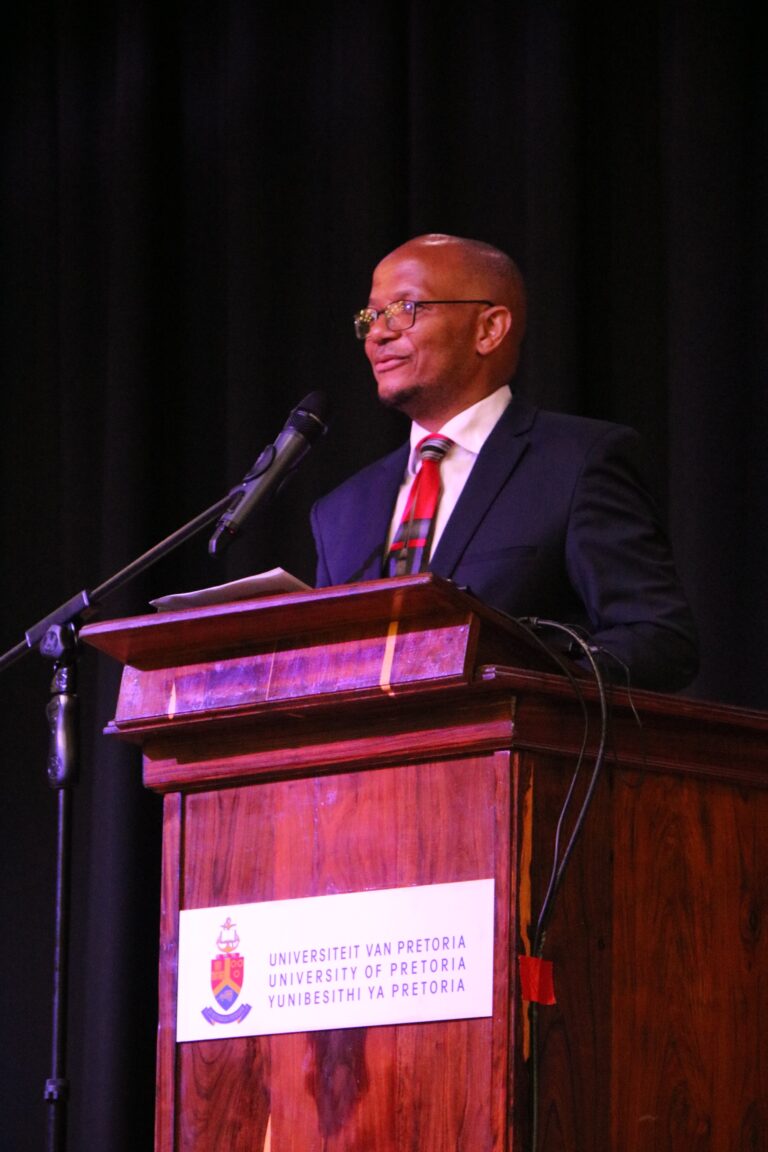
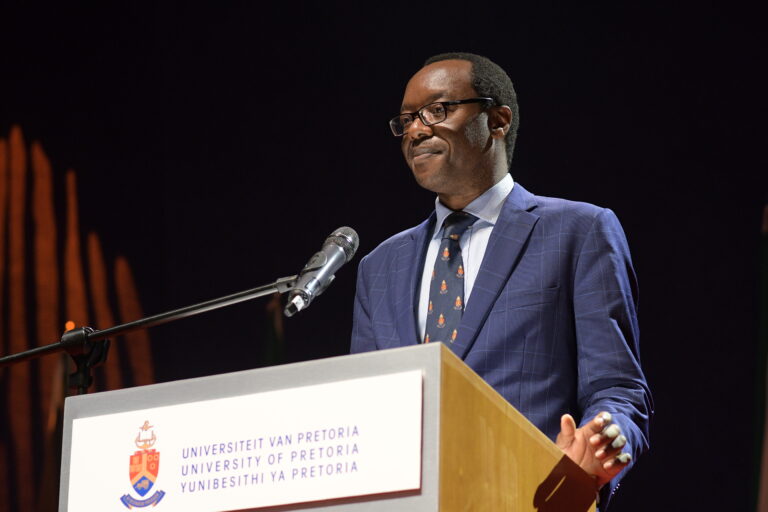
Inadequate funding, inadequate teacher training and limited access to educational resources are among the numerous challenges that Africa needs to grapple with concerning education systems. It was for these reasons that Professor Chika Sehoole, Chairperson of the Education Deans Forum (EDF), received a resounding YES from his fellow deans when he proposed a platform for deans of schools and faculties of education across the continent to meet and address these obstacles.
This, after sounding the idea of some counterparts from a few African states.
The EDF is one of 11 active communities of practice within Universities in South Africa (USAf). This group fosters research in education towards continuous improvement of teacher education; it promotes South Africa’s education interests by providing an outlet for deans to discuss matters of common concern in the delivery of teacher education, and, finally, the EDF brings to the attention of policymakers, emerging issues on Education as a discipline.
Professor Sehoole, Dean of the Faculty of Education at the University of Pretoria, describes the upcoming platform as one where African education deans will share experiences and best practices, discuss common challenges and collaborate on initiatives towards resolving those issues while supporting one another.
Having agreed on this pan-African forum, the EDF took the lead on the spadework towards establishing the Pan-African Deans of Education Forum(PADEF), whose focus will be in sub-Saharan Africa.
This Forum is founded on the common understanding that education is critical in the development of any society, Africans included. The deans hope to use PADEF to transform teacher education in their respective countries, by, among other activities, sharing best practices and case studies in educational leadership, management, pedagogy and research.
Through PADEF, education deans also hope to advance the United Nations’ Sustainable Development Goal 4 objective of ensuring inclusive and equitable quality education and promoting lifelong learning opportunities for all.
PADEF will be launched on 24 July 2023 at Makerere University in Uganda.
The launch has been planned to coincide with Day One of the 2023 Distance Education and Teachers’ Training in Africa (DETA) Conference, scheduled to take place from 24 to 27 July.
An initiative of the University of Pretoria, this conference is aimed, among numerous objectives, at building the capacity of teacher training programmes in Africa. Professor Sehoole, central to the DETA conference planning, says aligning the PADEF launch to the event was a deliberate and strategic move optimising the gathering in one place of all the critical stakeholders.
At the recent EDF meeting on 26 May, the terms of reference of PADEF were endorsed and agreed on for adoption at the launch event, where the collective of African deans will elect a steering committee.
Professor Sehoole explained that although they wish to attract all the education deans in the sub-Saharan Africa region, membership of PADEF is voluntary.
Corruption at tertiary institutions in South Africa came under the spotlight in Parliament last week when the Portfolio Committee on Higher Education, Science and Innovation asked to be briefed on the current going-on in higher education.
In particular, the committee asked for a briefing on the University of Cape Town Council (UCT) investigation report into governance and management challenges, problems at the University of South Africa (UNISA) on governance-related matters, an update on the state of affairs of the University of Fort Hare (UFH) and University of KwaZulu-Natal (UKZN).
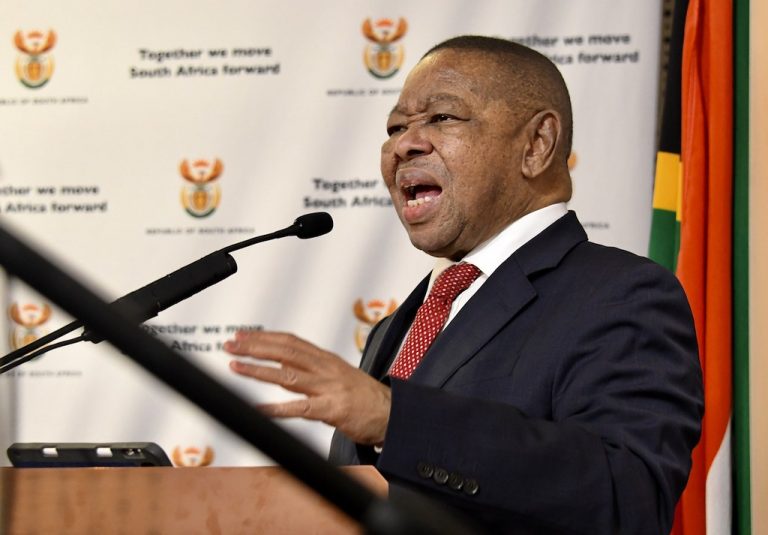
Higher Education, Science and Innovation Minister Blade Nzimande blamed corruption for the ongoing challenges at higher education institutions, saying that universities have become huge sites for personal and private accumulation considering the massive budgets, supply chain and procurement etc.
As corruption increasingly becomes a problem in our society, our institutions of higher learning have not been left untouched,” he said.
The department said it remains concerned about developments in the investigation and continues to monitor the situation.
Out of the country’s 26 public universities, the Minister said 16 independent assessors were appointed since 2000 to probe governance instability.
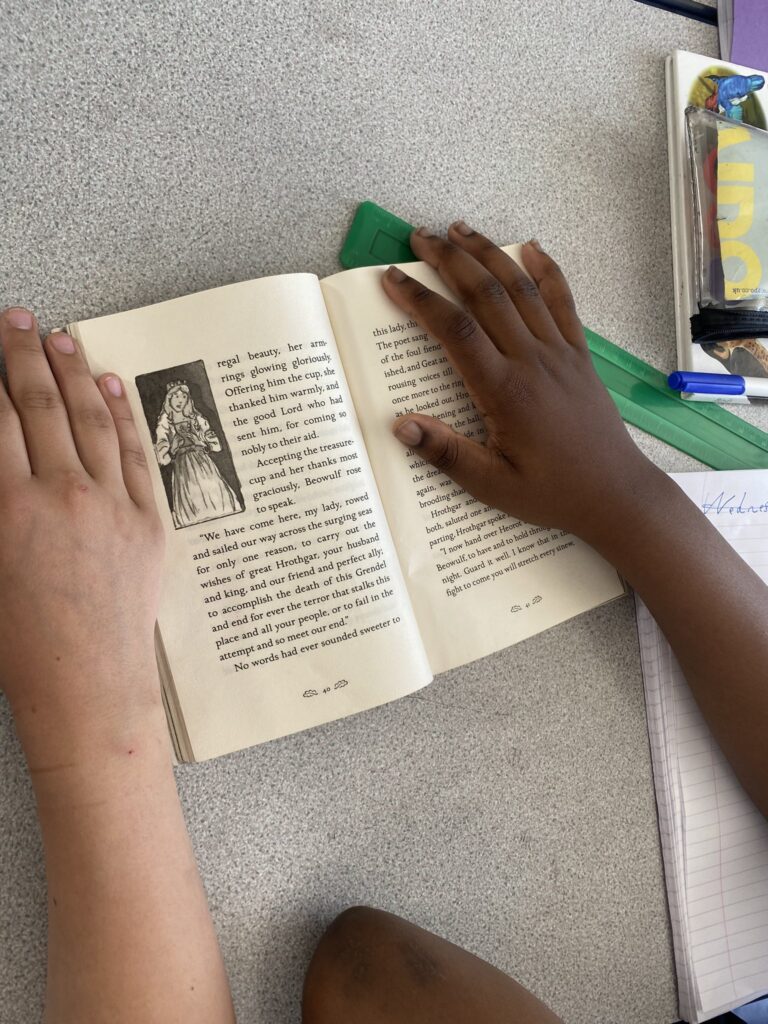
Over the past month, there has been a raging debate about reading in schools amid claims that most learners can.
The ongoing public discourse on reading literacy intensified when the results of the latest report on Progress in International Reading and Literacy Study (PIRLS) were released on 16 May.
The report confirmed that South Africa, like virtually all countries, saw lower primary reading competencies declines due to pandemic-related school disruptions. The results show that 81% of South African pupils in Grade 4 cannot read for meaning in any language.
That means that while a child may be able to read the literal text, she cannot interpret the text into context for meaning.
The magnitude of the decline relating to the pandemic does not come as a surprise, said Basic Education Minister Angie Motshekga at the weekend in Pretoria.
South Africa was among the countries most actively gauging impacts on learning outcomes during the pandemic.
She said the results shown in PIRLS are in line with earlier findings. All of this is concerning and informs the Government’s emphasis on addressing reading at the foundation phase.
“But it is not true that most learners cannot read and write, as some have put it. In fact, since the release of the report, we have embarked on a series of briefing sessions with various stakeholders to share the findings and provide insight on the mechanics of participating in these international studies,” she said.
The Minister said one of the points sought to make is that South Africa was not competing but merely participating to benchmark against the best in the world.
“It is also important to reiterate that we are one of only three countries in Africa brave enough to participate in PIRLS. We were also the only country to put forward all our official languages in the study.”
Motshekga said early learning is a fundamental stage in a child’s educational journey and that learning did not start in Grade R or Grade 1 but at zero.
“So there are steps the Department can take, but also parents and caregivers have a critical role to play as they are a child’s first and most important teacher during their early years.”
While the Department of Basic Education plays a significant role in supporting early literacy skills and teaching children how to read, the entire ecosystem must be involved.
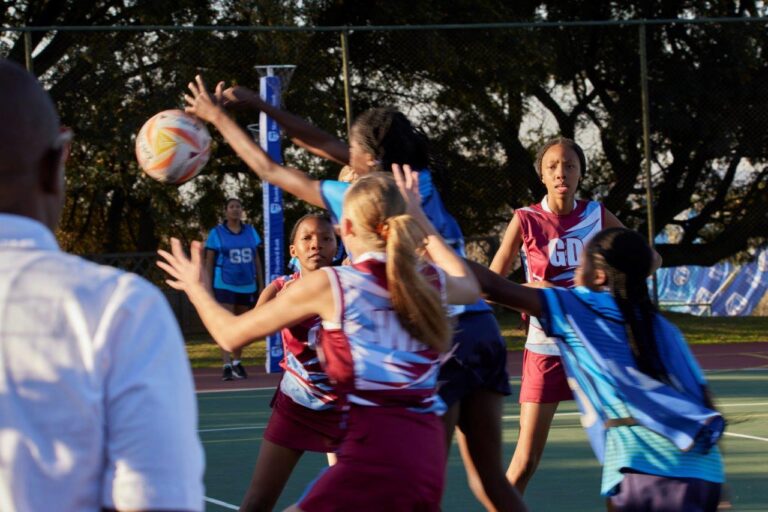
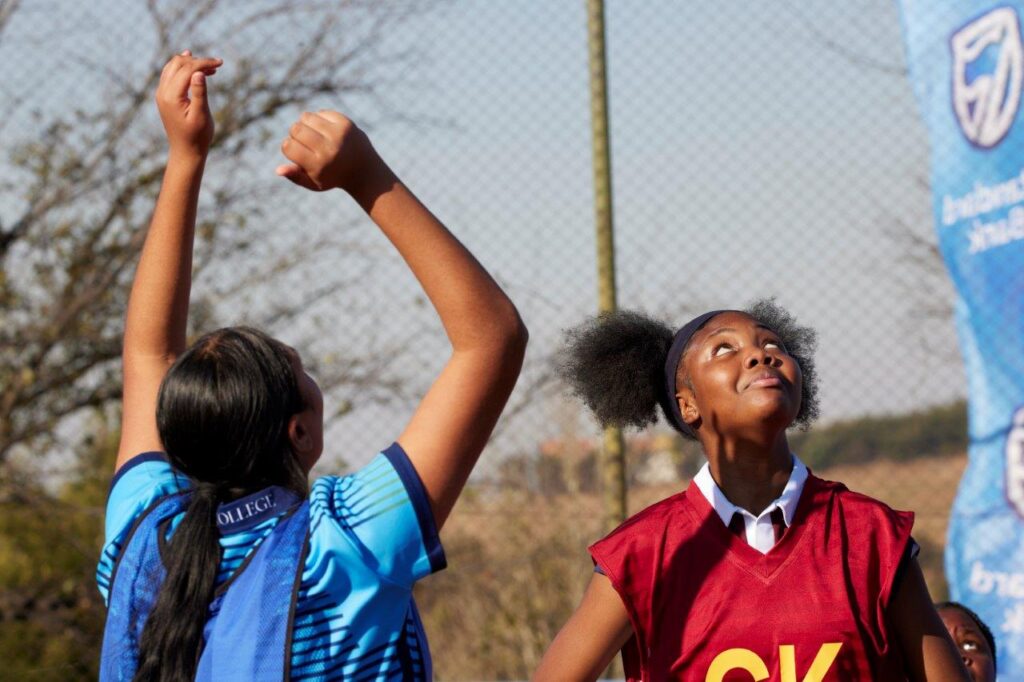
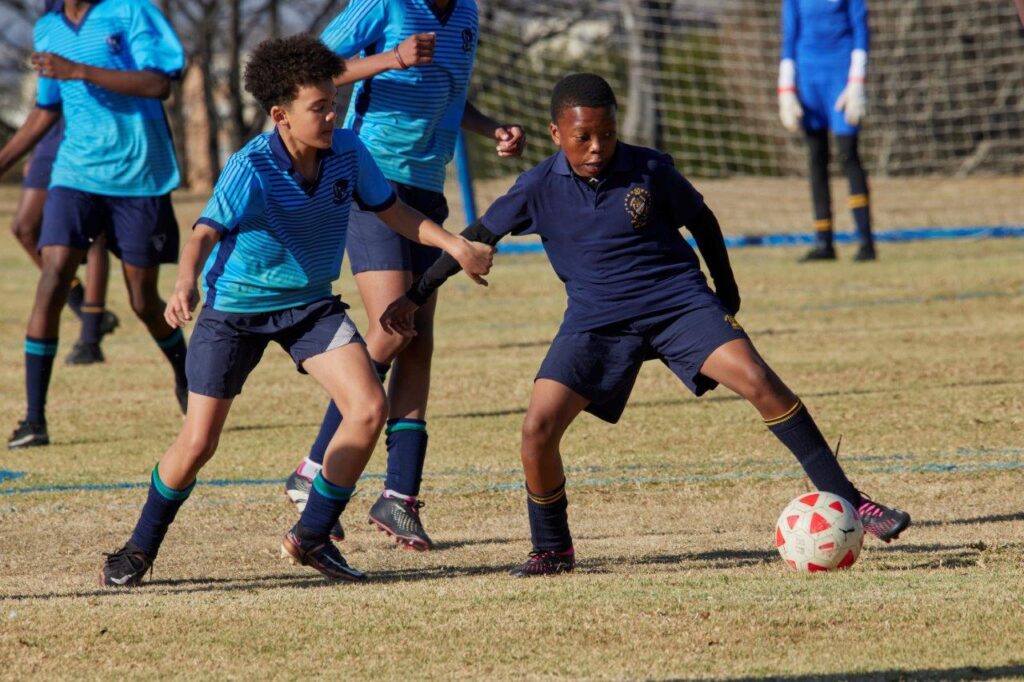
St Martin’s School celebrated Youth Day 2023 and former educator Oliver Tambo’s legacy at the school with a sports festival that comprised twenty-four teams from schools across the city across two days (15/16 June 2023)
The event’s theme was to illustrate the unifying power of sport, particularly amongst young South Africans.
St Martin’s Acting School Principal Warren Venter said: “This festival is important in teaching our kids how to be citizens of the country, learning things like conflict management, dealing with other people, important qualities. Sport has the potential to unify a nation and bring people together.”
Venter added: “You learn how to deal with other people. And being a human is dealing with other people. Sport is the breeding ground of learning about this and learning to be who you are.”
St Martin’s School also celebrated the legacy of one of its most prominent former educators, Oliver Tambo, who noted: “The children of any nation are its future. A country, a movement, a person that does not value its youth and children does not deserve it.” The school continues to take its lead and embrace Tambo’s legacy and wisdom.
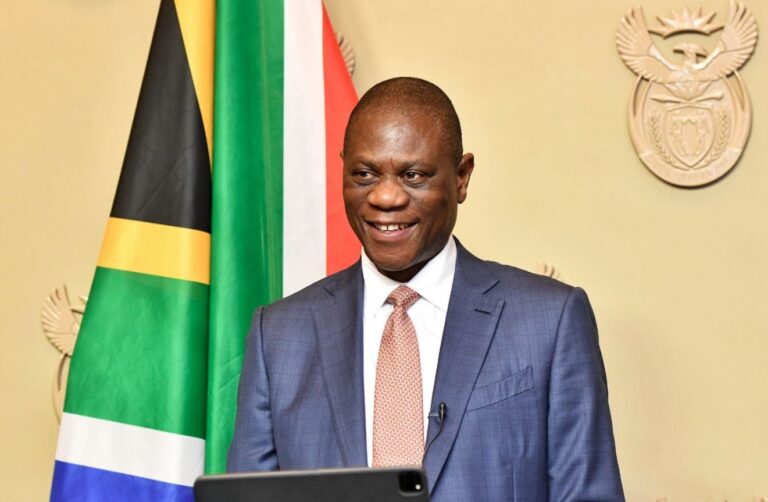
Deputy President Paul Mashatile told hundreds gathered to commemorate Youth Day in Mangaung on Friday that collaboration across sectors is key to securing the country’s prosperity.
Named the National Youth Day Commemoration, this year’s theme is aimed at effecting positive youth development efforts from local, provincial and national levels in South Africa.
Mashatile said given that the majority of the country’s population is youth, it is incumbent upon all sectors of society to collaborate in equipping the youth with the skills necessary for development and our collective prosperity.
“If we fail to do so, we would have failed South Africa’s future, as young people represent the future, and it is our responsibility to secure it.
“As we work with the private sector, toward an inclusive economy that employs young people, we recognize that the path to an inclusive economy has not been simple, but like the youth of 1976, we are motivated by their undying spirit,” he said.
Mashatile said the government remains focused and determined to ensure that the youth have access to socioeconomic opportunities.
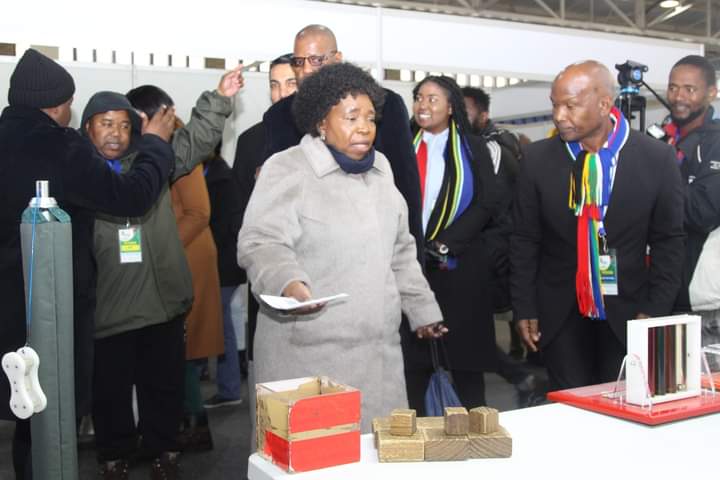
“Minister Dlamini-Zuma briefed me about the work we are doing to invest in youth that is being exhibited at the Opportunities Expo. She informed me that we are investing in real-time education, funding and mentorship opportunities that young people are now accessing.
“What was impressive was that the initiatives at the expo were led by the youth,” he said.
Mashatile said the government has placed the education and training of young people at the top of the national agenda.
Education is one of the most crucial enabling factors for attaining economic emancipation, he said.
“Over the years, the government has invested hugely toward a transformed education system.
“The government will continue to invest in the development of an inclusive education system in which children from low-income and working-class families also have access to quality education from the foundation phase and at higher education levels”.
Mashatile said the country has been investing in the modernisation of the delivery of education. This includes ensuring that curriculum content is responsive to the rising demand of skilled labour, high-speed internet access, and that educational delivery methods are now innovative.
The country has seen educational outcomes, particularly the improvement in output demonstrated by the province of Free State, which has held the top position for the longest time in terms of matric results.
As part of exciting new disciplines in schools, the Department of Basic Education system has introduced robotics and coding subjects at the foundation phase of learning.
This will improve reading for meaning and understanding of concepts at an early phase and thereby give young children a strong foundation for the future.
The Department of Basic Education is also introducing the Three-Stream Education system to ensure that not only academically oriented students benefit from education, but that learners can also choose the vocational or occupational stream that suits their needs.
In addition to Technical Mathematics, Technical Science, and Marine Sciences, the sector is introducing 13 new vocational disciplines. This is part of the Government’s aim to guarantee that schools not only encourage academic accomplishment but also vocational and occupational skills for young people.
To expedite the delivery of pertinent and acceptable skills, the government remains committed to providing essential resources and infrastructure from the earliest levels of basic education to the tertiary level, Mashatile said.
To guarantee that learners have access to the latest equipment, he said the government has recapitalized 540 of the potential 1,050 technical schools.
The programme focuses on youth entrepreneurs who are at intentional, promising and new stages of enterprise development.
Mashatile highlighted some of the achievements in the recent past, including;
2320 youth and youth-owned enterprises funded through financial interventions. 34209 youth-owned enterprises supported with non-financial development interventions. 6796 jobs created and sustained through supporting entrepreneurs and enterprises. Furthermore, under the Presidential Youth Employment Intervention, the Government has launched several youth development and empowerment initiatives to assist young people in entering the workforce.
Mashatile said the Presidential Employment Stimulus remains a crucial Government intervention to generate employment and livelihood opportunities, particularly at a time when the economy as a whole is not producing jobs at the required rate.
The Presidential Employment Stimulus builds on the many years of success of public employment programmes such as the Community Works Programme and the Expanded Public Works Programme.
During the last fiscal year, the stimulus enabled the creation of nearly 650,000 new jobs and thereby creating sources of income for the youth.
These opportunities were made available in numerous industries, including agriculture and across several other fields.
Of the people involved in the programme, 83 percent are youth. This brings the total number of participants in the Presidential Employment Stimulus since its launch in 2020 to over 1.2 million people.
More than 3.9 million young people have enrolled on the National Pathway Management Network, also known as SAYouth.mobi. This network provides a platform for young people to access learning and earning opportunities that are both all-inclusive and free of charge for data usage.
Close to 350, 000 young people have secured earning opportunities through the platform, with 68% of these being young women.
14 000 Technical and Vocational learners have secured workplace experience opportunities through the support of the Sector Education and Training Authorities in the Department of Higher Education and Training.
35 000 young people have secured non-financial support from the Department of Small Business Development and the National Youth Development Agency and close to 5 000 have received financial support to start and scale up their enterprises.
He said the government has successfully revitalised the National Youth Service programme and now runs one of the world’s largest National Youth Service programmes with 47 000 participants working across sectors such as Early Childhood Development, Sport, Arts and Culture, Nutrition and Digital Mapping.
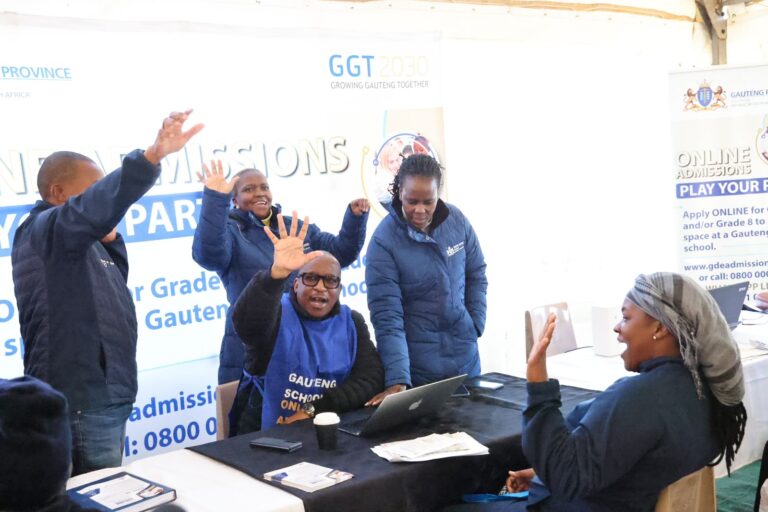
Gauteng Education MEC Matome Chiloane officially marked the start of the 2024 Online Admissions application period for Grade 1 and Grade 8 on Thursday, at Winterveldt Multipurpose Hall in Tshwane.
Education spokesperson Steve Mabona said as of Thursday noon, 161 407 Grade 1 and 8 applications were successfully processed by the Online Admissions System, reflecting a slight decrease compared to the 2023 application period where over 165 000 applications were made.
“We believe this decrease may be due to this year’s application period occurring at the start of the long weekend. Within the first hour of opening the system, a whopping 60 000 applications were received,” Mabona said.
He said the department has acknowledged the challenge faced by some applicants when entering their ID numbers onto the system.
“The Department of Home Affairs (DHA) verification mechanism used on the Online Admissions was unable to process certain ID numbers, However, this was effectively resolved within a few minutes as we discovered applicants only had to refresh their browsers and proceed to apply successfully,” he said.
A number of applicants who were applying for Grade 8 reported that they could not enter their previous schools on the system.
The department said this issue did not affect all Grade 1 and 8 applicants, but Mabona has assured parents and guardians that the problem has since been resolved and all previous schools are now appearing in the system for Grade 8 applicants.
The 2024 Online Admissions application period will continue until 14 July 2023.
Parents and guardians are urged to either upload the certified copies of the required documents onto the system, or submit them at the schools they applied to within 7 school days.
Parents can also visit District Offices and 80 decentralised walk-in centres to be assisted with the application.
Gauteng Education MEC Matome Chiloane said he was happy with the online admissions on the first day and was proud of the smooth start and at the turnout of parents who succeeded in their applications.
“Many parents reached out to share their smooth experience when utilising the system. Other parents also said the system is faster than the previous years,” said Chiloane.
University of Pretoria Vice-Chancellor and Principal Professor Tawana Kupe has resigned suddenly.
He leaves the university on 31 July, six months before his term was scheduled to conclude in January 2024, said UP Council Chair Kuseni Dlamini in a communication to staff.
“While the process to find his successor will begin immediately, appropriate interim arrangements that will help facilitate the smooth functioning of the institution will be put in place,” he said.
Dlamini said he was confident that these interim arrangements, coupled with the expertise and dedication of the UP staff, would enable the university to operate at the highest level.
“We all remain committed to upholding the university’s mission, values, and long-term objectives and will work tirelessly to maintain our momentum,” he said.
On behalf of the Council, Dlamini thanked Kupe for his contributions to UP during his tenure.
Kupe officially stepped into his role on 14 January 2019, declaring: “It is an honour and privilege to take over the reins at this proud institution at such a key moment in South African and global history” following the resignation of former Vice-Chancellor and Principal Prof. Cheryl de la Rey, who took over as head of the University of Canterbury in New Zealand.
Prof. Kupe holds BA Honours and Master’s degrees in English from the University of Zimbabwe, as well as a DPhil in Media Studies from the University of Oslo in Norway. He served as Executive Dean of the University of the Witwatersrand’s Faculty of Humanities for six years after serving as the Head of the then Wits School of Literature and Language Studies. He was also the founding Head of the Media Studies Department.
On 1 June, UP announced that it had improved its position in the 2023 Times Higher Education (THE) Impact Rankings, rising to position 69 (up from the 101-200 band in 2022) out of 1 705 universities in 115 countries.
UP is also ranked in the Top 20 universities in the world for two SDGs, with a notable 4th place in the world (out of 960 ranked universities) for SDG 8, “Decent work and economic growth” (maintaining its top 50 global placement for SDG 8 from 2022) and 14th place for SDG 5, “Gender equality” (first appearance).
“Once again, UP has proved to be one of the leading universities not only in Africa but also in the world for impact towards the SDGs,” said Kupe at the time, acknowledging that it was a collective achievement from academic and professional staff, students, and partners at all levels.
The magnitude of addressing the infrastructure backlogs at schools throughout the country requires an annual investment of about R40 billion, according to the Department of Basic Education Head of Infrastructure, David van der Westhuijzen.
This is significantly more than the funding allocated through the Education Infrastructure Grant and necessitates a Blended Finance Model.
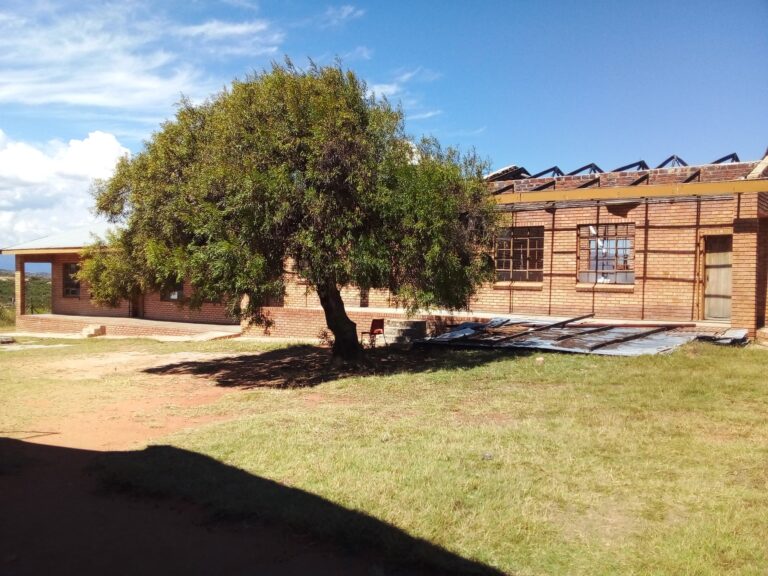
The significant challenges are overcrowding in schools, inadequate sanitation, inadequate water supply, inadequate energy supply and a lack of maintenance.
The Department of Basic Education has briefed the Portfolio Committee on Basic Education on the status of infrastructure in SA schools.
An overview of the progress made in eradicating critical infrastructure backlogs since 1996 was provided by Acting Director-General Dr Granville Whittle, along with van der Westhuijzen and Director Solly Mafoko,
The presentation, led by Van der Westhuijzen, estimated that in 1996 there were about 1,000 schools made entirely of inappropriate materials. In 2011, there were initially 510 schools on the infrastructure eradication programme (this number decreased to 332). Of the 332 schools made entirely of inappropriate materials, 330 have been replaced. The remaining two replacement schools are scheduled for completion in 2023/24.
Furthermore, Van der Westhuijzen said that in 1996, a total of 8,823 schools with no water supply were reported. In 2011, there were initially 1,117 schools on the programme (this number increased to 1,306).
However, of the 1,306 water supply projects, 1,292 have been completed. The remaining 14 water supply projects are scheduled for completion in 2023/24.
In 1996, 15,263 schools with no electricity supply were recorded. In 2011, there were initially 902 schools on the programme (this number decreased to 373). All 373 electricity supply projects have been completed.
In 1996, there were 3,265 schools with no toilets, but by 2011, there were initially 701 schools on the programme; however, this number went up to 1,087). All the 1,087 sanitation projects have been completed. It is estimated that there were about 9,600 schools dependent on basic pit toilets in 1996.
In 2018, there were initially 3,898 schools on the programme (this number decreased to 3,395). Of the 3,395 sanitation projects, 2,728 have been completed. The remaining 667 sanitation projects are scheduled for completion in 2023/24.
The Department developed a 10-point strategy to address these challenges due to implementation.
Bongiwe Mbinqo-Gigaba, Portfolio Committee Chairperson, raised questions about the measures that have been put in place to curb corruption, to which the DBE responded that the assets and financial status of DBE officials are declared annually.
In addition, no direct contractors are appointed and implementing agents are used to select service providers after awarded tenders.
A suggestion arising from the discussion was to explore a Blended Finance Model to fast-track infrastructure efficiency via donors and partners, as in the Western Cape and Gauteng Provinces, through collaboration schools.
Wits University has officially renamed University Corner after renowned writer and activist Es’kia Mphahlele as part of its continuing transformation plan.
The University Corner, located on the corner of Jorissen and Bertha street, was officially renamed on 01 June 2023.
The renaming of the popular building which houses the Wits Centre for Journalism, the Wits Centre for Diversity Studies and the Wits Art Museum to name a few, is a fitting tribute to Mphahlele, the first black Full Professor at Wits.
He spent nearly 70 years of his life in a career spanning education, journalism, creative writing, and the leadership of institutions for the promotion of literature and the arts.
He was an icon who contributed enormously to the Wits community. Through his body of creative work, his far-reaching education work, and cultural activism, Mphahlele was a major force in shaping modern African Literature.
Before unveiling the golden plaque to guests and members of Mphahele’s family, Wits Vice-Chancellor and Principal Professor Zeblon Vilakazi, said that renaming the building serves as a vital physical connection between the Wits Campus and Braamfontein.
“The university recognizes the importance of community engagement in forging new knowledge. Es’kia Mphahlele’s work was instrumental in breaking the bounds of traditional knowledge creation and fostering a more inclusive approach to scholarship,” said Vilakazi.
“Let us not forget that Professor Es’kia Mphahlele was not only a visionary in education but also a leading African writer, whose talents were dedicated to the development of African writing on this continent and its diaspora. His contributions to literature were so remarkable that he was nominated for the Nobel Prize for Literature not once but twice,” said Vilakazi.
“Today, as we confer his name upon this building, we pay homage to Professor Es’kia Mphahlele’s massive contribution to African letters. This small gesture of recognition is a testament to his enduring legacy and a reminder to future generations of scholars that his work continues to inspire and guide us.”
The Mphahlele family representative, Gontse Moropa, thanked the institution for renaming the building after her uncle.
“As a family, we are very happy that you are honouring my granduncle. It shows that his legacy still continues.”
The Students’ Representative Council’s acting President, Kabelo Phungwayo, said that Es’kia Mphahlele’s struggle for his educational career is an inspiration to most students.
Phungwayo said it is an inspiration to honour someone who fought for his own education and thereafter fought for the education of others.
“We consider Es’kia as a revolutionary scholar, who inspires our African epistemology of humanism and who is the Dean of African letters. Such a figure, being recognised in this institution, means a lot to the SRC,” said Phungwayo.
Tinashe Ernest Muzvidzwa Mutsavangwa, Berhhard Egger and Felix Atuhaire
FOETAL alcohol syndrome is a lifelong condition caused by exposing an unborn baby to alcohol. It’s a pattern of mental, physical and behavioural symptoms seen in some people whose mothers consumed alcohol during pregnancy.
Not all prenatal alcohol exposure results in the syndrome; it is the most severe form of a range of effects called foetal alcohol spectrum disorders.
South Africa has the highest reported rates of foetal alcohol spectrum disorders in the world: 111.1 per 1,000 population. The disorders may affect seven million people in the country. The number could be higher because of under-diagnosis.
Foetal alcohol syndrome can’t be reversed. But confirmed diagnosis can have benefits. It can lead to early intervention and therapy (physical, occupational, and speech, among others), and a better understanding from parents and teachers. Diagnosis can also ensure that adults are eligible for social services support.
Clinicians use a range of methods to diagnose foetal alcohol syndrome, including assessing abnormal growth and brain function. A key part of the process is looking at the individual’s facial features. Typical features are small eye openings, a thin upper lip, and a smooth area between the nose and upper lip.
But visual examination of the facial features can be subjective and often depends on the clinician’s experience and expertise. Another challenge arises in low-resource settings when there aren’t many doctors specially trained to do this.
A more objective and standard way to detect foetal alcohol syndrome early would therefore be useful.
One method that’s being used to aid diagnosis is three-dimensional (3D) surfaces produced by devices that scan the face. The technology is costly and complex. Two-dimensional (2D) images are easier to get – it can be done with a digital camera or smartphone – but are not accurate enough for diagnosis.
Our study sought to explore whether it was possible to use normal 2D face images to approximate 3D surfaces of the face. We showed that it was. Our method involved using 3D models that can change their shape based on a variety of real human faces, combined with 3D facial analysis technology.
We argue in our paper that our findings show the technology can improve early detection, intervention and treatment for people affected by foetal alcohol syndrome, particularly in low-resource settings.
We hope to contribute to the global effort to prevent and manage the lifelong consequences of the syndrome and disorders.
How it would work We constructed a flexible 3D model that can alter its shape based on a variety of real human faces. The changes are guided by statistical patterns learned from a dataset of high-quality 3D scans from 98 individuals. This international open-source dataset was carefully curated to represent different demographic groups.
We didn’t have access to image data of individuals affected by foetal alcohol syndrome. We therefore used 2D and 3D images of individuals without this condition to develop and validate our approach. We nevertheless reasoned that our method should work equally well for any scenario where the model and the test subjects are closely matched.
We then set out to develop and validate a machine learning algorithm for predicting 3D faces of unseen subjects, from their 2D face images only, using our 3D model.
This was a pioneering step in our research, where we aimed to create a “smart” tool that could bring flat images to life in three dimensions. The results of the study were encouraging.
Our 3D-from-2D prediction algorithm performed well in three ways: capturing facial variations representing unique features summarising information of faces from 2D images.
Since we had actual 3D face scans to use for comparison, we were able to calculate the average difference between these scans and the face shapes predicted by our model. This allowed us to measure the error in our fitting, which we found to be in line with other studies.
We particularly focused on specific regions of the face: the eyes, midface, upper lip, and philtrum (the groove between the nose and the top lip). These regions provide crucial information for clinicians when examining the facial markers of foetal alcohol syndrome.We could accurately predict these facial regions, and concluded from this that our method could form the foundation of an image-based diagnostic tool for foetal alcohol syndrome.
Our study also showed that the quality of our predictions was independent of skin tone. This is a crucial finding. Certain 3D scanning technologies have been known to struggle with accurately capturing darker skin tones. This issue is being addressed. Nevertheless, our findings gave us confidence that there was additional potential for use of our approach in diverse populations.
Challenges We did identify some limitations. Access to 3D data of individuals with foetal alcohol syndrome remains a challenge. Future research could focus on reducing reconstruction errors to acceptable clinical standards by collecting and analysing larger datasets, including data from underrepresented populations.
Mutsvangwa is Associate Professor of Biomedical Engineering, University of Cape Town. Egger is Professor for Cognitive Computer Vision, Friedrich-Alexander-Universität Erlangen-Nürnberg and Atuhaire is a Lecturer, Mbarara University of Science and Technology.
This article was first published in The Conversation.