Home Blog Page 22

Ngcukaitobi urges DHET to back blended learning at Walter Sisulu University

By Charmaine Ndlela

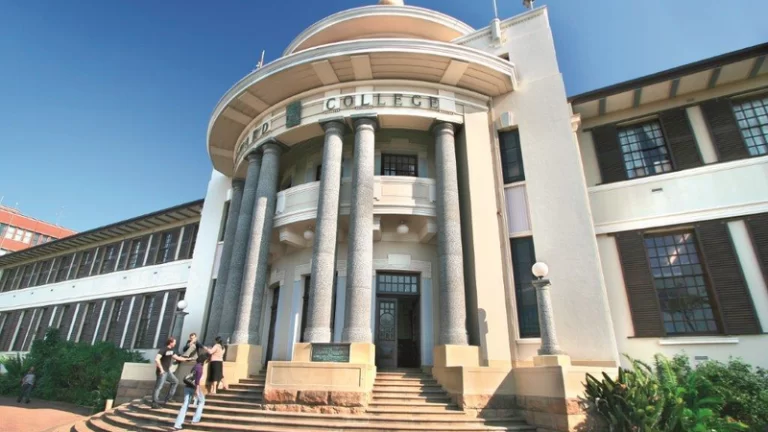
Walter Sisulu University (WSU) has urged the Department of Higher Education and Training (DHET) to create an enabling environment for online and blended learning, a move the institution believes could increase its overall enrolment from about 30,000 to 60,000 students.

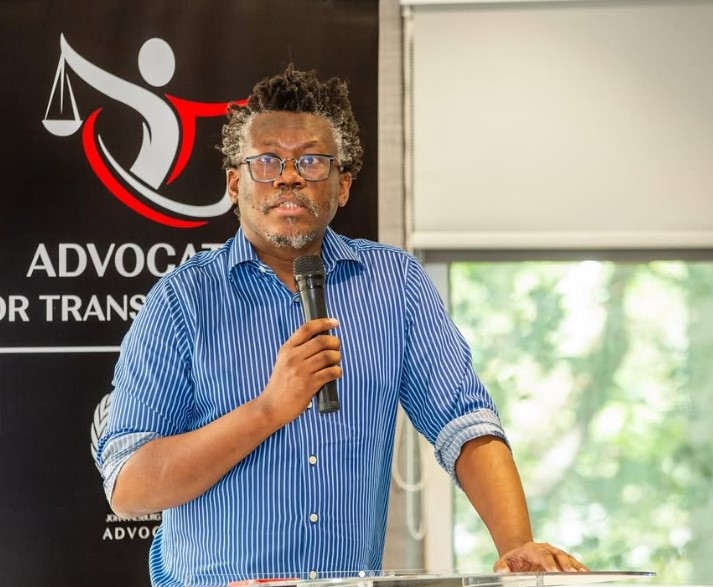
WSU Council Chairperson, Advocate Tembeka Ngcukaitobi, said the university had received more than 500,000 applications from first-year students for 2026, but only had space to admit about 7,000.

“The system is deliberately producing young people who will never acquire the skills needed to participate in the economy. At the very least, we should accommodate them within virtual walls,” Ngcukaitobi said.

The call follows an oversight visit by the Parliamentary Portfolio Committee on Higher Education on Monday, aimed at highlighting and addressing long-standing challenges faced across WSU campuses.

Committee Chairperson, Honourable Walter Teboho Letsie, said the visit was a direct response to concerns raised by staff, students and the broader WSU community.

“The reason we came to this campus is because of the various issues and challenges faced by staff, students and the WSU community,” Letsie said.

The committee acknowledged frustrations caused by ongoing pressures, including inadequate infrastructure, with campuses such as Komani requiring urgent refurbishment.

In response, the committee proposed exploring a joint oversight mechanism between the Portfolio Committees on Higher Education and Public Works, as the land occupied by WSU falls under the authority of the Department of Public Works.

Reaffirming Parliament’s broader mandate, Letsie said, “We must, as a committee, exercise our responsibilities to empower and improve the conditions of our universities so that students can prosper and become productive members of society, capable of changing the socio-economic trajectory of this country.”

Ngcukaitobi also highlighted severe water shortages on campus, noting that students are sometimes forced to carry buckets in search of water. He appealed to the DHET to support the university in securing sustainable infrastructure solutions.

“There is a clear path towards building and completing a self-sufficient water system for the campus and the greater Whittlesea community, which will benefit students, staff and the public,” he said.

The committee acknowledged the issue of stabilising the campus water supply.

“We saw the pump station the university is building to address critical water infrastructure needs, and from my perspective, the efforts are satisfactory thus far,” Letsie noted.

Despite these challenges, WSU reported that it has registered 27,608 students to date and confirmed its readiness to roll out the 2026 teaching and learning programme across all campuses.

INSIDE EDUCATION
eThekwini threatens to cut water, electricity to Durban schools over disputed and unpaid bills

By Thapelo Molefe

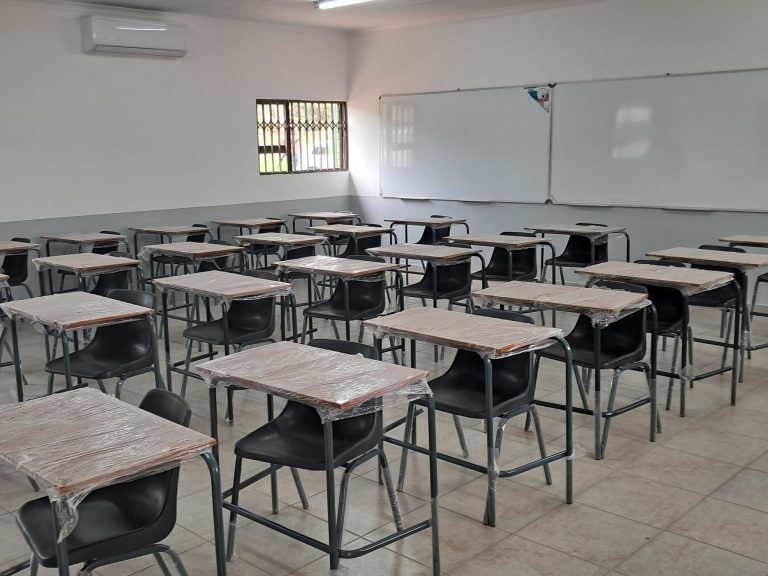
An estimated 10,000 learners across at least 17 public schools in Phoenix, north of Durban, are facing disruptions to their education as the eThekwini Municipality threatens to disconnect electricity and water services over unpaid bills, Inside Education has learned.

According to several well-placed sources, municipal workers have already visited schools armed with bolt cutters and tools, issuing disconnection notices and, in some cases, attempting to cut power lines on the spot, only backing down after desperate pleas from school principals.

Schools claim the municipal bills are inflated due to damaged or missing meters that were never replaced, despite communication with authorities. One school reportedly owes over R1 million.

Phoenix Pioneer Primary School has already been disconnected. Sources in the area said that the “crisis” is impacting critical services including the National School Nutrition Programme, with no refrigeration available for perishable food. 

Learners who depend on insulin for diabetes can no longer safely store their medication, and classrooms operate without ventilation during sweltering heat.

“There’s no telephone lines, no faxing, no printing, no internet,” an official from Phoenix Pioneer told Inside Education on Monday. The person asked not to be named, fearing repercussions.

“The situation is not being spoken about. Society is being desensitised to injustice.”

Mahathma Primary School principal Kishin Singh confirmed that while his school has not yet been disconnected, he received notices last week Wednesday and Thursday of intentions to do so. 

“I was visited by the electricity department who issued me a notice to cut electricity. [The person with the notice] carried tools to cut the wires,” Singh said. 

“I pleaded with him and explained my difficulties and I asked him to leave. My fear is that I will be visited by eThekwini in the near future and be disconnected.”

Sources said that the disconnections would affect at least 10 000 learners, if enforced.

IFP Councillor Jonathan Annipen, whose constituency is Phoenix-based, has lodging a formal complaint with the South African Human Rights Commission (SAHRC).

In his complaint, Annipen said the actions violate Section 29(1)(a) of the Constitution, which guarantees every child the right to basic education.

Annipen said in his submission that even if the municipality followed proper debt-collection procedures, the disconnections represent “a direct limitation” of children’s constitutional rights and breach cooperative governance principles.

The crisis comes as KwaZulu-Natal celebrated ranking first nationally in the 2025 matric examinations, an achievement the IFP says is now being undermined.

The municipality had not responded to questions from Inside Education at the time of publication. Its response will be added once received.

INSIDE EDUCATION

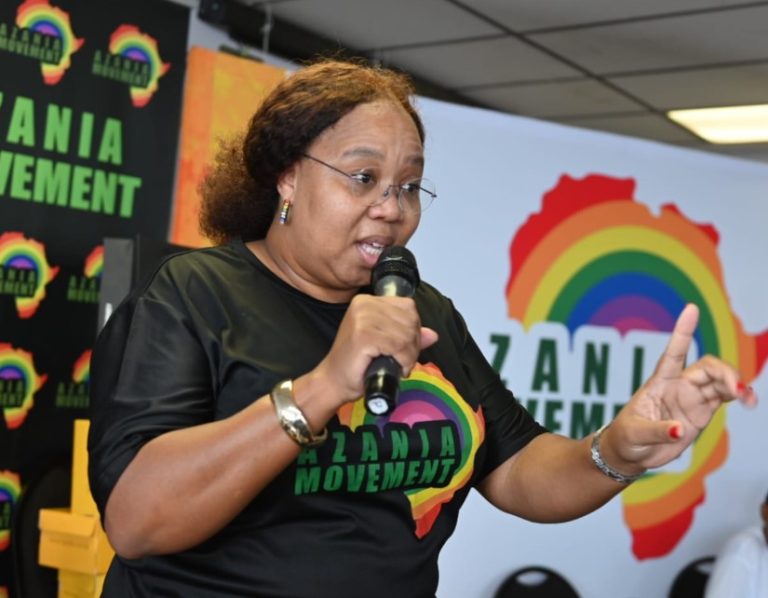
Youth-led Azania Movement steps up school oversight in Ekurhuleni

By Charmaine Ndlela

The Azania Movement has launched a back-to-school drive that includes oversight visits to schools, saying it aims to monitor education standards and assess learner support systems.

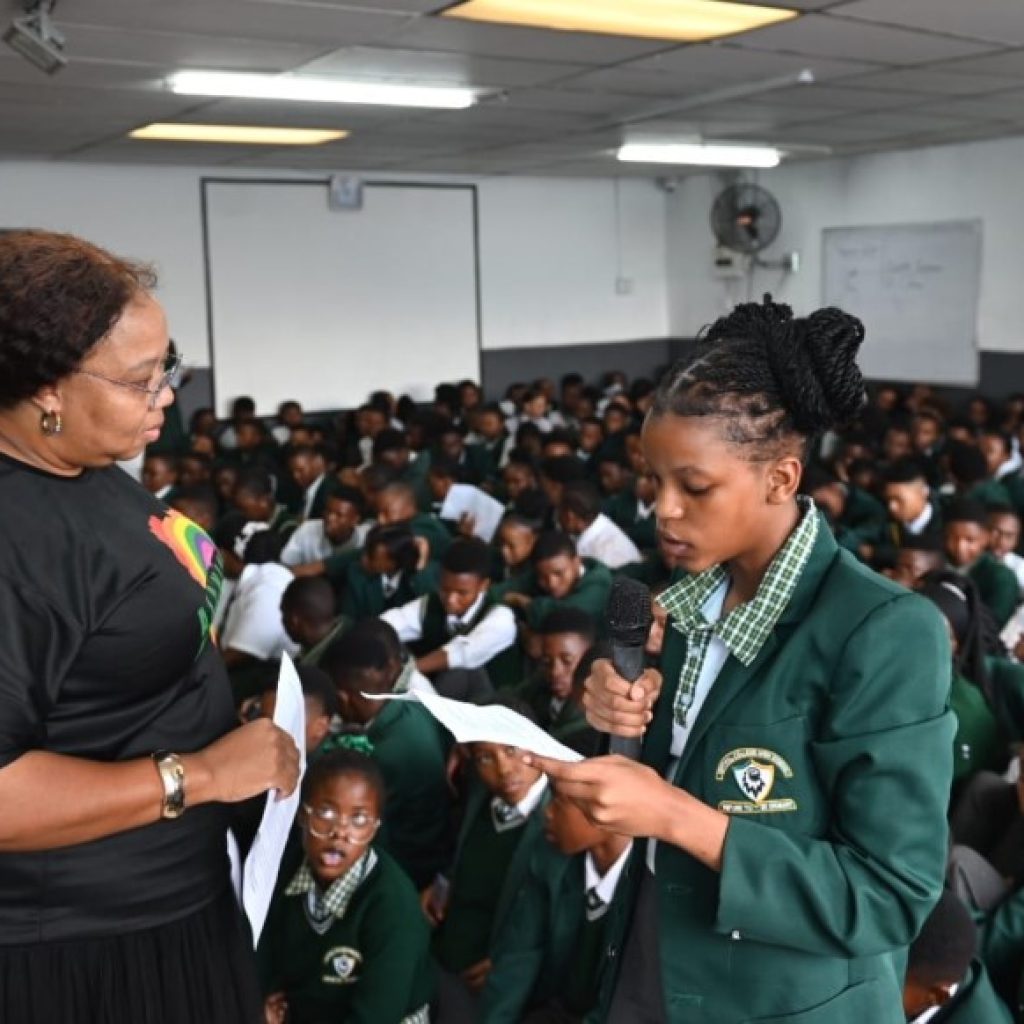
The youth-led, non-partisan organisation visited Central College High School in Ekurhuleni, Gauteng province, as part of what it said was advocacy for education quality, service delivery and learner development.

Speaking to Inside Education, Azania Movement Chief Administrator Anelisa Nkonjwa said the visit was part of a long-running programme focused on mentorship and leadership development.

“This visit forms part of a programme that has been personally led by the President of the Azania Movement (Nolubabalo Mcinga) since 2016, focusing on youth mentorship, leadership development, and empowerment,” said Nkonjwa.

She said the drive aligns with the movement’s civic education programme.

“As a movement, this visit is aligned with our civic education programme, which places young people at the centre of social, economic, and political transformation,” she said.

“We believe the youth are not only the future, but the present drivers of change, and they must be equipped early with values, critical thinking skills, leadership capacity, and an understanding of governance and citizenship.”

Nkonjwa said the visit was intended to be substantive, with the movement engaging directly with learners.

Azania Movement president Nolubabalo Mcinga interacting with learners.

“Our presence at the school was not symbolic. It reflects who we are and what we stand for as a movement, rooted in empowering young people, nurturing conscious learners, and supporting schools as spaces that produce active, informed, and responsible citizens,” she said.

“Engaging learners directly allows us to listen, guide, and expose them to opportunities such as civic participation and continental leadership platforms.”

“In essence, this visit reaffirms our belief that investing in youth is investing in the future of South Africa and Africa, and that meaningful transformation begins by walking alongside learners where they are.”

She also raised concerns about wider challenges in the education system, including discipline, teacher support and learning standards.

“There is an overemphasis on children’s rights at the expense of teacher authority, which has compromised discipline and safety in schools,” she said.

“Teachers are increasingly vulnerable and unsupported.”

“The 30 percent pass mark lowers standards and weakens learner potential instead of encouraging excellence,” she said.

Nkonjwa said senior-phase learners also lacked pathways to develop practical skills.

“The absence of vocational and entrepreneurial subjects prevents the early identification and development of practical talents,” she said.

She cited a case in which efforts to introduce cosmetology were unsuccessful.

“The school was informed that there is no annual teaching plan and no trained facilitators for such subjects, despite strong interest in vocational skills development,” she said, adding that outsourcing skills programmes remains a viable option.

The movement’s visit also followed concerns raised about infrastructure and service delivery constraints at the school, including rental and utilities.

“Central College operates as a non-profit organisation and pays exorbitant rent,” said Nkonjwa.

“The school pays for water and electricity but does not have access to the meters, which are kept by the landlord. They must rely on the landlord to load utilities.”

She said the school had not been allocated land by the municipality, which she said limited facilities for learners.

“Despite operating for over ten years, producing strong matric results, and easing pressure on public schools, the Ekurhuleni Municipality has not allocated land to the school,” she said.

“This deprives learners of playgrounds, sports facilities, and open spaces that are critical for their physical, mental, and emotional well-being,” she said.

Nkonjwa described Central College as a diverse institution.

“The school is co-educational, multicultural, and multi-faith, and it does not discriminate on religious or cultural grounds,” she said.

But she said inequalities persisted.

“Inequality is evident in infrastructure limitations, lack of technology compared to schools in affluent areas, and limited capacity to meet sports and extracurricular expectations,” she said.

Despite these constraints, she said teaching and learner support at the school were strong.

“Teaching commenced on the first day of the school calendar, syllabus coverage is on track, and there is a clear commitment from management and educators to deliver quality education,” she said.

“The school operates as a family-oriented institution and provides emotional, cognitive, and psychosocial support, including food for learners who arrive hungry, and a zero-tolerance approach to bullying,” she said.

Nkonjwa said Central College High School and Eyrie Brook Primary School in Brackenhurst still had capacity for new learners, particularly in Grade 1 and Grade 8.

“These schools can assist learners who have not yet been placed in government schools and are awaiting late admissions,” she said.

The movement plans to expand the drive to more schools.

“The Azania Movement will continue visiting schools across Ekurhuleni, Gauteng, and other provinces as part of our education oversight and civic education programme,” she said.

“Further locations will be announced as engagements are confirmed.”

INSIDE EDUCATION

Ministers partner with Microsoft SA to hand over refurbished digital lab at Soweto school

Staff Reporter

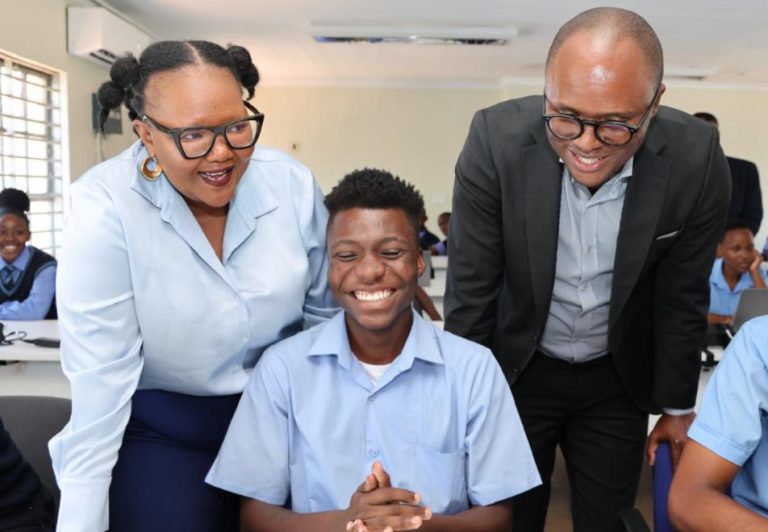
Basic Education Minister Siviwe Gwarube and Communications and Digital Technologies Minister Solly Malatsi on Monday jointly handed over a newly refurbished digital laboratory at Phefeni Secondary School in Soweto.

The ministers said the handover marked “an important milestone in government’s efforts to expand digital access, strengthen teaching and learning, and prepare young South Africans for a rapidly changing, technology-driven world”.

The digital lab was made possible through a partnership with Microsoft South Africa and supporting partners including Jozi My Jozi.

According to the department, this was “a tangible investment in the future of learners and educators at Phefeni Secondary School and the broader Soweto community”.

The handover reflected a shared commitment by the departments “to ensure that schools are not only safe and dignified spaces of learning but are also equipped to participate meaningfully in the digital economy”.

Both ministers said access to reliable digital infrastructure is no longer a luxury, but a necessity, adding that digital labs open pathways for learners to develop critical digital skills, enhance literacy and numeracy through technology-enabled learning, and gain exposure to tools increasingly essential for higher education and work.

While highlighting the progress represented by the handover, the ministers said many schools across the country still face serious infrastructure challenges, including unsafe buildings, overcrowding and limited access to learning resources, and said partnerships with the private sector are critical to accelerate change and address historical backlogs.

The ministers also emphasised that the initiative was not “a handover to government alone,” but to learners, educators and the community of Phefeni Secondary School, and said the lab’s success would depend on collective ownership, responsible use and protecting and maintaining the facility “so that it continues to benefit future generations”.

Speaking at the handover, Asif Vallley, Microsoft’s National Technology Officer, said: “Phefeni Secondary School has always been a symbol of courage and possibility for Soweto. By modernising this computer lab and creating brighter, more engaging classrooms, we’re not just upgrading facilities – we’re opening doors.

“This lab will help prepare learners with the digital skills they need for the jobs of the future. Together with our partners, we want every learner who walks into this space to feel that their future in the digital economy is real, and that they have the skills and support to step into it.”

The handover also aligned with South Africa’s broader development trajectory, the department said, noting that with Africa projected to have the largest working-age population in the world by 2050, investing in digital skills at school level is essential to unlock future productivity, innovation and inclusive economic growth.

The ministers called on learners to use the digital lab responsibly and to be “curious, ambitious and committed to their studies,” while encouraging educators to leverage the new tools to innovate in classrooms, support every learner and nurture critical thinking and confidence.

INSIDE EDUCATION

Dube-Ncube says scholarships, training with China key as SA shapes education strategy

0

Staff Reporter

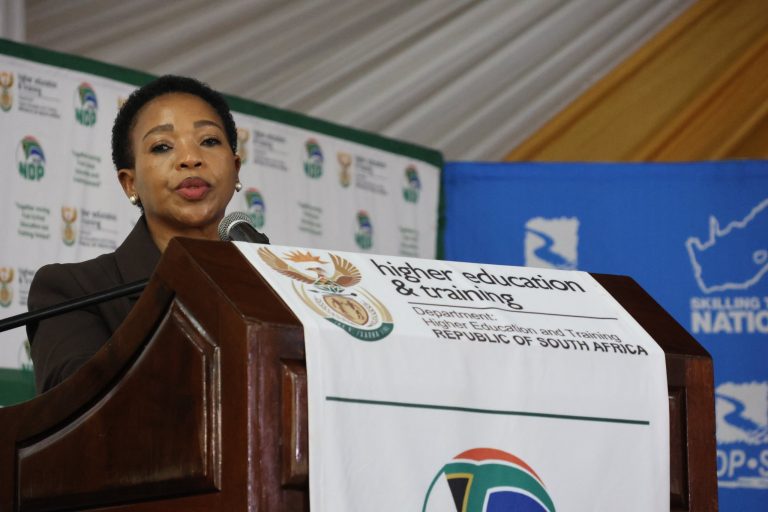
The Department of Higher Education and Training (DHET) is preparing a sector-wide workshop on international relations as it moves to finalise an international relations strategy meant to better align global academic partnerships with national skills needs and research priorities, deputy minister Nomusa Dube-Ncube said on Sunday.

The process is aimed at strengthening coherence and strategic alignment across the post-school education and training sector.

ALSO READ: SA pours cold water on WAFCON hosting speculation

Dube-Ncube made the announcement while speaking at the South African Students in China Association’s (SASCA) third virtual national conference.

She said the gathering was a platform to deepen engagement on South Africa–China relations and the role of students in that relationship.

Through trade, investment, infrastructure development, and technological collaboration, China had strengthened strategic alliances on a bilateral level, she said.

On multilateral platforms such as the United Nations, G20 and BRICS, China had played an increasingly prominent role in advancing collective action, South-South cooperation, and a more inclusive and multipolar global order.

She said China was widely expected to play a leading role in advancing the BRICS agenda, leveraging its economic strength and global reach to deepen cooperation among member states.

ALSO READ: Malema alleges IEC ‘thugs’ steal election votes, calls for members to be vigilant

She said the department’s planned engagement would help steer a more coordinated approach to international education and research at a time when South Africa is reassessing how the Post-School Education and Training (PSET) system can respond to priorities including economic recovery, skills development and innovation.

Dube-Ncube said students were the “end-product of this developmental partnership”.

She said cooperation with China in higher education and training — particularly through the People-to-People Exchange Mechanism — remained “timely and strategic”.

A key element of the collaboration, she said, was expanding scholarship opportunities and short-term training programmes.

“These initiatives are essential to equipping South African students and professionals with advanced skills, global exposure and specialised training in priority areas aligned to South Africa’s development needs. They also contribute to building a cadre of globally competent graduates, who are well-positioned to contribute to the economy and public service upon their return.”

She said internationalisation had become essential to innovation, competitiveness and high-quality research.

“Alliances with foreign organisations offer opportunities for collaborative research, jointly supervised postgraduate education, innovation hubs and information sharing, especially in developing nations.”

She said the department’s sector-wide engagement would also feed into the final strategy document.

ALSO READ: This is what O’ Sullivan will tell the ad hoc committee when he testifies about SAPS ‘capture’

“[The IRS strategy] will provide a clear policy framework to guide South Africa’s international cooperation in higher education and training. This strategy will serve as a critical instrument in aligning global partnerships with national skills needs, research priorities, and South Africa’s broader development agenda,” she said.

She said that while international partnerships were important, they needed to be guided by clear national priorities, mutual benefit and long-term capacity building.

She told SASCA members to act as “a bridge of unity, learning, and cultural exchange” and encouraged students to embrace challenges.

“Let us carry the spirit of South Africa wherever we go, inspiring others through our actions, our culture, and our commitment to excellence,” she said.

INSIDE EDUCATION

SA pours cold water on WAFCON hosting speculation

0

By Thapelo Molefe

South Africa has quelled speculation that it is preparing to host the 2026 TotalEnergies Women’s Africa Cup of Nations (WAFCON), insisting that no decision has been taken to relocate the tournament and that Morocco remains the official host.

In a media statement issued on Sunday, Sport, Arts and Culture Minister Gayton McKenzie clarified comments made by his Deputy Minister at the Hollywoodbets Super League Awards, which had sparked debate about South Africa’s possible involvement as a host of the continental showpiece.

ALSO READ: Malema alleges IEC ‘thugs’ steal election votes, calls for members to be vigilant

McKenzie said South Africa had merely indicated its willingness to support the Confederation of African Football if alternative hosting arrangements became necessary, but stressed that this did not amount to a confirmation or assumption of hosting duties.

“At this stage, no formal decision has been taken to relocate the tournament, and Morocco remains the officially designated host of the 2026 Women’s Africa Cup of Nations,” McKenzie said. 

“CAF has not yet triggered any alternative hosting process.”

The minister said that the engagements with CAF formed part of routine contingency discussions as the governing body considers various scenarios in line with its responsibility to safeguard the interests of African football.

He said that any move for South Africa to host WAFCON would be subject to strict governance and government procedures, and could only happen if CAF formally requested alternative hosting arrangements.

According to the statement, several conditions would need to be met before South Africa could be considered, including cabinet approval, confirmation of host cities, stadium availability, accommodation and transport capacity, as well as the conclusion of government guarantees and operational agreements.

ALSO READ: This is what O’ Sullivan will tell the ad hoc committee when he testifies about SAPS ‘capture’

“Any potential hosting of the tournament by South Africa would be subject to established government and football governance processes, in partnership with the South African Football Association and other stakeholders,” McKenzie said.

He added that the deputy minister’s remarks should be understood in context, noting that they reflected government’s longstanding commitment to supporting African football and South Africa’s confidence in its ability to stage major international sporting events.

“The remarks made by the Deputy Minister do not constitute a formal confirmation or assumption of hosting responsibilities,” McKenzie said.

South Africa has a strong track record of hosting high-profile sporting events, including the 2010 FIFA World Cup, and major rugby and cricket tournaments. 

This history has often placed the country at the centre of speculation whenever continental or global events face uncertainty.

ALSO READ: WATCH: Mchunu not off the hook as Ramaphosa faces cadre protection accusations

McKenzie said the department, together with SAFA and other stakeholders, would continue engaging with CAF in a “structured and responsible manner”, but cautioned that any public announcements would only be made once all processes had been finalised.

“Any further announcements will be made only once all required processes have been concluded and formal decisions taken,” he said.

The ministry reiterated that its broader focus remained on a long-term strategy to attract major sporting events as a means of boosting sport development, tourism, economic growth and South Africa’s international profile.

“The Ministry of Sport, Arts and Culture will continue to pursue a long-term strategy of hosting major sporting events to boost sport, tourism, economic growth and the image of the country on the world stage,” McKenzie said.

INSIDE EDUCATION

Fossil hunters find a new dinosaur track site on South Africa’s coast – the youngest so far

By Charles Helm and Willo Stear

Southern Africa is world renowned for its fossil record of creatures that lived in the very distant past, including dinosaurs.

But, about 182 million years ago, a huge eruption of lava covered much of the landscape (the inland Karoo Basin) where most of the dinosaurs roamed. After that, the dinosaur fossil record in the region goes abruptly quiet for the Jurassic Period (which lasted from 201 million to 145 million years ago).

Two exciting recent discoveries confirm, however, that there is more to find of dinosaurs that lived in southern Africa a long time after those lava flows.

First, dinosaur tracks aged around 140 million years were reported in 2025 on a remote stretch of the coast in South Africa’s Western Cape province. These were the first to be found in the region from that geological time period (the Cretaceous, 145 million to 66 million years ago).

Now, we’ve found more.

Our work as a team of ichnologists (studying fossil tracks and traces) often takes us to the Knysna area of the Western Cape coast, where we investigate tracks in coastal aeolianites (cemented sand dunes) in the age range of 50,000 to 400,000 years old.

During one of these visits, early in 2025, we decided to visit a small patch of rock that formed during the early Cretaceous Period. It’s the only place in the vicinity where rock of this age is exposed, and much of it is underwater at high tide. We thought we might be lucky enough to find a theropod (dinosaur) tooth like the one discovered in those rocks by a 13-year-old boy in 2017.

We were pleasantly surprised when instead Linda Helm, a member of our party, told us in a state of excitement that she had found dinosaur tracks. Further examination of the deposits revealed more than two dozen probable tracks.

Shoreline seen from above
The Brenton Formation exposure. Charles Helm, Author provided (no reuse)

This so-called Brenton Formation exposure is tiny, no more than 40 metres in length and five metres in width, with cliffs rising from the shore to a maximum of five metres. To find dozens of tracks in this small area suggests a considerable dinosaur presence in the region during the Cretaceous.

In our study we estimate that these tracks are 132 million years old, making them the youngest known dinosaur tracks in southern Africa (50 million years younger than the youngest tracks reported from the Karoo Basin). They form the second record of dinosaur tracks from the South African Cretaceous, and the second record from the Western Cape province. Some of them occur on rock surfaces, while others occur in the cliffs in profile.

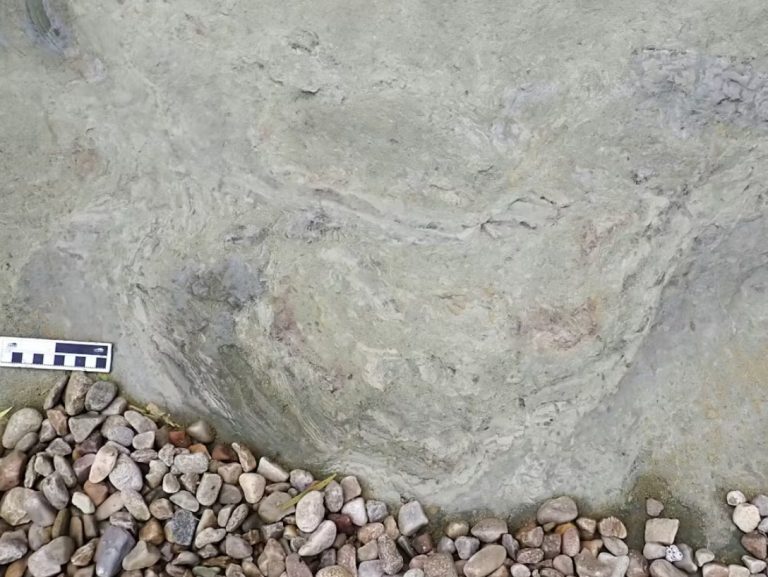
Rocky surface with faint outline of three toes
Theropod track, seen ‘three-quarters-on’ – the three narrow toes can be seen above the 10cm scale bar. Charles Helm, Author provided (no reuse)

Dinosaur fossil treasures

Southern Africa has a wealth of vertebrate tracks and traces from the Mesozoic Era (the “Age of Dinosaurs”, from 252 million to 66 million years ago, a time span that includes the Jurassic) in the Karoo Basin – a vast inland basin filled with thick piles of sedimentary deposits.

Dinosaur tracks from the Triassic and Jurassic periods are abundant in Lesotho and surrounding areas in South Africa’s Free State and Eastern Cape provinces.

But vast quantities of lava, now referred to as the Drakensberg Group, overlaid these track-bearing deposits as a result of large-scale eruptions. A few dinosaurs appear to have briefly survived the initial effects of the lava flows, and were probably among the last vertebrates to inhabit the Karoo Basin.

Then, as the supercontinent of Gondwana fragmented at the end of the Jurassic Period and in the early Cretaceous Period, limited Cretaceous terrestrial deposits formed in rift basins in what are now the Western Cape and Eastern Cape provinces of South Africa.

Dinosaur body fossils have been reported from those deposits, mostly from the Eastern Cape. They include the first dinosaur to be identified in the southern hemisphere, now identified as a stegosaur, as well as sauropods, a coelurosaurian and iguanodontid hatchlings and juveniles.

The only examples of dinosaur skeletal material from the Western Cape are a few isolated sauropod teeth, disarticulated bones of a probable sauropod, and two cases from the Knysna area: the theropod tooth mentioned above and a portion of a tibia.

But now we’re after their tracks.

Three-toed footprint
This theropod track has been lightly outlined in white chalk; scale bars = 10 cm. Charles Helm, Author provided (no reuse)

Dinosaurs of Knysna

The tracks we found at Knysna are in the modern intertidal zone, where the high tide covers most of them twice a day.

It would be difficult to imagine a more different scene, 132 million years ago, than the spectacular coastline, magnificent estuary, and lots of development by humans that we encounter today. Back in the early Cretaceous, many dinosaurs would have been visible in the area, perhaps inhabiting tidal channels or point bars (river beaches). The vegetation would also have been very different from that of today.

The Brenton Formation tracks were made by theropods, possibly ornithopods (both these kinds of dinosaur were bipedal, walking on two legs), and possibly sauropods (huge dinosaurs with very long necks and very long tails that were quadrupedal, walking on four legs). Theropods were meat eaters, while ornithopods and sauropods were plant eaters.

It can be challenging at times to distinguish theropod tracks from ornithopod tracks. Sauropod tracks are larger and don’t always have clear digit impressions, also sometimes making them hard to identify with confidence.

In most cases, we have chosen not to “over-interpret” which types of dinosaurs made which tracks, as they just aren’t clear enough. Our research paper simply intends to document that dinosaur tracks of this age are relatively plentiful in the Brenton Formation.

The fact that early Cretaceous dinosaur tracks have now been identified in both the Robberg Formation and the Brenton Formation suggests that more may be found if a search is conducted in appropriate places.

There are a number of other exposures of non-marine Cretaceous rocks in the Western Cape and Eastern Cape. Systematic exploration of these deposits is now indicated, in the hope that in addition to finding more dinosaur skeletal material, more dinosaur tracks (and potentially those of other vertebrates) will be identified.

Chris Helm is Research Associate, African Centre for Coastal Palaeoscience, Nelson Mandela University.

Willo Stear is Research Associate, African Centre for Coastal Palaeoscience, Nelson Mandela University.

Mark G. Dixon and Fred van Berkel of the African Centre for Coastal Palaeoscience, Nelson Mandela University, contributed to this research.

This article was first published by The Conversation.

INSIDE EDUCATION

KZN school gets six chemical toilets in ‘PR exercise’ after years-long wait for basic infrastructure

By Lebone Rodah Mosima 

It has taken six years for the KwaZulu-Natal Department of Education (KZNDOE) to address sanitation challenges affecting over 1 000 pupils at Mthiyaqhwa High School, located in the Madiyane area of Nkandla, within the King Cetshwayo District.

Classes were suspended at the school last week after an inspection by the district municipality’s environment and health services found the sanitation and structural conditions at the school were non-compliant and not fit for children or adults.

The school’s principal, Zulu Zwelabo, told Inside Education that the school has an enrolment of 1 016 learners but received only six chemical toilets on Thursday as a temporary measure, following what he said were about six years of delays in addressing basic infrastructure needs.

“This is far below the department’s own norms and standards on infrastructure. At the height of Covid-19, a commitment was made to deliver decent sanitation facilities,” Zwelabo said.

“The contractor was appointed and didn’t complete everything, not even a single one.”

Zwelabo said the school still has asbestos classrooms despite long-standing decisions to remove them, and faces an infrastructure backlog that includes crumbling walls.

More needed to be done than the current “PR exercise”, he said.

A classroom at the school. (Photo supplied)

The KZNDOE said on Friday that its district infrastructure team held engagements with the Independent Development Trust (IDT), and that an “immediate intervention was implemented to ensure that teaching and learning are not disrupted” at the school.

The IDT delivers social infrastructure and social development programme management services on behalf of government.

The department said it had provided chemical toilets and prioritised basic sanitation needs “without delay”.

“The IDT confirmed its commitment to deliver the chemical toilets by the morning of 29 January 2026,” the department said.

“We confirm that the chemical toilets have since been delivered to Mthiyaqhwa High School, ensuring that learners and educators have access to adequate sanitation facilities while longer-term infrastructure solutions are being addressed.”

Zwelabo said the department only responded after the school received the emergency health risk notice ordering it to suspend operations until alternative sanitation arrangements were made.

The KZNDOE did not respond to questions about the cost of the toilets or other terms of the contract.

INSIDE EDUCATION

Water Research Commission and UKZN launch partnership to boost water, sanitation innovation

By Levy Masiteng 

The Water Research Commission (WRC) and the University of KwaZulu-Natal (UKZN) will on Monday launch a five-year partnership aimed at strengthening research and innovation in water, sanitation and hygiene.

This as South Africa faces growing pressure on water and sanitation systems from climate change, rapid urbanisation and infrastructure constraints.

The partnership, implemented by UKZN’s Water, Sanitation and Hygiene Research and Development Centre (WASH R&D Centre), will focus on developing and scaling solutions including water-efficient sanitation systems, non-sewered sanitation technologies, wastewater reuse and circular economy approaches.

The emphasis will be on improving service delivery in underserved communities.

“This partnership strengthens the link between science, innovation and implementation. By positioning the UKZN WASH R&D Centre as a strategic extension of the WRC’s research ecosystem, we are deliberately investing in solutions that can be validated, derisked and scaled to support South Africa’s sanitation and water security goals,” WRC Chief Executive Officer Dr Jennifer Molwantwa said.

The WRC said it has committed a substantial amount of funding over five years, with co-funding from UKZN, to support initiatives including postgraduate training, curriculum development for short courses, capacity building for practitioners and municipalities, innovation extension services, and joint knowledge dissemination activities. The partnership will be overseen by a Joint Steering Committee comprising representatives from both institutions.

“The WASH R&D Centre embodies UKZN’s vision of engaged scholarship. Through this partnership with the WRC, we are strengthening our ability to generate practical, policy-relevant solutions while training the next generation of water and sanitation professionals for South Africa, the continent and the world,” said Professor Anil Chuturgoon, UKZN’s Deputy Vice-Chancellor for Research and Innovation.

UKZN said its WASH R&D Centre — formerly known as the Pollution Research Group — has a track record in sanitation technology testing, decentralised wastewater systems, faecal sludge management and socio-technical research, supporting evidence-based policy, regulatory development and adoption of innovative sanitation technologies by municipalities and industry.

The institutions said the partnership aligns with national priorities including the National Development Plan and Sustainable Development Goal 6, which aims to ensure the availability and sustainable management of water and sanitation for all, by 2030.

INSIDE EDUCATION

DUT ranked among top 6% of higher education institutions worldwide

0

By Lebone Rodah Mosima 


The Durban University of Technology (DUT)  has been ranked among the top 6% of Higher Education Institutions (HEIs) worldwide for the second year in a row, as it continues to strengthen its global profile in the 2026 Webometrics Ranking of World Universities.

Earlier this week, Alan Khan, Senior Director of Corporate Affairs at DUT, said the latest ranking evaluated more than 32000 HEIs globally, positioning DUT within a select group of universities recognised for digital visibility, research excellence and commitment to open access knowledge. 

ALSO READ: Next wave of infrastructure investment must include people, not only platforms

DUT has climbed 1039 positions in the latest Webometrics global university ranking over the past year, advancing from 2855th place in 2024 to 1816th in 2025.

“In South Africa, the ranking included 124 institutions, among them all 26 public universities, reflecting a highly competitive national higher education environment,” Khan said. 

Khan said DUT was previously ranked in the same top 6% of universities worldwide in 2025, as South Africa’s leading University of Technology, sustaining academic and digital performance.

Since 2004, the Webometrics Ranking of World Universities has been published by the Consejo Superior de Investigaciones Científicas (CSIC), the largest public research organisation in Spain. 

“Unlike many global rankings that primarily focus on long-established, globally recognised universities, Webometrics evaluates a broad spectrum of institutions, including those in the Global South that are often overlooked,” Khan said. 

ALSO READManamela urges shift from university-only mindset

“The ranking aims to promote open access to knowledge produced by universities and places emphasis on the quantity and quality of higher education web content.”

According to Webometrics, Khan said the rankings influence academic behaviour and institutional direction, and noted that “one of the most powerful tools for initiating and consolidating change in academia, increasing scholars’ engagement, and establishing long-term strategies.”

Professor Fulufhelo Nemavhola, Deputy Vice-Chancellor: Research, Innovation and Engagement at DUT, welcomed the achievement and said the results reflect the university’s sustained focus on impactful and accessible scholarship. 

“This recognition affirms DUT’s commitment to producing high-quality, socially responsive, impactful research that is visible, accessible and relevant beyond our institutional boundaries,” Nemavhola said. 

Nemavhola said that the Webometrics 2026 ranking has highlighted the collective efforts of the university’s academic community. 

ALSO READ: WATCH: McKenzie unveils new sports facility at Heidedal Primary School

“Being placed in the top 6% globally, out of more than 32000 institutions, is a significant milestone,” he said 

“In line with our ENVISION2030 strategy, it speaks to our growing research excellence, our digital maturity and our determination to contribute knowledge that makes a meaningful difference to society.”

INSIDE EDUCATION