Home Blog Page 223

NRF, Sasol award research chairs, postdoctoral innovation fellowships

0

GLOBAL chemicals and energy company Sasol and independent statutory body the National Research Foundation (NRF) have established and awarded four jointly-funded South African research chairs.

A competitive call was launched during 2022 for two chairs that considered the critical areas of research investment in energy and power systems modelling, and green hydrogen.

Informed by the “excellence” of the proposals submitted, it was agreed that two additional chairs would be funded.

This total joint investment of more than R40-million over the next five years is expected to significantly increase the capacity and capability of South Africa in just energy transitions.

In addition, and considering the specialist areas of skills necessary, six fellowships have been awarded as part of the bespoke joint Postdoctoral Innovation Fellowships Programme.

These awards are expected to stimulate and accelerate joint academia-industry research in clean and sustainable energy and contribute to South Africa’s transition towards sustainable clean energy.

AWARDS

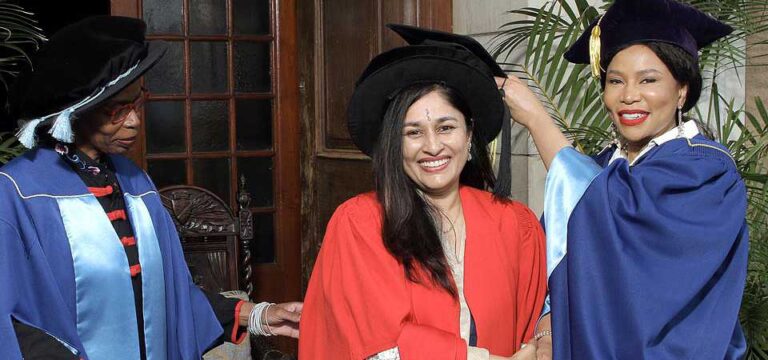
Two Sasol-NRF Research Chairs in Energy and Power Systems Modelling have been awarded to Professor Ramesh Bansal from the University of Pretoria (UP) and Professor Sunetra Chowdhury from the University of Cape Town (UCT).

Two Sasol-NRF Research Chairs in Green Hydrogen have been awarded to Professor Tien-Chien Jen from the University of Johannesburg (UJ) and Professor Prathieka Naidoo from Stellenbosch University.

Meanwhile, six postdoctoral innovation programme fellowships have been awarded and focus on research in the areas of green hydrogen, energy storage, waste utilisation towards a circular economy, in-situ characterisation of catalysts, and Fischer-Tropsch catalysis for power-to-liquids applications.

The successful applicants are from UJ, UP, UCT, the University of the Witwatersrand, the Durban University of Technology and North-West University. The two-year fellowships will include dedicated research time at Sasol’s research facilities in Sasolburg.

The growing partnership between Sasol and the NRF is posited to play a key role in the acceleration of the co-creation of knowledge for impact and skills development, and to address the critical energy challenges, showcasing the value of effective partnership within the innovation ecosystem.

These programmes are said to further advance the strong partnership among Sasol, the Sasol Foundation and the NRF that has supported 400 students and researchers from academic and research performing institutions in South Africa.  

Engineering News

Commission on Gender Equality to assess equitable access to education

0

THE Commission for Gender Equality (CGE) is to visit schools throughout the country, to monitor and
ensure equitable access to education for children of all social classes.
 

CGE commissioners and staff will visit a sample of eight schools and four Early Childhood Development Centres (ECD) in the Free State, Gauteng, Mpumalanga and Western Cape provinces to monitor learning conditions and ensure free access to education.
 
The monitoring campaign, which kicks off this month and continues in March, will put a special focus on the following issues:
 
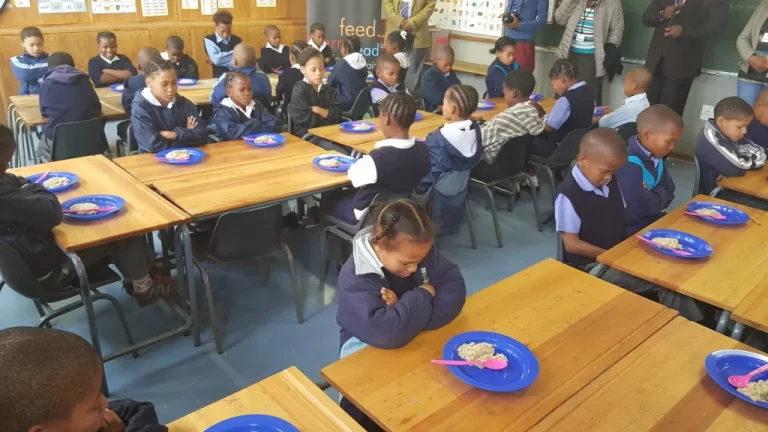
•          School nutrition programmes. 
•          Learner populations in classrooms.
•          Availability and quality of learning/teaching resources.
•          School hygiene sanitation and female learners’ menstrual health 
•          Educator knowledge and awareness of the Policy Framework for the Prevention and Management of Learner Pregnancy Management of pregnancies and sexual abuse.
•          Promotion of dignity and provisions for learners with disabilities.
 
In line with accountability and transparency, the CGE will engage with the Department of Basic Education (DBE), Provincial Departments of Education and the Portfolio Committee on Education in Parliament about the findings and recommendations.

The Commission for Gender Equality will also hold a media launch to share its findings and recommendations with key stakeholders and interested parties in the education sector.

INSIDE EDUCATION

I introduced social entrepreneurship to my trainee teachers – why it’ll make them better at their jobs

0

Zayd Waghid

THE daily headlines from South Africa are largely gloomy. The country’s government seems unable to address a years-long electricity crisis that is steadily worsening. Unemployment is high. Food prices are climbing.

But there are pockets of excellence – like stories of social entrepreneurship, an approach that uses business principles to create positive social and environmental impact. It involves identifying social problems using entrepreneurial principles to develop, fund, and implement solutions.

Though entrepreneurship of any kind is not easy, it can instil incredible tenacity in the face of adversity. There are lessons here. For the past seven years I’ve sought to help trainee teachers harness those lessons by introducing them to the concept of social entrepreneurship.

To do so, I start with “Who Cares?”, a documentary by Brazilian filmmaker Mara Mourão. It’s about social entrepreneurs from seven countries who discover new and innovative ways to solve some of society’s most pressing matters. They do so while working with few resources and catering to fundamental human needs that governments, particularly in the global south, cannot provide.

I use this film in my classes to assist future teachers in understanding how global problems influence countries and to encourage students to think critically and imaginatively about ways to help lessen inequality in their communities.

This is critical for teachers. Many of the students who graduate from our programme will go on to work in disadvantaged communities where social entrepreneurship could create real change. It could also give pupils a chance to explore how they might pursue social entrepreneurship as a career.

How it started

The major aim of existing school and university curricula is to prepare students for higher education and to acquire a degree and subsequently work for a company. The emphasis is on improving people’s own lives rather than thinking about how to assist the communities in which they reside. By teaching my students about social entrepreneurship, I offer them a practical way to enact social justice. This is the notion that everyone should have equal rights and opportunities in society’s social, economic, and political spheres.

In 2016, I set out to study whether a group of 43 future teachers could grasp and apply the concept of social entrepreneurship. I was drawn to social entrepreneurship education because it often incorporates hands-on, experiential learning, which may be more interesting and beneficial for students than traditional classroom instruction. This was appealing: it would allow me to see the effect of my teaching on real-world issues.

Mourão’s 2013 documentary delves into the lives of social entrepreneurs such as Nobel Prize winner Muhammad Yunus of Bangladesh, as well as others from Brazil, Peru, Tanzania, Canada, Germany, Switzerland and the United States, whose socially beneficial ventures have significantly and positively affected certain communities.

Prior to seeing the documentary, hardly any of the students understood what social entrepreneurship was. Some students saw a clear connection between it and corporate social responsibility. The latter, though, is more concerned with the financial and social aims of increasing a company’s competitiveness than with improving people’s lives.

Subsequent cohorts of trainee teachers have also not initially grasped the concept of social entrepreneurship. The rigid South African school curriculum appears to be the root cause of this conceptual gap. Most young people are not given the chance at school to think critically and creatively, and the curriculum doesn’t offer enough opportunities for students to learn about or implement social entrepreneurship.

Towards establishing a community

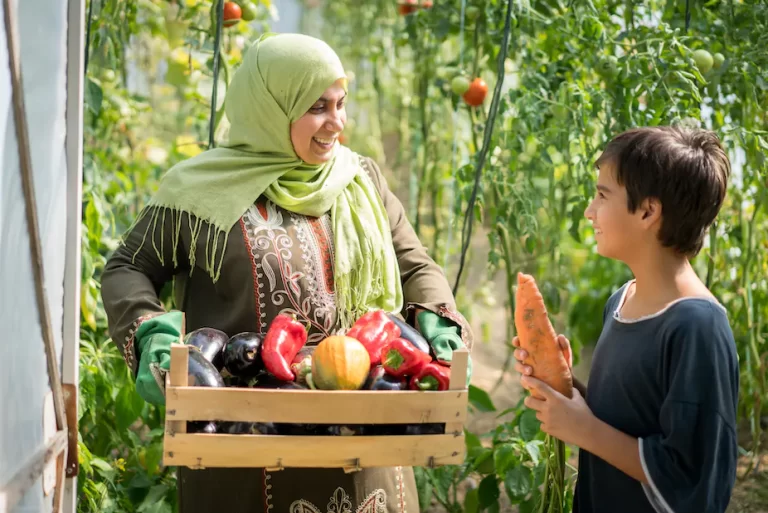
The film, both for the initial cohort whose reactions I documented in a research paper, and for those who have followed, seemed to spark the students’ curiosity. It also showed them that seemingly small projects can count as entrepreneurship. Creating a vegetable garden at school is a way to teach learners the necessary skills and knowledge to be self-sufficient and aware of economic and environmental sustainability.

But what would this look like in practice?

To find out, the 2016 cohort and I identified a historically underprivileged high school in Cape Town where we hoped to help develop various sorts of social innovation and entrepreneurship.

Then we discovered that the school was already involved in a community engagement project through an annual market day. The proceeds were used to host an annual awareness campaign aimed at recognising, appreciating, and honouring the contributions of elderly South African citizens in the community.

Rather than starting something new, the trainee teachers worked with pupils taking part in the market day to help build their social ventures. This involved applying what they learned from “Who Cares?” to develop business plans.

And they learned about another important aspect of social entrepreneurship: listening to communities rather than assuming they know how to solve existing problems. Communities can enlighten universities about what needs to happen, what is already being done, and what collaboration might look like, as seen in the example of the school above.

(Zayd Waghid, Associate professor, Cape Peninsula University of Technology)

THE CONVERSATION

Relebogile High school learners in danger after large sinkhole appears

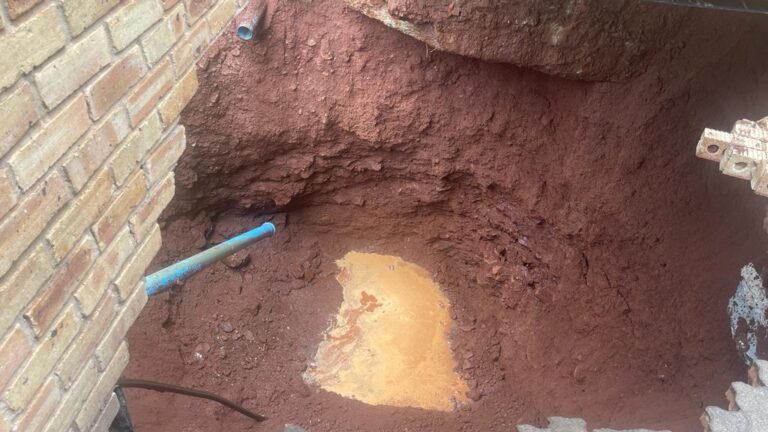
Gauteng Department of Education urged to urgently send engineers to Relebogile High School in Khutsong, where a large sinkhole has emerged, said DA Gauteng Shadow MEC for Education Khume Ramulifho.

The sinkhole at the Relebogile High School in the West Rand has affected the toilets and left holes in certain parts of the building.

”The DA is urging the department to send engineers to assess whether it is safe for our learners and teachers to continue using the school. This must also include the disaster management team to ensure that all necessary precautions are put in place,”  Ramulifho said.

Ramulifho said should it be found that it is unsafe to use the school or parts of the school, the department must urgently ensure that learners and teachers are relocated to a safe place where learning and teaching can take place without any further interruption.

Khutsong is known for having sinkholes, which become more prevalent after heavy rains. 

”The DA will be following up with the department on this issue. All our learners deserve to be taught in a safe environment that is conducive to learning and teaching,” Ramulifho added. 

In 2011, a study by the department of education in Gauteng revealed that 153 schools were in high-risk dolomitic areas. A total of 500 schools in the province were built on dolomite.

In the Gauteng province in general, about 38 people have lost their lives so far as a result of sink holes. 

INSIDE EDUCATION 

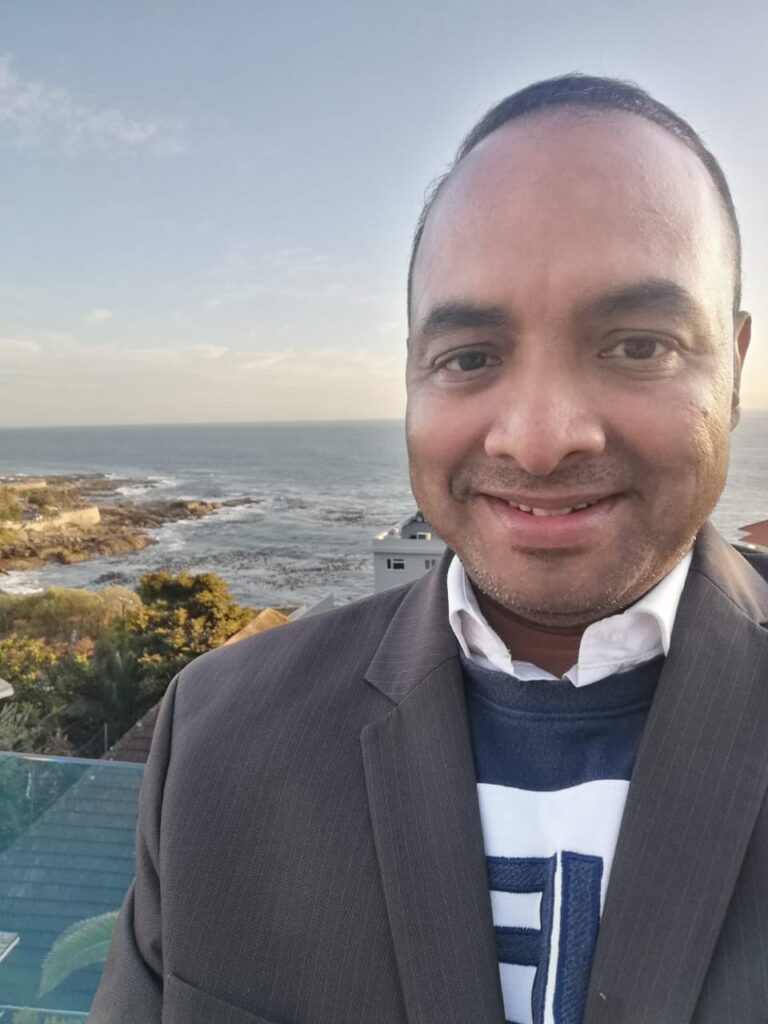
Veteran journalist Edwin Naidu appointed editor of Inside Education

PHUTI MOSOMANE

K and K Media Group has announced the appointment of seasoned journalist Edwin Naidu as editor of the company’s flagship publication- Inside Education, with effect from February 2023.

Naidu is an experienced communicator in financial services and worked with some of South Africa’s best-known media publications. He replaces Veteran journalist Phindile Xaba, who lost her battle with cancer in May last year.

A former editor of the Teacher Newspaper, previously owned by the Mail & Guardian, Naidu has written extensively on education since 1992, for different publications including the Sunday Independent, Mail & Guardian and University World News.

A former night news editor of the Star newspaper, Naidu has a media degree in journalism and media studies from Wits University and has been on scholarships to Oxford and World Press Institute in the US.

He has written extensively on transformation, gender, climate change, and energy happenings on the continent, including contributing to two books: Nelson Mandela Opus (the world’s largest book on Mandela) and 100 The Mandela Years.

In 2018, Naidu won the Mandy Roussow award for Great Idea in the Media Monitoring Africa lsu Elihle Awards. He also won 3rd prize for his three-part article highlighting the issue of malnutrition and its impact on children in South Africa and Africa.

Naidu is a finalist in the UN Women Gender Journalism Awards for a report in the Sunday Independent in 2021.

He is a past winner of the South African National Energy Award for best reporting, recipient of print story Gender education media awards, winner in the economics category: Gender Education Media Awards (2006), Second Runner in Higher Education Awards 2005, and a winner of the International Federation of Journalists’ Tolerance Prize for Peace, among other journalism accolades.

“Edwin Naidu is a respected and credible writer and voice on education in South Africa. We are proud to have him on board and look forward to his steward as we strive to make Inside Education an authoritative voice within the education space,” said Matuma Letsoalo, the executive chairman and founder of K and K Media, which owns Inside Education.

K and K Media also owns shares in the Teacher newspaper and two other digital publications- Inside Politics and Inside Metros.

INSIDE EDUCATION

Deputy Minister of Transport Sindisiwe Chikunga hands over 257 bicycles to Limpopo learners

PHUTI MOSOMANE

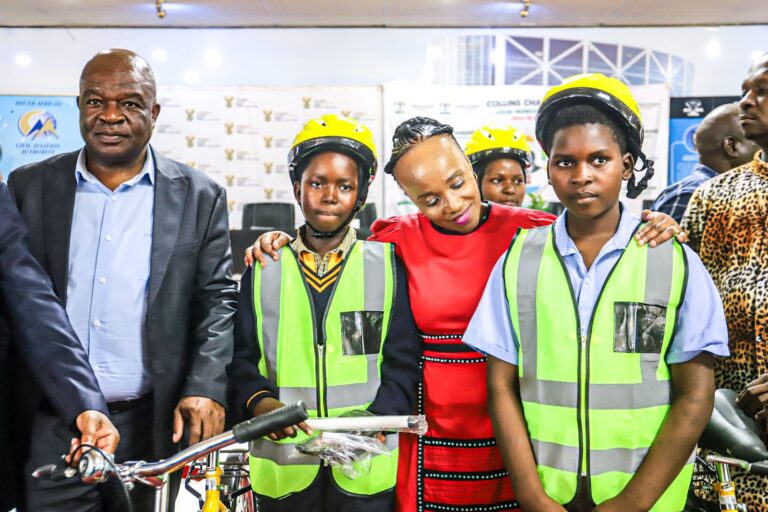
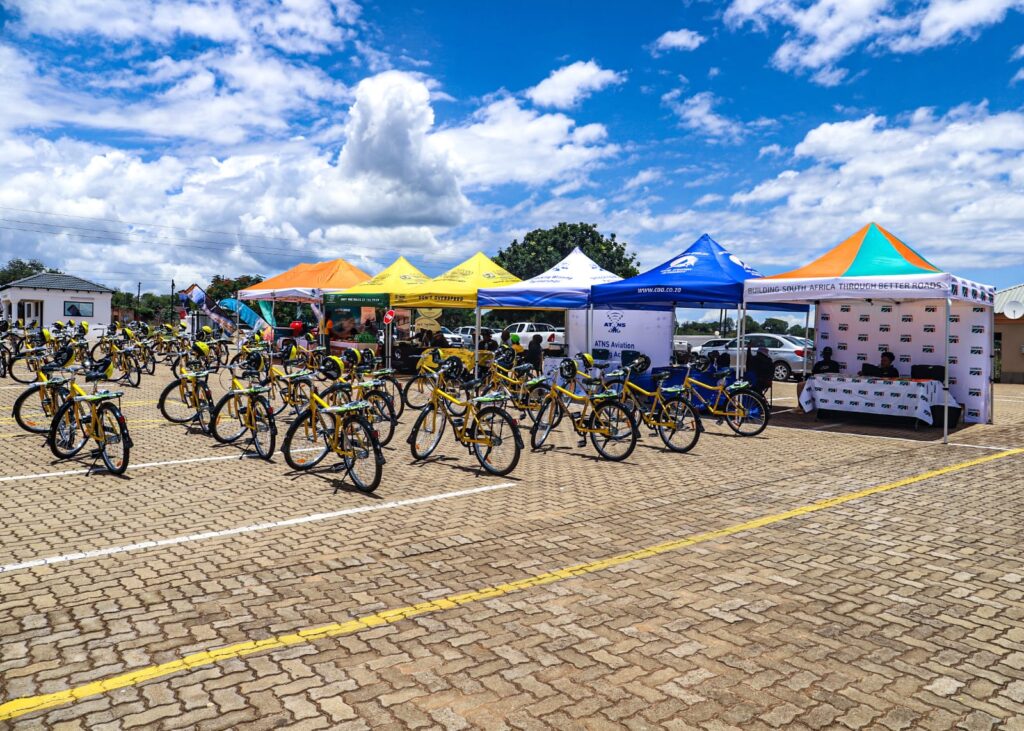
DEPUTY Minister of Transport Sindisiwe Chikunga has handed over 257 bicycles to deserving learners at the Shirelele and Hlalukweni Secondary Schools in Limpopo.

The event was part of a back-to-school campaign with the Limpopo Department of Education held at the Collins Chabane Local Municipality in Vhembe District on Monday.

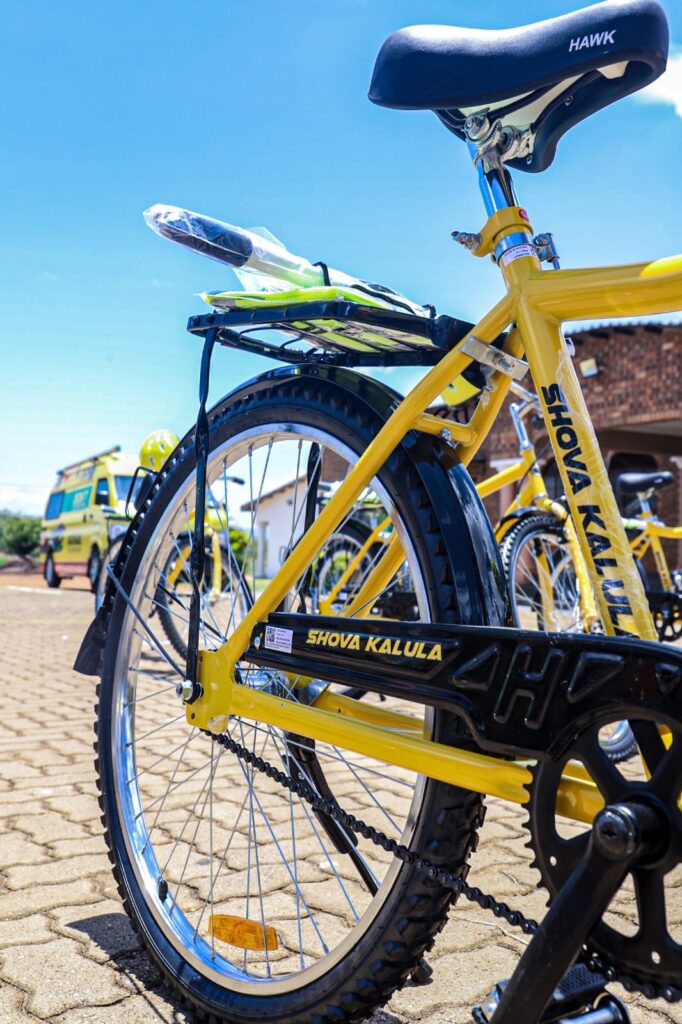
The national Department of Transport has been providing low-cost mobility solutions to learners, through the Shova Kalula Bicycle programme since 2001.

The goal to provide one million bicycles to learners countrywide, who walk a distance of 3 kilometers or more to school.

Chikunga said in the current financial year, Limpopo province has a total of 69 005 learners that need transport.

”There are 257 learners in two schools that have been verified to receive bicycles in Shirelele Secondary School (107) and Hlalukweni Secondary School (150) today,” Chikunga told parents and learners. 

The number of schools that have been identified in the Vhembe District is six (6), in four (4) municipalities.

The names of the schools included Shirelele Secondary School in Collins Chabane Local Municipality, Hlalukweni Secondary School in Collins Chabane Local Municipality, Maruluwe Secondary School in Musina Local Municipality, Mulenga Secondary Schools in Makhado Local Municipality and Rambuda Secondary School in Thulamela Local Municipality.

Chikunga implored all the beneficiaries to practice all that they have been taught during the safety induction and training as it is intended to empower them to stay safe on roads. 

”We urge you to also put to good use the road safety kits that you have received such as your helmet and reflector vests,” Chikunga added.
 
She said encouraged learners and their families who are living in poverty to never give up despite challenges experienced everyday including the absence of transport money, the full school uniform and shoes. 

”Please continue learning without barriers and we are here to give you your dignity back. So that you can walk tall towards your dreams,” Chikunga said. 
 
She urged teachers to not only open the doors of learning for children, but to provide the conditions in which they can learn: ‘An enabling and safe environment between a teacher and a learner, you are the parents to these children.  Teach them and protect them as you would to your own child. I wish you all the recipients a happy ride and to you all I wish you happy returns, may this be a good year for us all.”

Under non-motorized transport, the Department of transport has a bicycle distribution programme called Shova Kalula. The Shova Kalula Programme compliments the learner transport programme by focusing on learners who walk less than 5 km and walk more than 3 km to schools. 

”I hope that they have imparted to you some important life-saving education on the rules of riding a bicycle on the road and that you will practice what you have learned from them. As part of being responsible road users, it is important that as we handover the bicycles to you, you are able to understand basic road safety education; and have the capability to ride a bicycle,” Chikunga told learner. 

The Shova Kalula bicycle programme is an initiative of the Department of Transport.

The Department has so far distributed over 100 000 bicycles to learners in all provinces since the inception of the project.

The objective of the programme is to promote cycling and provide for a low-cost mobility solution, which shall enhance rural accessibility and urban mobility to enable the poor communities to participate in socio- economic opportunities,
including schooling.

Travel times of learners to schools are significantly reduced which has positive effect in the academic performance and school attendance.

The Shova Kalula National Bicycle project was introduced as a pilot project in 2001 in order to improve mobility and access to basic needs.
 
The programme aims to alleviate transport pressure on poor households and ensure access to public transport.

The National Department of Transport and provincial departments are implementing the project and the National Department is responsible for the overall performance and coordination of the project, procurement and delivery of
bicycles at the national level.
 

On the other hand, provinces are also required to procure and distribute bicycles to support the project, identify beneficiaries in consultation with the Department of Basic Education and assist with cycling safety education awareness at selected schools.

The project aims to support the Department’s National Learner Transport Policy, Rural Transport Strategy and the promotion of Non-Motorised Transport to access basic services and opportunities.
 
Provincial Departments of Transport and Education undertake the identification and selection of beneficiaries for bicycles in accordance with the following approved criteria in which learners must:


 Walk more than three (3) kilometres as a single trip to the school;
 Be between Grade 3 and Grade 12;
 Be able to understand basic road safety education; and
 Have the capability to ride a bicycle.

In the province of Limpopo, the programme is managed and implemented by the Department of Education in collaboration with the provincial Department of Transport.
 
The policy provides for the provision of learner transport through motorized (buses/taxis) and non-motorized transport (bicycles and walking).

This is meant to ensure that the department complements the existing learner transport programme in provinces, as there are learners who still walk more than 5km to schools.

She said while the department understands the importance of easing mobility through this programme, ”we are aware that much must still be done to ensure the safety of riders to and from schools.” 

Road Safety Education, Awareness and Training will be provided to the beneficiaries of the bicycles to ensure that learners have a full understanding of the road safety issues when riding the bicycles.

The Provincial Department of Transport in collaboration with the National Department of Transport has and will continue conducting the training. Dignitaries included executive mayor of Vhembe District Municipality Nengunda
Dowelani, executive mayor of Collins Chabane Local Municipality Shadrack Maluleke, and some traditional leaders present.

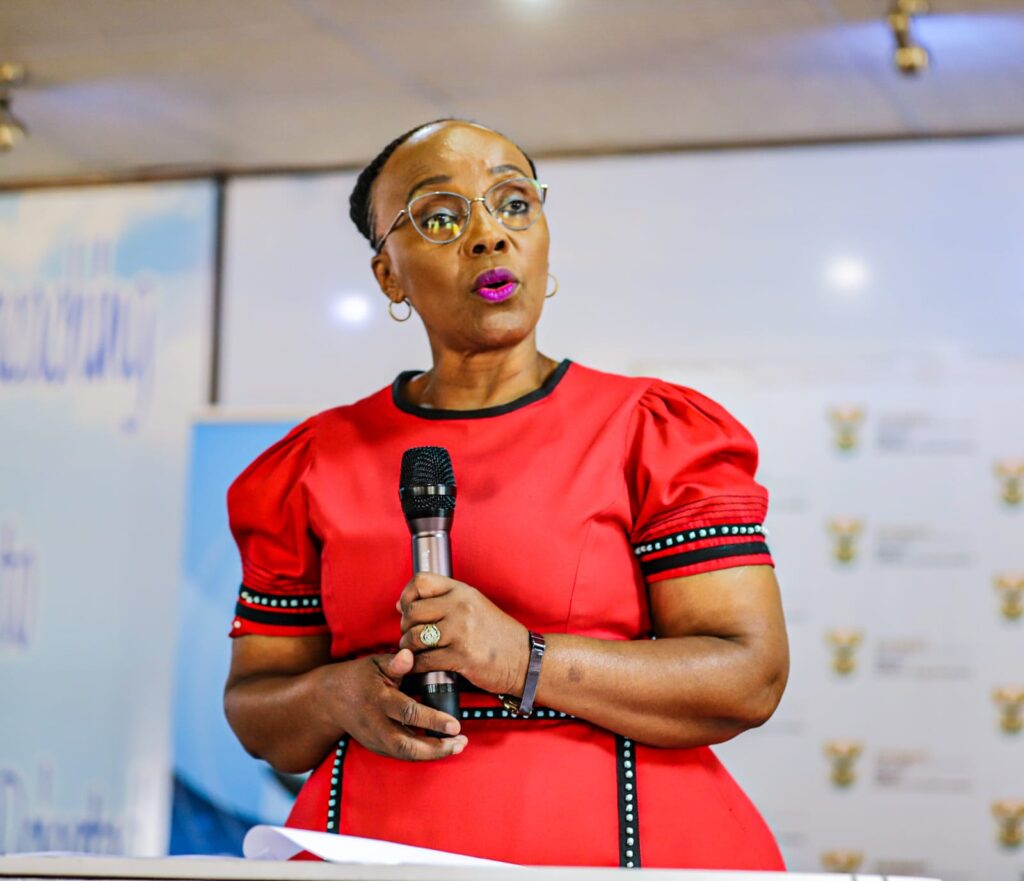
Transport deputy minister Sindiswa Chikunga. PHOTO: SUPPLIED

INSIDE EDUCATION

Higher Education Minister Blade Nzimande condemns killing of TUT student, Ntokozo Xaba

PHUTI MOSOMANE

MINISTER of Higher Education, Dr Blade Nzimande, has condemned the gruesome killing of Ntokozo Xaba, a Tshwane University of Technology (TUT) third-year student.

The 21-year-old Xaba was a third-year TUT student doing a National Diploma in Integrated Communication programme.

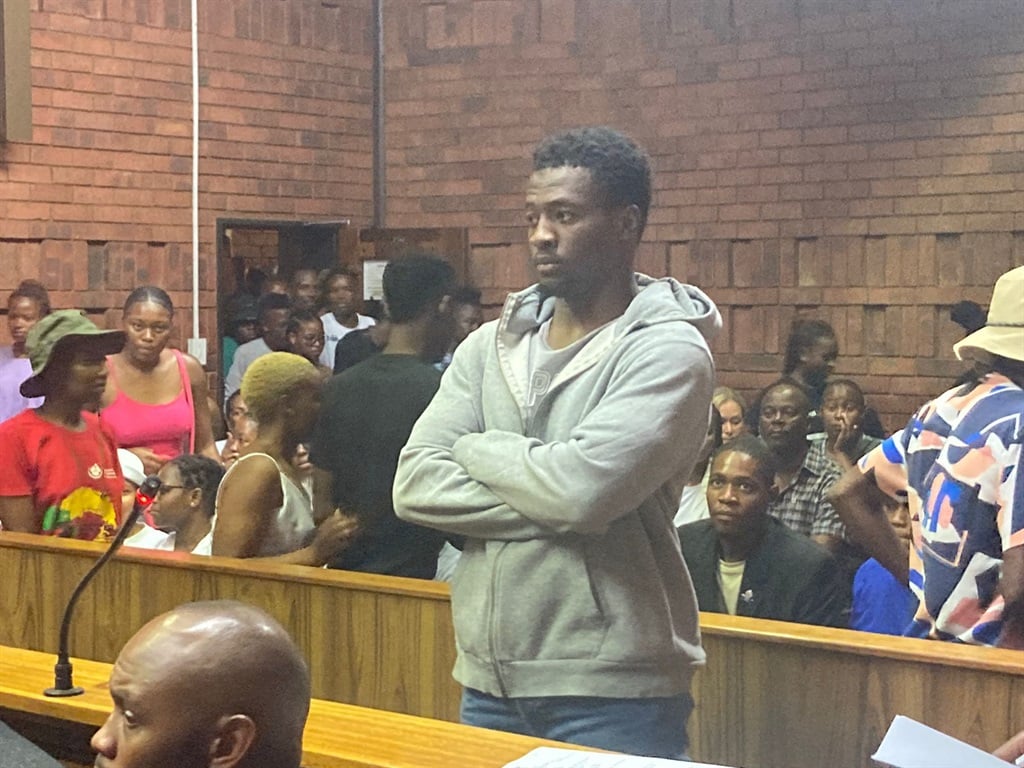
On Monday, Blue Bulls rugby player Ngcebo Thusi, 23, appeared in the Pretoria Magistrate’s Court in connection with the murder of Xaba. 

The state asked for a postponement, saying Thusi still needs to be profiled and his addresses need to be confirmed.

The matter is postponed to the 13th of February for bail application.

According to the National Prosecuting Authority (NPA), Thusi is facing charges of murder and defeating the ends of justice.

Xaba was found stabbed to death at the university’s Ekhaya Junction residence in Pretoria on Thursday.

A police report shows that a group of friends were drinking on Wednesday night.

Xaba’s friends told the police that they left both Xaba and Thusi together. 

Nzimande is, however, pleased by the swift response of the law enforcement agencies for arresting Thusi in connection with Xaba’s untimely death.

Nzimande passed his condolences to the Xaba family, friends and the entire Tshwane University of Technology.

The Department of Higher Education together with the Tshwane University of Technology’s wellness team will provide the necessary phyco-social support to the family.

Ngcebo Thusi.
News24/ Alex Mitchley

Nzimande said that Gender-based violence (GBV), or violence against women and girls (VAWG), was a global pandemic that affects 1 in 3 women in their lifetime.

The minister said these numbers are staggering with global figures indicating that as many as 38% of murders of women are committed by an intimate partner, 35% of women worldwide experiencing physical and/or sexual intimate partner violence or non-partner sexual violence.

“This issue is not only devastating for survivors of violence and their families, but also entails significant social and economic costs and has dire implications to the post school education and training sector,” said Nzimande.

“As part of dealing with gender-based violence in our institutions, I will be launching the “Transforming MENtalities Initiative,” which will be a multistakeholder partnership within the PSET, with a particular focus on mobilising men in our sector to be part of championing a world free of gender biases, stereotypes, violence and discrimination,” said Nzimande.

“All our institutions working with HIGHER HEALTH must continue to work collectively in implementing programmes towards addressing the challenges of sexual and gender based violence within our PSET system. This includes ensuring the provision of safe workplaces, learning spaces and residences for all staff and students in our institutions,” said Nzimande.

Nzimande said that HIGHER HEALTH must also ensure that all institutions work collaboratively with the established multi sectoral PSET gender- based violence technical Task team chaired by Professor LenkaBula, to ensure the effective implementation of the DHET Gender Policy Framework.

Nzimande said he will soon be releasing the Ministerial Task Team (MTT) report on sexual harassment and gender-based violence in the university sector.

This MTT was chaired by Professor Sibongile Muthwa and its report has since been submitted to Nzimande for consideration.

On Monday, the Commission for Gender Equality (CGE) said it will reach out to the leadership of Tshwane University of Technology (TUT) following the brutal killing of Xaba.

”The CGE is saddened by this senseless killing, which adds to the list of gender-based violence (GBV) murders that have taken place within institutions of higher learning.  In the past three years, the CGE has conducted investigations to assess gender transformation and gender-based violence at public universities and Technical and Vocational
Education and Training (TVET) colleges, to ascertain the safety of women on campuses and residences,” spokesperson Javu Baloyi said. 

CGE said more than 15 Vice Chancellors appeared before the commission to help the commission understand gender related problems at their institutions.  

Baloyi said one of the numerous recommendations made was for the Department of Higher Education and Training (DHET) to institute policies and procedures to deal with the scourge of gender-based violence at institutions of higher learning.

INSIDE EDUCATION

Krugersdorp learner suspended over assault of female Grade 10 classmate

0

STAFF REPORTER

THE Gauteng Department of Education has confirmed that a Grade 10 boy who allegedly assaulted a female classmate has been suspended.

A video of the assault at Nic Diederichs High School in Krugersdorp has gone viral on social media.

The Gauteng Department of Education condemned the assault on the girl learner at the Krugersdorp school. 

‘‘The perpetrator was suspended on Wednesday, 1 February 2023, through correspondence that was served to his parents,’’ GDE spokesperson Steve Mabona said.

Mabona said a disciplinary hearing by the school’s Disciplinary Committee (DC) is scheduled for 12 February 2023.

“Our officials visited the school today to verify circumstances surrounding the incident. Our psycho-social support team has also been deployed to provide counselling and trauma support for the victim,’’ Mabona added.

Gauteng Education MEC Matome Chiloane said that he strongly condemns any acts of misconduct by learners that dehumanises, demeans and potentially endangers other learners, and ultimately undermines the dignity of learning institutions.

He said learner ill-discipline will not be tolerated in Gauteng schools. 

The GDE appealed to parents in assisting to enforce discipline upon their children in and outside the school environment.

“We condemn, in the strongest sense, this despicable behaviour. No one can be allowed to assault anyone in our schools, and we especially condemn any form of gender-based violence in our schools. We are pleased that the perpetrator is suspended and will not be allowed back to our school before necessary rehabilitation,” said Chiloane.

Chiloane said the GDE will continue to monitor the situation and apply further interventions.

The school is not new to controversy.

In 2008, an 18-year-old Morne Harmse, known as the ‘Samurai Sword Killer’, attacked four people with a ‘‘samurai’’ sword.

Harmse took out a 60 centimeter katana sword and slit the throat of 16-year-old Jacques Pretorius who died on the scene.

He then, claiming that he was following Satan’s orders, slashed three other people, who were injured and survived the attack.

He was sentenced to 25 years in prison after pleading guilty to all charges in April 2009, but he was released on parole in March 2020 with strict conditions.

INSIDE EDUCATION

DA urges Northern Cape education to intervene in the closure of the overcrowded Deben Primary School

0

PHUTI MOSOMANE

DEMOCRATIC Alliance (DA) councillor Boitumelo Sebego has called on the Provincial Education Department to urgently intervene in the closure of the overcrowded Deben Primary School in the Gamagara Municipality, Northern Cape.

The school has a capacity of 1400 learners but there are 1 885 learners enrolled at the school, and an additional 88 on the waiting list.

Despite efforts to report the overcrowding challenges by the school to the district, there appears to be no solution insight. Now, the school has been shut for four days due to overcrowding and the non-placement of learners who remain on the department’s waiting list for school placements.

Parents are angry and are keeping their children away from school, also making threats towards the school.

‘‘I conducted an oversight inspection of the school today [Wednesday], during which the school principal addressed teachers. He informed them that the school would remain closed because learners were not attending classes due to the department’s failure to address the current school crisis,’’ Sebego said.

To deal with overcrowding at the school, the principal ordered an additional mobile classroom through the department in August last year. It was meant to be delivered in December 2022 but has yet to arrive.

Although the school is scheduled to meet the education department on Thursday, the school community is growing increasingly agitated at the situation.

INSIDE EDUCATION

Opinion: Quality education is key to addressing global challenges

Eugene Eteris and Ojars Sparitis|

ANY government that wants to run efficiently has to address several complex challenges associated with issues such as digitalisation and sustainability, green and circular growth, climate changes and renewable energy, just to name a few.

The search for optimal solutions to these problems is aggravated by the lack of people qualified to resolve them. Hence, there is a need for a fundamental review and reform of existing education and training systems. Nevertheless, we believe that certain European initiatives could assist in accelerating quality teaching around the world.

All modern states need to increase the number of people in the workforce (and in teaching) who are qualified to address today’s problems by making teaching both an attractive employment for young professionals and a stimulus for a lifelong working experience.

A reformed national education policy should not only put additional emphasis on national development priorities, but also on education providers both in basic education and further education to help develop the new knowledge and experience required by digitalisation, sustainability demands and green agendas.

These skills will enable students and the future workforce to prosper in tomorrow’s world. The present educational revolution is transforming all walks of life and socio-economic growth patterns. The following are just some examples where educational reforms are having the most fundamental impact.

Adapting to change

Since the beginning of the 21st century, several challenges have been guiding the transformation of the political economy of most states – for instance, sustainability, the digital transition, the circular economy and climate change adaptation.

These and other challenges have been dramatically affecting national governance systems, corporate management and existing growth models. Currently, countries are trying to tackle the challenges by modernising outdated and old-fashioned education systems.

New facets of socio-economic development inspired by these modern challenges require adaptive workforces with new skills and, or re-skilling for a modernised labour market. Most far-sighted states have turned their governance structures towards the only feasible solution, ie, transforming their education and training systems in line with changing labour force demands.

Our new book provides some recommendations for national governments and, particularly, for education facilities when it comes to educational reform.

Business education reform

When it comes to education providers and universities, many are finding it difficult to develop the necessary governance instruments and measures to tackle global challenges which have become, at the same time, as pressing as national socio-economic issues.

The only feasible solution is to develop the necessary skills and professions to deal with the emerging problems. For example, modern corporate/business-oriented education needs to adapt quickly to the challenges and transformations in contemporary socio-economic development that are influenced by sustainability, circular economy, greener, inclusive and digital growth patterns.

The success of the latter, to a great extent, depends on students having adequate skills and qualifications as well as on a complete change in business education policy and training.

Business education reform is a vital instrument in sustainable socio-economic development and national wellbeing – with basic and specific skills future entrepreneurs are likely to better serve national priorities and create more business opportunities.

Our book has some recommendations for modernising business education and assisting it to adapt quickly to new challenges and working conditions with new teaching and online technologies.

European Union leadership

EU institutions, particularly the European Commission, are endorsing new proposals on urgently needed reforms in education in the EU member states that could be emulated around the world. Most prominent is the recent initiative on the EU’s educational assistance to Africa.

At the end of January 2023, the EU launched its Regional Teachers’ Initiative for Africa, a €100 million (US$109 million) investment to empower the world’s fastest growing youth population through quality education.

This flagship initiative under the EU-Africa Global Gateway Investment Package aims to accelerate the training of teachers in Sub-Saharan Africa, responding to the need for 15 million new qualified teachers in Africa by 2030.

The initiative will contribute to regional and national objectives by supporting and complementing national education and teacher reforms, and offer opportunities for cross-country collaboration, partnerships and accelerated learning of new skills.

It is known that well-trained and motivated teachers are vital for improving learning outcomes, transforming education systems and accelerating progress towards reaching the Sustainable Development Goals (SDGs) and, particularly, SDG 4 on quality education. It is estimated that one in three teachers in Sub-Saharan Africa lack the minimum required qualifications and training.

The EU-27 and the African Union have already endorsed the Regional Teachers’ Initiative as part of the EU-Africa Global Gateway Investment Package. The initiative is also a key element of the implementation of the Youth Action Plan for EU external action that aims to engage, empower and connect young people.

The EU and its member states are key partners in boosting quality education worldwide through the Team Europe programme. Investment in education in Sub-Saharan Africa, Latin America and the Caribbean and Asia and the Pacific will rise to more than €6 billion by 2027, focusing on quality teachers, necessary working skills, inclusive and equitable education systems, opportunity-driven vocational education and training and higher education and mobility.

Teaching reform is at the heart of how we address our future global challenge and Europe is helping to move this agenda forward.

Dr Eugene Eteris is a visiting professor at Turiba University, Latvia. He has been an adviser to the president of the Latvian Academy of Sciences in economics, politics and education. He is head of the European Integration Institute in Denmark. Dr Ojars Sparitis is vice-president of the Latvian Academy of Sciences and professor at the Latvian Academy of Arts. He is deeply involved in international cooperative networks in science, art and education. Their book, Modern Educational Revolution: Challenges and solutions, is available in seven languages.

University World News