Home Blog Page 226

Children and teens aren’t doing enough physical activity – new study sounds a health warning

PHYSICAL inactivity is the fourth leading cause of death worldwide. It’s also associated with chronic illness and disability. Recent research estimates that the world could see close to half a billion new cases of major chronic diseases by 2030 if people don’t get more active. Regular physical activity helps to prevent and manage many chronic diseases. Popular ways to be physically active include walking, cycling, and playing sports.

The World Health Organization (WHO) recommends that children and adolescents (5-17 years old) get an average of at least 60 minutes per day of moderate to vigorous intensity physical activity. This should incorporate vigorous aerobic activities, as well as those that strengthen muscle and bone, at least three days a week.

It’s also recommended that children spend no more than two hours a day on recreational screen time. These recommendations aim to improve children’s physical and mental health, as well as cognitive outcomes.

Before the COVID-19 pandemic, physical activity among children and adolescents was already below the recommended levels. In 2016, 81% of adolescents around the world aged 11-17 were considered physically inactive. Girls were less active than boys.

The pandemic has made matters worse. Physical inactivity in children and adolescents has become a global public health priority. It is now included in global action plans.

For example, using 2016 as baseline, the WHO through its Global Action Plan on Physical Activity targeted a 15 percentage point reduction in prevalence of physical inactivity among adolescents by 2030. This call to action also implored other international organisations and governments to help track progress in physical activity promotion among children and adolescents.

In response to this global physical inactivity crisis, the international call to action, and the need to systematically collect comparable data, the Active Healthy Kids Global Alliance recently published a major study, the first to provide a comprehensive assessment of physical activity among children and adolescents. Published in October 2022, the study included data that were collected before and during the COVID-19 pandemic. We were among the 682 experts who assessed 10 common physical activity indicators for children and adolescents around the world.

Our study shows physical activity among children and adolescents has not gotten better. About one-third of children and adolescents globally were sufficiently physically active while a little over one-third met the recreational screen time recommendation for better health and well being. These findings indicate that a significant proportion of children and adolescent who do not meet recommended physical activity guidelines are at an increased risk of negative outcomes as well as developing related chronic diseases at a much earlier age.

COVID effect

Most of the experts involved in our study agree that the childhood physical inactivity crisis is an ongoing public health challenge and the COVID-19 pandemic appears to have made it worse. When surveyed, more than 90% of the experts reported that COVID-19 had a negative impact on children’s sedentary behaviours, organised sport and physical activity. Our findings are supported by numerous studies.

Lockdowns imposed at the height of the COVID-19 pandemic led to school shutdowns and closures of public parks, which hampered children’s levels of physical activity. Research suggests that children’s moderate-to-vigorous physical activity decreased by 17 minutes per day during the pandemic. That represents a reduction of almost one-third of the recommended daily activity. Another global study representing 187 countries showed a collective 27.3% decrease in the daily step counts of individuals after 30 days of COVID-19 related restrictions.

Our study

Four African countries participated in our study –Botswana, Ethiopia, South Africa and Zimbabwe.

The grading ranged from as high as A+ (large majority, 94%-100% of children and adolescents achieving recommended levels) to as low as F (less than 20% achieving recommended levels).

Children and adolescents from the four African countries were marginally more physically active than children from the rest of the world. They received C- (47%–53% of them met recommendations) for overall physical activity compared to the D (27%–33% met recommendations) for the rest of the world. More children and adolescents from the African countries used active transport (B-; 60%–66%), were less sedentary (C-; 40%–46%) and were more physically fit (C+; 54%–59%), compared to the rest of the world (C-, D+ and C-) respectively.

An important success story from this global comparison of grades is that despite the lack of infrastructure, average grades for individual behaviours were generally better for the African countries. This could be reflecting necessity, rather than choice. For example, children might be forced to walk to school because there’s no affordable transport. Nonetheless it shows that it is still possible to promote healthy lifestyles even when resources are limited.

Factors such as having supportive family and friends, safer communities, positive school environments and adequate resources are often associated with better participation in physical activity. Average grades for these sources of influence were generally lower for the four African countries than those of the rest of the world. These findings demonstrate the challenges related to community safety, a general lack of infrastructure, and funding to support healthy behaviours for children and adolescents in African countries.

Overall, there wasn’t enough data to accurately grade all the indicators for the African countries. Botswana was the only country for which we were able to assign grades for each of the 10 common indicators. The other three countries had at least one incomplete grade each. Lack of representative data is a common and often recurring problem in many low- and middle-income countries. It also means that our findings must be interpreted with caution. For example, we can’t say with certainty that these findings are representative of all the children and adolescents from these four countries or the region as a whole.

Way forward

In many parts of Africa, the prevalence of infectious and other diseases justifiably demands attention and resources. These needs can out compete the messages about physical inactivity, whose negative impact may be silent but still detrimental to population health.

We need to persistently advocate for policies and practices, anchored in the African context, and promote equitable opportunities for children to engage in physical activity. These can include active school recesses and extracurricular programmes. Countries need to ensure access to safe, free public spaces, green spaces, playgrounds and sporting facilities. Finally, researchers and public health practitioners must track the progress towards meeting the WHO’s targets.

THE CONVERSATION
TVET registrations decrease, female applicants dominate

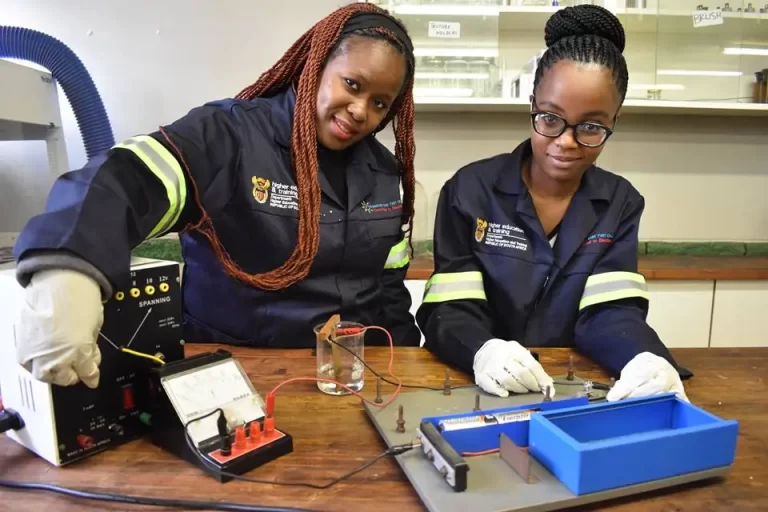
THERE were fewer registrations for Ministerial-approved programmes at technical and vocational education and training (TVET) colleges for the 2023 academic year, at 497 032, than there were in 2022, when there were 508 000.

This is worrying, given the National Development Plan (NDP) target to ensure 2.5-million TVET registrations by 2030, Higher Education, Science and Technology Minister Dr Blade Nzimande said on January 24.

“Our TVET colleges planned headcount enrolment for 2023 is 497 032 for the Ministerial-approved programmes, with an additional 59 383 headcount enrolment for programmes that are funded through other funding sources, thus bringing the total planned TVET enrolment for the academic year 2023 to 556 415,” he stated.

Additionally, the 508 000 enrolments into Ministerial-funded programmes at TVET colleges in the 2022 academic year was itself lower than the enrolments funded by the State and TVET colleges in the 2021 academic year.

Further, the total number of candidates, at 133 442, who wrote the November 2022 National Vocational Certificate Level 2 to 4 examinations, decreased by 4 909, or 3.7%, compared with the 2021 figure.

“This is a matter of concern to the department, as our country needs much greater throughput from this crucial sector,” he emphasised.

Encouragingly, the TVET report indicated that 72.1% of the candidates who wrote the November 2022 exams were female, and 27.9% were male.

“This illustrates that our work is helping to affirm the place of women in our post-school education and training sector, but we are concerned about what seems to be an ongoing decline in male participation in the programme.

“This particular decline [in male participation] requires our attention, and addressing it will form part of efforts that we are launching this year,” said Nzimande.

“We are working hard with our plans to ensure that we accelerate the growth of our TVET sector. We will use the inadequate resources we have available and explore creative and innovative ways to accelerate the growth of the TVET sector.

“However, we can proudly report that the image of TVET colleges is changing in the country and they are no longer considered second choices. Many of the TVET courses are offered only at these colleges and most of our TVET colleges are full to the brim every year,” he boasted.

Meanwhile, the DHET is standardising TVET registration and admission processes, which will also include standardisation of the processes of issuing of certificates.

“This standardisation process will also help us to migrate from manual to online registration processes in all our TVET colleges. Significantly, this has led to growth in student numbers on several colleges that have embraced the use of technology in their enrolment processes, and has reduced the number of walk-ins at these colleges,” added Nzimande.

The rural Limpopo province is the leading province in terms of online registration for TVET colleges, he noted.

“This is something we must build on in other provinces, as many of our youth have access to smart phones [with which to complete online registration processes].”

Further, ten TVET colleges will also be introducing a new programme in robotics in the current academic year.

“This is part of our curriculum transformation strategy for the TVET sector in ensuring that our colleges remain responsive to the needs of a changing economy,” he highlighted.

SKILLS DEVELOPMENT PROGRAMMES
The National Skills Fund (NSF) will fund 107 000 workplace-based learning opportunities in 2023, including learnerships in various sectors of the economy. This will be increased to 110 500 workplace-based learning opportunities from April 1.

These opportunities will mainly be aimed at benefitting young people between the ages of 15 to 24, and the 2022 matriculants will greatly benefit from this, Nzimande said.

The department’s current target on skills programmes in various sectors of the economy is to have 149 000 beneficiaries.

For artisanal trades, the target is 23 000 beneficiaries. The department remains on track in terms of funding artisanal development programmes, and the NSF will continue to fund them, he added.

These programmes will make use of accredited skills development providers. The NSF will post new requests for proposal from qualifying skills development providers to carry out and support the placement of learners for work integrated learning, in particular targeting the not in employment, education or training group, he added.

Further, the skills development funding efforts will release an estimated R3-billion from the NSF to support beneficiaries in agricultural, digital and information technology programmes and skills in small business development. These investments exclude the DHET’s investment in artisan development and other support skills development programmes.

“Central to the NSF skills development funding programme in the 2023/24 financial year will be the acceleration of skills development funding through massification in agricultural, digital and information technology programmes and skills in small business development and entrepreneurship, in partnership with other government departments,” Nzimande said.

All these skills development programmes will be coordinated through the District Development Model.

Meanwhile, community colleges will introduce digital literacy programmes through a partnership with the National Electronic Media Institute of South Africa for community college lecturers.

“We will also be progressively introducing skills, occupational learnerships and nonformal programmes at community colleges through funding support from the NSF and sector education and training authorities,” Nzimande said.

The aim is to change the focus of community colleges from the formerly adult-only-focused education courses to include skills development programmes for people who left school early or who did not finish their schooling to enable them to acquire new skills or improve their capabilities in particular skills, he noted.

These will be in addition to the senior matric and second-chance offerings at these colleges, provided in partnership with the Department of Basic Education, to people who failed matric or want to improve their scores in specific subjects.

UNIVERSITY ENROLMENTS
Enrolments at public universities for the 2023 academic year were projected at 1.1-million, which is 41 545 higher than the prior year, with 655 427 female and 412 428 male students.

“This indicates that our university sector is steadily growing,” said Nzimande.

Importantly, 208 299 first-time enrolments were projected, of which 69 069 will be within scarce-skills areas, including 17 085 in engineering, 17 584 in life and physical sciences, 985 in animal sciences, 209 in veterinary sciences, 10 418 in human health and 22 788 in teacher education courses.

“I must applaud our universities for their achievement in exceeding the targets for the veterinary science, animal sciences and teacher education areas,” he noted.

However, most of the courses in the scarce-skills areas require a matric mathematics pass rate of at least 60%, and some require a minimum 60% pass rate in mathematics and science.

“We do not have nearly enough in every cohort of matriculants that achieve a 60% minimum pass rate in mathematics and science.

“Therefore, the Department of Science and Innovation has developed collaborations with provincial departments of education to support mathematics, science and technology education, aimed at ensuring that we increase the number of learners passing Grade 12 mathematics, science and technology,” he said.

Additionally, to ensure the entire public sector university system is developed, the DHET is intensifying the implementation of the university capacity development programme to improve student success and the quality of teaching, learning and research to support curriculum renewal in all universities.

The DHET has begun to consider the use of blended learning models as an alternative to accommodate more students.

Nzimande has commissioned the Council on Higher Education to conduct a study on blended learning, which will aim to increase learning and teaching through physical and online distance means.

“This mode of delivery will enable more access to higher education. This may assist with achieving the NDP goal of 1.6-million enrolments in our universities by 2030,” he noted. 

Engineering News

Increasing learner access to technical, vocational subjects critical: Ramaphosa

PHUTI MOSOMANE

PRESIDENT Cyril Ramaphosa told delegates at the annual Basic Education Lekgotla held in Sandton that the Three-Streams Model is critical if the country is to seriously adapt and thrive in the new world of work. 

Ramaphosa delivered a keynote address at the 2023 Basic Education Sector Lekgotla at the Sandton Convention Centre on Thursday under the theme: “Equipping Learners with Knowledge and Skills for a Changing World in the Context of COVID-19”.

The Three-Streams Model, considered a silver bullet to the dearth of skills in South Africa, offers the Technical Vocational and Technical Occupational pathways added to the academic pathway.

The curriculum shift towards the Three Stream Model owes its birth to the 2011 National Development Plan (NDP) policy’s call for differentiated pathways in the basic education sector.

Ramaphosa said the skills that South Africa needs, the jobs that can grow the economy, and most importantly, the avenues for entrepreneurship that are so sorely needed, can best be achieved by increasing learner access to Technical and Vocational subjects. 

”I am pleased to hear about the progress that we are making in institutionalising the three-stream model. I understand that various Technical Vocational specialisations have already been introduced in more than 550 schools, and a growing number of schools are piloting the subjects in the Technical Occupational stream,” Ramaphosa said. 

Some of the subjects include Agriculture, Maritime and Nautical Science, Electrical, Civil and Mechanical Technologies, among others. 

”These are all vocations our economy sorely needs. They are the kind of vocations that we need to promote and develop if we are to tackle unemployment,” he added. 

The high numbers of unemployed young people is, he said, something no country can afford, but it is even worse if they are also not in education or training. 

Ramaphosa said inclusive growth and shared prosperity can only be achieved when more people are working. 

If the economy is not creating enough jobs at scale to support the growing numbers of unemployed, Ramaphosa said the country must come up with creative thinking and innovatively. 

”We have to look beyond issues of labour absorption alone, and into what are the best ways to open up new pathways for employment and self-employment. This starts with developing skills for a modern and dynamic workforce through basic education,” he said.  

He said the greater the scope of basic education streams, the better learners’ prospects are for securing employment and for self-employment after school. 

”By way of example, we will all be aware of the national effort to transition our economy along a low-carbon, climate change resilient pathway, and our move towards cleaner sources of energy,” Ramaphosa said. 

Powering a clean energy revolution and pursuing sustainable development requires artisans, mechanics, green equipment manufacturers and operators, waste entrepreneurs, technicians, sustainable farming practitioners and a host of others. 

He told delegates that never has the imperative been greater for the country to forge ahead with curricula that are responsive to the changing needs of economy and society.

The learning losses from the COVID-19 pandemic period will take some time to recoup, Ramaphosa encouraged the department to forge ahead with the comprehensive curriculum recovery plan. 

‘’Basic education is the foundation of a nation’s development, progress and prosperity,’’ he said, adding that through the Sanitation Appropriate for Education programme, known as SAFE, the government has so far been able to construct 50,000 sanitation facilities at 2,388 schools. 

A further 15,000 appropriate toilets were constructed at 1,047 schools as part of the Accelerated Schools Infrastructure Delivery Initiative (ASIDI). 

All remaining SAFE sanitation projects at approximately 1,000 schools are scheduled for completion in the next financial year. 

He said despite the impact of lockdowns, school closures, learning disruption, curriculum trimming, rotational timetables and numerous hurdles, the 2022 matric learners excelled recording an 80.1% pass rate.  

This year’s results, particularly in the performance of learners from poorer schools, show the deepening impact of education spending and the social wage more broadly.

INSIDE EDUCATION

Matric learners encouraged to consider TVET colleges

KWAZULU-NATAL Premier, Nomusa Dube-Ncube, has encouraged learners to consider Technical Vocational Education and Training Colleges (TVET) as their alternative to university education.

Speaking during the announcement of KwaZulu-Natal’s matric results held in Durban on Friday, Premier Dube-Ncube noted that one of the reasons why government adopted the three-stream model in the education system was to accommodate some leaners who have skills but may find it hard to be accepted in universities.

“We are therefore encouraging leaners to also make use of the opportunity provided by TVET colleges. We have seen in the past few years a trend where industry and business is absorbing more graduates from TVETS as opposed to universities,” Dube-Ncube said.

Dube-Ncube commended the province’s Matric Class of 2022 for surpassing all expectations by achieving an 83% pass rate, exceeding the 80% pass rate benchmark set by the province.

“Last year, the floods pummelled KwaZulu-Natal causing damage to infrastructure and disrupted education. This resulted in 824 learners in eThekwini being placed among the displaced in 135 mass care centres, and later being moved into Temporary Residential Units (TRUs).

“Out of this number, at least 36 were in matric in 2022, and four had special needs. Despite these challenges, our resilience showed up. We ensured that these learners were given a fair chance and were not prejudiced by the impact of the flood disaster,” Dube-Ncube said.

The Premier said the 2022 results reflect an improvement in all the districts with Umkhanyakude being the most improved district and no school received a 0% pass rate in the province.

This follows the rollout of the Ten-Point Improvement Plan championed by provincial Education Department.

“These objectives were meant to guide all the interventions for the improvement of the performance of the matric class of 2022. The province undertook to improve performance in Mathematics and Physical Science and sought improvement in the total number of distinction passes in 2022 [and] progress was achieved in all these areas.

“Attention to special schools has also resulted in significant achievement overall. The province has worked hard to improve education of learners with learning barriers,” the Premier said.

She said the Department of Education will come up with a decisive intervention strategy to deal with the situation in the 11 schools that performed below 30%.

“We note that they were 22 in 2021 and now have reduced to 11. The Education Department must conduct an evaluation and introduce an academic improvement plan with immediate effect.

“The Executive Council will receive the report with school by school analysis and will assist with relevant interventions,” Dube-Ncube said.

The Premier also expressed her excitement about the increase in the number of Bachelor passes, as well as an improvement in the pass rate of township and rural schools that achieved 100% pass rate from 145 in 2021 to 212 in 2022.

“We are excited about the increase in the number of Bachelor passes from 37% in 2021 to 42.5% in 2022, which marks a 5.4% improvement. The province is also pleased that girl learners performed well.

“Girl learners obtained an overall pass percentage of 83.6% while the boy learners obtained 82.3%. We will continue to intervene to ensure that female learners have equal opportunities of success like male learners,” Dube-Ncube said.

Embracing the future and 4IR

The Premier also encouraged learners to take advantage of digitisation, robotics and the Fourth Industrial Revolution (4IR).

She said the provincial government is paying attention to subjects including Coding, Mathematics and Physical Science.

“The province also recently launched the Mobile Digital Analytics Skills Laboratory to ensure that young people are exposed to the Fourth Industrial Revolution. We have taken a decision as the Provincial Government that we must assess the viability of schools with a low enrolment rate.

“Our view is that some of them could be converted into Vocational Skills Centers to address among others the shortage of technical skills for the country. These include among others Artisan, Plumbers, Electricians, Construction and Carpentry,” the Premier said. 

SA NEWS

Matric Results: Free State province leads the Class of 2022 at 88.5% – Motshekga

PHUTI MOSOMANE

THE Free State is once again the leading province at 88.5%, an increase of 2.8% from 2021, according to Basic Education Minister Angie Motshekga, who announced matric results for the year 2022 on Thursday night.

Gauteng achieved at 84.4%, an increase of 1.6% from 2021.

KwaZulu-Natal, the best improved province, achieved 83.0%, an increase of 6.2% from 2021, while the third best improved province record went to the Eastern Cape, with an achievement of 77.3%, an increase of 4.2% from 2021.

“We should state that none of the provinces performed below the 70% pass rate; and none had a decline when their 2022 results are compared with those of the previous year. Five provinces performed above the 70% pass rate; and four provinces performed above the 80% pass rate,” said Motshekga.

“The provinces with the highest improvements in their performances are KwaZulu-Natal with 6.2%; Limpopo with 5.3%; and the Eastern Cape with 4.2%.  Again, the great work done in these three most rural provinces, must be applauded.”

Motshekga also praised the class of 2022 for producing a pass rate of 80.1% despite challenges with the COVID-19 pandemic and load shedding. 

The pass rate is now up by 3.7 percentage points.

“The Matric Class of 2022 must be commended for maintaining this trend despite the astronomical challenges they faced – challenges related to the COVID-19 pandemic, ESKOM’s loadshedding, and the sporadic service delivery protests,” said Motshekga.

“The 2022 NSC overall pass rate has reached the 80.1%, (compared with 76.4% in 2021) – an improvement of 3.7% from the pass rate achieved by the Class of 2021.  This, represents a record of five hundred and eighty thousand, five hundred and fifty five (580 555) candidates, who passed the 2022 NSC examinations – an improvement of 7.9% passes by number, achieved by the Class of 2021.”

She said the number of bachelor passes has increased 8.9 percentage points, and also diploma passes. 

She said Gauteng and KwaZulu-Natal contributed the most bachelor passes.

“We must state that KwaZulu-Natal and Gauteng contributed the most Bachelor passes, with sixty-nine thousand, eight hundred and forty-nine (69 849) – an increase of 12.9% from 2021; and fifty-eight thousand, one hundred and nineteen (58 119) – an increase of 4.1% from 2021, respectively.” 

“When combined, KZN and Gauteng contributed one hundred and twenty-seven thousand, nine hundred and sixty-eight (127 968) Bachelor passes – an improvement of 8.7% from 2021, and 45.9% of the overall Bachelor passes nationally,” said Motshekga.

She said it was remarkable to note that the Eastern Cape, KwaZulu-Natal and Limpopo, the three most rural provinces in the country, produced a combined total of 137 701 Bachelor passes, which is equivalent to 63.0% of the total Bachelor passes; and an improvement of 13.5% from the 2021 total Bachelor passes. 

“In addition, these three most rural provinces, produced one hundred and seventeen thousand, four hundred and fifty one (117 451) passes with distinction, which is equivalent to 53.7% of the total passes with distinction; – an improvement of 13.1% from the 2021,” said Motshekga.

“It is also noteworthy that the Eastern Cape, KwaZulu-Natal and Limpopo were also able to produce a combined total ninety-five thousand, three hundred and ninety-three (95 393) Diploma passes; which is equivalent to 49.3% of the total Diploma passes nationally; and an improvement of 8.3% from the 2021 total passes with Diploma.  Therefore, this kind of consistent and improved performance by our three most rural provinces, dispels the myth that quality education, is a character of urban provinces.” 

The achievements by province, are as follows|

  • The Free State is the leading province at 88.5%, an increase of 2.8% from 2021.
  • Gauteng achieved at 84.4%, an increase of 1.6% from 2021.
  • KwaZulu-Natal, the best improved province, achieved 83.0%, an increase of 6.2% from 2021.
  • Western Cape achieved 81.4%, an increase of 0.2% from 2021.
  • North West achieved at 79.8%, an increase of 1.6% from 2021.
  • The third best improved province, is the Eastern Cape, with an achievement of 77.3%, an increase of 4.2% from 2021.
  • Mpumalanga achieved at 76.8%, a 2.9% increase from 2021.
  • Northern Cape achieved at 74.2%, a 2.7% increase from 2021.
  • The second best improved province, is Limpopo, with an achievement of 72.1%, a 5.3% increase from 2021.

INSIDE EDUCATION

More universities are banning TikTok from their campus networks and devices

0

PUBLIC universities across a widening swath of U.S. states have banned TikTok in recent months, and two of the country’s largest colleges just followed suit.

The University of Texas and Texas A&M University are two of the latest colleges to take action against the social app, which is owned by Beijing-based parent company ByteDance.

The flurry of recent campus TikTok bans was inspired by executive orders issued by a number of state governors. Public universities in Alabama, Arkansas, Florida, Georgia, Idaho, Iowa, Oklahoma, South Dakota and now Texas have taken measures to restrict access to the app, blocking it from campus Wi-Fi networks and school-owned devices.

Texas Governor Greg Abbott ordered Texas state agencies to ban the app from government devices in early December, citing privacy and security concerns stemming from TikTok’s Chinese ownership. Abbott characterized the concerns as “growing threats” and gave agencies until mid-February to plan around the changes.

“The university is taking these important steps to eliminate risks to information contained in the university’s network and to our critical infrastructure,” University of Texas Advisor to the President for Technology Strategy Jeff Neyland wrote this week.

“As outlined in the governor’s directive, TikTok harvests vast amounts of data from its users’ devices — including when, where and how they conduct internet activity — and offers this trove of potentially sensitive information to the Chinese government.”

A Texas A&M spokesperson confirmed to the Texas Tribune that “… Students, faculty, staff and visitors will not be able to use the app when connected to an A&M network.”

At the start of 2023, TikTok remains in a strange and contradictory state of limbo in the United States. The app, which regularly tops U.S. charts, is also under intense scrutiny at the federal and state level.

The Biden administration banned TikTok from government devices in a bill signed at the end of December. FBI Director Christopher Wray raised red flags over TikTok’s ability to collect data on its users and its potential to spread Chinese state influence operations around the same time.

“All of these things are in the hands of a government that doesn’t share our values and that has a mission that’s very much at odds with what’s in the best interests of the United States,” Wray said. “That should concern us.”

The U.S. government has also long been suspected of running its own covert influence operations on social media apps, though the evidence to date suggests that U.S. tech companies didn’t facilitate that behavior, which would run afoul of platform policies.

While the irony of that particular accusation against ByteDance is worth noting, apps headquartered in the U.S. do have more recourse for pushing back against government requests and more channels for transparency around those relationships.

The Biden administration’s concerns about TikTok’s Chinese ownership are themselves an extension of worries that took root in the U.S. government during the Trump era. The Trump administration attempted to force ByteDance to sell TikTok’s U.S. business to a new owner, though those unprecedented efforts fell apart over time.

ByteDance has certainly failed to be forthright about how data flows between its U.S. and China operations, raising eyebrows about what else the company conceals. Last month, Forbes reported that TikTok’s parent company tracked journalists’ IP addresses in an effort to identify which employees were sharing unauthorized information.

Whether ongoing concerns around TikTok’s prevalence in the U.S. are valid or not, the university bans aren’t likely to have much impact on the app’s popularity. Students can easily switch to their own mobile data plans to get around network-level bans on campus, though many school employees will soon have a firewall between the app and their university accounts — and potentially one less social channel to monitor.

TechCrunch

University of Free state: An ideal destination for learners from SA’s top-performing school province

 LEONIE BOLLEURS 

WITH the release of the National Senior Certificate exam results by the National Department of Basic Education on 19 January 2023, it was confirmed that the Free State maintained its status as the top-performing province in the country.

This year’s average pass rate for the province is 88,5%, an increase of 2,8% from 2021, and more than 8% above the national pass rate.

Prof Francis Petersen, Rector and Vice-Chancellor of the University of the Free State (UFS), congratulated the Matric Class of 2022.

“Passing the National Senior Certificate examination is a milestone worthy of celebration and a step towards realising your dreams for the future. The University of the Free State congratulates you on achieving this goal and we are delighted that you have achieved this success.”

“We are recruiting the best students and scholars from diverse backgrounds and are looking forward to welcoming you to start the next chapter of your life and to guiding you to realise your true potential.”

“At the UFS, we have a clear vision of where we want to be within the next few years leading up to the year 2034, when the university will be 130 years old. Vision 130 expresses our intent and commitment to be acknowledged by our peers and society as a top-tier university in South Africa, ranked among the best in the world.”

“Academic excellence, quality, and impact lie at the centre of our vision. So does maximum societal impact. We are demonstrating our impact through our graduates, the knowledge we generate, the research we conduct, and our engagement with society,” he says. 

Prof Petersen continues, “We are focused on consistently renewing and reimagining ourselves in order to effectively impact the communities that surround us.”

It is in its engagement with society, striving to make a positive impact, that the UFS has certain initiatives in place that have contributed to the successful pass rate of matric pupils in the province.

Creative Clubs

Creative Clubs is one of these initiatives. The initiator and coordinator of the programme, Dr Joleen Hamilton from the university’s School of Mathematics, Natural Sciences and Technology Education, says Creative Clubs aim to create an environment to cultivate skills such as problem-solving, critical thinking, higher-order reasoning, teamwork, and perseverance. 

“Motivation, more specifically internal motivation, is another aspect we address. For this to work, we make the learners believe in their abilities, potential, and themselves. Learners need to have the self-confidence to find the courage to persevere, even if the problem is challenging. Having self-confidence and self-belief is crucial for learners to be successful in their school career and afterwards,” she says. 

The skills taught in Creative Clubs prepare learners for success when they write the National Senior Certificate exam later. “Due to our focus on the development of skills, we are able to equip learners with the tools they need to be successful in any subject or learning situation.”

“Most of the activities done in Creative Club sessions are focusing on changing learners’ attitudes towards themselves in terms of what they believe they can accomplish,” says Dr Hamilton. 

She is of the opinion that Mathematics and Science are both perceived as difficult and only for high achievers. She explains that many of the learners do not have a choice and must take Mathematics and Science as subjects, whether they are interested in the fields or not. “If the learners can get support in not only understanding the content but also in developing and strengthening skills, their attitudes towards these subjects can be changed to believing that it can be managed and mastered. Once their attitudes change, their self-belief increases, and learners are more willing to try challenging problems or topics in these subjects.”

Sci-Ed Science Education Centre

Another drive of the university that provides support to learners and contributes to successful matric results in the long run, is the Sci-Ed Science Education Centre hosted by the UFS Faculty of Education to address the challenge of Mathematics and Science teaching and learning in South Africa.

Dr Cobus van Breda, Manager of Sci-Ed and Programme Director of Science-for-the-Future, believes success in matric is the result of many contributing factors. “Apart from a solid school education, it is also about consistent hard work over a long period of time, exposure to additional learning opportunities, and networking with peers,” he says.

Dr Van Breda adds, “The new Sci-Ed Science Education Centre at the UFS is creating a platform and space for such initiatives. Since Sci-Ed will accommodate learners from all grades, it will also contribute towards laying sound foundations in the early school years for success later, especially in Mathematics and Science. Teacher professional development, learner support, and parent-empowering initiatives are at the base of the activities offered at Sci-Ed. 

Acknowledging the centre’s future contributions during its opening ceremony on 6 December 2022, Dr Tate Makgoe, the MEC for Basic Education in the Free State, said the provincial government will send its Foundation Phase teachers here to further strengthen their skills.

UFS| Supplied

Real matric pass rate is 54.6% and not 80.1% – DA

THE Democratic Alliance (DA) says it hat the real matric pass rate is 54.6% and not the 80.1% Basic Education Minister Angie Motshekga has announced on Thursday last week.

The party said it calculated the real matric pass rate by bringing into account the number of learners that dropped out and never made it to matric.

The dropout rate for the 2022 matric class, according to the DA, is 31.8 % (337 364 learners). 

“The real 2022 matric pass rate is only 54.6%, an increase from 2021’s 50.4%. This is very concerning,” Baxolile Nodada, DA’s shadow Minister of Basic Education said.

“And while the DA disputes the Department of Basic Education’s (DBE) pass rate of 80.1%, we are very proud of each and every matric that successfully graduated. We also urge those that did not do well to not give up, the current outcome does not determine their destiny.”

Nodada said some learners opt out of schooling at the end of Grade 9 to pursue their education through technical and vocational education and training (TVET), but a large number simply stop their education entirely.

To bring the TVET learners into account the DA calculates the real matric pass rate from the Grade 10 cohort that ought to complete matric.

The Northern Cape had the highest dropout rate of 41.6%, followed by Free State with 40.6%, while the Western Cape had the lowest dropout rate of 27.6%.

The province with the highest pass rate was the Free State.

The Western Cape was the leader in distinctions with 6.2%.

“What makes the national 45.4% fail rate and high dropout rate particularly concerning is that many of those learners contribute to the country’s staggering youth unemployment of 59.6% (6 in every 10 young South African is unemployed) – a little over 3.5 million youth are not in education, employment or any form of skills training,” he said.

“Given the fact that the Minister of Basic Education, Angie Motshekga, recently revealed in an answer to a parliamentary question from the DA that her Department has not established a system of tracking learners that exit the public schooling system and does not have information regarding learners’ further education or employment paths in line with outcome 3 and 4 of the Medium-Term Strategic Framework of DBE, means a high likelihood of learners joining the unemployment lines once they leave school, whether through dropping out or after graduation.”

The party said unless DBE addresses the twin issues of the high dropout rate and the ineffective curriculum offering that fails to fully develop knowledge and skills to access economic opportunities, the majority of matriculants’ future will be very limited. 

“Not only does the curriculum have to be tailored with a determined focus on cultivating entrepreneurship and creativity to best cultivate citizens that will be able to create economic opportunities and prosperity, the failure to establish a strong literacy and numeracy base in the foundation phases sets learners up for failure and increases the likelihood of them dropping out at a later stage or achieve poor quality outcomes to access further education as we have seen in Matric results,” he said.

Nodada said South Africa desperately needs more teachers that specialise in the STEM subjects – science, technology, engineering and mathematics.

“The DA will continue to highlight the crucial need for continuous professional development of teachers in line with an effective curriculum offering that will develop learners’ knowledge and skills, and we once again urge the Minister to seriously consider our suggestion of an independent school monitoring evaluation authority to evaluate and monitor teachers,” he said.

INSIDE EDUCATION

More Gauteng township public schools excelled in matric exams

PHUTI MOSOMANE

MORE Gauteng township public schools have excelled in the 2022 matric examinations, with 20 schools achieving 100% pass rate, and 134 achieving a pass rate of over 90%.  

MEC of Education Matome Chiloane said this is in light of the Gauteng Provincial Government’s Township, Informal Settlements and Hostel (TISH) focus strategy.

“More township public schools excelled in the 2022 NSC exams and we congratulate the principals of the 107 township public schools, including 9 Learners with Special Educational Needs (LSEN) schools, that achieved a pass rate of above 90% for the sterling work done. Last year, only 61 township public schools achieved above 90% last year,” said Chiloane.

Chilaoane gave a special recognition to Imbali Combined School, an independent school in the township of Orange Farm, which achieved a 100% pass rate and a 97% Bachelor Pass rate. 

The following township schools have achieved a pass rate above 98% and a Bachelor rate above 75%.

• Raymond Mhlaba Secondary School with 83% Bachelor Passes

• Madibane Comprehensive School with 79% Bachelor Passes

• Letsibogo Secondary School with 78% Bachelor Passes

• Diepsloot Secondary No 2 with 75% Bachelor Passes

“Gauteng has made significant strides in closing the gap between schools serving poor communities, specifically township schools, and those with a strong middle-class component, as shown by the narrowing gap in the performance by township and non-township schools,” Chiloane revealed at a special matric 2022 results announcement in Soshanguve on Friday. 

In 2009, township schools achieved an average pass rate of 60.1%, with non-township schools achieving 84.2%, making a gap of 24.1%. 

In 2023, the gap improved to 8.3% compared to 9.8% in 2021 and compared to 11.8% in 2020, but still below when compared to the 2.8% in 2019. 

Township schools achieved slightly higher results than 2021, with township schools achieving a pass rate of 80.7% compared to 79.6%. In 2021 and non-township schools achieved 89% compared to 89.4% in 2021, a slight decline. 

“We are happy that our interventions in our township schools are bearing fruit. Our Grade 12 learners in township schools had an opportunity to benefit from teaching and learning through investments that we made in technology in the classroom,” said Chiloane.

“This was in addition to the supplementary learning programmes over weekends and school holidays. We shall continue to consolidate our input in this area to maximize the utilization of these resources for improved learning outcomes. This will contribute to narrowing the inequality gaps that persist.” 

He gave special congratulations to Kgothalang Secondary School in Gauteng West which, with tremendous effort, turned around their performance from 41.5% to 87.3%, a staggering improvement of just over 45.8%.  

The school also improved on the percentage of Bachelor Passes from 21% to 44%. 

Gauteng Premier Panyaza Lesufi, who also attended the special breakfast in Soshanguve, said the province has invested resources to ensure that no school is left behind. 

On the improved performance of township schools, Lesufi said: “I think we have turned the corner. The seed that we planted is now showing results.”

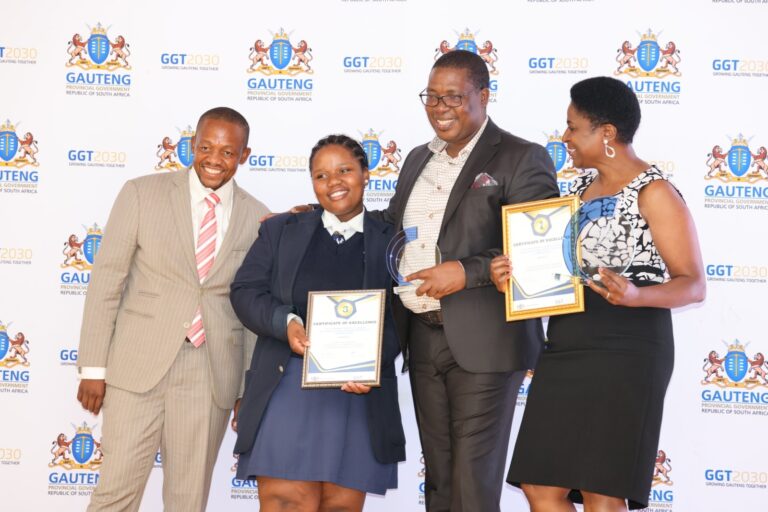
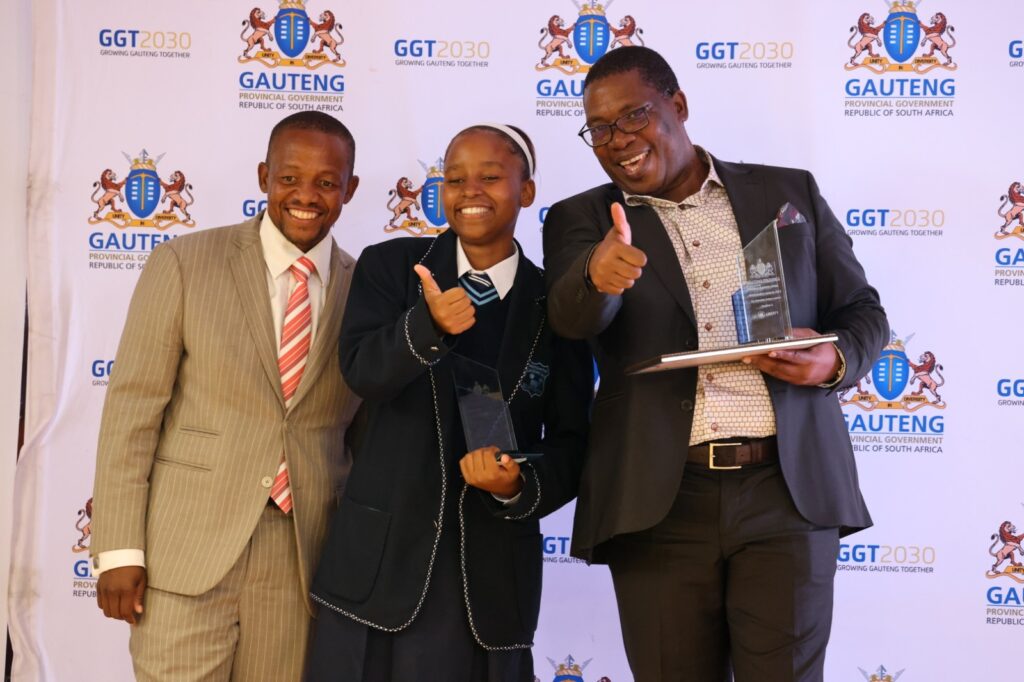
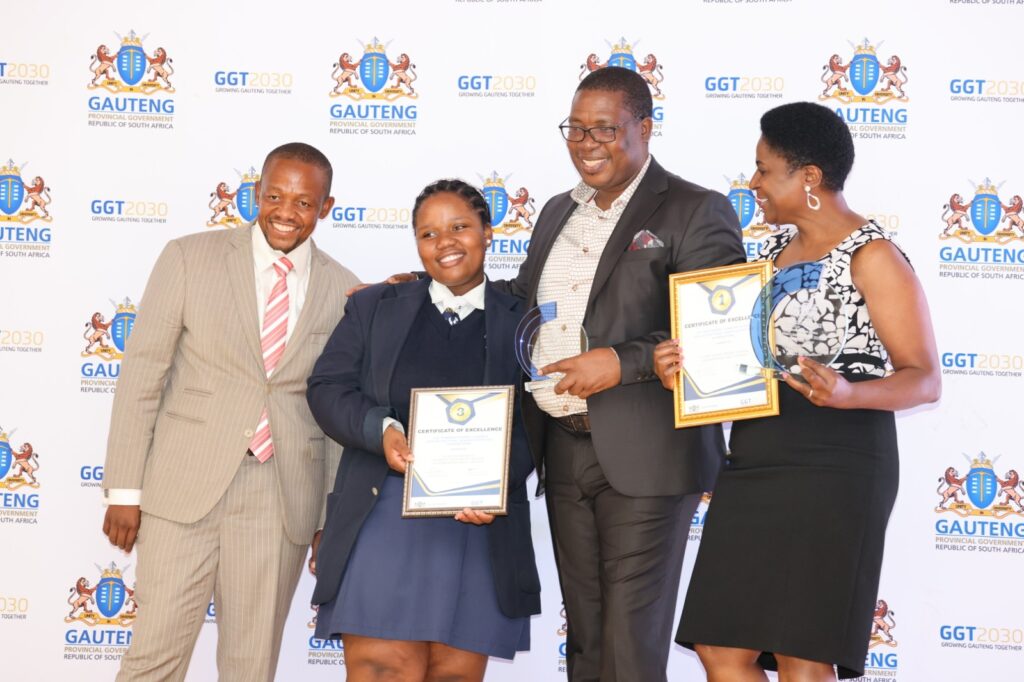
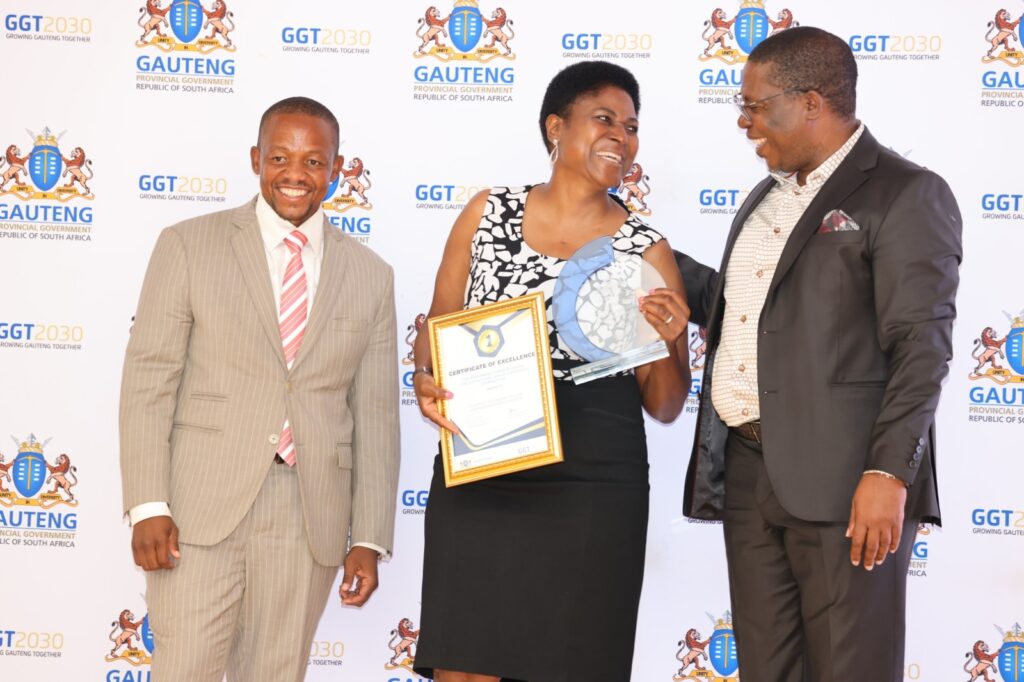
Township Awards were presented by Lesufi and Thabiso Madiba, a board member of the Trevor Noah Foundation. 

Top performing township learners:

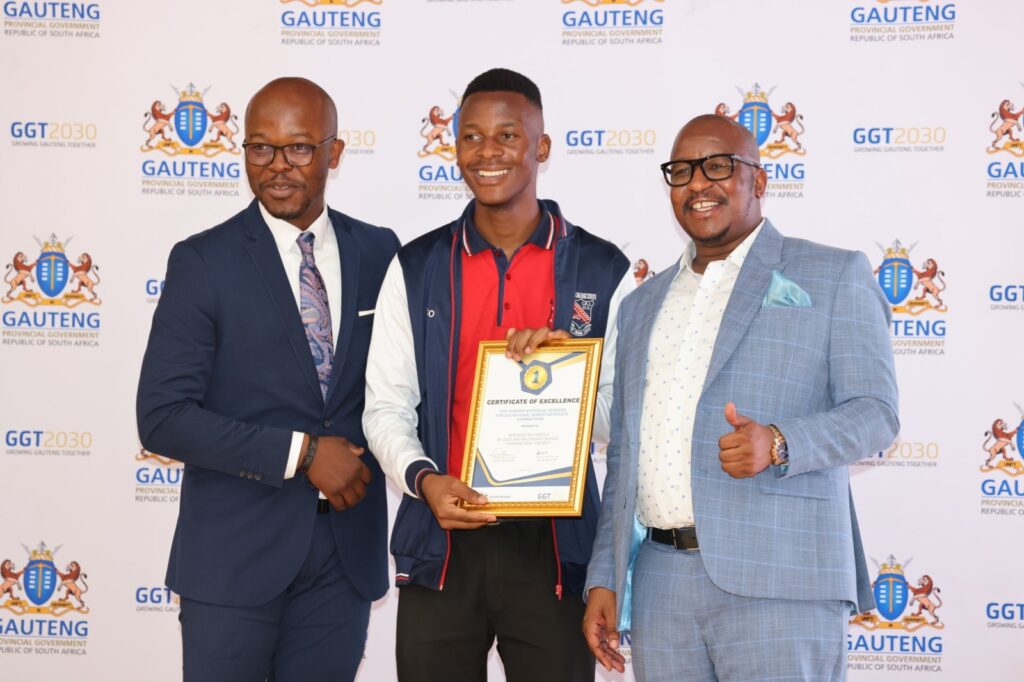
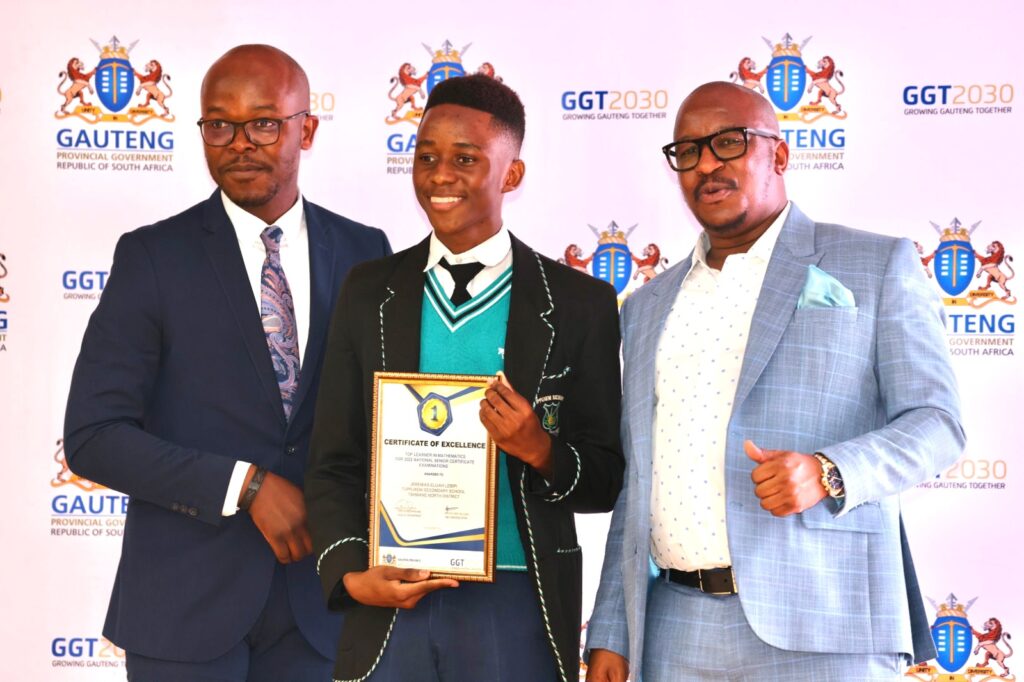
1st place: Sibusiso Mathebula: IR Lesolang Secondary School: Tshwane West District. Awards:  Setswana Home Language (270 ). English First Additional Language (281)  Mathematics (295 ) Life Sciences (285) Physical Science (300) Geography (286)   Life Orientation (279).
2nd place: Agnes Mahlaku: Thuto Kitso Comprehensive School: Gauteng West District.
3rd place: Olwethu Mondao: Letsibogo Secondary School: Johannesburg West District.

Top learners in physical science are also from township schools, recieved 300 over 300:

Sibusiso Mathebula: IR Lesolang Secondary School: Tshwane, West District.
Tebatso Herman Dilebo: Tipfuxeni Secondary School: Tshwane, North District
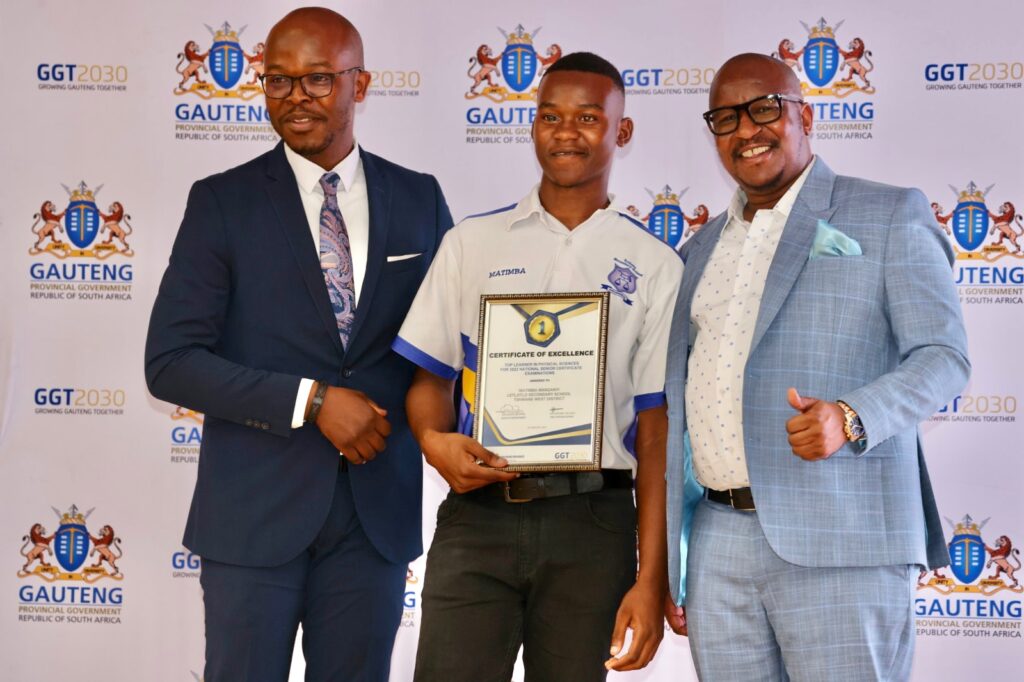
Matimba Manganyi: Letlotio Secondary School: Tshwane West, District
Boikanyo Khoza: Modilati Secondary School: Tshwane North, District 

Top performing township schools;

1st place: Letsibogo Secondary School: Johannesburg West District
2nd place: Lesiba Secondary School: Ekurhuleni North District.
3rd place: Ratshepo Secondary School: Tshwane North

INSIDE EDUCATION 

Gauteng education on the right track: Chiloane 

PHUTI MOSOMANE

GAUTENG Education MEC Matome Chiloane said the 84.4% overall performance in the 2022 matric results showed that the Gauteng education system is on the right track. 

Chiloane congratulated Gauteng’s matric class of 2022 for achieving an outstanding pass rate of 84.4%. A 1.7% increase from 2021.

This achievement is a 1.7% improvement from the 2021 matric results of 82.8% and puts Gauteng as the second top performing province in South Africa.

More schools in Gauteng have achieved a 100% pass rate. In 2021 131 schools managed to ace the exams with a 100% pass rate, the figure has risen to 149 schools for the 2022 matric exams.  

Similarly, more schools achieved a pass rate of above 95% in 2022 than in the previous year. In 2022 a total of 290 schools achieved above 95%, compared to 265 in 2021.The province has achieved bachelor entry pass rate of 43.4%.

“This goes to show how dedication, resilience, and hard work in 2022 proved to be the elements of success for Gauteng’s Class of 2022, who achieved an outstanding pass rate of 84.4%,” he told top achievers in Soshanguve East Secondary School on Friday.

Gauteng is the second best performing province below the Free State province.

Chiloane said the class of 2022 navigated two years of disrupted schooling in 2020 and 2021 brought by COVID-19, and an overloaded curriculum programme in the run-up to their Grade 12 examinations.

“Equipped with the mindset to accomplish improved performance, the class of 2022 set off on a purposeful course to identify achievable goals. utilise available tailored resources provided through school, district and provincial learner support initiatives and maximise the additional structured time allocated through interventions and all other support,” he said.

He said the 2022 matric outcomes were a result of “dedicated collective support of parents and school communities and entrusted efforts by teachers, social administrators and managers, district and provincial officials contributing to rendering the class of 2022 exam ready”.

Five Gauteng Districts performed above 80%, with four districts being part of the Top 10 Performing Districts in the country, having achieved pass rates of more than 85% each:

  1. Johannesburg West  89.74%  (+3.14%)  [3rd Place nationally]
  2. Tshwane South   89.96%  (-0.34%)   [4th Place nationally]
  3. Gauteng North   87.71%  (+7.51%)  [5th Place nationally]
  4. Johannesburg North   86.19%  (+1.29%)  [10th Place nationally] 
  5. Ekurhuleni South  85.69%  (-0.61%)
  6. Sedibeng East   85.24%  (+3.84%)
  7. Johannesburg East   84.21%  (+0.81%)
  8. Gauteng East 83.58%  (+6.08%)
  9. Tshwane North  83.46%  (+0.26%)
  10. Ekurhuleni North  82.93%  (+0.73%)
  11. Johannesburg South 82.80%  (+4.5%)
  12. Gauteng West  82.10%  (+2.8%)
  13. Johannesburg Central  82.03%  (+1.23%)
  14. Tshwane West  81.98%  (-0.32%)
  15. Sedibeng West  81.68%  (+2.58%)

Equally, Chiloane said the department must also attend schools that consistently perform below par.  About 53 public and independent schools achieved less than 65% compared to 69 public and independent schools in 2021. 

“In the next few days, the Gauteng Department of Education will meet with the School Management Teams of all public schools that performed below 65% and begin a process to address this poor performance,” Chiloane assured Premier Panyza Lesufi who also attended the ceremony.  

The Department will meet the public schools that performed below 65% to put into place interventions to improve the performance of these schools. This will include a review of management and teaching personnel. A rapid school evaluation will be undertaken, and an academic improvement plan designed and implemented.

“We will support all matriculants that have failed by providing a multi-faceted Second Chance Programme in 2023 to assist supplementary exam and part-time candidates, amended Senior Certificate candidates and progressed learners who need to complete their National Senior Certificate.

He said the department will assist them in the subjects they have failed to ensure that they completed the requirements for passing. Moreover, he said learners that require psycho-social support are also urged to engage their schools or the Department. 

“As we celebrate the Class of 2022 with much pride and excitement, it is only fitting and a privilege to recognise that our successes are due to our collective commitment to Growing Gauteng Together as learners, teachers, school staff, parents and all basic education sector stakeholders. In this regard, I reiterate our commitment to pursue a quality and inclusive basic education system for all young people of our province,” said MEC Chiloane.

Lesufi said the 2022 matric results belong to the teachers. He said it was critical for Gauteng to deliberately focus on developing skills for the new economy as “learners are the future gold requiring necessary support”.

“I can stand here and say we have turned the corner,” Lesufi said.

INSIDE EDUCATION