Home Blog Page 260

R140m school for Rustenburg mining community

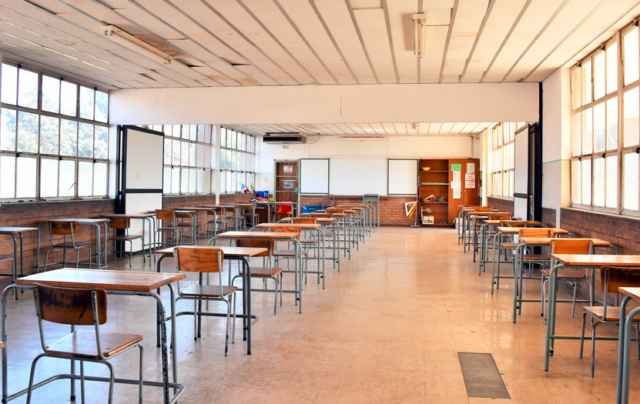
THE Ministers of Basic Education and Minerals and Energy have officially unveiled a newly built world-class Waterkloof Hills Combined School in the mining community of Rustenburg, North West.

This comes after Royal Bafokeng Platinum (RBPlat) and the North West Department of Education (NWDoE) entered into an agreement in 2019, on an equal financial contribution basis, to construct a much-needed primary and secondary school to the tune of R140 million.

According to the departments, R58 million went to local sub-contractors, while R7.3 million was spent on local suppliers.

The two schools are located within the Waterkloof Hills Estate, RBPlat’s flagship employee housing development that offers employees family housing in a secure lifestyle estate.

Minerals and Energy Minister, Gwede Mantashe, has described the school that prides itself on 32 smart classrooms, a multi-function room and science laboratories, as a state-of-the-art project.

“The infrastructure helps develop children and transform the future of our country,” he said on Friday.

The school will be a new home to 2 155 learners, 1 280 in primary and 875 in secondary school.

Additional school facilities include a 1 100 capacity school hall, 256 parking bays, a security gate, sports fields, libraries, sickrooms and dining halls.

“In the mining industry, we have something called a Social and Labour Plan, a concept of mining companies investing where mining companies operate. It’s a fee they pay for their survival and protection, and not a favour,” he explained.

Mantashe encouraged other mining companies to follow RBPlat’s example, invest in meaningful projects and pay for their “social licence” to communities where they extract minerals.

“We must change the view that all mining companies do is leave big holes in the ground and disappear. What we are dealing with in Krugersdorp is the legacy of mining, where mines leave holes and now have no owners, and we as the department, must seal those holes.”

However, according to Mantashe, it is high time mines do better.

“A project must have an impact on a community. We make that point because we saw a trend where companies were building small community halls and disappear. It doesn’t make an impact,” he stressed.

Meanwhile, the Department of Basic Education said it welcomes the construction of Waterkloof Hills Combined School, as it ensures that the infrastructural improvements are in line with norms and standards.

RBPlat CEO, Steve Phiri, said the schools will not only serve their employees’ children but also those who live in the surrounding communities.

“Our purpose has always been to create economic value that can be shared with all our stakeholders and this project offers a legacy of sustainable benefits, through quality education, for the next generation of leaders in our communities,” said Phiri.

Meanwhile, North West Department of Education MEC, Mmaphefo Matsemela, said she believes that it takes a village to raise a child.

“It means that we cannot succeed alone and without the involvement of all other stakeholders. We are extremely grateful for the RBPlat partnership, which reflects a good example of a successful public-private partnership, which is always encouraged by government,” she said.

SA NEWS

UK work visa for elite graduates is exclusive and based on flawed assumptions

0

ORLA QUINTAN

The UK government’s announcement of a new work visa option aimed at attracting top graduates has elicited some backlash because the list of eligible institutions features no universities from Africa, Latin America or South Asia. The Conversation Africa’s Nontobeko Mtshali asked Orla Quinlan, Director of Internationalisation at Rhodes University in South Africa, to share her thoughts on the implications such visa programmes have for international integration and intercultural efforts in higher education.

What has the UK government announced?

The UK government recently introduced a new “High Potential Individual” short-term work visa. Home Secretary Priti Patel said the intention was put “ability and talent first” – not where people come from.

The conditions of the high potential individual visa allow a stay of two or three years in the UK for graduates holding a master’s degree or a PhD, respectively. This visa can’t be extended, but holders may apply for longer-term visas.

Applicants need to have financial resources to acquire the visa and to sustain themselves while searching for employment. The high potential individual visa doesn’t pertain to international students who are already registered at universities in the UK.

But the visa is restricted to graduates from specific universities featuring in the top 50 places of two international university rankings.

Who is eligible?

The most recent list of eligible universities comprised more than two dozen US universities. Other institutions are in Canada, China, France, Germany, Japan, Singapore and Sweden.

Each of these universities appeared in at least two of the following ranking systems: the Times Higher Education world university rankings, the Academic Ranking of World Universities and the Quacquarelli Symonds world university rankings.

African universities don’t appear in the top 50 of any of these ranking systems. The criteria they use consider aspects like the university’s research output, high achieving academics and alumni, reputation among employers, and international student ratio.

The performance of individual students isn’t a criterion in any of these rankings.

Ranking systems are commercial entities. While deeply flawed, they play an increasing role in shaping opinions about the quality of tertiary education institutions. But many universities that don’t feature in rankings graduate students who excel in their individual performances. The ranking systems are already heavily contested. To only correlate high performing individuals with specific universities is unscientific. Rankings have little to do with individual performance.

If any ranking system has to be used, it’s been suggested that the Impact Rankings produced by Times Higher Education might be more appropriate. This measures universities’ impacts on the 17 UN Sustainable Development Goals. At least, this ranking is more inclusive of global South universities.

What does this tell us about inequality in higher education?

Attending the highly ranked eligible institutions requires the means to pay for fees, accommodation and living costs. For example, almost all the US institutions on the list are private colleges that charge high fees. Many high-performing students from the global South can’t afford to attend. Many brilliant students will, therefore, never be eligible to access the high potential individual visa.

Universities from Latin America, Africa and most of Asia aren’t on the list of eligible universities. It’s not even possible for many universities to meet the specific criteria chosen. This exclusion sends a negative message.

The high potential individual visa shows short-sightedness about the experience, insights and skills that graduates from the global South could bring to the UK. Many individuals demonstrate high achievement outcomes, in spite of operating in under-resourced universities. This is due to their resilience and grit – the strongest predictor of success, according to the studies of American scholar Angel Lee Duckworth.

Should something change?

Countries are entitled to make their own decisions. But some countries are making short-term populist decisions, rather than longer term strategic decisions for the benefit of their own citizens and the world.

The world needs to build relationships for future global collaboration. We need to create, share and disseminate knowledge – a key lesson of the COVID pandemic. Mobility of higher education students needs to continue. These mobile students need prospects in the countries where they study, as one option, to circulate the global pool of talent.

The claim from Priti Patel that this visa “puts ability and talent first – not where someone comes from” doesn’t stand up to scrutiny. The UK is offering an elite visa for well-off graduates from elite institutions to come and stay temporarily in the UK for two to three years.

The call from Rishi Sunak, the UK’s Chancellor of the Exchequer, for students to “take advantage of this incredible opportunity to forge their careers here” is hardly realistic. A visa of this duration is simply not long enough to genuinely forge a career beyond an initial experience.

Any person who has just arrived in a new country still has to acclimatise to the culture, find a job and develop relationships before they can start to contribute.

What are the implications for higher education?

The high potential individual visa isn’t particularly going to affect the mobility of students to, and from Africa’s higher education sectors because it’s a work – not a study – visa. But it’s a troubling manifestation of a changing value system which is increasingly exclusionary, elitist and undermining of diversity.

Higher education in Africa is acutely aware of its local challenges. These include the impact of structural social and economic inequality, environmental degradation and climate change in African countries. We know that we cannot have global peace and security if we don’t improve education and job opportunities for all. That is why African universities are concerned with higher education being relevant and solving real problems by connecting our research, teaching and learning and community engagement and sharing our knowledge with the world.

(Orla Quinlan, Director Internationalisation., Rhodes University)

THE CONVERSATION

Krugersdorp rapes| We must act now and together to end violence against women – Ramaphosa

CYRIL RAMAPHOSA|

IT has been a tragic start to Women’s Month. Last week, we were once more confronted with the dark and ugly side of our society.

On Thursday, a group of men and women shooting a music video at a disused mine near Krugersdorp were attacked by armed assailants who gang raped eight of the women.

These horrible acts of brutality are an affront to the right of women and girls to live and work in freedom and safety.

While they pursue the suspects in this crime, the South African Police Service must also pay immediate attention to the concerns of the community of West Village, where the incident occurred, who say they are under siege from armed gangs in the area.

Rapists have no place in our society. We call upon communities to work with the police to ensure that these criminals are apprehended and prosecuted. Our communities must not shelter criminals in their midst.

There is always someone in our communities who knows something, who heard something or who even witnessed something. The problem is many of us choose to keep quiet because the perpetrator is a friend, a partner or a colleague. Or we are just afraid and fear victimisation. It is important to remember that all tip-offs received by the SAPS Crime Stop contact centre are treated confidentiality.

I call on anyone who has information about this crime to report it to the authorities so the perpetrators can be arrested.

Given the size of this problem in our country, it is no longer possible to avoid responsibility for reporting sex crimes.

According to a new legal provision that came into effect yesterday, 31 July 2022, in addition to our moral obligation, we all now have a legal duty to report to authorities when we have knowledge, reasonable belief or suspicion that a sexual offence has been committed against a vulnerable person. It is now a crime not to report such a sexual offence.

This is part of one of three laws that I signed earlier this year that strengthen the fight against gender-based violence and offer greater support and protection to survivors.

Among other things, the laws expand the scope of the National Register of Sex Offenders, strengthen the vetting process, and introduce additional categories of sex offences.

Processes are underway to put these laws into effect. These include training of prosecutors and magistrates, issuing directives on bail to all SAPS officials, and revising charge sheets to include the newly created offences.

We are determined that all these building blocks are in place so that our law enforcement authorities and courts can investigate and prosecute gender-based violence more effectively.

Gender-based violence and femicide is a deep-rooted societal problem.

It is not enough for perpetrators to be apprehended, tried, convicted and sentenced.

We must work together to address the drivers of gender-based violence in our communities, including patriarchal attitudes and practices.

Eradicating gender-based violence demands that we act together as a people.

This means promoting positive attitudes around gender equality in our communities, at our places of worship and in our own homes. As men, we should demonstrate our intolerance to sexism, patriarchy and gender-based violence in how we treat our partners, colleagues, mothers, sisters and daughters.

Whether as individuals, organisations, businesses or employers, we must be part of the national effort in every way we can, whether volunteering at a shelter, supporting community policing forums or joining awareness campaigns in our schools.

Just as gender-based violence is all of society’s problem, it is all of society’s responsibility to bring it to a decisive end.

We have made a start, but as the terrible crimes in Krugersdorp remind us, we need to do much more and we need to act with greater urgency and purpose.

From the desk of the President

ANC reiterate calls for a comprehensive review of the education and training system in South Africa

THE ruling African National Congress (ANC) has once again reiterated calls for a comprehensive review of the education and training system in South Africa following its policy conference at the weekend.

The sixth ANC National Policy Conference was held at the NASREC Expo Centre South of Johannesburg from Friday until Sunday.

The governing party said that since 1994 the South African education system still does not foster a culture of creativity and has failed to encourage the country’s youth to pursue entrepreneurship.

The South African education system is also characterised by crumbling infrastructure, overcrowded classrooms and relatively poor educational outcomes.

The policy meeting called for the basic education sector working with the Higher Education and Training sector and the National Treasury to urgently submit a comprehensive review of the education and training system to the ANC.

The report was due for submission in April 2019.

The conference said, however, that it has noted good progress being made in the speeding up of the implementation of Operation Phakisa in Education, the Presidential Programme on ICT in schools.

Delegates said that the greatest challenges remain in rural areas where many areas do not have connectivity because of lack of ICT infrastructure and systems.

Delegates also called for the protection of public facilities and infrastructure, saying they were deeply concerned schools continue to be vandalised across the country, particularly in Eastern Cape, Limpopo, KwaZulu-Natal and Gauteng.

The party also said it has noted that the infrastructure programme has not performed at its best.

It also added that the Basic Education sector has not provided the ANC with details of the delivery of infrastructure against targets.

“On the average, 27 schools are delivered per annum through the Accelerated Schools Infrastructure Delivery Initiative (ASIDI),” said the ANC.

“The poor performance of infrastructure programmes and recurrent low expenditure have led to the decrease in budgetary allocations to
provinces.”

“At the current pace of infrastructure delivery maintenance, the current backlog of school infrastructure will not be eradicated.”

The conference also said it has noted the relocation of Early Childhood Development to the Department of Basic Education, adding that a lot of work was done, including putting systems in place to ensure that policies, laws and regulations are in place.

The transfer of the ECD from the Department of Social Development to the Department of Basic Education took place on 01 April 2022.

The conference reported that poor progress has been made by Basic Education, Departments of Social Development and Health to optimise Early Childhood Development with great emphasis on children with special needs.

INSIDE EDUCATION

CSIR to host Career Day to spark STEM ambitions in learners from disadvantaged schools

0

STAFF REPORTER|

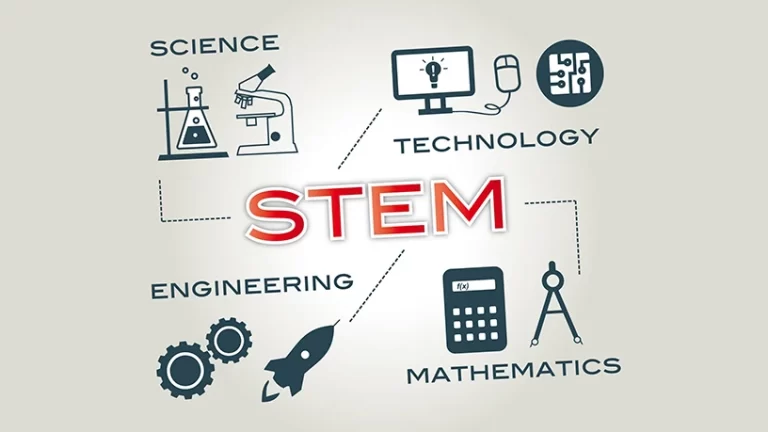
THE Council for Scientific and Industrial Research (CSIR) will host its annual Career Day this week, to expose learners from township and rural schools to various opportunities in science, technology, engineering and mathematics (STEM).

The event, to be held in Pretoria on Wednesday, is part of the organisation’s continued effort to promote science and technology career fields among young people.

The Career Day, which will be attended by hundreds of learners and educators, forms part of National Science Week (NSW), an initiative of the Department of Science and Innovation that aims to increase the level of public understanding of science countrywide.

This year, NSW’s theme is “Celebrating the role of basic sciences in the modern world”.

The CSIR Career Day seeks to spark STEM ambitions among grade nine to 11 learners from disadvantaged schools, who are taking mathematics and science as subjects.

CSIR researchers will use the platform on the day to showcase various technologies and science-based activities, such as science experiments, exhibitions, presentations and motivational talks, says the organisation.

According to the 2021 ICT Skills Survey, significant digital skills gaps persist, with South African organisations battling to fill tens of thousands of vacancies.

The most in-demand jobs include software developer, computer network technician, developer programmer and ICT communications assistant, according to the report.

On CSIR Career Day, learners will also have the opportunity to engage with researchers and scientists on various career opportunities, explore science and technology-focused exhibitions and see demonstrations of various projects from different clusters in the organisation.

The event will take place from 8.30am to 3pm on 3 August at the CSIR International Convention Centre. For enquiries, contact David Mandaha on dmandaha@csir.co.za.

INSIDE EDUCATION

South Africa is facing another skills crisis – Nzimande

SOUTH Africa needs to increase the number of researchers and technicians it has at its disposal if it wants to remain globally competitive in innovation.

This was one of the key issues raised in the 2022 South African Science, Technology And Innovation Indicators Report, published by the Department of Higher Education, Science and Innovation on Friday (29 July).

Minister in charge of that department, Blade Nzimande said that the number of researchers employed in research and development (R&D) in South Africa has been on the decline since 2018, as has the number of technicians employed in R&D.

The proportion of technicians to researchers employed in R&D decreased from 32.8% in 2014/15 to 24.3% in 2019/20, and employment in R&D in the business sector declined by slightly more than one-fifth, he said.

“A critical component of a well-functioning innovation system is human capital across all the science, technology and innovation (STI) activities,” the department said.

“Previously, much of the focus was on researchers carrying out R&D activities in South Africa. However, technicians are important for the integration and translation of research ideas into demonstrators and other tangible R&D outputs. Hence, the number of researchers employed in R&D are analysed along with the technicians employed in R&D.”

The department pointed to a steady increase in researchers employed in R&D between 2010 and 2017. However, since 2017, the numbers have declined.

While South Africa’s number of researchers in 2019 (28,358) was 51.5% more than in 2010 (18,720), it said the country needs to up the number of researchers of all races to increase its innovation potential.

The upside to the latest data is that transformation is taking place in South Africa’s STI landscape, the department said.

There is an increase in the percentage of African researchers, from 26.7% in 2010 to 35.6% in 2019. However, there is a declining trend among white researchers in the country.

While the percentage of white researchers has declined, the absolute number of white researchers was in fact on the increase from 14,789 in 2010 to 15,795 in 2017. However, the numbers dropped back to 14,890 in 2018 and further to 14,224 in 2019.

The proportion of both coloured and Indian researchers increased marginally between 2010 and 2018, the department said.

When it comes to technicians, a more troubling picture emerges.

The number of technicians employed in R&D has been on the decline since 2015. As a result, the proportion of technicians to researchers has decreased from a high of 32.8% in 2014 to 24.3% in 2019.

“The decline in the percentage and number of technicians employed in R&D should be interpreted in the context of the movement of R&D in South Africa from the business sector to higher education, with more focus on basic research,” the department said.

However, even taking into account the migration from business to academics, the number of technicians employed in R&D by the higher education sector is also very low, it said.

Nzimande said that following the 2020 and 2021 Covid-19 pandemic, the country’s National System of Innovation has been “stretched to its limits”, which impacts the country’s ability to compete internationally.

“South Africa’s innovation performance is falling behind other middle-income countries with regard to outputs such as patents and high technology exports. South Africa performs better in innovation inputs than innovation outputs. Considering its level of innovation investment, the country produces few innovation outputs,” he said.

The resolve the issue, he said that his department will focus on the 2019 White Paper on Science, Technology and Innovation, which aims to future-proof education and skills as one of its core pillars.

The government is trying to strengthen a future-ready workforce at both the foundational and further education levels through restructuring curriculae and introducing a broader range of subjects and courses.

BUSINESS TECH

Major skills shortage looms for schools in South Africa, says Julian Hewitt, CEO of the Jakes Gerwell Fellowship

ALMOST half of South Africa’s teachers are going to have to retire in the next 10 years, says Julian Hewitt, chief executive officer of the educator bursary programme, the Jake Gerwell Fellowship.

Speaking to 702, Hewitt said that the Department of Education’s payroll showed that the country’s schools are expected to run out of highly skilled teachers.

The latest Jake Gerwell Fellowship annual report shows that 45% of all government-employed teachers will retire in the next decade – pointing to a potential teacher crisis.

“At least half the teachers in South Africa are in their 50s at the moment, and the retirement age is 60, so there is a looming crisis.”

This is compounded by the other major challenge facing the industry, being that there is poor uptake in teaching as a career of choice, said Hewitt. According to the fellowship, a recent OECD survey revealed that only 49% of teachers in South Africa regard teaching as their first-choice career.

This is significantly lower than international standards, said Hewitt.

A shortage of skilled educators due to retirement was previously raised by private higher education institution, Mancosa, which said that South Africa is not graduating an adequate number of teachers to meet the supply and demand.

“More teachers are leaving than entering the profession. Currently, the country’s initial teacher institutions graduate 15,000 new teachers per year. This is below the 25,000-mark required to maintain an effective teacher-pupil ratio,” said professor Magnate Ntombela, principal of Mancosa.

“There is a dire need to find 20,000 newly-qualified teachers each year to maintain current teacher-pupil ratios,” he said.

More graduates

The Department of Basic Education has previously responded to claims of a skills crisis in teaching, saying that the number of new teaching graduates is increasing every year.

“The number of initial teacher education graduates has grown over the last 10 years from an output of about 7,973 in 2010 to 31,799 in 2020,” it said.

The 25,000 graduates mark was reached in 2017, it said, adding that the current enrolment trends point to the upward trajectory in graduation numbers.

The output of graduates is favoured towards the Senior/Further Education and Training Phases (SP/FET) – partly because the two qualification pathways allow for SP/FET to qualify through both the Bachelor of Education (BEd) and Post Graduate Certificate in Education (PGCE) while Foundation Phase (FP) is largely limited to BEd pathway, the department said.

The average teacher attrition rate over is 15,200 a year – largely due to retirement, but also because of resignations, ill health and death, the department said.

The teacher supply in terms of quantity is reasonably adequate, the department said, at least from the analysis of the situation in public education.

Earnings

The department’s latest information on how much the average teacher varies between post levels.

The lowest entry-level salary for educators that meet the minimum qualification (Relative Equivalent Qualification Value 13) or a matric pass plus three years of study is R214,908.

However, an educator who studied for four years earns R284,238 annually. This salary can increase gradually with experience and age.

According to the Department of Education, age does affect the earnings of a teacher; however, a promotion to a higher post could lead to a quicker increase in earnings.

BUSINESS TECH

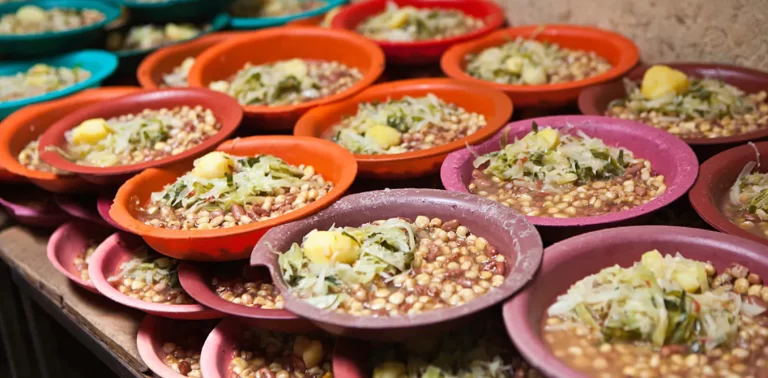
School feeding programmes are great value for money

Stéphane Verguet, Harvard University

HUNDREDS of millions of children worldwide attend class every day. With such a wide reach, schools can effectively deliver a vast array of interventions such as immunisations and hygiene education. They can greatly improve the health of the students, who will learn better as a result.

School feeding programmes are among these interventions. They take a variety of forms, either targeting the poorest and most marginalised communities or universally covering all public schools in a given country. They are deployed daily, often within broader school health and nutrition programmes, and reach hundreds of millions of children every day.

The COVID-19 pandemic showed how important school feeding programmes are in achieving equality in health and education. School closures pushed millions of children away from learning – numerous students dropped out. This means they were also excluded from the health, nutritional and developmental benefits of receiving a daily meal, as well as the social protection it affords.

The African Union, the European Union, the Organisation for Economic Co-operation and Development (OECD), and more than 65 countries have now gathered behind the School Meals Coalition, which aims to expand national school feeding programmes worldwide. The coalition set up the Research Consortium for School Health and Nutrition, of which I am part.

The Research Consortium is charged with generating scientific evidence to guide the roll-out of effective national school health and school feeding programmes. One of its focus areas is quantifying the returns of these programmes across multiple sectors, including health, education, social protection and agriculture. To quantify the returns, it’s necessary to assess the programmes’ value for money, equity and gender impact.

Value for money of school feeding programmes

It’s costly to run school feeding programmes. But there are also potentially very large multi-sectoral returns. In a global value-for-money study, we developed a benefit-cost analysis framework that drew from secondary data on school feeding programmes in 14 countries, at various economic levels. Latin America, South Asia and sub-Saharan Africa were included.

We looked at the impact and return on investment in four sectors: health and nutrition, education, social protection, and the local agricultural economy.

  • School feeding programmes are beneficial for health and nutrition. For instance, they can reduce anaemia and worm burdens, which are highly prevalent among poor children. These diseases pose long-term health and education challenges. Their reduction shows the possible magnitude of the health and nutrition benefits of school feeding programmes.
  • School feeding programmes yield gains for the education sector. For example, they can increase school attendance and academic performance. This would permit major wage gains into the future adult working lives of students. A review found that one additional year of education could result in up to around 9% increased lifetime earnings.
  • School feeding programmes, in giving a free meal, confer social protection to households and families, especially to the poorest. To translate this into a social protection impact, we can estimate the monetary value of the meals which families would not have to pay for.
  • School feeding programmes can help develop local agricultural economies by boosting local farming activities. For this impact, one can compute the number of smallholder farmers who would produce food to sustain local school feeding programmes.

All these multi-sectoral returns can be either expressed as or converted into monetary values.

Return on investment

Our analysis showed that school feeding programmes present high value for money, and can lead to very large multi-sectoral returns. There could be considerable variations between countries depending on local contexts like burden of disease, wages, the costs of feeding a child, and the extent of farming and inequalities. Yet the benefits of having school feeding programmes far exceed the costs.

The overall benefit-cost ratio of school feeding programmes would vary between $7 and $35 from each $1 of investment. The benefit is much greater across several sectors than for just one standalone sector.

Going forward

National school health and school feeding programmes are critically important for the human capital accumulation of children and adolescents. They urgently need to be scaled up worldwide.

Increased attention needs to be devoted to how to decentralise and foster long-term, home-grown school feeding initiatives to ensure local sustainability.

THE CONVERSATION

Opinion| Reigniting internationalisation in a challenging South African context

IN early 2022, South African public higher education institutions eagerly moved back to face-to-face teaching, learning and engagement, resuming a degree of normalcy after four waves of the COVID-19 pandemic had considerably disrupted university activities at all levels in 2020 and 2021.

The national state of disaster was finally lifted in April 2022, after having been in place for 750 days, and, in June 2022, South Africa did away with the last remaining COVID-19 regulations regarding a mask mandate, limitations on gatherings and checks on incoming international travel.

Having completed the first semester of the 2022 academic year, we now have an opportune moment to consider how the transition back to campus has gone and how institutions are responding to their ever-changing environment, particularly with regard to their internationalisation activities.

As the second edition of the global survey on the impact of COVID-19 on higher education conducted by the International Association of Universities has shown, the pandemic has had a severe impact on internationalisation all around the globe.

While much of this impact has been negative, the pandemic has also resulted in several positive outcomes, with new opportunities and possibilities opening up in its wake.

Whatever the outcomes, it has become increasingly self-evident that, following the disruptions caused by COVID-19, we cannot simply pick up where we left off before the pandemic. This applies to higher education as much as to other spheres.

There have been regressions in many dimensions of life that we previously took for granted, and we now have to consider what new obstacles internationalisation is facing and how we are going to overcome these.

Air travel, for example, as a key mode of transport for international student and staff mobility programmes, was severely disrupted by COVID-related travel restrictions, resulting in cost and capacity reductions at airlines and airports around the globe.

Recently reported news of travellers experiencing chaos due to flight delays, cancellations and lost luggage – in some instances as a result of airlines getting grounded and ceasing business – serve as a case in point.

Globally, visa processing has slowed down. Over the past months, several academics based at South African institutions have had to cancel their plans to travel internationally for academic purposes, including conference attendance, due to delayed visa appointments.

Because of the current demand, getting a visa appointment can take up to six months, long after the conference dates that the academics were aspiring to attend.

Delays in processing police clearance certificates and visa applications are also evident within South Africa’s government departments, where the lack of capacity is seriously hindering the entry of academics and students into the country.

Concern over numbers

It is concerning that the numbers of international students attending South Africa’s higher education institutions have dropped in recent years.

In addition, the country’s universities have international students registered and in attendance whose study visa renewal applications for the 2022 academic year are still pending.

Despite being covered by current exemptions issued by the Department of Home Affairs while inside the country, not having one’s visa in order can be restricting and lead to feelings of anxiety and insecurity.

Furthermore, we are living in a world where inequality and poverty are on the rise, as highlighted and exacerbated by the COVID-19 pandemic.

South Africa is facing multiple crises. We are living with poor service delivery, increased load-shedding (scheduled power cuts), increased cost of living, political uncertainty and a prevalence of serious mental health issues.

When populations face economic hardships, politics tends to move to the right. Not surprisingly, in this context, independent United Nations human rights experts have recently warned that discrimination against foreign nationals in South Africa has been institutionalised and that xenophobic mobilisation has become a campaign strategy for some of the country’s political parties.

Exploring challenges and solutions

Against this challenging backdrop, the International Education Association of South Africa, or IEASA will host its 24th conference titled ‘Reigniting and Reimagining Internationalisation of Higher Education in South Africa’ to explore the state of the nation and its impact on internationalisation.

Key concerns in this regard are how South African higher education is overcoming obstacles such as those outlined above, what type of innovation is taking place, regardless of the challenges, and how South Africa’s challenges and opportunities compare to other parts of the world.

More specifically, IEASA invited academics, researchers, professional practitioners, educators, students and innovators in higher education internationalisation to particularly consider the following questions:

• What changes have been brought about by the pandemic at the level of institutional internationalisation policies, strategies and funding flows?

• What is responsible internationalisation? How is it linked to other pertinent challenges such as achieving the Sustainable Development Goals (SDGs) and combating the climate crisis? How does it respond to vaccine inequalities and other global divides?

• What does a locally relevant and globally engaged South African university of the future look like? What kind of partners will it require? What should its priorities be?

• How is South Africa engaging with the rest of the world? Are our relationships with our partners changing? Are there distinctive changes in the relationships and engagements with partners in the Global North and partners in the Global South as a result of the pandemic?

• Which aspects and practices of internationalisation have been resumed, adapted or discontinued? How have the access of international students to South Africa and the access of South African students to higher education in other parts of the world been impacted?

• How has technology changed our perspectives on internationalisation practices? Which elements of internationalisation can be meaningfully conducted digitally and-or using blended approaches? How can we enhance intercultural competence in a digital world? How can digital and blended approaches to internationalisation foster inclusion and social justice?

• What lessons have we learned regarding the resilience of our students and staff, and how can we take this forward?

• Where has strong leadership in internationalisation of higher education emerged during this challenging period?

• How have the challenges of our times impacted on diversity, intercultural competence and human connections in South Africa and beyond?

Addressing these and other questions, speakers and presenters at the upcoming online IEASA conference will explore how what we have experienced and learned during the pandemic can help us reignite and reimagine internationalisation of higher education in South Africa and beyond.

Over two conference days, they will share their thoughts, research findings, lived experiences and best practice examples in a mix of plenary, parallel and poster sessions.

Proceedings will close with a panel of international leaders and experts representing several associations, all members of the Network of International Education Associations, sharing insights into the challenges and opportunities experienced in international higher education in their respective parts of the world.

On the third and final day of the conference, participants can attend a workshop titled ‘Fair cooperation in international research – A decolonial take to unpack global higher education and research-specific complexities, challenges and structural inequalities’, which will be considered from a Global South perspective and through a decolonial lens.

Participants will be engaged on how we can dismantle and de-centre existing Eurocentric hegemonies in higher education, knowledge production and research and contribute to decolonisation and plurality of knowledges.

The 24th IEASA Conference will be held online from 24 to 26 August 2022 and registration is open.

Orla Quinlan was the president of IEASA 2019-20, and has been an executive committee member of IEASA for six years. She is currently the IEASA treasurer. She is also the director of internationalisation at Rhodes University, South Africa.

Dr Samia Chasi is an international education practitioner, researcher and facilitator with more than 20 years of experience in this field. She is currently the manager of strategic initiatives, partnership development and research at IEASA.

UNIVERSITY WORLD NEWS|

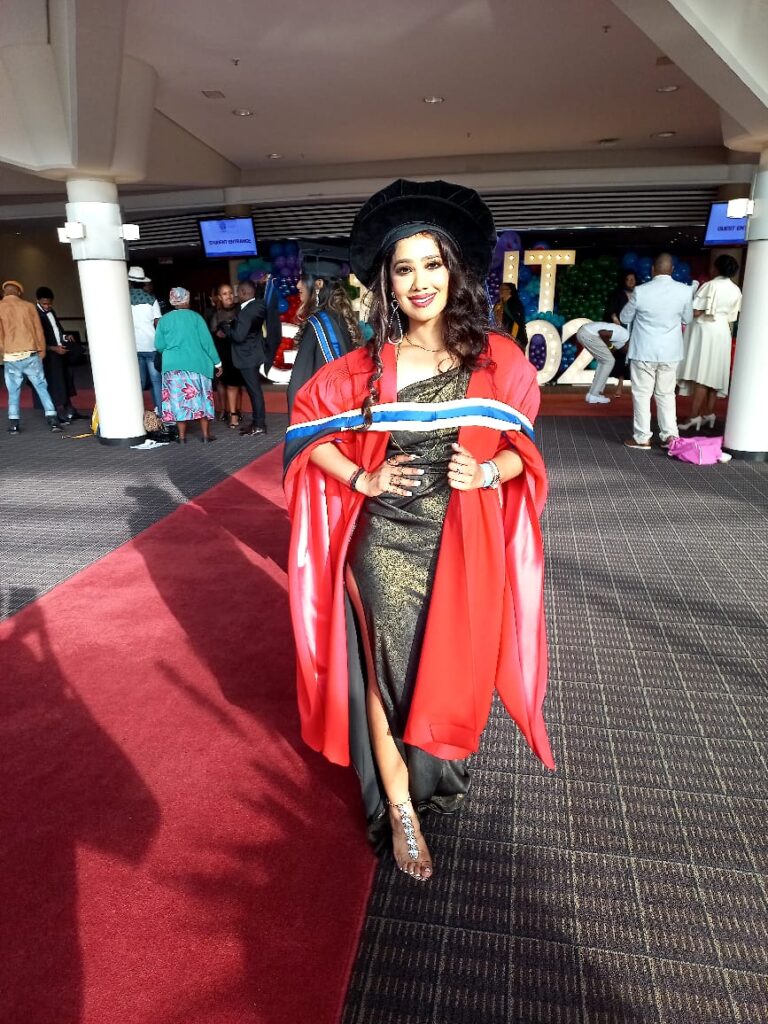
Trailblazing Curro maths teacher, Dr Caitlin Sam, bags a PhD in Information Technology

STAFF REPORTER|

LEARNERS at Curro Heritage House in Morningside, Durban, KwaZulu-Natal, are getting used to having a doctor in the classroom, after their teacher Caitlin Sam, graduated with a PhD in Information Technology from Durban University of Technology (DUT) last month.

Proving that is possible to be both a teacher and a learner, the 34-year-old mathematics teacher and academic head embarked on her studies in 2020 during the hard lockdown.

Not wanting her personal goals to come at the detriment of her learners, Dr. Sam made the brave choice to continue teaching whilst studying, and in doing so sacrificed her personal free time and plenty of sleep.

It has all been worth it though, especially as she was able to use her ten years of teaching experience to form the basis of her thesis, which investigated how the use of social computing in school-based learning could help benefit learners.

She now hopes the findings can be used to inform the way South African learners are taught in the future.

“During the lockdown, I realised that so many South African learners were unable to access uncapped Wi-Fi and were relying on costly data to connect to their Learning Management System. I really want to change this, so I used my thesis to establish if using social computing platforms like WhatsApp, Facebook, Instagram, and YouTube can help remote teach learners, with Data Mining, Intelligent Decision Support Systems and Artificial Intelligence as tools,” explains Dr Sam.

As a Bachelor of Science Honours, Post Graduate Certificate in Education, and Masters in Business Administration graduate, Dr Sam prides herself in lifelong learning and has always been passionate about mathematics, artificial intelligence, and information technology.
As well as being a great role model to her learners, she is now looking forward to putting her newly acquired qualification to good use at Curro, leading learners into a rapidly changing digital era.

“We are incredibly proud of Dr Sam’s fantastic achievement. At Curro, we are always looking for ways to inspire and motivate our learners and Dr Sam is a shining example of what can be achieved if you are passionate, work hard and stay focussed. We especially appreciate her dedication to her learners during this challenging time. Her commitment and sacrifice is something everyone at our school can aspire to,” said Arthee Rajkumar, Executive Head at Curro Heritage House.


Dr. Caitlin Sam’s full thesis can be found here: Intelligent decision support systems for managing the diffusion of social computing in school-based ubiquitous learning | DUT Open Scholar.

INSIDE EDUCATION|