Home Blog Page 27

Manamela urges shift from university-only mindset

0

By Thapelo Molefe

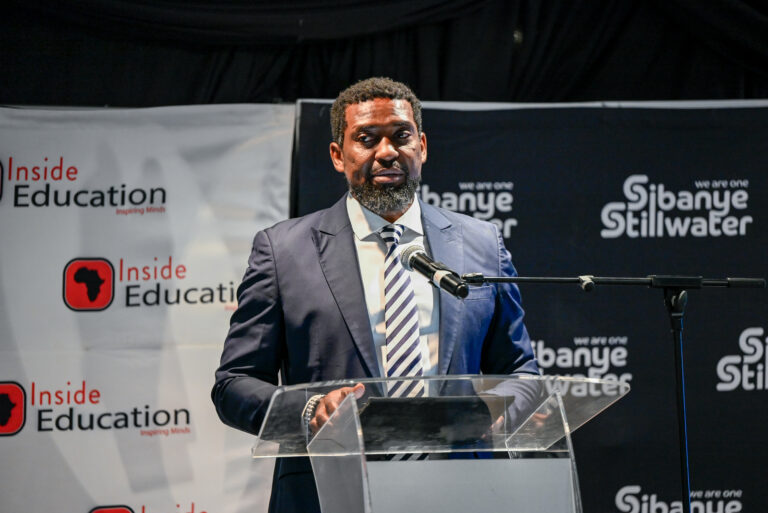
South Africa’s post-school education system is under unprecedented strain following a record 650,000 matric passes, exposing what Higher Education Minister Buti Manamela has said is a widening gap between success in basic education and limited space at universities.

Briefing the media on the state of readiness for the 2026 academic year on Thursday, Manamela acknowledged mounting anxiety among parents and learners locked in admission limbo, but rejected claims that the system is in crisis. 

ALSO READ: Ayanda Dludla charged with 14 counts of murder and three counts of attempted murder for Vanderbijlpark scholar transport

Instead, he warned that an entrenched “university-only” mindset is deepening frustration and distorting public debate about access.

“The narrative that the only option after matric is university is creating a sense of crisis,” Manamela said.

The post-school education and training (PSET) system currently has about 535,000 planned and funded spaces across universities, TVET colleges, community colleges, skills programmes and workplace-based learning. 

While this leaves thousands of qualified learners without a university place, Manamela said enrolment targets are deliberately planned to align with economic demand rather than popular pressure.

“We should not fall into the trap of wanting to train 1,000 lawyers just because there is demand,” he said, adding that such thinking amounted to “populism” rather than rational planning.

ALSO READ: Milnerton assault case postponed for victim consultation

He stressed that a Bachelor’s pass does not guarantee admission to a university or to a specific programme, and that high-demand fields such as law, engineering and health sciences are constrained not only by space but by subject preparation, particularly in mathematics and science.

The surge in matric passes, while welcomed as an achievement, has intensified pressure on universities and accommodation systems, with some communities attempting to influence admissions and employment at nearby institutions.

Manamela said this was destabilising and unfair, urging institutions to engage communities without compromising national admission policies.

To manage the pressure, the department is strengthening alternative pathways, including TVET colleges, community colleges, short courses and occupational programmes that allow faster entry into the labour market. 

Manamela insisted that TVETs are “not residual options” but a central pillar of the system, particularly in addressing unemployment and skills shortages.

He said Sector Education and Training Authorities (SETAs) would play a critical role in this shift, confirming that new SETA chairpersons have been appointed and that the department will engage boards and executives to ensure their work aligns with national priorities.

Manamela said SETAs must not only support young people who are not in employment, education or training, but also actively fill skills gaps and strengthen pathways that transition learners into work.

ALSO READ: Universities hold the key to early learning turnaround, Manamela tells Lekgotla

Government is also pushing digital expansion to ease capacity constraints, with increased investment in online learning, modular qualifications and workplace-based learning supported through the National Skills Fund.

On student funding, Manamela confirmed that NSFAS will fund about one million students in 2026, including first-time entrants and continuing students who meet progression requirements. 

Cabinet has also approved consultations on a new sustainable student funding model, aimed at reducing exclusions without dismantling NSFAS.

“Our system is under pressure, yes,” Manamela said. “But it is not in crisis. It is being reshaped.”

INSIDE EDUCATION

WATCH: McKenzie unveils new sports facility at Heidedal Primary School

0

By Levy Masiteng 

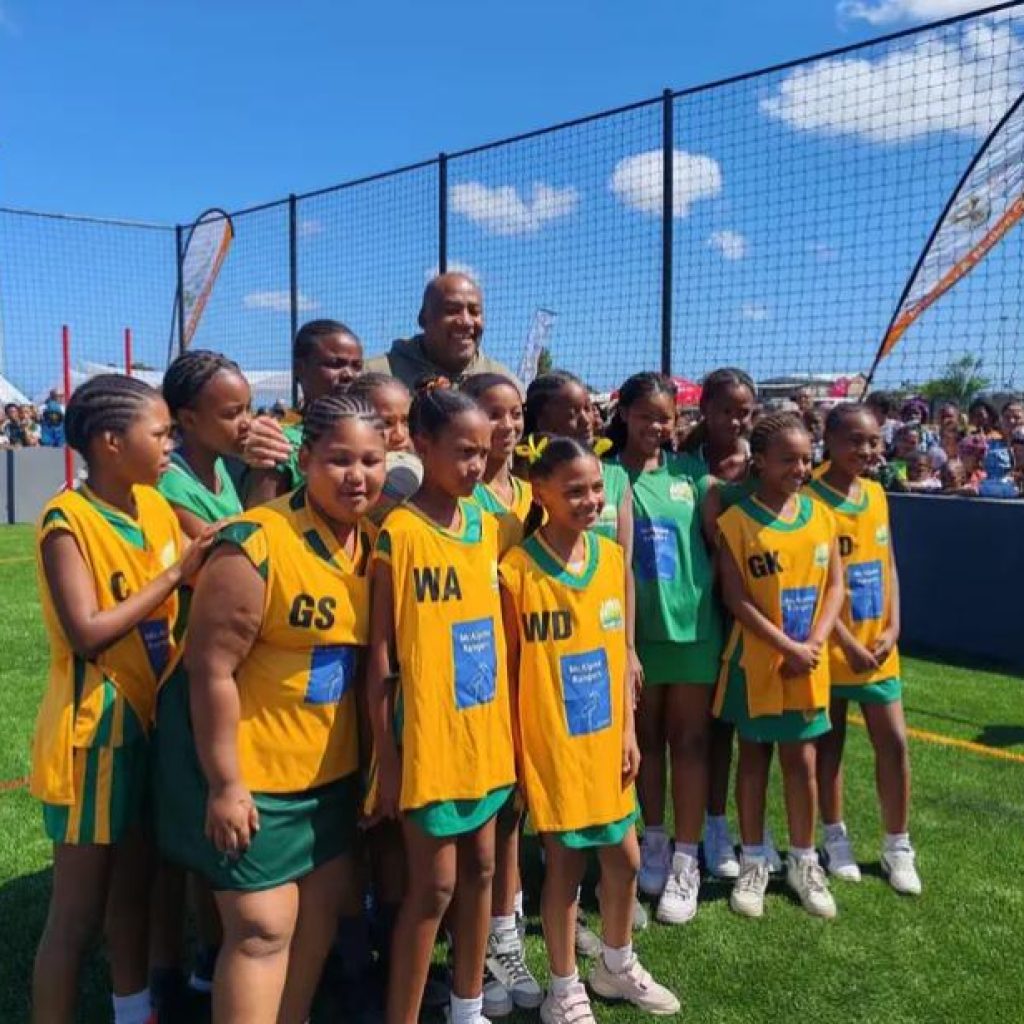
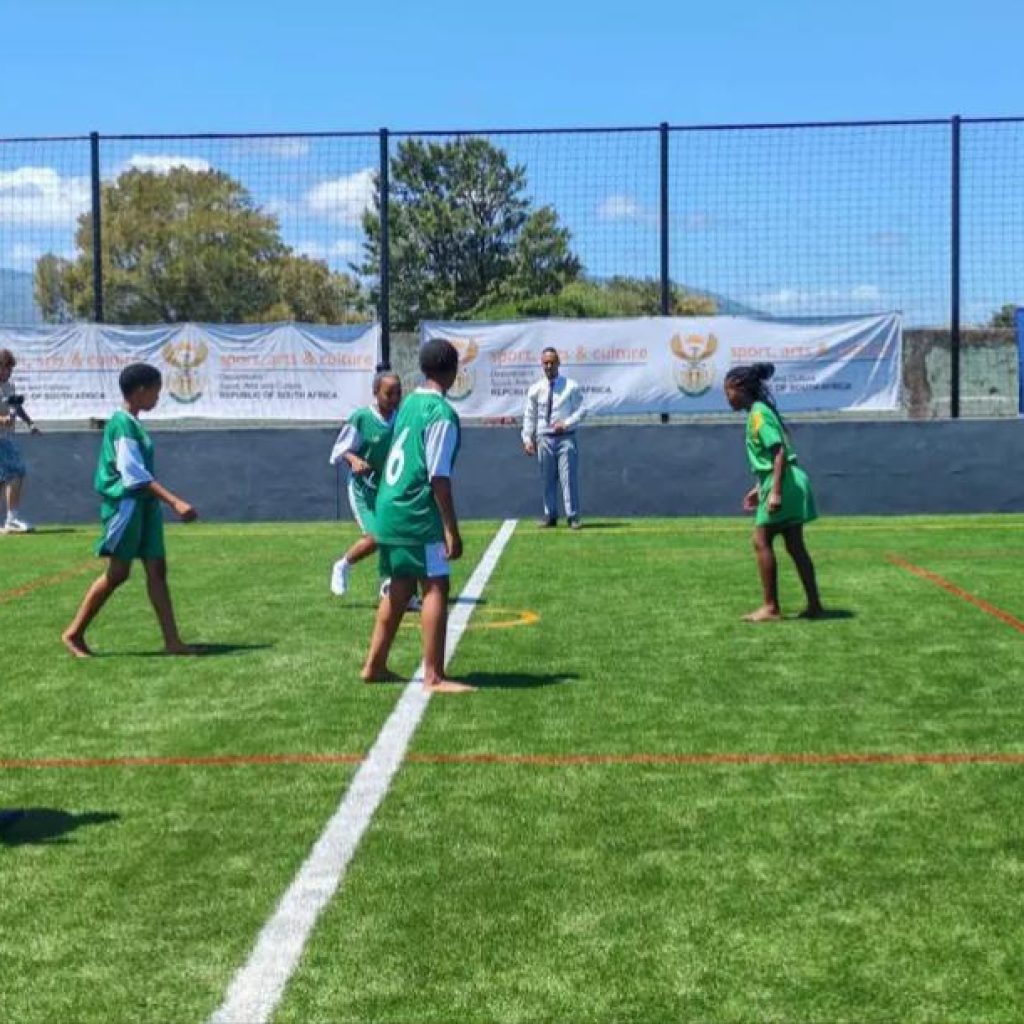
Sports, Arts and Culture Minister Gayton McKenzie has officially handed over a brand-new multipurpose sports facility, along with sports equipment and new kits, at Heidedal Primary School in George, Western Cape, in a move expected to boost grassroots sport and youth development in the community.

The handover ceremony was a celebration of arts and sport, with learners showcasing their talents through song and poetry.

Gayton McKenzie.
Minister of Sport, Arts and Culture in the Republic of South Africa, Gayton McKenzie.

Learners beamed as they stepped onto the new court, proudly wearing fresh kits that symbolise more than just sport — representing opportunity, confidence and hope.

ALSO READ: Ayanda Dludla charged with 14 counts of murder and three counts of attempted murder for Vanderbijlpark scholar transport

During the ceremony, McKenzie engaged with teachers and learners, emphasising the importance of investing in grassroots development.

“This is how champions start,” he said, highlighting the impact that quality sports facilities can have on young lives.

According to the department, the new facility reflects the power of collaboration and community spirit, and it is already sparking excitement among local residents.

ALSO READ: Milnerton assault case postponed for victim consultation

The multipurpose court stands as a powerful reminder of what’s possible when investment reaches the grassroots, McKenzie said.

The facility forms part of a broader initiative to develop sports infrastructure in underserved communities, promoting inclusive participation and healthy lifestyles.

INSIDE EDUCATION
Ayanda Dludla charged with 14 counts of murder and three counts of attempted murder for Vanderbijlpark scholar transport crash

0

By Charmaine Ndlela

Twenty-two-year-old Ayanda Dludla was charged on Thursday in the Vanderbijlpark Magistrate’s Court with 14 counts of murder and three counts of attempted murder after the scholar transport vehicle he was driving crashed on Monday, killing and injuring multiple schoolchildren.

Dludla was also charged with driving without a valid driver’s licence, operating a scholar transport vehicle without the required permit, and failing to possess a Professional Driving Permit (PDP).

He told the court he would not be applying for bail.

Two learners who were being transported by Dludla died of their injuries on Thursday morning, bringing the death toll to 14.

ALSO READ: WATCH: Dashcam footage of Vanderbijlpark scholar crash

Dludla told the court he does not have a lawyer and intends to apply for legal representation through Legal Aid.

Dashcam footage from the truck involved in the collision shows the Toyota Quantum scholar transport vehicle was not travelling in its designated lane, and Dludla allegedly swerved into the truck’s path, resulting in the collision.

Preliminary reports also indicate the scholar transport vehicle was overloaded, carrying 18 passengers instead of the permitted 14.

ALSO READ: Milnerton assault case postponed for victim consultation

One learner has since been discharged from hospital.

Dludla will appear in court again on 5 March.

This is a developing story.

INSIDE EDUCATION
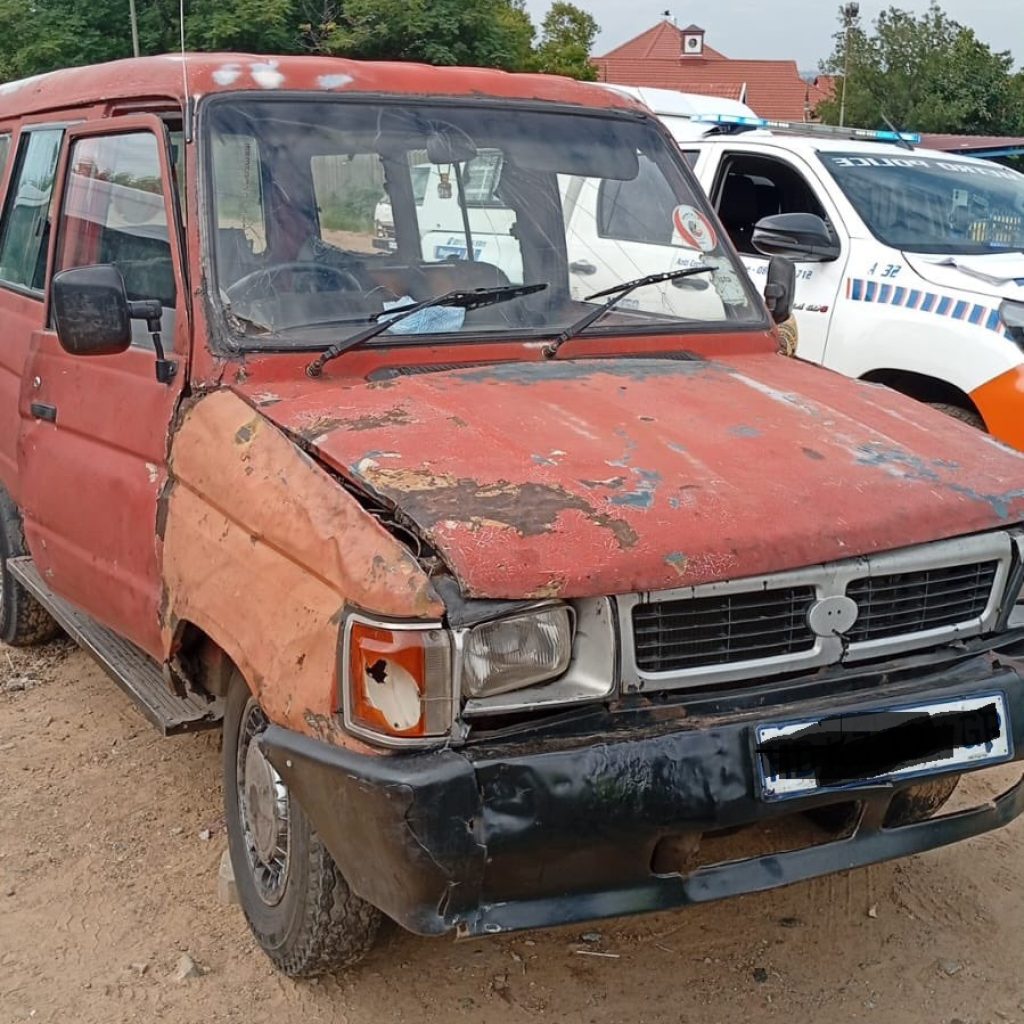
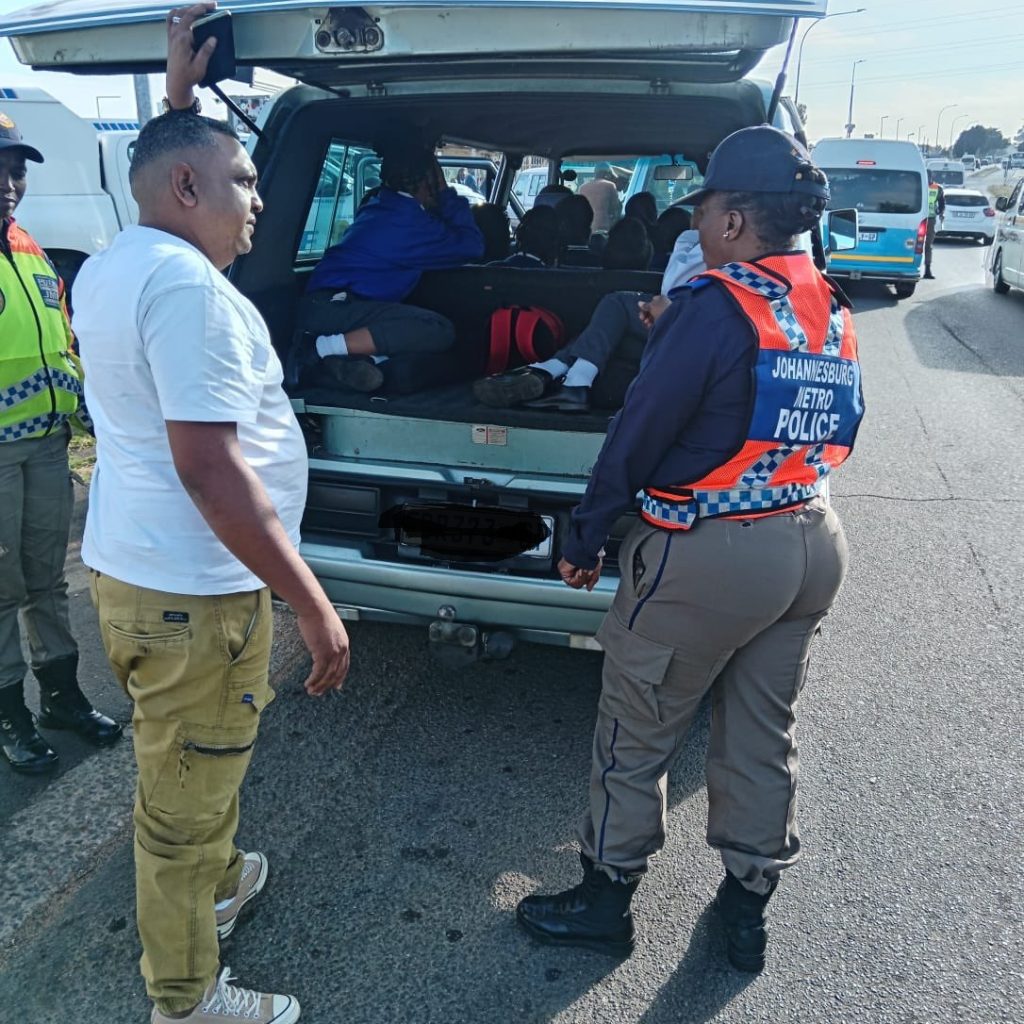
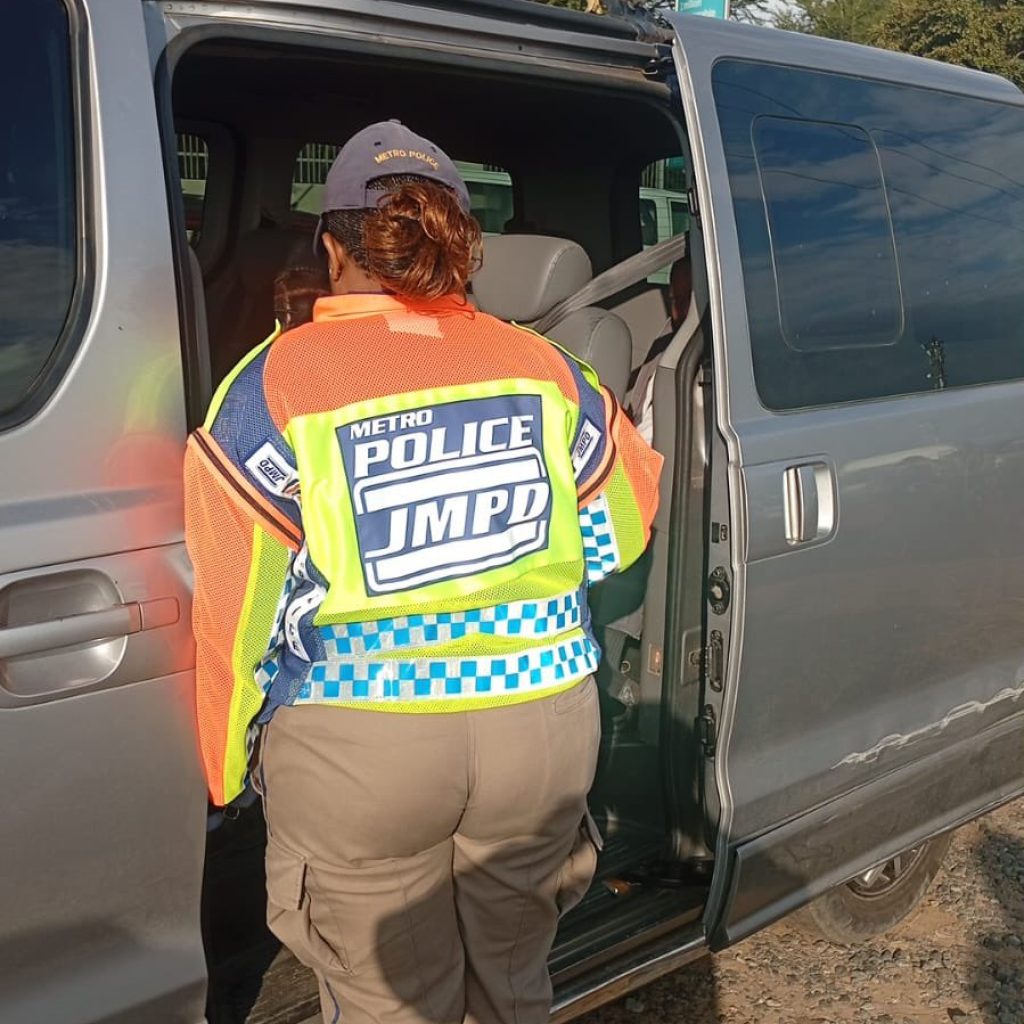
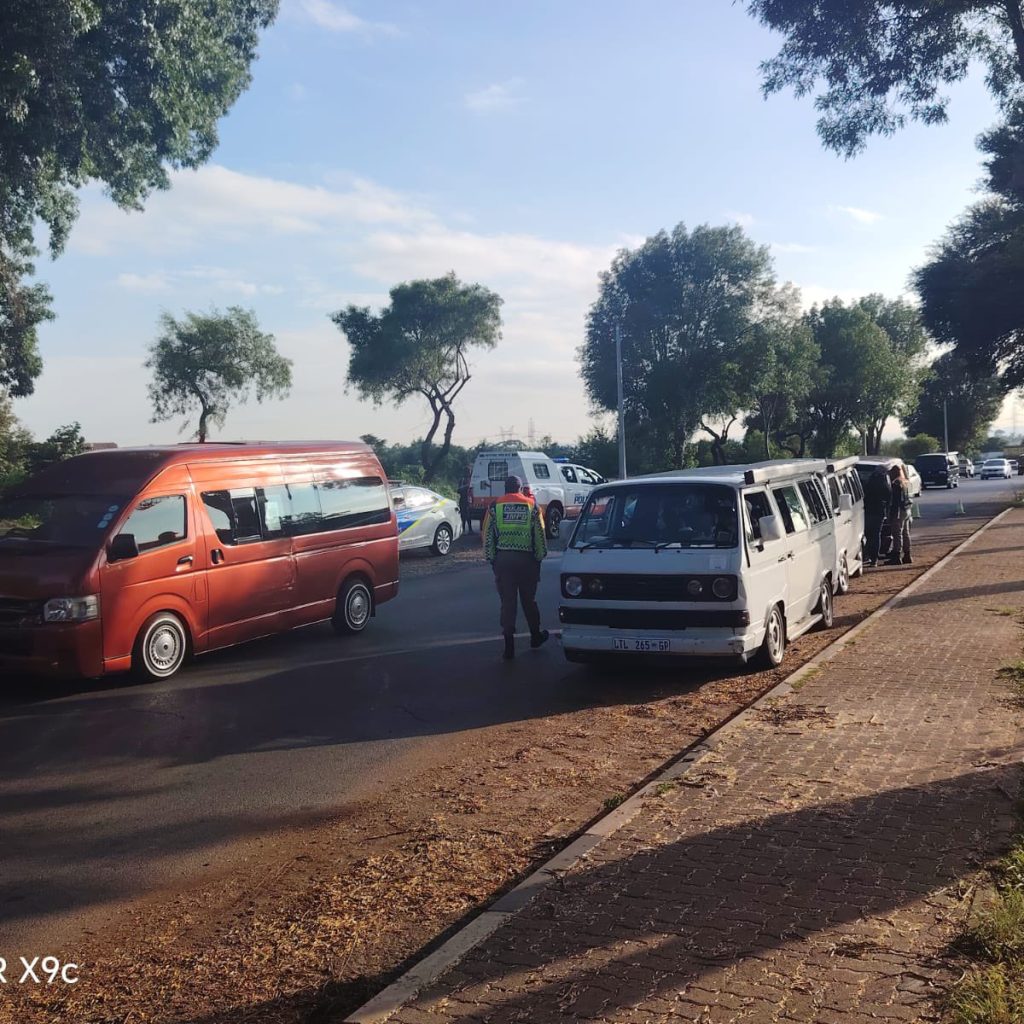
IN PICS: JMPD pounce with scholar transport operation following Vanderbijlpark accident

0

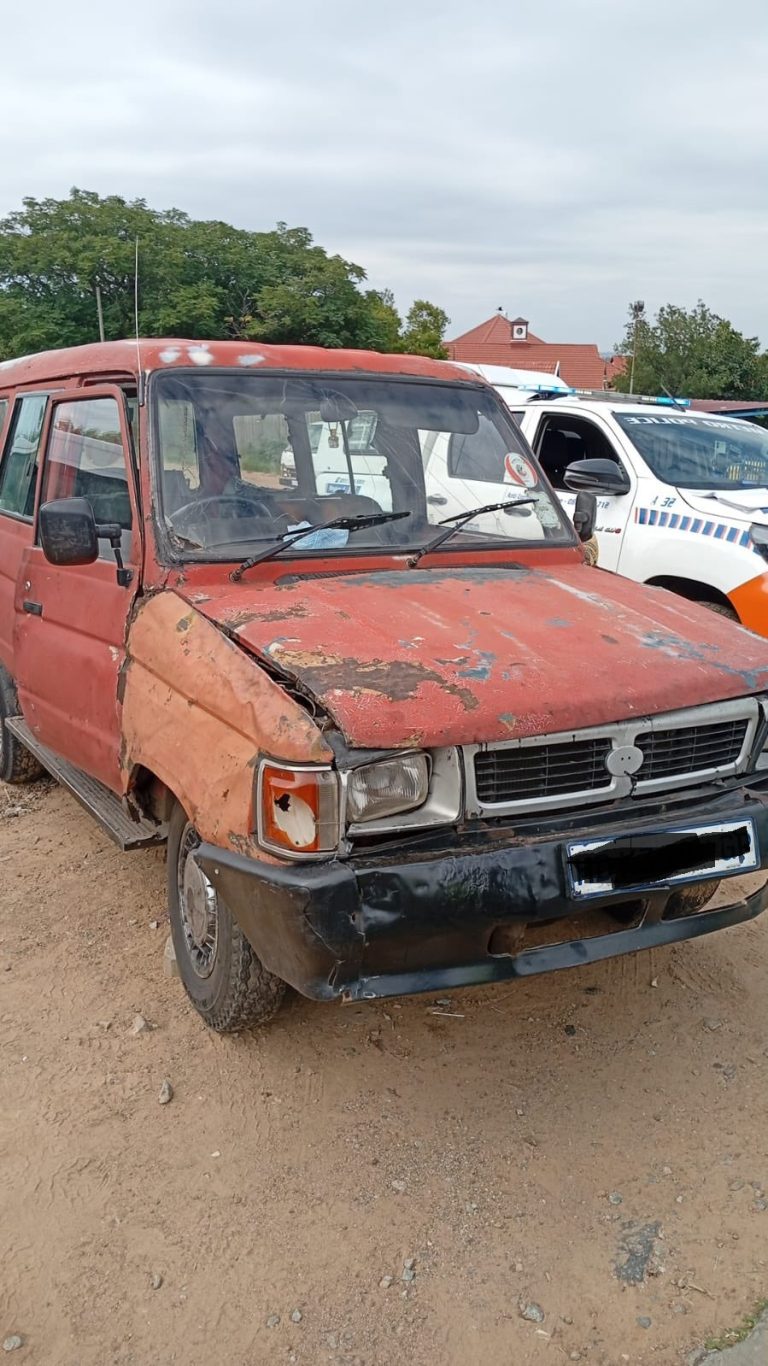
The City of Johannesburg has launched a massive campaign against unsafe scholar transport vehicles following the devastating Vanderbijlpark accident that claimed the lives of 12 learners earlier this week.

The Johannesburg Metropolitan Police Department (JMPD) has begun impounding non-compliant vehicles across the city, according to the Public Safety MMC Dr Mgcini Tshwaku’s online social media account.

Tshwaku confirmed the citywide operation targeted unsafe and non-compliant scholar transport vehicles.

“JMPD officers are actively patrolling key routes, removing vehicles that endanger learners, and ensuring children are placed in safe, approved transport,” he wrote.

“There is zero tolerance where children’s lives are at risk. Compliance is mandatory,” Tshwaku said.

The operation comes as part of a broader push to restore confidence in the scholar transport system, which has been shaken by the Vanderbijlpark tragedy.

A 22‑year‑old scholar transport driver will appear in the Vanderbijlpark Magistrate’s Court on Thursday.

The young man was arrested shortly after being discharged from hospital, and his case has become a focal point in Gauteng’s fight against unsafe school transport.

This comes following President Cyril Ramaphosa’s call for a scholar tranport necessary shift following the tragic death of the learners.

He said the Vanderbijlpark crash was one of the most “heartbreaking tragedies.”

“We cannot allow our children’s lives to be placed in danger by reckless operators. This tragedy must be a turning point,” Ramaphosa said.

INSIDE EDUCATION

MEC Ralehoko hails Tokelo Secondary’s matric jump from 65% to 85%

0

Gauteng MEC for Health and Wellness Nomantu Nkomo-Ralehoko on Wednesday commended Tokelo Secondary School in Evaton, Sedibeng, for improving its matric pass rate from 65% in 2024 to 85% in 2025.

“This tells a powerful story. A story of resilience. A story of not giving up”, Ralehoko said.

ALSO READ: WATCH: Dashcam footage of Vanderbijlpark scholar crash

“When results drop, it is easy to lose confidence. But this school chose to fight back and proved that improvement is possible when there is focus and commitment.”

As part of the Back-to-School programme, Ralehoko praised educators for remaining dedicated under pressure and learners for showing discipline and determination despite difficult challenges.

She urged the Class of 2026 to build on the progress made and aim even higher, stressing that academic success begins as early as Grade 8 and that every lesson matters.

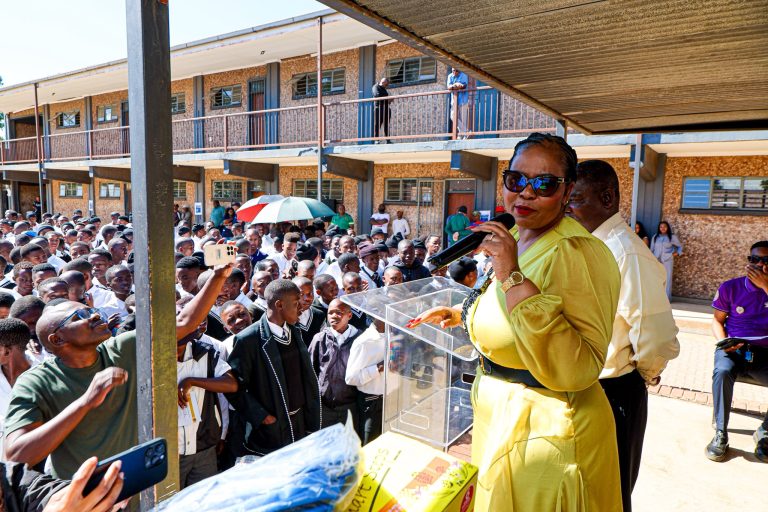
Ralehoko, together with Emfuleni Local Municipality Mayor Sipho Radebe, handed over school shoes, backpacks and sanitary packs to learners.

“This support is aimed at helping learners prepare for the academic year ahead,” the department said.

ALSO READ: Milnerton assault case postponed for victim consultation

During her visit, the MEC highlighted the link between health and education in promoting academic performance.

“Through this programme, we bring health services closer to learners. We conduct health screenings, provide health education and offer support for physical and mental wellness,” she said.

“We want learners to stay in class, focused and ready to succeed.”

Ralehoko also addressed challenges affecting young people, warning against teenage pregnancy, alcohol and substance abuse, and negative peer pressure.

“Girls must protect your future. Avoid relationships that promise gifts but destroy dreams. Sugar daddies and blessers do not offer love — they offer risk,” she said.

Addressing boys, she added: “Becoming a father too young can derail your future. Respect girls and respect yourself. Abstaining and making responsible choices is not weakness; it is strength.”

She encouraged learners to make use of Adolescent and Youth Friendly Services available at clinics, which provide confidential, respectful and supportive care.

ALSO READ: Universities hold the key to early learning turnaround, Manamela tells Lekgotla

“As government, we are not here to judge you. We are here to support you and guide you towards healthy choices,” she said.

Ralehoko said government remained committed to listening to schools and communities to improve schools and address challenges collectively.

“Work hard, stay disciplined and protect your health,” she said.

Ralehoko and Radebe also planted a tree at the school to provide shade, improve the school environment and support future food security.

Health promoters were on site to educate learners about family planning and the importance of adopting a healthy lifestyle.

INSIDE EDUCATION

Ramaphosa demands urgent school transport overhaul after horrific Vanderbijlpark crash

0

By Thapelo Molefe

President Cyril Ramaphosa on Wednesday demanded urgent reforms to South Africa’s scholar transport system following the deaths of 12 pupils in a devastating crash on Monday, warning that government and society “cannot let this tragedy just pass”.

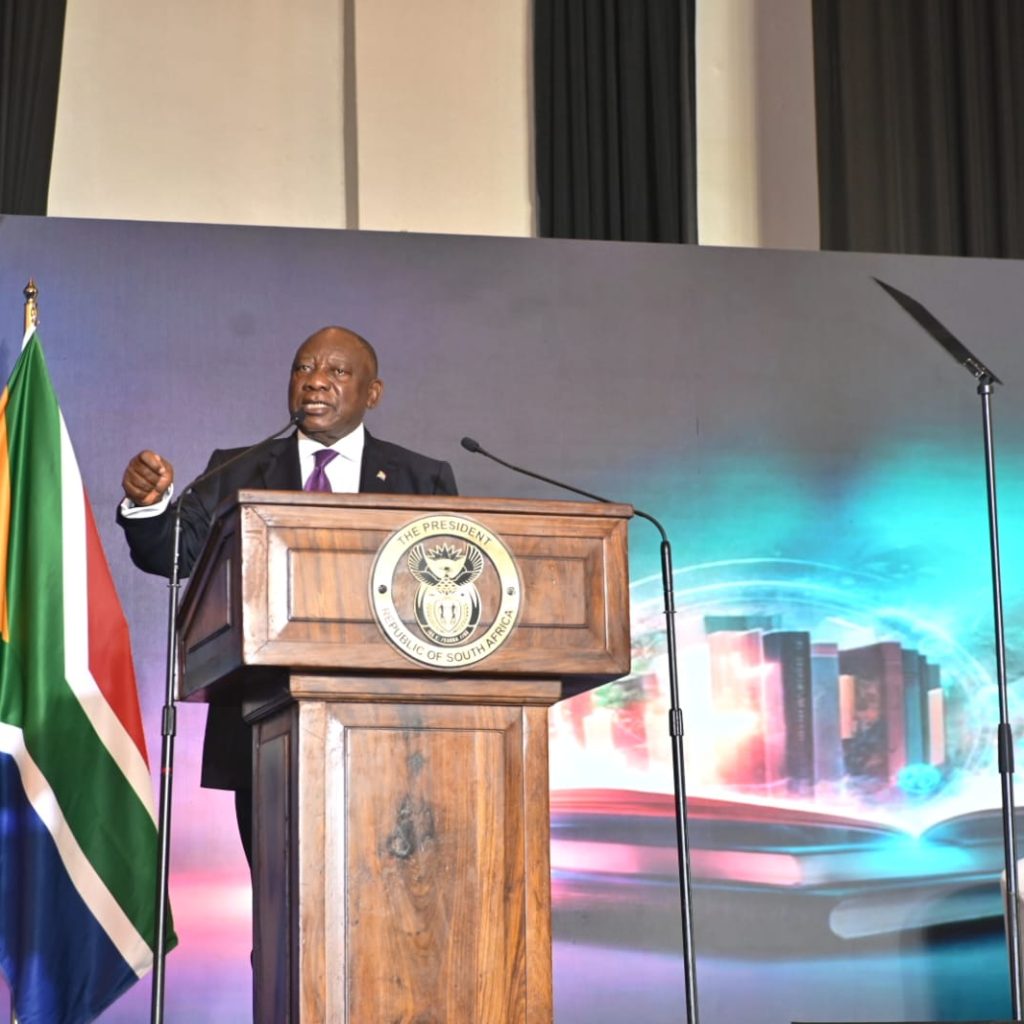
President Cyril Ramaphosa. Photo: Eddie Mtsweni

Addressing delegates on day two of the 2026 Basic Education Sector Lekgotla, Ramaphosa opened his speech by returning the national focus to the accident that has plunged families, schools and communities into mourning. He asked delegates to observe a moment of silence in honour of the children who died while travelling to school.

ALSO READ: WATCH: Dashcam footage of Vanderbijlpark scholar crash

“Children are not meant to be buried by their parents,” Ramaphosa said. “We cannot accept that young lives are put at risk in such a horrific way as they seek the growth and enrichment that an education should provide them.”

The president said the tragedy highlighted deep failures in the scholar transport system and stressed that access to education must extend beyond classrooms to include safe, reliable and dignified transport. 

He said decisive action was needed to prevent similar incidents, describing learner safety as a non-negotiable responsibility of the state.

ALSO READ: Milnerton assault case postponed for victim consultation

Ramaphosa said the deaths should serve as a turning point, forcing authorities to confront long-standing weaknesses in school transport, particularly in rural and township areas where learners often rely on poorly regulated or unsafe vehicles.

“We must draw lessons from this tragedy, and we must act now, together, to ensure that school transport is safe and reliable,” he said, calling for coordinated action across government departments.

The president linked the issue of transport safety to broader concerns about learner welfare, saying that quality education is impossible if children are exposed to danger simply getting to and from school.

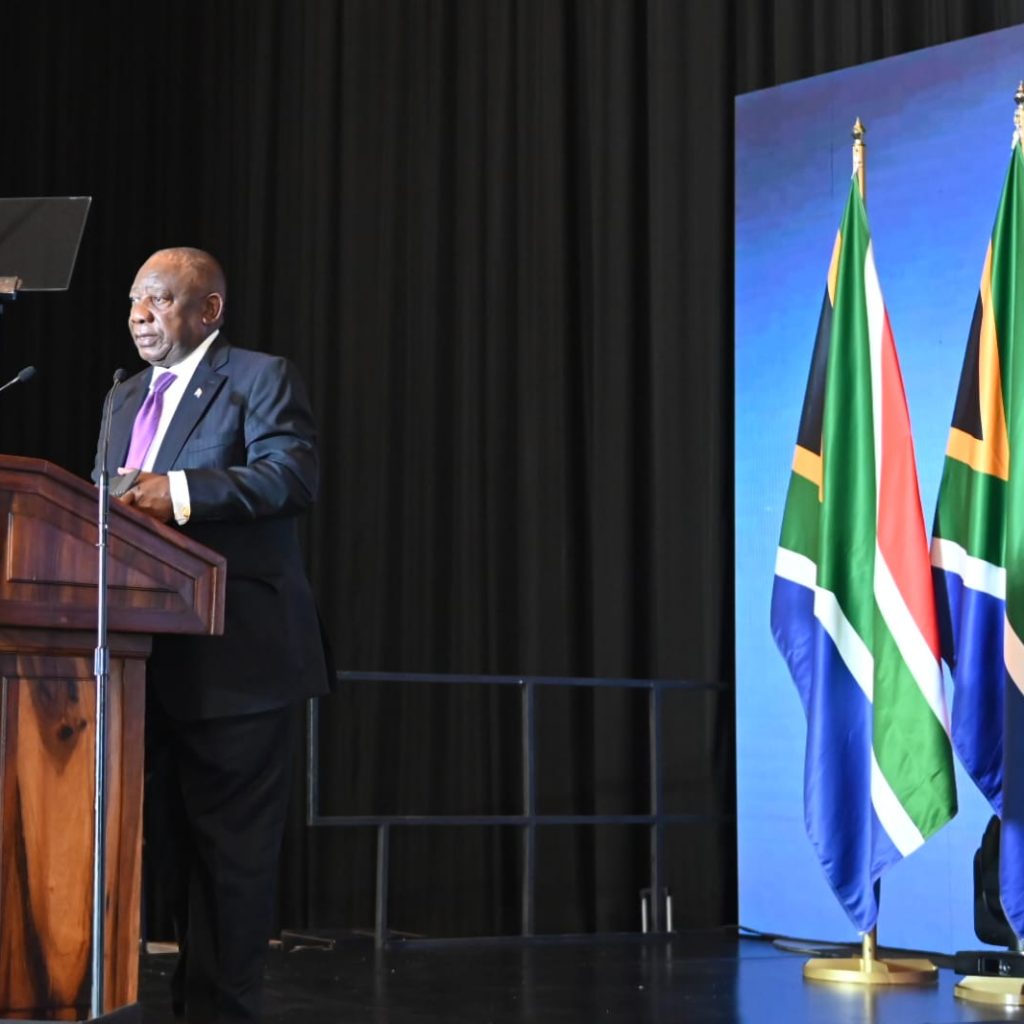
President Cyril Ramaphosa. Photo: Eddie Mtsweni.

He said government had a duty to protect learners not only academically, but physically and emotionally.

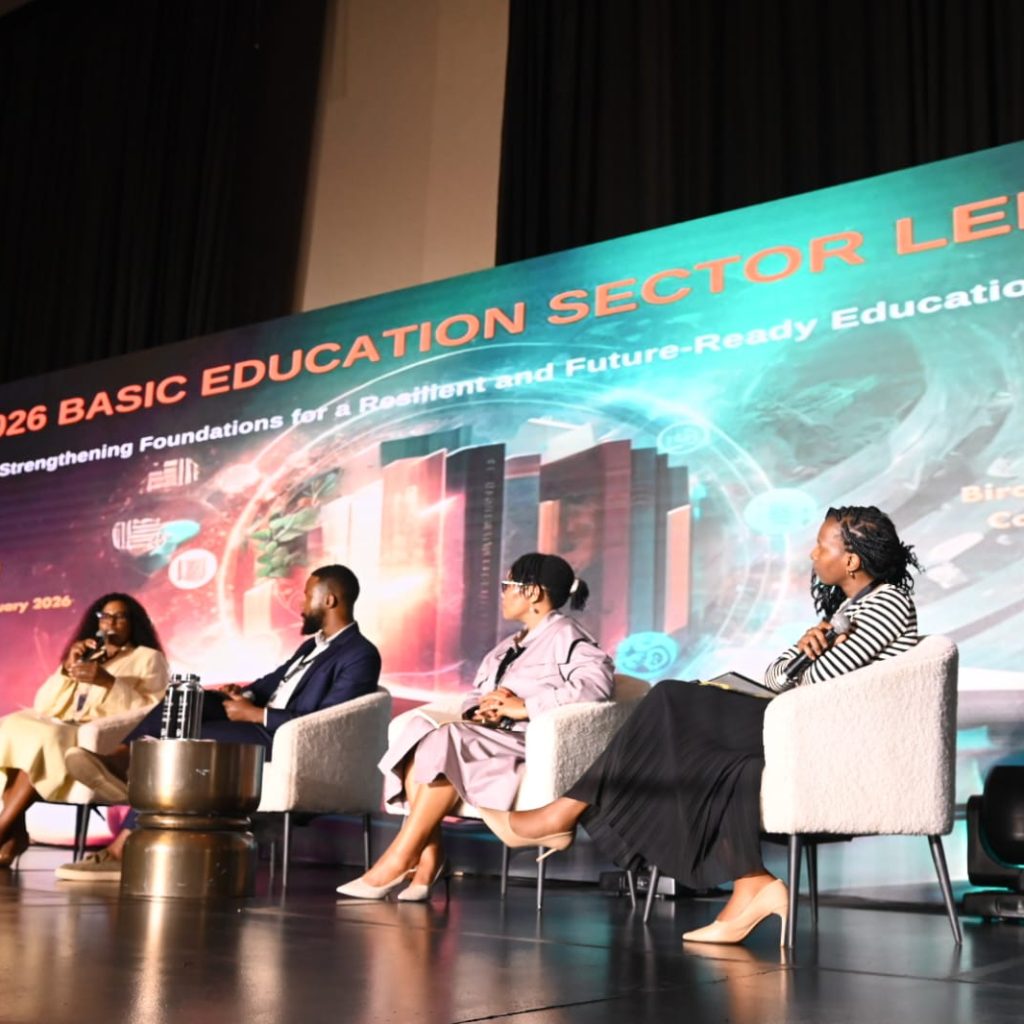
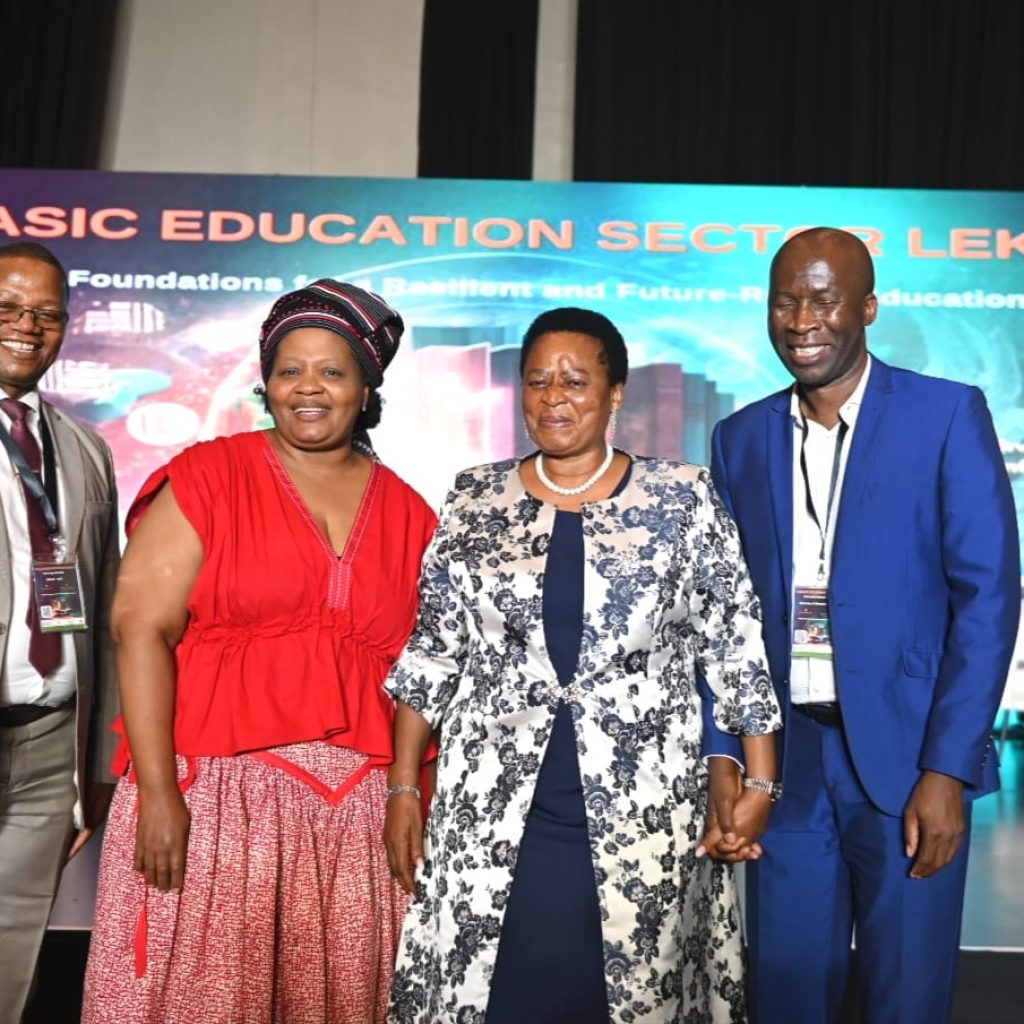
His remarks came as education leaders from across the country gathered to reflect on system performance and priorities for 2026 under the theme Strengthening Foundations for a Resilient and Future-Ready Education System.

ALSO READ: Universities hold the key to early learning turnaround, Manamela tells Lekgotla

Basic Education Minister Siviwe Gwarube, who addressed delegates before the president, also conveyed government’s condolences to the affected families and schooling communities.

She said the sector was once again confronted with the urgent need to ensure learner safety, particularly in relation to scholar transport.

Ramaphosa said learner deaths on the way to school exposed a painful contradiction in the education system, where efforts to expand access and improve outcomes are undermined by basic safety failures.

“We cannot build a future-ready education system while children are dying on their way to learn,” he said.

INSIDE EDUCATION

WATCH: Dashcam footage of Vanderbijlpark scholar crash

0

Staff Reporter

A chilling clip, now circulating widely online, shows what many social media users are calling clear negligence and reckless driving by the minibus taxi driver involved in a crash that killed a dozen schoolchildren near Vanderbijlpark, south of Johannesburg.

The release of this footage comes a day before the driver is expected to face the court on Thursday.

The driver of the scholar transport minibus involved in the crash is expected to appear in court on Thursday, according to police.  

The 22-year-old man was arrested after being discharged from hospital and will face twelve counts of culpable homicide, as well as charges of reckless and negligent driving, Gauteng police spokesperson Lieutenant Colonel Mavela Masondo said.

ALSO READ: Milnerton assault case postponed for victim consultation

The crash occurred on Monday morning, when the privately operated minibus transporting pupils to multiple schools collided head-on with a truck on the Fred Droste Road, near the N1 highway.  

Officials initially reported varying death tolls in the immediate aftermath, with some early accounts putting the number of children killed at 11 or 13, before provincial authorities said 12 pupils died at the scene, and five were taken to hospital, one of whom was later discharged.

Gauteng Premier Panyaza Lesufi said on Tuesday that preliminary findings indicated the driver’s professional driving permit (PDP) to operate a minibus had expired. Gauteng Education MEC Matome Chiloane said the driver had previously been reprimanded for reckless driving.

INSIDE EDUCATION

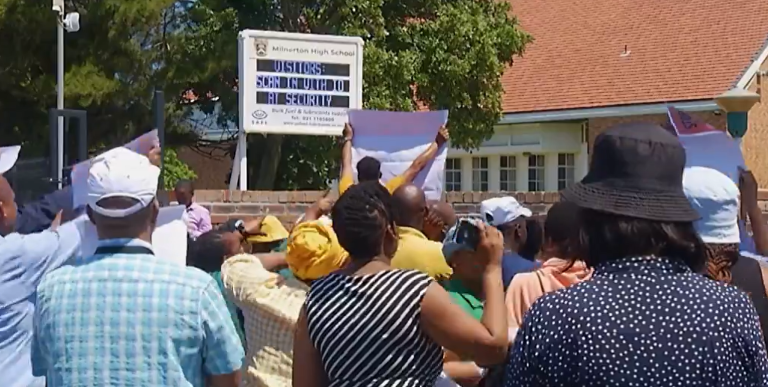
Milnerton assault case postponed for victim consultation

0

By Lebone Rodah Mosima 

The assault case against six Milnerton High School learners who are not minors was postponed to March on Tuesday to allow prosecutors to finalise outstanding investigations, the National Prosecuting Authority said.

NPA Western Cape spokesperson Eric Ntabazalila said the case against the six learners was postponed to March 11, while two other accused who are minors will be dealt with in the children’s court.

ALSO READ: Universities hold the key to early learning turnaround, Manamela tells Lekgotla

“The consultation with the victims and downloading of photographs are still outstanding. Their bail has been extended and their bail conditions remain the same,” Ntabazalila said.

The case against the minors had also been postponed, he said. One minor was expected back in court on February 6, and the other on March 11. “Both cases are postponed for further investigation,” he said.

None of the accused can be named, as per a court order.

Bail of R2000 was extended for all of the accused, who are currently being schooled online.

ALSO READ: Eleven school children killed in Vanderbijlpark crash

The case follows widespread public outrage after a video circulated on social media in October last year showing a 16-year-old Grade 10 pupil being struck with a belt, hosepipe and a stick or hockey stick while other pupils looked on and filmed the assault.

The Western Cape Education Department said at the time that the school had identified eight learners and that the School Governing Body approved their precautionary suspension pending formal disciplinary hearings.  

INSIDE EDUCATION  

Universities hold the key to early learning turnaround, Manamela tells Lekgotla

0

By Thapelo Molefe

South Africa’s early learning crisis will not be fixed in primary schools alone but in the universities that train foundation phase teachers, Higher Education and Training Minister Buti Manamela said on Tuesday, directly reinforcing concerns raised earlier by Basic Education Minister Siviwe Gwarube.

Speaking towards the close of the first day of the Basic Education Sector Lekgotla at the Birchwood Hotel and Conference Centre, Manamela said the weak literacy and numeracy outcomes identified by Gwarube were rooted in how teachers are prepared long before they enter classrooms.

“The foundation phase is the bedrock of the entire education system,” Manamela said. 

“It is here that confidence is built, attitudes towards learning are formed, and potential is either unlocked or constrained.”

ALSO READ: Hybrid learning urged as public universities hit limits on first-year intake

The three-day Lekgotla has brought together national and provincial education authorities, teacher unions, education bodies and development partners to assess system performance and set priorities for 2026. 

While Gwarube’s opening address framed early learning failures as a national emergency, Manamela focused on the post-school sector’s responsibility to respond decisively.

“Investment in foundation phase teachers is not optional. It is imperative,” he said.

“The quality of learning in our classrooms is inseparable from the quality of teaching and scholarship in our universities.”

Manamela paid tribute to university academics, describing them as “teachers of teachers” whose work turns education policy into lived classroom experience.

“These are professionals whose knowledge, compassion and commitment translate policy into practice and transform the promise of quality education into reality,” he said.

He pointed to tangible outcomes of recent reforms in teacher education. In the 2024/25 academic year, 20 of South Africa’s 26 universities offering Bachelor of Education degrees with foundation phase specialisation graduated 6,761 new teachers.

ALSO READ: Eleven school children killed in Vanderbijlpark crash

“This did not happen by accident,” Manamela said. 

“It reflects a deliberate, sustained and coordinated effort by the higher education sector to respond to national needs.”

The minister said government was backing this effort with significant resources, noting that more than R1 billion is invested annually through the University Capacity Development Programme to support curriculum renewal, staff development, and student success.

“Our goal is simple and unapologetic,” he said. “Every university student must be taught by a quality educator — one with strong disciplinary knowledge, sound pedagogy and a deep commitment to excellence.”

Manamela also highlighted the persistent gap between basic education outcomes and post-school opportunities, describing it as “one of the most decisive fault lines in our system”.

“There can be no quality education without a qualified, motivated and professionalised teaching workforce, especially in early childhood and foundational learning,” he said.

As the Lekgotla continues, Manamela called for sustained collaboration across departments, saying the education system must be built “deliberately, patiently and collectively” to give children a strong start and meaningful opportunities beyond school.

INSIDE EDUCATION

Getting into university is only the first hurdle for students from rural South Africa. Here’s what comes next

By Hellen Agumba

As universities in South Africa prepare to admit a new group of students, thousands of young people from rural parts of the country hope for a life-changing opportunity.

In 2023, public universities enrolled 258,778 first-time students. Demand is intense; for example, the University of Johannesburg received 358,992 applications for just 10,500 first-year spaces in 2025.

A substantial proportion of these new students come from economically disadvantaged backgrounds.

The National Student Financial Aid Scheme (NSFAS) is often the only key to unlocking post-school education. The scheme supports students from families earning less than R350,000 a year and has a target of 850,000 students. It is supposed to cover fees, accommodation, a living allowance, transport and learning materials.

Yet for many rural students, this key fails to turn the lock.

The number of students from rural areas who secure university placements cannot be determined. Neither the Council on Higher Education nor the Department of Higher Education systematically tracks students’ geographic origins. But what research does show is that students from rural areas face challenges beyond financial constraints.

My research on higher education access and learning experiences, particularly among marginalised students, has explored the reasons and consequences.

The conversation around financial aid rightly focuses on administrative crises: devastating payment delays and operational failures that erode trust. These are human catastrophes. But I’ve found that for rural students, these problems are only the tip of the iceberg. Beneath lies a deeper web of challenges.

Financial aid is crucial but it cannot compensate for systemic disadvantages that begin long before students reach campus and persist throughout their studies.

My research, involving in-depth interviews with rural students, shows the “hidden costs” they bear. Their struggle begins with limited access to information. This constrains their educational choices. Then they may not feel really comfortable to participate in the classroom and make social connections. And their financial situation influences both academic performance and social belonging.

Even when rural students graduate, many describe feeling they have survived higher education rather than thrived in it.

The experiences they shared with me reveal how these challenges interconnect throughout their university journey. Their stories also point to ways of improving rural students’ participation in higher education.

Listening to rural students

My qualitative study consisted of in-depth interviews and focus group discussions with 18 rural students (10 of them female), aged 19-25 at a university in Johannesburg.

All participants came from former homeland areas across four provinces – the Eastern Cape, KwaZulu-Natal, Limpopo and Mpumalanga – a pattern reflecting apartheid’s enduring geographic legacy. They were studying fields ranging from education to engineering; 13 of the 18 were first-generation university students, and all were Black African. Their demographic profile was typical of deeply rural students accessing higher education through programmes like NSFAS.

The deliberate selection criteria and consistency of their experiences reveals systemic patterns.

One of the participants, Philip (all names have been changed) from Limpopo, described the sheer physical distance of his home from university: “I pass Polokwane (a city 320km from Johannesburg) and go deep to the rural villages until Giyani (a small town over 150km further on) … then from Giyani I have to catch a taxi to my village … you are far away from universities.”

While urban students attend open days to learn about the courses on offer and careers, those in remote villages are left in the dark. As one participant, Terry, observed: “During open day for UJ (University of Johannesburg) … it’s mostly model C schools.“ (These are better resourced high schools which were reserved for white learners during apartheid.) I have never seen someone (there) from a rural background.”

This isolation limits career awareness to visible rural professions like teaching and nursing.

Sef’s story is telling: “I didn’t know anything about the courses offered … I only know teaching and these professions that you see in the village.”

After a costly false start, she found her path to engineering only through a chance family conversation.

In South Africa, many students scrape together a registration fee, gambling that full funding will materialise. And without guidance on accommodation deadlines, they might arrive in the city to find university residences full and be forced into expensive or unsafe private housing.

Jane explained: “We will come and look for accommodation in February … When we get there, we find that the residence is already full.”

While universities technically provide accommodation information, it is often buried in lengthy online registration documents that assume students have reliable internet access and familiarity with university processes.

The result is a financial strain from day one. For students like Kate, who was mugged commuting from distant, off-campus housing, the consequences are academic and psychological: “At the end of the year, I didn’t pass that well and as a result I lost my sponsor.”

Upon arrival, they face a second battle: cultural and geographic alienation. They enter a space privileging urban, middle-class norms. Participants spoke of being teased for their accents and dress.

As Ann from the Eastern Cape put it: “Nobody cares … you get to know people from other tribes, people from other races … some of things they do you don’t understand.”

Language becomes a profound barrier to participation. Philip shared: “I would want to participate … but eish! English … I’m not confident enough.”

The curriculum itself can feel alienating, with examples drawn from unfamiliar urban contexts. Terry, an engineering student, noted: “Sometimes they teach about some events you have never heard of … that’s where they kill us.”

It takes more than cash

This brings us back to NSFAS. Its administrative failures hit rural students hardest.

For a student who barely registered, a delayed allowance is a crisis. It means missing lectures, relying on food parcels, and impossible choices between education and supporting families.

Ann described the strain: “The funding, when it comes, doesn’t cover the true cost. It ignores higher travel costs, expensive data to compensate for remoteness, and the burden of unexpected private accommodation.”

The higher education system has focused too long on the narrow goal of access: getting students through the gate. True equity is about ensuring they can thrive as peers inside. The current student financing model is a blunt remedy: it provides cash but leaves the underlying structures of exclusion untouched.

How to change it

My research suggests some steps that could help rural students.

Fix the fundamentals with rural students in mind: Students need a competent, reliable financial aid scheme. Payment timelines must be guaranteed, with emergency support for rural students during delays.

Early outreach: Universities and government must take information to deep rural areas through mobile career services and application support long before final high school exams that determine university entrance.

Fund the full experience: Bursary calculations must be nuanced to cover the real, higher costs borne by rural students, including travel, data and safe accommodation.

Create culturally inclusive campuses: Universities must actively combat assumptions that rural students are “underprepared” or “lacking” essential skills. They can do this through staff training, peer mentorship, and curricula that value different kinds of knowledge.

The dreams of rural students are stifled by a system blind to their reality. Ensuring timely funding is the bare minimum. They need a system that doesn’t just let them in but truly welcomes them and sets them up for success.

Hellen Agumba is Senior lecturer, University of Johannesburg.

This article was first published by The Conversation.

INSIDE EDUCATION