
Covid: Schools asked to test on-site after Christmas
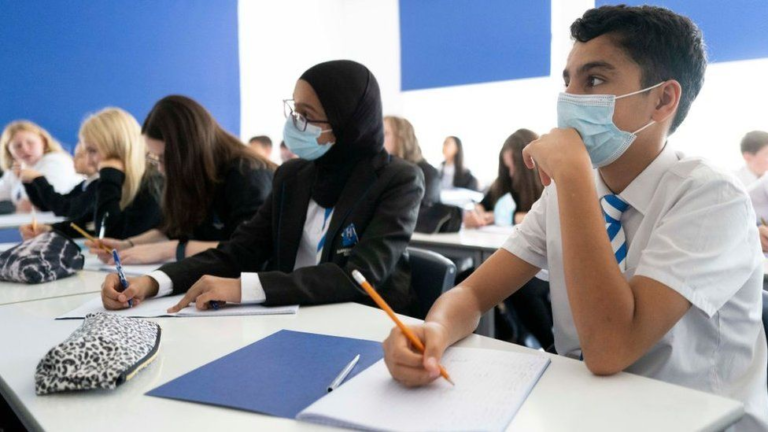
Secondary schools in England have been asked to prepare to test pupils on-site after Christmas.
On Friday, the Department for Education told schools that testing pupils upon their return in January “will help reduce transmission after a period of social mixing” during the holidays.
The Association of School and College Leaders (ASCL) said the DfE’s plans were “not reasonable”.
Julie McCulloch, director of policy at ASCL, criticised the “short timeframe”.
In light of the new Covid variant, Omicron, the DfE sent an email to secondary schools in England on Friday. In its email, the department urged secondary schools to be prepared to test pupils when they return in January.
It recognised that the request was “a significant additional ask”. However, it stressed that “testing continues to play a vital role in keeping Covid-19 out of schools”.
The DfE added: “Testing all pupils in school boosts testing participation and will help reduce transmission after a period of social mixing over the school holidays.
“Tests, PPE and funding to support your workforce will be provided as before. After this test on return, pupils should continue to test in line with Government guidelines.”
Throughout the Covid pandemic, schools have faced several disruptions and have been at the heart of lockdown measures, because they provide the potential for prolonged close-up interactions between people from many different households.
- On 18 March 2020, schools were told to close for all pupils – aside from vulnerable children and children of key workers. Other teaching was carried out remotely, with parents asked to ensure their children were learning from home
- After a failed attempt to bring back students in June 2020, schools eventually returned in September that year
- Because of the rise of the Delta variant, schools were told to return to teaching remotely after the Christmas break
- Schools returned on 8 March. But rapid lateral flow tests had to be taken regularly by staff and pupils. But carrying out the tests was not the responsibility of schools
- At the start of the autumn term this year, all secondary school and college pupils in England were asked to take two lateral flow tests at school on their return following the long summer holidays. They were then asked to continue to test twice a week at home
Speaking on behalf of the ASLC, Ms McCulloch said that the education sector recognises the importance of Covid-19 testing as a mechanism to reduce the levels of transmission. However, she says that “it is not reasonable for the government to once again impose this considerable public health task on schools with minimal support”.
She added that the government “seems to have forgotten that school leaders are educators rather than an ad hoc branch of the NHS”.
Ms McCulloch said that the main goal for teachers at the moment is to provide the teaching and learning required by their pupils, which is “particularly important” following the disruptions experienced due to the pandemic.
The government said that introducing on-site testing is part of their commitment to protect face-to-face education and they are asking secondary school pupils to take one test at school when they return in January.
- BBC NEWS
200 bursaries on offer – including for engineering and computer science students in South Africa
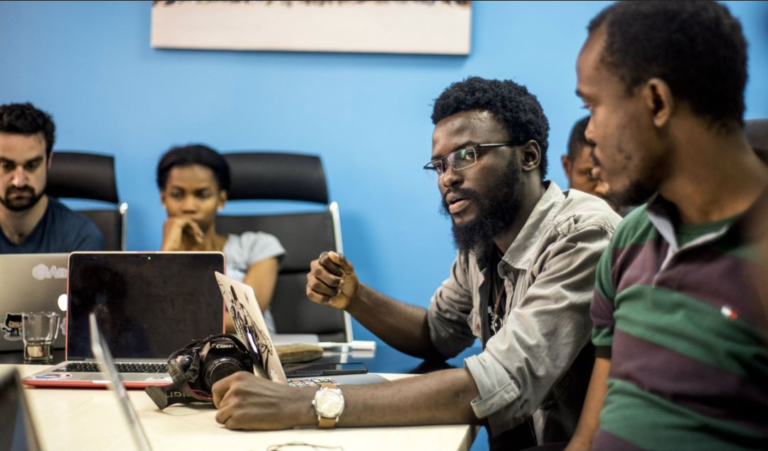
Train-maker, the Gibela Rail Transport Consortium, is calling for applications for 200 bursaries in 2022 in engineering, manufacturing, computer science, supply chain and logistics, and various trade fields – for both universities and technical and vocational education and training (TVET) institutions.
Gibela, which has a contract to manufacture 600 trains for the Passenger Rail Agency of South Africa (PRASA), said its bursaries include full tuition and a book allowance. The bursaries are granted for one year and are renewable on an annual basis based on academic performance.
Bursary applicants must be:
- South African citizens with a South African barcoded identity document.
- Enrolled or intending to enrol at a South African TVET institution (current N3/N4 candidates are encouraged to apply).
- Enrolled or intending to enrol at a South African university or university of technology (current first- and second-year candidates are encouraged to apply).
- Able to demonstrate potential for academic success; and
- In need of financial assistance.
“Gibela is revitalising South Africa’s railway industry by manufacturing state-of-the-art commuter trains in the country. It is heavily committed to upskilling and training South Africans to be able to participate in this industry in South Africa – that has potential to grow,” it said.
Citing a report by the World Bank, it said that tertiary education is vital for the development of human capital and innovation, and can serve every country – from the poorest to the richest – by developing its talent and leadership pool, generating and applying knowledge to local and global challenges, and participating in the global knowledge economy.
The report highlights important tertiary education sectors, and engineers, technicians and managers are among the professions mentioned as being key players in public and private sector development.
Corporate services and traction motors operation executive at Gibela, Dr Buyiswa Mncono-Liwani, said: “Quality education will unlock the potential of South Africa’s future and our ability to effectively grow our economy. The bursaries that we offer each year for tertiary study at universities, universities of technology and TVET institutions are an important part of our broader commitment to education and skills development.
“Gibela is invested in educational initiatives in South Africa, from early childhood development and school programmes with a focus on STEM [science, technology, engineering and mathematics] subjects, right through to tertiary education, internships and incubators.
“In addition, with our focus on local content development, we invest in upskilling professionals to build trains in South Africa and ensure they have the skills to continue developing their careers, beyond our contract term with PRASA.”
Gibela bursaries for study at a university or university of technology are available in the following disciplines:
- Electrical, electronic, mechanical, metallurgical, and industrial engineering;
- Computer science and information technology;
- Accounting; and
- Supply chain and logistics management.
The prerequisites for applying for a Gibela bursary at a university or university of technology are:
- A matric with level 6 for mathematics, physical science and accounting, and level 5 for English.
- Written proof of acceptance for admission to a South African university or university of technology.
Gibela bursaries to study at TVET institutions are available for the following professions:
- Boilermakers
- Electricians
- Mechanics
- Fitters and turners
- Millwrights
- Welders
- Pattern-makers
- Vehicle-builders
- Plumbers
- Control and instrumentation technicians
The prerequisites for a Gibela bursary at a TVET institution are:
- A matric with Mathematics and Science, and English at level 4
- Written proof of acceptance for admission to a South African TVET institution
Gibela said that its bursary applications close on 15 February 2022. Interested applicants should send a short CV, a certified copy of their academic records and a certified copy of their South African identity document to gibelabursaries@communityrail.co.za.
The group said it will respond only to applicants who make it through the first round of assessments. “Applicants who have not been contacted by 26 March 2022 should consider their applications unsuccessful.”
Basic Education Sector Makes Progress in Implementing Inclusive Education
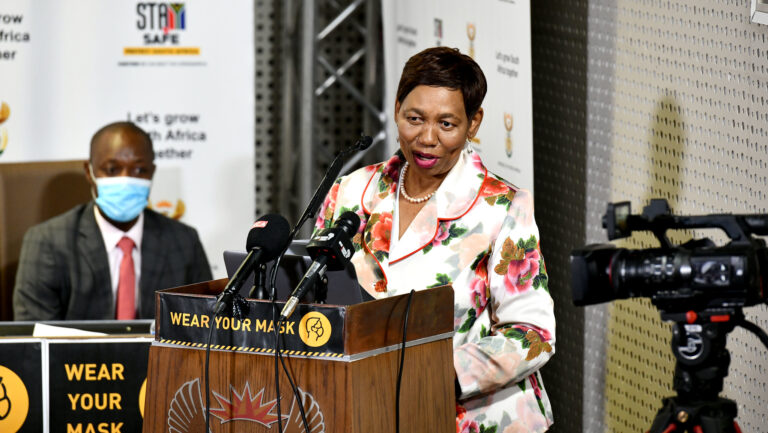
BASIC Education Minister Angie Motshekga says that much progress has been registered in fulfilling the Education White Paper 6 directives since it was introduced in 2001 but more effort is still required to leapfrog to the next level.
The Minister was speaking at an Inclusive Education Summit on Monday, jointly hosted by the Department of Basic Education (DBE) and the Department of Women, Youth and Persons with Disabilities (DWYPD).
The objectives of the summit are to acknowledge the progress made and the gaps that still exist in the implementation of inclusive education.
The Minister said that government’s commitment to inclusive education is derived from the Education White Paper 6 which calls upon it to provide quality education and support to all children with disabilities.
Motshekga said that the White Paper also directed the sector to mobilise out-of-school children and youth of school-going age to take up their right to basic education.
“I am happy to report that we did the advocacy work as required, assisted by a range of industry bodies and civil society organisations, for which we thank you. As a testament to our efforts to date, 137 332 and 121 461 learners, compared to 64 000 and 77 000 learners in 2002, are enrolled in special and ordinary schools, respectively,” Motshekga said.
The Minister said that they have dedicated capacity in all nine Provincial Education Departments (PEDs) to manage inclusive education guided by Basic Education experts based in Pretoria.
“For instance, we have established District-Based Support Teams and School-Based Support Teams to coordinate inclusive education support services for teachers and learners.
“As a collective, these professionals advance the ideal of inclusive education, share best practices and craft and monitor implementation plans for the sector,” she said.
Recently, the minister says the focus has shifted towards implementing Policy on Screening, Identification, Assessment and Support.
For instance, during 2020/21, she said 22 074 Individual Support Plans (ISP) were developed to address learners’ educational needs at the school level.
“We had to convert and designate at least 500 public ordinary primary schools as full-service schools in terms of the policy. However, by the end of 2018, we had already designated 848 full-service schools, not just in 30 education districts required in the White Paper 6, but in all education districts.
“It is very rare in government work to say the following, as a sector, we exceeded the target of designating 500 schools as full-service ones by 348,” the Minister said.
The sector had to designate or covert several special schools into resource centres in thirty designated districts as per the directives of the White Paper and to date 373 out of 435 special schools serve as resource centres, providing outreach services to full-service and ordinary schools.
A part of the sector’s work of ensuring access to education for Learners with Severe to Profound Intellectual Disability (LSPID), Minister Motshekga said that 500 special care centres have been audited.
She said that the department has developed and field-tested the Learning Programme for this category of learners.
“So far, 280 transversal itinerant team members have been trained to deliver the Learning Programme. We have at least 3 423 learners with severe to profound intellectual disabilities who now utilise the Learning Programme and access therapeutic services,” Motshekga said.
Minister Motshekga said that great strides have been made on the diversification of curriculum offerings to cater to diverse educational needs.
“We now offer the South African Sign Language (SASL) as a matric subject. For instance, 44 learners in eight of the 17 schools for the Deaf that offer Grade 12 wrote the first National Senior Certificate (NCS) examination in SASL Home Language in 2018,” she said.
In 2019, the Minister said the number increased to 101 learners in 15 schools who wrote the National Senior Certificate examination.
In the year 2020, 140 candidates from five provinces, including Eastern Cape, Free State, Gauteng, KwaZulu-Natal and Western Cape, wrote the National Senior Certificate examination.
Meanwhile, the sector continuously offers specialised training to teachers to meet the needs of specific disabilities such as Braille, South African Sign Language, Autism and other inclusive educational programmes.
“I am happy to report that 2 295 teachers have been trained in Braille, 2 714 on South African Sign Language, and 4 724 have received training on Autism,” Motshekga said.
The sector has also provided inclusive education training programmes to some 35 354 teachers in the sector.
Coventry University to enhance collaboration with South Africa’s prestigious Stellenbosch University
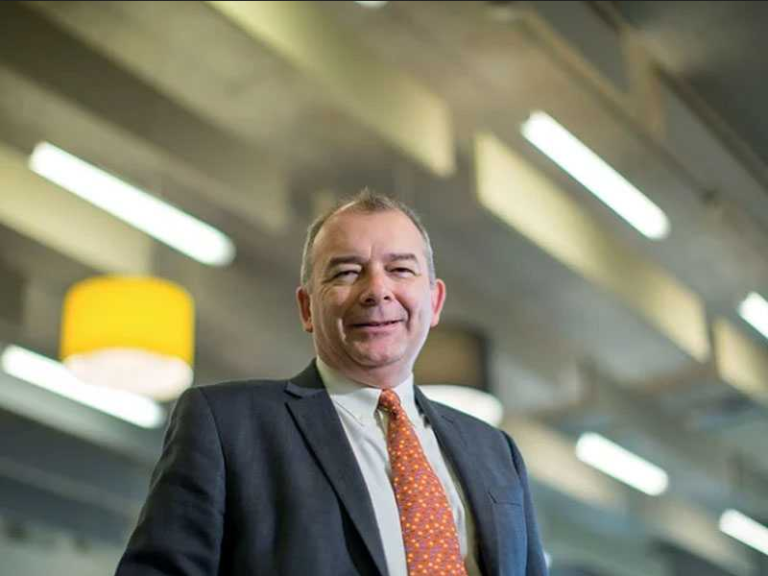
Coventry University and Stellenbosch University in South Africa will look to build on their strong relationship by stepping up their collaborative research projects and staff and student exchange programmes.
As part of a Memorandum of Understanding agreement, Coventry and Stellenbosch will continue working together on additional joint research projects, sharing knowledge and mutual areas of research interest.
They will also collaborate with the objective of offering their students practical experience work placements, providing joint courses and contributing to joint research publications.
Another goal is for the universities to use their respective platforms and mutual objectives to actively promote international collaboration, equality and the development and improvement of societies around the world.
The two institutions are already working together on multiple joint research projects and initiatives across a range of Coventry University’s research centres.
Stellenbosch University is among South Africa’s leading tertiary institutions based on research output, student pass rates, rated scientists and student retention.
Stellenbosch aspires to be the leading research-intensive university in Africa and is globally recognized as excellent, inclusive and innovative. It boasts one of the highest weighted research outputs per full-time academic staff member of all South African universities and the highest student success rate in the country.
Professor John Latham CBE, Coventry University Vice-Chancellor, is an Extraordinary Professor in the area of enterprise and entrepreneurship at Stellenbosch University, where in 2019 he additionally received an Honorary Doctorate for his services to UK Higher Education.
“We’re delighted to be expanding our global reach with this new collaboration with one of South Africa’s most influential institutions in terms of research and student success.”
“Our excitement continues to build around the opportunities this MoU agreement could provide for students at both Coventry and Stellenbosch, and the potential for us to work together to build on our impactful research and create really unique cultural and educational opportunities for our students is really significant,” said Professor John Latham CBE, Coventry University Vice-Chancellor
“Building purposeful collaborative networks is part of our Vision 2040 and strategy for the future. Over the past few years Stellenbosch University has invested in internationalisation efforts and many of our collaborations create opportunities that, previously, students didn’t have access to. The MoU with Coventry University is a prime example of that and a great initiative that strengthens the relationship between our two great institutions,”
Said Professor Wim de Villiers, Stellenbosch University Rector and Vice-Chancellor
As a globally connected institution with a worldwide network of more than 50,000 learners in more than 40 different countries, Coventry University will look to use this new collaboration to enhance and build on its international research collaborations and multinational body of staff, students and knowledge.
Coventry University already has collaboration agreements with establishments across the globe, including in Hong Kong, Mexico, France and more, and the university is building new relationships through its four overseas hubs in Europe, Africa and Asia.
Ramaphosa Says Men Need To Speak Out And Act Against Gender-based Violence

CYRIL RAMAPHOSA|
IF a nation’s character can be judged by how it treats women and children, then we are falling desperately short.
A week before the launch of the annual 16 Days of Activism for No Violence against Women and Children, the latest crime statistics released by the South African Police Service (SAPS) show an increase in rapes, domestic violence, and, perhaps most worryingly, in child murders.
In just three months, between July and September 2021, 9,556 people, most of whom were women, were raped. This is 7% more than in the previous reporting period.
Of the nearly 73,000 assault cases reported during this period, more than 13,000 were domestic violence-related.
The rate of child murders has climbed by nearly a third compared to the previous reporting period.
These statistics are shameful. We are in the grip of a relentless war being waged on the bodies of women and children that, despite our best efforts, shows no signs of abating.
We have said before that the violence perpetrated by men against women is the second pandemic that our country must confront, and like the COVID-19 pandemic it can be overcome if we all work together.
As government, we have a duty and responsibility to devote the necessary resources to combat crimes of gender-based violence.
Since the launch of the National Strategic Plan to Combat Gender-based Violence and Femicide (NSP) in 2020, there have been a several interventions to respond to GBV.
This includes far-reaching legislative reform, support to survivors through the provision of evidence kits at police stations and psycho-social services, the establishment of a GBVF Fund and supporting the network of Thuthuzela and Khuseleka Care Centres.
The SAPS has indicated we are making progress in reducing the significant backlogs in DNA analysis, which is crucial to securing justice for survivors of sex crimes.
The SAPS also operates 134 GBV desks at police stations around the country and is in the process of establishing more.
As work continues to implement all the pillars of the NSP, we must ask hard questions of ourselves as a people.
When we hold a mirror up to ourselves, do we see the proud, resilient, peaceful and freedom-loving South Africans we aspire to be?
Every year when November comes around, we make pledges to end violence against women and children. We take part in marches, attend mass mobilisation events, and wear regalia emblazoned with powerful slogans like “Sekwanele: Enough is Enough”.
But what we have observed over the years is that most of those who take part in the 16 Days of Activism are women and children, those most affected by and concerned about GBV. This needs to change.
Gender-based violence is, after all, a problem of male violence. It is predominantly men who are rapists. It is mainly men who are perpetrators of domestic violence.
Because it is men who are the main perpetrators, it should be men taking the lead in speaking out and reporting gender-based violence, in raising awareness, in peer education and in prevention efforts.
It should be men in positions of authority in our educational system, whether as school principals, educators or lecturers, who should be making schools and places of higher learning safe spaces for female learners and students, and never, ever abusing their position of authority to demand sexual favours.
Men should also be playing a more formative and present role in their families, particularly in raising their sons to exhibit healthy, positive masculinity that is respectful of women and children.
Communities and community organisations must work with government to implement interventions that redefine masculinity so that we raise men with empathy, tolerance and respect.
Just as ending gender-based violence cannot be the state’s responsibility alone, the onus cannot be on women and children to end the shocking levels of violence and abuse being visited upon them.
South African men need to play a greater role in preventing GBV. They need to understand what constitutes gender-based violence, especially sexual violence.
The latest crime stats show nearly 4,000 people were raped in their homes or that of the perpetrator, and in 400 reported rape cases the victim and perpetrator had a relationship. This suggests that some men do not understand that sexual activity without explicit consent is a crime.
Men must respect their wives and girlfriends and understand that being in an intimate partner relationship is never a justification for domestic violence.
If each man gathers two men and the three pledge to never rape a woman, never lay a hand on a woman and hold each other accountable to this pledge, we can start to seriously tackle gender-based violence in our country.
This year’s 16 Days of Activism campaign aims to shift from awareness to accountability and create an environment for men to play a greater role in GBVF prevention.
It is not enough to intervene only once perpetrators have entered the criminal justice system. We have to prevent gender-based violence before it happens.
I call on all South African men, young and old, city dwellers and rural dwellers, modernists and traditionalists, married and unmarried, to be part of the prevention efforts that are sorely needed in homes and in our communities.
By refusing to condone violence against women and children, by not being party to it yourself and by reporting such acts, you are setting an example to your fellow men, especially to young men and boys.
You will be sending a clear sign that neither kinship, friendship or loyalty can be an excuse for not standing up for the rights of women and children.
Let us work together as one to ensure that this year’s 16 Days of Activism campaign is meaningful, that it moves beyond mere words, and that it results in real change in the lives of South Africa’s women and children.
- * From the desk of the President
School of Management establishes Diversity, Inclusion and Belonging Committee
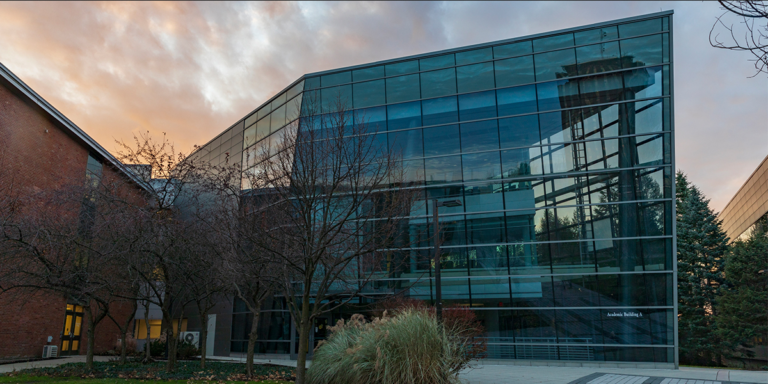
As many organizations across the nation consider the role they play in promoting diversity, equity and inclusion, leaders in the Binghamton University School of Management have been reflecting on what they can do as well.
“It has become a critical issue for society, meaning it has become a critical issue for us,” says Dean Upinder Dhillon.
With a goal of formulating long-term strategic initiatives, SOM established a Diversity, Inclusion and Belonging Committee made up of faculty and staff. Chaired by Sara Reiter, professor of accounting, the committee plans to address areas such as recruiting diverse students and faculty, improving the classroom experience, and training faculty and staff.
“It’s an important issue, and we’re seeing many of the employers who recruit our students doing a lot in this area as well,” Reiter says.
We don’t just want to invest in this area, we want to see progress.
Dean Upinder Dhillon
To kick things off, the committee held a number of virtual “coffee conversation” events during the 2020-21 academic year to facilitate discussions with faculty and staff.
“The coffee conversations served as an introduction to inclusive pedagogy issues and student identity concerns, and resulted in some very informative workshops,” Reiter says.
One event focused on how to increase inclusion in the classroom. Committee members presented practical ways to implement inclusive classroom practices. Topics included:
- Creating an accessible syllabus
- Enhancing inclusion through class content
- Using case studies to enhance diversity and inclusiveness
- Incorporating diversity and inclusion when teaching statistics
The committee also held two coffee conversations in collaboration with the University’s Q Center, which provides resources to help foster an inclusive campus environment that supports all sexual orientations, gender identities and gender expression.
In April, the committee hosted a webinar that explored ways to implement diversity, equity and inclusion (DEI) in the workplace, featuring research from Loreal Jiles and Shari Littan ’86 of the IMA® (Institute of Management Accountants). Their report, Diversifying U.S. Accounting Talent: A Critical Imperative to Achieve Transformational Outcomes, examines the diversity gap between the demographic background of executive leadership ranks and the rest of the accounting profession.
The presentation was followed by a panel of top diversity leaders and active members of DEI initiatives from major accounting firms who discussed practical ways companies can address the diversity gap. Nearly 300 people attended — many of them students.
“The student participation was really remarkable,” Reiter says. “There were over 100 questions from students in the chat box for the webinar. Students are very interested and engaged in the topic of how workplaces can become more diverse and inclusive.”
While these events have helped raise awareness within the SOM community, Reiter says the next step for the committee is to formulate a strategic plan with measurable outcomes.
“This is a big project in terms of broadly identifying issues and proposing targeted actions,” she says. “We’ve started by gathering data on how students view the SOM experience that we hope can guide our efforts.”
According to Reiter, the proposed initiatives will be connected to SOM’s main strategic priorities, a connection that Dhillon says solidifies the school’s commitment.
“We don’t just want to invest in this area, we want to see progress. That means identifying the right metrics to measure the progress we are making,” he says. “We, as a school, are rising to the challenge and doing our part.”
- BINGHMAPTON.EDU
World Toilet Day: Limpopo Pit Toilets A ‘Ticking Time Bomb’
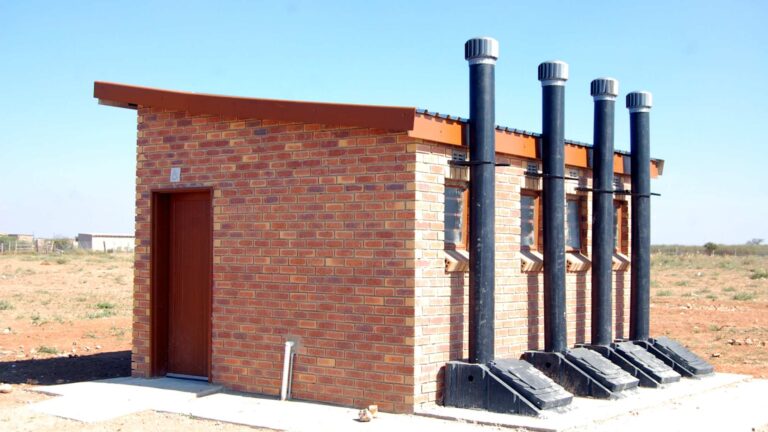
AS the world commemorated World Toilet Day this past week, the National Association of School Governing Bodies (NASGB) in Limpopo said it’s concerned about the continued use of pit toilets in the province.
NASGB Limpopo secretary, Prince Prince Phandavhudzi, said they believe that the education department is dragging its feet when it comes to getting rid of them.
“The continued use of unsafe outside pit toilets worries us. It’s concerning as such toilets do not only pose a health hazard but can lead to death as well. Learners can easily fall and drown inside them,” said Phandavhudzi.
“It is something which we have been trying to raise with the department of education for many years, but they seem to be dragging their feet. The lives of our learners are not protected while at school.”
Phandavhudzi believes it will still take years for the department to remove all of the pit toilets in the province.
“Though the department of education has managed to provide temporary toilets in most of our schools since the start of the COVID-19 pandemic, they still have a long way to go. They need to do eradicate all pit toilets as a matter of emergency,” he added.
Millions paying the price
World Toilet Day is a United Nations (UN) Observance that raises awareness of the 4.2 billion people living without access to safely managed sanitation. According to the UN, globally, at least 2 billion people use a drinking water source contaminated with faeces. And daily, over 700 children under the age of five, die from diarrhoea linked to unsafe water, sanitation, and poor hygiene.
The World Health Organization (WHO) states that inadequate sanitation is estimated to cause 432 000 diarrhoeal deaths annually.
It’s a major factor in several neglected tropical diseases, including intestinal worms, schistosomiasis, and trachoma.
Poor sanitation also reduces human well-being and social and economic development due to impacts such as anxiety, risk of sexual assault, and lost educational opportunities.
Victim’s sister speaks out
On 20 January 2014, five-year-old Michael Komape drowned in a pit toilet at Mahlodumela Lower Primary School just outside Polokwane.
His death became a rallying call highlighting the effects of poor sanitation in rural schools throughout the country. But Michael’s older sister, Lydia Komape, worries about the continued use of pit toilets at schools.
“There is nothing to celebrate because learners are still forced to use dangerous pit toilets. I feel that the Department of Education doesn’t care about public schools.
These schools are for poor people, and who cares for poor people? If they did, they would’ve eradicated them and created a safer environment for all learners,” said Komape.
She added: “If my brother’s death didn’t do anything to make them realise what a huge problem poor sanitation is, I wonder what will?”
Mabila Primary School’s school governing body (SGB) said they have grown tired of raising the issue of pit toilets.
“We are tired of raising this same issue as nothing is ever done to address the issue of dilapidated pit toilets. These toilets which are being used by our learners are a ticking time bomb and they pose a danger to our children. No one seems to care,” said Eric Negondeni, SGB chairperson.
Mabila Primary has four outside pit toilets – two for boys and two for girls.
They are all in poor condition despite the education department having delivered building material for new toilets in 2017. There has been silence ever since – no one knows when the building will begin.
“Maybe they are still waiting for one of our learners to drown and then only will they start building,” said Negondeni.
Shortage of water adds to woes
The school, just outside Thohoyandou, is also faced with water shortages, an issue which has been raised.
“The school does not have any form of running water and a borehole is needed as a matter of urgency,” he said.
According to a Statistics South Africa (Stats SA) 2018 report, the percentage of households that have access to improved sanitation increased from 61,7% in 2002 to 82,2% in 2017.
And despite the improved access to sanitation facilities, many households continue to be without any proper sanitation facilities.
Limpopo education dept responds
Limpopo’s Department of Education Provincial spokesperson Tidimalo Chuene was full of promises.
“There are general plans for sanitation infrastructure development that are being rolled out through agents such as Mvula Trust and the Independent Development Trust. Progress will be made public once the information has gone through our quality assurance processes and internal reporting channels.”
Chuene added: “Progress on infrastructure projects was also affected by shortages of building material and restrictions of movement. However, work is underway to address the backlog caused by COVID-19.”
–Health-e News.
The US Wants South Africans To Teach isiZulu At Its Universities

THE United States has issued a call for South Africans to teach isiZulu at its universities as part of the Foreign Language Teaching Assistant Programme (FLTA).
South Africans who speak isiZulu as their home language, but are also proficient in English, can apply to teach at an American university for a full academic year between August 2022 and May 2023. This is part of the Fulbright South Africa FLTA Programme which opened applications on 5 November.
The Fulbright Programme is an international educational and cultural exchange course led by the US government in partnership with 160 countries.
Students, scholars, and teachers are able to pursue post-graduate studies and conduct independent postdoctoral research for up to nine months in the US through the programme.
This year marks the programme’s 75th anniversary which also comes amid disruptions caused by the global Covid-19 pandemic and international travel restrictions.
The latest Fulbright FLTA programme focuses on isiZulu teachers who have until 15 December to apply.
Successful FLTA applicants will receive a monthly stipend, ranging between $400 to $600, health insurance, covered flight costs, and visa support.
The programme does not allow dependents to accompany FLTA participants, nor does it provide funding for dependents.
Fulbright FLTA participants will teach up to 20 hours of language classes a week and are required to enrol in at least two courses per semester, one of which must be in US Studies.
They’ll also be required to facilitate cultural events, language clubs, language tables, and interact with their host communities in conversation groups, extracurricular activities, and community outreach projects.
More than 400 FLTA participants, sponsored as J-1 non-degree students, are chosen to live, study, and teach at American colleges and universities in the US each year.
South Africans hoping to take part in 2022/23 isiZulu FLTA programme need to meet certain criteria when applying.
South Africans applying to teach in the US
Firstly, applicants need to be citizens of South Arica and fluent in isiZulu, while having proficiency in both written and spoken English language.
Importantly, applicants must be qualified secondary-level teachers with no more than seven years teaching experience in English, English as a Foreign Language (EFL), isiZulu, American Studies, journalism and media, literature, or a related field.
Applications need to be made online, via the Independent Institute of Education (IIE) registration portal.
Before applying, it’s recommended that potential candidates contact the Fulbright Programme Office in South Africa to be sure of the requirements and their eligibility.
Queries can be emailed to EducationUSAdbn@state.gov and KnowlesSD@state.gov, or lodged with the US Embassy in Pretoria.
Applicants will need to create an account with a username and password. Registration also requires personal details, like the applicant’s first and last name, email address, and birth date.
Once the account has been created, an email from apply@iie.org, confirming that the application process has started, will be sent to the applicant’s address.
Preliminary questions on the application form include information on the programme country from which the applicant is applying – in this case, South Africa – and the academic year being applied for.
Personal information, like the applicant’s name, number of dependants, national identification number, any physical limitations, country of citizenship, and contact information is also required.
Work experience and motivations
Applicants also need to upload a copy of their CV – in a PDF format that does not exceed four pages – and more detailed information on their academic background.
The latter relates to all post-secondary educational institutions from which the applicant has received a degree or academic credential.
Professional experience also needs to be listed. This includes information about the applicant’s previous or current positions and jobs and the employer’s details.
Awards and recognitions, like scholarships, academic honours and prizes, self-published books, articles, or thesis, or belonging to any professional societies or fraternities, can also be noted in the application form.
Any experience abroad – including time overseas for education, research, business, or vacation – can be included. Applicants will also need to rate their language proficiency in reading, writing, and speaking.
If the applicant has already completed a standardised test – TOEFL, GRE, GMAT or IELTS – they’ll be prompted to record their score.
If not, the applicant will be prompted to complete these tests in the future before being admitted to a US institution.
Applicants will also need to submit an essay – minimum 700 words in length – on their objectives and motivations for applying for the FLTA programme.
An essay on teaching methodologies and techniques, 300 to 500 words in length, is also required, as is a response to hypothetical scenarios as a cultural ambassador.
The application finishes with the option to list recommenders or references who can vouch for the applicant’s competence.
The application process can be long, but, importantly, applicants do not need to complete the application at one time.
They can re-enter at any time to edit the application but, once submitted, no changes can be made.
There’s a lot of financial aid available to women pursuing STEM careers

WOMEN are significantly underrepresented in STEM professions and for the few who are pursuing science, technology, engineering or math careers – there are a lot of financial challenges.
That’s why a lot of companies and organizations are offering scholarships and other financial assistance to help bridge this gender gap in these crucial fields.
Only 1 in 4 people working in computer and mathematical professions and 1 in 6 in architecture and engineering careers are women, according to the Bureau of Labor Statistics.
What’s more, for every dollar a man in STEM makes, a woman earns 14 cents less, according to the U.S. Department of Commerce.
“Increasing access to higher education opportunities represents one of the best strategies to narrow the gender gap in STEM fields,” said Rachel Morford, president of the Society of Women Engineers.
“Scholarships help start that positive trend by helping to fund a woman’s access to undergraduate, post-graduate, and doctoral STEM programs. Scholarships are also vital to help ensure success in those programs, as they give students more opportunity to focus on their classwork, design projects, and pursue research or internship opportunities – all of which work to help keep women in STEM fields through graduation and beyond.”
Scholarships available for women in STEM
There are a lot of scholarships from organizations, foundations and companies that are available to women pursuing STEM careers.
The Society of Women Engineers (SWE) is a pioneer in supporting students whose gender identity is that of female and in pursuit of an ABET-accredited (Accreditation Board for Engineering and Technology) bachelors or graduate program in engineering, engineering technology, and computer science.
Along with providing on-campus support to students, in 2020 SWE gave 260+ new and renewed scholarships which were worth a total of $1 million to female students around the globe.
SWE makes the application process easy, with one application submission allowing for students to be qualified for all applications that are relevant to them.
Microsoft conducted a study where they found that only 7% of women, compared to 15% of men, graduated college in 2016 with a degree in science, technology, engineering or math.
Additionally, women tend to pursue science-oriented degrees instead of engineering, math or computer-based fields, and are lower paid than men. Microsoft offers scholarships for women who plan to pursue a career in the STEAM field (Science, Technology, Engineering, Arts and Math) at the college level.
“Having access to scholarships can help to alleviate some of the burden that women face today, and it is vital to them receiving an education that will get them the same seat at a table as their fellow male classmates,” said Sasha Ramani, associate director of corporate strategy at MPOWER Financing, which offers scholarships to women pursuing STEM careers.
“These can all help close the gaps for not only women – but those in underrepresented communities.”
Some other scholarships for women pursuing STEM careers include: The BHW scholarship for women in STEM, the Virginia Heinlein Memorial Scholarship, the Science Ambassador Scholarship funded by Cards Against Humanity, the ABC Humane Wildlife Women in STEM Academic Scholarship, the Girls Who STEM scholarship, the Adobe Research Women-in-Technology Scholarship, the Hyundai Women in Stem Scholarship and the Amazon Future Engineer Scholarship Program.
Scholarships that are specifically for women pursuing engineering careers include: The Palantir Women in Technology Scholarship, the Lynn G. Bellenger Scholarship and the UPS Scholarship for Female Students.
The application process
Kaylin Moss, a senior at Marist College studying computer science, applied to hundred of scholarships, which she found through databases, social media or internet searches. She won a Generation Google scholarship.
Moss says that the “application process was lengthy” ̶ she had to answer three essay questions and submit a resume and academic transcript.
One of her essays was about how she chartered the Marist College chapter of the National Society of Black Engineers, the second was about her proposed solutions to many challenges underrepresented groups in technology face when pursuing careers in technology and the third illustrated her financial need.
Applicants were judged based on their financial need, commitment to diversity and inclusion, leadership and academic performance.
Some scholarships require that you write essays, while others ask for videos or artistic works. And, the application process is a time commitment. Moss’s advice is to focus on scholarships that best align with your method of communication.
So, if you love writing – go for the essays. If you’re a natural on camera, go for the scholarships that ask for a video.
An applicant is more likely to win a scholarship if the applicant pool is tiny, so students should apply to smaller, local scholarships in addition to larger national scholarships to increase their chances of winning.
Olivia Haberberger, senior business information systems and accounting student at the University of Pittsburgh, is a recipient of the Pitt Success Grant and the Addison H. Gibson Foundation grant.
The Pitt Success Grant was given based on need so all Haberberger had to do to receive that was fill out the FAFSA (free application for student aid) every year and meet a certain benchmark for cumulative GPA.
The Addison H. Gibson Foundation grant was also given based on need. Haberberger wrote a thank you letter to express her gratitude.
Strategies for success
Haberberger’s advice to other students is to “advocate for yourself” and to “consider how much time and energy you have to dedicate to applying.”
It’s important to start researching early and stay organized in order to not miss deadlines, according to scholarships.com, a site where students can search for scholarships and other financial aid.
The Education Quest Foundation warns that procrastinating can cause you to rush at the last minute and then you risk making mistakes on your application. They advise students to always proofread applications to reduce spelling and grammatical errors. And, send it in early – sometimes that can make all the difference.
Rachel Morford stresses that you should “start research and preparation early!”
For example, if you dig in to all that the Society of Women Engineers offers, you’ll find that there is a main application for scholarships awarded at the organizational level but several of the local professional sections also have scholarship programs that you may be eligible for as well.
“Talk with your school counselors and advisors, as well as the career center at your college or university since they likely know of available opportunities,” Morford said.
“Financing is often the largest barrier to education, particularly for international and DACA students,” Ramani explained. (DACA stands for Deferred Action for Childhood Arrivals, referring to a policy to protect children who were brought to the U.S. when they were young from deportation.)
“If you are interested in pursuing a STEM degree, the greatest advice we can provide is to do your research and evaluate the options available to you when it comes to funding,” Ramani said. “For example, the Society of Women Engineers has a lot of aid resources on their site, and your university may have resources they can share. Typically, funding is available; it’s just a matter of accessing it and evaluating what’s right for you when it comes to loan repayment terms, scholarship requirements, work-study expectations, etc.”
MPOWER tries to help eliminate barriers for students, Ramani explained. “We evaluate a student’s ability to repay their loan through a unique set of considerations on the lending side. This results in better outcomes and lower instances of deferment or defaults. On the scholarship side, we evaluate each student’s application against their accomplishments, goals, and needs. ”
Grace Ulmer, a senior electrical engineering and linguistics student at Purdue University and recipient of The Palantir Women in Technology Scholarship – North America during her junior year, suggests “regularly looking for scholarships to apply to, and when you find one that interests you, put its date on the calendar!”
Although Ulmer found the application process to not be as rigorous as expected, she did have to answer questions regarding her grades and courses as well as short essay questions about why she chose her discipline and why it’s important for women to have these opportunities.
Ulmer decided to write three short essays regarding projects that she was passionate about and how she was able to overcome obstacles to complete them. She wrote about her passion for student organizations that she is a part of including “TEDxPurdueU, which hosts an annual TED conference each year, and PurdueVotes, which focuses on voter engagement and education in our community.”
She would also recommend looking for scholarships that play to what you’re good at. For example, there are some scholarships that accept presentations or videos about any topic you are interested in.
“These are great options to show who you are and give the selection committee the best view of you,” Ulmer said.
In addition to doing your own research online and connecting with your school’s career centers and financial aid offices, there are many organizations that are aimed at helping you successfully launch a career in STEM.
- * CNBC
