Home Blog Page 299

Student-centrism is about reorienting the university and emancipating it from itself and its dogmas – Luthando Jack

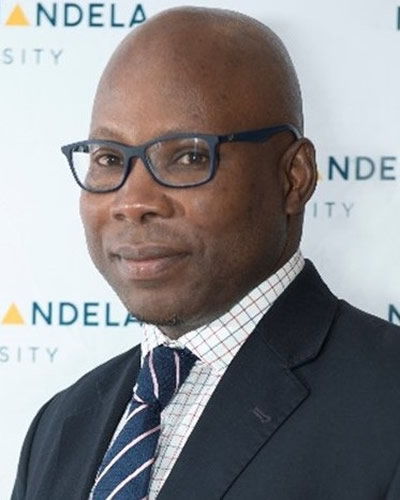
THE Student-centred Universities session of the 2nd Higher Education Conference culminated in a discussion during which Mr Luthando Jack, Dean of Students at Nelson Mandela University, was the first respondent. He believes that student centrism is about a partnership between students and the university.

Mr Jack hit hard at institutions perceiving themselves as super-working and effective systems to which students, parents, communities and everyone else connected to them must adapt.

“Therefore, I think cultivating a student-centred university ought to be juxtaposed against the belief or view that is held by many in society,” he said.

Touching on the point that Dr Chalufu had raised about the purpose of higher education, he said student-centredness cannot be insulated from the role of higher education in a society like South Africa, a continent like Africa, and a world so unequal. He said the pursuit for student-centredness “cannot be divorced from the purposes of higher education, particularly in a changing society.”

The Dean agreed with Professor Phakeng’s input which highlighted that the profiles of students admitted to universities today were different from those from the olden times. He said for the most part, universities’ systems, processes and orientation were not in sync with today’s student because the institutions still held on to the notion that said they were perfect, and that their users should adapt to their contexts.

“At the moment, we centre ourselves, our beliefs and our practices. Therefore, we serve ourselves as opposed to our students with their diversity – both from socio-economic and cultural perspectives, which, I think, is very important.”

He then postulated that student centrism was about a partnership between students and the university. He said it was about co-learning and the recognition of cultural assets. This was a reminder that students come to university with their own assets. These include their aspirational, social, familial and navigational capitals.

“Our education system has to recognise and affirm them as opposed to alienating them.”

He said, instead of disorientation, there ought to be continuity between the lives students live with their families and communities, and their lives in the university.

“So, a student-centric approach is about reorienting the university. This is about emancipating the university from itself and its dogmas. It is about unlearning these old ways of doing business which was informed by a particular paradigm.”

Dr W.P Wahl (left), Researcher and Director of Student Affairs at the University of the Free State, as the second Respondent, briefly outlined a study that USAf had commissioned to reshape institutional cultures. As Principal Researcher in this study titled Reshaping institutional cultures to create a student-centred higher education system in South Africa, Dr Wahl explained what milestones had been realised thus far.

He said as part of the conceptualisation framework, the research team had brainstormed and identified important factors to consider in reshaping institutional cultures.

That process had yielded the seven points listed below:

  • Understanding students — their socio-economic conditions.
  • Good understanding of the university staff
  • Understanding whether the institutional culture is open to transformational change.
  • Understanding the interweave between the institution and the socio-economic context — to have a more systemic ecological approach to student-centredness.
  • Understanding the responsibility of articulating the intellectual project of the institution within the context of global challenges, such as the Sustainable Development Goals; global warming, climate change and how those find root in the local context.
  • Impact of technology on staff and students in the development of digital learning and digital pedagogy.
  • The cruciality of human development and human capabilities approach and framework to activate agency of students.

Still as part of the project conceptualisation, the research team was also looking to define the concept of student-centred universities. From what they had gathered from the study respondents, it seemed student-centredness had lost its meaning.

“It was starting to move from teacher and teaching centredness to learning and learner centredness. That was the origin, but it is so overused that it has lost its meaning. In essence, it is all about designing learning pedagogies around students.”

He said the team had also identified five characteristics that relate to student centredness. The first one is moving from the rhetoric of knowing students to their realities. The second is responsiveness — to design institutional processes in a way that is responsive to the learning and developmental needs of students.

The third is reciprocity — that there should be co-creation, co-governance between students and institutions, which forms a critical part of student centredness in higher education. The fourth characteristic is outcomes in students, looking at graduates’ attributes as they leave institutions. This relates to their preparedness for the world of work. The fifth component is about community — creating a sense of belonging.

He said these attributes moved away from the consumerism, commercialisation and a market-driven approach to higher education. That said, he emphasised that student-centred did not equate to student-run universities. Dr Wahl also cautioned that there were limits to what universities could do to support students. “The university is not the state. It cannot take over the role of the state in supporting the social ills of society.”

In response to the inputs made earlier, Dr Wahl said the shift that Dr Chalufu had spoken about was visible, adding that even more significant was that the learning environment had moved beyond the campus boundaries. He said that societies, having become part of the learning environment, must be included in the conceptualisation of student-centredness.

He said the emphasis that Dr Chalufu had made on the role of Student Affairs and Services practitioners underscored that student centredness cuts across the institution. “It is not only academic in the classroom, and faculties, but all the different role players become critical components in creating and reshaping institutions to become student-centred.

“That touches a little bit on what I highlighted earlier, that student-centredness relates to the outcome of the educational experience. In other words, creating citizens, and preparing students so that they become leaders in society for the public good.”

Moving to Professor Phakeng, he said, “she brought in the human aspect of student centredness… sometimes it can become a clinical or an operational term. What we need to say here is that data-driven or evidence-based practices need to be part of this. We cannot work on anecdotal evidence, but we need to bring in evidence-based practice to understand who our students are, what their needs are, to be responsive to them.”

He referred to the sense of belonging that Professor Phakeng had hammered on. “When students come into environments where they do not feel they belong and they feel that certain stereotypes might apply to them, it has got a direct impact on their ability to perform, academically, and in other aspects,” he said.

In conclusion, Dr Wahl said the notion of belonging and the value of a student as a human being — bringing in the humanising pedagogy — were crucial.

Professor Pamela Dube (left), Deputy Vice-Chancellor of Student Development and Support at the University of the Western Cape, spoke on the importance of intentionality towards student-centred institutions.

She encouraged putting performance indicators in place, which would help institutions measure the effectiveness of their interventions regarding student engagements.

Proceeding to the point of understanding students, Professor Dube said there had to be a way that universities streamlined communication media. “We need to get better, for instance, at joined-up use of data, and using student data to create a single understanding and knowledge of the student circumstances so that we avoid situations where a student has to explain the same issue to several university offices. Be it in the academic, administrative or professional services spaces.”

Aside from the challenges, Professor Dube said in attempts to know and understand students, there were opportunities that institutions could look at, beyond lecture rooms. She said these moved away from help-seeking interaction or a deficit perspective.

“As we know, students possess multiplicities of talents and skills, which mostly are experienced in the co-curricular space of sports, cultural, political or religious activities,” she said.

“I know Dr Chalufu spoke a lot about the proximity of student affairs practitioners to students, which enables them to appreciate more than other role players in the universities, the students in their multidimensional identities. There are opportunities for us, also, who engage students in their faculty co-curricular spaces… on outreach projects, for instance, or faculty-linked student structures, clubs and societies, as well as in mentorship and coaching programmes.”

She said faculties would share and appreciate students in more dimensions than just the whole, singular knowledge exchange that tends to happen.

On initiatives beyond the classroom, she mentioned offering workplace skills, work skills programmes, and creating career development opportunities alongside their studies.

“It is these efforts that can have immediate and measurable impacts on students’ experiences. So too, would the promotion of career search and workplace preparation tools, and periodic review of systems, and upgrades of those systems which may be ineffective.”

Professor Dube said there was a need to build more information than currently available, on the impact of the many interventions and student support and development initiatives. She said these instruments were currently limited, both at a national and institutional level.

However, she said as much as they have talked about limitations concerning social inequalities, today’s students are armed with better and more information than previous generations. This is not only about access, but best performing universities and what they can offer them in terms of student experience — both in and out of the lecture room, and also, in terms of employability prospects.

As an example of prioritising student-centredness at universities, Professor Dube shared insights from a survey completed in the United Kingdom. It found that 59% of the vice-chancellors who had responded to the survey felt that maximising teaching excellence was a top strategic priority, while 79% prioritised student satisfaction over league table rankings.

“So, the shift towards more student-centric universities has been happening for some time but very slowly. There have been more debates on the concept than instances of genuinely actualising it beyond the quick fix concessions that some of us have experienced in times of student protest to buy peace.”

Moving on, she said while much has been said about inclusion and consideration of the diversity of students and their contexts, another factor was promoting student-led initiatives and having the participation of staff in the projects.

“Having students also lead dialogues around their lived experiences, for example, on university initiatives in addressing students’ digital and data needs, and how engaged the students are in terms of the academic plan, are all important voices that institutions need.”

“I know there have been very encouraging surveys. However, what we tend to focus on is the improvement, and not so much on the ones that continue to feel left behind,” she said, asking her audience to suggest solutions in this regard. “We talk a lot about pockets of excellence and what I call the ‘pockets of excellence syndrome‘. I think a reference to pockets of good practice that are dotted around the institution… is not acceptable anymore.

Wrapping up, Professor Dube said “We know universities are capable of remodelling themselves, at both strategic levels and in their day-to-day activities. They can incubate good ideas and make them mainstream across the whole institution.”

The writer, Nqobile Tembe, is a Communication Consultant contracted by Universities South Africa.
Ugandan kids lose hope in long school closure amid pandemic

0

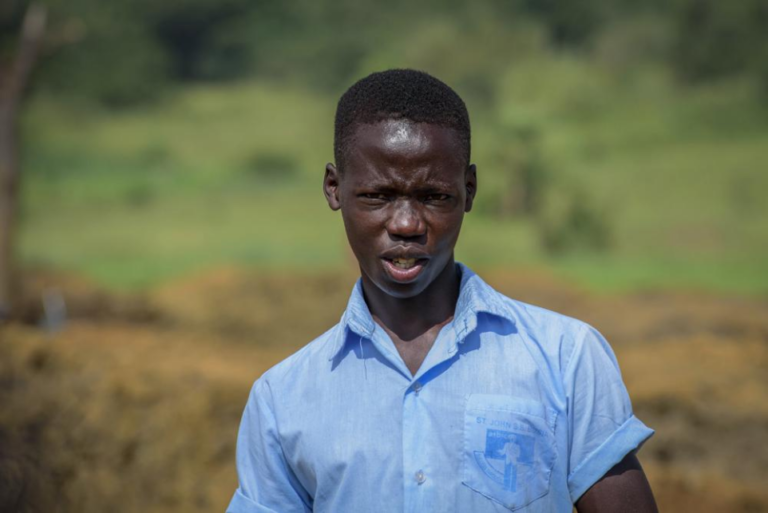
DRESSED in his school uniform, Mathias Okwako jumped into the mud and started his daily search for gold, a commodity that may be closer to his grasp than another precious asset: an education.

His rural school in Uganda sits idle just across the road from the swamp where he and scores of children now work as informal miners. Weeds grow in some classrooms, where window frames have been looted for firewood. Another school nearby is renting out rooms to tenants.

Uganda’s schools have been fully or partially shut for more than 77 weeks because of the coronavirus pandemic, the longest disruption anywhere in the world, according to figures from the U.N. cultural agency.

And unlike many parts of the globe, where lessons moved online, most public schools, which serve the vast majority of children in this East African country, were unable to offer virtual schooling.

In the void left, some students got married. Some are dealing with unwanted pregnancies. Others, like 17-year-old Okwako, found jobs.

The pandemic has manufactured “outcasts,” a lost generation of learners now “in a battle of how to fit in,” said Moses Mangeni, an official with the local government in Busia, where Okwako lives.

Efforts to control the spread of COVID-19 have disrupted the lives of children in every corner of the globe, squeezing their parents, complicating their care, and often removing their safety nets. Perhaps most crucially, it has thrown their schooling into chaos.

The result is the “biggest global education emergency of our time,” according to the aid group Save the Children, which last month identified 48 countries, including Uganda, whose school systems are at extreme or high risk of collapse. Most are in sub-Saharan Africa, a region long marked by high dropout rates and a shortage of qualified teachers.

Some other parts of the world that saw protracted closures also struggled to teach students. Mexico, where internet connectivity is low in many places, opted for educational programming via television. Ultimately, the pandemic was devastating for children in Mexico, which saw millions leave school as well as increases in child homicides, teen pregnancies and domestic violence.

In Iraq, remote learning was similarly “limited and unequal,” according to the World Bank.

Some wealthier countries fared better. In Kuwait, because most public schools weren’t equipped to go online when the virus first struck, all schooling was suspended for seven months in 2020. But then the oil-rich Gulf Arab sheikhdom poured $212 million into an e-learning platform, and all schools went online. The rollout is considered a success.

But in Uganda there is no success to speak of.

The country first shut down its schools in March 2020, shortly after the first coronavirus case was confirmed on the African continent. Some classes were reopened to students in February, but a total lockdown was imposed again in June as the country faced its first major surge. It is now the only country in Africa where schools remain closed — though President Yoweri Museveni announced last week that they would reopen in January.

That comes as virus cases have tapered off in recent months, with the country now recording an average of 70 new infections each day and a couple of deaths, according to Johns Hopkins University. So far, Uganda has fully vaccinated about 700,000 of its 44 million people.

First lady Janet Museveni, who is the country’s education minister, has rejected criticism that the government isn’t doing enough to teach kids. In a speech in October, she asked “why our children cannot be safe at home. What happened to the family?”

The problem, some Ugandans say, is that the government hasn’t found a successful way to keep up learning during lockdown. A suggested national program to broadcast lessons via free radio sets didn’t materialize, and in rural areas many children don’t have learning materials of any kind.

As elsewhere, schools typically also provide a refuge to vulnerable children: They may be fed there or receive their routine childhood vaccinations or have access to other services not easily available at home.

But in Uganda’s poorest homes, children are now often left to their own devices, without the private tutoring or Zoom lessons that wealthy families can afford.

In Busia, even before the pandemic, the sight of kids peddling goods in the streets wasn’t uncommon. Things have only become worse.

Many children who spoke to The Associated Press expressed hopelessness amid the protracted lockdown.

Okwako, who said he was wearing his school uniform while searching for gold because he had nothing else to put on, sought work out of boredom but regrets that the tiring days leave him little energy to study on his own.

“No time (for) reading books,” he said. “If you try to open a book, you just go asleep, and sleep up to tomorrow.”

At the informal gold mine, students toil alongside adults, including some of their teachers, under the scorching sun. Witnesses said the risks and frustrations of the precarious work have led to fistfights, and some children have broken limbs while digging.

A typical day can bring in just over $2, enough for a child to buy a pair of used shoes. Okwako is proud of the two pigs he bought with his earnings. Other children said they use the money help to look after their families, regularly buying salt or soap.

“We come here to make money,” said 16-year-old Annet Aita, whose job is to wash the sandy soil in which gold dust is trapped, using highly toxic mercury.

But work also provides a refuge from other dangers that stalk those not in school. Aita said she felt more fortunate than some friends who “got pregnancies at home.”

Teacher Francis Adungosi said he now works at the mine “from Monday to Monday” and warned that he will need a “refresher course” before going back to the classroom.

As for his students, “they are traumatized. Remember they are having a lot of challenges. Some of them are pregnant. Some have already got married. Handling those children is going to be so tasking.”

That’s for those who go back. Many say they won’t.

Some of the children now say, “we don’t recall what we read, so why should we go back?” said Gilbert Mugalanzi, of the group Somero Uganda, which carried out a survey in November to assess how the pandemic was affecting schoolchildren in parts of Busia.

At Okwako’s Mawero Primary School, teacher Emmy Odillo said he expects a small fraction of the 400 students to return next year.

Others have similarly low expectations.

Bosco Masaba, the director of studies at Busia Central Primary School, the private school nearby that has been converted into rentals, said he regularly sees some students in the streets selling tomatoes or eggs. He heard that some girls became domestic workers across the border in Kenya.

“Some, they have lost hope completely,” Masaba said.

  • * AP

Best Mathematics And Physical Science Learners Honoured By MEC for Education

0

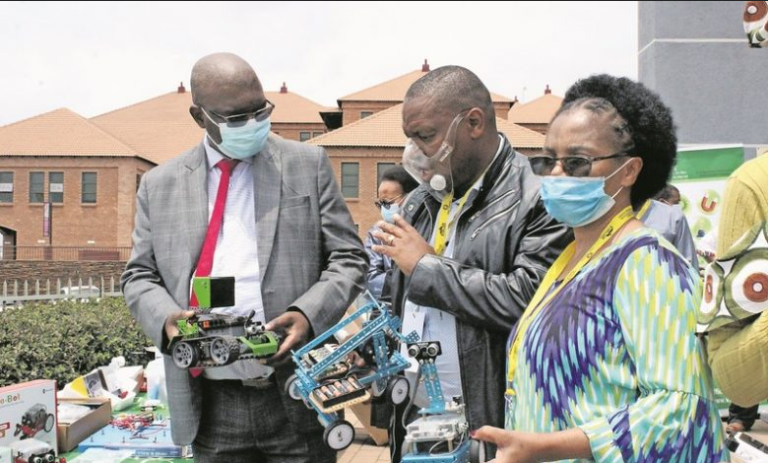
The MEC for Education, Bonakele Majuba visited the OR Tambo Mathematics, Science and Technology Academy to celebrate the establishment of the academy.

The commemoration happened on Wednesday, October 28 and it was also dedicated to paying homage to the late OR Tambo after whom the Academy was named and to present awards to the best mathematics and physical science Grade 6 and 9 learners.

This event took place at the backdrop of the birthday of the late liberation icon and MEC Majuba used this occasion to pay tribute to the late OR Tambo who was a physical science teacher and to provide an update relating to the implementation of the pilot program on teaching coding and robotics as well as increasing the number of technical schools within the province.

The occasion was graced by several dignitaries including representatives from the University of South Africa (UNISA); Department of Science and Innovation; Osizweni Science Centre; Penreach; Mondi Science Centre; Fybotech; SAASTA and Members of Senior Management.

“Mpumalanga has 40 technical schools in 32 circuits and has embarked on an endeavour to establish one technical school in each circuit. In this financial year, we will consider four circuits to introduce technical schools. We need to move with speed in the outer years to fulfil this objective,” said Majuba.

Science & Technology| Africa Fintech Foundry, Access Bank W Initiative empower women

AFRICA Fintech Foundry, in conjunction with Access Bank’s W initiative, has hosted the Second Women in Tech Fireside Chat.

Themed ‘Product design and commercialisation’, the event was aimed at fostering support for capacity building among women in tech as well as providing insights on the modalities required to move innovative tech products from design to market.

Head, Africa Fintech Foundry, Daniel Awe, said: “It has long been identified that Africa’s tech industry needs to undergo a major transformation in terms of inclusivity. To trigger this transformation, we identified that the females need to be adequately equipped to navigate the tech space. As a result, we launched the Women in Tech Fireside Chat to cater to this need. Already with the first edition, we have recorded an immense return on investment with women-led VCs showing interest in investing in our female founders.

“In this edition of the fireside chat, trail-blazing women in tech discussed the opportunities available to young women in the industry, with insights on tech touch points such as product design,  data management, cybersecurity, product management, and product development and commercialisation.’’

The Group Head, W Initiative, Access Bank, Abiodun Olubitan,  added that the event was designed to equip women with knowledge in STEM, IT education and digital literacy, to empower them to take up tech roles and begin to impact the African tech industry at large.

She said: “The Women in Tech Fireside Chat was aimed at equipping women to take advantage of this segment and others that have shown incredible promise to be relevant and lucrative not just for the present age but for the future. It will also give them access to role models in the tech industry. Hence, women looking to build careers in tech or those who are already on the path should take advantage of the opportunity that the fireside chat provides.”

  • The Nation

Sports Corner| ‘It was the best five years of my life!’ How sports programs are keeping disadvantaged teens at school

EIBLISH O’HARA

PARTICIPATION in specialist sport programs keeps teenagers from low socioeconomic backgrounds at school and boosts their maths grades. This is what I found in my PhD study.

Being engaged in learning can set people up for success in the rest of their life. This is why experts see it as one of the main goals of early adolescence.

Students tend to be engaged with school in the primary years, but their engagement decreases in secondary school. So educators are trying to find ways to help students maintain that early engagement.

My PhD research explored the influence of specialist sporting programs on the educational outcomes of students attending schools in low socioeconomic areas of Perth. Specifically, I was interested in how participation in these programs affected the students’ academic performance and level of school engagement.

What are specialist sports programs?

Students who participate in specialist sporting programs specialise in one sport in place of a range of elective subjects in years 7-10. Enrolment is open to all students, including those who live outside a school’s catchment area, and selection is generally based on:

  • a high level (or potentially high level) of sporting ability and coachability
  • a positive attitude toward sport and school (in primary school)
  • a good record of behaviour and attendance.

The selection criteria are a way for the school to clearly communicate their expectations from the very beginning. They are about encouraging the continuation of students’ positive behaviours into secondary school, rather than trying to solve the problem of disengagement down the track.

Specialist sport programs are available in a variety of forms across Australia (including South Australia, Western Australia and Queensland). Some take an elite pathway approach, while others focus on participation. They are increasingly being developed in both public and private schools.

On average, schools allocate around four hours of class time per week to specialist sports programs. In years 7-10 this time is split evenly between practical and theoretical work. In years 11 and 12 there is roughly a 70-30% practical-theoretical split.

Practical sessions focus on developing skills and students’ fitness levels. Theoretical sessions cover topics such as biomechanics and physiology, rules and tactics, and nutrition and sport psychology.

What my study showed

Broad claims are made regarding the positive influence of the programs. For example, Western Australia’s education department states specialist sport programs can:

develop character, teach technical skills and self-discipline, and nurture a love of sport […] and […] enable children to compete at the highest levels and develop their skills as athletes both on the field and in the classroom.

But there has previously been no research on these programs in Western Australian schools to support this assertion.

Only two studies have investigated the influence of specialist sports programs on students’ academic achievement. Both were conducted in the United Kingdom and examined final year students’ academic performance in the GCSE (General Certificate of Secondary Education).

Students attending specialist program schools had better scores than those attending non-specialist schools. The improvement in scores over time was greater at schools with a high percentage of students from low socioeconomic backgrounds.

Mine is the first study to examine the link between early adolescents’ academic achievement and engagement with school, and participation in specialist sports programs in Australia.

My study involved seven secondary schools and students in years 7-10, in low socioeconomic areas of Perth.

A total of 68 specialist sports students gave access to their school grades for each subject over the period of a year and 73 students completed a survey measuring their level of engagement with school.

I also interviewed 11 students and three parents, as well as five teachers and three graduates of the programs.

To analyse programs’ effects on student grades, I assigned each grade a number (A = 5, B = 4, C = 3) – essentially a better grade was assigned a higher number). I then compared the mean grade for each subject, each year. At the baseline measurement, the mean grade for maths was 3.08 (a C grade).

At the follow-up a year later it was 3.30. Although it was still a C grade, statistical analysis deemed this a significant improvement.

Mean grades in all other subjects – English, science, society and environment, and health and physical education – remained stable. Students’ level of engagement with school also remained stable over the period of a year.

What students said

Many students said the program was the reason they attended school each day, and the reason they applied effort to their education.

One male student said:

I didn’t want to come to [school] unless I got into the [program].

A parent said:

There are a lot of kids that the only reason they’re still at school is because of the program – it gives them a reason to go [to school].

Both male and female students felt participation in a specialist sports program positively influenced their engagement with school.

A female student said:

It’s fun […] it’s energetic and you just have a great time doing it.

And a male graduate told me:

It was the best five years of my life!

Only male students discussed specific aspects relating to engagement, such as attendance, behaviour and academic achievement. One said: “It made me think, it’s going to affect your appearance in the program […] it’s made me think harder in maths and like […] English and stuff like that so […] I moved up from a C to a B in English from thinking about the program, and if I didn’t think about the program, I would still have been on a C kind of thing.”

This is significant as previous research has revealed gender differences in school engagement levels with girls generally being more engaged than boys.

There are limitations

There were two main limitations to this study: the lack of a comparison group and the possibility of self-selection bias. Despite my best efforts to recruit both specialist and non-specialist students, not enough non-program students provided informed consent to conduct a valid statistical comparison.

All schools with a specialist sports program located in low socioeconomic areas of WA were invited to participate, but only seven agreed. So it is possible only schools in which the specialist sports teacher was proactive and proud of the program’s accomplishments agreed to be involved in the research.

That said, for the schools involved in the study, specialist sports programs provided students with a supportive learning environment.

It is important educators consider the students’ individual needs and interests in designing specialist sports programs. And they should be open to further developing other specialist programs — whether that be in other sports or other interest areas.

(Eibhlish O’Hara is the Research Associate, Edith Cowan University)

  • The Conversation

COVID-19: High case numbers in schools where not all pupils are vaccinated are ‘ideal conditions’ for new variant – government scientists

0

CURRENT high numbers of coronavirus cases in schools where only some teenagers have been vaccinated “provide the ideal conditions” for a new variant to emerge, government scientists have warned.

The Scientific Advisory Group for Emergencies says that “very high prevalence in schools combined with partly-vaccinated 12 to 16-year-olds in a highly mixing population” makes a vaccine-resistant mutation of the virus more likely.

In its latest paper, SAGE also claims England’s current R (reproduction) number – 1.1 to 1.3 – could go up as high as 1.9 to 2.3 if people make a “complete return to pre-pandemic behaviour”, according to their latest modelling.

https://flo.uri.sh/visualisation/2958848/embed?auto=1 They say that less frequent testing, home working and mask wearing, combined with more socialising indoors for Christmas could create the “perfect storm” for COVID-19 cases to rise even further this winter.

Politicians and health leaders are urging children to get tested before they return to school from half-term next week.

Education Secretary Nadhim Zahawi said: “As we start the countdown to Christmas, testing regularly and getting vaccinated is the best thing we can all do to protect education and make sure we can enjoy the best of the season – whether that’s the school nativity or the family gathering over the holidays.”

As previously, government advisers describe a potential vaccine-escaping variant as the UK’s “worst-case scenario”, which would “reverse the gains from vaccination over the last 10 months”.

But they say that if this does happen, face masks, widespread testing, social distancing and good ventilation in schools and workplaces are “likely” to prevent the variant spreading as quickly.

They also suggest that if a new variant arises overseas, tightening travel restrictions will only be effective at stopping it spreading to the UK if done quickly.

https://interactive.news.sky.com/2021/covid-19-coronavirus/cases-uk-infections-rate-map/index.html?auto=1 https://interactive.news.sky.com/2020/covid-19-coronavirus/uk-cases-avg/index.html They say pre-emptive border controls “could allow vital preparations”.

On Thursday, the government announced that all countries are being removed from the travel red list.

First Minister for Wales Mark Drakeford told a news briefing in Cardiff on Friday that the UK government’s decision was “regretful” and that SAGE is “almost certain” a new variant will emerge as a result.

Their latest report also supports the NHS’ calls for the government to introduce its Plan B – for preventing the health service becoming overwhelmed this winter.

Scientists say these measures “will reduce the spread of infection” but they are “unlikely to overcome a rapid increase [in cases]”.

Suggesting other ways to reduce current infection levels, SAGE says that notifying people who have come into contact with someone who has COVID up to five days before they test positive – instead of the current two – “would lead to a drop in infection”.

Asking people to isolate after a positive lateral flow test (LFT) instead of waiting for a confirmatory PCR test could also help, they add.

  • Sky News


OPINION| Why students don’t attend lectures: what we found at a South African university

0

CHRISTINE SWANEPOEL, DEREK YU and ROCHELLE BEUKES

OVER the last couple of decades, factors influencing the success of first-year university students have been comprehensively studied and researched. These studies focused on a wide range of factors including personal characteristics, school performance specifically Grade 12 (Matric) entry points and school subject choices.

The research also considered study characteristics like lecture attendance, tutorial attendance and study hours.

But one research gap remains – the causes of low lecture attendance.

Our recently published study looked at this. The study was conducted in 2019 among first-year microeconomics students at the University of the Western Cape. We examined the impact of students’ personal and school characteristics, the university’s environment, student attendance and the causes of not attending classes. We used a survey to capture reasons why students weren’t attending classes continuously over three weeks.

We found that lecture attendance was particularly lower in the afternoon and on Fridays. The main reason students gave for not attending classes was that they were busy studying for tests or completing assignments. Some students relied on PowerPoint slides (instead of using prescribed textbooks) to study, and some spent a lot of time travelling to campus because they used two or even three transport modes to get there. All these factors could have negative implications on students’ academic performances.

The research

A total of 672 students took part in our study. The majority were aged between 19-20 years in 2019. Most of the students were Black (56%) and Coloured (39%) – people of both European and African ancestry.

More than 60% of the students completed high school in Western Cape schools. Just over 82% of them did at least one commerce subject in school. These were accounting (71%), business studies (50%) and economics (30%).

A very high share of 94.72% did math (instead of maths literacy) in Matric. The high proportion of students enrolled in math is encouraging as it is more difficult than maths literacy. Doing maths instead of maths literacy helps students cope better with the highly quantitative subjects at tertiary level. The university also provides additional foundation modules, such as quantitative literacy, for commerce students who did maths literacy.

A concerning finding was that the majority of students only attended between one and four lectures during the three-week period. In particular, lecture attendance was significantly lower in the last period of the day (15:30-16:30) and on Fridays.

But tutorial attendance was high – two-thirds attended all four tutorials. Tutorials are additional academic support to students where they go through various in-class exercises to help them prepare better for the module tests and exams. The high tutorial attendance was expected, because students were required to submit assessments during the tutorial period. Tutorial attendance was thus “compulsory” as it gave students some merit to attend.

A very high portion of the students (89%) successfully qualified to write the final exam through achieving at least 40 marks in the continuous assessment mark. For those who wrote the final exam, the pass rate of the module was 75%.

Comparing lecture attendance with academic performance, the graph shows that higher attendance was associated with higher mean final mark and pass rate. In particular, students who attended at least five out of eight lectures, scored a 90% and above pass rate.

Students who claimed they missed at least one lecture were asked to give a reason. Almost all the top reasons were academically related:

  • Busy studying for tests (37%).
  • Lectures are not stimulating (28%).
  • Need to complete assignments (22%).
  • Online learning resources on the University of the Western Cape’s e-teaching (or iKamva) website are sufficient to cope with studies (21%).
  • Tutorials are great and can replace lectures (18%).
  • Unreliable mode of transport that was not on time (13%).

Students who reported they didn’t attend lectures because they thought tutorials could replace lectures scored significantly lower exam marks.

Conclusion and recommendations

First, we suggest the way students are taught be changed given some of them prefer examples to be done in tutorials rather than explanations or summaries of textbooks that come form lectures.

One option is to experiment moving away from the traditional lecture structure. As new digital technology is available and has now been more intensively adopted because of the COVID-19 pandemic, students will increasingly learn through flexible online learning. Teaching and learning will be a hybrid of face-to-face classes on campus and virtual learning.

Some students believe that online materials are replacements for the textbook. Yet when they study with just the online material they perform significantly worse. Given that some students come from poor households, a faculty or university-level textbook renting programme should be considered.

In January 2019, the National Student Financial Aid Scheme changed from paying specifically for textbooks and study materials to giving students a cash allowance. If this is to continue, a rent-a-textbook programme is better for students than large payments for the textbooks needed.

The findings support our call for more research on academic curiosity since the problem may not lie with content but student engagement with the material.

Given low attendance on Friday afternoons, there may be a need to adjust the timetable and even exclude certain slots. But given the limited slots available on the timetable, universities could consider spending specific days – for example Mondays to Wednesdays – for first-year teaching, so that students only need to spend transportation time and money for three days per week.

Finally, the fact that students said that they missed lectures because they were busy with assignments or test preparation implies that they’re unprepared for the shift from high school to university where the workload is heavier. This suggests that students don’t have the necessary time management skills and don’t realise how much work it’ll take to pass courses.

One way to deal with this is to introduce students to time management techniques during orientation. Universities can also encourage students to do online assessments instead of the traditional on-campus sit-down assessments which require more time.

  • * The Conversation

Uganda’s Museveni says schools to reopen in January

0

UGANDAN President Yoweri Museveni has said schools, shut since March 2020 owing to the coronavirus pandemic, will reopen early next year regardless of currently low vaccination uptake.

“Be informed that the schools will be opened in January and the rest of the economy will be opened in the same month,” Museveni said on Thursday.

“Vaccination is key to the reopening of the economy,” he said, even though fewer than three million jabs have been doled out for a population of roughly 45 million.

Ugandans have shown reluctance to get jabbed so far despite Museveni stating that “right now 4.7 million vaccines” are available with a further 23 million doses expected by the end of the year.

“By the end of December 2021, 12 million people should have been vaccinated,” forecast Museveni, including vulnerable people and health and education workers.

Museveni, who has been in power since 1986, urged Ugandans to “walk to the health centres or be carried there …  go by motorcycle taxi, go by bicycle or go by vehicle and be immunised”.

“Even if you don’t come out for vaccination, we will open the schools and the economy,” he said.

“If anything goes wrong, the moral responsibility is yours.”

Museveni last month lifted the bulk of COVID-19-related restrictions in the country, which has seen just more than 3,000 deaths from the virus, but he left schools shuttered.

Some students have taken up manual jobs to support their families through the pandemic.

“Sometimes you get little money like … 10,000 shillings ($2.80),” 17-year-old Mathias Okwako, who works at a gold mine in eastern Uganda, said.

Other students worry they may never catch up on the school work they have missed.

“Staying at home, sometimes you cannot even have the moral to read books. Sometimes you forget what they taught you in school,” Annet Aita, 16, said.

With their careers on hold, many teachers have also switched to other jobs to help provide for their families.

Some have said they do not intend to return to the classroom amid doubts they would be able to make a living with many schools heavily in debt. Several institutions have converted to hotels or restaurants.

Source: Al Jazeera and news agencies

Our children are facing a mental health crisis — we can and must address it today

0

SHAI FUXMAN

WHILE there is much to celebrate about the return of students and teachers to classrooms, the transition back is highlighting the extraordinary impact the pandemic has had — and continues to have — on students’ mental health.

Only a few months into what was meant to be the “back to normal” school year, many educators I’ve spoken with are saying this year is more challenging than the last two. Their students are anxious about making friends. Some need help grieving the loss of loved ones who passed. And some are having difficulties with basic behavioral skills, like sitting and staying at their desks. 

These social and emotional pressures are on top of 18 months of pandemic-strained learning or outright disruptions. If left unmet, the mental health needs caused by these pressures will mark this generation in yet another way and keep them from living up to their potential.

The realities of this transition back are among the many reasons why, when leading medical groups declare there is a youth mental health crisis, as they did last week, we must heed that call and take action now.

The good news is schools have access to hundreds of millions of dollars in new federal funding geared toward increasing mental health services in schools. Schools have already put some of these funds into action by hiring new mental health staff and purchasing out-of-the-box social and emotional programs.

The bad news is most of this funding will dry out at the start of the next school year when the federal fiscal year ends, and if not then, the following year. Schools will then face the difficult decision of choosing what mental health programs to keep and what to leave behind. How schools spend this mental health funding can make the difference between whether students are more likely to turn to substance misuse and drop out of school, or graduate and go on to succeed in college.

There is, however, a path forward to support students in this moment and beyond. Schools and educators must invest in long-term efforts that prioritize making mental health and social and emotional learning part of the fabric of public education. To do so, school districts should invest funds to develop data-driven, sustainable and cohesive systems of social-emotional and mental health supports that are integrated into academic instruction, classroom-based practices and school-wide policies.  

This approach is not just about addressing this one pressure point from the pandemic. This type of comprehensive effort factors in the reality that while the pandemic exacerbated the mental health needs among our nation’s students, it did not create them.

Even before social distancing and remote learning entered our lexicon and our communities, many of our students suffered from mental health challenges. Less than 10 years ago, the Centers for Disease Control and Prevention determined that one in five school-aged children were suffering from mental health challenges. Most of those students did not receive adequate mental health treatment, with great inequities in access to these services by race, ethnicity, and socioeconomic status.

We now have an extraordinary opportunity — and responsibility — to use these new funds wisely. There are three ways schools can invest available funds to best serve students:

Invest in teachers’ mental health by creating workplace structures and protocols that encourage staff to focus on self-care and relational care. Doing so will not only benefit teachers’ health and productivity but will enable them to model healthy habits to their students.

Support the mental health of all students now rather than waiting until students are struggling. Well-designed programs can help students develop resiliency and emotional management skills, as well as build healthy relationships.

Use mental health screening tools to identify early students who are struggling. Early detection and treatment improve positive outcomes.

Implementing these strategies as part of a cohesive program will go a long way in addressing students’ mental health needs exacerbated by the pandemic, as well as building the skills they will need to live healthy, prosperous and successful lives.

Doing this work takes time, leadership, resources and therefore money. The current availability of funds to do this critical work in education provides us with an opportunity we may not get again — but very much need — in years to come.  

NSFAS funding increased to R42 billion in 2021: Nzimande

0

DEPARTMENT of Higher Education and Training Minister, Dr Blade Nzimande, says the demand for student funding has increased due to the impact of COVID-19.

He told journalists on Thursday that the funding of university and Technical and Vocational Education and Training (TVET) college students through the National Student Financial Aid Scheme (NSFAS) went up by 107% from R20 billion in 2018 to R42 billion in 2021.

“As the government, it is our duty to make sure that all those with potential are not prohibited by the lack of funds and we are proud of what this new board has delivered,” he said.

The Minister was addressing the media on the launch of the NSFAS funding applications for the 2022 academic year, which will open on 2 November 2021.

In the 2020 academic year, the Minister said the third year of the implementation of fully-subsidised funding for students, those benefitting from the DHET Bursary Grant for university and TVET college scholars amounted to 751 858 students. Of these, 489 912 were university students, while 261 404 attended TVET colleges.   

In addition, those funded by other government departments, such as the Department of Basic Education Funza Lushaka Bursary Scheme, the National Skills Fund and Sector Education and Training Authority increased by 45.4% from 346 966 in 2018 to 504 366 in 2020.

The department’s data shows that the demographic profile in the same year comprised of Africans at 92.9%, Coloured at 4.2%, Indians at 0.7%, Whites at 0.9% and others at 1.4%.

The number of females who received NSFAS bursaries in 2020 increased by 30.6% from 360 344 in 2018 to 470 696 female students funded in 2020. 

“This is similar to the overall representation of female undergraduate students in the public university sector.”

In addition, Nzimande said the 2020 academic year saw 1 421 university students with disabilities compared to 1 921 students in the previous year, a decrease of 26%.

“This is a concern to me and I will give this focused attention.”

According to the Minister, students with disabilities fall within the maximum threshold of up to R600 000 of combined gross family income per annum.

In addition, the bursary also provides students with assistive devices such as wheelchairs, hearing aids and adapted laptops, and human support.

The Minister also noted that the NSFAS funding increased from R5.9 billion in 2014/15 to about R35 billion in 2020/21.

“As you know, additional funding was reprioritised to support a shortfall in 2021/22, the current financial year, taking the total NSFAS budget to approximately R42 billion,” he explained.

“This is a significant contribution by government to supporting access to higher education and success of students from poor and working-class backgrounds.”

The Minister said he was proud of the scheme’s achievement as studies show that NSFAS recipients perform on average at a higher level compared to the whole cohort of undergraduate students.

“This shows that the financial support interventions of government do have a positive effect.”

Task team

The Minister announced the appointment of a Ministerial Task Team (MTT) to look at student funding policy issues for the future.

The team will develop policy proposals for a long-term student financial aid policy that will zoom into the comprehensive student financial aid needs of the post-school system.

The TTM will also look into alternative funding sources to widen funding for missing middle and postgraduate students.

“Although government has increased funding exponentially for students in TVET colleges and universities, we remain concerned about categories of students who struggle to afford higher education and the growing levels of student debt.”