Home Blog Page 305

Department of Basic Education Opens Applications For 287 000 Education Assistant Posts

YOUNG and unemployed South Africans are urged to apply online for education assistant teaching posts which the Department of Basic Education (DBE) opened on Monday morning.

The department is hoping to provide employment and training opportunities to 287 000 unemployed young people as they need about 192 000 education assistants and about 95 000 general school assistants.

This is part of the Presidential Youth Employment Initiative and is known as the Basic Education Employment Initiative (BEEI), which forms part of the Presidential Employment Stimulus seeking to mitigate the devastating economic challenges brought about by the Covid-19 pandemic.

Department of Basic Education spokesperson Elijah Mhlanga said about 300 000 young people participated in the first phase.

“As in phase 1, there will be a strong emphasis on training participants, with a view to adding to their skills set, as well as setting them up for improved employment prospects. Young people recruited for phase 2 of the Basic Education Employment Initiative can expect to receive training in the following areas,” Mhlanga said.

“Phase II will focus on addressing the reduction of youth unemployment, as the data collected throughout the initiative has shown that most of the young people are unemployed graduates, who lack the relevant experience to propel them to employment.”

“Phase II will also provide experiential learning, whilst ensuring that those who studied education or are interested in education as a field of study, will be directed to paths that will lead them back to the sector.”

Applications for this phase two employment initiative are expected to close on October 3 and no walk-in will be allowed in schools due to Covid-19 restrictions.

Mhlanga said the youth must be between the ages of 18 and 35, who are currently neither in education or training, receiving any form of government grant.

Young people with disabilities and women are eligible and encouraged to apply for this experience.

Posts that will be made available include education assistant for curriculum education, general school assistant for child & youth care worker and general school assistant for sports and enrichment agent no matric is required.

Candidates who are selected for placement, will have an opportunity to receive training on various skills that will equip them for future employment opportunities.

All successful candidates will be placed in schools for 5 months, from November 1 until March next year.

To apply for placement, visit sayouth.mobi to create a profile and submit the application.

Updates on the initiative can also be found on Facebook: Basic Education Employment Initiative https://www.facebook.com/phase2beei

  • * Inside Education

UCT online high school announces Yandiswa Xhakaza as director and principal

IN July this year, the University of Cape Town (UCT) launched an online high school, and in doing so became the first university on the African continent to extend its expertise and impact to the secondary schooling market through an innovative online modality.

Bolstering the launch announcement, the University of Cape Town has confirmed the placement of its UCT Online High School director and principal, Yandiswa Xhakaza, an avid educationalist.

Xhakaza brings a wealth of knowledge, having started and operated a school in Centurion in 2017. She is a prolific leader and comes from leading a national literacy organisation, the Nal’ibali Trust, where she served as CEO.

 She holds a bachelor of education degree (Wits University), a postgraduate diploma in management (Wits University) and a master of business administration (University of Pretoria). Her operational skills and large-scale implementation capabilities are both going to be resourceful in her new role as UCT Online High School Director and Principal.

Xhakaza believes that UCT Online High School is exactly what this country needs, offering high-quality education at scale. She explains: “Online education in our context will always come with its own fair share of challenges as a developing country.

“The digital divide is significant and we have to work around the digital barriers such as poor network coverage, data costs, access to devices and computer literacy to mention a few. This is exactly the type of challenge I am excited about, because when we get this right, it will be a massive win for all of us.”

Xhakaza begins her tenure as the director and principal of the UCT Online High School from November 2021 ahead of its first official cohort, cementing her role as its leader from an early onset.

‘”I am delighted to be joining the UCT Online High School team pioneering such amazing work and I look forward to breaking barriers and working towards the accomplishment of something so deeply personal to me, a course I have been preparing my whole life to chart forth.”

UCT vice chancellor professor Mamokgethi Phakeng welcomed the appointment saying: “Yandiswa embodies what we as an institution stand for: building an inclusive society using the knowledge and resources that we possess. With her leading us on this journey we will be building a more equitable and sustainable social order and influencing our young people from an early age to prepare them for the demands of higher education and society.”

Adding support in her career move, acting chairperson of the Nal’ibali Trust, Kay Lala-Sides, says: “We know that Yandiswa has a real passion for making high-quality education accessible to all South Africans. It is that passion that led her to Nal’ibali and it is the same passion that draws her to UCT’s Online High School. We wish her well as she takes these experiences with her into her new role and look forward to opportunities to collaborate in the future.”

Baby Soft partners with Water Aid to change the lives of school children in rural communities

SOUTH African communities have continued to struggle in their quest to access clean and readily available water as well as safe and secure sanitation infrastructure. Schools, in particular, are a serious source of concern with many of them around the country lacking clean water and decent toilets consequently affecting students and their ability to maintain hygiene standards.

This situation is even more dire in the face of the current Covid-19 pandemic which demands very high hygienic standards to prevent its rapid spread.

What are the current statistics regarding access to water and sanitation facilities?

  • According to the Department of Water, 3 million households in South Africa do not have access to reliable drinking water; and 14.1 million people do not have access to safe sanitation.
  • A study by the Limpopo Department of Basic Education has found that 80% of schools in Limpopo were still using basic pit toilets which are unhygienic and unsafe, with no access to water or facilities that cater to those with disabilities or girls during menstruation.
  • The report also showed that 35% of schools had toilets that were in such poor condition that they needed to be replaced, and 37% of toilets across schools were pit toilets and insufficient for the number of pupils.
  • 4% of households in rural communities reported that there was no water to wash their hands after using the toilet.
  • The Department of Water and Sanitation also reported that washing hands and having access to facilities was lowest in Limpopo (57, 8% and 35, 9% respectively) as compared to other provinces such as Western Cape (96, 3% and 83, 9% respectively).

What are the implications of lack of clean water and decent sanitation facilities?

  • A lack of clean water, decent toilets, and good hygiene in schools increases the risk of water-borne diseases such as cholera, diarrhoea, typhoid and other recurrent sicknesses. This leads to poor health for students and their families – resulting in children missing out on school.
  • The lack of clean water and decent toilets serves as the perfect environment for COVID-19 to thrive, which puts pressure on our health services.

What interventions have been put in place?

In order to mitigate the impact of a lack of clean water and provide solutions to the increasingly urgent need for schools to have these basic human needs for learning and development, Baby Soft® is working together with Water Aid through the Toilets Change Lives initiative. This partnership is focused on providing clean water, decent toilets, and good hygiene facilities to ten schools in Limpopo province, South Africa.

The goal is to transform the lives of school children in the Vhembe district of the Limpopo province, South Africa. Key achievements so far include:

  • Increased access to clean water through the rehabilitation and construction of 19 stand pipes and increased water storage capacity in 5 schools reaching 1,200 pupils and 42 teachers.
  • Increased access to decent toilets through the construction and rehabilitation of 4 toilet blocks in 4 schools, all with female and disability friendly amenities reaching 880 pupils.
  • Increased hygiene standards through the installation of 22 concrete handwashing facilities across 5 schools for both girls and boys reaching a total of 1,200 pupils highlighting good hygiene and handwashing practices in schools.

How can you get involved?

To contribute to this initiative, you can look out for the specially marked pack of Baby Soft® Toilet Paper 18’s in your retail store and help build toilets for school children. R4 from the sale of each pack will be donated to WaterAid. The project aims to build toilets for school children in districts that need it most across South Africa.

In the next three years, Baby Soft and WaterAid will build toilets and improve sanitation access for 8,574 pupils and teachers in 10 schools and over 17,000 people in the surrounding community.

To find out more, visit www.wateraid.org

  • Lowvelder

Schoolchildren worldwide have lost 1.8 trillion hours and counting of in-person learning due to COVID-19 lockdowns, says UNICEF

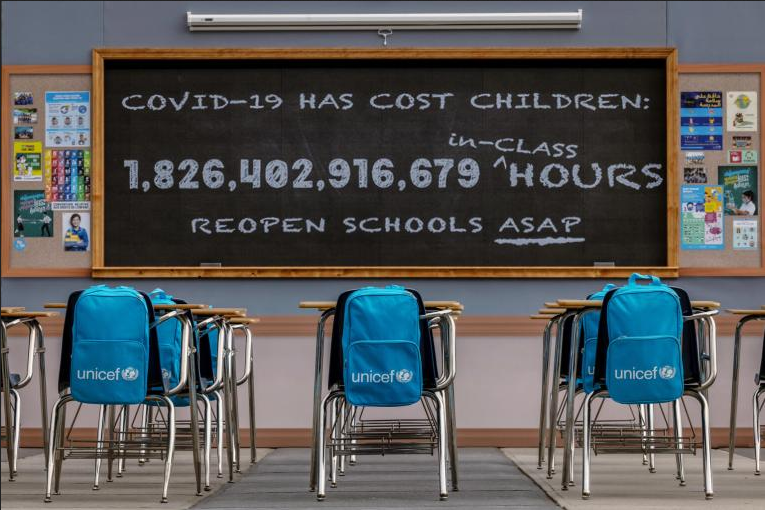
SCHOOLCHILDREN around the world have lost an estimated 1.8 trillion hours – and counting – of in-person learning since the onset of the COVID-19 pandemic and subsequent lockdowns. As a result, young learners have been cut off from their education and the other vital benefits schools provide.

To call attention to this education crisis, UNICEF today unveiled ‘No Time to Lose’ at United Nations Headquarters in New York.

The centrepiece of the installation is a clock, modelled to look like the blackboard of an empty classroom, situated at the UN Visitors’ Plaza in front of the General Assembly Building.

The clock is a real-time counter, displaying the growing cumulative number of in-person learning hours every schoolchild in the world has lost and continues to lose since the pandemic’s onset. The empty classroom consists of 18 desks, one for every month of the pandemic-caused education disruptions.

The installation is being created ahead of the opening of the General Debate of the 76th session of the United Nations General Assembly (UNGA), a period when some leaders will take the opportunity to return to United Nations headquarters in person for the first time since the onset of the pandemic.

“Next week, the United Nations will open its doors to delegations from around the world. But in many countries, the doors of schools will remain closed to children and young people,” said United Nations Secretary-General António Guterres.

“We are short-changing an entire generation whose minds and futures hang in the balance. We must prioritize the reopening of schools and support those who have lost out during the pandemic. There is no time to lose.”

This year, the General Debate and associated annual meetings will take place in a hybrid format, with many events taking place virtually.

The installation, open to delegations which will have elected to attend General Assembly meetings in-person, is a stark reminder that millions of schoolchildren remain locked out of their schools and a call for leaders to act urgently on this education crisis.

The installation will be up from 17 September to 27 September with the conclusion of UNGA.*

Globally, around 131 million schoolchildren in 11 countries have missed three-quarters of their in-person learning from March 2020 to September 2021. Among them, 59 per cent – or nearly 77 million – have missed almost all in-person instruction time.

Around 27 per cent of countries continue to have schools fully or partially closed. Additionally, according to UNESCO’s latest data, more than 870 million students at all levels are currently facing disruptions to their education.

UNICEF urges governments, local authorities, and school administrations to reopen schools as soon as possible and take all possible steps to mitigate against transmission of the virus in schools, such as:  

  • Implementing mask policies for students and staff that are in accordance with national and local guidelines;
  • Providing handwashing facilities and/or hand sanitiser;
  • Frequently cleaning surfaces and shared objects;
  • Ensuring adequate and appropriate ventilation;
  • Cohorting (keeping students and teachers in small groups that do not mix); staggering start, break, bathroom, meals and end time; and alternating physical presence;
  • Establishing information sharing mechanisms with parents, students and teachers;
  • While not a prerequisite to reopen schools, teachers should be prioritised to receive the COVID-19 vaccine, after frontline health workers and those most at risk, to protect them from community transmission.

Additionally, UNESCO, UNICEF, UNHCR, WFP and the World Bank previously issued the Framework for School Reopening to provide practical and flexible advice for national and local governments and aid their efforts to return students to in-person learning.

“Every hour a child spends in the classroom is precious – an opportunity to expand their horizons and maximize their potential. And with each passing moment, countless amounts of opportunity are lost,” said Henrietta Fore, UNICEF Executive Director.

“1.8 trillion hours – and counting – is an unfathomable amount of time. Equally unfathomable is setting priorities around mitigating the impacts of COVID that do not put our children’s future first. We can and must reopen schools as soon as possible. The clock is ticking.”

  • * Unicef news

SA’s space economy to become Africa’s satellite powerhouse

SOUTH Africa’s multibillion-rand space economy has the potential to help rescue the country’s ailing economy by promoting sustained socio-economic growth, while addressing government’s many priorities.

This was the key message echoed by experts in a recent panel discussion, titled: “Maximising innovation and growth of the space economy for South Africa”, organised by Brand South Africa, in collaboration with the South African National Space Agency (SANSA) and Department of Science and Innovation.

As SA finds itself in a precarious economic situation, exacerbated by the impact of COVID-19, the country’s space economy is seen as a hot spot to strengthen the economic reconstruction and recovery pathways.

The panellists noted that promoting the use of space-related initiatives as an enabler of development will assist government, the private sector and society, not only from an innovation perspective, but also in helping to unlock economic opportunities.

He noted it is the only country on the continent that has the engineering capability for full design and manufacturing of satellite communication technologies, while most countries on the continent rely on procuring these products and services from foreign partners.

SA has the biggest and most advanced ground segment of a spacecraft system on the African continent, with about 70 different antennas on the ground station, and houses the only space weather centre in Africa.

Founded in 2020, SANSA was created to promote the use of space, and strengthen co-operation in space-related activities, while fostering research and development in science and technology, aeronautics and across the country’s aerospace sectors.

SA is becoming increasingly reliant on satellite infrastructure, using it for navigation, communications, data analytics and weather prediction, among other functions.

Munsami said SANSA and its ecosystem of partners have been delivering on an array of government’s national priorities relating to development in three key areas: environment and resource management; health, safety and security; and innovation and economic growth.

“There is a lot of positive momentum created around re-shaping SA’s space economy. We are seeing a significant growth trajectory in terms of the project pipelines that are coming through from the space economy – two years ago, we were looking at about R150 million of revenue coming into the system, currently we are sitting on a revenue stream of about R350 million.

“We are trying to drive the growth as strongly as possible, and if we push forward over the next two years, that revenue stream will be approximately R18 billion.

“Our mission as an agency is to provide leadership; it’s not about implementing all the projects in-house, but rather re-confirming our commitment towards stimulating the space ecosystem and unlocking that potential.”

According to Munsami, the space economy consists of thematic programmes segmented into four compartments: earth observation, navigation, communication products and services, and space science and exploration.

He provided an outline of some of the projects SANSA and its partners are working on:

  • SANSA is acquiring new space infrastructure worth about R 4.5 billion, to generate growth and stimulate the ecosystem.
  • Building a telecommunication satellite that forms part of the National Telecommunications Strategy, which will be approved by government this year.
  • Building a computer lab in partnership with the European Space Agency, to allow SA to design satellites within a month or two, as opposed to the traditional way that takes up to 12 months.
  • SANSA is exploring various ways of hosting teleports – using thousands of satellites to provide internet connectivity to citizens from space.
  • SANSA is working on a deep space network that will allow the agency to track all the Luna and Mars missions, and also support global missions from foreign agencies, such as the National Aeronautics and Space Administration, European Space Agency and Japan Aerospace Exploration Agency.

“In April 2020, SANSA introduced a new strategy, outlining a vision which is about integrating SA’s national space capability, looking at it more from an ecosystem point of view and moving into providing services for Africa,” Munsami continued.

“SANSA’s strategy priority areas intersect with government’s nine policy instruments; therefore, in order to address government’s priorities, we actually need space, science and technology to deliver on its mandate.”

Also speaking during the webinar, Fikiswa Majola, deputy director of space systems at the Department of Science and Innovation, pointed out the local space ecosystem is poised to help SA unlock its economic growth potential and will cement its footprint in the global space landscape.

As the department responsible for creating a conducive environment for research and development in the science, technology and innovation field, the space sector remains a high priority, as part of its goal to achieve a transformed, responsive and coherent national system, she noted.

“We are looking at competitive sectors that will contribute to higher GDP growth in SA, and the space sector is definitely one of them. A space economy report conducted by a global organisation shows there are high returns on space economy investments across the globe. Considering the funding opportunities available in SA, you can imagine how much growth that could bring into the economy.

“We foresee even more growth and return on investment. But we must acknowledge the returns are not always in monetary form, but take several forms, including efficiency gains, cost savings, cost avoidance – and many of these are within government service delivery domains such as defence, transport, climate change monitoring, etc,” asserted Majola.

In addition to funding and supporting space-related infrastructure programmes, the DSI is looking at various policies and directives to boost the sector, taking into account the capital-intensive nature of the space industry, but also being aware of the high returns, she added.

  • * ITWEB

Classroom Corner| How do you know if you’re ready for school leadership?

JULIE SMITH|

I NEVER aspired to be part of a school leadership team. My passion is first and foremost for comprehensive education – in the power of education to promote social justice, and in sharing my love of literature with the students I teach.

So, why did I decide my next step in my career would be into senior leadership? All senior leaders will have their own diverse stories to tell: my own journey from classroom teacher to a member of a school leadership team was not a typical one, and, unlike more ambitious senior leaders, I definitely didn’t follow any sort of predetermined strategy.

After years as a part-time English teacher, I felt ready for a different challenge. I began studying for a master’s in education, looking specifically at lesson observations and alternative methods of teacher-centred professional development. I had the opportunity to use the findings of this research in my school, giving me experience of whole-school leadership and what it’s like to have a positive impact on school culture. 

I went on to study for a professional doctorate, which enhanced my passion for creating a culture of critical self-reflective practice in schools, and solidified the importance to me of recognising and celebrating teachers’ professional expertise.

Teachers stepping up into school leadership

An opportunity arose to take up a position on the school’s leadership team, and I knew that the time was finally right for me to lead at a whole-school level. But how did I know after so many years in the classroom?

1. Personal circumstances

Senior leadership is incredibly fulfilling, but highly pressured, and I wouldn’t be enjoying it in the way that I am if I had too many other demands on my time. If my circumstances were different, I would have considered alternative leadership opportunities to explore. 

Leadership comes in many different forms: one of the best forms of CPD I undertook before taking up my senior leadership role was as a school governor. This role gave me real perspectives and insights into how the school was run, particularly into aspects of management that I had been less aware of previously.

2. Experience

Everyone will have different opinions on the number of years of experience you need in the classroom before applying for senior leadership roles. Now that I have taken up the challenge of senior leadership, I can see that my years of experience in the classroom and the fact that I have “earned my stripes” means I have a deep understanding of the uniqueness of my school, as well as of the community it services. 

I’ve also found my experience invaluable to draw on in managing the uncertainty and undeniable chaos created by the consequences of teaching during the pandemic. One advantage I had to help me navigate the turmoil was my career history as a long-serving member of the school’s teaching community.

3. Recognition of the importance of personal qualities

School leaders need to be engaged in constant change management, which, of course, requires support and collaboration from staff and the wider school community. I choose to lead with a high degree of trust in my staff, and find that ensuring issues are addressed collectively as they arise, and with clearly communicated strategic objectives, is what works best. I’m not really sure about the efficacy of emulating the individual traits of leadership described on school leadership courses. To me, the reality of school leadership is more nuanced and less reductive. 

4. Being part of the right leadership team

My passion is for teaching and learning, the role I have on the team. The others around me all have their own strengths, and are motivated by the same purpose: to drive school improvement while supporting the school’s staff, students and each other. We have a shared vision, and work collaboratively but with a clear view of our individual responsibilities. We are also comfortable with asking each other challenging questions, and are resilient and optimistic in the pursuit of our goals.

5. Remain reflective and flexible

I know I still have an incredible amount to learn. Despite my classroom experience, I am new to school leadership and every day I continue to develop my domain-specific knowledge. One of the main lessons I have learned about school leadership is that, from the perspective of teaching staff, most of the work of the leadership team is invisible. And quite rightly – one of the key roles of leadership is to protect classroom teachers, leaving them free to do their daily work of impacting on the lives of their students.

You will know you are ready for leadership when you acknowledge that there are challenges still to face. At the moment, the narrative of lost learning looms large and threatens to undermine the tenacity and perseverance shown by many of our students. For the students who do need extra support, the promise of financial remuneration seems to be fading, and schools will find it even harder to help their most disadvantaged students. However, a focus on classroom culture and prioritising staff wellbeing by giving teachers opportunities to hone their craft will allow our communities to thrive, not only now but well beyond the pandemic.

Dr Julie Smith is the vice-principal academic at Wyedean School in Gloucestershire.

Kwazulu-Natal Cricket Union: Dolphins School Of Excellence Kicks Off

0

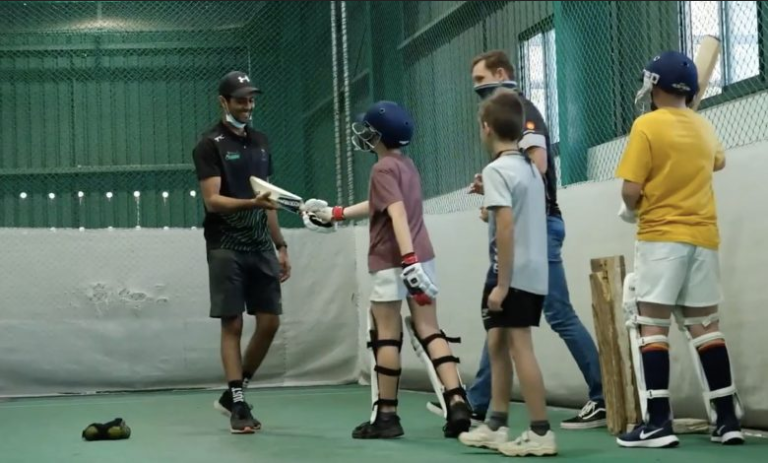
THE KwaZulu-Natal Cricket Union has launched its ground-breaking Dolphins School of Excellence (DSE) programme, designed to enhance collaboration between all youth cricket stakeholders as a crucial step in creating a sustainable pipeline to the Hollywoodbets Dolphins Men’s and Women’s teams for the future.

“The formal KZNCU structures continues to operate well under the guidance of Cricket South Africa. The DSE will be an additional platform that will add value to the formal pipeline through the support of our incredible KZN community and partners.” CEO of KZN Cricket Heinrich Strydom said.

The DSE will aim to provide additional opportunities to ensure that the culture of excellence known as the Dolphins Way is embedded throughout the pipeline. It will cater for all players under the age of 18 who want to take their game to the next level. The DSE aims to link the KZN cricket ecosystem and therefore various opportunities will also be extended to up-and-coming coaches, umpires, scorers, ground staff, cricket administrators and private academies.

Players and officials will get the opportunity to be part of the Dolphins brand, experience what is to play and train at the iconic Hollywoodbets Kingsmead and get the opportunity to interact with the current men and women representing KZN at the highest level.

Registration is free of charge and will include some basic opportunities without any costs involved. There are also various packages for players to choose from as well as different ways for partners to get involved. Strydom is particularly excited about the enhancement of the pipeline, whilst levelling the playing fields for all that want to be part of the beautiful game.

For more information visit www.dolphinscricket.co.za.

EFF Rejects ConCourt’s Decision To Reinstate The Afrikaans Language At Unisa

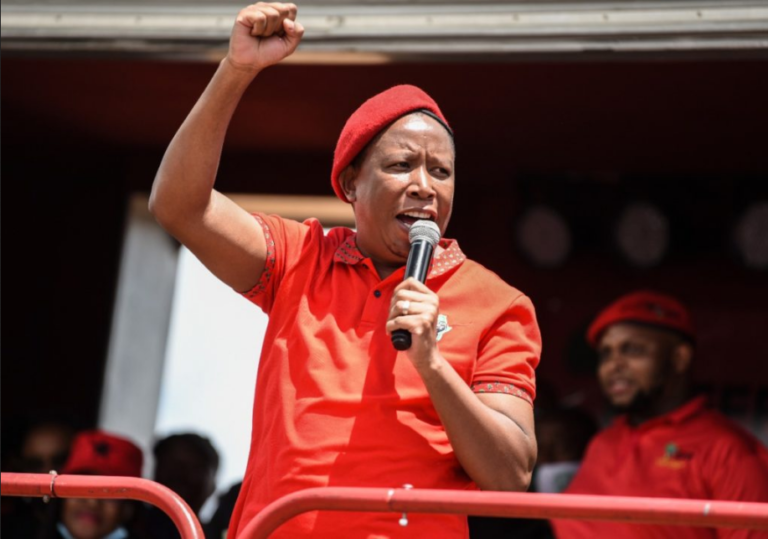
JULIUS Malema’s EFF has rejected the Constitutional Court’s decision to reinstate the Afrikaans language as learning and teaching medium at the University of South Africa (Unisa).

In a statement on Friday night, the EFF said it was not impressed by the Constitutional Court decision that Afrikaans should be reinstated at Unisa by 2023 after AfriForum successfully argued for its return.

The EFF said the court ignored the nexus between race and language in the context of South Africa’s history.

“The selective choice of Afrikaans as a superior language perpetuates superiority over indigenous languages, and is an insult to the standing of Africans and their heritage of rich languages,” the EFF said.

“In the grace period to 2023 determined by the court, we call on Unisa to retrace its steps correctly and with lawful and procedural precision, do away with the 1976 language of national oppression, racial segregation, exclusion and supremacy.”

The red berets said that if the Afrikaans language was reinstated at Unisa, then the university must use African languages as a medium of instruction, including Swahili.

The Concourt gave Unisa time until the beginning of the 2023 academic year to revise its language policy, which abolished teaching and learning in Afrikaans.

The Concourt upheld a ruling by the Supreme Court of Appeal (SCA) last year following a dispute between Unisa and the AfriForum lobby group.

The university changed its language policy in 2016, abolishing Afrikaans as a dual teaching and learning medium.

AfriForum then reversed the university’s decision and resumed Afrikaans.

AfriForum said that it would continue to monitor Unisa’s language policy to ensure that it complied with a Constitutional Court judgment.

The legal team representing UNISA says even though the Constitutional Court ruled against their client, the university has every intention of complying with the judgment delivered during the week.

According to Alana Bailey, AfriForum’s Head of Cultural Affairs, this judgment which followed after legal processes spanning more than five years, is of great importance to all Afrikaans-speaking students in the country, but also for the future of Afrikaans as a high-function language.

“This marks the beginning of a new chapter in the empowerment of all who are not first language speakers of English in tertiary education. It is fair to say that private educational institutions have freedom to offer education in any language of their choice, but to be used as the language of instruction at a tertiary institution is of great importance for the survival and continuous development of a language,” said Bailey.

“Therefore, when any language is phased out at an institution, the decision has huge ramifications and the decision cannot be readily accepted. The court today confirmed this point with the ruling and confirmed the right to access to Afrikaans mother-language education at both public and private institutions for students of all income groups.”

  • * Inside Education

Rewarding Academic Achievement In Schools Creates Barriers: A South African Perspective

MOST South African parents and learners are familiar with the school practice of rewarding learners for academic achievement visibly, tangibly and publicly. Schools tend to reward in ways that are both traditional and unique. Some rewards can be seen on the learners’ school uniform – like a special kind of tie or blazer.

Other common forms are pins worn on the lapel bearing words such as “Mathematics” or “English”. These serve as a daily reminder of a learner’s achievement, lasting well beyond the ceremony in which they were presented.

Schools assert that reward programmes recognise hard work and scholastic achievements and that they motivate learners to achieve. One might be inclined to believe there’s no harm in this practice, given that the underlying intention is to motivate and recognise learners.

But it’s not as simple as one might think. Rewarding learners for academic achievement can be problematic on many levels. Who decides who gets rewarded? What achievements are considered valuable and worthy? Do the achievements of some matter more than others? Who decides the criteria for awards? Is every child not worthy of recognition?

In South Africa, rewards need to be considered in the context of inclusive education. Inclusive education is concerned with the learning and achievement of all learners in the classroom regardless of background, socio-economic status and (dis)ability.

This can be achieved through collaboration between learners in the classroom, addressing social injustices by providing access to all learners, promoting democracy over a hierarchy and upholding the rights of all learners. The constitution clearly states that everyone has the right to basic education, and this encompasses all children regardless of their abilities.

My PhD research explored the ways in which visibly rewarding learners for academic achievement is consistent with the aims and ideals of inclusive education.

I looked at the impact of visible rewards on all learners to assess whether they served as a barrier to the participation and achievement of some.

I found that the current rewards system was inconsistent with the aims of inclusive education. Schools should revisit the ways in which learners are encouraged to achieve.

A total of 141 participants at two high schools in Gauteng province were involved. First I surveyed learners’ parents and then I interviewed teachers, school management and the grade 11 learners themselves. In this grade they tend to be 17 years old.

Of the 104 learners who completed surveys, 66% were award-winners. I found that they overwhelmingly felt that their award-winning status had an effect on their identity.

Who they were and how teachers treated them depended on the awards they won.

Many learners felt that their hard work and talents went unrecognised, as the criteria for being visibly rewarded were narrow, and didn’t take into account a broad range of talents.

Learners also felt that creativity was overlooked in awards, which were mostly based on results from tests and exams. Some learners found it difficult to work towards awards, and became demotivated. Some expressed their desire for a social life, like spending time with their friends, instead of spending every weekend studying for a possible reward.

The study found a disparity between the competitive environment present in these schools and the ideal of inclusive education. Visible rewards perpetuate exclusionary beliefs and attitudes, acting as a barrier to inclusive education. Ideally, learners should not be working for a reward, but because they enjoy learning. Then the schooling system would be creating lifelong learners.

These findings are important because South African schools are working within a context that is premised on correcting the mistakes from a historically disgraceful past where schools separated learners based on race.

Helping all children learn and achieve to their full potential means fostering a school environment that’s built on collaboration and the sharing of ideas.

Learners need opportunities to work together to achieve educational outcomes, with clear emphasis on the success of all learners, versus the success of a few.

Competitiveness pits one learner against another in a zero sum game. For a learner to be the best, and to win awards for that outstanding achievement, his or her peers must lose. This kind of expense is far too great to ignore in a country fraught with inequalities.

Highlighting the sterling achievements of a few learners privileges some over others, whether intentionally or not. This hierarchical structure found in schools has implications for learners who seek opportunities post-school as well.

During the focus group interview of my study, learners described university scouts who came to school and immediately focused on those learners who wore pins on their clothing indicating their award status. The rest of the learners were ignored.

In the words of one grade 11 learner:

“Children who are smart are shown to be better than everyone else, and the learners who try and work hard to achieve their best are shunned.”

Many countries in the European Union, such as Germany, Sweden and Finland, have no award systems for recognising learner achievements.

Yet schools in these countries produce excellence in academic achievement. In addition, alternative schooling models such as Montessori, Waldorf and Reggio Emilia don’t support the competitive schooling style and the success of these methods is well-documented. These so-called alternative methods of teaching and learning focus on self-regulation, self-motivation and life-long learning.

To make education inclusive and to make schools conducive to the learning of all children, rewards systems must be questioned. 

(Shakira Akabor, Postdoctoral Research Fellow , University of South Africa)

  • The Conversation

Gauteng Department Of Education Charges Three Senior Officials Over R413m Schools Decontamination Scandal

THREE Gauteng Department of Education officials are facing a disciplinary hearing following a report by the Special Investigating Unit into the awarding tenders worth R431 million. 

The department has charged three senior managers over the use of funds for the decontamination and cleaning of schools in the province.

The charges were served as part of a process to implement recommendations received from the Special Investigating Unit (SIU).

The tender was meant to pay for sanitisation, decontamination, and deep cleaning of schools in Gauteng.

The senior officials fingered are Head of Supply Chain, Chief Director for Infrastructure Development, and Acting Director for Auxiliary Services.

The department’s spokesperson Steve Mabona said the hearings will start on 5 October.

Mabona said as investigations continue, there is possibility of more people being charged.

“It has been recommended that the Head of Supply Chain, Chief Director for Infrastructure Development, and Acting Director for Auxiliary Services be charged in accordance to the findings in the investigation report,” said Mabona.

“It is important to note that the GDE intends for this process to be facilitated by an independent body outside the department and, thus, has approached the Office of the State Attorney to assist. Even though we do not want to pre-judge the outcome of the disciplinary hearing, it is paramount to reiterate our position in this matter, that the officials who caused this expenditure, need to be taken to task.”

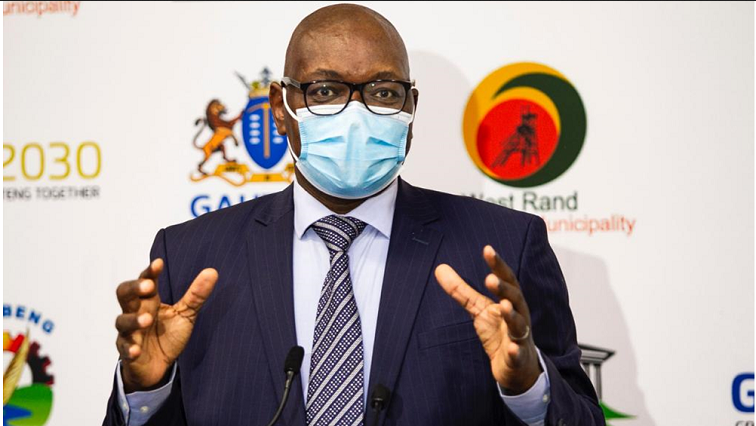
At the time, the Democratic Alliance called for Gauteng Premier, David Makhura, to take urgent special leave, pending the outcomes of SIU investigations into another scandal involving the procurement of Personal Protective Equipment.

In a statement, the DA said Makhura had failed to prevent the PPE corruption scandal, which allegedly happened under his watch.

The DA said the former Gauteng Health Department Chief Financial Officer, Kabelo Lehloenya, had implicated Makhura in the awarding of the multi-million PPE tenders, after she stated in an affidavit that Makhura gave her the names of the companies to appoint, supply and deliver PPEs in the province.

  • * Inside Education