Home Blog Page 307

Department Trains 507 Teachers In Maths, Science and Technology

THE Department of Basic Education says it has trained 507 advisers from all provinces to address the under-performance of grade 12 learners in Maths and Physical science over the past years.

Representatives from the DBE made presentations to the Portfolio Committee on Basic Education last week.

To address this problem, the DBE established the Teacher Capacity Building and Support in Maths, Science and Technology programme. The content in the training programme focus was guided by the National Senior Certificate Diagnostic Report.

“The training programme was designed to address the under-performance of the 12 districts that were targeted. The department worked closely with Cuban specialists to develop the Science and Maths material,” the portfolio committee heard.

Training for subject advisers, which covered grades 8 and 9 Maths, Science and Technology, was conducted online due to the Covid-19 pandemic.

The DBE said 507 advisers from all nine provinces were trained, of that number, 212 were trained in Maths, 164 in Natural Science and 131 in Technology.

Chairperson of the portfolio committee Bongiwe Mbinqo-Gigaba said she was concerned over the possible implication the budget cut may have on the sector, most specifically on the second roll-out of the Second Chance NSC matric rewrite.

Meanwhile, the two-day Comprehensive Sexuality Education (CSE) workshop with Gauteng School Management Teams and School Governing Bodies is under way.

The workshop is targeting the Johannesburg District.

According to the DBE, the aim of the CSE was to ensure that the department assists learners to build an understanding of concepts, content, values and attitudes related to sexuality, sexual behaviour change, as well as leading safe and healthy lives with the purpose of protecting learners.

Although the CSE curriculum has been in existence since 2000, these workshops were imperative to ensure learners are protected.

Research indicates that 35.4% of girls and boys experience sexual violence before the age of 17.

DBE’s director for health promotions, Muzi Ndlovu, said: “This has necessitated the great need of the department to provide appropriate child abuse prevention education that builds resilience, confidence and assertion among young people who often do not know they are being violated by sexual predators.”

  • * ANA

Young Africans Struggle with Jobs, Education During Pandemic

ACROSS Africa, many young people are battling an economic downturn caused by COVID-19. The second yearly African Youth Survey found people aged 18-24 in 15 countries are losing jobs and changing their education goals.

Early findings of the study show the pandemic increased the already-high level of unemployment among the group.

Nearly 20 percent of the 4,500 people in the study said they became unemployed because of the pandemic. And 37 percent were forced to stop their education permanently or temporarily. Eight percent saw their pay reduced and 18 percent had to move back home. Finally, ten percent said they had to care for family members.

The study was carried out by the Ichikowitz Family Foundation based in Johannesburg, South Africa. The Founder, Ivor Ichikowitz, runs Paramount Group, a company that works with space, security, and military organizations.

Of the 1.3 billion people in Africa’s 54 countries, an estimated 250 million are aged 18-24. The study was carried out in large cities and trading centers in Angola, Congo, the Republic of Congo, Ethiopia, Gabon, Ghana, Kenya, Malawi, Mozambique, Nigeria, Rwanda, South Africa, Sudan, Uganda, and Zambia.

The researchers were from PSB Insights, an international research company. They were citizens of each country and went door-to-door for detailed, face-to-face interviews.

The people interviewed said the pandemic causes great, difficult changes to their schooling, showing the need for more computers and internet access in Africa for online education.

Bola Badejo, who is 29, says her work earnings at a broadcast station where she worked in Abuja, Nigeria, were cut in half. She said she could not make it on her pay, $146 a month.

She said, “I was already poor, and I was working just for the sake of doing the job.” Then, in April 2020, she was let go.

“I fell into depression because the whole thing was really sad. I felt I had nowhere to go,” Badejo said.

After seven months without a job, she started a home cleaning business, and that has increased her hope, she said.

Badejo is one of many who have found different ways to survive financially.

The study found that in 2020 about 40 percent of those who were asked had hope for the future. The pandemic changed that number, lowering it to 31 percent.

People make their way down a busy street in the Diepsloot, north of Johannesburg, Thursday, Aug. 26, 2021. A study of people aged 18-24 in 15 African countries found that many have lost jobs or have seen their education stopped or changed by the pandemic. (AP Photo/Denis Farrell)

Uganda has had two shutdowns since April 2020, the second was eased in July. But businesses where people are in close contact, like bars and gyms, remained closed by presidential order. This leaves many young people without work.

Ronald Maathe is 25 years old and a janitor at a gym outside Uganda’s capital of Kampala. He shook his head sadly when saying that his monthly earnings is now what equals $43. It is half of what he used to make before the pandemic.

He said, “After I pay the rent, I am left with almost nothing.” He commented the half pay, “… doesn’t do anything.”

His face lights up when describing how he makes extra money by selling a fruit called grenadillas. He buys them from farmers near the border with Congo. He makes a small profit on every sack of fruit he sells in Kampala.

“My business is still small. But I have a dream,” he said. “If I can get someone to hold my hand, and give me a loan to expand my business, that’s what I want. I am not waiting for the government to help me.”

  • AP

Botswana to introduce 11 local languages in schools by 2022

Botswana is set to introduce 11 new local languages in schools to be used as mediums of instruction, as from January 2022 for the purposes of inclusivity and equity, an official said Wednesday.

Botswana, which has been using only Setswana and English, as mediums of instruction in its schools for many years, recognizes the importance of introducing local languages in schools for purposes of inclusivity and equity, Botswana’s Minister of Basic Education, Fidelis Molao, said when addressing community leaders at a consultative meeting in Francistown, Botswana’s second largest city.

Molao said the introduction of these languages is to be realized through the creation of an enabling framework by way of developing the Botswana Languages Policy in Education saying a draft language policy in education has been so far developed with a view of reforming education.

“The main intent of the Botswana Languages Policy in Education is to promote language development and quality education that is accessible, equitable and relevant to all learners,” said Molao.

According to Molao, the policy will also serve as a democratic and unifying factor for a proud and self-respecting nation and promote languages’ development and facilitate access to relevant quality education by all learners. The Draft Policy is expected to facilitate systematic transition from home to school using mother tongue for instruction.

“It will furthermore provide a framework to guide the development and use of different languages not only as medium of instruction but also as subjects in the long term,” he said.

He said research has demonstrated that teaching children in their mother tongue or local language, during their formative years, creates a crucial foundation for their conceptual, cognitive, and affective development.

The 11 languages to be introduced are Sheyeyi, ThiMbukushu, Ikalanga, Shakgalagari, Chikuhane (Sesubiya), IsiNdebele, Afrikaans, Naro (Sesarwa), Shona, Otjiherero and Sign Language.

  • * Xinhua Agency

Deputy Minister In The Presidency Prof. Hlengiwe Mkhize Dies

THE Deputy Minister in the Presidency for Women, Youth and Persons with Disabilities, Professor Hlengiwe Buhle Mkhize has passed away at the age of 69.

She was Deputy Minister in the Presidency for Women, Youth and People with Disabilities.

Mkhize was an ANC NEC member, chairperson of the Progressive Women’s Movement of South Africa, and the treasurer general of the African National Congress Women’s League (ANCWL).

She previously served as Minister of Higher Education and Training and as deputy minister in the Correctional Services and Telecommunications ministries.

Mkhize was also ambassador to the Netherlands from 2005 to 2008.

She was also a founder member and a trustee of the Children and Violence Trust and had been a trustee of the Malibongwe Business Trust from 2005.

Mkhize held a Bachelor of Arts in Psychology, Social Work and Sociology from the University of Zululand; Bachelor of Arts (Honours) in Psychology, and a Master of Clinical Psychology from the University of KwaZulu-Natal.

  • Inside Politics

2021 Matric Exam Timetable Amended To Accommodate Local Government Elections

THE start date for the National Senior Certificate examination has been moved to 27 October 2021 from the initial starting date of 1 November 2021, to accommodate the upcoming local government elections.

In a statement on Wednesday, the Department of Basic Education said that the English Paper 1, Business Studies Paper 1 and the non-official languages Paper 1, which were originally scheduled for 1 and 2 November, will now be written on 27 and 28 October respectively.

The decision comes after the Council of Education Ministers held a special meeting following a series of consultations with key stakeholders in the basic education sector.

“The changes were necessitated by the local government elections which will take place on 1 November 2021. Learners eligible to vote will now be able to cast their ballots,” the department said.

The Council of Education Ministers had approved the 2021 NSC examination timetable in May, however, last week the Minister of Cooperative Governance and Traditional Affairs, Dr Nkosazana Dlamini Zuma, announced that the local government elections would take place on 1 November 2021.

“On Friday, 10th September 2021, consultations took place with key stakeholders that included teacher unions, school governing body associations and professional bodies.

“The purpose of the consultation sessions was to deliberate on what would be the most appropriate option regarding a change to the timetable, given that there are five weeks from the commencement of the examination,” the department said.

The department added that there are 207 question papers to be written over 25 days (5 weeks) and there no vacant sessions in the current timetable. Therefore, the re-scheduling needed to be confined to either prior the commencement date or post the conclusion date.

“The best interest of the learner was a key consideration in addition to ensuring that a minimum change to the current timetable was made to avoid confusion,” the department said.

The department has urged candidates preparing for the examination to keep working hard.

In a bid to offer support and assistance to learners, the department has made available a wide range of resources with support materials on different platforms through the remote and digital learning programme Woza Matrics.

The learning materials will be delivered across these channels DBETV channel 122 on Openview, SABC1, DSTV CatchUp & Showmax, on Mondays and Thursdays from 23h00 to 00h00, Saturdays from 06h00 to 10h00 and Sundays from 07h00 to 08h00.

The Woza Matrics programme also offers learners with some psycho-social support, tutor support and exciting competitions.

To access more information on the Woza Matrics programme go to www.wozamatrics.co.za or https://www.facebook.com/wozamatrics/ or https://twitter.com/wozamatrics or https://www.instagram.com/wozamatrics/ or https://www.youtube.com/wozamatrics or on WhatsApp on 061 505 3023.

– SAnews.gov.za

Teen Pregnancies in South Africa Jump 60% During COVID-19 Pandemic

SOUTH African lockdowns and other restrictions imposed due to the coronavirus crisis have led to a rise in teenage pregnancies in Africa, with aid organizations warning of a regression in girls’ rights to education and health.

The number of children born to teen mothers in South Africa’s most populous province, Gauteng, has jumped 60% since the start of the COVID-19 pandemic, according to Save the Children.

New figures from the Gauteng Department of Health show that more than 23,000 girls aged under 18 gave birth between April 2020 and March 2021 – of which 934 were aged under 14 – compared to 14,577 girls aged 19 and under having babies in the same period a year earlier.

Gauteng is home to more than 15 million people, a quarter of South Africa’s population, and includes the country’s largest city, Johannesburg, and its administrative capital, Pretoria.

In the Northern Cape, more than 5 000 schoolgirls have fallen pregnant between April 2020 and June this year.

The provincial Education Department has raised concerns about the alarming number of pregnant teenagers saying some are as young as ten.

MEC Zolile Monakali said the provincial education department has now invested in life skill programmes to support learners.

“When the pandemic started up to the end of June this year, we recorded 5015 pregnant cases of girls between the ages of ten and nineteen and of those 154 is accounted for by girls between the ages of ten and fourteen that is a big concern for our education system,” said Monakali.

“Currently in the Northern Cape Department of Education, we are attending to five cases which involve educators and learners. When educators are found guilty in such cases, it is a dismissible offence, we even go so far as to contact the South African Council of Educators to scrap their names from the educators roll.”

In August this year, The Soul City Institute for Social Justice said it’s not surprised by the figures that close to a thousand young girls in Gauteng gave birth between March this year and April last year.

The Institute says although the COVID-19 pandemic might have put the issue in the spotlight, this is not a new problem. The Gauteng Health Department recorded over 23 000 teenage pregnancies between April 2020 and March 2021, with 934 being girls aged between 10 and 14.

Soul City Institute CEO Phinah Kodisang says this is a reflection of how the country continues to fail children.

“For us as Soul City Institute it’s not a shock. We know this has been an ongoing problem. The numbers have been escalating probably because of COVID-19. But this problem has been a standing problem. And because we do not call it what it is, it’s statutory rape when a 10 or 14-year-old is having sex. Because the age of consent in South Africa is 16 years.”

Early pregnancy and motherhood in South Africa forces many girls to drop out of school, traps many in a cycle of poverty dependant on public assistance, and leaves many stigmatised by society for being teenage mothers or forced into early marriage.

It also creates a greater risk in terms of maternal complications resulting in low survival rates of babies and forces many girls to prematurely take on an adult role which they are not emotionally or physically prepared for. This has devastating social and economic costs.

Marumo Sekgobela, Save the Children South Africa’s Health and Nutrition Thematic Manager, said:

“Watching a child turn into a mother is heart-breaking. Children need to be children, not birthing them. It’s particularly devastating to learn that many of the girls who gave birth last year were barely teenagers.

“The global pandemic risks being a time of irreversible setbacks and lost progress for girls. Unless we act fast and decisively, the impact on girls’ futures – and on all our futures – will be devastating.

“There has never been a more important time to empower teenagers to take control of their sexual health and stay safe. Save the Children calls on the Government of South Africa and Gauteng province to ensure that adolescents, regardless of gender, have access to comprehensive sexual and reproductive health information and services. We also call on families, communities, religious & traditional leaders to support reproductive health rights of teenagers. It is time that we dismantle the barriers to accessing services.”

Unintended pregnancy among adolescents requires holistic approaches that build girl’s empowerment, help them make decisions about their lives, including around sexual and reproductive health, engages the support of men and boys in their lives, and offers them real opportunities so that motherhood is not seen as their only destiny.

A key factor contributing to the sexual and reproductive health risks that adolescents face in South Africa is lack of access to Comprehensive Sexuality Education (CSE) as well as access to affordable, and appropriate health services.

In South Africa, Save the Children implements an integrated and holistic programme that aims to support children, adolescents and young people to stay in school, stay healthy, and achieve their full potential.

Last Friday, the Department of Basic Education said scores of young girls between the ages of 10 and 19 years old are infected with HIV every week.

This was revealed during the department’s state of Teenage pregnancy and Comprehensive Sexuality report presented to the Portfolio Committee on Basic Education on Tuesday.

The report has revealed that teenage pregnancy increased by 30% higher than the annual average between April 2020 and March 2021 due to the Covid-19 pandemic. 

Deputy director-general Dr Granville Whittle said poverty, rape, gaps in the Comprehensive Sexuality Education, and school dropouts are among the culprits. 

“Girls are four times more likely to be impacted or affected by HIV compared to boys. 46% of sexual abuse complaints in South Africa are children, 15.1% of all the girls experience rape, sexual harassment, verbal abuse or bullying in schools.”

In the first quarter of 2021, just over 35 000 pregnancies were recorded among young girls aged between 15 and 19 years old. 

1053 pregnancies were recorded among children aged between 10 and 14 years old.

These numbers were increased by the countrywide lockdown due to the Covid-19 pandemic in 2020. 

Whittle told Parliament that the numbers are alarming and need immediate action and solutions. 

  • Additional reporting by Reliefweb
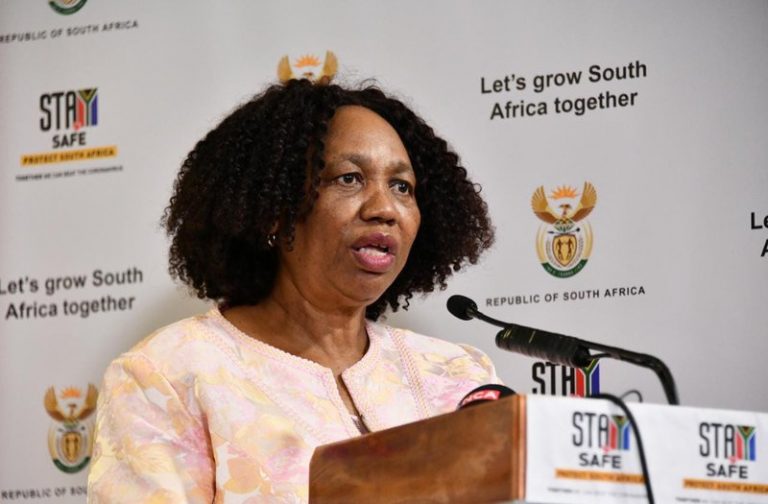
Over 73 000 Grade 1 and 8 Online Applications Recorded In Gauteng – Lesufi

0

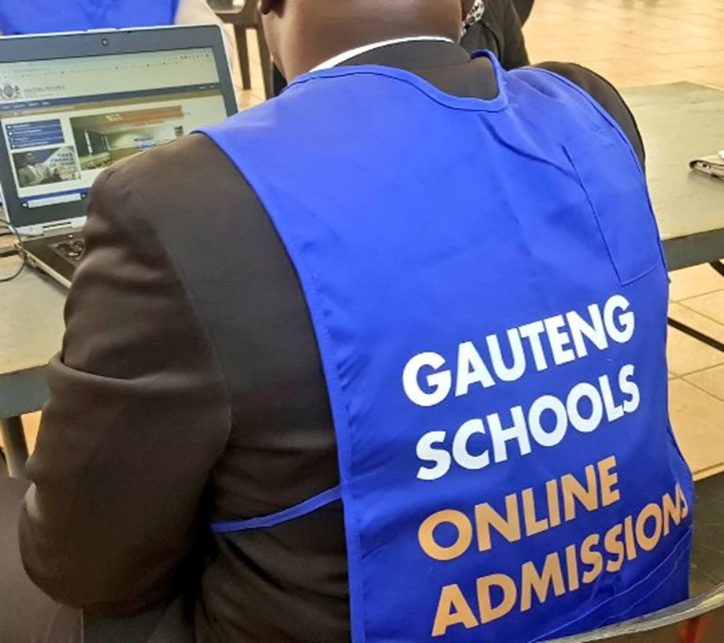
THE Gauteng Department of Education (GDE) has confirmed that over 73 000 successful Grade 1 and 8 applications were recorded on Monday 13 September 2021, on Day 1 of the Phase 2 applications.

The provincial education department says it has received over 73,000 Grade 1-8 online applications for 2022.

“As of 12 noon on Monday – four hours since going live, a total of 73,305 applications were recorded on our system,” said provincial education department spokesperson Steve Mabona.

Of that, 69,300 applications were recorded for Grade 1 and 3,981 Grade 8 applications.

Parents who were unable to register their children for Grade 7 are also now able to make online applications.

“It must be noted that, before the system opened this morning, approximately 9,000 parents were on the landing page waiting for it to open,” said Mabona.

“As such, this caused an administrative delay which needed developers to clear the said users after opening the system at 8am,” he added.

Parents and guardians must upload their documents onto the system within seven days of applying.

They can also submit the documents directly to the school they applied to.

“It is incredible that our online admissions system keeps advancing and making strides as the years progress. This year was the first time we launched our two-phased application approach and the extent of its success has been astounding,” said Mabona.

Education MEC Panyaza Lesufi said: “We are grateful to all parents and guardians who have conveyed their success in applying for their children using our system.”

The Democratic Alliance (DA)’s education MEC Khume Ramlifho has also urged all parents and guardians to secure their child’s school placement and ensure that they do not miss a day of schooling by submitting their applications through the online admission system.

“Delays in applying for online admission has had a huge negative impact on the future of our children in that many learners across the province have missed months of schooling,” said Ramulifho.

“This is the most critical level of learning as the child will be starting their first stage of academic life at a primary school and everything must be planned properly so that they enjoy the new beginnings. In most cases, failure by parents to apply timeously affects both them and their child as they will be frustrated, and will be unable to budget for school uniforms, stationery, and scholar transport, not be knowing whether their child has secured a place or not.”

Department officials will still be available for assistance during phase-two applications on all social media platforms, decentralised walk-in centres and the call centre on 0800-000-789.

  • * Inside Education

UCT Vice-chancellor Apologises To LGBTQIA+ Community Following ‘Misguided’ Comments Made At Seminar

0

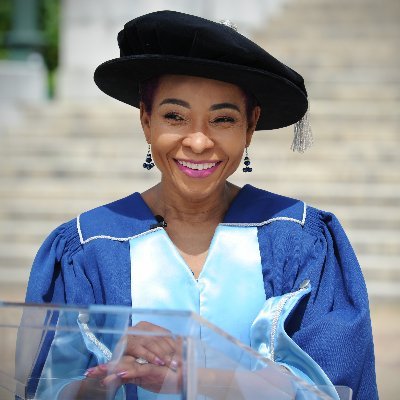
VICE-Chancellor of the University of Cape Town (UCT) Professor Mamokgethi Phakeng has apologised to the LGBTQIA+ community for a seminar she co-hosted on Sunday, September 4.

The seminar, which was hosted by Phakeng with Dr Kgomotso Mathabe, a practising urologist and a member of the Steve Biko Academic Hospital’s Gender Clinic, was streamed on social media platforms last weekend.

The seminar, titled “What does science say about LGBTQA+”, raised the ire of many on social media.

In addition to finding the title of the seminar distasteful, the LGBTQIA+ community was also dismayed by Mathabe’s comments that being born intersex was potentially life-threatening and required medical correction.

Gender groups also commented that the seminar itself could be seen as misinformation.

The Triangle Project, a non-profit LGBTI human rights organisation based in Cape Town, stated, “The public outrage on all social media platforms responds to the innate violence and harms this seminar has caused on trans and intersex persons and their families who feel the daily violence of medical and pathologised diagnosis that have no positive outcome on their lives.”

According to a statement by UCT, the apology came after some deep reflection on Phakeng’s part since the session.

The university said Phakeng was deeply saddened by the pain the seminar had caused.

It further said that she would meet with the LGBTQIA+ community in sessions over the next few weeks in an effort to learn, understand, grow and try to heal some of the hurt caused.

“Her intention with the session was to bring a spotlight to matters that marginalise and deeply hurt the LGBTQIA+ community and this was done in an effort to bring change,” said UCT.

On September 6, soon after the seminar, the university said it had noted some views in regard to both the recent VC Open Lecture and a social media session hosted by the vice-chancellor.

The university said it respects the rights of the LGBTQA+ community on its inclusive campus and beyond.

It said the matter was receiving the urgent attention of the Chair and Deputy Chair of Council.

“UCT will immediately put together a panel to review the matter and come up with the university’s position. The panel will have LGBTQA+ representation,” it said.

“Professor Phakeng respects the rights of the LGBTQA+ and has decided to put on hold any other sessions on LGBTQA+. She will continue with any other subjects she may have planned as part of her #StrengthInDiversity series on social media.”


Chair of Council, Ms Babalwa Ngonyama said:
“As the Chair of the Council of the University of Cape Town, I note and welcome the unreserved apology from the Vice-Chancellor, Professor Mamokgethi Phakeng for the hurt and distress caused by the session that she hosted on Sunday, 5 September entitled, ‘What does science say about LGBTQIA+’.”

“I appreciate her humility, integrity and courage in reflecting on this matter and her recognition that there was harm caused.”

Ngonyama added: “I have no doubt that the VC will use this moment of learning to come back even stronger in her continued quest to work towards inclusivity and diversity for all. She has at the centre of her work and vision for the institution always promoted human rights and dignity for all.”

“I am sure she will work very hard to reach out to the LGBTQIA+ community and those concerned with what transpired and will attempt to make amends.
I have no doubt that the excellent work done all across UCT that has placed us at the forefront of issues of inclusivity and diversity will continue and go from strength to strength.”

  • * Inside Education

Magashule Foundation Bursary Recipients Left Stranded In Turkey Without Accommodation, Meals

0

THE Department of International Relations and Cooperation (DIRCO) has undertaken to financially assist students left stranded in Turkey after the suspended ANC Secretary General Ace Magashule’s foundation failed to pay up.

 Magashule’s foundation sent the students to Turkey in 2017.

DIRCO said letters sent to suspended Magashule’s foundation regarding the students stranded in Turkey went unanswered, leaving embassy officials to help them out, according to departmental spokesperson, Lunga Mgqengelele.

“Letters were written to the foundation and all other stakeholders. To date, nothing has been forthcoming from the foundation,” said Ngqengelele on Sunday.

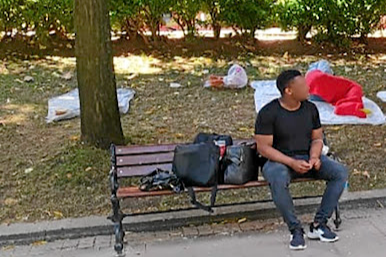
According to media reports, officials from the embassy in Ankara had to fork out money from their own pockets to put the 21 students up in two tiny two-bedroom apartments after they were evicted, leaving some sleeping in a park.

They managed to put the 21 students up in two tiny two-bedroom apartments after they were evicted, leaving some sleeping in a park.

The students, who the Sunday Times met in Istanbul this week, were sponsored to study at the private Bahcesehir University.

They are now anxious about what they will face tomorrow when the booking of the flats they have rented runs out, and they again find themselves on the streets.

Aged between 20 and 28, the students have completed three years of study and have one year left, and are desperate to complete their qualifications.

A male student who asked not to be named said after they were evicted he slept on a bench in a nearby park.

Others slept on the ground on their clothes and belongings.

“It was humiliating,” he said. “The security guard at the park showed us a place where it was warmer, between two buildings in the park. We slept there for two nights before an official at the embassy gave us some money for these two tiny apartments. But we don’t know where we are going tomorrow.”

A mission report from the embassy reportedly stated that Magashule’s promises to pay the owner of the private student housing service “were unfulfilled”, and officials were “concerned that this matter would attract media attention and put SA in a bad light”.

The report was dated 5 September 2021.

The owner of Bogazici Student Dormitories, Mehmet Kara, said Magashule owed him over R13 million (€800,000) after not paying his bill for 32 months.

The students reportedly completed three years of their studies and had one year left to be done with their qualifications.

The foundation has yet to respond to the allegations.

Girl, 4, Raped At Soweto Daycare Centre – Gauteng Social Development Department

A four-year-old girl from Soweto has been raped, allegedly by a man living at the daycare centre she attends, the Gauteng Department of Social Development has confirmed.

The Gauteng Social Development MEC Morakane Mosupye said the department has since sent a team of investigators to establish if the Silindokuhle Day Care Centre was operating legally.

“In terms of the Children’s Act 38 of 2005, partial care facilities are places of care for children between 0-6 years which must provide a safe and secure environment for children,” said  Mosupyoe.

“Furthermore, this investigation will enable the department to take legal steps to remedy this unfortunate event and provide the family and toddler with psychosocial support,” said Mosupyoe.

Mosupye added: “Women and children are constant targets for rape and abuse in our country. If indeed any fault is found regarding the ECD in question the department must take action immediately.”

The incident comes off the back of President Cyril Ramaphosa’s address to the nation on Sunday.

He spoke about the country’s progress in fighting the Covid-19 pandemic, but he also touched on the country’s “other pandemic” – which is the violence against women and children.

“This month alone there have been a number of terrible crimes committed against women and girls,” said Ramaphosa.

University of Fort Hare law student Nosicelo Mtebeni was murdered and dismembered in East London; a Grade 1 pupil from Khensani Primary School in Soshanguve was raped in the school’s toilets; Palesa Maruping was found hanging from the ceiling of a house in Khuma location in the North West; Pheliswa Sawutana was strangled to death in Kosovo informal settlement in Cape Town.

“These are just the cases that were covered in the media; there were others that were not. These gruesome acts of violence cannot go unpunished,” said Ramaphosa.

It is unclear if police have made any arrests yet.