Home Blog Page 307

Eighth UFS Chancellor Professor Bonang Mohale Inaugurated

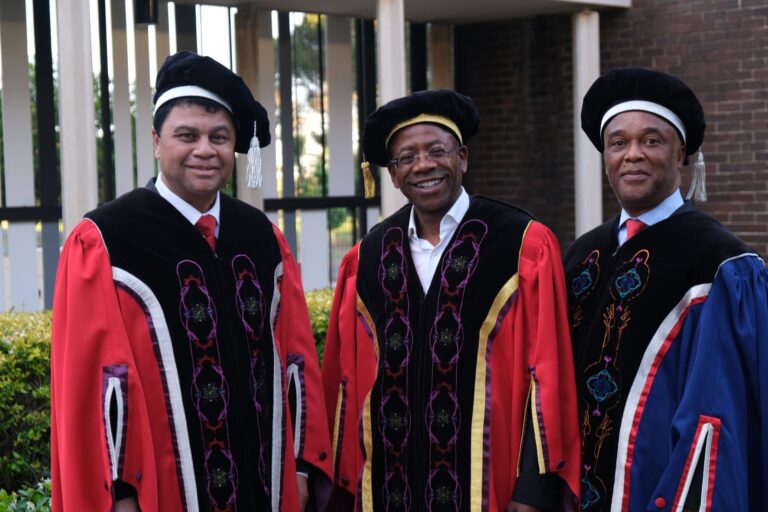
PROFESSOR Bonang Francis Mohale was officially inaugurated as the eighth Chancellor of the University of the Free State (UFS) on Friday.

He took up his five-year term in June 2020 and has served in the role for the past 17 months. Prof Mohale takes over from Dr Khotso Mokhele, who served as Chancellor of the UFS from June 2010 until June 2020.

Prof Mohale is the President of Business Unity South Africa (Busa), Professor of Practice in the Johannesburg Business School’s College of Business and Economics, Chairman of both the Bidvest Group Limited and SBV Services.

According to the UFS he is a highly respected South African businessman, known as much for his patriotism as his active role in seeking to advance the country’s interests. He is the author of the best-selling book, Lift As You Rise, launched in November 2018. The book is a compilation of some of the spoken and written words in which Prof Mohale reveals the issues that he is passionate about – among them leadership, transformation, people development, constructive collaboration, and integrity.

Prof Mohale emphasised that the challenges facing higher education were linked to the broader challenges facing South Africa, namely, poor economic growth, high youth unemployment, and the paralysing effect of the “nine wasted years” of state capture.

“The student protests and service delivery protests are a symptom of many societal ills and failures. While government may have had the resources – financially and technically – to map a way forward for the higher education sector, its ability to implement is severely constrained by insufficient capacity,” said Prof Mohale.

“The fundamentals of future higher education institutions should be values such as respect, empathy, equality, and solidarity that support and prepare learners for life, to be better citizens, to be more aware of their societal and civic responsibilities and role in the environment and not only for livelihood.”

David Noko, Chairperson of the UFS Council, said that the council appointed the right person for the job, the right person for this university, in this country, at this particular time. “The values that Prof Mohale embodies, which he is known to advocate from various platforms – in written media and virtual spaces – and which he actively lives out, are the values that the UFS cherish and embrace. Values such as respect, empathy, equality, solidarity, diversity, and caring.”

In congratulating Prof Mohale, Prof Francis Petersen, Rector and Vice-Chancellor of the UFS, acknowledged the contributions he made.

  • Compiled by Sazly Hartzenberg

UNR To Offer Nevada’s 1st Online Marijuana Education Program

0

THE extended studies program at the University of Nevada, Reno is launching the first online courses in the state to obtain non-credit certificates in cannabis education ranging from business to horticulture and medicine to help meet demand for jobs in an area that sponsors say is “growing like gangbusters.”

Each certificate program includes three eight-week online courses offered through Green Flower, a cannabis career training company. The four programs cover the business of the marijuana industry; agriculture and horticulture; law and policy; and health care and medicine.

“It’s a new era,” said Jodi Herzik, interim vice provost for Extended Studies.

“The industry is changing,” she told the Reno Gazette Journal.

“You can’t just have former potheads running the counter, you have to have educated professionals.”

Legal cannabis sales exceeded $1 billion in the fiscal year that ended Sept. 30 in Nevada, where about 10,000 people work in the industry, the Nevada Dispensary Association reported.

“We’ve been very careful to stress that this is strictly education about the industry because there’s a need,” Herzik said.

“With the impact of COVID-19 being displaced, and people looking for new career paths, we thought this might be the right time to try this program,” she said. “Jobs in that area are growing like gangbusters. They’re high-paying jobs too.”

Legal cannabis supports 321,000 full-time jobs nationally, growing faster than any other industry in the country, according to the Leafly 2021 Jobs Report.

“Such growth has created a large and growing job market, and a tremendous opportunity for people in Nevada to find rewarding careers,” said Daniel Kalef, Green Flower’s vice president of Higher Education.

Marijuana is still illegal at a federal level, and that includes direct research, consumption and any other direct use. A majority of states, however, have legalized marijuana in some capacity.

Nevada was the third state to approve cannabis for medical use with the adoption of the Nevada Medical Marijuana Act in 1998. Nevadans voted to legalize cannabis for adult recreational use in 2016.

Herzik said the university hasn’t promoted the program heavily so as to have a soft launch this month, allowing the school to ensure it’s a good fit and doesn’t need any tweaking.

About 30 to 40 prospective students have expressed interest so far, many from the Las Vegas area and a few from other parts of the country, she said.

The first session of online courses begins Nov. 15.

The cost is $2,950 per certificate, but the university is offering a special one-time $500 discount for students who enroll in the November launch. Payment plans are available.

Students will develop a portfolio of case studies and projects that can be used to demonstrate sector-specific cannabis knowledge, Herzik said. Upon successful completion of the program, students will earn a certificate of completion from UNR.

Courses begin in six start dates a year and are scheduled to accommodate working professionals, she said.

Enrollment is open at https://cannabiseducation.unr.edu.

  • * AP

Global Teacher Prize: Liverpool Man Named $1m Global Award Finalist

0

A Liverpool teacher said he was “shocked and humbled” to be down to the final 10 of the world’s best teacher award which carries a $1m prize.

The Varkey Foundation Global Teacher Prize, in partnership with Unesco, recognises exceptional teachers.

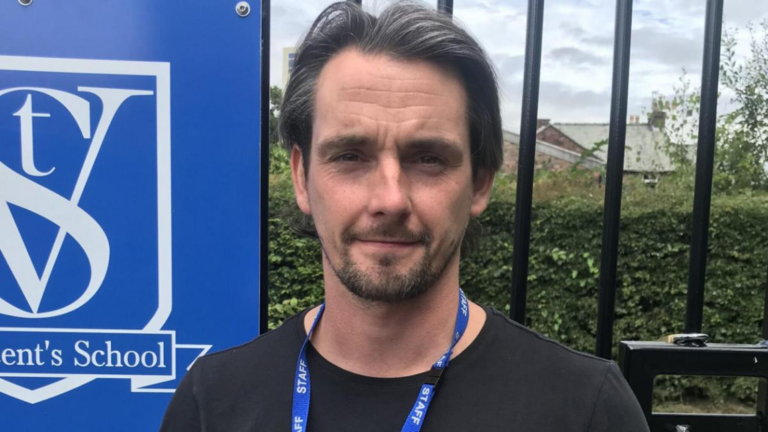
David Swanston, 34, has made it through to the final shortlist after 8,000 nominations from 121 countries.

Keele University student Elliott Lancaster has also been named in the final 10 shortlist for a new award.

Mr Swanston is the deputy principal at St Vincent’s School for children with sensory impairments in West Derby.

“The children are very excited we’re in the final,” he said.

“I say we because it is a team effort, it is for the whole school, the pupils and the staff.”

‘Exceptionally proud’

Originally from Falkirk in Scotland, he said he was “destined to be a teacher” having been “inspired” by his PE teachers as a child.

He has already received recognition for his impact on visually impaired communities by being named the gold winner in last year’s Pearson National Teaching Awards.

Along with the principal, Mr Swanston helped set up Sightbox which provides sport and education tools for visually impaired and blind people.

He said he would use part of his winnings to boost the charity, which has been rolled out in more than 20 countries.

“If I win, I hope to provide more items and remote resources and send it to more countries and the scope for children to come to St Vincent’s,” Mr Swanston said.​

“It is a basic concept but it makes a significant impact to visually impaired and blind people.”Many of Mr Swanston’s students have gone on to participate in further education, employment and the Duke of Edinburgh Awards, while one has competed in the Paralympic Games.

“I am exceptionally proud of them,” he said.

Congratulating Mr Swanston, Education Secretary Nadhim Zahawi said he was “incredibly grateful to him for his innovation in supporting children and young people with visual impairments, helping to ensure they can thrive at school, including through sport”.

Mr Lancaster, a postgraduate student at Keele University in Staffordshire, has also been named in the final 10 shortlist for the Chegg.org Global Student Prize 2021, which has a $100,000 prize.

The 24-year-old, who is originally from Alfreton in Derbyshire, has been selected for his campaigns for mental health, social enterprise, sustainability and a solution to homelessness alongside his studies.

Mr Lancaster said it was “incredible and humbling” to be recognised for his community work and if he wins he will use the money to set up a “sustainable student network” to address global issues, such as climate change, hunger and digital poverty.

A virtual ceremony for both awards will take place at Unesco’s headquarters in Paris on 10 November.

Ranjitsinh Disale, from India, was crowned last year’s best global teacher and shared his winnings with the nine runners-up.

Andria Zafirakou, from London, became the UK’s first winner in 2019.

  • * BBCNEWS

Zimbabwe’s 14-year-old Biker, Emmanuel Bako, Wins First Major Title in SA

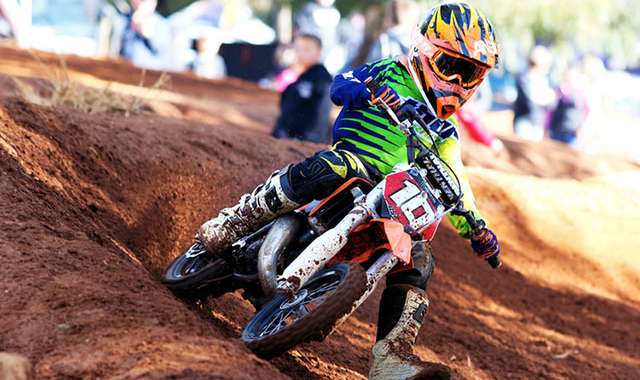
ZIMBABWE’S junior motocross champion rider. Emmanuel Bako, buried himself in glory on Saturday after he was crowned the 85cc Pro Mini Champion of the 2021 Northern Regions Motocross Championship series in South Africa.

The 14-year-old dirt bike rider stormed to the title after another convincing win during the sixth round at Legends track in Pretoria.

The St. John’s College pupil won all the six rounds of the series whose races were held at different venues in the Gauteng Province.

He finished season with another stellar performance in the 85cc Pro Mini Class in which he was just untouchable at the Legends track where he lifted his first major motocross title, since he started racing in that country, at the tender age of six.

Bako fired the early warning shots by winning both heats in the 85cc Pro Mini Class in style to claim the first step on the podium ahead of his South African rivals Ryan Adler and Bester Cobus.

The 85cc Pro Mini Class had a good field of 14 riders.

Saturday’s race meeting was also a pre-national event where some of South Africa’s top junior and senior riders got the feel of the track at Legends.

Bako was on fire on as he first took a hole shot in Heat One and never looked back until he finished first.

In Heat Two, Bako failed to take a hole shot but on the second corner of the first lap he was leading again, riding his brand new 2021 KTM, which was sponsored by Better Brands Jewellery of Zimbabwe, with aplomb.

The exciting Zimbabwean rider punched the air with delight when he crossed the checkered flag and was joined in celebrating this sweet victory by his father and manager, Brighton.

“Emmanuel has put in a lot of hard work to archive this considering he had to balance school and racing every weekend of his life in South Africa,” said Brighton.

“God has and is still doing wonders in his life.

“As a parent, I think I have done the best for him and I will still do the best for him. I will also pray to God for Him to guide him. He has worked so hard and it has paid off.

“We would like to thank Peter Raaf, the bike mechanic, and Emmanuel’s main sponsors, Fuchs Silkolene Zimbabwe and Better Brands Jewellery, for the support they give us.

“The 2021 regional championship in South Africa has gone to a Zimbabwean rider and it’s a blessing. “South Africans would have loved to have the championship won by one of their own but guess what, Emmanuel said no and he vowed to take it to Zimbabwe.

“It was an amazing race on Saturday on a well prepared track. He was so confident and is now itching to race in the next race, which is the final round of this year’s South African Nationals, and will be held on November 20 at Legends track again.”

  • * The Herald

Physical distancing at school is a challenge. Here are 5 ways to keep our children safer

FATEMEH AMINPOUR|

CHILDREN account for a large proportion of new infections in Australia’s current COVID-19 outbreaks. This has raised concerns about their safe return to school.

As schools in New South Wales and Victoria resume face-to-face learning, children under 12 will be more vulnerable to COVID-19 infection since vaccination of this age group hasn’t started in Australia (although they are less likely to get seriously ill).

Face masks are not mandatory for these students either, but are mandatory for secondary school students in Victoria and in NSW.

Therefore, physical distancing and use of outdoor spaces for school activities top the list of recommendations to keep children safe from COVID-19.

However, physical distancing, even outdoors, can be hardly practised if the school is overcrowded. Overcrowding is common in Australian schools, which are increasingly accommodating more students. This issue has been recognised as a significant barrier to children’s free activities, especially during recess and when they are on the move.

In NSW, for example, the required open space per student is 10 square metres and nearly all schools meet this standard. While this seems to allow a fair amount of room for physical distancing, children may nevertheless believe their schools are overcrowded and don’t offer enough room for play.

While demonstrating physical distancing, UK Prime Minister Boris Johnson and school children stand on asphalt, a surface that children dislike, which leads to crowding in areas they prefer. Andrew Parsons/No 10 Downing Street, CC BY-NC-ND

Why does this happen? Do children use school grounds in ways that we don’t anticipate?

My PhD study conducted in three public primary schools in Sydney reveals children’s use and perception of school environments differ from what adult designers intended. Children dislike and avoid some of the school ground spaces designed by adults.

Large parts of school grounds, including covered outdoor learning areas, are covered with low-quality asphalt on which children are not allowed to run and cannot sit comfortably.

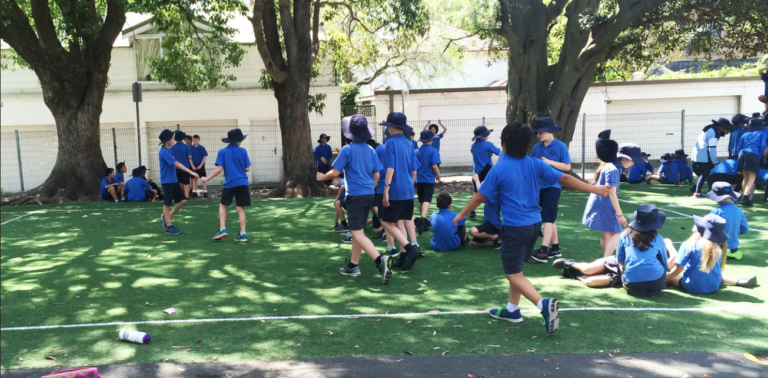
The “no running on concrete” rule restricts children’s intense physical activity to areas covered with grass or synthetic rubber. The problem is these areas are often not big enough for the numbers of children who want to use them, resulting in crowding.

Adding to the problem is the “out of bounds” rule, which bars children from using areas that are out of sight of staff. These areas are often around the edges of school grounds because staff tend to supervise children from the central parts of the school. Out-of-bounds areas are underused yet could provide extra space for children’s physical, social and dramatic play.

So, how can school design and planning help overcome the crowding that makes physical distancing difficult?

1. Provide quality material for ground surfaces

By replacing asphalt with better quality surface materials, children’s activities can be spread out across more of the school grounds, easing crowding. This will reduce the impact on children’s physical activity of the “no running on concrete” rule.

In a recent study, we found natural grass is children’s favourite surface for activities like running or performing gymnastics. It doesn’t become too hot in the sun, isn’t slippery and doesn’t hurt if they fall.

2. Increase opportunities for nature play

Besides the known benefits of nature play for children’s well-being, natural settings usually attract smaller groups that may result in less crowding. This contrasts with spaces such as sports fields where large numbers often play together.

My recent research shows children prefer trees with wide canopies, accessible branches, upraised roots and/or soft trunks because they offer sensory stimulation and opportunities for co-operative play.

3. Recognise the value of neglected areas

Out-of-bounds areas at schools are often neglected based on the questionable assumption of their low value for children’s play. Making better use of these spaces can disperse children over the whole school area and enhance their opportunities for safe play.

Children may also find these spaces quiet and less busy since they are typically secluded and partially segregated from sanctioned areas. Less noisy spaces make it easier for children to talk with each other, which is a significant part of their socio-dramatic play.

4. Create separate zones

School layouts can be designed to establish separate zones that offer suitable secluded spaces for various groups, or cohorts, of students in order to avoid crowding. A cohort is a distinct group that stays together for the entire school day for in-person learning, with little or no contact between groups.

“Cohorting”, also known as “podding”, allows for more efficient contact tracing in the event of a positive COVID-19 test result. Targeted testing, quarantine and isolation can be applied to a single cohort/pod rather than schoolwide closures in the event of an individual or group testing positive.

5. Use nearby community/public spaces

Schools can locate the extra space they need on nearby community/public open spaces when the local council and the Department of Education reach a joint-use agreement. Children’s safe use of these sites depends on:

  • the quality of these facilities
  • their location in the neighbourhood
  • ease of walking there to and from school
  • access during school hours.

Sharing neighbourhood facilities can help meet children’s need for access to broader recreational resources. It also strengthens the social bond between schools and their communities.

Overcrowding in Australian schools is not a new issue yet could be an obstacle to safe face-to-face education at a time when it is desperately needed.

Current concerns about COVID-19 outbreaks at schools can prompt policy and institutional redesign to tackle this longstanding problem of overcrowding.

Children and school communities should be engaged in the earlier phases of school design and planning to tap into their unique insights into the effectiveness of educational environments.

(Fatemeh Aminpour is the Associate Lecturer, School of Built Environment, UNSW)

  • The Conversation

GE invests $2.5m in global initiative focused on increasing STEM-based education

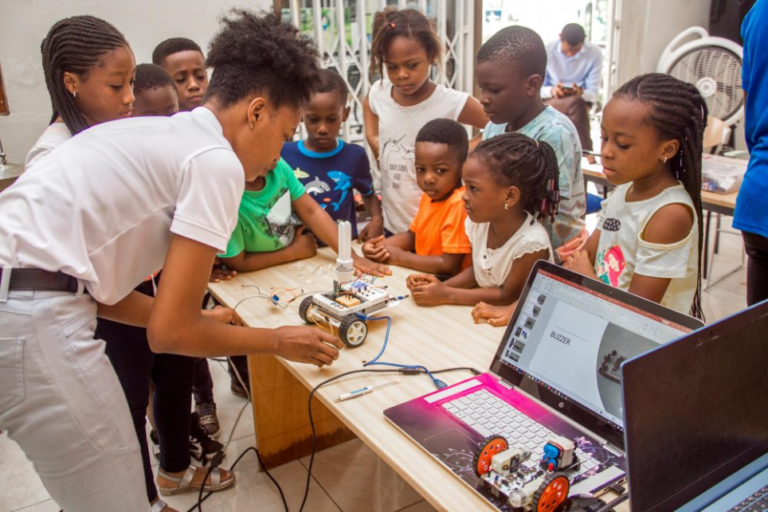
MULTINATIONAL General Electric (GE) has made a five-year, $2.5-million investment in Johannesburg to launch Next Engineers – a global initiative focused on increasing the diversity of young people in engineering.

GE has selected Johannesburg as one of four inaugural locations, aiming to inspire more than 3 500 local learners aged 13 to 18, to provide first-hand experiences in engineering and to award financial support to pursue further education in engineering.

GE is partnering with South African nonprofit organisation Protec, which empowers local students to pursue and grow in science, technology, engineering and mathematics- (STEM-) based careers, to implement Next Engineers locally.

Earlier this year, GE committed up to $100-million to launch Next Engineers globally.

Over the next decade, the goal is to reach more than 85 000 students across 25 locations globally.

GE South Africa CEO Nyimpini Mabunda says the initiative allows GE to “expose students to the world of engineering at a young age through invaluable hands-on learning experiences”.

Next Engineers will not only provide a platform for Johannesburg’s young people from different backgrounds to bring their unique perspectives to engineering but also empower them to foster the skills needed to “build a world of the future that works”.

We recognise that, for us to make a sustainable impact, we must be deliberate in our efforts to support social change,” Mabunda comments.

Next Engineers is a programme of the GE Foundation, an independent charitable organisation funded by GE.

The programme will offer three age-dependent, inspiring programmes to engage students on their paths to engineering studies.

These programmes include engineering discovery, aimed at learners aged 13 and 14; an engineering camp, aimed at learners aged 14 and 15; and the engineering academy, which is aimed at learners aged between 15 and 18.

Next Engineers will begin accepting applications for the Engineering Academy in January 2022. Students, teachers and the community can obtain updates and more information at www.nextengineers.org 

Algeria Moves Closer to Dropping French in Higher Education

0

STATEMENTS by several government ministries in Algeria stressing that the official language is Arabic have been welcomed by those who wish to see an end to teaching in French.

In recent weeks, the Ministries of Youth and Sports, of Vocational Training and Education, and of Labour, Employment, and Social Security have issued instructions to all affiliated bodies to use Arabic in official correspondence. The rules amount to a ban on the use of French.

Algeria was occupied by France from 1830 until independence in 1962. From 1848 onwards, it was not simply a colony, but an integral part of the French republic.

Algeria’s Constitution recognizes Arabic as the country’s official language, together with Tamazight, the language of the country’s Berber population. But it was only in 1991 that a law was enacted to generalise the use of Arabic. Since then, successive presidents and their governments have tried to enforce it with varying degrees of enthusiasm and success. 

In early October, at the start of the new academic year, the Higher Schools of Artificial Intelligence and of Mathematics began teaching in English instead of French. The schools are affiliated with the Ministry of Higher Education and Scientific Research and together have about 2,000 students.

“The switch in languages was recommended by academics and scholars inside and outside the country.”

Boualem Saidani, director general of training at the ministry, said the switch in languages was recommended by academics and scholars inside and outside the country. They saw “a need to adopt English as an instruction language, especially at the level of scientific and technological institutes and colleges,” Saidani told Al-Fanar Media. 

Teachers No Longer Speak French

Juhaida Hayyan, a first-year student at the Higher School of Mathematics, said she was surprised to see the application forms were in Arabic and English. “Unusually, French was completely absent even from the official announcements of the school,” she said. “It was not on the transport, food, and accommodation cards. Teachers no longer speak French except on some rare occasions.”

Saidani described the use of English in the two schools as “a mere first step,” adding that “it will be followed by the gradual dissemination of the experience to the new university city with about 20,000 students.”

He added that “the ministry depends on training programs in English, and it supervises training workshops.” 

As well as the government ministries, several health institutions and administrative bodies also ordered their staff members not to use French in daily interactions with citizens or official correspondence.

A Social Change

Abdelmadjid Chibane, a linguist and professor at the University of Bejaia in eastern Algeria, noted that this movement away from French reflected a social change.
“French has declined by more than 25 percent in the last five years, due to Algerians’ dependence on English,” he told Al-Fanar Media.

“French is also one of the heavy colonial remnants in Algeria. Getting rid of this legacy requires a strong desire and steel will.”

 “A simple survey of the advertisements of Algeria’s private schools for teaching languages, and statistics of those registered there, confirms the significant decline in Algerians’ interest in French,” Chibane said. “A private school in Bejaia registered 98 people wishing to learn English, compared to 38 students who wanted to learn French this year,” he added.

For students like Juhaida Hayyan, however, the change is not easy. “I face great difficulties in adapting to English higher education curricula,” she told Al-Fanar Media. “This requires me to take intensive English evening lessons at a private school.”

She pointed out that while Algerian schoolchildren begin to learn French in primary school third grade, English lessons do not start until the second year of intermediate, or preparatory, education.

Chibane agreed there was “a need to start teaching English to primary school pupils and to increase English classes in the three educational stages (primary, preparatory, and secondary).” This, he said, would “motivate students to learn the new language, and guarantee the success of the government’s plan to officially adopt it in higher education and scientific research.”

But, he added, “French is also one of the heavy colonial remnants in Algeria. Getting rid of this legacy requires a strong desire and steel will.”

  • Alfanarmedia.com

Council ‘Has Dismally Failed UNISA’, States Damning Report

IN a damning report, the governing council of South Africa’s largest public distance-learning institution, the University of South Africa (UNISA), has been severely criticised for its lack of good governance and failure to safeguard the academic future of the institution. The report also strongly suggests the prosecution of individuals who have conducted themselves improperly.

“Council is the root cause of the problems at UNISA,” states the report of the ministerial task team on the Review of the University of South Africa (UNISA). It calls on the Minister of Higher Education, Science and Innovation, Dr Blade Nzimande, to probe financial impropriety and mismanagement at the largest open distance-learning institution in Africa.

It blasts the university council for failing in its vital responsibility to safeguard the academic enterprise, the heart of the institution, and the raison d’être for a university’s very existence.

The findings were described by an academic as a scathing indictment of the council, which served during the tenure of the former UNISA vice-chancellor, Professor Mandla Makhanya, who left office on 29 April 2021.

On 2 September 2021, UNISA inaugurated its first woman vice-chancellor, Professor Puleng LenkaBula. She is also the first black woman to lead the institution known as Africa’s only mega-university.

But it has been a baptism of fire for her as she sets about stamping her authority while cleaning up the legacy issues. Such issues have manifested themselves appallingly in this report.

Staff shortages

“Academic staff at UNISA are stretched to the limit, with insufficient staff numbers in proportion to the rising numbers of students. In addition, a huge number of academic staff vacancies persist. As a result, there is inadequate student support,” the report finds.

The report is critical throughout of the flouting of financial regulations according to established governance principles, which has damaged the academic standing and administrative competence of UNISA as a credible and reputable higher education institution.

The report calls for an urgent investigation by a body with forensic expertise to unravel the extent to which the council has failed to engender an enabling and ethical culture befitting a knowledge institution.

Instead, according to the report, there is a pervasive culture of corruption, impunity, conflict, fear, and intimidation at UNISA.

Alarmingly, the report documents a deliberate and systematic plan, over a sustained period, to establish a corrupt network that has resulted in institutional capture. In addition, it added that there is a culture of impunity deeply embedded in the institution.

The report, which has not been officially released, was handed to Nzimande on 30 August 2021.

‘Too big to fail’

University World News has seen a copy of the 119-page report, compiled under task team chairperson Dr Vincent Maphai.

The independent task team was appointed by Nzimande to assess the mandate of UNISA as an open and distance higher learning education institution.

The other members of the team are Dr John Volmink, chairman of the Umalusi council and former pro-vice-chancellor at the University of Natal, (now the University of KwaZulu-Natal); Professor Louis Molamu, former UNISA registrar and higher education consultant; Nonkululeko Gobodo, former chief executive officer of Nkululeko Leadership Consulting (who served until she was seconded to the office of the Auditor-General); and Professor Brenda Gourley, previous vice-chancellor of both the UK Open University and the University of Natal before it was renamed the University of KwaZulu-Natal).

On why the task team was appointed, Nzimande expressed doubts about the institution and added that UNISA was “too big to fail”, given its size, not only in South Africa, but on the African continent.

In terms of its mandate, the task team was asked to examine contextual and institutional factors that impact upon the current challenges facing UNISA.

It was required to advise on the relevance of UNISA’s strategies and plans to policy objectives in higher education, on the institution’s mandate as an Open Distance e-Learning (ODeL) institution, the appropriateness and compatibility of the current model and structure to its mandate, operations and efficacy, and whether its ICT systems are geared towards the rapid advances in digital technologies, among others.

Council’s failures

“It is evident that council has dismally failed UNISA. It has not equipped itself, or the [management committee], with the range of skills and competencies necessary to provide the appropriate strategic guidance and direction to a modern ODeL in the 21st century,” according to the report.

“Addressing the numerous transgressions and failures of the council is a necessary but not complete condition for the revival of UNISA,” the report said.

One of the essential responsibilities of a governing body is to protect the reputation of the institution, but the report lamented the failure to ensure a robust, modern and secure ICT infrastructure, which has not only been damaging to UNISA’s reputation with respect to administrative competence, but also to its academic standing.

Furthermore, the task team found that academics had been hampered in their efforts to improve the student support they are able to provide and their ability to engage with what it means to be an online university.

In a warning which spells a gloomy outlook for the institution, the report observes that academics are unlikely to want to join such an institution – and those already in the institution are more likely to depart in these circumstances.

UNISA’s current strategies are found to be reasonable but not sufficiently credible, and its plans do not cover all aspects of a modern ODeL institution, nor do they build on the institution’s strengths and address its weaknesses, according to the report.

Lapses in strategic areas

A glaring absence is the failure to seize the opportunity inherent in its significant presence in teacher education (which is also a national priority).

Another significant UNISA lapse is its failure to prioritise areas of focus, most notably in ICT infrastructure. While its strategies are of concern, an even more substantial problem is their implementation – or rather, the lack thereof.

“In short, UNISA Council and Mancom [management committee] have failed to execute the mission of the university through clear and effective strategic planning and implementation.”

The report identifies a range of multifaceted challenges facing the university, considering the enormous and dramatic changes in higher education over the past 20 years.

Of great significance to the sector, particularly impacting on UNISA, was the decision by the late former Minister of Education Professor Kader Asmal to merge tertiary institutions.

In 2004, UNISA merged with Technikon South Africa and incorporated the distance-learning part of Vista University.

While mergers are challenging to manage at the best of times, this merger, according to the report, was complicated – and put enormous strain on every part of the institution.

UNISA’s student body increased from 263,559 in 2003 to 375,851 in 2021. Clearly, the university’s growth was not “a simplistic tale of progression”.

In its concluding remarks, the report says that, although UNISA’s multiple strategies are valid overall, they do not match up to the demands of the current environment, nor are they as ambitious as they could be.

“UNISA should be a national centre of excellence in ODeL. It could and should be a major presence in the OER [open educational resources] movement, nationally and internationally. It is neither.”

But the ministerial task team concludes that UNISA should “stick to its knitting”.

In a statement, the current chairperson of the UNISA council, Mashukudu James Maboa, said he was unaware of the report, and that, “It is not the policy of the university to engage with the minister or the department through the media.”

Nzimande’s office did not respond to a request for comment.

NSFAS Funding Applications For 2022 Open On Tuesday

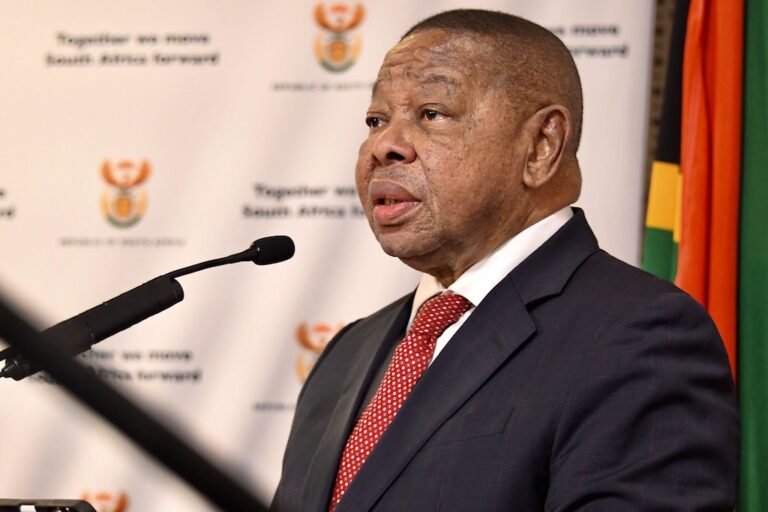
THE National Student Financial Aid Scheme (NSFAS) funding applications for 2022 is expected to open on 2 November, Minister of Higher Education, Science and Innovation Blade Nzimande has announced.

Applications will open for all pupils and out-of-school youth from poor and working-class backgrounds who want to study at South African universities and TVET colleges, said Nzimande.

The minister was addressing the media on the launch of the NSFAS funding applications for the 2022 academic year, which will open on 2 November 2021.

“Considering the impact of [the] coronavirus, now more than ever, the demand for student funding has increased,” he said.

He said that the Covid-19 pandemic has seen the number of students who require financial assistance rise. He praised the new board for their efforts to ensure that students who require funding are not disadvantaged when it comes to attending university.

He said: “As the government, it is our duty to make sure that all those with potential are not prohibited by the lack of funds and we are proud of what this new board has delivered.”

For the 2020 academic year, NSFAS funded 751 858 students. Of these students who were supported by the fund, 489 912 attended universities while 261 404 attended TVET colleges. Around 470 696 of these students are females, this represents a 30% increase from 2018 when just 360 344 were females.

Nzimande has noted his concern around the decline in the number of students with disabilities at universities in South Africa. In 2019 there were 1 921 students with disabilities compared to 1 421 in 2020. This represents a 26% decrease.

Students with disabilities qualify for NSFAS funding if their combined household income is less than R600 000 per annum. NSFAS provided access to wheelchairs, hearing aids, adapted laptops and human support.

Nzimande said that students funded by NSFAS, on average, achieved better results than students who were not. He said this is a testament to how government funding and interventions can have a positive impact on students.

The government has categorised students into five cohorts which are said to cover all those who have the potential to study further and are in need of funding.

These are:

1. A first-time entering student (FTEN) who is a Sassa beneficiary. (Cohort 1)

2. A returning student who is a Sassa beneficiary. (Cohort 2)

3. A first-time entering student who is not a Sassa beneficiary. (Cohort 3)

4. A returning student, who is not a Sassa beneficiary. (Cohort 4)

5. A student living with a disability. (Cohort 5)

Nzimande said that it was the government’s duty to make sure that all those who have the potential to study further are not prohibited by a lack of funds.

He said they were proud of what the new board delivered.

“The board has assured me that the 2022 application process will handle student applications efficiently and make the application process seamless.”

The applications system will be open from 2 November 2021 until 7 January 2022 when the National Senior Certificate results are released. 

According to the department, the total number of university students who are funded – including funding from other government departments, that is, the Department of Basic Education’s Funza Lushaka Bursary Scheme, the National Skills Fund and SETAs – increased by 45.4% from 346 966 students funded in 2018 to 504 366 students funded in 2020.

Additional funding was reprioritised to support a NSFAS shortfall in 2021/22, taking the total NSFAS budget to approximately R42 billion. 

Nzimande said that this was a significant contribution from the government to support access to higher education and the success of students from poor and working-class backgrounds. 

“I am very proud of the achievements of the NSFAS,” Nzimande added.

The Minister announced the appointment of a Ministerial Task Team (MTT) to look at student funding policy issues for the future.

The team will develop policy proposals for a long-term student financial aid policy that will zoom into the comprehensive student financial aid needs of the post-school system.

The MTT will also look into alternative funding sources to widen funding for missing middle and postgraduate students.

“Although government has increased funding exponentially for students in TVET colleges and universities, we remain concerned about categories of students who struggle to afford higher education and the growing levels of student debt.”

The Impact Of COVID-19 On Education

THE COVID-19 epidemic has influenced education and learning, with the most vulnerable children hardest hit, according to READ Educational Trust.

Since the coronavirus pandemic, students have lost critical learning time due to rotational attendance, intermittent school closures, and grade-specific days off.

Additional school day losses and unforeseen school closures were largely attributed to teachers or students contracting the virus or showing possible symptoms of COVID-19.

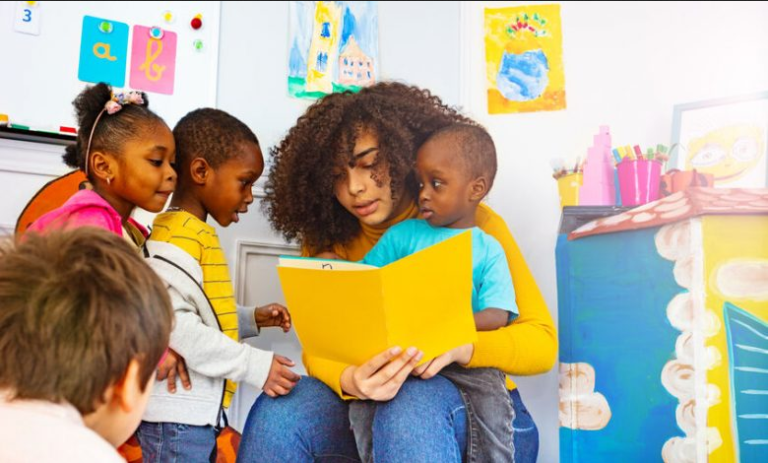
In light of National Children’s Day later this week (6th November), READ Educational Trust, a South African NGO promoting literacy in schools for over 40 years, encourages all to continue teaching children how to read with confidence, despite the challenges the education system faces.

Here is what READ discovered from data collected by the University of Stellenbosch and the Department of Basic Education:

School Attendance Rates During Phased Reopening of Schools 

Following the initial outbreak of COVID-19 in South Africa, schools were closed unexpectedly on March 18, 2020, with a phased reopening that was delayed numerous times due to lockdowns. Using data from the second wave of the National Income Dynamics Study – Coronavirus Rapid Mobile Survey (NIDS-CRAM), it was clear that school attendance rates during the phased reopening of schools were significantly lower than in normal times.

Data suggests that the ratio of learning losses to lost schooling days has been as much as 1.5; that is to say, the actual number of school days lost underestimates the amount of learning lost.

Due to the staggered reopening of public schools and rotational attendance timetables, students in grades 1 to 5 lost over 60% of possible 198 school days.

Depending on how well the school system and individual instructors catch up on lost learning, below-expected Grade 12 outcomes may remain until at least 2022, and maybe until 2031.

Impact Of COVID-19 On SA’s School Meals

While hunger levels among school children have stayed consistently high relative to pre-COVID-19-times, access to free school meals has declined from 49% in November/December 2020 to 43% in February/March 2021. Even when schools had reopened entirely in November 2020, the levels of receiving weekly school meals have not yet reached pre-COVID-19 levels. It’s difficult to say why this is the case.

It could include factors linked to the variations of rotational timetabling, limited transport when not attending school, parental decisions about participating in school feeding, cases of monthly food parcels being sent home with children rather than daily school feeding, or general disruptions to the school feeding ecosystem as a result of the pandemic.

Supporting The Continuation of Teaching and Learning During The COVID-19 Pandemic

READ Educational Trust continued to facilitate adaptive responses to emerging education challenges and to protect young people’s educational opportunities during the pandemic. Practical steps were taken to improve teacher and learner literacy and knowledge during the unprecedented school closers last year.

  • In March 2020, READ sponsors and partners assisted with providing food packs to learners and their families at project schools in the Free State, Mpumalanga, and Limpopo.
  • Schools collaborated with READ trainers and shared information, demonstration videos, audio tutorials, and resources with parents and learners via WhatsApp and email.
  • Teachers and parents were informed about the catalogue of Busy-B-Home Activities and stories, which were made available for free via the READ Educational Trust website in response to the pandemic. READ’s website has been zero-rated, which means people can access it without using data.
  • Several mother-tongue and First Additional Language stories for children to listen to and enjoy, were recorded by the READ Trainers. These were loaded onto the website – and shared with teachers and interested parents. Questions, answers, and fun follow-up activities were also developed to accompany the stories to help fill the gap whilst in-school learning was disrupted.
  • Sets of worksheets, activities, language games, and quizzes were delivered to schools and Community Centres. These helped to keep learners occupied, expand their general knowledge and develop and consolidate essential skills in a fun and non-threatening way.

READ’s philosophy has always been based on supporting teachers in the classroom and building lasting relationships. While COVID-19 certainly threw a spanner in the works, the above interventions and support offered to schools by the READ Educational Trust has been extremely positive and appreciated.

READ Educational Trust Reaffirms Urgent Need for Education Equality

Educational equality has been slowly improving in South Africa, yet this trajectory was fragile already before the COVID-19 pandemic. We are only beginning to understand the impacts of the COVID-19 pandemic on educational equality and education more broadly. Educational equality is among the most important matters to worry about when considering South Africa’s future. 

While COVID-19 is unlike any challenge we have faced before, READ has successfully addressed many difficult challenges over the years, thanks to the implementation of programmes that assist educators, and principals in overcoming our country’s challenges.

READ also provides practical training, hands-on support, and valuable resources that have been highly effective. READ believes a collective effort can change the face of education and educational equality in South Africa.

The only way to succeed is for governments, non-profit organisations, big businesses, and private individuals to stand together and do all they can to combat illiteracy by actively promoting and funding reading and educational incentives. What better time to act than now?