Home Blog Page 317

ECD workers to get their vaccine from 19 – 23 July

NYAKALLO TEFU and MMADIFEDILE MOFOKENG|

Early Childhood Development (ECD) staff will be part of the 240 000 workforce who will get vaccinated as part of the Social Developments sectors vaccine rollout. 

The vaccination drive kicked off on Monday and is set to end on 23 July. 

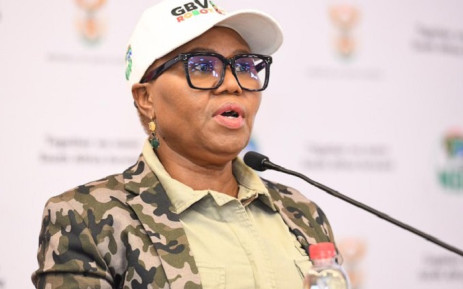
Minister of Social Development Lindiwe Zulu said they anticipated that the vaccine rollout programme will target just over 240 000 workforce throughout the sector.

Zulu said the roll-out plan will enable business continuity of our social services currently in high demand as a result of the Covid-19 pandemic. 

“The department has been working with the ECD Inter-Sectoral Forum to ensure that no-one is left behind, given that ECDs remain open whilst schools are closed and practitioners are equally at risk of the contracting the virus,” said Zulu. 

According to the department’s spokesperson, Lumka Oliphant, the vaccination drive on Monday kicked off in the Eastern Cape, Free State, Gauteng, KwaZulu-Natal, Mpumalanga, North West and Northern Cape provinces.

Western Cape and Limpopo will begin their provincial roll-out on Friday.

READ: DBE requests extension for education sector vaccination programme

The department says  the Early Childhood Development (ECD) workforce is inclusive of ECD practitioners and staff who work in the ECD environment.

Zulu said her department has been working with the ECD Inter-Sectoral Forum to ensure that no-one is left behind.

“This includes all ECDs both registered and unregistered with government, including centre and non-centre-based programmes,” she said.

Adding that ECDs were very important given that they remained open while schools were closed.

“Practitioners are equally at risk of the contracting the virus. We want to highlight that.

“It is important to highlight that only those who are registered on the Department of Health’s Electronic Vaccination Data System system will be eligible for vaccination, as there is no paper-based registration process at vaccination sites.

“Details of all vaccination sites, provincial and district coordinators, including the ECD forum coordinators will be published on DSD National, Provincial Departmental and the Departments’ Agency’s websites,” added the minister.

Oliphant said the department also makes calls upon members of the public to desist from spreading negative information about the vaccine which may cause vaccine hesitancy.

“Covid-19 vaccines are safe and effective at preventing infection, especially severe illness and death.

“The vaccine reduces the risk of people spreading the virus that causes Covid-19. Covid-19 vaccines are a key tool in ending the pandemic and getting societies back to normal,” she said.

Let them eat cake: hunger and food riots in South Africa

Economists and social activists have said South Africans should condemn the government’s “let them eat cake” policy that does not allocate a cent to address the devastating economic impact of the over the top lockdown.

Adding that the insane austerity policy that will withdraw R265 billion from economy in the medium-term [three years] and in the middle of a humanitarian crisis, is the reason behind the rioting and social unrest the country saw over the last week.

Isobel Frye, director of The Studies in Poverty and Inequality Institute (SPII) – an independent not-for-profit research think tank which focuses on generating new knowledge, information and analysis in the field of poverty and inequality studies – said: “People are rioting because they are hungry, they are completely despondent and they have nothing to lose.”

“We cannot criminalise people who are hungry.

READ: South Africa’s youth unemployment crisis – a ticking time bomb

“The most vulnerable working-age adults are not formally employed, and are at the greatest risk of hardship during the lockdown especially those who are now sitting at home on ‘no work no pay’,” said Frye.

Adding that some people have lost jobs again when Level 4 started, “and with the R350 Covid-19 Social Relief of Distress Grant (SRD) no longer available, they have no alternative but to go to soup kitchens”.

The jailing of former president Jacob Zuma is believed to have sparked the rampant looting and violent scenes that have played out in the past few days.

Zuma was arrested without trial after being found in contempt of court. The former president is sentenced to 15 months in prison for his repeated refusal to participate in the Zondo Commission’s proceedings.

President Cyril Ramaphosa labelled what followed as an “insurrection,” with protests led by the former president’s supporters spiralling into full-blown riots in Gauteng and KwaZulu-Natal provinces.

In response to on-going social tensions, three leading social justice organisations coordinated an urgent meeting last Friday to forge a multi-pronged national demand for the unconditional commitment to a universal basic income grant (BIG) in South Africa of R1268 per person per month to be introduced within 12 months with the immediate reintroduction of the R350 Special Covid Grant and the R500 monthly Caregivers grant.

READ: Youth unemployment: A catastrophe

Frye asked: “At what point does inequality pose a threat to stability, and will this crisis prompt the government to ensure that poverty is addressed as a matter of urgency? Will we ever achieve a decent standard of living in South Africa?”

The termination of the R350 Social Relief of Distress grant in April, together with ongoing job losses, has resulted in scores of people relying on local soup kitchens for their only meal of the day.

Duma Gqubule, economist and founding director at the Centre for Economic Development and Transformation said “why are we surprised”.

“We have unemployment of 74.7% for youth, 47.9% for Black Africans, 51.5% for Black African women and 50% in Limpopo and Eastern Cape. Then government cuts R36 billion from social grants, ends the Social Relief of Distress Grant (SRD) of R350 a month and implements an over the top lockdown without humanitarian support,” said Gqubule.

Gqubule said if you ignore the politics and look at The Presidency through an economic lens it has been a disaster.

READ: Ramaphosa has no plausible strategy for reducing youth unemployment

“The part I do not understand is that there is no plan to get us out of the crisis. Does the president really think a security response plus austerity can get us out of this crisis?

“Let us not let President get away with his idea of dehumanising food parcels. Only way out of the crisis is basic income grant,” said Gqubule.

Adding that an SRD grant must start in August at food poverty line of R585. Then BIG must start next year.

He said this net cost after all taxes it will generate will be R90 billion.

“Government has wrongly decided that this is only a security crisis.

“But the National Treasury has cut R39 billion from police budget over three years. It will retrench 18000 cops. It has cut R15 billion from the defence budget. The president must address the political and economic grievances and not waste our time,” he said.

Frye said the rule of law is not an intangible principle against this backdrop.

The rule of law must put bread on people’s tables, and be used to provide warmth, security and well-being, she said.

“The rule of law cannot be exclusively  about protecting people’s vested property. In this most unequal of countries the law needs to champion the fair distribution of the wealth in South Africa,” she added.

She said it is against this backdrop of continuing national unrest and the Covid-19 pandemic that the coalition of civil society organisations [about 40] will seek to draw attention to the plight of the 13 million people living in deepening starvation in South Africa, three million of whom are children.

Inequality and joblessness have turned South Africa into a pressure cooker

Analysts have also warned about the toxic, corrosive impact that economic inequality has on a country’s politics and society at large. “Over the long run, inequality has created a vicious circle,” said University of Oxford professor Diego Sánchez-Ancochea.

“Large income gaps between the poor and the wealthy have been one of the drivers of violence, one of the reasons that Latin America is the region with the highest homicide rate in the world.

“The violence is concentrated in low-income neighborhoods, creating anxiety and personal insecurity and discouraging inward investment, which might create jobs and improve services,” said Sánchez-Ancochea.

READ: Youth unemployment: Is the solution a change in mindset?

According to Statistics South Africa, unemployment – especially for the 18-to-25 age bracket – was already high before the pandemic, which is now hitting South Africa with a third wave.

Youth unemployment is at a record 74.7%, according to government statistics. Hunger has risen sharply. And now businesses that employed and fed thousands of people have been ransacked or burned.

Except for a heavily protected mall, few businesses in one of Johannesburg’s oldest townships, Alexandra, were spared. Even Lillian Dassie’s preschool was looted.

“No other African country has been hit nearly as hard,” said Gqubule.

Adding that he does not understand South Africa’s media obsession with Jacob Zuma.

“It is a diversion from the unfolding public health, humanitarian and economic crises and a government that is clueless on how to address them.

“With these numbers lockdown might last for two months with devastating impact for millions,” said Gqubule.

The killings, as well as the widespread destruction of small, uninsured businesses in townships, underscores the bitter irony of this wave of violence born of anger at inequality.

Most of its victims are the poor and dispossessed.

130 schools damaged by KZN Shutdown riots

NYAKALLO TEFU|

Over 30 000 learners might not be able to return to school on 26 July given the looting and riots that targeted KwaZulu-Natal schools last week.

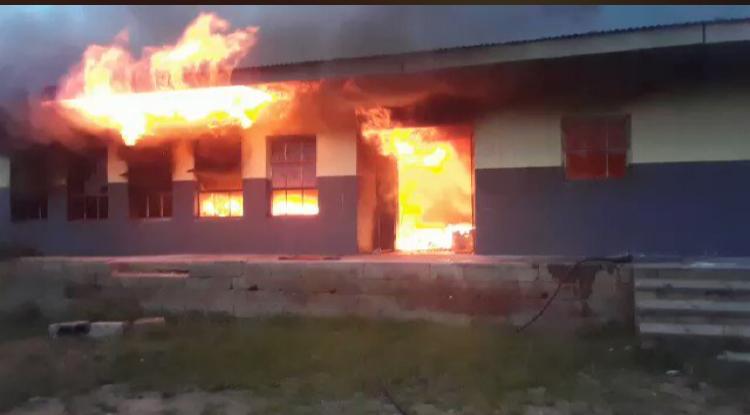
KwaZulu-Natal Education Spokesperson Muzi Mahlambi told Inside Education on Monday that about 130 schools in his province were vandalised and some even torched amid riots and lootings following the unrest that took place last week in the KwaZulu-Natal and Gauteng provinces.

Reports state that the immediate trigger for the unrest was the jailing of the country’s former president, Jacob Zuma.

 Zuma was arrested without trial after being found in contempt of court. The former president is sentenced to 15 months in prison for his repeated refusal to participate in the Zondo Commission’s proceedings.

President Cyril Ramaphosa labelled what followed as an “insurrection,” with protests led by the former president’s supporters spiralling into full-blown riots in Gauteng and KwaZulu-Natal provinces.

READ: Nzimande says the food prices following unrests will affect students

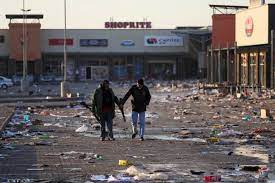
Major highways were blocked, trucks burned, shops and even schools and medical offices ransacked. The army wasdeployed, but the upheaval still wreaked about R15 billion in damage and led to many being killed amid stampedes and clashes with police and rioters.

The insurrection took a surprising turn when on Wednesday schools became the focus of attack.

Radha Roopsingh School just outside Stanger, KZN was shown burning. The office was burned to ashes and equipment including photocopying machines taken from the school premises.

Basic Education Spokesperson Elijah Mhlanga told Inside Education there is no budget to fix the schools.

“There is no budget available. This will affect teachers in the same way it affects learners,” said Mhlanga.

In an interview with Inside Education, KZN education spokesperson said the implications are huge and there are some schools that have to delay reopening because the provincial department is now forced to provide them with mobile classrooms.

Mahlambi said they do not even have the money to provide mobile classrooms for the affected schools.

 “We do not have the budget, these incidents come when we already have budget cuts in the department this financial year in the region of R6.2 billion.

“This will cause an even bigger financial constraint than we had before all the unrest happened.

“Already, some programmes were cut off, this means a further cut when it comes to programmes for teaching and learning. The situation will be worse,” said Mahlambi.

Adding that due to the budget cuts, the department had to scale down some programmes it had planned for the year, including repairs at schools affected by a storm in 2019 and those that were vandalised during the Covid-19 Level 5 lockdown last year.

READ: DBE budget cuts increase inequalities between poor and privileged schools

“We had not finished attending those challenges, and now there is this new financial burden that comes on our shoulders – the very same tired shoulders – which collapses us all together in terms of how we move forward,” he said.

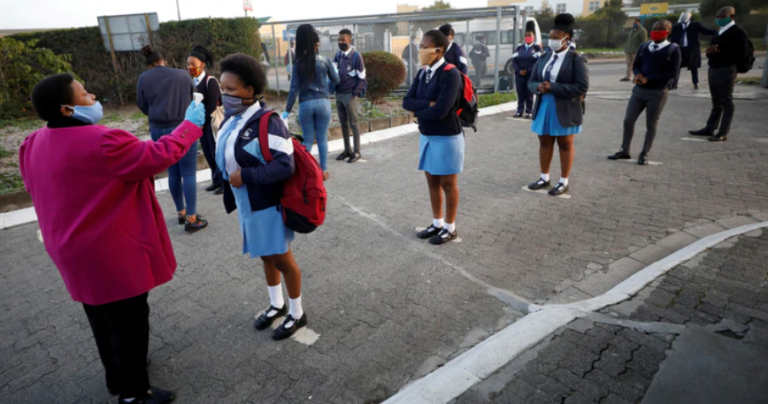
Schools were expected to reopen on Monday, 26 July, after they closed to prevent the spread of Covid-19 amid the country’s third wave of infections. Mahlambi said the riots will definitely disturb teaching and learning.

Teacher unions condemned the actions and expressed disappointment.

National Professional Teachers Organization of South Africa (Naptosa)’s executive manager Basil Manuel says they are sickened by images of schools in burning to the ground.

“The reason for the damaging of the schools is apparently being that people were looking for food,” said Manuel.

“Stealing objects and equipment from is a school is contemptable but stealing the future of innocent children and disrupting their lives is unforgiveable,” said Manuel.

Manuel said the time has arrived where the destruction and damage to schools can no longer be dealt with as merely an offence of damage to property.

“It needs to be elevated to something more telling for which more severe and deterrent sentences can be imposed and where the damage it causes children, becomes an aggravating factor,” said Manuel.

The Educators Union of South Africa (EUSA) ’s Spokesperson, Kabelo Mahlobongwane said such criminal activities should not be happening at schools.

“We want to register our disappointment to those who decided that schools were places where such criminal elements could happen,” said Mahlobongwane.

Mahlobongwane said that they have been calling for tighter security in schools for a very long time.

“Such criminal activities have been reported in our schools for a long time, and most reports and studies confirmed that schools are a red zone for crimes,” he said.

READ: Nzimande says the food prices following unrests will affect students

Mahlobongwane said Eusa wants to emphasise its call for government to deploy at least two police in each school across the country to help deal with such criminal activities.

“It is very disappointing on the side of government to not prioritise the safety of institutions that play a vital role in making sure the future of our children is secured.

Nomarashiya Caluza, KZN South African Democratic Teachers Union (Sadtu) ‘s provincial secretary said Sadtu condemns this behaviour from KZN residents.

“This has been happening for a very long time, even before lockdown.

“We had more than 100 schools that were vandalized because people wanted to get access to food at the schools, which is reportedly the case now.

“Computers and food were taken from schools. We are disappointed because it is the responsibility of the community to protect schools,” said Caluza.

She added that schools have historically never had security because communities would protect schools from any form of criminal activity.

“This is why we are disappointed. The national education department cannot look after schools alone, community members also need to play their role in this,” she said.

Extra reporting by Mmadifedile Mofokeng.

Schools remain shut in 19 countries including South Africa

Schools remain shut in 19 countries due to the pandemic, affecting 156 million children globally. The United Nations Children’s Emergency Fund (Unicef) called this “a generational catastrophe” and that the re-opening of schools cannot wait.

Unicef’s Executive Director Henrietta Fore said the losses that children and young people will incur from not being in school may never be recouped.

“From learning loss, mental distress, exposure to violence and abuse, to missed school-based meals and vaccinations or reduced development of social skills.

“The consequences for children will be felt in their academic achievement and societal engagement as well as physical and mental health,” said Fore.

Audrey Azoulay, United Nations Educational, Scientific and Cultural Organization (Unesco) Director-General said the most affected are often children in low-resource settings who do not have access to remote learning tools, and the youngest children who are at key developmental stages.

“That’s why reopening schools for in-person learning cannot wait.

“It [the reopening] cannot wait for [Covid-19] cases to go to zero.

“There is clear evidence that primary and secondary schools are not among the main drivers of transmission. Meanwhile, the risk of Covid-19 transmission in schools is manageable with appropriate mitigation strategies in most settings,” said Azoulay.

READ: Schools cannot open if all health protocols are not in place’ say teachers and parents

South Africa has itself been battling with the decision to open schools or keep them shut amid the coronavirus third wave.

Schools were initially supposed to open on Monday, 19 July. The decision to extend the winter holidays was announced by President Cyril Ramaphosa who said all schools will open on 26 July because the country was deep inside the third wave infections.

Non-profit organisation Equal Education said it supports the government’s decision to open schools amid the country’s third Covid-19 wave. The organisation said closing schools is detrimental for many pupils who depend on schools for meals and counselling.

“Our schools are not only places of learning – they are where learners need to get a meal, through the National School Nutrition Programme (NSNP).

“Child hunger is almost double what it was before the pandemic. Less than half of children (43%) received a free school meals in February and March 2021, showing receipt is still well below pre-pandemic levels (65%), and possibly even November/December 2020 levels (49%), said Equal Education Communications Officer Jay-Dee Cyster.

Unicef’s Fore said the decision to open or close schools should be based on risk analysis and the epidemiological considerations in the communities where they are situated.

“Reopening schools cannot wait for all teachers and students to be vaccinated.

READ: Schools to return to traditional and daily attendance on 2 August

“With the global vaccine shortages plaguing low and middle-income countries, vaccinating frontline workers and those most at risk of severe illness and death will remain a priority,” said Fore.

Adding that the effects of school closures are dire, ranging from lower educational achievement to mental health problems, as well as increased malnutrition.

“Schools should be the last to close and the first to reopen,” said Fore

“We urge decision-makers and governments to prioritise the safe reopening of schools to avoid a generational catastrophe,” added Azoulay.

Adding that closing schools mortgages our future for unclear benefits to our present.

“We must prioritise better. We can re-open schools safely, and we must,” said Azoulay.

Schools to return to traditional and daily attendance on 2 August

All primary school learners, as well as pupils attending special needs schools, are to return to the traditional and daily attendance timetabling model from August 2.

This is according to the Department of Basic Education (DBE) Minister Angie Motshekga who, on Thursday, published the updated return dates and plans for schools in South Africa.

Motshekga said schools will reopen on 26 July. She said teachers will have to use the week of July 26 “to finalise the preparations for the return to the traditional and daily attendance timetabling model on August 2… provided that the risk adjusted differentiated strategy is implemented”.

Motshekga said school principals, as well as the school management team and non-teaching staff will return to school on 22 July to prepare for the return of learners to school on 26 July.

“Educators must continue with teaching and learning from 26 July in accordance with the timetabling model adopted by the school, until 2 August, from which date the return to the traditional and daily attendance timetabling model must be implemented,” said Motshekga.

Adding that independent schools must close for contact classes until 26 July 2021.

READ: BREAKING: Schools to remain closed until 26 July

The gazette comes despite the surge in Covid-19 infections across the country.

According to the National Institute for Communicable Diseases (NICD), an additional 11 215 new COVID-19 cases that have been identified in South Africa, which brings the total number of laboratory-confirmed cases to 2 295 095.

This increase represents a 29.3% positivity rate on Sunday, slowly declining from the 15,939 new Covid-19 cases reported on Friday, said the NICD.

“The majority of new cases today are from Gauteng (39%), followed by Western Cape (19%). Limpopo and Mpumalanga each accounted for 9%; KwaZulu-Natal and North West each accounted for 7%; Eastern Cape accounted for 5%; Free State accounted for 3%; and Northern Cape accounted for 2% of today’s new cases,” the NICD said in a statement.

A study by the National Income Dynamics Study — Coronavirus Rapid Mobile Survey (NIDS-CRAM) shows that the average Grade 3 child in June 2021 would have the same learning outcomes as the average Grade 2 child in June 2019.

The study shows that between March 2020 and June 2021, most primary school learners in South Africa have lost 70%-100% – close to a full year – of learning relative to the 2019 cohort.

According to the DBE, in 2020, South African primary school children in no-fee schools learnt 50-75% less than what they normally learn.

“Two large, independent studies showed that, depending on the subject, learning losses in no-fee schools in 2020 ranged from 50-75% of a year of learning when compared to children in 2019,” said DBE Spokesperson Elijah Mhlanga.

READ: Schools on track to open even with rising Covid-19 infections

Another NIDS-CRAM study shows that the majority of parents and caregivers in South Africa (58%) have also agreed that children should be able to attend school every day, rather than rotational timetables.

“There were strong racial differences with the highest rate of agreement among White respondents (85% yes) and Coloured respondents (69% yes) and the lowest rate of agreement among Black Africans (56%),” reads the study.

Motshekga said the move to take schools back to traditional and daily attendance timetabling model from August 2 is important because about 93 days of schooling have occurred between 15 February 2021 and 30 June.

The minister said evidence points towards additional effects of ‘forgetting’ or regression that could hinder current learning, particularly if teaching occurs as if the content of the previous year’s curriculum has been mastered, let alone learnt.

Some teachers’ unions have welcomed the school’s reopening delay to July 26 but suggested distance and remote learning as Covid-19 infection rates continue to surge.

READ: School dropout rate increased drastically during lockdown

But Ben Machibi of the Professional Teachers Union said even though they are concerned over loss of academic time, they are more concerned about the disparities that remain in this country.

“Children in private schools continue with remote learning, the masses aren’t able to continue. As the numbers go down, we will work around the clock to ensure that all work is covered,” said Machibi.

Nzimande says the food prices following unrests will affect students

NYAKALLO TEFU|

Higher Education and Training Minister Blade Nzimande said he is concerned that the lootings and burning of shopping malls and centers will affect the price of food which will impact students.

Nzimande was speaking at Soshanguve Crossing in Pretoria this week as part of governments clean-up operations.

There has been unrest in Gauteng and KwaZulu Natal where residents have been looting shopping malls and centers.

“Of course, students are part of the community, I am very much concerned about the threat of food security for instance, that is being posed by the malls that have been destroyed,” said Nzimande.

Students across the country are currently not attending class following President Cyril Ramaphosa’s announcement that all schooling activity be stopped as the country stays on alert level 4.

The president’s decision was based on how the number of Covid-19 cases in the country continue rising as the country has entered the third wave of the coronavirus pandemic.

On Tuesday the President addressed the nation regarding the unrest that has been happening in both provinces, calling for calm.

“We are called upon, wherever we may be, to remain calm, to exercise restraint, and to resist any attempts to incite violence, create panic or fuel divisions among us,”  said Ramaphosa.

The president said people should rather join those individuals and communities who are working with the police to prevent looting, and those members of the public who have provided tip-offs and information about instances of criminality.

The shopping mall Nzimande visited is one of the biggest malls in Gauteng and employs over 1300 workers and some students from surrounding schools either work there or shop for food there.

“People would have lost jobs or would be unable to shop for food if the mall was looted so we thank the Soshanguve community,” said Nzimande.

The Minister said however, in KwaZulu Natal, things are not the same.

“In places like eThekwini and Pietermaritzburg students are going hungry like other members of the community,” said Nzimande.

The Minister said what is worse is that the prices of things like bread have gone up and there are people who are exploiting the fact that there is a shortage.

“We are glad that there have not been any reports of damaged university or residence buildings during the unrests in Gauteng and KwaZulu Natal,” said Nzimande.

Scientists develop new method of diagnosing TB from skin

A team of scientists have developed a new diagnostic methodology enabling a non-invasive, fast and highly accurate way of detecting tuberculosis (TB).

Approximately 95% of TB cases occur in developing countries, including locations where people live on less than one US$1 (R14.50) per day. About one‑third of the world population has latent TB with a lifetime risk of 5 to 10% of developing active TB.

According to research HIV co‑infection, smoking and malnutrition greatly increase this risk and speed up the TB epidemic.

Despite advances in TB diagnostics, millions of patients continue to receive an incomplete or delayed diagnosis, as the physical signs and symptoms of TB are nonspecific.

Professor Keertan Dheda, the head of UCT’s Centre for Lung Infection and Immunity said the new diagnostic pathway called A‑Patch includes nano sensors, can detect TB compounds emitted from the skin. Dheda said a specifically designed sensor array translates these findings into a point‑of‑care diagnosis by discriminating between active pulmonary TB patients and controls with sensitivity above 90% and 70% specificity. “This fulfils the World Health Organization triage test requirements and has the potential to become a TB triage or screening test,” said Dheda.

Tuberculosis (TB) is caused by a bacterium called Mycobacterium tuberculosis. The bacteria usually attack the lungs, but TB bacteria can attack any part of the body such as the kidney, spine, and brain.

READ: University of Pretoria Researcher’s Team Discovers New Compounds With The Potential To Eliminate Malaria

The bacteria that cause TB are spread when an infected person coughs or sneezes. Most people infected with the bacteria that cause tuberculosis don’t have symptoms. When symptoms do occur, they usually include a cough (sometimes blood-tinged), weight loss, night sweats and fever. Treatment isn’t always required for those without symptoms. Patients with active symptoms will require a long course of treatment involving multiple antibiotics.

The study, titled “Profiles of volatile biomarkers detect tuberculosis from skin”, was recently published in the Advanced Science journal.

READ: Africa Must Have Research And Treatment Tailored To Its Reality

To create a robust tool for TB diagnosis, the study used samples of 320 people in Cape Town and 316 in New Delhi in India were processed and analysed.

The study population included newly diagnosed and confirmed pulmonary-active TB cases, healthy volunteers, and confirmed non‑TB cases.

Dheda said the study was a further step toward assimilation of the developed sensor­‑based system to be applied in real‑time at healthcare facilities without the need for expensive laboratory equipment.

“Implementing the sensor array approach into an adhesive bandage is an additional step toward a simple and cost‑effective wearable patch to address the TB epidemic in both developing and developed countries,” he said. “This platform is expected to provide the foundation for the development of a wide variety of low‑end and high‑end wearable patches that can detect a wide variety of diseases and illnesses detectable by ‘sniffing’ the corresponding skin‑emitted compounds.”

Dheda said two in five TB patients globally remain undetected and thus good community‑based screening tools for TB are urgently required.

“Many existing diagnostic tests are slow, have low sensitivity and/or specificity, and at times are too expensive or complex for resource‑limited settings.

“For example, a sputum smear is too insensitive, and mycobacterial culture takes four to eight weeks and at least two to three visits by the patient to finalise the diagnosis and begin treatment. This process is time‑consuming, labour‑intensive, requires highly trained technicians, and the method is based on challenging specimen collection and processing, both of which can greatly affect the sensitivity,” said Dheda.

The Nelson Mandela Bay municipality could be subjected to water outages

DR ANDRE HEFER|

As one of the largest institutions in the Nelson Mandela Bay metro, Nelson Mandela University is on a water emergency and sustainability drive to address the looming Day Zero crisis.

The projections are that the four Summerstrand campuses and the Bird Street Campus in Central could be without water from the end of September 2021 or earlier.

Certain areas in the metro could be subjected to water outages as early as July 2021.

At great but necessary cost to Mandela University, the institutional water management and risk mitigation plan has been accelerated. The plans, upscaled from June last year, are well into the implementation phase.

These plans are predominantly focused on the Summerstrand campuses (Ocean Sciences, North, South and Second Avenue) as these are situated in an area classified as a red zone for municipal water supply.

At full capacity, the university’s total water usage across all its campuses is 1.5 megalitres or 1.5-million litres per day during peak periods. Up to 70% of this usage is on the South Campus.

During this Covid-19 period, there are 18,000 students and approximately 2,500 staff members on the North and South campuses. This includes 3,500 students living on campus residences.

The residences are 97% full as many of the students who live in circumstances that are not conducive to online learning during the Covid-19 pandemic, applied to return to campus.

READ: Unflushed toilets threaten children’s health at Langa High School

The university is doing everything it can to ensure that students and staff will continue to enjoy a supply of water come Day Zero.

A water emergency management team comprising water scientists and technical support staff, that works closely with the municipal disaster management command centre and the Business Chamber water task team has been constituted.

Emergency management measures are being implemented along with a comprehensive water awareness campaign to bring our students and staff on board and ensure they actively assist in reducing water consumption on campus and curtail any wasting of water.

In anticipation of the progressive and drastic reduction of supply, a three-prong water emergency management strategy has been implemented on the campuses since last month.

The strategy, which includes the use of technology, source diversification and user adaptation solutions, is intended not only to mitigate negative impacts of the current drought but also advance the ongoing institutional sustainability drive.

The technical team is working hard to increase the storage capacity of critical buildings and residences that do not have emergency water reserves. Most buildings already have some storage tanks and an additional 95 x 5,000l water tanks have been purchased to be installed at critical areas across our campuses.

These efforts build on the 36 meters and electronic readers already installed at student residences on the North, South and the 2nd Avenue campuses. Three bulk meters were also installed on South Campus, as well as electronic remote readers. An additional 58 meters for all other South Campus buildings are currently being installed.

Also being explored is the installation of flow restrictors on the taps while also replacing the flushing mechanisms of toilets to a cistern-less system using flush valves. These valves are expensive to install but are very hard-wearing and long-lasting. They flush directly from the water supply, using up to half the water of a cistern system. By mid-August 150 flush valves would have been installed on the South Campus.

READ: Day Zero: Sadtu accuses Premier Helen Zille of delaying water plan announcement

The sport fields historically accounted for about 20% of total water use on the Summerstrand campuses. The university is now buying water (at R2.20 per kl as opposed to R17 per kl for potable municipal water) for its sport fields and gardens from the Cape Recife Waste Water Treatment Works which generates quality return effluent (RE) water to a treatment standard that is safe for irrigation, which if not used would go into the ocean.

Some 1.7Ml of RE water per day can be extracted and stored in a recently built 1.3Ml holding dam.

The new residences will use alternative water sources for flushing toilets and urinals. Two existing residences are already using RE and two more will do so by year end.

RE is a massive solution for universities, big businesses and operations in the Metro and beyond, as toilet flushing accounts for approximately one-third of all water usage per day. It’s criminal to use potable water for this purpose.

Two boreholes linked to the North Campus and Sanlam Residence Village residences, have been drilled. They are achieving a good yield of 80,000-100,000 litres per day. The university is exploring adding boreholes on Missionvale and Second Avenue Campuses.

However, with approximately 150 boreholes drilled over the past two years across the metro, institutions and residences need to be mindful of the negative impact boreholes can have on groundwater reserves.

It is generally accepted that user adaptation is one of the highest impacts and cheapest approaches, and the university has significantly stepped up its water awareness campaign on campus and among students and staff.

The awareness campaign includes close consultation with students on the proposed emergency water management solutions. Every single member of the university community needs to play their part since if the institution runs out of water, students and staff would have to return and stay home. Needless to say, this would be disastrous for the academic project.

Dr Andre Hefer is a Sustainability Engineer at the Nelson Mandela University.

UCT student flies flag high at Canoe Ocean Racing World Championships

NYAKALLO TEFU|

University of Cape Town (UCT)’s masters student Nicholas Notten has won the Canoe Ocean Racing World Championships.

The Championships were held in Lanzarote, Spain, from 4 to 6 July 2021. 

The International Canoe Federation (ICF) Ocean Racing World Championships is an annual international race for long-distance surf skis also known as sea kayaks, where all the competitors race in one event for the world title.

The 25-year-old UCT student was born and bred in Cape Town and has always been close to the sea, where as a child became part of the live saving staff.

“At some point I started doing junior [surf] lifesaving, which led me to senior lifesaving. In turn, being a surf lifesaver I then became a competitive sea kayaking,” said Notten.

The world championships drew more than 250 competitors across multiple divisions (from juniors up to masters) from over 20 countries.

“In surf lifesaving there are various races in the different lifesaving crafts, one of which is the surfski. This is similar to the ocean racing kayaking,” added Notten.

Notten said the preparation was a little bit on and off unfortunately because of the COVID crisis.

“Us as South Africans not knowing if we would be able to make it to Lanzarote was one of the other challenges we faced,” said Notten.

The South African team, which normally has 30 or more members, consisted of only eight competitors. This was due mainly to pandemic-related reasons such as travel restrictions.

The 25-year-old said he just kept his head down and was very optimistic and, in the end, it worked out for him.

“The conditions we had for the race were a 1.8 m swell with a 20-knot wind, for the race I maintained an average speed of 3:21 minutes per kilometre, finishing almost a minute ahead of the second-placed paddler,” added Notten.

The 25-year-old is currently in Germany and is set to return to South Africa at the end of July.

“For UCT and South Africa, it is great to have people involved in sea kayaking who are not only participants, but are also at the pinnacle of the sport,” said the 25-year-old.

“For me personally, it means a great deal. I am very honoured to have the title, and grateful to have had the opportunity to race and represent South Africa,” said Notten.

Teacher training workshops to enhance online education essential

The Covid-19 pandemic has forced local organisations in both the public and private sectors to embrace digital transformation and the digitalisation of internal processes.

Analysts say that those that have not yet embraced online education are in imminent danger of falling behind.

Dr Cerene Rathilal, a lecturer at the University of Johannesburg said online education has become increasingly important considering that online engagement is the new norm.

“Online education and engagement are a hybrid approach that will likely remain the medium of instruction in the foreseeable future,” said Rathilal.

The University of Johannesburg (UJ) Soweto Science Centre in partnership with the Department of Basic Education, Africa Teen Geeks and UNICEF hosted a virtual Teacher Training workshop this month. The workshop aimed at equipping teachers with the necessary skills needed to create an effective online environment for learning.

READ: Technology in the classroom

Analysts and policy makers say that the move towards digital and Industry 4.0 technologies and methodologies is no longer optional if an organisation or country wishes to survive amid the “new normal”.​

Analytics software solutions provider at Analytics Software & Solutions South Africa education manager Adesh Nathalal said a key concern when implementing Industry 4.0 technologies in South Africa – and in Africa in general – is the employment factor.

Nathalal said it remains a significant challenge to implement a just transition to Industry 4.0 technologies and simultaneously retain jobs.

Dr Lungile Sithole, Director of the Soweto Science Centre said teachers play a noteworthy role in the upliftment and transformation of our society and as such, it is important that they receive continuous training and development.

Sithole said the Soweto Science Centre was primarily established to address pressing problems associated with human capital development, which South Africa as a member of the global community of nations is grappling with.

“Our mandate is geared towards the provision of tuition to learners and development of teachers in order to improve the quality of mathematics and science education in South Africa”, said Sithole.

READ: South Africa needs tech classrooms

Teacher training workshops are hosted annually at the Soweto Science Centre.

Sithole said this is where skills and competence development are a key part of the programme.

The Teacher Development Program seeks to promote the professional development of teachers on a broad scale, he said.

Adding that the program runs in tandem with UJ’s learner enrichment program which provides meaningful learning opportunities for both teachers and learners.