Home Blog Page 319

South Africa has a reading crisis: why, and what can be done about it

PETER RULE|

The teacher stands in front of her Grade 4 class. The 45 nine and ten-year olds are crammed together at desks, huddled over shared books. Some are sitting on the floor. “Now, class, read from the top of the page,” the teacher says. They comply in a slow sing-song drawl.

“Stop,” says the teacher. “It is not ‘Wed-nes-day’, you say it ‘Wensday’. It is what?” “Wensday,” the class responds. “Again.” “Wensday.” The reading resumes, the teacher frequently stopping to correct her pupils’ pronunciation.

Sometimes the children read aloud in groups. At other times, she calls a child to come to the front and read aloud. Not once does she ask a question about what the story means. Nor do the children discuss or write about what they have read.

This is the typical approach to how reading is taught in most South African primary schools. Reading is largely understood as an oral performance. In our research, my colleague Sandra Land and I describe this as “oratorical reading”. The emphasis is on reading aloud, fluency, accuracy and correct pronunciation. There is very little emphasis on reading comprehension and actually making sense of the written word. If you were to stop the children and ask them what the story is about, many would look at you blankly.

Pronunciation, accuracy and fluency are important in reading. But they have no value without comprehension. Countries around the world are paying increasing attention to reading comprehension, as indicated by improving results in international literacy tests.

The problem with the oratorical reading approach is evident in the results of the recent Progress in International Reading Literacy Study (PIRLS) 2016 tests. PIRLS’ purpose is to assess reading comprehension and to monitor trends in literacy at five-year intervals. Countries participate voluntarily. Learners write the test in the language of learning and teaching used in Grades 1 to 3 in their school.

The tests revealed that 78% of grade 4 pupils in South Africa fell below the lowest level on the PIRLS scale: meaning, in effect, that they cannot understand what they’re reading. There was some improvement from learners writing in Sesotho, isiNdebele, Xitsonga, Tshivenda and Sepedi from a very low base in 2011, but no overall improvement in South Africa’s performance.

South Africa was last out of 50 countries surveyed. It came in just behind Egypt and Morocco. The Russian Federation came first followed by Singapore, Hong Kong and Ireland.

South Africa also performs poorly in the Southern and Eastern Africa Consortium for Monitoring Educational Quality surveys. These show that in reading and numeracy South Africa is lagging behind much poorer African countries such as Tanzania and Zimbabwe.

Our research on reading at a rural primary school and an adult centre in the KwaZulu-Natal province showed that the oratorical approach to teaching reading was dominant both in the school and adult classes. Both adults and children were not learning to read with meaning, and so were not achieving literacy despite attending classes. Our findings confirmed the results of other South African studies.

So where does the problem lie and how can South Africa address it?

Rote learning

To understand the situation more deeply we interviewed teachers and explored how they had learned to read. We found that they teach as they were taught; an indication that oratorical reading is a cycle repeated from one generation to the next unless it is broken.

Teachers told us they assessed pupils’ reading ability just as they were assessed by their teachers: by having them read aloud. Marks were allocated for individual oral reading performance. This was based not on understanding the passage, but on fluency and pronunciation. There was no written assessment of reading comprehension. Reading was about memorising sounds and decoding words.

This suggests that the problem in learners’ performance lies in how reading is taught in most South African schools. Learners are taught to read aloud and pronounce correctly, but not to understand the written word and make sense of it for themselves. Another consequence is that the pleasure and joy of discovery and meaning-making are divorced from school reading.

New approaches

There are no quick fixes, but there certainly are slow and sure ones. The first is to get reading education in pre-service teacher training right. A report by JET Education Services, an independent non-profit organisation that works to improve education, found that universities don’t give enough attention to reading pedagogies.

Universities need to teach reading as a process that involves decoding and understanding text in its context, not just as a “mechanical skill”. Countries such as India, with its great diversity and disadvantaged populations, have begun to address the need for this change in how reading is taught.

The second “fix” concerns in-service training. The Department of Basic Education has a crucial role to play here. Teachers need to reflect on how they themselves were taught to read and to understand the shortcomings of an oratorical approach.

Effective reading instruction, such as the “Read to Learn” and “scaffolding” approaches, should be modelled and reinforced. In a multi-lingual African context, strategies that allow teachers and learners to use all their language resources in making meaning should be encouraged. Teachers’ own reading is vital, and can be developed through book clubs and reading groups.

The school environment is also crucial. According to the PIRLS interviews with principals, 62% of South African primary schools do not have school libraries. These are central to promoting a reading culture, as work in New Zealand shows.

Schools should develop strategies such as Drop Everything and Read slots in the timetable, library corners in classrooms, prizes for reading a target number of books and writing about them, and creating learners’ reading clubs. Learners can draw on local oral traditions by gathering stories from elders, writing them and reading them to others.

Finally, the home environment is vital. The PIRLS research showed that children with parents who read, and especially read to them, do better at reading. Our research found that children with parents who attended adult classes were highly motivated to learn and read with their parents. Even if parents are illiterate, older siblings can read to younger children. The Family Literacy Project, a non-profit organisation in KwaZulu-Natal, has done excellent work in creating literate family and community environments in deep rural areas, showing what is possible.

Developing families as reading assets rather than viewing them as deficits can help to strengthen schools and build a reading nation.

Peter Rule is an Associate Professor at the Centre for Higher and Adult Education at Stellenbosch University


UP makes history with unprecedented 100% pass rate in SAICA ITC exams

The University of Pretoria (UP) this month made history with an unprecedented 100% pass rate in the South African Institute of Chartered Accountants (SAICA) April Initial Test of Competence (ITC) results.

UP obtained a 100% pass rate in the SAICA ITC exam for first-time writers and an overall pass rate of 99.4% for all candidates.

These historically exceptional results place the university in first place in South Africa.

Head of Department of Accounting and the Chartered Accountancy Programme Coordinator Professor Madeleine Stiglingh said not only did the number of African black candidates from UP increase but for the first time ever, the pass rate for our African black, coloured and Indian students is an unprecedented 100%.

“It is higher than the pass rate of the white candidates at 99%,” said Stiglingh.

Stiglingh said the number of African black candidates increased by 7% while the pass rate increased from 86% in 2020 to 100% in 2021.

SAICA administers two professional exams per year and the results of the first of the ITC exams were recently released.

Stiglingh said the university’s pass rate is not only substantially higher but that UP has achieved the highest pass rate in the country for our African black candidates.

According to SAICA, the national pass rate for all African black candidates is 52%.

A total of 3 887 (2020 – 3 657) candidates wrote the April 2021 ITC, of which 2 507 (2020 – 2 149) passed. UP contributed 174 candidates to the April 2021 ITC.

UP’s first-time pass rate averages at 94% over a period of 15 years, making it one of the most consistent among the country’s universities.

The Dean of the Faculty of Economic and Management Sciences, Professor Elsabé Loots, commended Professor Johan Oberholster, the 2020 CA Coordinator, the Heads of the four academic departments in the faculty and all the lecturing staff on this stellar achievement.

“We are extremely proud of the performance of our students in the latest ITC results that clearly demonstrate that UP continues to be one of the leaders in the education of chartered accountants,” said Loots.

Professor Tawana Kupe, Vice-Chancellor and Principal of UP, congratulated the students.

Kupe said UP is delighted with this pass rate.

“Our students achieved an amazing pass rate in the midst of a pandemic. You have shown resilience and tenacity,” he said.

Zimbabwe women’s national team beckons Wits Rugby’s Tadiwanashe Kwete

TSHEPISO MAMETELA|

Zimbabwe Women Sables are looking for an industrious start to the 2021 Africa Cup Challenge as they romp up preparations ahead of the scheduled tournament, which takes place in Uganda from 11 to 19 July.

The southern African country has assembled a strong squad and have gathered in the capital, Harare, where a training camp has been organised.

The Women Sables closed out an important friendly warm-up series against fellow-continental contenders Zambia, recently, as the two countries fought it out in the curtain-raising ‘Battle of Zambezi’.

Not merely looking to make up the numbers at the upcoming tournament, the Women Sables has called up a number of emerging talents in the country and abroad, one of which is Tadiwanashe Kwete, a versatile prop/ hooker who plies her trade running out for the Wits University Women’s rugby first team.

The first-year Bachelor of Laws (LLB) student is set to be an integral part of her home nation’s pursuit of glory on the African safari, with the 21-year-old every bit as intent on making a notable impression in national team colours.

“It’s an honour to be recognised and to get the call-up, especially being out of the country,” Kwete told Wits Sport. “I am elated by the call-up [although] I did not expect it … there is new blood coming in and showing off what they can do.

“I felt proud watching them play [in the series against Zambia] but now I am overly excited to be joining them in camp.” The invitation is a testament to hard work, which Kwete believes she was able to put in all throughout training, so far, this year.

The devastating player scores her second senior national team call-up; first featuring for Zimbabwe’s Under-20 side in 2019 in a bilateral series against South Africa before making her senior team debut against Zambia in Lusaka that same year.

“I am looking at bagging more caps and playing my best rugby. I am excited to be joining the ladies in camp and I know it is going be a very technical and clinical camp where we work through our processes,” added a focused Kwete.

“Having played for Wits and learning a few things here, I really want to use that to better my play while also imparting what I have learned here to them, and vice versa.

“At the end of the day, we all understand that it is an uphill task facing Uganda considering the fact that there hasn’t been any rugby in Zimbabwe for close to two years now, because of the pandemic, but exciting times ahead.”

Wits Rugby’s Ferdinand Kelly said the rugby office couldn’t be prouder as Kwete’s beckoning on the continental stage demonstrates a sturdy women’s rugby programme at the institution.

Kelly lauded the strides made by the University to develop a high-performance women’s rugby programme in which female student-athletes can excel.

“We are immensely proud of Tadiwanashe’s achievement. It is purely a result of her commitment to the sport and the hard work she has put in … Our women’s programme is a work in progress and we are gradually making quality strides in the right direction,” the sports officer conceded.

“Earlier this month, Sibongile Mdaki was invited to join the provincial Golden Lions Ladies team, and now, Tadiwanashe has been called up for national duty. The measure of any productive rugby programme is [its ability to] produce provincial or national team players,” he added.

“It is an indication that our coaches and management are doing something correctly and that the program is in good stead. However, it becomes immensely important to make athletes aware of their academic responsibility and to find the balance between sport and their studies.”

There’s more to mathematics than academia – says hackathon winners

A team of three Rhodes University students and two external collaborators have won first prize at the recently concluded nationwide Hackathon challenge.

The two-day challenge was organised by the South African National Space Agency (SANSA).

Dr Patrice Okouma, Department of Mathematics & Applied Mathematics Lecturer said when the Rhodes Artificial Intelligence Group hosted by the Mathematics Department was made aware of the challenge, they realised that it offered a unique opportunity for strengthening teamwork among some of our students.

He said three graduate students in the Mathematics Department accepted the challenge to compete.

“They are Irene Nandutu, Nicole Oyetunji and Kamvalethu Vanqa. Vanqa who have a joint affiliation with the Radio Astronomy Techniques and Technology in the Physics & Electronics Department.

“Nandutu is a Ph.D student who has considerable experience in building communities, Vanqa is an MSc student who has won a number of prizes and awards and Oyetunji is an MSc student and team leader,” said Okouma.

Adding that as per the design of the competition, the team had two external collaborators: “Professor Oleg Smirnov as well as Dr Marcellin Atemkeng and Dr Patrice Okouma are the students’ supervisors,” said Okouma.

A Hackathon is an event, usually hosted by a tech company or organization, where programmers get together for a short period of time to collaborate on a project. The participants work rapidly to achieve their task, as the events generally only last 24 hours or take place over a weekend.

The Rhodes University team won R5000 and a sponsored two-day tour of the Western Cape’s top space facilities, including the SANSA Hermanus campus. 

The win also includes flights, food, and accommodation.

Okouma said the win re-asserts the fact that Rhodes University has talented students with an inspiring willingness to contribute towards alleviating some of our practical problems.

He said as the university strives to strengthen a fertile environment for its students’ creativity to blossom.

Oyetunji said maths is a very male-dominated area, which can be intimidating, but I hope this win by two female leads encourage any girls out there that have an interest in science and to know that they are capable of achieving great things,” said the 24-year-old.

Adding that while academia is important, there are misconceptions about real-world maths application not extending beyond teaching.

“While teaching is an extremely important profession, there are other career paths for mathematicians who wish to be active in science,” said Oyentuji.

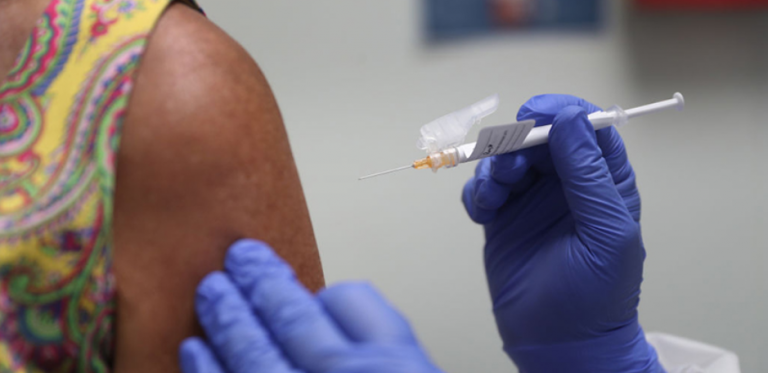
DBE minister addresses vaccine hesitancy

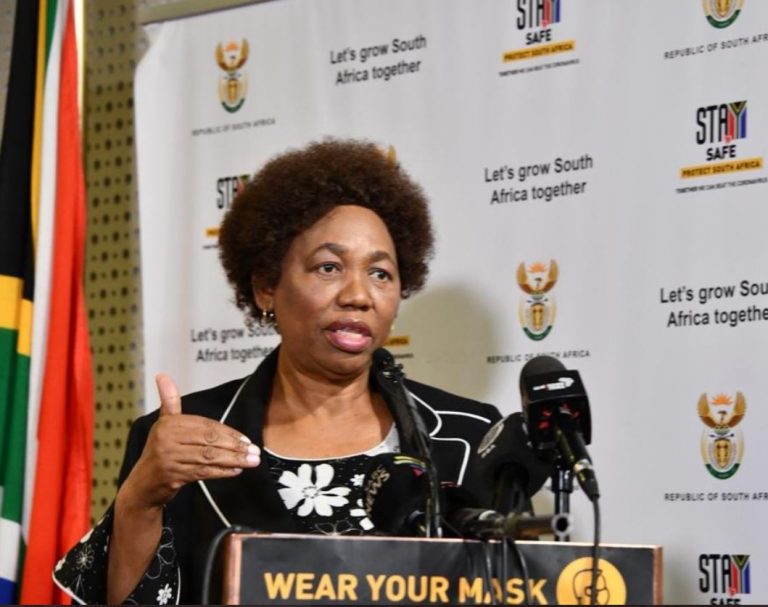
The minister of basic education, Angie Motshekga, said educators and other staff in her sector “really need to overcome hesitancy”.

Motshekga was briefing media at the Gallagher Estate vaccination site in Midrand on Thursday.

Motshekga said her department has received reports from its social partners who have indicated that some educators and support staff members are refusing to get the vaccine on the basis of their religious beliefs.

“At the start of the programme we saw many religious [leaders] come forward to receive the vaccine.

“Let me say this, there are myths about the vaccines that we also need to address in our communities.

“All vaccines used in South Africa have been tested and approved by SAHPRA [South African Health Products Regulatory Authority] – an entity of the National Department of Health created by government with the responsibility to regulate health products in the country.

“Getting the vaccine will protect you from severe illness, hospitalization and death from Covid-19,” said the minister.

Inside Education reported on Wednesday that the national department of basic education said all teachers must report to work on July 19 already vaccinated against Covid-19 and those who have chosen not to be vaccinated will be required to provide an explanation of the steps they will take to protect themselves, as well as learners and other colleagues teachers in the workplace.

READ: Teachers who refuse to be vaccinated are a threat – DBE

Basic Education Spokesperson Elijah Mhlanga said the department was still discussing the next steps regarding educators who have refused vaccination, as working from home and listing medical conditions is not an option.

This came after reports that 9113 educators and support staff in Gauteng province refused to be vaccinated against the Covid-19 virus.

Reports also stated that other educators from the Western Cape province also said they would not be participating in the vaccination drive due to vaccine safety concerns,  religion reasons and pregnancy as reasons.

Motshekga said as a department, they respect an individual’s right not to be vaccinated.

“… especially in those cases where people have indicated that they are not willing to get vaccinated. However, we would like to appeal to all our personnel to get the vaccine,” she said.

She added that the learning losses are getting worse daily and the impact on the system will indeed affect negatively in the future.

“We will need to work together to ensure that we get vaccinated and indeed continue to comply with the health and safety protocols relevant to Level 4 of the risk adjusted strategy,” she said.

When schools reopen, we will expect all our teachers, including those with comorbidities, to return to work.

READ: DBE to be taken to court for failing to provide meals to learners

According to the department of basic education, around 16,000 teachers have been on special leave because they have comorbidities.

Motshekga said the department has discussed this matter with the teacher unions, and all five of the unions that are part of the Education Labour Relations Council (ELRC) are in full support of this position.

“There will be no need for the DBE to develop any additional policies during this period, because it already has sufficient policies in place to address the current situation of the pandemic; and while the vaccination process is being implemented.

“The Department of Basic Education has requested that a Special ELRC meeting be convened on Friday, 09 July 2021, to discuss a proposal in the form of a draft collective agreement.

“This draft collective agreement aims to guide the operational requirements for educators employed in terms of the Employment of Educators Act, 1998 (Act No. 76 of 1998), following the implementation of the Basic Education Sector Covid-19 vaccination programme,” said Motshekga.

Motshekga said it is for that reason that her department makes the appeal to everybody in the education sector to ensure that they please get vaccinated, “so we can focus on the task of stabilising schooling.

“We really need to overcome hesitancy,” she said.

DBE requests extension for education sector vaccination programme

Minister of Basic Education Angie Motshekga has asked the Department of Health to give the education sector an extension “in order to mop-up the outstanding vaccinations”.

Speaking to media on Thursday, Motshekga said about 400 000 people in the sector have been vaccinated but the numbers have increased.

“We initially targeted 582,000 people in the sector but we have now loaded 789,554 including food handlers, janitors, and support staff from independent schools and ECD centres located within school premises on the on the Electronic Vaccination Data System,” said the minister.

Adding that the department wants to use the time to conclude the programme properly in the sector accommodate those excluded on terms of the criteria outlined by the Department of Health.

“These include individuals who recently tested positive for Covid-19 and those who took the flu vaccine,” she said. These individuals were excluded from the initial vaccination drive.

READ: Higher Education and Training sector vaccination programme to start

Motshekga said the Department of Health has offered additional doses that the basic education will use to vaccinate other people in the sector, who were initially not included.

The vaccination programme in the basic education sector started on 23 June. According to the department, the education sector was initially allocated 300 000 doses to be administered over a period of 10-days.

“In the past two weeks we have visited different provinces, where we monitored the progress of the vaccination programme.

“We did so because we appreciate the fact that we were prioritised and we really wanted everybody who qualifies to be vaccinated,” said Motshekga.

She said getting the vaccine will protect those in the education sector from severe illness, hospitalization and death from Covid-19.

“When you are vaccinated, your immune system will recognize the virus quickly when you get infected with Covid-19 and prevents you from being severely ill or dying,” she said.

READ: DBE Covid-19 provincial vaccine rollout campaign

However, there remains challenges.

The minister said there continues to be discrepancies between people who are submitted and those who appear on the Electronic Vaccination Data System.

“Nationally, names appear on the database but there is a problem at the sites when people get there to get their vaccinated,” said Motshekga.

She added that her department has received reports of people having been turned away and some do not return as a result because they travel long distances to reach the sites.

She said another issue that has come to the department’s attention is that provinces have informed educators in independent schools and School-Governing-Body-appointed personnel not to go to sites until they are sure that they appear on the Electronic Vaccination Data System.

“This has slowed down the number of people turning up at the sites in this category,” she said.

DBE to be taken to court for failing to provide meals to learners

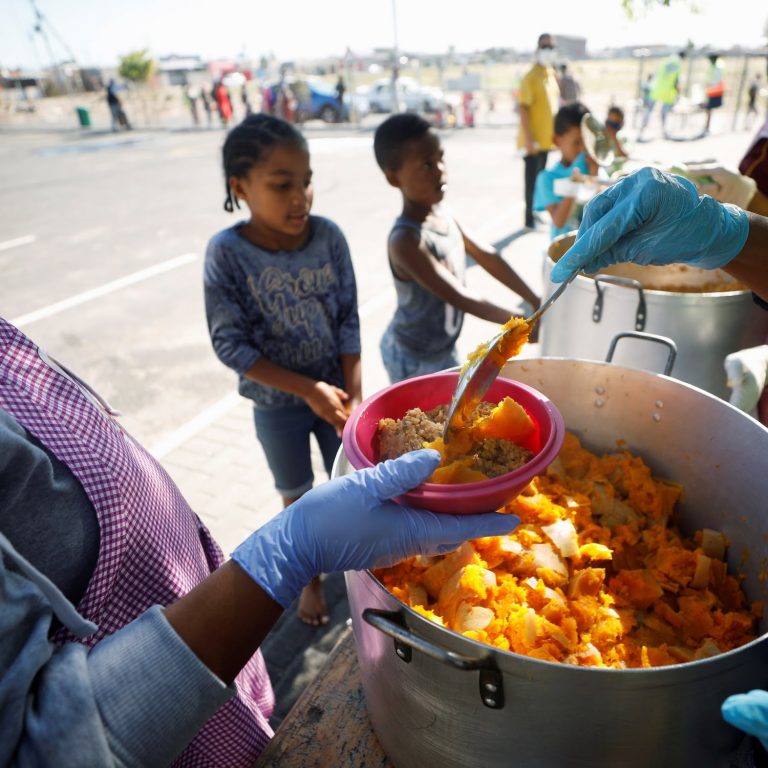
Education activists and school governing bodies have returned to court to fight for school meals for learners.

In a joint statement released by Equal Education (EE) and the school governing bodies (SGBs) of two Limpopo schools, represented by SECTION27 and the Equal Education Law Centre (EELC), the group said they are returning to court against the Department of Basic Education (DBE) and provincial education departments for failing to rollout the National School Nutrition Programme (NSNP) to every single eligible learner in South Africa, for over a year.

Julia Chaskalson, SECTION27 Communications Officer said we are asking for a new court order that declares that education officials have not met their constitutional obligations to provide daily meals to all qualifying learners.

 Chaskalson added that the DBE and the provincial departments have not fulfilled the requirement to submit plans and monitoring reports, as ordered by the courts in July 2020.

The education MECs and Basic Education Minister Angie Motshekga should give the court reasons why they shouldn’t be fined or sent to jail for being in contempt of the court order.

“We are asking the court to order the national and provincial education departments to file new, revised plans to deliver the NSNP, that take into account the continued challenges posed by Covid-19,” said Chaskalson.

READ: 1.5 million learners have not yet received their food from the school mandated programmes

Jay-Dee Cyster, Equal Education Communications Officer said we are asking the court to order that these new plans be filed within a month, and that the education departments file monthly updates on implementing the new solutions with the court, until the court says they can stop doing so. 

According to Equal Education and SECTION27, the High Court of South Africa Gauteng Division ordered that Motshekga and the education MECs for eight provinces roll out the NSNP to all qualifying learners – regardless of whether learners had physically returned to school or not.

The two organisations said yet a full year later, education officials have failed to develop practical or realistic plans for the NSNP which address the new realities of schooling during Covid-19, and many vulnerable learners are missing out on daily school meals.

“Many provincial education departments have also stopped submitting the monitoring reports that the court ordered them to compile.

“After trying to resolve these problems directly with national and provincial education departments through letters and submissions, we are now going back to court to demand that they comply with the June 2020 court order,” said Cyster.

Meanwhile, the Free State Department of Education on Wednesday made calls all on principals in the province to roll-out school nutrition programme to all qualifying learners.

Spokesperson for the Free State Department of Education Howard Ndaba said schools in the Free State have been requested to develop differentiated school specific feeding plans.

“Learners who are not at school are requested to come to school with containers to collect their meals

“These learners will be expected to leave the school premises as soon as they receive their meals and are encouraged to go straight home,” said Ndaba.

In her media briefing on the sector’s response to the Covid-19 pandemic, Motshekga said schools will make the necessary arrangements to continue to provide feeding to those learners who are beneficiaries of the NSNP.

But this has not happened, said Equal Education and SECTION27.

Chaskalson said according to SECTION27’s recent survey of school officials and parents, the organisation found that of the 53 schools surveyed, 49% (26 schools) said that not all learners receive meals on the days they are not at school due to rotational timetables.

“The situation was particularly bad in Limpopo, where 13 of the 22 schools surveyed said that learners don’t receive meals on days that they are at home,” she said.

Adding that of the 43 parents and caregivers that we asked about whether their children receive NSNP meals on days that they do not attend school, 74% – 32 parents and caregivers said that their children do not receive these meals.

Only 10 parents, 23%, reported that their children do.

READ: Over 2 Million Learners Still Not Receiving Food From Basic Education Department, Says Equal Education

“It is clear that this is a problem in each of the provinces surveyed, with at least half of all parents and caregivers in each province saying that their children do not receive meals when they are at home.

“Parents and caregivers spoke of the physical and emotional stress of learners not getting meals, especially when breadwinners have lost their income due to lockdown. Not having food hurts children’s ability to learn,” said Chaskalson.

She added that the two organisations have asked for an urgent court hearing date against the DBE within the month.

University SRCs have distanced themselves from SABC reports of universities’ residence closures

Students’ representative councils (SRCs) at universities across the country have distanced themselves from claims made by the South African Broadcasting Corporation (SABC) that they have raised concerns that positive Covid-19 cases could continue to rise if residences remain open.

The South African Union of Students (SAUS) said the SABC “erroneously made misleading claims” that SRCs raised concerns about the 19 covid-19 positive cases could continue to rise if residences remained open.

SAUS President Lubabalo Ndzoyiya said SAUS – as a union and body representing all SRCs across all universities in the country – we “want to categorically denounce such utterances from the SABC as untrue and misleading, in the same light we want to staunchly condemn this mischievous and propagandist stunt by the national broadcaster.”

“As a union, we maintain, that no student should be evicted and sent back home whilst the academic year is in process.

“In the event of implementation of harder lockdowns, we still maintain that students who were residing in residences when the tighter restrictions were implemented, must be allowed to carry on residing in residences,” said Ndzoyiya.

Adding that the union’s call and stance is echoed by the Minister of Higher Education, Science and Innovation, Blade Nzimande, in his previous address who said “residences will remain open, as it is also not safe for students to travel back home at this time and it is necessary for students to retain access to campus and residence-based WIFI”.

READ: Nzimande on post school education and training institutions plans on the Covid-19 adjusted level 4 lockdown

Last month, President Cyril Ramaphosa announced that the country has been moved to Adjusted Alert Level 4 following the highly infectious Delta variant of the coronavirus spreading quickly across the country.

The announcement has direct for the teaching and learning programme, and assessments in particular.

At the time, Nzimande said that in terms of the Adjusted Alert Level 4 lockdown, the universities do not officially close but all face-to-face teaching and examinations must halt for the next two-week period.

He said during this period, learning will shift exclusively to online learning for all students.

Even though the minister said university residences would remain open, he said universities need to continue to manage residences according to the necessary health and safety protocols, as outlined in the directions and in line with protocols developed by higher health.

Ndzoyiya said SAUS has been in contact with SRCs across the country in efforts the determine the veracity of these claims by the SABC.

“They [SRCs] have distanced themselves and claiming no knowledge of the above by the broadcaster. We therefore cannot accurately decipher what could have been the objective behind this malevolent act which propagated not only confusion amongst our students but even our parents,” he said.

READ: BREAKING: Schools to shut down from Wednesday

Wits SRC has also distanced itself from the report.

“The Wits SRC would like to distance itself from this stance. Our students are not moving, they will occupy the residences. We are not a part of this. This is nonsense,” said the council.

The University of KwaZulu-Natal (UKZN) SRC also distanced itself from the SABC report.

“Our students in UKZN are not going anywhere and will occupy residences until they have fully exhausted all residence fees that they charged,” said UKZN student leader Moses Nkambako.

Tshwane University of Technology as well as the Mangosuthu University of Technology *MUT) have also distanced themselves from the claims.

“MUT SRC would like to distance itself from the statement of SABC news. We form absolutely no part of the SRCs mentioned and we are not at any point advocating for evacuation of residences,” said the MUT SRC.

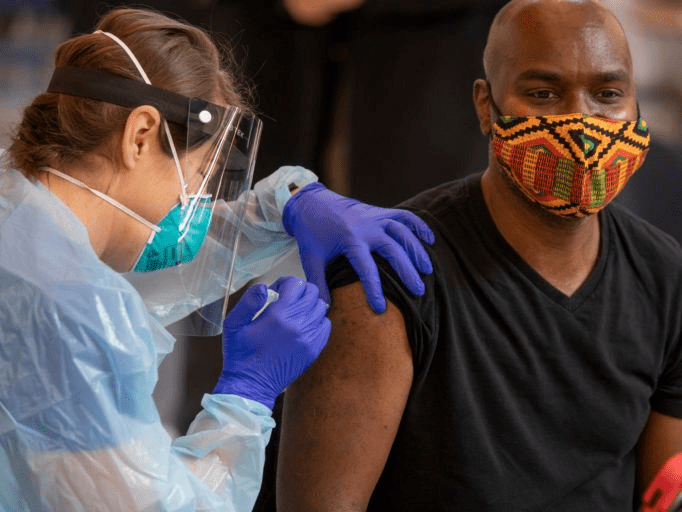
Teachers who refuse to be vaccinated are a threat – DBE

All teachers must report to work on July 19 already vaccinated against Covid-19 and those who have chosen not to be vaccinated will be required to provide an explanation of the steps they will take to protect themselves, as well as learners and other colleagues teachers in the workplace.

This is according to Department of Basic Education Spokesperson Elijah Mhlanga.

Mhlanga said the department was still discussing the next steps regarding educators who have refused vaccination, as working from home and listing medical conditions is not an option.

“Teachers will have to report to work. They would have had the opportunity to protect themselves against the virus,” he said.

The Department for Basic Education’s vaccination rollout plan has been in full swing, with more than 333 000 teachers and support staff vaccinated since June 23. The rollout plan is expected to continue until July 8.

On Sunday, Inside Education reported that 9113 educators and support staff in Gauteng province refused to be vaccinated against the Covid-19 virus.

READ: “Fake news” reason some educators refuse vaccination – Lesufi

Other educators from the Western Cape province also said they would not be participating in the vaccination drive due to vaccine safety concerns.

Others listed religion and pregnancy as reasons.

Several Rastafarian teachers also indicated that due to religious beliefs they would not be taking the vaccine.

According to Human Rights Lawyers, the rights that Covid vaccination objectors assert are the rights to freedom of religion, belief, culture and conscience.

“Vaccination objectors also assert the right to bodily integrity, including the right not to be experimented on,” said Tanya Calitz, Tanya Calitz is a lawyer at an international law firm in South Africa and human rights activist.

Calitz said the question that arises is whether receiving the vaccine can be legally mandated.

“At this stage, it is uncertain whether government can and will enact legislation or other governmental measures in order to compel Covid-19 vaccinations.

“But when and as the roll-out plan progresses, it is important to assess this question in light of constitutional rights and ethos enshrined in the Constitution of South Africa,” said Calitz.

Adding that without adequate legislation which mandates compulsory immunisation of the South African population against Covid-19, the country could be placed at serious risk of further transmission, and the number of deaths could spike again

“Compulsory immunisation must be considered alongside employment legislation and regulations such as the Labour Relations Act 66 of 1995; the Occupational Health and Safety Act 95 of 1993; the Employment Equity Act 55 of 1998; and the Basic Conditions of Employment Act 75 of 1997 where employers may introduce mandatory vaccine policies in the workplace, which some employees may reject.

“In some circumstances, the rejection of mandatory vaccinations in the workplace can constitute constructive dismissal,” said Calitz.

South Africa is right in the middle of the Covid-19 third wave and is expected to hit its peak with the new Delta variant.

READ: BREAKING: Schools to shut down from Wednesday

Both the Education Department of Gauteng and the DBE have expressed concerns regarding educators who have opted not to vaccinate as all teachers are expected to report for duty on July 19.

MEC for Gauteng Education Panyaza Lesufi said: “It needs to be noted that the reluctance to vaccinate is a threat to the government’s efforts to normalise schooling during this disruptive pandemic.

“This effectively threatens the academic year in its entirety,” said Lesufi.

Mhlanga said the Basic Education sector is aware of hesitancy surrounding the Covid-19 vaccines.

“The sector is working closely with teacher unions, SGBs and other stakeholders to address it.

“Fake news and conspiracy theories are part of all vaccination programmes – always listen to the experts and the scientists. We are engaging experts and leaders of the faith-based groups to address vaccine hesitancy in the sector,” said Mhlanga.

READ: It will be “devastating” if schools don’t open on 19 July – says Motshekga

Naptosa’s Basil Manuel said his union will certainly not support any action taken against people unless it is proven that they will make the workplace unsafe.

But Zackie Achmat, activist and co-founder of the Treatment Action Campaign, said vaccines that prevent or mitigate Covid-19 infection are now increasingly available.

Achmat said mass vaccination will save millions of lives, prevent serious illness, and allow hundreds of millions across the globe to avoid any infection at all.

“Some Western Cape teachers have reportedly refused to be vaccinated. Should we stand back respectfully, and defer to their beliefs, while allowing them to continue to teach?

“No,” said Achmat, “If they are not vaccinated, teachers should not be allowed to teach. They may refuse to be vaccinated – of course – but the state should not be required to pay them,” he said.

It will be “devastating” if schools don’t open on 19 July – says Motshekga

Basic Education Minister Angie Motshekga said it will be devastating if the country’s schools are not allowed to reopen on 19 July as planned.

Motshekga said the education sector has already lost significant time due to the Covid-19 pandemic, which will have long-term ramifications.

She said her department plans to open on 19 July as gazetted but, “we will not be irresponsible if there are still difficulties by the time we want to open and bring more learners”.

Motshekga said she and the relevant stakeholders, including the Council of Education Ministers, will take the appropriate decision when the time comes and will relook their decision after the 14-day period given my President Cyril Ramaphosa during his address to on progress in the national effort to contain the Covid-19 pandemic.

Ramaphosa said Cabinet decided that the country should move to Adjusted Alert Level 4 and that the additional restrictions announced that evening will be in place for the next 14 days.

Ramaphosa said government will assess the impact of these interventions after 14 days to determine whether they need to be maintained or adjusted. The announcement will be made this coming Sunday, 11 July 2021.

READ: BREAKING: Schools to shut down from Wednesday

Motshekga said the decision to open schools on 19 July or keep them closed will be taken closer to the time.

“But for now, we are not changing any of the plans. The reopening of schools and other lockdown restrictions will ultimately be contingent on national government,” said Motshekga.

Schools were initially meant to close on 9 July. The date was brought forward following the governing party’s decision to place the country on stricter restrictions for the next 14 days.

National Professional Teachers’ Organization of South Africa’s (Naptosa) Basil Manuel said Motshekga needs to let go of this calendar because the pandemic is so unpredictable.

Education Union of South Africa’s (EUSA) Spokesperson Kabelo Mahlobongwane said the minister needs to relax. Adding that the reopening of schools will be guided by the third wave and “not Motshekga’s ambition to see teachers and learners spread the virus through these unsafe buildings she refers to as schools”.

READ: Public schools set to shut down, reopen 19 July

Motshekga’s comments come as her department plans to wrap up its education sector inoculation programme by Friday this week. 

The minister said the sector would remain vigilant in monitoring the developments of the epidemiology and will continue to work closely with the Department of Health. She said her department will also look at the feasibility of the earlier pronounced of full attendance of primary school learners from the first day of the third school term.

Motshekga urged educators who are not yet vaccinated to get their jab. She said educators were prioritised in this phase of vaccine rollout and are therefore expected to take advantage of the opportunity to avoid further disruptions and learning losses in the sector.

We urge all educators and staff to follow the schedules in each district in order to ensure a smooth roll-out of the programme, said the minister.

Motshekga said the basic education sector will continue to administer the remaining doses of the vaccine to cover the remaining 282 512 staff.

“In addition, support staff from independent schools, food handlers, screeners, cleaners and ECD practitioners will be included in the roll out programme,” she said.

According to the DBE, more than 333 000 teachers and support staff have since been vaccinated since the campaign started on 23 June 2021.

DBE Spokesperson Elijah Mhlanga said phase one targeted 300 000 educators and staff to be vaccinated within the first 10 days of the programme.

“This target was based on the number of doses allocated of the Johnson& Johnson vaccine to the sector.

“By the end of Day one of the sector’s vaccination programme, the Basic Education sector had vaccinated a total of 48 000 of the Phase one target,” said Mhlanga.

Adding that by 1 July, nine days since the start of the vaccination programme, over 100% (300 052) of the Phase one target was met across the country’s nine provinces.

He said the basic education sector received an additional 289 000 doses of the Johnson & Johnson vaccine.

“These additional doses will enable the sector to reach its overall target of vaccinating 582 564 educators and non-teaching staff,” said Mhlanga.