Home Blog Page 348

Covid Or No Covid, Basic Education Sector Is Better Prepared For 2021 Academic Year – Mweli

NYAKALLO TEFU|

SOUTH African schools should remain open as far as possible in 2021 with all precautionary mechanisms in place and priority given to early grades if a phased approach is urgently needed.

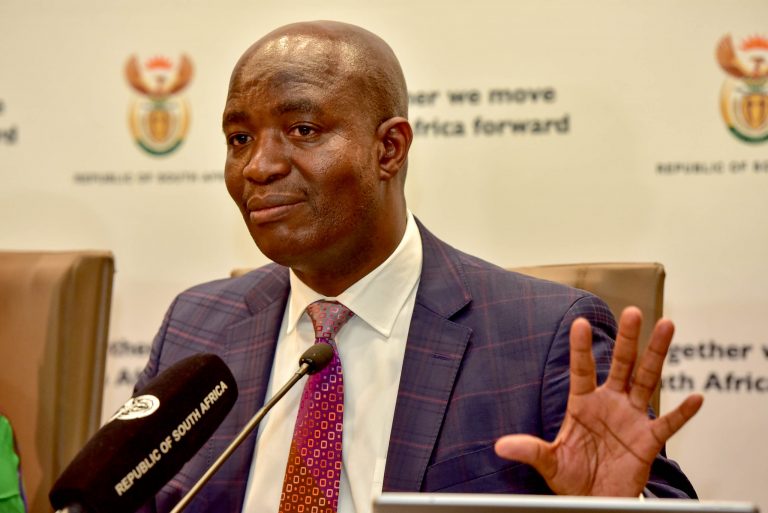
This is according to Basic Education Department’s director-general, Mathanzima Mweli, when he unveiled COVID-19 recover plans for schools during a three-day 2021 basic education lekgotla, under the theme, “Equipping Learners With Knowledge  And Skills For A Changing World”.

“While 2020 was a very difficult year, the sector is better informed and prepared in 2021, and will build on the experiences and lessons learnt to traverse the challenging path ahead, with close monitoring and support,” said Mweli.

Mweli told the lekgotla that the virus infection rate numbers continue to show that children were less likely to contract the coronavirus than adults. 

“Hospitalizations per week have risen with the second wave but numbers for children remain low. For example, around 25 hospitalizations per week for those aged 5 to 9, also 10 to 14. These numbers have barely changed,” said Mweli. 

“Attendance rateswere relatively high despite high levels of worry and children are still at substantially lower riskto COVID-19 infections than adults, especially young children.”  

According to the United Nations Educational, Scientific and Cultural Organization (UNESCO), in April 2020, 193 countries had closed schools; by June this number had fallen to 112, and by September 46. 

“7.6% of respondents were very worried about learners return to school during pandemic, 58.6% of respondents to a StatsSA online survey conducted in last 2 weeks of June said it was not safe to return to school. Most people’s reason given was health risks to their children,” said Mweli. 

He said as part of broader recovery plans, department of basic education would adjust the curriculum in order to manage the loss of teaching time last year. 

“The focus will be on the fundamentals in managing curriculum coverage, the management of home learning and distance learning and enhanced ICT integrated teaching and learning,” said Mweli. 

He added that the department would prioritize digital resources for teaching and learning, and digital teacher development programs. 

South African learners returned to school in February following delays caused by the second wave of the coronavirus. 

The catch-up plan by the department is a three-year plan which would also see the sustenance of existing arrangementswith radio and television, and the development of a dedicatededucation channel. 

“The department of basic education will integrate the school calendarwith Radio and Television, source more education content and capacity buildingfor teachers and learners,” said Mweli. 

Mweli added that the department would address the connectivity issues in rural areas – and add zero-rated platforms carrying education content.

He said the department also intended to have a regular reviewof the Curriculum consistent with the skills and competencies of a changing world.

KEY FOCUS AREAS OF GOVERNMENT’S RECOVERY PLAN’S STRATEGY:

  1. Sustenance of existing arrangements with Radio and Television
  2. Development of dedicated education channel
  3. Integration of school calendar with Radio and Television
  4. Sourcing of more  education content
  5. Capacity building for teachers and learners
  6.  Financial and technical support
  7. Development of an online Teacher Development Platform
  8. Provision of Devices to Teachers and Learners
  9. Addressing connectivity challenges in rural areas and;
  10. Zero rating of platforms carrying education content.

(SOURCE: INSIDE EDUCATION)
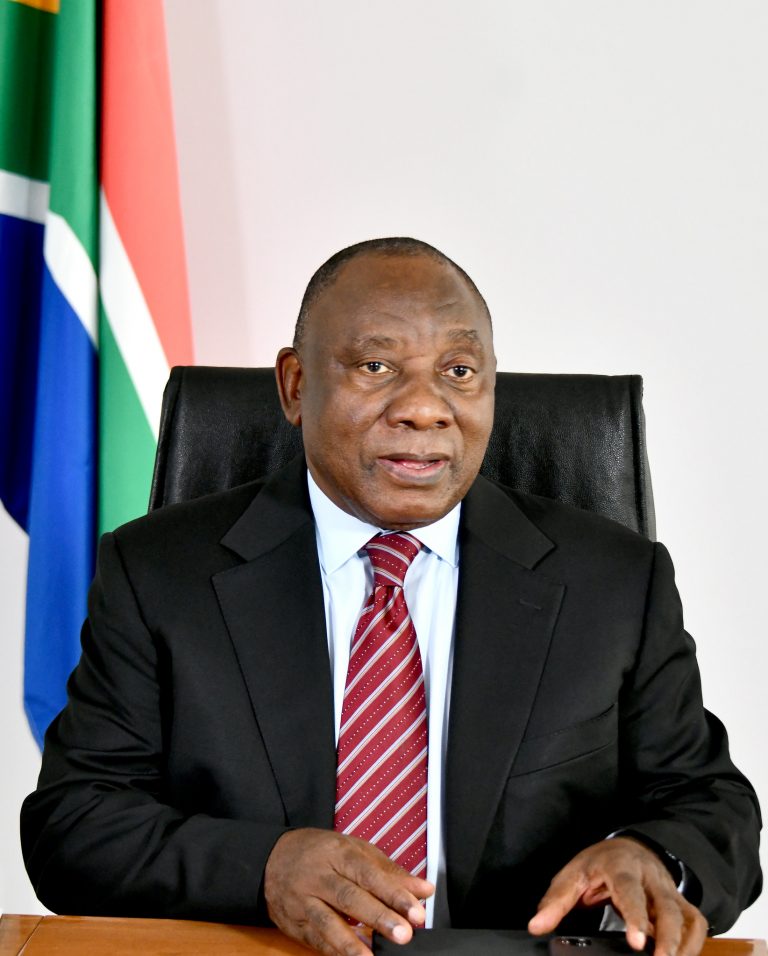
STEM: Schools In South Africa Must Teach Skills And Subjects That Are Actually Needed – Ramaphosa

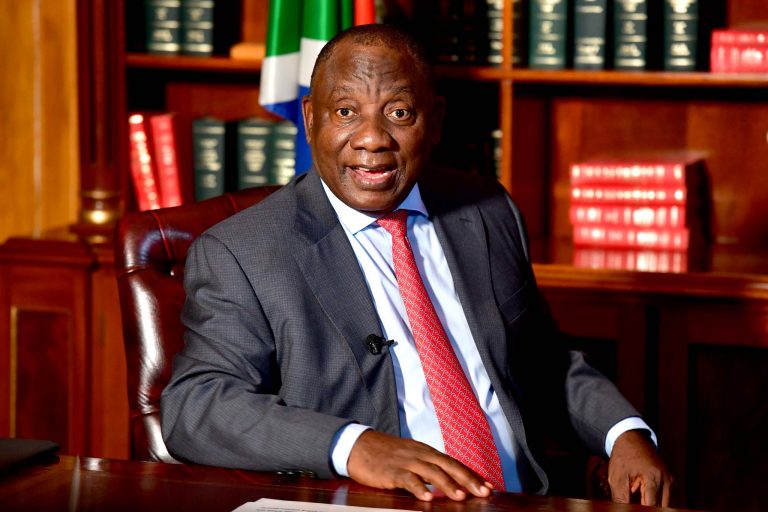
ONE of the key focus areas of the Economic Reconstruction and Recovery Plan is boosting education and skills development, says president Cyril Ramaphosa.

Speaking at the launch of the Basic Education Sector Lekgotla on Thursday (25 February), the president said that the country’s schools must teach the skills that will both support the growth of the economy and enable financial inclusion.

“We don’t want an economic recovery that only benefits some people. It must benefit all,” he said. “The higher education sector recently raised concerns about the large numbers of learners in subjects for which there is less demand in the economy.

“This challenge begins in the early years – firstly, with subject choices that limit future opportunities for learners, and, secondly, with the poor performance of learners in the science, technology, engineering and mathematics fields.”

Ramaphosa said that equipping learners with the knowledge and skills for a changing world necessitates a review of critical subject areas and the curriculum in general.

“As we review the matric results, one of the prominent indicators of quality is how the country is doing in these STEM subjects. If we are to seize the opportunities of the Fourth Industrial Revolution, our education system must be reoriented towards its development in our country.”

He added that studies show that the country lags behind in the information technology skills needed for the digital revolution.

“It will not be possible for us to build an e-skilled economy as envisaged in the National Development Plan if we do not pay attention to subject areas at basic education level.”

Coding and robotics 

Despite delays caused by the pandemic, Ramaphosa said that the Department of Basic Education is making headway on the national rollout of coding and robotics.

“The draft coding and robotics curriculum has been submitted to Umalusi for evaluation and quality assurance, and a draft curriculum will soon be gazetted,” he said.

“During the course of this year, 200 schools will be piloting the draft curriculum from Grades R to 3 and 1,000 schools will be piloting the Grade 7 curriculum.”

However, Ramaphosa said that focus on these new areas should not come at the expense of basic skills such as reading for comprehension.

“We also have to continue to invest in early childhood development as the foundation for cognitive development, and create policy certainty where it is lacking. Knowledge and skills for a changing world also include emotional stability, intelligence and an environment where learners are safe from abuse,” Ramaphos said that.

He added that social compacts should put learners and their education first.

“The past year has been extremely difficult, but the people of this country have shown great resilience and resolve.

“The year ahead will also be challenging, but we now have a clear path to recovery. And with our focus on developing the skills that children need for a changing world, we also have a clear path towards a better future.”

(SOURCE: BUSINESSTECH SA)

Classroom Management: Strategies for Teaching Students Online & Face to Face at the Same Time

LARRY FERLAZZO|

What are the do’s and don’ts of hybrid teaching?

Many districts, including the one where I work, are making plans to begin teaching in the physical classroom after being fully online since last March. Teacher vaccinations and decreasing COVID-19 infection rates in the community are now making that move a possibility.

Many schools are considering an option that has several names—concurrent, hybrid, hyflex—and most include teaching students who are in our physical classroom at the same time we are teaching some who are online.

What better way to learn how to do this kind of teaching than from those who have been at it for months?

The first two posts in this series appeared in October. With the imminent return of so many of us to the physical classroom, I felt like we could use all the advice we could get, so decided to “restart” the series now and invited many more experienced educators to contribute their lessons. Look for several more posts in the coming week.

Student Interaction

Christina Diaz has been teaching EL and bilingual students for 12 years. She is currently a 4th and 5th grade dual-language teacher in Downers Grove, Ill. You can follow her on Twitter at @BilingualLions:

If you have found yourself being asked to teach virtual and in-person students concurrently, you are not alone. This instructional model is sometimes called hybrid learning, and while some teachers have been teaching it since the beginning of the year, many are making the transition from remote to a form of hybrid teaching over the next portion of the school year. This may sound daunting (and it is), but the following are some practices that may help with your transition.

Do:

  • Make your remote students feel like they’re still part of your class even though they’re still learning from home. Your remote students should still be able to participate in the same activities and lessons that your hybrid students are. This may require you to plan ahead if you want to send home or have families pick up crafts or activities. You can also have the students submit an activity electronically and you can print it out afterward so they are included.
  • Have your in-person and remote learners interact with each other often, via breakout rooms or on apps like Jamboard, Kahoot, or FlipGrid to maintain your classroom community. Community is EVERYTHING!
  • Set learning expectations for in-person and remote learners. While they may be different for both groups, students should know what materials they need to have for class daily, when and how to submit work and expectations while on Zoom, such as cameras, participation, and safety.
  • Give your remote learners a variety of ways to demonstrate that they’re engaged during your lessons. Just because their screens may be off, doesn’t mean they’re not there. You can encourage them to unmute themselves, use the chat box, use reactions or hand signals to share.
  • Create routines. Give your students a sense of routine and stability by starting your days the same way. You can begin with a question for the students to answer while you take attendance; begin with a fun greeting or class meeting; review the schedule for the day; and assign class jobs (greeter, attendance taker, chat monitor, co-host for the day, etc.).
  • Reach out to your school/district technology department for support. You’ll want to make sure that your in-person and remote students can see the same things while you are teaching. I accomplish this by projecting my computer on the board for my in-person students and then sharing my screen on Zoom for my remote students. My projector has built-in speakers that allow my in-person students to hear what the remote students are saying. Because every school/district is different, it is important to reach out to see what devices and tools you have at your disposal.
  • Use a second device to give your remote students a glimpse into your classroom. While this is optional, it allows your remote students to see what’s going on in your classroom and to seetheir classmates. Your in-person students can also see their remote classmates through that second screen.
  • Find ways to celebrate your students. This has been such a tough year, so celebrate the little things, such as birthdays, student accomplishments, spirit days, and class rewards.
  • Do find opportunities for experiences like virtual field trips. Take advantage of experiences that websites, museums, and children’s organizations are offering.

Don’t:

  • Don’t expect to follow the same pacing as you did last year. Everything takes longer, and that’s OK.
  • Don’t be so hard on yourself or your students. Give yourself and your students grace. It’s easy to get discouraged when something goes wrong. When something does go wrong, don’t take it personally. This is all new for you and your students.
  • Don’t forget to unmute (or mute) yourself! This happens to me WAY too many times!
  • Don’t overextend yourself trying to keep up with other teachers. Find 2-3 resources/apps you and your students are familiar with and stick to them.
  • Don’t forget to practice self-care. Teaching concurrently is no easy feat, so make sure you take care of yourself! Meditate, stay active, spend time with your family, and leave schoolwork at work every so often. Self-care is not selfish. You cannot serve from an empty vessel.

Take care and best of luck, teacher friends!

(SOURCE: EDWEEK)

Namibia: Children’s Soccer Team Loses Two in Car Crash

ADAM HARTMAN|

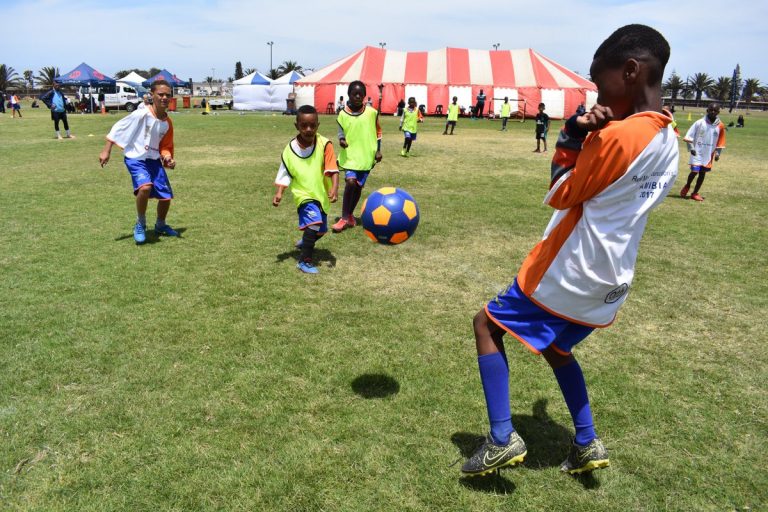
A COMMUNITY children’s soccer team at Henties Bay was involved in a car crash on Saturday night between Swakopmund and Henties Bay, and lost two of its members, while 14 other people sustained injuries.

The accident happened about five kilometres from Henties Bay at 20h30 while the soccer team of 12 members (11 children and the adult coach) were returning home after allegedly playing a match at Swakopmund earlier that day.

A police incident report issued by Erongo crime investigations coordinator Erastus Iikuyu yesterday indicated that the bakkie ferrying the team was hit from behind by a sedan driven by a 36-year-old male.

“This allegedly caused the bakkie to veer off the road and overturn, resulting in two fatalities, and several injuries – serious and slight,” said Iikuyu.

Most of the children were apparently on the back of the bakkie, from where they were flung out when the vehicle rolled.

The Namibian learned from emergency personnel that the driver of the bakkie was first thought to have been dead, but later movement from under the covering suggested he was indeed alive with serious injuries. This, in fact, led to a preliminary death count of three people.

The sedan driver and his passenger sustained fractures to the arm, leg and pelvis. The driver had to be removed by the fire and rescue services, as he was trapped behind the steering wheel. The two children who died at the scene were identified as Fillemon Armas (17) and Given Geingob (15).

All the injured were taken to Swakopmund State Hospital, while the deceased were taken to Walvis Bay police mortuary for postmortem examinations.

According to paramedics, a 17-year-old boy was yesterday flown from Swakopmund to Windhoek. He is said to be in a critical condition.

The next of kin of the deceased persons were informed.

(SOURCE: THE NAMIBIAN)

Winners Of 49th Nedbank and Old Mutual Budget Speech Competition Announced

NYAKALLO TEFU|

TWO high achievers, one from the University of Johannesburg and the other from the Nelson Mandela University, have flown their institutions’ flags high during the 49th Nedbank and Old Mutual Budget Speech Competition.

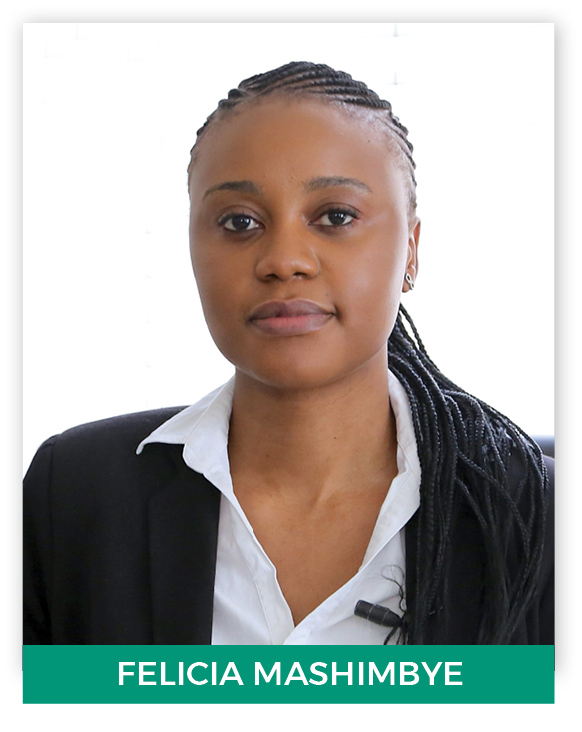
Felicia Mashimbye, from the University of Johannesburg, was announced as the overall postgraduate winner and was awarded R150 000, while Ndivhuwo Malange, a student of Nelson Mandela University, walked away with the top honour and R60 000 in prize money.  

This year, postgraduate students were asked to submit an essay, making the case for or against a change in the mandate, transformation and ownership of the South African Reserve Bank (SARB).

Undergraduate students, on the other hand, looked at whether the implementation of land expropriation without compensation in South Africa would unlock greater economic growth, or further damage it. 

Deputy Minister of Finance, Dr David Masondo, announced the winners of the 2020 Nedbank Old Mutual Budget Speech Competition at a virtual gala dinner on Friday.

“Investment in higher education has been of priority in the Budget Speech over the past few years and will remain a priority,” said Masondo.

‘The great minds and calibre of solutions exhibited in this competition are a testament to the need for further investments in cultivating brilliant future generations. National government will continue to prioritise the cultivation of people who are going to shape the future of our country. Being able to celebrate and recognise these finalists is an honour. We thank Nedbank and Old Mutual for their investment – not only in the youth, but also in South Africa.”

The competition was launched in 1972.

At first, the competition was only open to postgraduate students, but this changed in the early 90s and the undergraduate category was introduced.

“The youth in South Africa constitutes a third of our population. So, it’s obvious that they are key to unlocking the country’s prosperity, and Nedbank is constantly seeking ways of giving the youth an active voice as our future thought leaders,” said Mike Brown, Chief Executive Officer (CEO) of Nedbank.

Ian Williamson, CEO of Old Mutual South Africa, said: “We know that they have huge potential to innovate and find practical and workable solutions to real world challenges. For South Africa to start along the path of sound economic recovery, we need to make sure that we invest in developing a new generation of leaders, and that is where this competition plays a role.”

The 2020 winners are: 

Postgraduate winners Institution 
Felicia Mashimbye University of Johannesburg 
Stanley Mabuka University of Pretoria 
Luyanda Matomane University of Fort Hare 
Undergraduate winners Institution 
Ndivhuwo Malange Nelson Mandela University 
Adrian Joseph University of Cape Town 
Suvira Singh University of Johannesburg 

(SOURCE: INSIDE EDUCATION)

KZN Schools Warned Not To Withhold Report Cards Over Unpaid Fees – Education Department

NYAKALLO TEFU|  

THE KwaZulu Natal department of education has sent a stern warning to schools refusing to give learners their reports due to fees owed. 

The department issued a statement on Monday following complaints from parents that schools are refusing to give their children reports because they owed school fees. 

In South Africa, the law provided in Section 29 (12) on the National protocol on Assessments, prohibits the withholding of school reports for any reason.

No school can withhold a report but can use the normal forms of debt collection.

“The KwaZulu Natal Department of Education wants to remind schools that withholding of learner’s reports or results because of parents’ failure to pay school fees is not permitted,” said the department in a statement. 

Matriculants are currently receiving their statements from school after their results were released by the department of basic education on February 23. 

“The department has on many occasions informed schools that punishing a learner because of parents financial challenges is not allowed,” said the KZN department of education. 

The provincial department of education has asked for schools to call in parents to discuss a way forward in terms of the payment of school fees. 

“Schools are encouraged to discuss with parents and make payment arrangements without disturbing the child’s education in the process,” added the department

(SOURCE: INSIDE EDUCATION)

Umalusi Satisfied With Credibility Of Matric Exams, Says No Systemic Irregularities Were Detected

0

NYAKALLO TEFU

UMALUSI, the body that assess the matric examination results, said this weekend that it moderated a total of 145 question papers for the 2020 National Senior Certificate exams.

“Thirteen subjects were sampled for School Based Assessment (SBA) moderation and five (5) subjects for Practical Assessment Tasks (PAT) moderation across the nine PEDs. The sample is inclusive of schools located in eSwatini,” according to Umalusi’s CEO, Dr Mafu Rakometsi. 

Rakometsi was speaking during the three-day Basic Education Lekgotla following the release of the matric results. 

He said all irregularities which were identified were managed in accordance with the Regulations Pertaining to the Conduct, Administration and Management of the National Senior Certificate Examinations by the Provincial Examination Irregularities Committees (PEIC).

This came after an uproar from the education sector and parents after two exam papers were leaked in December last year, raising fears that the quality assurer would not approve the release of the results. 

“A detailed report, covering all the quality assurance of assessment processes, will be shared with the Department of Basic Education and Provincial Education Departments,” said Rakometsi. 

He confirmed that Umalusi is still investigating the leakage of the examination papers and will deal with those involved once the investigation is over.

Rakometsi said during the moderation of the November 2020 NSC question papers, they identified some improvements: 

  • An increase in the number of question papers that complied fully with the following six criteria: internal moderation, content coverage, cognitive skills, predictability, conformity with question paper and overall impression;
  • An increase in the number of question papers that were approved at first moderation from 36 (35.8%) in November 2019 to 69 (48.6%) in the November 2020 examination cycle. 

“The seating arrangements in adherence to social distancing protocol made it easier for marking personnel to maintain a high level of concentration during the marking process,” said Rakometsi. 

Rakometsi said the Executive Committee of Umalusi Council is satisfied that there were no systemic irregularities reported, which might have compromised the overall credibility and integrity of the November 2020 NSC examinations administered by the department of basic education.(SOURCE: INSIDE EDUCATION) 

For New Johannesburg Business School Dean, Dr Randall Carolissen, Helping SMEs Grow Is Key

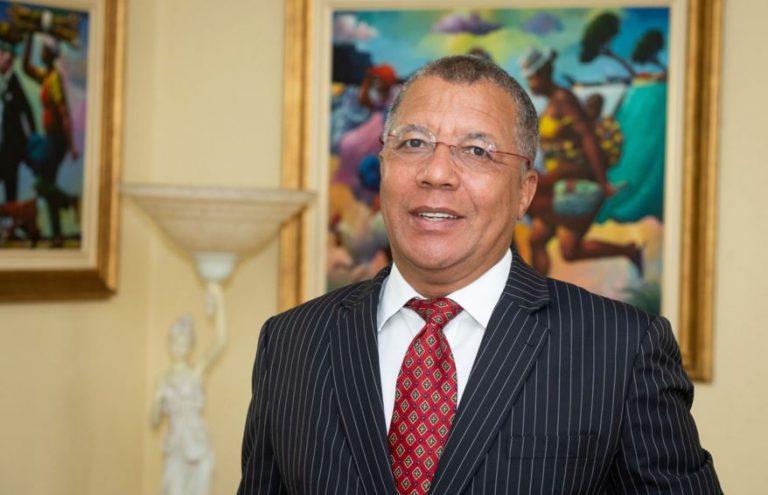
IN a major win for students and faculty, the University of Johannesburg has appointed Dr Randall Carolissen as Dean of the Johannesburg Business School (JBS). A former group executive at the South Africa Revenue Services (SARS) and administrator of the National Student Financial Aid Scheme (NSFAS), he will assume his new position on 1 March 2021.

The move comes as the business school that leads in thinking of business differently in the 4th Industrial Revolution seeks to attract learners from South Africa and Africa, with redesigned modules and learning material, and an exciting MBA programme that is offered both in contact and online modes.

“The JBS has reimagined business education offerings and is extending its reach with a fresh and exciting approach,” says Prof Tshilidzi Marwala, Vice-Chancellor and Principal of UJ.

“The appointment of Dr Carolissen, who has had an illustrious career outside of academia, is an exciting moment for UJ. His appointment is in line with our goal to provide relevant, practical knowledge and skills for businesses as we confront the 4th Industrial Revolution.”

Dr Carolissen’s key objective is to equip students to grow small- and medium-sized businesses and, by doing so, to create employment and contribute to economic growth, and to meet the challenge of training the country’s best leaders.

He also aims to equip them with artificial intelligence capabilities to compete and leverage technological advances effectively in the modern economy, which will enable them to leapfrog current backlogs.

“As a recognised global leader in AI, UJ is uniquely positioned to infuse AI into training and development of business leadership that will enhance global competitiveness,” he says.

“Furthermore, the societal fissures exposed by the Covid-19 pandemic call for leadership across all sectors to understand the societal context in which policies are shaped and expression given to the overall development of our nation.”

 “The Johannesburg Business School has introduced a number of exciting online and contact programmes, as well as an innovative online MBA programme that will prepare people for a technology-driven global business world,” Dr Carolissen adds.

“I am delighted to join UJ as the institution is constantly evolving and has a strategic focus on innovation, entrepreneurship and experiential learning that accords with my own passion for overcoming challenges in an unpredictable, ever-changing world.”

Dr Carolissen completed a Master’s in International Tax and headed up the Tax and Customs Institute at SARS, where he was responsible for research, economic modelling and training.

He was also until recently the Administrator of NSFAS. He served three terms as the Chair of the Council of the University of the Witwatersrand and was appointed Adjunct Professor at Wits in 2018.

Originally from Cape Town, Dr Carolissen completed a BSc degree at the University of the Western Cape (UWC) and started work as an industrial engineer at Firestone in Port Elizabeth, enabling him to support his siblings as they completed their studies.

After three years he returned to work at the university to pursue studies on a part-time basis.

He established himself as a physicist following the attainment of a PhD (MSc cum laude) in nanophysics. He followed that with an MBA (cum laude) specialising in international finance from the University of Stellenbosch.

AS MD of the South African Bureau of Standards (SABS), he corporatised its business arm, effecting a major turnaround in competitiveness and financial sustainability.

He also served as a researcher at the Council for Scientific and Industrial Research (CSIR), and as a Visiting Fellow at the universities of Pennsylvania and Missouri in the US and the University of Ghent in Belgium.

He has accumulated many prestigious international academic awards and is considered a leading voice on fiscal matters in South Africa. Under his leadership the South African tax regime was able to respond robustly to past global financial crises.

(SOURCE: UJ News)

Budget: Government To Boost Education Funding As South Africa Faces Shortage Of Teachers

0

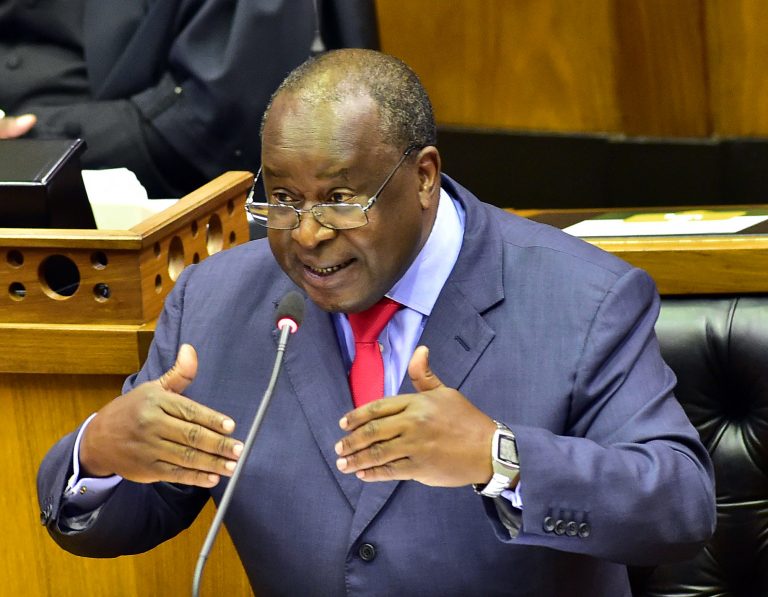
WHILE education continues to be a priority, Finance minister Tito Mboweni has announced that government will in the next three years trim expenditure in the learning and culture function.

The Minister revealed this while delivering the 2021 Budget Speech, in Parliament, thisweek on Wednesday.

Over the medium term, the learning and culture function accounts for R1.23 trillion (23.5%) of the consolidated expenditure.

“The function will continue to receive the largest share of government spending over the period, rising from R387.2 billion in 2020/21 to R416 billion in 2023/24,” said the National Treasury in its Budget Review report.

Expenditure in this function is driven by the basic education sector.

In the basic education sector, compensation of employees in provincial education departments remains the largest spending category, representing 51.2% of total functional expenditure.

“Low compensation growth of 0.8% over the MTEF [Medium Term Expenditure Framework] period, combined with early retirements, will reduce the number of available teachers.

“This, coupled with a rising number of learners, implies larger class sizes, especially in no-fee schools, which is expected to negatively affect learning outcomes,” noted the document.

Over the medium term, R36.7 billion will be allocated to the Education Infrastructure Grant, which will be used to roll out new school infrastructure and maintain existing infrastructure.

Projects funded by the School Infrastructure Backlog Grant will end in 2022/23 and funds will become part of the Education Infrastructure Grant from 2023/24.

“This will consolidate school infrastructure spending within provincial education departments. To maintain meals for about 9 million learners at 19 950 schools each year, the national school nutrition programme grant will cost R25.5 billion over the medium term.”

In the post-school education and training sector, slower growth in subsidies and grants for universities, technical and vocational education and training colleges, and the National Student Financial Aid Scheme will require a review of student enrolment growth and bursary allowances.

The Budget Review says institutions will need to contain costs such as staff numbers and salaries, and develop ways of using information and communication technology more effectively to enhance blended learning.

During this period, spending from the skills development levy is projected to increase by 10.2% annually.

Sector education and training authorities will fund skills programmes, learnerships, internships and apprenticeships, and workplace experience, the report indicates.

Over the period, R65.5 billion will help an estimated 89 000 new artisans to register for training, develop 71 500 qualified artisans and provide more than 320 000 work-based learning opportunities.

The sports, arts and culture sector will continue to focus on social cohesion.

An allocation of R33.7 billion over the medium term will support community library services, heritage legacy and job creation projects, school sport and indigenous games, and help drive transformation in sport.

(SOURCE: BUSINESSTECH SA)

2021 Basic Education Lekgotla: Ramaphosa Calls On DBE To Prioritize Technology Skills Needed For The 4IR

0

CHARLES MOLELE

PRESIDENT Cyril Ramaphosa has called on the Department of Basic Education to assist teachers to effectively integrate technology into subject areas, while increasing access to quality education for all South African pupils, regardless of their location, proficiency level and socio-economic circumstances.   

Ramaphosa was addressing the three-day 2021Basic Education Lekgotla following the announcement of the matric results on Monday.

In recent months, the president has been vocal about the critical issues facing the country’s young people, noting more needs to be done to ensure South African youth are employable, especially in the context of the fourth industrial revolution (4IR).

He said that as the lekgotla reviewed the matric results, one of the prominent indicators of quality education was how the country was doing in science, technology, engineering and mathematics (STEM) subjects. 

“If we are to seize the opportunities of the Fourth Industrial Revolution, our education system must be reoriented towards its development in our country,” said Ramaphosa.

“Studies show that the country lags behind in the information technology skills needed for the digital revolution. It will not be possible for us to build an e-skilled economy as envisaged in the National Development Plan if we do not pay attention to subject areas at basic education level. Even as the pandemic delayed the process last year, the Department of Basic Education is making headway on the national rollout of coding and robotics.”

He said that even as the pandemic delayed the process last year, the Department of Basic Education was making headway on the national rollout of coding and robotics.

“The draft coding and robotics curriculum has been submitted to Umalusi for evaluation and quality assurance, and a draft curriculum will soon be gazetted,” said Ramaphosa.

He said during the course of this year, 200 schools will be piloting the draft curriculum from Grades R to 3 and 1,000 schools will be piloting the Grade 7 curriculum.

“However, focus on these new areas should not come at the expense of basic skills such as reading for comprehension. We also have to continue to invest in early childhood development as the foundation for cognitive development, and create policy certainty where it is lacking,” said Ramaphosa.

Ramaphosa also lauded the Class of 2020 for the overall pass rate of 76.2% in the National Senior Certificate (NSC) examinations.

“This is an outstanding achievement considering the huge disruption caused to the academic year by the coronavirus pandemic,” said Ramaphosa. 

“We are grateful for the efforts of Minister Angie Motshekga and her team and all the stakeholders and partners in the education fraternity.”

The president said COVID-19 pandemic has highlighted the digital divide in society, particularly with regards to the adoption of technologies for learning and teaching.

Ramaphosa was referring to the switch to hybrid teaching and learning models, which exposed the glaring inequalities in education – from basic education all the way through to higher education.

During the pandemic, the lack of access to online learning and digital skills put many young people at risk of falling behind their peers.

This deepened the divide between students on the continent who have access, and those who don’t.

He said the pandemic has underscored the need to intensify efforts by government to ensure connectivity and equitable access to data. 

“This calls for stronger public-private partnerships to ensure that we mobilise the necessary resources to help our learners,” said Ramaphosa. 

“One of the key focus areas of the Economic Reconstruction and Recovery Plan is boosting education and skills development. Our schools must teach the skills that will both support the growth of the economy and enable financial inclusion. We don’t want an economic recovery that only benefits some people. It must benefit all.”

(SOURCE: INSIDE EDUCATION)