Home Blog Page 351

Parents Urged To Continue Paying School Fees During COVID-19

0

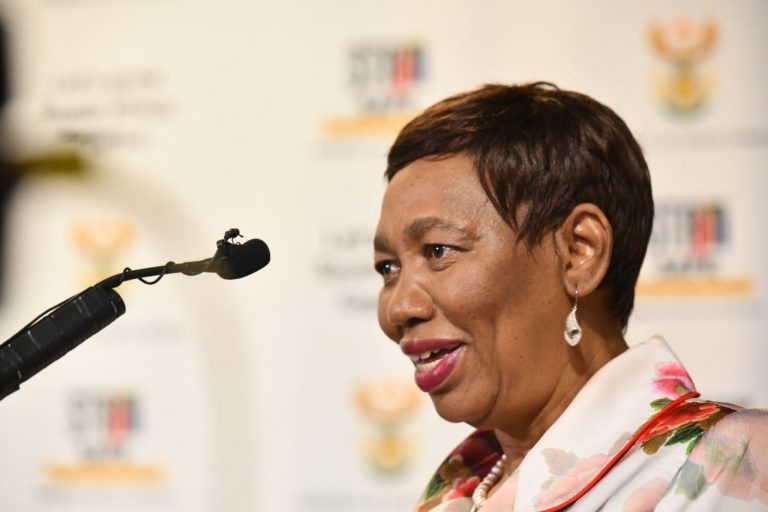
BASIC Education Minister Angie Motshekga has urged parents to continue paying school fees during the COVID-19 pandemic.

Speaking at a briefing on an array of issues, she said there are two types of public schools in the country, the fee-paying and no-fee paying schools.

She explained that fee-paying schools are allowed to charge school fees as determined at the annual general meeting of the School Governing Body (SGB).

“Therefore, the payment of school fees in such schools is mandatory,” she said at Sunday’s briefing.

She also cited the South African Schools Act (SASA) of 1996, which states that SGBs of fee-paying schools have the powers to enforce parents to pay school fees through legal means.

“The liability of parents is determined through an affordability formula, which can be used to determine whether a parent can be exempted partially or fully from paying school fees.”

Meanwhile, she also raised concerns about schools that are charging registration deposits and exorbitant amounts to pay staff the Section 42 bonuses.

This was despite the moratorium placed on the public service salary bill.

“We must advise schools to avoid such temptations, as the first is illegal. Secondly, it is completely unreasonable especially as it is done and enforced under the devastation caused by the COVID-19 pandemic.”

Basic Education Employment Initiative (BEEI)

The Minister announced that 290 000 young people have been employed on contract as education assistants and general school assistants in the response to President Cyril Ramaphosa’s Fiscal Stimulus Package announced in April 2020.

The aim of the initiative is to address COVID-19 related academic disruptions by providing assistance in dealing with lingering systemic challenges and support to workers directly impacted by the pandemic.

In addition, the portion of the R7 billion allocated for the BEEI is targeted at saving SGB funded posts in public and government subsidised independent schools.

“We are working hard to ensure that the delayed payments of some of these young people are addressed immediately.”

NSC exam results

The Minister confirmed that the 2020 National Senior Certificate exam results will be released on 22 February 2021.02.15

Candidates who sat for the exams can expect to receive their statements on 23 February 2021 from their schools.

Motshekga said the pandemic requires the entire nation to support its children, and indeed cooperate and support schools on a sustainable basis.

“I urge every one of us, to play our part in keeping our communities safe and healthy,” she said.

(SOURCE: DEVDISCOURSE)

School Reopening: More Than 16,000 Learners Still To Be Placed In Schools, Says Angie Motshekga

0

BASIC Education Minister Angie Motshekga says the reopening of schools was on track despite 16 117 learners still waiting for their admissions to be confirmed.

Briefing the media on the state of readiness of schools on Sunday, Motshekga said all provinces were experiencing a high demand for space in schools, especially in Grades 1 and 8.  

“The Council of Education Ministers (CEM) met yesterday and the matter of school admission, was identified as critical, because the system cannot afford to see any learners being left behind. It was agreed that provinces would work with speed to place all the learners in the next week,” said Motshekga.  

“CEM appeals to parents and guardians to cooperate with officials at the District level, in order to accelerate the placement process.”

Motshekga also gave an update on the 2020 matric examinations, saying for the first time in history of the National Senior Certificate exams in South Africa, the department had to administer combined exams involving more than 1 million candidates.

“We must say, that the exams were administered well, barring a few glitches there and there,” said Motshekga.

“I must report that we are on schedule for the release of the 2020 NSC exam results on 22 February 2021; and candidates should get their statements of results, on 23 February 2021 from their schools.”

Motshekga also gave an update on the impact of the coronavirus on the basic education sector.

She said the latest available figures indicate that 1 169 educators have passed away as a direct result of COVID-19.

“This year alone, up to Friday, 12 February, the number of deceased educators stands at 159; while for non-teaching staff we have recorded 63 deaths. This is really heart-breaking, and we convey our sincere condolences to the affected families,” said Motshekga.

(SOURCE: INSIDE POLITICS)

Umalusi Approves 2020 Matric Results Despite Leaked Exam Papers

0

NYAKALLO TEFU|

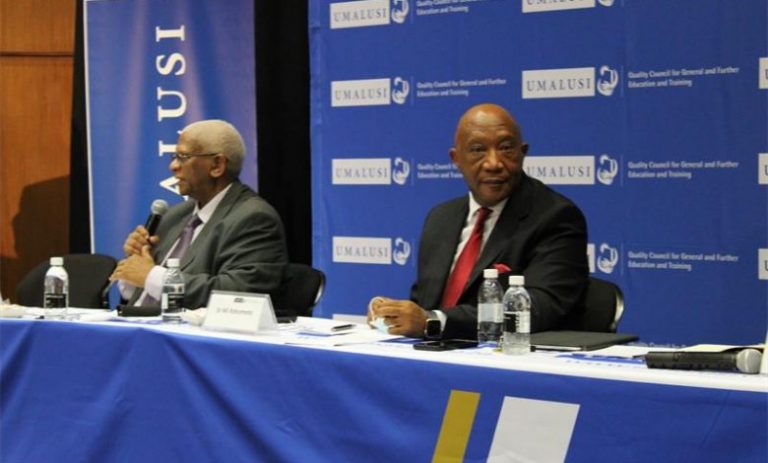
UMALUSI, the quality council for general and further education and training, has approved the release of the 2020 national examination results, stating there were no systematic irregularities despite the two leaked examination papers. 

This comes after two matric examination papers – Mathematics and Physical Science – were leaked during exams. 

The leakage of the two exam papers led the Department of Basic Education to announce the rewrite of the two papers as instructed by the quality assurer, Umalusi. 

“Umalusi has taken note of the evidence-based reports on interventions and improvement strategies implemented by all assessment bodies including the Department of Basic Education and the positive impact of these on the overall assessment systems as well as on teaching and learning,” said CEO Dr Mafu Rakometsi. 

The final decision was that learners will not rewrite following complaints from teacher unions, parents and society at large. 

Umalusi said the investigation into the leakage of Mathematics and Physical Science papers is not yet complete and is continuing.

“This means that Umalusi can still nullify the certificates of candidates who are found guilty of leaking the two papers even after receiving results,” said Dr Rakometsi. 

The Department of Basic Education will, according to its plans, release the examination results on 22 February 2021.

“About the case presented to the Pretoria High Court in December 2020 regarding the rewrite of examinations, Council has reiterated the statement issued in December last year that even though it was disappointed by the outcome of the case it respects the decision taken by the court,” added Dr Rakometsi. 

(SOURCE: INSIDE EDUCATION)

Classroom Management: The Do’s & Don’ts of Hybrid Teaching

LARRY FERLAZZO| 

What are the do’s and don’ts of hybrid teaching?

The odds are that, at one point or another, all of us teachers are going to end up teaching in some version of a “hybrid” environment this school year.

That could mean teaching some groups of students two days each week in the classroom, while they spend the rest of the time doing asynchronous online work. Worst of all, it could mean teaching students simultaneously online and face to face.

This series will share the experiences of educators who have already begun teaching in this kind of situation.

Who would be better people to learn from?

Today, Amber Chandler, Tara C. Dale, and Holly Spinelli offer their hard-won experiences…

You might also be interested in School Closures & the Coronavirus Crisis, which lists over 60 previous posts. However, it does not include columns that have appeared over the past six weeks…

Making connections is key

Amber Chandler is the author of The Flexible SEL Classroom and a contributor to many education blogs. She teaches 8th grade ELA in Hamburg, N.Y. Amber is the president of her union of 400 teachers. Follow her @MsAmberChandler and check out her website:

Let me preface this post by saying this: If you ask me next week what the Do’s and Don’ts of Hybrid Teaching are, the answer very well may have changed. My middle school has adopted a hybrid model where I see Cohort A on Monday and Thursday, Cohort B on Tuesday and Friday, and everyone is virtual on Wednesday. Wednesdays are for asynchronous work, and teachers hold office hours for students who need additional support or just to check in. While students are at home, they are completing activities that are extensions of the work we did together, but new content is being pushed out via videos, projects, and assignments. As I said, these Do’s and Don’ts are a very preliminary look at the hybrid model, but I will share what I’ve learned so far.

DON’Ts

I wouldn’t typically start with the negative, but in times such as these, warnings are at least as important as the “what works.” The number one piece of advice that I have is counterintuitive, at least for me. Plan one, maybe two, weeks out at a time. I created digital notebooks for my students that take us through the first quarter. If I could do it again, I would definitely not. Why? Somehow, while planning for the looming “new normal,” I completely forgot just how many disruptions to best-laid plans happen during a regular school year, never considering just how many changes would be happening during a pandemic. So far, Chromebook distribution, school pictures, and just this week two days of benchmark testing have thrown me off my well-laid plans.

The second big Don’t that I’m going to suggest is also a bit counterintuitive. As an ELA teacher, I wanted to jump right into a novel to kind of “get us on our way” toward normal and routine. Not the best idea I’ve ever had, to be honest. I really hadn’t imagined that there was so much time in between seeing students in person, but when you think about it, Thursday to Tuesday is an entire mini-vacation, and no matter what, students are not accustomed to outside of school time being a school day! We’re doing well, and getting things established, and I’m pretty sure that any first unit would be bumpy, but if I were to advise, I’d say maybe this year we take things in smaller chunks.

DO’s

Even though it is going to take longer, and even though we feel we are already running behind, get to know your students. It’s a nearly impossible task, frankly. In my district, kiddos are six feet apart, wearing a mask. I’m having a hard time trying to even know names and their half-visible faces. I use a survey to find out their perceived strengths and weaknesses, their likes and dislikes, and provide a section where they can tell me anything I might not have asked but need to know. This year, so many answers broke my heart, but I need to know this information! For example, “I don’t feel like I fit in anywhere” and “My parents are very worried about COVID, so I haven’t been allowed to do anything with friends since this all started.”

The other tip is to help kiddos make connections. In my district, the hybrid model is by last name. I’ve had a number of students tell me that their friends aren’t in school with them, and they are nervous. They’ve been out of school a long time, and though we’ve been dying to start teaching, they just want to reconnect. My co-teacher and I had students create digital lockers and share them with the class. Then, after everyone shared them, we would ask, “Tell us about Jeremy” and have the class remember what was in his virtual locker. It was heartwarming to see kiddos connect over Harry Potter, sports, and in one class, two girls who were obsessed with mermaids.

Now, more than ever, we need to help students with the social and emotional while also slowly wading into the shallow end with academics. Once we are in a better groove, we can all push students out to swim, but for me at least, the key to a successful hybrid model is going to be the same as any other year: relationships and flexibility!

“It.Is.Possible”

Tara C. Dale is a national-board-certified high school science teacher in Gilbert, Ariz. She is the co-author of The Science Teacher’s Toolbox. Tara was a finalist for Arizona State Teacher of the Year in 2014 and has since traveled the country advocating critical thinking, creative problem solving, and effective communication to be taught in every classroom:

It’s possible. I had to teach in a hybrid setting for two weeks. It. Is. Possible. It’s possible to be successful as a teacher and a learner.

For the first five weeks of school, we were online full time. Teachers were strongly encouraged to report to the building, but students were not on campus. Then for two weeks, we followed a hybrid model. Half of my students attended school except on Wednesdays, when everyone was online.

If we return to a hybrid model, there are some things I will do the same and other things I will do differently.

DO THE SAME

I flipped my classroom. Students were expected to read an article or watch a video on the day they remained home so that they could complete an activity when they returned to the classroom the following day.

At first, I was nervous about a flipped classroom because I know not every student will arrive having read the article or watched the video. But I quickly realized that it was OK because those students who did the preparation work were happy and willing to help those who did not. And because there were so few students in my classroom, I could easily support those students who didn’t have the necessary background knowledge.

Flipping my classroom allowed me to spend more time interacting with my students in a meaningful way. I was able to check in on each student personally to ensure they were learning. It’s the greatest benefit of a smaller class size! Not one student fell through the cracks because I was there to fill those cracks. And because of the social-distancing requirements, students could work in small groups, collaboratively solving problems and analyzing data.

DO DIFFERENTLY

I attempted to give each class its own due date. This was a logistical nightmare! It was difficult for me to effectively communicate to parents and students when work was due and then it was difficult to track whose work was turned in on time and whose work was late. If we return to hybrid learning, I will assign everyone the same due date for the same work.

DO THE SAME

I spent a lot of my planning time differentiating. Students were coming to school in very small groups (I had only nine in one of my classes!). This meant that during the class period, I differentiated for students who needed extra support, such as those who are learning English or have a disability. The work for each student was personalized, and I immediately noticed they were more engaged and their grades steadily improved from when we were online full time.

DO DIFFERENTLY

I found that not many students attended the mandatory online Wednesday classes. For various reasons, only 3-5 students in each of my classes attended online after the hybrid model was initiated. Knowing this now, if we return to a hybrid model, I will not plan to teach new material on Wednesdays but instead will use it as a study hall and tutoring time. This time is better spent in intervention than in enrichment.

DO THE SAME

I was hesitant to have students work in small groups. When I spoke with my administration, they approved collaborative work as long as my students were wearing their masks and not sharing materials. I had students perform labs, solve problems, and participate in engineering challenges (can you build the strongest boat?). There were times I had to get creative with the materials. For example, I had gloves available when students were working together and I was sure to have a CLEAN materials section and a DIRTY materials section on opposite sides of my room so that students only interacted with materials that I had sanitized.

Reflecting on my hybrid teaching experience, I rather enjoyed it. It was great to get to know my students on a personal level since that was a difficult endeavor when we were online. I reveled in the opportunity to provide immediate feedback to my students as they worked and in the ability to give them the chance to correct their work on the spot. It was fun doing activities instead of lecturing, which unfortunately had been the majority of what online learning looked like. I felt like a teacher again. I felt like a successful teacher again.

It. Is. Possible. It is possible to teach in a hybrid model and to learn in a hybrid model. My students reported that they enjoyed the collaborative time with their peers and the deeper learning they experienced while performing classroom activities. It was fun and it was meaningful, for both of us!”… the most difficult circumstances under which I have ever taught …”

Holly Spinelliis a students’ rights activist with specific focuses in alternative, strengths-based pedagogies where students’ voices are the catalyst for their education. She is a New York public high school teacher, an adjunct instructor at SUNY Orange County Community College, and an active member of the NCTE’s Committee Against Racism and Bias in the Teaching of English:

School districts across the country are navigating their buildings’ reopening since the COVID crisis shutdown in March. The hybrid teaching model—a compromise that attempts to find middle ground among groups who want in-person instruction and those who want remote instruction—is a popular reopening strategy. As an educator whose daily schedule includes both hybrid and fully remote course sections, I can unequivocally say that the hybrid model does, at times, present some of the most difficult circumstances under which I have ever taught, but I continue to learn and I remain hopeful as each day passes.

My district is slowly phasing students back into the buildings after a fully remote reopening. The students are divided into four cohorts that can enter the building one day a week for in-person instruction. The other cohorts currently stream into their classes on the days their cohorts are not physically in school, and the fully remote students stream into the classroom for live instruction, too. My mind still spins when I think of the schedule’s rotation.

This is my 14th year as a full-time teacher, and the hybrid model has me feeling like a first-year educator all over again. No matter how upbeat I try to be, I cannot shake the notion that even if the camera is perfectly angled and the streaming-caption function is engaged, I’m not providing either student group—in-person or remote—with the best possible instruction. The first week of hybrid teaching left me physically and emotionally drained. Most days, I felt like I was teaching two classes at once. Thankfully, I have supportive colleagues from near and far with whom I can collaborate and share best practices to minimize the difficulties we face in the hybrid classroom model. We turn to social media and group texts to help one another do our best in our less-than-ideal teaching situations. Here are some of the Do’s and Don’ts that may help others who, like me, struggle with trying to balance it all in the hybrid teaching model:

Do: Take the time to get to know your students and to build community. Just like any other classroom experience, the students and the educators deserve to learn together in a space that is welcoming and inviting for all participants. One strategy to try is doing a brief check-in with students in the beginning of class. Taking an interest in their health and well-being goes a long way to open dialogue that creates empathy and builds trust among everyone.

Don’t: Assume that students already feel comfortable with one another because they once attended classes together in the same building. No matter how “close” a school community may seem, not all students are comfortable around their peers.

Do: Be honest with your students. If you are trying something new or if you aren’t sure how something works, tell them. This is a moment where students can showcase their talents with a tech feature or offer an idea that may work better for their classmates and for you! Trust me, I’ve had students share alternative ways to approach classroom activities, and the lessons turned out better than I could have ever expected.

Don’t: Pretend to know it all. Arrogance has no place in a classroom, especially in a hybrid classroom. Know your limits but don’t be afraid to let colleagues or your students know that you don’t have all the answers. You may be surprised by the amount of grace and understanding that they will offer to you if they see your sincerity and your vulnerability.

Do: Allow students to show their participation beyond turning on the camera or talking on screen. Offer students alternative means for participating. Using a chat feature, crafting group-discussion questions, or other nonverbal activities can keep students engaged in ways that do not require speaking or appearing on camera.

Don’t: Force students to “participate” in ways that suit your preferred style of communication, especially with the “cameras on” rule. Participation can and should be differentiated to help ease students into this new learning environment. If students are streaming into an online platform, they may not feel comfortable sharing their home environments with their classmates or their educators. Furthermore, students may not be in their own homes or they may have to travel elsewhere for reliable internet access, so mandating children to keep their cameras on can cause a student to feel anxious or stressed, which may result in a student choosing not to attend class altogether. Think beyond the typical “classroom” and ask yourself if the camera is on to meet the students’ needs or your own. Students can engage in meaningful learning without appearing on camera.

Do: Ask for student input. They will help you navigate the kinds of activities and strategies that work best for them in the hybrid platform. If we are sincere when we say that students are the center of our classroom communities, then their voices and ideas should be part of their new educational experience.

Don’t: Make assumptions about students’ familiarity with technology. Not all students “know” how to use technology for educational purposes. Some students have limited access to technology, and they may be embarrassed to share this information with others. Avoid phrases like, “You know this already,” and “You’re young and you use apps all the time.” Not all technological experiences are equal.

Do: Be patient with yourself and your students. This is new for everyone, and we cannot expect teaching and learning to exist as they did in a pre-COVID setting. Focus on what you can manage and ask for help if you need it.

Don’t: Expect everything to go smoothly, because it won’t, and that’s OK. Learning is part of this hybrid process. Stick with what works best for you and slowly add new things at a pace that makes sense for you and your students.

(SOURCE: EDWEEK)

Women Take Longer To Finish Their PhD Studies, Publish Less

0

WOMEN need an additional six months to finish their PhDs and have one less paper accepted for publication during their doctoral studies, compared with their male counterparts, according to the findings of a peer-reviewed paper published in the open access journal PLOS ONE.

As in other regions, women’s representation in science, technology, engineering and mathematics (STEM) has grown over time in Africa.

Still, only 30% of STEM researchers in Africa are women, which is roughly the same as the global average of 28%.

The paper, “Making it to the PhD: Gender and student performance in Sub-Saharan Africa”, was based on a study by four researchers, including Monica Fisher, Moses Osiru and Violet Nyabaro at the International Centre of Insect Physiology and Ecology, Nairobi, Kenya.

The other contributor was Ruth Mendum from Pennsylvania State University in the US.

The study was prepared to inform the preparation of a gender strategy for the Regional Scholarship and Innovation Fund (RSIF), a Pan African science, technology and innovation initiative owned and led by African governments in partnership with the World Bank and the government of Korea through the Partnership for Skills in Applied Sciences, Engineering and Technology.

One of RSIF’s major objectives is to correct imbalances in the number of women and disadvantaged groups in the fields of applied sciences, engineering and technology in Africa.

RSIF also aims to build African university capacity to provide relevant training in these fields and to ensure continued investment in the scaling up of the education and workforce in applied sciences, engineering and technology.

The study was conducted among 227 alumni of major STEM PhD programmes in 17 African countries: Benin, Botswana, Cameroon, Côte d’Ivoire, Ethiopia, Ghana, Kenya, Madagascar, Malawi, Mali, Nigeria, Senegal, South Africa, Sudan, Tanzania, Uganda, and Zimbabwe.

In this study, STEM includes formal and natural sciences and the social sciences, specifically economics and psychology, both of which are critical to understanding applied issues such as food and nutritional security.

The factors positively associated with the publication output of women and men include having an excellent research opportunity (working on cutting-edge research or with a prestigious faculty member), having a PhD supervisor who provided regular professional guidance and was supportive of one’s goals, participating in a scientific writing course, and completing the PhD in Southern Africa compared to East and West Africa.

The study findings suggest that having a female supervisor, attending an institution with gender policies in place, and pursuing the PhD in a department in which sexual harassment by faculty is perceived as uncommon are enabling factors for women’s timely completion of their doctoral studies.

Juggling work and home

According to the paper, women who pursue careers and embark on PhD training face consequences for their work productivity when they get married and have children.

These life events associate to fewer publications and slow the completion rate of their studies – something that does not equally apply to men.

This is unsurprising, given that women often assume greater household and child-rearing responsibilities.

The report acknowledges that it is difficult to have a career in science without regularly publishing. So, if marriage lowers women’s ability to publish during their PhD studies, there is no reason to think that would change upon graduation.

“This means that, if getting married reduces a woman’s tendency to publish, that challenge is ongoing and likely has long-term implications for a woman’s career in STEM.

“Of course, women can have it all, but having a STEM career and being a wife and mother is challenging,” said Fisher, one of the researchers.

The role of supervision

A puzzling result is that excellent supervision, which was defined as having a supervisor who provided regular professional guidance and moral support, had a stronger impact for men than for women.

Specifically, having an excellent supervisor “associated to a 200% increase in men’s publication output but had a negligible (6%) impact on women’s publication output”.

“It may be the case that PhD supervisors push men students harder than women students to publish if they subscribe to the gender stereotype that women are less capable than men in scientific fields,” says the report.

Osiru, another of the study’s researchers, said that, at present, most supervisors are men, which implies that, if more women pursue careers in science, it will grow the number of female supervisors, further benefiting other women in future.

Having a woman supervisor reduced the time to PhD completion by 18% for sampled women alumni.

Female supervisors can serve as important role models for women students, help counteract negative gender stereotypes that are pervasive in STEM, and provide students with a more favourable mentoring experience.

Self-efficacy in STEM

The authors pointed to empirical studies suggesting gender differences in thoroughness, cautiousness, and self-efficacy, and hypothesised that these attributes might partly explain why the impact of good supervision on publication output is less felt by women than men.

Self-efficacy is the belief in one’s capability to succeed in a domain.

The study measured self-efficacy by first asking the survey respondents how much the following factors mattered to the success of a PhD student in their discipline: intelligence or talent, educational preparation, hard work, networks (who you know or work with), and luck (for instance, landing opportunities simply by being in the right place at the right time).

Respondents were then asked to indicate on a five-point Likert scale the degree to which they had what it takes to be successful.

Among the sample of PhD alumni studied, 100% of men agreed or strongly agreed that they had what it took to be successful, compared with only 40% of women.

The authors posited that lower self-efficacy may, in turn, make women more hesitant than men to submit their papers for evaluation.

Testing this hypothesis was not part of this study but was suggested by the authors for future research.

Recommendations

Two priority interventions emerge from the findings: family-friendly policies and facilities that are supportive of women’s roles as wives and mothers; and fostering broader linkages and networks for women in STEM, including ensuring mentoring and supervisory support tailored to their specific needs and circumstances.

For example, the Consortium for Advanced Research Training in Africa covers the full costs of women doctoral fellows who are breastfeeding mothers to bring their child and a babysitter along for a month-long residential training seminar.

The programme also allows fellows to stop the funding clock during their maternity leave, if they request it, with funding resuming upon their return to doctoral studies.

Also, in Senegal, a national programme “Case des Tout-Petits” helps to ensure affordable and adequate childcare for children aged 0-6 years.

These community-managed childcare facilities originally targeted rural localities and lower-income populations but have expanded to include universities, among others.

The University of Gaston Berger in St Louis, Senegal, one of the institutions included in the study, has a childcare facility on campus.

“Facilitating an environment for women to expand their networks and engage with women role models or mentors can greatly increase women’s sense of belonging and their interest to continue their education and career transition in STEM fields, which are largely male-dominated,” says the article.

There is a need to make women’s contributions more visible and normalise diversity in science, for example, by sponsoring women doctoral candidates to attend and present at conferences where women in science are key speakers.

The report also recommends a diversity of role models for women with STEM careers, which is important because scientific careers are demanding and the choice to reduce one’s family obligations in order to focus on one’s primary interest should at least be part of the conversation about women’s lives.

(SOURCE: UNIVERSITY WORLD NEWS)

Cricket: SA U19 2021 Squad Selected

0

DANIEL Smith from SA College High School as been named the captain of the 15-man South Africa U19 squad after the conclusion of the Cricket South Africa (CSA) U19 Franchise Cubs Week.

Smith enjoyed a productive campaign amassing 301 runs in his four matches with Jordan Hermann ending up as the leading run scorer with 364 runs at an average of 91.00.

Caleb Seleka from Potch Gym spun his way to 9 wickets at just shy of 3 runs per over and the paceman from Parkland College, Darian Naidoo also snatched 9 wickets.

The SA U19 squad will now feature at the 16th team in the CSA 3 Day Provincial Cup and One Day Challenge scheduled to start in March, 2021.

Western Province’s Smith, who less than 24-hours earlier led the Six Gun Grill Cape Cobras to the Cubs Week title, has been named the captain of the junior Proteas.

The left-hander enjoyed a prolific campaign with the bat as he recorded 301 runs across four appearances for the Cobras and finished second on the run charts behind Jordan Hermann from Northerns (Titans).

Opening batsman Hermann amassed 364 runs at the tournament for the Titans at a staggering average of 91.00, including the highest individual score of the week of 139 against the Knights in the opening round of matches.

He is one of the three Titans players who were included in the national u.19 squad. The other two are Dewald Brevis and Jan Hendrik Coetzer.

In addition to the 15-man squad, five players have been included as part of an extended training squad. Among those five is Selo (Valentine) Kitime, who also represented the Titans at the tournament.

Shukri Conrad will again be the coach of the team and the SA u.19 squad will feature as the 16th team in the CSA 3-Day Provincial Cup and Provincial One-Day Challenge, scheduled to start next month.

The 15 players in the main squad were capped during a closing ceremony on Sunday night. The five additional players will travel with the core squad and will receive their caps if they are selected to compete in the Senior Provincial tournaments.

“This is the first of many steps as we build towards next year’s ICC Under 19 World Cup, in the West Indies. It is a long way to go and other players will have the opportunity to make their way into the squad,” said Conrad after the capping ceremony for his new team.

(SOURCE: SA SCHOOL SPORTS)

African Children Without Internet Faced Devastating Loss Of Education Amid COVID-19 Pandemic: Graça Machel

0

THE COVID-19 pandemic has had a far-reaching impact on students everywhere, perhaps nowhere more than the continent of Africa where a majority of children have no internet to make up for closed classrooms.

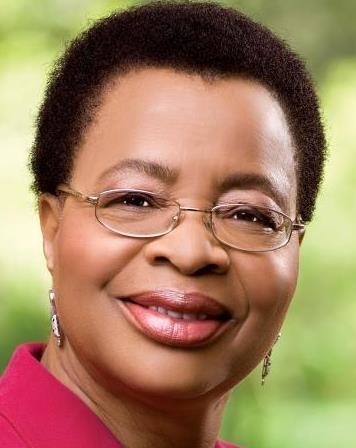
In a new conversation with CTV National News’ London Bureau Chief Paul Workman, Graça Machel, the award-winning humanitarian and widow of South African president Nelson Mandela, spoke about barriers to education and empowerment in Africa and how the pandemic may have exacerbated the situation.

“The whole year of 2020 — for hundreds of millions of African children — was simply lost,” she said.

The continent that had initially appeared relatively spared from the worst of the COVID-19 pandemic has now seen the appearance of a more volatile variant of the coronavirus, resulting in more than three million recorded infections and widespread school closures.

For some African children, lessons moved online like much of the world. But for too many others, it has meant a devastating loss of already scant education resources

“Some schools had conditions to put programs online,” said Machel. “But the huge majority of children on this continent, they live in houses where there is no electricity let alone internet.”

On Wednesday, Machel’s organization, the Graça Machel Trust, co-hosted a virtual panel with Children Believe, a Canadian organization that works globally to help children overcome barriers to education.

The panel, which featured both African and Canadian perspectives, focused on “overcoming barriers to education for girls in Sub-Saharan Africa in a COVID-19 world” as part of International Development Week 2021.

“The COVID-19 pandemic has reinforced and deepened structural inequalities across every sphere — from education and health to the economy and social protection for children,” Children Believe and the Graça Machel Trust said in a news release. “Adolescent girls have disproportionately felt the impacts of the pandemic with far reaching consequences on their life trajectories.”

According to The United Nations Educational, Scientific and Cultural Organization, as many as 80 per cent of African households have radio, but just 34 per cent have the internet. Girls are disproportionately affected by the resource deficit, said UNESCO.

There is now concern that the lost year could have ripple effects that result in even emptier classrooms after the pandemic eases up. Impoverished African countries already face a lack of funding for schools as well as “social norms and attitudes” that put children — particularly girls — at a disadvantage, said Machel. The implications of the pandemic on these pre-existing limitations are still unfolding, she added, but the focus should remain on primary and secondary education and adolescence.

“Before children complete the secondary [education], they do not have the knowledge and skills to walk on their own without regressing in whatever they have learned,” said Machel, adding that she is launching a new initiative focused on inspiring adolescents in Africa.

“We are working together not only to bring all children into the system, but to improve the way we empower adolescence to […] break the cycle of poverty in Africa.”

(SOURCE: CTVNEWS)

University Of Cape Town: UCT GSB’s MBA Programme Flies The Flag For Africa In Top Global Ranking

0

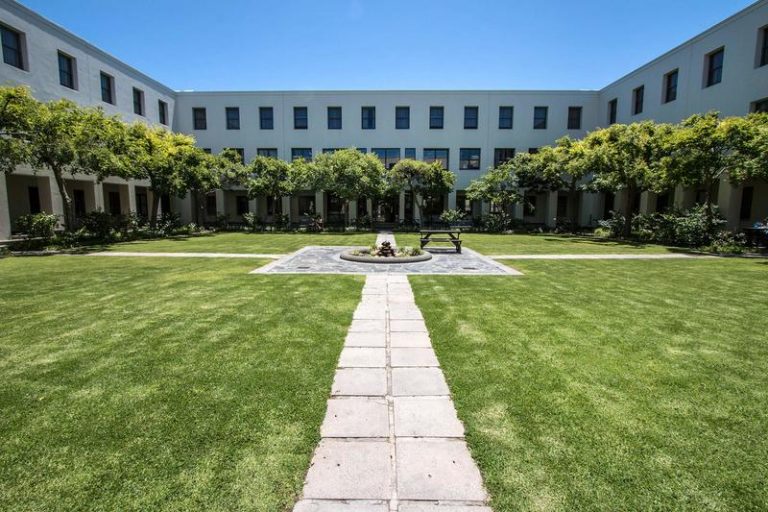
THE University of Cape Town Graduate School of Business (UCT GSB) remains the only school on the continent to make the prestigious Financial Times 2021 ranking of full-time MBA programmes.

The UCT GSB’s MBA has again been ranked one of the best programmes in the world by the Financial Times (FT) in its 2021 list of the top 100 Global MBAs.

The school, a global leader in innovative thinking in complex environments, saw its full-time MBA rank 5th in the world for value, 12th for corporate social responsibility, 14th for international course experience and 94th overall.

The MBA programme is the only African one to make the list, which was topped by INSEAD (France/Singapore) and the London Business School (UK). This marks the 13th time that the FT has ranked the UCT GSB’s MBA as one of the best in the world.

“This ranking reflects the exceptional quality of our MBA programme.”

“This ranking reflects the exceptional quality of our MBA programme, the global contribution made by our faculty and the value of the school’s unique expertise and approach to management education,” said the director of the UCT GSB, Dr Catherine Duggan.

“Our programme brings together some of the world’s best MBA students who are looking to combine cutting-edge business and leadership skills with new ideas, innovative approaches and creative thinking about real challenges in a way that has a broad, positive impact on business and society.”

Benchmark

The FT rankings are globally recognised as the pre-eminent benchmark for business schools and are determined according to performance in 20 areas, including the average income of graduates three years after graduation compared with pre-MBA salary, value for money, the number of international faculty members, research performance and corporate social responsibility.

This ranking comes hard on the heels of other achievements.

In 2020 a team of UCT MBA students became the first from an African school to win the prestigious John Molson MBA International Case Competition, and for two years in a row UCT MBAs have been honoured by the Association of MBAs (AMBA) in its global Excellence Awards, which recognise the most accomplished MBAs from around the world.

With this latest ranking, the UCT GSB becomes the only business school on the continent ranked in the top 100 in three of the FT’s premier rankings: the full-time Global MBA; Executive MBA (where the UCT GSB ranked 56th in 2020) and Executive Education – Customised (where the UCT GSB also ranked 56th in 2020). The school is one of just over 100 worldwide to have a “triple-crown” accreditation, meaning that it is accredited by all three of the world’s leading business school quality assurance bodies: AMBA, EQUIS and the Association to Advance Collegiate Schools of Business.

A testament to drive and passion

Associate Professor Kutlwano Ramaboa, the deputy director of the UCT GSB, said that the ranking is a testament to the drive and passion of the school’s faculty, staff, students, alumni and corporate partners.

“The ranking reflects our continued investments in expanding our faculty and supporting world-class research, as well as our commitment to teaching that is rigorous, innovative, research-driven and relevant.”

She noted that the school has continued to make investments to keep the MBA engaging and up to date during the COVID-19 pandemic.

“The faculty and MBA team have been working hard to make the MBA more flexible, more innovative and more relevant than ever.”

Dr Duggan added: “As a global business school with a broad international reach and a distinctly African identity, our students explore the lessons of developed markets and the fast-paced innovations of emerging ones. This unique approach gives our MBAs new insights into opportunities in Africa and beyond.

“Our graduates join a network of extraordinary alumni around the world whose success is a testament to the value of this approach, and whose enduring support for the UCT GSB is a testament to the transformative nature of our MBA.”

(Source: INSIDE EDUCATION)

US President Joe Biden Says Closed Schools And Loss Of Women In Workforce Is A ‘National Emergency’

0

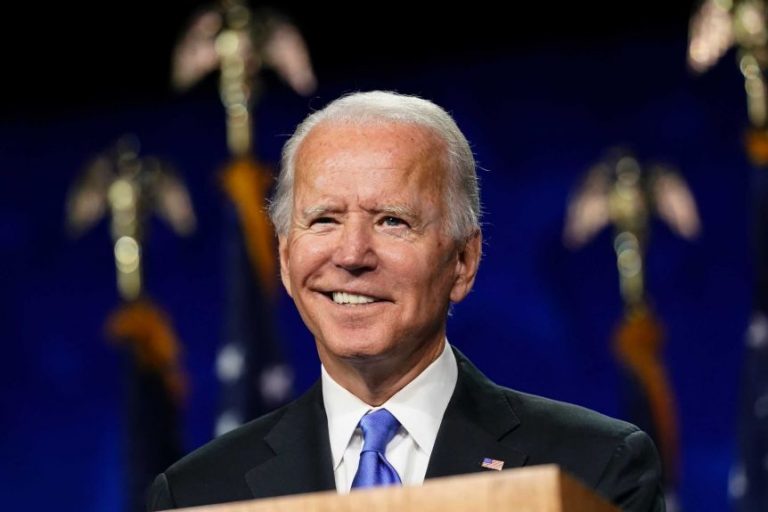
PRESIDENT Joe Biden said in an interview aired Sunday it was a “national emergency” that many students have been kept out of classrooms and that there has been a staggering loss of women in the workforce because of the coronavirus pandemic.

Biden told “CBS Evening News with Norah O’Donnell” that he believed it was “time for schools to reopen safely,” ahead of the expected release this week of the US Centers for Disease Control and Prevention’s guide to reopening schools.

“I think they’re going through a lot, these kids,” Biden said.

The President’s comments come amid a national debate about when and how to get students back in classrooms safely, as the pandemic continues to devastate the nation and has forced many classes completely online. They also come as women, particularly Black and Latina women, suffer steep job losses as they disproportionately work in some of the hardest-hit sectors in the pandemic, including education.

Biden, who has said he wants most K-12 schools to reopen before his first 100 days in office, emphasized in the interview the need for schools to implement stringent safety requirements to keep those in the classroom safe.

“About 20 million American children have not been in the classroom for nearly a year. There’s a mental health crisis happening,” O’Donnell said.

“There really is,” Biden said, nodding.

“Women are dropping out of the workforce,” O’Donnell continued. “Is this a national emergency?”

“It is a national emergency,” Biden responded. “It genuinely is a national emergency.”

“I think it’s time for schools to reopen safely. Safely,” the President said. He pointed to lowering the number of people allowed in each classroom and proper ventilation systems as examples of necessary protocols.

Biden said US Centers for Disease Control and Prevention Director Dr. Rochelle Walensky would be coming out with the guidance, which he described as “science-based judgment,” as early as Wednesday.

“I think about the price, so many of my grandkids and your kids are going to pay for not having had the chance to finish whatever it was. That graduation where you didn’t get to walk across the stage,” Biden said.

Walensky said Monday that the best way to get schools to reopen safely “is to decrease the community spread,” and to keep up mitigation measures such as masking and social distancing.

“The data from schools suggest that there is very little transmission that is happening within the schools, especially when there’s masking and distancing occurring. And that when there are transmissions in the schools, it is because they’ve been brought in from the community and because there are breaches in masking and distancing,” Walensky said during a White House briefing.

Last week, Walensky suggested that schools could reopen without teachers getting Covid-19 vaccines. White House press secretary Jen Psaki initially said Walensky was speaking “in her personal capacity” and said that though Walensky was the head of the CDC, her comments were not the same as official CDC guidance. But Psaki later appeared to agree with Walensky, saying vaccinations were only part of several mitigating factors that will help schools reopen safely, including wearing masks and social distancing.

Part of the $1.9 trillion Covid-19 relief package Biden has proposed to Congress includes additional funding for schools to operate safely in person. Biden has also signed several executive actions to help support reopening schools and establish a national strategy to get the pandemic under control.

Dr. Anthony Fauci, the nation’s top infectious disease expert, recently cautioned that reopening most schools within 100 days “may not happen,” as the US continues to grapple with high Covid-19 transmission. The coronavirus pandemic has killed more than 463,500 Americans as of Monday morning.

(Source: CNN)

DA, EFF Overwhelmingly Opposed To Reopening Of Schools Amid Virus Surge, Absence Of PPE

0

NYAKALLO TEFU|

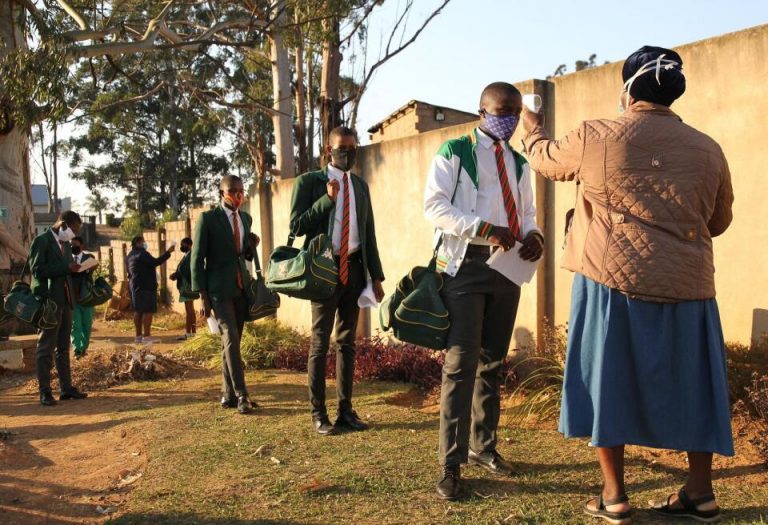
THE Economic Freedom Fighters (EFF) and the Democratic Alliance (DA) are calling for the delay of the reopening of schools in South Africa, saying they were not convinced that all schools in Gauteng, KwaZulu-Natal and the Eastern Cape are ready to commence with the new academic year.  

Oversight visits to several provinces by political parties and other interested parties have shown that many schools were not ready and posed danger to everyone because there are still shortages of personal protective equipment (PPE), including poor sanitation and access to clean water.

Last week, the portfolio committee on basic education also visited schools in Gauteng, KwaZulu Natal and Eastern Cape, to assess the state of readiness for the reopening of schools, and raised concerns about the state of readiness, urging the national Department of Basic Education to redouble its efforts to ensure that everything was in place for the start of the year.

EFF KwaZulu-Natal chairperson Vusi Khoza said since last year the province has been experiencing challenges with the provision of PPEs in many rural schools, and the situation has not changed. 

“To date some rural schools in KwaZulu-Natal have been without enough PPE since last year and yet they are expected to be fully operational when schools reopen next week,” said Khoza. 

Khoza said the provincial department of education has not dealt with the readiness of schools in rural areas and this could expose many learners and teachers to various dangers, including contracting the deadly COVID-19 virus.

“We can never deny the fact that 70% of the province’s schools are situated in rural areas where having enough clean water and proper sanitation facilities is a luxury,” said Khoza. 

The EFF leader added that schools cannot be reopened because several teachers who died from COVID-19 complications have not yet been replaced in parts of the province.

Last week, Chairperson of the Portfolio Committee on Basic Education, Bongiwe Mbinqo-Gigaba said before schools reopen, the department needs to act urgently on issues relating to providing learner transport, provision of water and filling vacant positions.

The EFF said many teachers who died from COVID-19 in KwaZulu-Natal have not yet been replaced.

“The government has not even replaced teachers who lost their lives to Covid-19 and that could take more than six months, so a two to three month delay in the reopening of schools would be okay at this point,” said Khoza. 

DA spokesperson on basic education Baxolile Nodada said in KwaZulu-Natal, 120,000 pupils who are eligible for pupil transport do not have access to the state-funded transportation.

He said it was time for the basic education department to get its house in order to ensure schools can safely reopen on February 15.

“Many schools do not have proper or any access to clean water and sanitation. That this should still be a concern in 2021 is simply shocking. The world is suffering at the hands of a pandemic, the main defence against which is cleanliness,” he said.  

“Pupils and personnel do not have access to a basic human right that is their first line of defence against Covid-19. This is beyond shameful.”

He said infrastructure development in some schools in the Eastern Cape, Gauteng and KwaZulu-Natal was woefully inadequate, with many classrooms built with dangerous materials like asbestos.

Some schools had been closed after they were deemed unsafe for pupils. There were also not enough classrooms in some schools, making social distancing impossible. Some schools were vandalised by communities.

The basic education department has denied it was not ready for reopening next week.

Spokesperson Elijah Mhlanga told TimesLive that while things may not be perfect due to inequalities in the country, this didn’t mean schools were not ready to reopen.

“Last June, the DA sang the same chorus that schools were not ready, but when schools reopened everything was in place. Not one pupil or teacher died after contracting Covid-19 at school. Those who did were mostly infected in communities. There is no crisis,” said Mhlanga.

(Source: INSIDE EDUCATION)