Home Blog Page 356

University of Pretoria Researcher’s Team Discovers New Compounds With The Potential To Eliminate Malaria

THE University of Pretoria (UP) has discovered new potent chemical compounds that show potential as candidates for both the treatment and elimination of malaria.

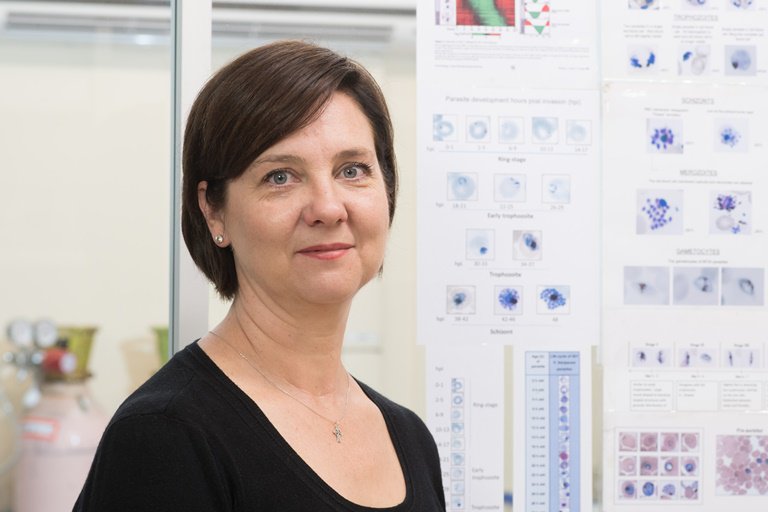
Professor Lyn-Marie Birkholtz, Professor in Biochemistry and South African Research Chair in Sustainable Malaria Control (part of the South African Research Chair Initiative, SARChI), was part of an international team that published this discovery in the journal Nature Communications on 11 January.

“The breakthrough involves the identification of unique compounds that are able to kill several stages of the malaria-causing parasite and can block the transmission of the parasite between humans and mosquitoes,” she explained. 

The deadly human malaria parasite Plasmodium falciparum occurs in South Africa. These parasites are transmitted to humans by female Anopheles mosquitoes.

The only means of killing the parasite itself is to use chemical drugs, but new antimalarial drugs are urgently needed to address the growing concern of antimalarial drug resistance.

Prof Birkholtz describes the parasite as a “shape shifter” since it can take on multiple forms while in humans. Some of the forms cause disease and others allow the parasite to be transmitted back to mosquitoes to continue the life cycle. Prof Birkholtz states: “To eliminate malaria, it is essential that we have the necessary tools to kill all these different forms of the parasite. We can then cure patients of the disease but, importantly, also block the malaria transmission cycle. This is the only way to achieve malaria elimination.”

South Africa is leading regional malaria elimination efforts as part of four frontline countries in southern Africa including Namibia, Botswana and Eswatini.

In an innovative strategy, the team looked for new chemical compounds that can do exactly this, but that are completely new so that the parasite does not have resistance against them.

The team runs a unique research platform on the African continent, in which all of these stages of the malaria parasite can be produced in the lab and be used to test chemical compounds.

The team discovered compounds that kill the disease-causing form and compounds that blocked the parasite from infecting mosquitoes in the lab.

Two potent compounds target processes essential to the parasite’s survival: one is a clinical candidate against tuberculosis and blocks cell membrane synthesis and another is an anti-cancer candidate that targets epigenetic mechanisms (mechanisms that control cell fate beyond the genome).

“This is the first time that these compounds were shown to have activity against malaria parasites and since they are not toxic to humans, they show the potential to be developed as antimalarials for both the treatment and elimination of the disease,” said Prof Birkholtz.

The discovery was made possible by the team’s use of an open-source chemical compound set called the Pandemic Response Box, developed by the Switzerland-based Medicines for Malaria Venture (MMV) and the Drugs for Neglected Diseases Initiative (DNDi).

This compound box contains compounds that can be used for drug repurposing/repositioning, a process where drugs that have activity against a specific disease (e.g. cancer) can be reused for another disease (e.g. malaria).

Dr James Duffy, MMV Project Director, describes the discovery “as an important breakthrough that emphasises the potential to use existing drugs as inspiration for drug discovery projects targeting different diseases. Never before has this been more important than in light of current outbreaks, where the rapid response to discover new chemicals able to kill infectious organisms is essential.”

Prof Birkholtz directs the parasite cluster of the UP Institute for Sustainable Malaria Control (ISMC), a multidisciplinary institute with a focus on integrated innovations towards malaria elimination in South Africa.

Professor Tiaan de Jager, Director of the ISMC and Dean of Health Sciences at UP, said: “A discovery of this kind attests to the leading expertise in antimalarial drug discovery at UP, and in South Africa, addressing African-centred societal challenges. This work also shows the commitment of scientists at UP to contribute to the United Nation’s Sustainable Development Goal for Good Health and Wellbeing.”

Prof Birkholtz’s team led the transmission-blocking drug discovery effort as partner in the South African Malaria Drug Discovery Consortium (SAMDD) that includes two other South African Research Chairs, Professor Kelly Chibale (Chair in Drug Discovery at the Drug Discovery and Development Centre, H3D, at the University of Cape Town) and Professor Lizette Koekemoer (Chair in Medical Entomology at the WITS Institute for Research on Malaria at the University of the Witwatersrand) as well as scientists from the Council for Scientific and Industrial Research and international partners from the USA and Spain.

The work has benefitted from sustained funding from the MMV and the Medical Research Council’s Strategic Health Innovation Programme (SHIP) and affirms that investments in health innovations places South Africa at the forefront of discovery.

(SOURCE: UP)
Matric Marking Will Be Completed On Time, Department Of Basic Education Confirms

0

NYAKALLO TEFU

THE Department of Basic Education says despite a huge number of markers pulling out of marking the matric exams, the process will be completed on time.  

Over 1 600 teachers, mostly from Gauteng, have pulled out of marking in fear of contracting COVID-19.

Nearly 170 markers have been reported to have tested positive.

Over 40 000 markers have been appointed to mark matric papers across the country.

“There has been anxiety and fear among markers and their families to the extent that some of the marking personnel opted to withdraw from the process,” said Director-General Mathanzima Mweli.

Marking is expected to be completed by 22 January 2021.

 “In the monitoring visits to the marking centres we have impressed upon our colleagues to do everything possible to avoid infections. We have pleaded with the management at centres to monitor compliance so as to avoid outbreaks,” said Mweli.

Mweli added that he was impressed with what he has seen in different provinces regarding the wearing of masks, social distancing and the availability and use of sanitisers.

On Monday, the Department held a briefing on progress made by markers as they entered week two of marking.

“All processes are on track to ensure that there is no delay in the release of matric results,” said Mweli.

The Department said it would also continue to monitor the marking process with a special focus on health and safety due to the second wave of the coronavirus pandemic.

“Nothing should be above health and safety in the marking centers, not even the standard of marking. The standard of marking must remain subordinate to health and safety as a priority,” Mweli.

Matric results are expected to be released in February.

“We held a session with our key stakeholders at the weekend; we met with school governing body associations, principal associations, and civil society and teacher unions,” said Mweli.

“The engagement has been fruitful and the support extremely useful. It is because of this commitment from colleagues in the marking centres that as a sector we feel that we are still on schedule to complete marking as scheduled on 22 January 2021,” said Mweli.

Meanwhile, the South African Democratic Teachers union (Sadtu) in KwaZulu Natal has expressed concern on marking centers in the province.
“Since markers reported for duty there are cases where the Union has intervened, which include a large number of teachers who did not have accommodation,” Sadtu said in a statement.

 The teachers union said it had sent out monitors to check that the safety of the markers is not compromised as they complete their work during the second wave of the coronavirus pandemic.

However, SADTU said it had found that some markers’ health has been compromised.
“SADTU monitors have been visiting centers and, in some centers, compliance is highly compromised. Markers were found chatting in large groups,” the union said in a statement.

SADTU added that the Department had told them that there is a compliance officer in each center and they called upon these officers to take full responsibility for compliance related matters in their centers.

“We wish our markers all the best as they execute such an important task as Grade 12 learners and their parents are waiting for the best,” added the union.

(SOURCE: INSIDE EDUCATION)

Pupil Infection Rates Are Proof That Schools Aren’t Safe, Says Teachers’ Union

0

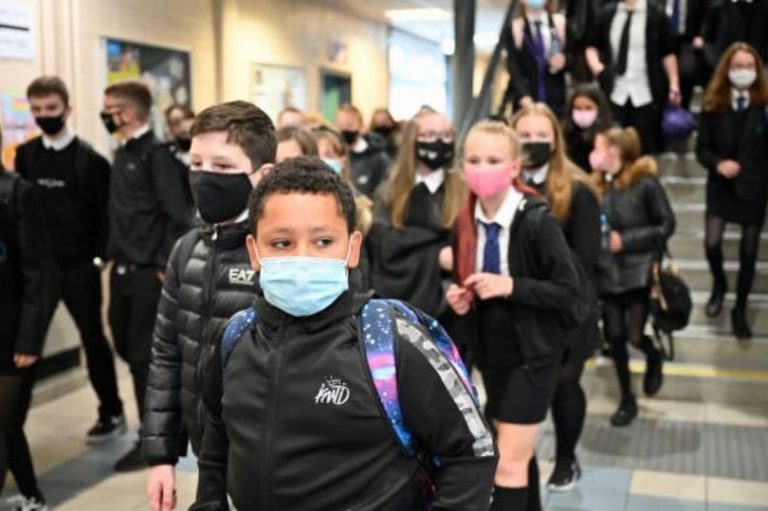
BRITAIN’s biggest teaching union says that figures showing the Covid infection rates among pupils are proof that schools are not safe.

The National Education Union (NEU) has shared the data from the Coronavirus Infection Survey published by the Office for National Statistics and insists it ends the confusion over school safety.

It shows that infection rates peaked on Christmas Day, with 1 in 49 primary children and 1 in 35 secondary children infected in the north west.

Nationally the figures were 1 in 40 primary pupils and 1 in 27 high school pupils, while in London the figures were even worse, at 1 in 23 and 1 in 18 respectively.

Commenting on the data, Dr Mary Bousted, joint general secretary of the NEU, said: “It is clear from these results that the National Education Union was right to stand up for safety in schools, a massive public health issue on which this government has been consistently behind the curve.

“The government can’t seem to decide whether schools are safe or unsafe. Let this data end their confusion. Schools are clearly driving infection amongst children, and then onto the wider community.

“This peaked on Christmas Day with 1 in every 27 secondary-age children and 1 in 40 primary-age children infected. In London this rises to 1 in 18 secondary pupils and 1 in 23 primary pupils. These figures are truly shocking and entirely the result of government negligence.”

The teachers’ union NASUWT says that the data now coming to light backs up what they’ve believed all along – that those working in the education sector are considerably more at risk – and adds even more weight to their campaign for teachers and education staff to be prioritised for the vaccine.

Jac Casson, of Greater Manchester’s national executive members for the teachers’ union NASUWT, told the Manchester Evening News: “The NASUWT has been trying to ascertain the data of Covid infection rates in schools since September 2020 and for the most part this information appears to be a heavily guarded secret whilst the government continued to use inaccurate data to suggest that teachers and school children were no more likely to be infected by covid than other workforces or members of society.

“According to data, gathered by the NASUWT in Freedom of Information requests, it appears that, as suspected, teachers and those working in the education sector are considerably more at risk. This again would support the Teachers’ Union’s campaign #vaccinate2educate.”

Despite the data, the government insists that schools are safe – with staff at no greater risk than other workers.

What do you think about the safety of schools? Do you think closing them was the right decision? Are you a school worker who is concerned about safety? Let us know in the comments here, or on our Manchester Family Facebook page.

Answering a question about the safety of schools on BBC Radio 5 Live today, England’s chief medical officer Professor Chris Whitty, said: “Are they safe for children, the answer is absolutely yes – in large part due to the fantastic work teachers have done, but the main reason is because children are at much lower risk of this virus than others.”

He added: “Teachers are at no greater risk than others who go into work. Going into work does obviously carry a risk for many professions, but they’re not a high risk profession like social care workers, or nurses and doctors, but there is a risk to every profession and teachers are included in that, but no more so.”

Prof Whitty, who warned the NHS is facing the worst point of the pandemic, said the reason why schools had been closed in this lockdown was because ‘by mixing together, children bring households together and they can increase the risk of transmission’, but, he stressed, that ‘not having children in school is a very significant disadvantage for those children – and that’s true in health terms, mental health and other areas, as well as in educational terms’.

What are the latest coronavirus figures for where you live? Find out by adding your postcode.

He said: “The real risk has been that there might be an upward pressure on the R – the transmission rate – and because this new variant is so much more transmissible, we’ve had unfortunately to include education in this in a way that we previously did not have to do so.”

Last week the Department for Education wrote to school leaders saying ‘the decision to limit on-site provision to vulnerable children and the children of critical workers, does not suggest that schools and colleges are no longer safe places’.

It said: “The Office for National Statistics (ONS) data from 2 September to 16 October showed no evidence of difference in the rates of teachers/education workers testing positive for COVID-19 compared to key workers and other professions. Additionally, the Schools Infection Survey (covering 3 to 19 November) found the infection rate among teachers to be similar to that of the wider population.”

However unions say such data is ‘hopelessly out of date and cannot be relied upon’.

(SOURCE: MANCHESTER EVENING NEWS)

Questions Mount Over Schools With Pit Latrines in South Africa

0

KATLEHO MORAPELA

WITH the 2021 academic year expected to commence later this month, questions over the state of sanitation in a number of schools across the country are mounting.

The Economic Freedom Fighters (EFF) demands answers on almost 4 000 schools that are still making use of pit latrines.

The party says it is appalling that learners and teachers are still subjected to the use of pit latrines despite the government having promised to eradicate them years ago. 

In a parliamentary reply to the party, Basic Education Minister Angie Motshekga says the SAFE programme (Sanitation Appropriate For Education) has been launched to address sanitation issues at 3 898 schools that were still making use of pit toilets and the programme is still underway.

“Of these 3898 schools, 427 have subsequently been closed mostly due to rationalisation, a further 725 of these schools have been assessed and the sanitation has been confirmed to be of an appropriate standard, though some of these sanitation facilities require some form of maintenance. The remaining 2 747 schools require intervention to eradicate the dependency on basic pit toilets,” she said.

Her statement comes just months after OFM News reported on how schools in the Free State, Eastern Cape and Limpopo are amongst those where there remains a high need for intervention.

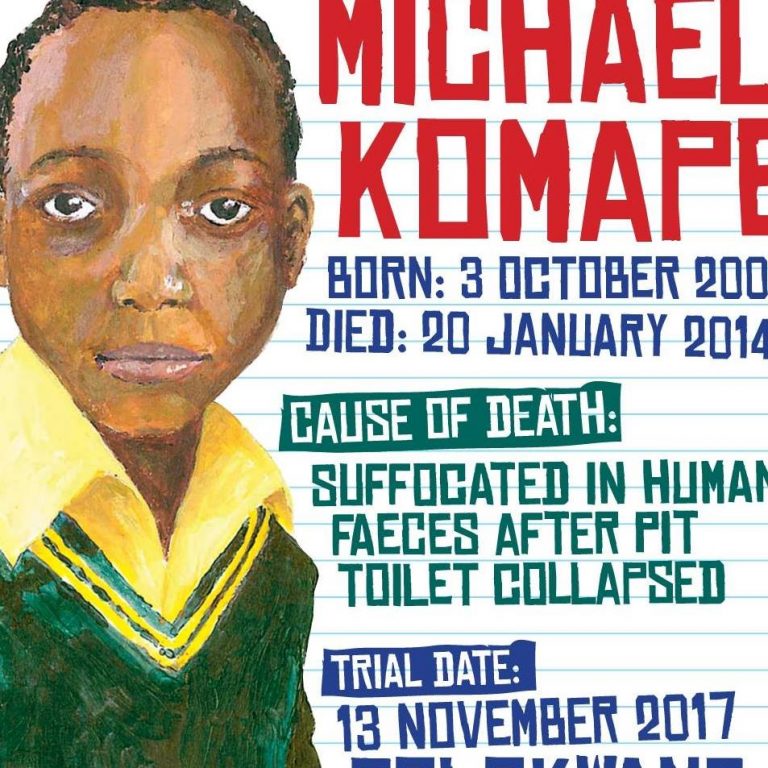
The poor state of toilets in schools has since been under much scrutiny following the drowning of a 5-year-old boy, Michael Komape, in a pit latrine at his school in Limpopo in 2014.

(SOURCE: OFM.CO.ZA)

Teacher of The Week: Limpopo’s Dzata Secondary School Principal Wins African Union Teacher’s Prize

LIVHALANI Sinyosi, the principal of Dzata Secondary School in Nzhelele’s East Circuit, has been named as the winner of the African Union (AU) Continental Teacher’s Prize for 2020. The winners were announced during a virtual ceremony held under the theme: Schools as development hubs to empower teachers after Covid-19 on Monday, 21 December.

Limpopo MEC for education Ms Polly Boshileo was thrilled when Sinyosi was announced as winner of the prestigious competition. “It is exciting to end the year on such a high note,” said Boshielo. “There are not enough words to express how proud we are of the award given to one of our own. Such enormous recognition does not come easy and should be appreciated as testament of selfless determination and excellence that we are privileged to see in our teachers.”

The AU Teacher’s Prize was established as a means of demonstrating respect for teachers and the teaching profession by encouraging and celebrating committed teachers on the continent. The prize shines a spotlight on great teachers and facilitates the sharing of their remarkable stories with the world.

Sinyosi was the 2019 district and provincial winner of the National Teacher’s Award in Secondary School Leadership and ended up in the third position at national level. This led to her being nominated for the AU Teacher’s Prize by the Department of Basic Education.

She received the award for having demonstrated qualities at engaging in quality teaching, helping students to achieve long-term career goals by organising engagements with relevant agencies, engaging in activities and networks that enhance the social and cultural value of learning, and encouraging desirable behaviour among students through positive feedback.

Sinyosi has been in the education sector for 25 years, where she has worked as a teacher, departmental head, deputy principal and now principal. She is the mother of four and holds a Master of Education degree in curriculum studies and is currently a PhD student at the University of South Africa (Unisa).

“I thank God for this prestigious award bestowed on me. It was not an easy journey, as I was competing with different countries, but because of the grace of God, South Africa won,” said Ms Sinyosi. Sinyosi told the Limpopo Mirror that the victory was not hers alone, but the victory of South Africa, and that all South Africans should be proud, especially the Limpopo Province.

(SOURCE: LIMPOPO MIRROR)

What Long Term Affect Will COVID-19 Have On School Sport?

0

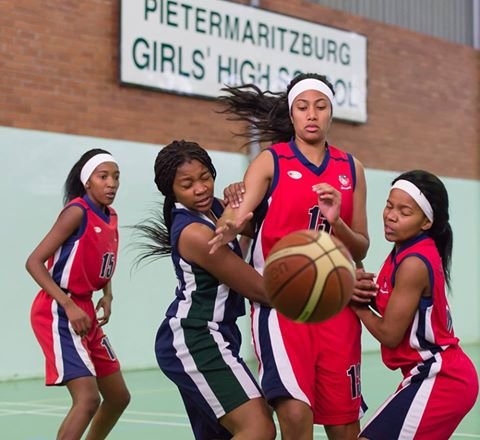
WHAT long term effect will Covid-19 leave on school sport? In short nobody really knows the impact that not playing sport for a year will have on a school athlete. Most will agree though that the result cannot be positive in the short term.

Expected Drop off on Interest in School Sport

Even if school sport resumes in all its glory in 2021, many suspect the standard of play will be affected for the worse.

For example, a 2020 Grade 8 U14 rugby player will suddenly find himself playing U15 rugby in 2021. The last time he would have played rugby was in primary school as an U13. That is a huge jump to make and underlines why some are expecting a dip in the level of competition.

Contact without the Contact

Add to that the many players who have been attracted to ‘’lockdown friendly’’ sports like golf, and others who have dropped out of main stream schooling to pursue home-schooling and we could see a lacklustre interest in traditional team sports that seem to have been hardest hit by the virus shutdown.

Last year, the Basic Education Department, which ultimately overseers school sport, announced that contact sport like soccer and rugby could resume with immediate effect with a caveat. There must be no contact!

Department spokesperson, Elijah Mhlanga stated that … “contact sport training may resume…provided that all social distancing, hygiene and safety measures are observed and that there is no physical contact between participants during training.”

Although it is a move in the right direction, how coaches and players will train and practice for a contact sport without any contact will be a challenge.  Effectively this means that no rugby or soccer matches can be played at present.

However, the green light has been given for schools to compete in inter-school matches provided the spectators are limited to 250 for an indoor match and 500 for an outdoor activity. All are expected to wear masks expect for those playing in the matches.

The sooner school sport restrictions are lifted the sooner we can all look forward to a normal year full of the purest form of sport.

(SOURCE: SASCHOOLSPORTS)

Chadwick Boseman’s Black Panther Gives A Boost To Diversity In STEM – A Black Engineer’s Take On Personal And Professional Inspiration

Chadwick Boseman played a superhero on the big screen, but he had a real-life superpower – the ability to inspire the next generation of underrepresented scientists, engineers and innovators. He was one of many people lost too soon in 2020, but his legacy will live on.

I’m biracial – Black and white – but primarily identify as Black, in part because that’s how other people have always identified me. I’m also an engineer, scientist, educator, inventor and entrepreneur who has drawn great inspiration from Boseman.

On and off the screen, he championed Black representation and embodied Black excellence. From the scientists of the fictional country of Wakanda to the supersuit he wore as the superhero Black Panther, the cinematic world he brought to life mirrors my own vision: a world of increased inclusion and diversity in STEM, one where real-life exosuits are commonplace and empower people of all abilities.

Faces like mine

I grew up in a community with few other faces like mine. I don’t recall having any Black teachers in school or any Black professors I took classes from in college. Fortunately I had an older brother who looked like me to admire and who blazed a trail, becoming an engineer a few years before me. But for most of my life, I rarely saw Black engineers or scientists in the real world or popular culture except in an occasional article, poster or TV segment in February, Black History Month. In retrospect those were mostly about George Washington Carver, a science rock star, but it became a bit repetitive.

Against this backdrop, the world of Wakanda that Boseman helped bring to life in the movie “Black Panther” was something out of this world for me. It was a portrayal of a society where being young, Black and gifted was the norm, and these individuals were implicitly accepted and respected as scientists, engineers, innovators and intellectuals.

It was the kind of portrayal in a blockbuster movie that I do not recall seeing, ever. I believe that everyone, particularly the next generation of Black, biracial and other underrepresented science, technology, engineering and math students, will draw inspiration from this portrayal, either consciously or subconsciously.

On Twitter, Black in Engineering was launched in the week leading up to Boseman’s passing in August 2020, and Black in Computing was launched two months earlier. The same cathartic experience of seeing Wakandan scientists and engineers on the big screen is how I felt reading all the posts tagged #BiERollCall – Black engineers and scientists across STEM disciplines introduced themselves and their work, their passions and their expertise. And a sea of allies and advocates amplified these voices – including MC Hammer, who was throwing out retweets the way he used to throw out dance moves.

Role models

Representation matters, and the entertainment industry provides a powerful influence on societal norms that inspire young people to pursue career paths that they might not have otherwise considered. Beyond the silver screen, Boseman carried himself as a role model, too. He was an advocate for Black excellence, aspiration and inclusion. He was willing and able to use his platform to bring attention to problems of opportunities, resources and underrepresentation that exist in two quite different industries: film and STEM.

I aim to live up to his legacy by being a more vocal advocate for inclusion and a role model for young scientists, engineers and inventors of all races, ethnicities and genders – even the ones who don’t yet know the STEM field is their calling.

Bringing supersuits to life

Professionally, I’ve long had my eye on bringing wearable technology like Black Panther’s vibranium supersuit off the screen and into real life. I’ve spent the past 13 years developing bionic limbs for individuals with amputations, exoskeletons for those with disabilities and exosuits for people who do backbreaking work for a living.

In the Marvel cinematic universe, vibranium is the metal used for Black Panther’s supersuit because of its ability to manipulate energy. With the suit, Black Panther can absorb, store and release kinetic energy, making the suit both protective and assistive.

Interestingly, much of the kinetic energy people encounter in daily life comes from inside their own body, not from the outside world. This is because muscles generate huge forces. For instance, if you lift a 25-pound box, your back muscles generate over 500 pounds of force – 20 times the weight of the box – to impart kinetic energy to your torso and the box. The same goes for walking, running and jumping.

When my students, colleagues and I build exosuits in our biomechanics lab using elastomers, textiles and alloys, we’re essentially designing real-life vibranium supersuits that generate, alter and absorb kinetic energy. For instance, we invented a 3-pound exosuit that takes 50 pounds of strain off back muscles each time the wearer bends or lifts, which amounts to tens of thousands of pounds of back relief each day for people in strenuous jobs like construction, logistics and agriculture.

Just as importantly, our textile-based design fits like clothing, and assistance can be turned off so the exosuit stays out of the way when the wearer doesn’t need it. Our goal is to improve lives by keeping people healthy, safe and physically active, whether it’s helping a paralyzed person walk or reducing physical overexertion experienced by an essential worker.

We are taking what was once science fiction and transforming it into a tangible impact on society and, in the process, encouraging inclusion and diversity throughout STEM. This is what Boseman did for so many, and this is the legacy I hope we all can emulate.

  • Karl Zelik is Assistant Professor of Mechanical Engineering, Biomedical Engineering, and Physical Medicine & Rehabilitation, Vanderbilt University.

(SOURCE: THE CONVERSATION)

Transworld To Publish Book Encouraging Women Into STEM Careers

KATHERINE COWDREW

TRANSWORLD has bought She’s In CTRL, a book “about women, tech and daring to dream” by Dr Anne-Marie Imafidon, a leading advocate for girls going into STEM careers as the founder of social enterprise Stemettes.

UK and Commonwealth rights were acquired from Claire Conrad at Janklow & Nesbitt as part of a two-book deal, and the first will be published by Bantam Press in hardback on 17th March 2022.

In She’s In CTRL, Imafidon argues, “it’s time to get into the room where the decisions are made. Or, better still, create our own tech rooms.” Billed as “an inspirational narrative about how women must play a part in ensuring a future that’s evenly distributed”, the book takes inspiration from Imafidon’s own experience and from the stories of other pioneers and innovators who have, against the odds, transformed technology. 

Andrea Henry, editorial director at Transworld, said: “As something of a technophobe, I find Anne-Marie’s skills in science and maths awe-inspiring. But – and this is the key message – these are skills we can all learn. Add to that the drive and passion Anne-Marie brings to the cause of getting more women into careers in science, technology, engineering and maths, and it’s clear her thoughts on how we can – and must – change the world are long overdue. It’s really exciting for the Transworld team to be working with Anne-Marie on two important books, beginning with She’s In CTRL in 2022.”

Imafidon said: “I’m ecstatic to be able to bring this technical message and some awesome technical voices to a new audience. Technology is only becoming more important in daily life. It’s too important for women to be left out and left behind. There’s so much that has been hidden about the technical contributions women have made from WiFi to GPS. I’m excited to see what will happen when more women take CTRL of tech.”

(SOURCE: The Bookseller)

SA’s 10th Medical School Open At Nelson Mandela University For 2021 Applications

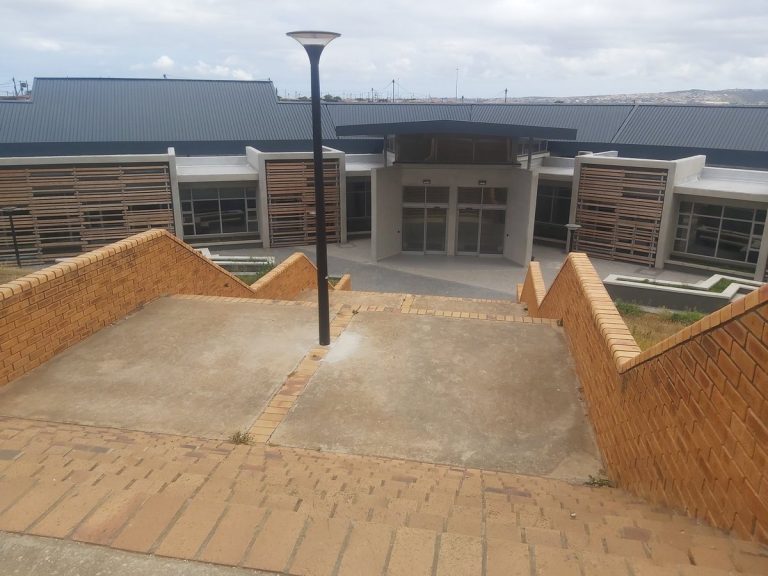
South Africa’s 10th medical school, located at Nelson Mandela University’s Missionvale Campus in Port Elizabeth, opens its doors in March 2021.

This was announced by the university’s Vice-Chancellor, Prof Sibongile Muthwa, and follows the approval and registration by the South African Qualifications Authority (SAQA) for the University to offer the MBChB (Bachelor of Medicine and Bachelor of Surgery) qualification.

The SAQA approval was the final step in the lengthy accreditation process in the journey towards Mandela University’s Medical School. It follows a visit by the Health Professions Council of South Africa (HPCSA) and the Council on Higher Education (CHE) a year ago, during which the University’s readiness to offer the six-year medical degree was assessed in terms of curriculum, infrastructure, equipment, staff, the necessary student support and agreements with stakeholders.

Muthwa said the final accreditation came at a significant time, as South Africa grappled with the second wave of the coronavirus pandemic that has placed even greater pressure on the health system – even at the cost of losing the lives of colleagues in the health sector.

Having obtained the SAQA registration, the University can officially open applications from 06 January 2021, for its first cohort of students. It will enrol its first intake in March 2021.

“The collaborative engagements with our colleagues at Walter Sisulu University (WSU) and the support we have had from all the other medical schools across the country enabled us to be ready to launch the new, unique medical programme successfully” said Deputy Vice-Chancellor for Learning and Teaching, Prof Cheryl Foxcroft.

“We look forward to collaborating with all our partner institutions, provincially and nationally, in producing fit-for-purpose, service oriented and civic-minded medical professionals committed to making a difference in the lives of the disadvantaged”.

The institution said the medical school will in future help address the shortage of qualified health professionals‚ stating that 65% of all public doctors’ posts are vacant and there is only one doctor to every 4‚230 people in the Eastern Cape.

(SOURCE: Medical Brief)

UJ’s Professor Tshilidzi Marwala Clears Up 5G Myths

SIMNIKIWE MZEKANDABA

FIFTH-generation (5G) technology is not something sinister as some conspiracy theorists may have people believe, but is the progression of current technologies as societies increasingly go mobile and consume more data.

This is word from professor Tshilidzi Marwala, vice-chancellor (VC) and principal of the University of Johannesburg, taking to his Facebook page to address some of the myths linking 5G to the outbreak of the coronavirus.

Campaigns spreading dangerous myths linking 5G to the outbreak of COVID-19 have gone viral on social media platforms, with the latest being a local councillor sharing falsehoods about the next-generation 5G technologies.

Marwala, who also serves as deputy chair of the Presidential Commission on the fourth industrial revolution (4IR), stresses that it is imperative to embrace and adopt 5G because it is going to be the bedrock of the economy of the 21st century.

“5G technology offers outstanding network performance, but is it dangerous?” he asks. “Some conspiracy theorists are linking 5G to the coronavirus. There is no causal connection between 5G technology and any biological virus, including the COVID-19.”

Conspiracies aside

In SA, mobile network operators Vodacom, MTN and Rain have, in recent months, started to deploy commercial 5G networks in some parts of the country.

However, to understand 5G technology, one must understand previous generations of mobile services that preceded it, according to the VC.

He explains that first was the first generation (1G) technology, which was when we started communicating with each other using only voice. This was then followed by the second generation (2G) technology, which included text messages to voice cellular communication.

Throughout 1G to 4G, Africa has merely been spectators and customers. If we are not careful with 5G, we risk being spectators once again, but this time, we may not even be customers.

Professor Tshilidzi Marwala, vice-chancellor and principal of the University of Johannesburg

The third generation (3G) technology allowed for people to surf the Internet and to send some pictures in addition to voice and text.

Then it was the fourth generation (4G) technology, which was a faster version of 3G, giving users the ability to download a movie in six hours, for instance. 5G technology is an evolution of this.

“It will be so fast that it will take 6 seconds to download a movie,” states Marwala, adding that it [5G] is going to transform communication fundamentally. For example, surgeons will be able to use robotics to perform surgeries on the other side of the world because the reaction time is going to be very quick. Self-driving cars are going to be more common and car accidents will be fewer and fewer, he notes.

Spectrum conundrum

Marwala points out that the country’s digital migration project is essential to liberate spectrum for 5G spectrum allocation.

South Africa’s Broadcasting Digital Migration (BDM) programme has been in the making for over a decade, with the goal posts constantly shifting.

Digital migration of TV signals from analogue to digital will result in more efficient use of signals, freeing up large segments of spectrum for Internet access.

The Independent Communications Authority of SA (ICASA) ICASA has promised it will auction the much-needed high-demand spectrum by March next year. Among the spectrum frequencies it wants to auction are the 700MHz and 800MHz bands, which are currently occupied by the much-delayed digital migration.

“No spectrum has been awarded in the last 15 years, which has made it very difficult to allocate spectrum for 5G,” says the UJ VC. “Last year, the minister of communications and digital technologies Stella Ndabeni-Abrahams issued policy directives intended to ensure that the new spectrum will be released.

As SA and the rest of the continent begin to consider 5G, Marwala says it is essential to understand what is happening globally.

“The most prominent global countries in 5G are China and the USA. These two countries are battling it out in a cold war over the control of 5G. So far, China has emerged as the frontrunner.

“Throughout 1G to 4G, Africa has merely been spectators and customers. If we are not careful with 5G, we risk being spectators once again, but this time, we may not even be customers. This is because a certain level of infrastructure is required for 5G.”

To solve this conundrum, the professor advises educating people across the board to understand the link between international relations and technology and use that to position South Africa strategically.

“On the one hand, this will entail attracting more people to universities to understand complex concepts that are relevant to 5G. On the other hand, it will also call for our people to go out into the world to learn about how other nations are educating and developing new technologies.

“The outcome, of course, is that our participation in global affairs should see us get a piece of the cake that has already been shared among other nations. We cannot afford as the African continent to receive the crumbs of technological developments or to be spectators in this development,” Marwala concludes.

(SOURCE: ITWEB)