Home Blog Page 361

Basic Education Decision To Rewrite Matric Exams Declared Irregular, Unlawful – Court

0

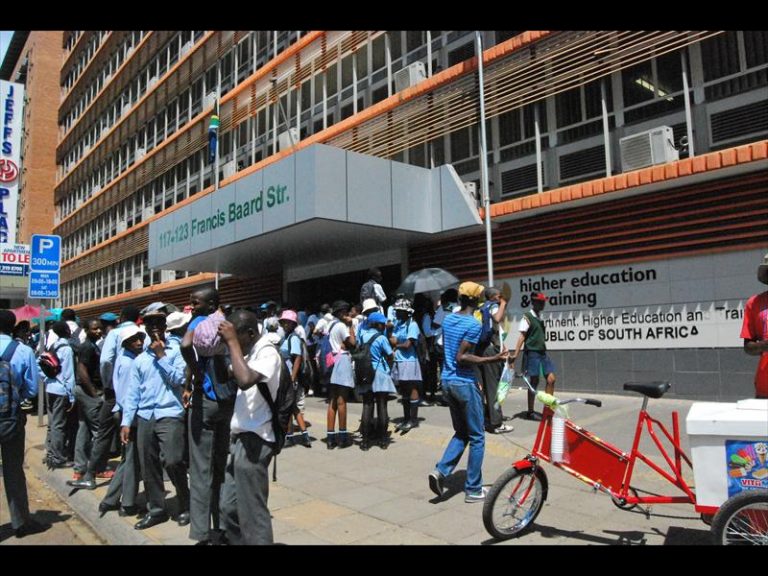
THE Gauteng High Court has set aside the decision of the Department of Basic Education to force learners to rewrite Maths and Physical Science exams, saying it was irregular and unlawful.

The department is also liable for all legal costs, according to the ruling.

The court ordered that all examination scripts must be marked by the Department of Basic Education.

The judgment follows an urgent court application involving AfriForum, the South African Democratic Teachers’ Union (Sadtu), and other concerned parties, who disputed the decision to have matriculants rewrite their exams. 

“We welcome the judgment to ensure learners are not being punished unnecessarily by Basic Education. The department jumped the gun. They don’t have to make irrational decisions but rely on hard evidence,” said Sadtu general secretary Mugwena Maluleke.

“We feel vindicated.”

(SOURCE: INSIDE EDUCATION)

Dr Blade Nzimande Congratulates SANSA on Ten Year Anniversary

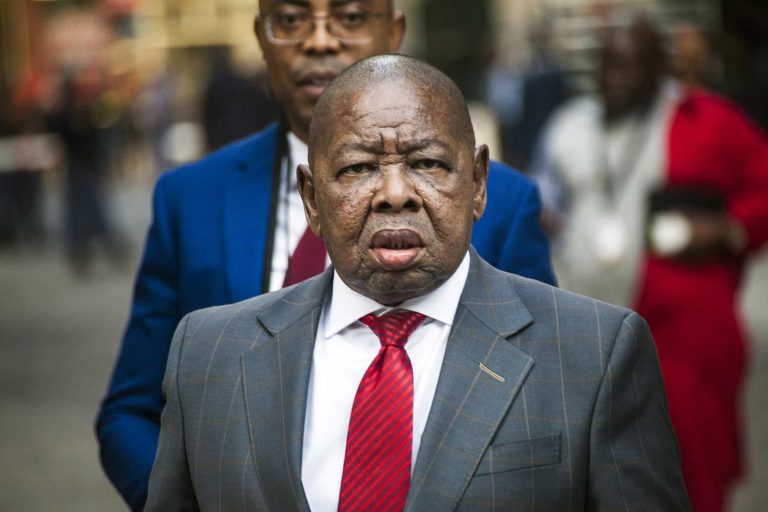
THE Minister of Higher Education, Science and Innovation, congratulates the South African National Space Agency (SANSA) on marking a decade since its establishment.

Ten years ago, on 9th December 2009, the Department launched the much-anticipated Space Agency, marking the beginning of South Africa’s commitment to an era in service of humanity through investment in space science and technology. 

It is widely acknowledged that the use of space generated knowledge and applications is essential in addressing many current and future global challenges.

The intent of the establishment of SANSA was to converge and optimise resources and maximise the benefits of space services and applications to society. 

“As a technological advancing country, South Africa is reliant on space-based applications and services and therefore the establishment of SANSA was strategically important in addressing our local challenges and improving the lives of our citizens,” said Minister Nzimande.

Minister Nzimande said that a decade ago, South Africa had a number of organisations working in isolation on various space-related products and services such as the Satellite Applications Centre aligned to CSIR and the Hermanus Magnetic Observatory from the fold of the NRF amongst others. These two have since been realigned within the programmes of SANSA, making up the four strategic programmes of Space Science, Space Operations, Space Engineering and Earth Observation. 

SANSA, through support from the Ministry of Science and Innovation, ensured increased focus on transforming the space sector through skills development and public outreach.

“Specific activities target women in science and previously disadvantaged youth whilst also using space to inspire future generations of space scientists and entrepreneurs across the country through public engagement,” said Minister Nzimande. 

“Thousands of learners have through the years engaged with SANSA experts at science and career festivals, school visits, science centres and now, even online. Our science centre in Hermanus also hosts educator workshops to support the educators in the teaching of physics at schools,” emphasized the Minister.

Space is a global industry and SANSA has extensive partnerships with space agencies and organisations across the world through which it has provided numerous opportunities for the local space industry and academia. 

Africa and the African space partners are a priority for SANSA with the intention to address African challenges with African solutions. 

The Agency partners with African countries to provide training on applications of space technologies as well as create a network of scientific nodes for aligned research on the continent. 

The African Resource Management Constellation is one such initiative that looks at African partners contributing a constellation of Earth observation satellites to allow Africa to manage its natural resources and ensure food security whilst reducing the cost and reliance on international satellite providers. 

“I am heartened to witness the incredible contribution by SANSA to our people and the global space industry through knowledge generation, service support excellence to our space partners around the world and contribution to the local industry and our economy despite the budget constraints the Agency had to endure for a period of years. This Agency has consistently produced clean audits since its establishment and is a sign of effective management and governance,” said the Minister. 

“I am also excited to share that SANSA was recently awarded funding towards the establishment of a Space Infrastructure Hub. This is because of the South African government’s plan to boost economic growth through infrastructure development,” Minister Nzimande added.

The Agency will contribute significantly to the national economy and job creation through various projects such as satellite development and testing for various space missions, Big Data platforms such as a data visualization centre, activate satellite-based augmentation system over southern Africa and ensure the development of required human capital.

(SOURCE: AfricaNewsSpace)

Motshekga Defends Her Decision to Order Rewrite Of Matric Exams Despite Court Action, Fierce Opposition From Learners, Teachers’ Unions

0

NYAKALLO TEFU

BASIC Education Minister Angie Motshekga says she will defend any legal action brought against the Department regarding the re-write of leaked matric exam papers.

Congress of South African Students (COSAS), SA Democratic Teachers’ Union (Sadtu), including Afriforum, have filed an urgent applications in the High Court in Pretoria to block the rewrite of the Maths Paper 2 and Physical Science Paper 2 exams.

The matter is expected to be heard in court soon.

“There won’t be any compromise. We either write or we don’t rewrite. The court will decide,” said Motshekga on Tuesday.

Last Friday, Motshekga announced that the two leaked exam papers will be written on Tuesday December 15 and Thursday 17 December.

On Tuesday, the Democratic Alliance (DA) Shadow Minister of Basic Education Baxolile Nodada called on Motshekga to publicise the preliminary report of the National Investigation Task Team on the leaked matric examination papers.

“It is unfathomable how a Minister of Basic Education can jump to the conclusion that the leaked papers are too widespread before an official report on the investigation has determined this as evidence,” said Nodada.

“It is further worrying that a leak of this kind warrants a total rewrite into not one, but two papers – a first in South African history.”

Nodada said the party demands that Motshekga publish the report so that the investigation can be scrutinized for its thoroughness.

(SOURCE: INSIDE EDUCATION)

COSAS, Sadtu Heads To Court To Block Basic Education From Forcing All Learners To Rewrite Leaked Exams

0

NYAKALLO TEFU

THE South African Democratic Teachers’ Union (Sadtu), and the Congress of the South African Students (COSAS), are heading to court to challenge the decision by the Department of Basic Education to force matriculants to rewrite their leaked exams.

COSAS spokesperson Douglas Ngobeni said the student organization was currently working with Sadtu to challenge the decision to rewrite exams.

“We are getting our papers ready together with SADTU to take DBE to court. There were delays on Monday because we needed learners to give us memorandums to hand over to the court. It is an urgent application and should be heard by tomorrow (Tuesday),” said Ngobeni.

“The Department of Basic Education must take responsibility and see how they deal with the mess. Learners who sat and wrote the papers had concluded that they were finished and some have travelled back home, and now they must come back to write because of a leaked paper.”

Ngobeni said the decision to rewrite was irrational and called on pupils to boycott it. 

“Learners must heed our call. When we say that learners must boycott, we are also assisting them to boycott. Our ground forces will be at school gates to make sure rewrites don’t happen,” said Ngobeni.

Sadtu General Secretary Mugwena Maluleke said the decision has left many learners and teachers distraught and frustrated.

“It undermines the work of our teachers and learners who worked under difficult circumstances due to COVID-19. Learners are being punished for something that is not of their making as only a few saw the paper,” Maluleke said.

NAPTOSA president Basil Manuel said the union supported the view that Basic Education’s decision was ‘irrational’.

“We don’t believe that you can punish the sheer number of learners because of 195 learners. We don’t believe that the DBE has done enough to stand up to the threats of Umalusi, because when Umalusi threatens not to endorse because they believe that the papers may have been compromised, we have to be clear and say prove it and show that the entire exam has been compromised,” said Manuel.

“But Umalusi is being treated as if it is beyond question and making mistakes. They must be held accountable because they cannot be allowed to put our children in such a stressful situation based on very poor evidence.”

Speaking to a local radio station on Monday, Umalusi CEO Dr Mafu Rakometsi said the decision [to have the papers rewritten] was not premature.

“We do not know the extent of the damage in terms of the learners who have had access to the paper,” said Rakometsi.

“Learners who are going to do well in this examination are going to be mocked, as learners who might have been assisted with having had access to the paper before it was written.”

The Hawks have arrested one person in connection with the leaked Maths Paper 2 exam.

A 31-year old man-Themba Daniel Shikwambana- appeared before the Johannesburg Magistrate’s Court on 31 November and is out on bail of R1000 for the leakage.

According to the Hawks, Shikwambana is working for a Johannesburg-based company contracted by the Department of Basic Education (DBE) to print this year’s Grade 12 examination paper.

(SOURCE: INSIDE EDUCATION)

Interview: ESPRIT Group and Honoris United Universities Join Forces To Accelerate STEM Education In Africa

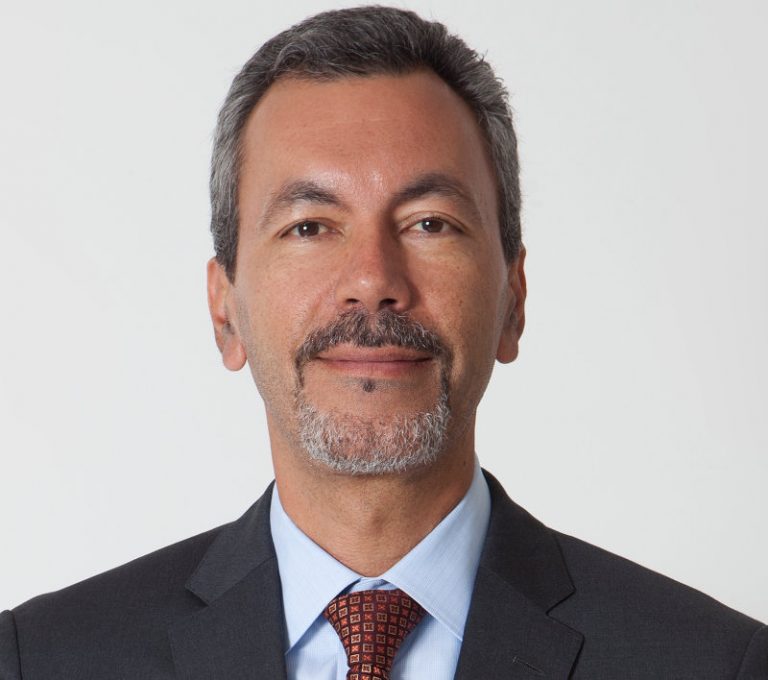
Honoris United Universities (HUU), the pan-African network of private higher education institutions, recently welcomed Tunisia-based education group ESPRIT into the organisation. ESPRIT significantly boosts Honoris’ strengths in engineering and STEM education. To find out more, How we made it in Africa spoke to Luis Lopez, CEO of HUU.

1. Give us an overview of ESPRIT Group’s offering.

ESPRIT Group is one of the largest education organisations in Northern Africa. Founded in 2003 by three pioneering Tunisian higher education academics – Prof. Tahar Ben Lakhdar, Prof. Naceur Ammar, and Prof. Mohamed Jaoua, the ESPRIT Group provides students with a dynamic range of specialties and courses in computer engineering, telecommunications engineering, civil engineering, electromechanical engineering, and management science. The ESPRIT Group comprises four institutions including a tertiary engineering/technology school, a tertiary business school, a kindergarten and primary school (Al-Kindi), and a secondary school (Al Fikr).

The addition of ESPRIT to the Honoris network will significantly boost Honoris’ pan-African strengths in engineering and in STEM education, critical areas for developing highly skilled and globally competitive professionals in the African, digital and globally disrupted worlds of work.

2. What motivated HUU’s partnership with ESPRIT Group?

The fact that ESPRIT Group is one of the largest education organisations in Northern Africa reaffirms our commitment to expand access to quality higher education for African youth. Considering Tunisia’s strategic importance for the development of education in Africa, we are pleased to make this investment in the country’s education system. In addition, ESPRIT’s high standards and achievements add important educational skills to the Honoris network and contribute to our collaborative intelligence at different levels. Whether for students or the academic body, Honoris encourages exchanges between institutions or through cross-cutting projects in different fields such as research, the development of new academic models, physical or virtual laboratories.

The integration of the group complements Honoris’ robust foundations in traditional education and in 21st-century learning ecosystems covering collaborative, solutions-oriented and creative ways of thinking. This structure across the broad age groups prepares graduates with a future-ready mindset upon reaching tertiary education or the workplace.

Honoris continues to expand its footprint in Africa. The institution recently welcomed Nile University of Nigeria and Red & Yellow Creative School of Business in South Africa to its network. ESPRIT represents the 14th institution in the Honoris network, which is now home to 57,000 students across the continent.

3. How will other institutions in the HUU network benefit from the addition of ESPRIT Group?

One of our core strengths is collaborative intelligence. ESPRIT will be part of the first pan-African private higher education network. By joining Honoris network, ESPRIT will provide enhanced support to its graduates in a highly competitive market through access to shared data and knowledge as well as unique work tools. The addition of ESPRIT to the Honoris family of institutions provides students across the entire network with access to innovative teaching methods – such as an active pedagogy methodology – and to strong relationships with the international industrial and business worlds, elements that have made ESPRIT the go-to institution for engineering qualifications.

4. What are the reasons for ESPRIT Group’s success since its founding in 2003?

ESPRIT School of Engineering has built its reputation on excellence in Tunisia and in several sub-Saharan African countries, which has enabled it to establish numerous partnerships in the industry and with renowned universities.

ESPRIT also boasts a research, development and innovation (R&DI) department, i.e., Esprit-Tech where several teams work on a variety of research projects related to cutting-edge technology. The flagship school of the Group has accredited all its programs with the French accreditation agency “Commission des Titres d’Ingénieurs” (CTI) and the French Conference des Grandes Ecoles and is an active member of the CDIO initiative (Conceive Design Implement Operate).

5. How would you describe the overall state of STEM education in Africa?

According to the African Development Bank, less than 25% of African higher education students are in STEM fields, with the majority of students studying social sciences and humanities. As higher education providers, there is the need to listen to what young people need and what today’s complex, globalised and evermore digitised world of work needs. Every African child’s education must be built upon a robust base of languages and STEM subjects before being enriched with powerful ‘soft skills’ including problem solving, communication, critical thinking, creativity, emotional intelligence, collaborative thinking, entrepreneurship and digital literacy. These skills, which serve as a driving force for the fourth industrial revolution (4IR), ensure that graduates enter the workforce with an understanding of 4IR challenges and opportunities. STEM is contributing to the current development demands of the continent, equipping people from all backgrounds to become part of Africa’s self-sufficient aspirations.

At Honoris, our focus is on Education for Impact, training our students to be collaborative, agile and mobile employees, innovators and entrepreneurs who are fully equipped with 21st-century skills. Honoris’ curricular structures reflect this critical connection between STEM and socio-economic development, recognising the need for a modernised, agile learning ecosystem. STEM also cannot stand still – it is ever-changing – which means that the teaching pedagogy must be in a constant state of evolution.

Honoris can boast of world-class engineering schools. In addition, we are also introducing across the network our Coding as a Second Language mandate as we recognise that coding is a fundamental skill for our students to be successful and competitive in increasingly digitised, automated and AI-driven economic models.

This 4IR is reshaping our world at such lightning speed that an educational focus on innovation, ideas, invention, and research must form the basis of a rounded and effective academic experience. Our formal programmes, our co-curricular and extra-curricular offers, and our focus on practical real-world engagement via internships, simulations and faculty practitioners, in STEM and in other faculties, are designed to capture future-proofing skills and mindsets for our students.

(SOURCE: Howwemadeitinafrica.com)

Top Teacher Wins $1m and Gives Half Away

A TEACHER from a village school in India, praised for improving the education of girls, has won this year’s Global Teacher Prize.

But Ranjitsinh Disale has already given away half of the $1m (£750,000) – sharing it with runners-up in the competition.

A special Covid Hero prize was won by Jamie Frost, a UK teacher who ran a free maths tuition website.

The winners were announced by Stephen Fry in an online ceremony.

Mr Disale, who teaches in the Zilla Parishad Primary School, in the drought-prone village of Paritewadi, in the western Indian state of Maharashtra, was named the world’s most exceptional teacher, ahead of 12,000 other nominations.

Education a ‘birthright’

“In this hard time, teachers are giving their best to make sure every student has access to their birthright of a good education,” said Mr Disale, aged 32.

Teachers “always believe in giving and sharing”, he said, and as such was sharing half his prize money among the other teachers shortlisted in the top 10.

Mr Disale was praised by the competition’s judges for his work to ensure disadvantaged girls went to school and achieved high results – rather than missing out on school and facing early marriage.

He also provides online science lessons for pupils in 83 countries and runs an international project building connections between young people in conflict zones.”The Covid pandemic has dealt a severe blow to education systems around the world… but it is the contribution of teachers during these difficult times that is making the difference,” said Stefania Giannini, assistant director general of Unesco, a partner in the competition.

Sunny Varkey, founder of the Varkey Foundation that set up the teachers’ competition, said “by sharing the prize you teach the world the importance of giving”.

‘Covid hero’

Mr Disale’s decision to split the prize will mean over £40,000 each for runners-up from countries including Italy, Brazil, Vietnam, Malaysia, Nigeria, South Africa, South Korea, the US and also Jamie Frost from the UK.Mr Frost, a teacher from Tiffin School in Kingston-upon-Thames, was commended for his work running the DrFrostMaths online learning platform, which helped families with children trying to study from home during the lockdowns.

He also won a special one-off Covid Hero prize worth about £34,000.

The maths teacher warned that the pandemic had widened educational inequalities.

“That is why I have spent every hour I could adapting my free online learning platform to help students across the globe shut out of their classrooms,” said Mr Frost.

Prime Minister Boris Johnson praised the “creativity and ingenuity” of Mr Frost and the winning teachers.

“Although I’m speaking to you in difficult and sometimes heartbreaking circumstances, it’s right that we take time to recognise the enormous contribution and sacrifice of the world’s teachers during this pandemic,” said Mr Johnson.

Next year there will also be a prize for students, run with the US educational technology firm, Chegg.

(SOURCE: BBC.UK)

Democratic Alliance, Wits University Mourns The Death of MP and Academic, Professor Belinda Bozzoli

THE University of the Witwatersrand has paid tribute to the late Democratic Alliance leader and academic, Professor Belinda Bozzoli, who passed away on Saturday morning after a long battle with cancer.  

Bozzoli served the university for decades before her election to parliament where she continued to pursue her passion for quality higher education.

Bozzoli was a distinguished academic who contributed to the prestige and reputation of Wits University through her various academic achievements and the institutional roles held during her time. 

A Professor of Sociology, Bozzoli began her career in the Faculty of Humanities and rose to the position of head of the Department of Sociology in the late 1990s before leading the entire School of Social Sciences from 2001 – 2003.

During these years she was active and collaborated with colleagues on many papers and projects.

Her last years at the School were held concurrently with the position of Deputy Vice-Chancellor: Research of Wits University. 

An excellent academic administrator, Bozzoli was awarded an A-rating by the National Research Foundation in 2006, making her the first sociologist in the country to obtain this rigorously peer-reviewed ranking which recognised her as a world leader in her field.

This was a significant achievement and it fitted with her mission of encouraging more Wits academics to become rated.

She was committed from the beginning to create an enabling environment for academics and was instrumental in the establishment of six 21st Century research institutes at Wits.

She also served as the acting director of Wiser, the pre-eminent interdisciplinary research institute in the humanities and social sciences in South Africa.

In her career, she singly authored three internationally published books and was editor or co-editor of a further four; and the author of numerous articles.

The world of academia can be said to have coursed through her veins and Wits was a part of her identity from a very young age.

Her father Professor Guerino Bozzoli served at the helm of Wits as the Vice-Chancellor and Principal from 1969 to 1977.

She completed her Bachelor of Arts and Honours degrees at Wits and then read for her masters and PhD at the University of Sussex.

She was an Associate Fellow at Yale University in 1978 – 1979, served as a board member of the NRF and was of service to many institutions in society.

Her passing is a huge loss to Wits University and our country. Wits University extends its deep condolences to her family and colleagues locally and abroad.

DA leader Natasha Mazzone and Chief Whip of the Official Opposition said the party was deeply committed to her work in Parliament and that she was deeply committed to making sure that higher education institutions remained respected and that as many young people as possible had access to excellent higher education.

“Her work was that of a true patriot. A fighter of principle and and true Democrat. Belinda worked long into her illness, demonstrating her absolute commitment to South Africa and her caucus,” said Mazzone.

“Our deepest sympathies go to her husband, two sons, daughter and all her family and friends. South Africa is the poorer for not having Belinda fighting for their rights. May she Rest In Peace.”

(SOURCE: INSIDE EDUCATION)

Combat Sports In Schools, A Never-ending Conflict

0

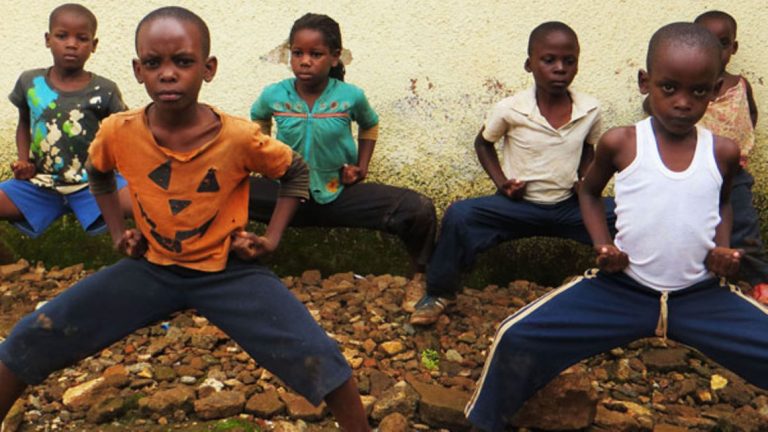
THE goal of combat sports is to physically overcome your opponent. Even in controlled environments, an opponent could be left bleeding. Boxing clubs, especially, were a thing of several schools in Kampala, Jinja and Kasese during the glorious days of boxing. Other similarly aggressive sports such as rugby later entered into school sports to create an outlet for students who are not interested in traditional sports such as football, athletics or netball.

Since 1982 when the Uganda Secondary Schools Sports Association (USSSA) was started to organise school sports, combat sports took a backseat.
Patrick Okanya, the president of USSSA understands all too well the sport’s violent reputation as a seasoned sports administrator and teacher.

“A lot of people think those sports should not be in schools because they regard them as too aggressive and violent. But after a while, they see a different perspective,” says Okanya. He spoke passionately about the self-discipline required to be a fighter.
Combat sports, especially boxing, suffered a blow in 2009 when the then Commissioner of physical education and sports Dan Tamwesigire made critical statements about the brutal nature of the sport. Similarly, he voiced concerns over the heading of footballs by primary school children. 
What followed was a ping-pong between the boxing federation, schools and the Ministry of Education.  It became harf for the federation to organise school competitions.  

Traditional giants such as Kololo High which pride in celebrated boxers such as Commonwealth gold medallist Godfrey Nyakana, former national team coach Dick Katende, 2002 Commonwealth bronze medallist Jolly Katongole, former professional boxer John Munduga, Sharif Bogere, Fred Muteweta and Hamza Ssempewo, among others, fell behind. Ripples of success were triggered by former head teacher Shaka Kamoga, who was then serving as president of the Uganda Boxing Federation (UBF).
Current Uganda Amateur Boxing Federation (UABF) president Moses Muhangi has been vocal about the return of school boxing on the annual sports calendar saying it is an arena for serious athletes. 

“To succeed, a fighter must start early and by the time they make 18 years, they are national team material,” Muhangi said in an earlier interview.
In 2018, the federation organised a schools championship after several years of lull attracting 110 participants from 10 schools. The following year, the number increased to 481 (81 of whom were girls) with 27 schools taking part. 
Apart from the traditional schools, new names popped up including: Margaret SS Kikaaya, Bweyogerere High School, Global Skill, Clive College, Nsangi Secondary School and Kasana Secondary School, among others.

Muhangi lobbied for the sports to be included in the Uganda Secondary Schools Sports Association (USSSA) games. 
In February, during the USSSA symposium, Okanya paved the way for combat games such as kickboxing, karate, judo, boxing and taekwondo. They were expected to be included in this year’s Ball Games which have been disrupted by the Covid-19 pandemic.

In an interview last week, Okanya said his commitment was rooted in the pursuit of professionalism by adhering to everything from correct safety measures to financing.
Muhangi in particular, pointed out that there had not been any serious injuries during the years the schools competitions were active. He says the sport emphasises safety first.
To ensure safety, amateur boxers fight at most four rounds, each of which lasts just two minutes.
“This ensures that the fights are shorter, so they get hit less,” Muhangi notes adding that amateurs use bigger gloves which are more tiring. On top of that headgear is  worn to reduce injuries.

Hajjat Amina Mukasa Buyinza, who revived boxing at Kololo High when she was appointed head teacher in 2011, says “boxing was a new thing to me when I came but the closer I got to the team, the more I enjoyed it,” she says.

“My students come from underprivileged places such as Katanga, Kibuli, Kibuye, and Kivvulu. They need these skills to survive. Sport is a skill that is a source of wealth, happiness and discipline,” Buyinza says.

In 2018, the school had up to 40 female boxers who went on to win the schools and the intermediates championship ahead of established clubs such as Lukanga, Cobap, East Coast, KCCA, Police, and KBC. 

Since the sport was not among school activities, she had to register as a club.
Buyinza said she was thrilled with her team’s success, in particular the students’ dedication.
“Sport is a good alternative for a successful life. Many sportsmen around the world are not living off academics. So any way we can support them, we’re going to.”
Leila Nangendo, the women light fly champion in the schools championship in 2018, was inspired by a friend with a motive to fight bullies in her hometown, Kibuye. 
Nangendo says she did not like sports like netball or football because they were too slow.

“Boxing makes me feel strong. I want to box to the highest levels,” he said.
But beyond that, she did not have much approval. Her mother, Zahara Ngabire had refused her  entry to the sport because she felt it was brutal especially for a girl. Ngabire was particularly concerned that people in combat sports who quit are looked down upon by classmates. “But I gave her a benefit of the doubt on the condition that her grades in class are okay,” Ngabire said.

But Nangendo slowly began to receive support especially after being awarded by then French ambassador to Uganda Stephanie Rivoal during the Women4Women awards.
“I thought it was a joke the first time I was told I was invited by the ambassador,” Nangendo said.
Nangendo, who plans to stay involved in boxing even after graduating as a doctor, said her goal was to become a world beater.
Former journalist Moses Kiwanuka, who represented Uganda in the All Africa Goju Kai Karate-Do event in Cape Town, South Africa in 2004, says basics and technique can be instilled during the early days if world-class athletes can be developed.

He says combat sports, especially self-defense focused sports, help instil in an individual the need for discipline, determination, hard work and patience. 
“Karate, for instance, gives one confidence in their abilities and above all, it teaches respect for one’s teachers and opponents. In fact, a person trained in martial arts is less likely to instigate a fight outside just to prove his dominance. But if one has to excel at a sport, taking it up young is the best road to doing so and high school would provide the perfect environment for it,” Kiwanuka says.

Kiwanuka explains that the starting point would be to encourage games teachers to get involved as coaches. Teachers as coaches can improve participation, according to Kiwanuka, “as they share knowledge and actions from personal experience from the coaching process. They, can therefore, become important people,” Kiwanuka says.

(SOURCE: Daily Monitor)

Ramaphosa: ‘We Need To Tackle Discrimination Against Persons With Disabilities’

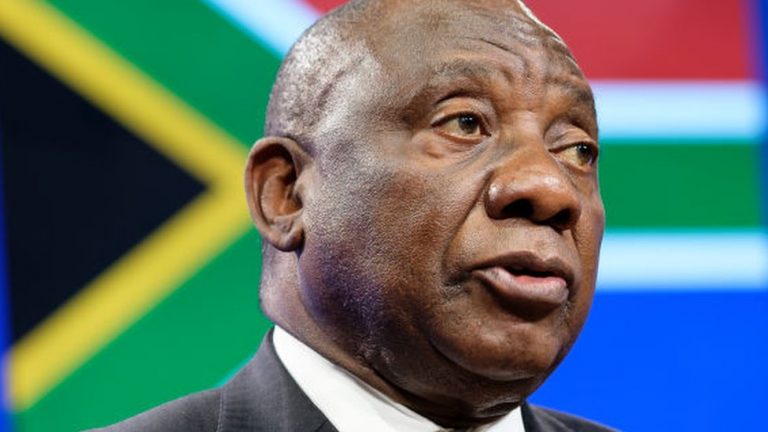
CYRIL RAMAPHOSA

IF WE are to ensure that the recovery of our economy and society in the wake of the coronavirus pandemic is meaningful, then we need to ensure that all South Africans are included and that all benefit.
 
This was one of the key views that emerged from the meeting of the Presidential Working Group on Disability that was held virtually last week.

The Working Group brings together several sectoral organisations and government departments to guide the realisation of the social and economic rights of persons with disabilities.
 
Significantly, the meeting took place on the International Day of Persons with Disabilities. The government delegation underlined our priority to mainstream the rights of persons with disabilities across government planning, and to ensure all departments are held to strict targets when it comes to inclusion and empowerment.
 
We reiterated our commitment to fully implementing the White Paper on the Rights of Persons with Disabilities and to meeting our international obligations with regards to advancing the rights of persons with disabilities, notably the UN Convention on the Rights of Persons with Disabilities.
 
While the coronavirus pandemic has caused great hardship for all South Africans, the impact has been particularly severe for many persons with disabilities.
 
The restrictions on movement and activity that were put in place at the onset of the pandemic, together with the pressure that was put on health facilities, meant that many persons with disabilities found it more difficult to access the health care and other support services they needed.
 
This time was particularly difficult for those persons with disabilities who rely on family, friends and community members for help with various tasks and activities. Many people, including the elderly, spent weeks and months in relative isolation.
 
Because persons with disabilities are disproportionately more likely to be unemployed or not in education or training, many have been more vulnerable than most to the devastating impact of the disease on lives and livelihoods.
 
It is therefore fitting that the United Nations said that the International Day of Persons with Disabilities should this year focus on ‘building back better’.
 
This is precisely how we need to approach the issue of disability as we rebuild our country and our society in the wake of the coronavirus. We have said that we do not want to merely return our economy to where it was before the crisis, but to build a more inclusive and transformed economy.
 
By the same measure, we want to ensure that the circumstances of persons with disabilities are fundamentally and permanently improved.

We must make up lost time and move forward with greater focus and urgency to progressively achieve the equalisation of opportunities for person with disabilities.
 
This work must take place in all areas of life.
 
In developing the Economic Reconstruction and Recovery Plan, we have emphasised that businesses owned and run by persons with disabilities need to play a significant role in the infrastructure build programme.

Persons with disabilities will also be supported to form cooperatives in key sectors such as retail, agriculture, financial services and manufacturing, and, in addition to women and youth, will be prioritised in accessing funding for business initiatives.
 
This needs to take place alongside a concerted effort to increase the proportion of persons with disabilities employed in both government and the private sector.
 
The private sector has to do more to empower, capacitate, train and employ more persons with disabilities, and to making workplaces more conducive and accommodating.
 
Closely linked to the task of economic empowerment is the struggle for inclusive education, ensuring that children with disabilities are able to access and receive a quality education that is suited to their needs. It is estimated that around half a million children with disabilities of school-going age are not in school.

Many are in specialised schools and centres, often located far from their families and communities and without proper care or teaching.
 
Our goal should be to enable children with disabilities to attend their local schools and ensure that these schools have the resources, personnel and physical infrastructure to accommodate their specific requirements.

Among other things, this requires training of educators in inclusive education and challenging attitudes that give rise to discrimination and stigmatisation.
 
Another area that is fundamental to inclusion is communication, making sure that persons with disabilities are able to receive and impart information regardless of the nature of their disability.

It is for this reason that we have been promoting the designation of South African sign language as our 12th official language, and why we are looking at how government information and services can be made accessible to people who are blind or visually impaired, who are deaf, or have psychosocial or intellectual disabilities.
 
As a country, we still have a long way to go.

But if we are to make progress, we need to start by improving the understanding across society of the ways in which persons with disabilities are excluded and marginalised.

We need to tackle discrimination against, and victimisation of, persons with disabilities.
 
The achievement of equal opportunities for persons with disabilities is necessary for the realisation of the rights contained in our Constitution, and is an important part of the objectives of our National Development Plan and the UN Sustainable Development Goals.
 
We will therefore not be able to achieve a truly inclusive, just and prosperous society without the needs, concerns and rights of persons with disabilities being fulfilled.
 
This must be one of our foremost priorities as we recover from the coronavirus pandemic, so that we can truly build back better for all South Africans.
 

(SOURCE: FROM THE DESK OF THE PRESIDENT)

Colorado Student, Scientist Named Time’s ‘Kid of the Year’

0

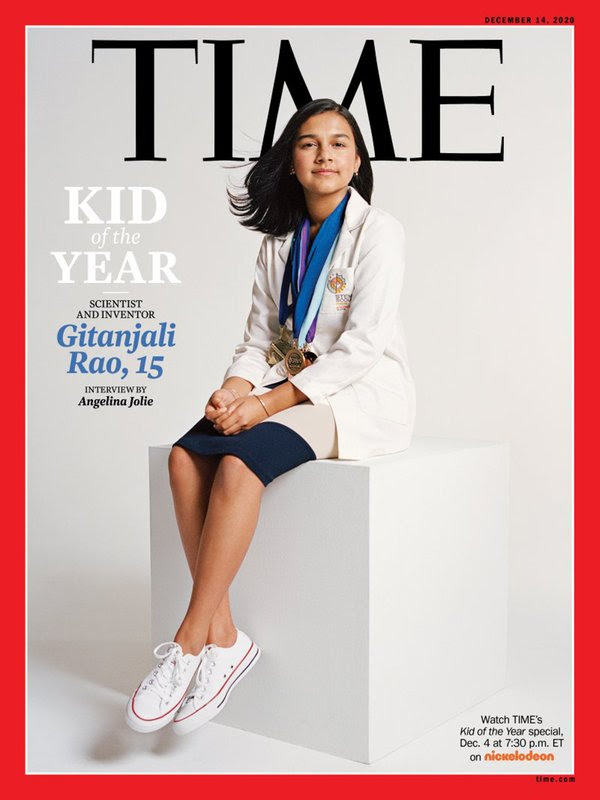
A 15-YEAR-OLD Colorado high school student and young scientist who has used artificial intelligence and created apps to tackle contaminated drinking water, cyberbullying, opioid addiction and other social problems has been named Time Magazine’s first-ever “Kid of the Year.”

Gitanjali Rao, a sophomore at STEM School Highlands Ranch in suburban Denver who lives in the city of Lone Tree, was selected from more than 5,000 nominees in a process that culminated with a finalists’ committee of children, Time for Kids reporters and comedian Trevor Noah.

Rao told The Associated Press in a Zoom interview from her home Friday that the prize is “nothing that I could have ever imagined. And I’m so grateful and just so excited that we’re really taking a look at the upcoming generation and our generation, since the future is in our hands.”

Time said in a statement that, along with Nickelodeon, it wanted to recognize “the rising leaders of America’s youngest generation” in making the award. For 92 years, Time has presented a “Person of the Year,” and the youngest ever was Swedish climate activist Greta Thunberg, who was 16 when she graced the magazine’s cover last year.

Time said Rao stood out for creating a global community of young innovators and inspiring them to pursue their goals. Rao insists that starting out small doesn’t matter, as long as you’re passionate about it.

Rao’s innovating started early. At age 12, she developed a portable device to detect lead in water.

She’s created a device called Epione that diagnoses prescription opioid addiction at an early stage. She’s also devised an app called Kindly that uses artificial intelligence to help prevent cyberbullying. It allows teens to type in a word or phrase to find out if the words they’re using are bullying and lets them decide to edit what they’re sending or to proceed.

“And currently, I’m looking back at water, looking at moving things like parasitic compounds in water and how we can detect for that,” Rao said after a day’s remote schooling.

She told actress, activist and Time contributing editor Angelina Jolie in a Zoom interview that her science pursuits started early as a way to improve social conditions. The drinking water crisis in Flint, Michigan, inspired her work to develop a way to detect contaminants and send those results to a mobile phone, she said.

“I was like 10 when I told my parents that I wanted to research carbon nanotube sensor technology at the Denver Water quality research lab, and my mom was like, “A what?” Rao told Jolie. She said that work “is going to be in our generation’s hands pretty soon. So if no one else is gonna do it, I’m gonna do it.”

The sensor technology involves molecules of carbon atoms that can detect chemical changes, including chemicals in water.

Rao has partnered with rural schools; museums; science, technology, engineering and mathematics organizations; and other institutions to run innovation workshops for thousands of other students.

In a world where science is increasingly questioned or challenged, Rao insisted that its pursuit is an essential act of kindness, the best way that a younger generation can better the world. Science and technology are being employed as never before to tackle the coronavirus pandemic, global warming and a host of other issues, she noted.

“We have science in everything we’re involved in, and I think that’s the biggest thing to put out there, that science is cool, innovating is cool, and anybody can be an innovator,” Rao said.

“Anybody can do science.”

(SOURCE: Associated Press)