Home Blog Page 381

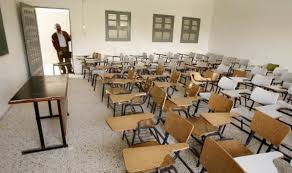
DBE, Equal Education Alarmed By ‘Devastating’, Increasing Number Of School Dropout Projections For 2020

0

NYAKALLO TEFU

THE Department of Basic Education is concerned about the high-rate of school dropout projections anticipated for 2020 following the outbreak of the coronavirus earlier this year.

The school dropout projections were presented to Parliament’s Portfolio Committee on Basic Education by DBE Deputy Minister Reginah Mhaule and Director-General Mathanzima Mweli.

The presentation by basic education department showed projected dropouts in KwaZulu Natal, by far the largest province in the country in terms of numbers, could be around 38 541 children in Grade 7 and 18 708 in Grade 12.

Limpopo has the lowest projections on dropouts, sitting at 87 for Grade 7 and 60 for Grade 12. 

The Western Cape has a projected percentage dropout rate of between 5 and 15% for Grade 7.

This would be between 4 600 and 13 900 of its 90 000 pupils in Grade 7.

 The department said it was especially concerned about KwaZulu Natal where they project dropouts.

As much as the figures are alarming, Mweli said that this does not necessarily mean that all these children are not getting an education.

“What we usually encourage provinces to do is to take the numbers of those who attend school, and then link it to the numbers of those who are at home, with comorbidities who are doing virtual learning, and those at home for home education and then the variation between all those then gives you a sense of the projection of the dropout rate,” said Mweli.

According to Equal Education’s Co-Head of Research, Roné McFarlane, many parents are worried about the spread of the virus.

“Parent members in the Western Cape shared their concerns about their children’s safety from Covid-19, especially in schools where basic safety measures were not in place,” says McFarlane.

McFarlane says: “Before Covid-19 we were already faced with a situation where over the years 2014 to 2018, around 50 per cent of all 22 to 25-year-olds didn’t have a matric qualification.”

While many learners are happy to be back at school, they are bracing themselves for heavy workloads.

“The pressure is especially acute for matric learners, some of whom we know have dropped out as a result,” explains McFarlane.

“It is crucial that government launches a concerted effort to contact learners who are at risk of dropping out and encourage them to return to school or continue learning from home with the support of the school.”

(COMPILED BY INSIDE EDUCATION STAFF)
Over 60% Of Unemployed Youths Leave School Without A Matric Pass

0

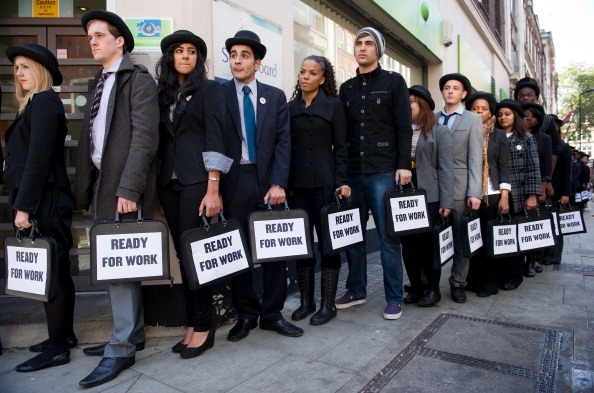
Over 60% of unemployed young people in South Africa have dropped out of school without a matric pass or certificate, according to a revised draft of the National Youth Policy 2020-2030.

The revised draft youth policy has also shown that a driving factor in the unemployability of most of the youth in South Africa was that millions left school without obtaining a matric certificate.

Spearheaded by the Presidency-based Ministry for Women, Youth and Persons with Disabilities, the draft NYP was intended to determine interventions needed for youth over the next decade.

“Large numbers of learners are dropping out of secondary school without obtaining the National Senior Certificate or Grade 12, a Further Education and Training or Adult Based Education and Training certificate,” read the published draft.

“About 60% of South Africa’s youth have either left school before matric or have failed their matric exam, and are left without any kind of recognised educational qualification. Over time only a small proportion complete Grade 12 and pursue post-secondary education and training to acquire intermediary and professional skills.

“In 2011, only 31% of young people completed their matric,” it said.

According to the draft report, South Africa’s high rate of youth unemployment is largely attributed to the skills shortage in this age group.

In 2011, only 31 percent of young people completed their matric (Grade 12) education.

The 2013 General Household Survey estimates that 983 698 students were enrolled at higher education institutions (universities and universities of technology) in 2013.

Almost two-thirds (66.4 percent) of these students were black, 22.3 percent were white; 6.7 percent were coloured and 4.7 percent were Indian or Asian.

According to the New Growth Path, the main challenges hampering young people from meaningfully participating in the mainstream economy are joblessness, poverty and inequality.

If not addressed, the socio-economic effects of this situation will be dire, including increased crime, a poorly performing economy, extreme joblessness and poverty, and increased potential for political instability.

Against this backdrop, the NYP 2020 places employment creation at the centre of all youth development interventions.

The draft NYP said just about 52% of 24-year-olds in South Africa have completed Grade 12 to date, which was “low compared to 70% in most developing countries”.

It stressed that a multifaceted approach was needed to reach out to the millions without the matric certificate.

“These large numbers of young people who exited the education system prematurely possess no professional or technical skills, making them effectively unemployable, hence about 60% of unemployed youth aged below 35 years have never worked.

“Without a targeted intervention, they will remain excluded from the economy,” said the NYP.

It said while the basic education system should reduce drop-out rates, interventions were needed to provide the matricless with skills and a “second chance” to pass matric.

“Diverse skills training opportunities and financial support for young people with low scholarly abilities and from low and middle-income households is needed,” said the NYP.

The matric-less youth should be drawn to matric second chance programmes and supported, it said.

“The Department of Basic Education, in partnership with private providers, should support learners who need a second chance to pass matric. Matric rewrite projects should be supported and publicised so that young people are aware that they can obtain qualifications through community colleges and adult education training centres. The Department of Higher Education and Training should provide young people who have left school with the opportunity to complete their education to enable them to compete in the open labour market.”

(COMPILED INSIDE EDUCATION STAFF)

How to Prevent Students from Dropping Out In The Time Of COVID-19

0

STUDENTS on the path toward dropping out of high school often exhibit signals that they are at risk well before they stop engaging in school. As school closures due to COVID-19 separate students from structured routines and educational supports, the number of disengaged students may continue to grow.

Educators should be aware of and look for signs of disengagement and act to maximize engagement and supports for at-risk students during COVID-19 closures.

While all this is especially challenging to educators working remotely, Preventing Dropout in Secondary Schools, a report published by the Institute of Education Sciences at the U.S. Department of Education, provides recommendations for educators that we have adapted for the circumstances of the COVID crisis.

What can educators do now and throughout the summer to help prevent students from dropping out?

Monitor student engagement

During a typical academic year, educators can use routinely collected data to monitor student performance on three indicators predictive of dropping out: attendance, poor behavior, and failing grades.

With data from these indicators, schools and districts can offer personalized support for those who need it.

Educators can use pre-COVID-19 data to identify students who were at-risk of dropping out before the pandemic and deliver personalized supports to help students overcome their current challenges.

Unfortunately, the pandemic is likely to introduce significant new challenges for still more youth, prompting a need to continue capturing data that can help educators identify and connect with students who disengage from school or otherwise fall off track during this time.

While closures may hamper schools’ ability to collect some types of data, educators can collect data aligned with indicators that evidence suggests will predict high risk of dropping out and use those data to identify and reach out to students who may need additional support.

Build trusted relationships

Developmental research finds that the presence of a caring, trusted adult in the life of a child contributes to engagement in school and resilience in the face of adverse circumstances.

Further, such relationships are most consequential for marginalized youth.

Strengthening bonds with students—and forging connections with those signaling they are on the path to dropout—is particularly important during the COVID-19 pandemic.

Until schools re-open, pay attention, open lines of communication, and demonstrate care for students.

The proactive monitoring and engagement efforts described here will position educators to target intensive services on those who need it most when we construct our new normal.

Do not wait until school resumes to make more purposeful attempts to engage students. The following ideas, based on examples from the dropout prevention literature, can help educators connect with and reengage youth.

1. Let students know they matter, they are missed, and support is available

  • Send a personalized text or make a personal call—reach out to let students know you are concerned about their well-being. Consider using leading questions to assess their situation, such as:
    • How are you feeling?
    • How is your family adjusting?
    • Are there home responsibilities that are interfering with your learning (for example, caring for siblings or other family members, working a job, etc.)?
    • Do you need anything?
    • What can I do to help you?
    • Use creative, informal modes of outreach—students who struggle in school may have difficulty dealing with traditional models of schooling. Consider nonthreatening strategies to engage with students, such as:
  • Dropping off a care package with a personal note with an invitation to connect.
  • Using social media to communicate with students in a venue in which they are comfortable.
  • Setting up regular check-in calls with students and families, or groups of students, and be prepared to suggest topics that will interest participants ready for discussion.

2. Address potential barriers to student engagement

  • Consider students’ home situation—layoffs and social distancing may introduce economic and personal stressors that manifest poor school engagement. Where possible, offer information to help students and their families cope with challenges introduced by COVID-19, for example:
    • Provide information on school meal distribution points.
    • Identify school counselors or therapists who may provide psychological support.
    • Connect families to community groups that provide social services (e.g., YMCA, Boys & Girls Club, faith-based groups, etc.).
  • Assess students’ home learning environments—determine the root cause of student disengagement. Poor attendance, behavior, or bad grades might be due to external factors. Ask about students’:
    • Access to Wi-Fi and computers.
    • Ability to access hard-copy packets.
    • Configuration of their home learning space (i.e., do they have a quiet place to work?).
  • Provide personalized instructional supports—students may struggle to engage in online instruction or be afraid to engage in a public discussion. Take steps to customize instruction to individual student needs, for example by:
    • Offering one-on-one tutoring using a videoconferencing platform to share screens.
    • Structuring assignments to address known learning challenges.
    • Assigning work related to a student’s specific area of interest (e.g., cars, gardening).
    • Identifying students dealing with similar challenges and, if appropriate, engaging them in a supportive group chat so they feel less alone.

3. Engage students in their learning community

  • Create innovative approaches to motivate student participation—online instruction of complex academic topics can be daunting and dull. Find ways to excite students to participate. Potential strategies could include:
    • Theme-based instruction organized around sports, the arts, current events, pop culture, career exploration, or anything that sparks student interest. Hold a discussion of a book or consider a graphic novel for reluctant readers, such as March about the Civil Rights Movement, Nimona about a shape-shifting girl who wants to be the sidekick of a supervillain, or even Animal Farm: The Graphic Novel.For a twist, consider discussing a podcast your students would find interesting such as Story Corps, This American Life, Stuff You Should Know, or The Moth.
    • Have students write and share pandemic-inspired poetry during an open mic virtual poetry slam.
    • Join a watch party of a movie (rated PG or lower) and share a laugh while discussing literary themes.
    • Invite mystery guest speakers to join virtual class sessions and provide clues to their identity leading up to the big reveal when you meet online.

(SOURCE: The Institute of Education Sciences (IES) is the statistics, research, and evaluation arm of the U.S. Department of Education)

Teacher Of The Week: Mabel Sikhakhane, A Passionate Community Leader And Local Heroine

CLASSROOM CORNER|

Teacher: Mabel Sikhakhane

School: Nokuphila Primary School

MABEL Sikhakhane is head of department (HOD) of the foundation phase at Nokuphila Primary School. Besides her duties as HOD for grades 1 through 3, Sikhakhane is also the chairperson of Nokuphila’s School-Based Support (SBS) team.

She also founded the Radisela Aftercare and drop-in-centre in her local community.

In her role as chairperson of the SBS team, she is personally involved in the solution process when it comes to assisting learners to overcome learning barriers, which range from academic acuity, domestic issues, health, and other psycho-social challenges.

The School-Based Support Team consists of a counsellor (Sikhakhane), a social worker, the school’s qualified remedial teachers and a therapist.

Teachers with learners who are battling with learning barriers reach out to the SBS team who then come up with strategies and advise teachers on what to do, be it food parcels for the child to take home or adopting a new teaching method as not all children learn the same way.

Should they reach the limit of what they can do to assist, for example, if the child has a learning disability that Nokuphila isn’t geared to support, they entrust the case to the district office who will make sure that the learner is placed in a school that specialises in the field so the child benefits from an education catering to their special needs.

Sikhakhane is also a mentor for student teachers at Nokuphila who come to complete their teaching practice as part of their degrees.

Whereas the universities speak to the theories, Sikhakhane is responsible for teaching them the correct attitudes, behaviours, and values as they will be role models for their students.

This is extremely important as learners mimic behaviour – good and bad. By setting good examples for their students and by helping the children truly grasp the lesson content they have an impact on their households as well.

A good example would be the amount of effort that teachers spend teaching the children about Covid-19 and the new rules about hygiene they need to follow. By understanding why they need to behave differently, at home and school, the learners become role models for their family members and share what they’ve learnt about Covid-19.

Outside of her work at Nokuphila, Sikhakhane is the founder of the Radisela Aftercare and Drop-in-centre where orphans, children from child-headed families and children raised by their elderly grandparents can come after school to get supper and have their school uniforms cleaned and prepared for the following day.

They conduct home visits to investigate the child’s home situation, especially if there is suspected abuse which they then report and take up with the law. They also established a women’s group to help bereaved families with the funeral costs as these are culturally very meaningful and can be extremely costly.

When asked how she measures the success of all her hard work Sikhakhane says, that she looks at how the learner performs academically as well as the impact on a child’s situation at home, especially the change in parents’ perception of school and their involvement participate in their child’s education – “Changing the parents means you will change the community and society at large.”

(STORY SUPPLIED By The Love Trust. The Love Trust is a South African non-profit organisation with the vision to offer excellent Christian education to vulnerable children.)

New York Red Bulls Appoints Ex-Kaizer Chiefs Star Bradley Carnell As Interim Head Coach

Bradley Carnell has been named interim head coach by the New York Red Bulls.

Carnell, a former South African international, was named as an assistant coach on March 28, 2017.

Carnell, a native of Johannesburg, South Africa, previously served as an assistant coach with the Orlando Pirates in South Africa’s Premier Soccer League, assistant coach with Free State Stars F.C. and head coach of University of Johannesburg men’s team.

As a player, the defender totaled over 300 professional appearances, mostly in the Bundesliga. Carnell’s professional career started in 1993 with Wits University (now Bidvest Wits FC).

The defender spent the majority of his career in Germany, with VfB Stuttgart, Kaizer Chiefs, Borussia Monchengladbach, Karlsruher SC and F.C. Hansa Rostock before finishing his career back in South Africa with Supersport United.

Carnell also featured regularly for the South African national team, making 42 appearances for South Africa between 1997 and 2010. His international career is highlighted by three starts in the 2002 World Cup.

Carnell’s first match as interim head coach will be on Sunday, September 6 against the Philadelphia Union at Red Bull Arena.

(SOURCE: SOCCERWIRE)

OPINION: Ramaphosa Says 3 Key Bills, Once Finalized, Will Beef Up Fight Against GBV and Femicide

0

CYRIL RAMAPHOSA

A YEAR AGO, almost to the day, thousands of women, men and children marched to Parliament to protest against a spate of rapes and killings of women and girls.
 
At the time, the nation was reeling from the murders of Uyinene Mrwetyana, Leighandre Jegels, Jesse Hess and a number of other women who had lost their lives at the hands of brutal men.
 
From all social backgrounds, young and old, students and working women, the peaceful protesters held aloft placards that read ‘Enough is Enough’ and ‘Am I next?’. The anguish and the anger was palpable that day. As I received their clearly articulated demands, it was clear to me that we needed to act urgently and with determination. It was important to me that I did not respond with hollow words and empty promises.
 
I committed to marshal the substantial resources of the state to tackle gender-based violence and femicide. I gave an undertaking that we would review our laws around gender-based violence. One of the key demands made by many women’s organisations was that the laws of our country should be tightened on granting bail to suspects and enforcement of long sentences for offenders.
 
I concluded that the struggle to end gender-based violence needed a multipronged strategy that should be led by the President and enlisted government to act.

The Cabinet agreed to allocate resources and commit to a plan of action.

A few days later, I called a joint sitting of Parliament, where we announced a R1.6 billion Emergency Response Action Plan to combat gender-based violence and femicide.
 
Over the six months of its implementation, public spending in various government departments was reprioritised to support interventions for care and support for survivors, for awareness and prevention campaigns, to improve laws and policies, to promote the economic empowerment of women, and to strengthen the criminal justice system.
 
And now we are on the cusp of the most far-reaching legislative overhaul in the fight against gender-based violence and femicide.
 
Over the past week, three key Bills relating to gender-based violence have been introduced in Parliament. Through the introduction of these Bills, we are honouring the promise we made to the protestors last year and to all the women of this country.
 
The three amendment Bills are designed to fill the gaps that allow some perpetrators of these crimes to evade justice and to give full effect to the rights of our country’s women and children.
 
The sad reality is that many survivors of gender-based violence have lost faith in the criminal justice system.
 
Difficulties in obtaining protection orders, lax bail condition for suspects, police not taking domestic violence complaints seriously and inappropriate sentences have contributed to an environment of cynicism and mistrust.
 
These Bills, once finalised, will help to restore the confidence of our country’s women that the law is indeed there to protect them.
 
The first is the Bill to amend the Criminal Law (Sexual Offences and Related Matters) Amendment Act. This creates a new offence of sexual intimidation, extends the ambit of the offence of incest, and extends the reporting duty of persons who suspect a sexual offence has been committed against a child.
 
It expands the scope of the National Register for Sex Offenders to include the particulars of all sex offenders. Until now, it has only applied to sex offenders convicted of sex crimes perpetrated against children or persons with mental disabilities. The time an offender’s particulars must remain on the register has been increased, and those listed on the register will have to disclose this when they submit applications to work with persons who are vulnerable. The Bill also makes provision for the names of persons on the National Register for Sex Offenders to be publicly available.
 
The Criminal and Related Matters Amendment Bill tightens, among others, the granting of bail to perpetrators of gender-based violence and femicide, and expands the offences for which minimum sentences must be imposed.
 
People are angry that many perpetrators of such serious crimes are exploiting legal loopholes to avoid imprisonment and are frustrated that sentencing is often not proportionate to the crimes. The amendments impose new obligations on law-enforcement officials and on our courts.
 
When a prosecutor does not oppose bail in cases of gender-based violence, they have to place their reasons on record. Unless a person accused of gender-based violence can provide exceptional circumstances why they should be released on bail, the court must order their detention until the criminal proceedings are concluded.
 
In reaching a decision on a bail application, the courts are compelled to take a number of considerations into account. They include pre-trial reports on the desirability of releasing an accused on bail, threats of violence made against a survivor, and the view of the survivor regarding his or her safety.
 
When it comes to parole, a complainant or a relative of a deceased victim must be able to make representation to the parole board.
 
Given the unacceptably high levels of intimate partner violence in our country, we have tightened the provisions of the Domestic Violence Act.
 
Domestic violence is now defined to cover those in engagements, dating, in customary relationships, and actual or perceived romantic, intimate or sexual relationships of any duration. The Bill also extends the definition of ‘domestic violence’ to include the protection of older persons against abuse by family members.
 
Complainants will be able to apply for a protection order online. To prevent a scenario where perpetrators can hide past histories of domestic violence, an integrated repository of protection orders will be established.
 
The proposed amendments also oblige the departments of Social Development, Basic Education, Higher Education and Health to provide certain services to survivors where needed and to refer them for sheltering and medical care.
 
The circumstances under which a prosecutor can refuse to institute a prosecution when offences have been committed under the amended Act or to withdraw charges when it involves the infliction of bodily harm or where a weapon was used to threaten a complainant have been limited.
 
In perhaps the most groundbreaking proposed amendment to the Act, if someone has knowledge, reasonable belief or suspicion that an act of domestic violence has been committed against a child, a person with disability or an older person and fails to report it to a social worker or police officer they can be fined and even imprisoned.
 
Similarly, failure by a member of the SAPS to comply with their obligations under the Act will be regarded as  misconduct and must be reported to the Civilian Secretariat for Police Service.
 
The law is the one sure protector of all of society, but especially its most vulnerable. When diligently and fairly applied, it is the most powerful guarantor of justice.
 
The women of South Africa have had enough of lukewarm actions that do not address one of the most fundamental rights of all – to live in freedom from fear.
 
These proposed amendments are an appropriate response to a groundswell of dissatisfaction at the way survivors of gender-based violence have been treated by the criminal justice system in the past.
 
This government and its partners will make good by the women of South Africa. We will not let them down.
 
That we have reached this point is thanks to committed and principled activism.
 
The task before us now is to bring our collective efforts to bear by taking an active part in the public participation process towards finalising the Bills.
 
Let us now work together to see this process through, for the protection of the women and children of today and of tomorrow.

(SOURCE: FROM THE DESK OF THE PRESIDENT)

UNICEF: ‘Education Emergency’ As Third Of World’s Children Lack Remote Learning

0

ONE in three schoolchildren across the world have been unable to access remote learning during coronavirus school closures, the U.N. children’s agency said on Thursday, warning of a “global education emergency”.

Nearly 1.5 billion children were affected by school closures as countries locked down to prevent the disease from spreading, UNICEF said in a report. Yet at least one in three students have had no way of continuing their education at home.

“For at least 463 million children whose schools closed due to COVID-19, there was no such a thing as remote learning,” said UNICEF’s Executive Director Henrietta Fore in a statement.

“The sheer number of children whose education was completely disrupted for months on end is a global education emergency. The repercussions could be felt in economies and societies for decades to come.”

The report examined 100 countries, looking at children’s ability to access remote learning through television and radio broadcasts or online classes and the availability of the correct educational materials on these platforms.

It found students in Africa were the most impacted, with almost half unable to access remote education, compared to 38% in South Asia and 34% in eastern Europe and Central Asia.

Latin America and the Caribbean had the lowest number of children affected, with 9% of students unable to access learning at home, said the report.

Most children lived in rural areas, in poor households with no access to the internet, to electricity or to the educational television and radio broadcasts that many nations ran.

UNICEF said that the situation was likely far worse than the report’s findings.

Even when children have the technology and tools at home, they may not be able to learn due to factors such as pressure to do chores, being forced to work, or living in a poor environment for learning such as crowded, noisy accommodation, it said.

Child rights organisations say the school closures have had a devastating impact on children – particularly girls – in Africa who have become increasingly vulnerable to sexual violence and child marriage during lockdowns.

A World Health Organization (WHO) survey of 39 countries in sub-Saharan Africa found schools were fully open in only six. Some nations including Kenya have cancelled the entire school year, with plans to resume classes in January.

UNICEF and the WHO are now urging African governments to promote the safe reopening of schools, while taking measures to limit the spread of the virus.

“We must not be blind-sided by our efforts to contain COVID-19 and end up with a lost generation,” said Matshidiso Moeti, WHO regional director for Africa, in a statement.

“Just as countries are opening businesses safely, we can reopen schools. This decision must be guided by a thorough risk analysis to ensure the safety of children, teachers and parents and with key measures like physical distancing put in place.”

When reopening is not possible, governments should plan to incorporate compensatory learning – especially for marginalised students – when classes resume, said UNICEF, adding that education systems must be adapted to withstand future crises.

(COMPILED BY REUTERS)

Over 11 Million Girls May Not Go Back To School After The COVID-19 Crisis

0

THE COVID-19 pandemic has caused the largest school closures and education disruption in history, with more than 1.5 billion students affected at the height of the crisis.

Over 767 million of these students were girls.

Now, another major challenge is looming. Over 11 million girls – from pre-primary to tertiary education – may not return to school in 2020.

This alarming number not only threatens decades of progress made towards gender equality, but also puts girls around the world at risk of adolescent pregnancy, early and forced marriage, and violence. For many girls, school is more than just a key to a better future. It’s a lifeline.

This is why UNESCO and members of the Global Education Coalition’s Gender Flagship are launching a new #LearningNeverStops campaign focusing on ‘keeping girls in the picture.’

The campaign calls for efforts to safeguard progress made on girls’ education, ensure girls’ learning continuity during school closures, and promote girls’ safe return to school once these reopen.

It also sheds light on the 130 million girls who were already out of school before the pandemic, and calls on the international community to urgently work together to guarantee their right to education.

It’s time to turn the crisis into an opportunity to build back equal.

The new #LearningNeverStops multilingual campaign features a signature launch video, engaging social media assets, practical toolkits for radio and youth-led organizations as well as a Girls back to school guide for partners to engage audiences and stakeholders everywhere.

Youth activists and community radios are being mobilized at the local level to access hard to reach communities to reach.

Local and regional influencers, experts, education professionals and champions for girls’ and women’s rights have also committed to amplifying campaign messages and spread knowledge through their respective networks.

Powerful human-interest stories from girls around the world will also be featured throughout this extended campaign. A wealth of knowledge and resources on girls’ and women’s education are also available on the campaign landing page.

UNESCO is encouraging everyone to join the campaign and use their voices to ensure that #LearningNeverStops for girls everywhere.

(SOURCE: UNESCO)

These Girls In Rural Zimbabwe Are Still Learning During The Coronavirus Pandemic, Thanks To Women In STEM

ANDREW WIGHT

PATIENCE Mkandawire, 27, grew up in Zimbabwe’s rural Nkayi District and has gone on to study IT and software engineering– now she is helping girls from Nkayi do the same and to get the education resources they need during Zimbabwe’s pandemic-induced school closures.

Mkandawire says the Covid-19 pandemic has laid bare the vast digital gap amongst children in urban areas and those in rural areas.

School closures mean learners in Zimbabwe’s rural communities have little or no access to initiatives from the government such as radio lessons, online learning platforms and online tutorials.

“In rural areas there are various factors that fuel this gap such as poor network access, poor access to gadgets to use, lack of money to buy airtime, lack of information on availability of these platforms, and lack of knowledge on the use of available gadgets,” she said.

Mkandawire is now working to bridge this gap through to ensure that learners in the rural communities also access these learning materials.

For example, she is working with a core team of young women who have access to the internet, to download and share available educational content with the learners in the communities through offline data sharing.

Mkandawire, who is currently studying Bachelor’s Degree in Information Technology and software engineering, says she once dropped out of school because her mother could not afford to pay for examination fees.

She says Campaign for Female Education (CAMFED), an NGO that aims to help women and girls through-out Africa to accelerate their transition to livelihoods and leadership, helped out by raising funds for her to register for 9 subjects.

Mkandawire is now an active member of the CAMFED Association and currently works as a Core trainer of CAMFED Learner Guides: life skills mentors who deliver a curriculum aimed at supporting marginalized children at their local schools.

“I ventured into studying IT and software engineering to provide evidence to girls that it is possible and attainable,” she said, adding that becoming part of the CAMFED Association provided her with peer support and the courage, and opened up new possibilities.

“Many of my Association sisters share the same passion and have taken up various STEM related pathways: now we have medical practitioners, forensic scientists, pharmacists and engineers, just to name a few,” she said.  

Mkandawire says that working with CAMFED became a stepping stone for her to become an agent of change and help other young girls from her community to step up and become self-reliant, defy the odds and break free from “stereotypically-inclined” careers and find opportunities in STEM.

“So far, under my mentorship, three other girls who have taken up IT-related pathways and this brings me satisfaction as my success in my quest is defined by seeing a ripple effect kind of change among girls in my community,” she said.

She says myths and misconceptions about women in STEM subjects have made it difficult to break through to some girls and encourage them to take up these usually male-dominated spheres.

“People are still in awe when they hear of a female software engineer or a female medical doctor! – role models like me are so important in communities to prove that gender and marginality have no stronghold over one’s aspirations and passion,” she said.

Patience is far from the only woman from Zimbabwe blazing a trail for others.

Emmie Chiyindiko grew up in Zimbabwe dreaming of superheroes and watching Captain Planet and the Planeteers, but now she’s a chemist exploring green chemistry: reducing the carbon footprint by making industrial processes more efficient.

The 26-year-old, now a chemistry PhD student at South Africa’s University of Free State, says she studies catalysts (materials that speed up chemical reactions) in order to find better, cheaper and less toxic versions.

(Story first published by Forbes Africa)