Home Blog Page 384

After Years of Gains, Black STEM Representation Is Falling. Why?

0

When Shirley Malcom decided in 1963 to forego the University of Alabama, the still fitfully integrating school just 50 miles from her native Birmingham, and instead enroll at the University of Washington in Seattle, she says she ended up being the only Black person among 800 zoology majors. Eventually, Malcom says, another Black student saw her doing well academically and joined her. “He switched out of his major and came over to zoology,” she said. “Then there were two of us.”

Malcom graduated, earned a doctorate in ecology, taught high school biology, and eventually landed a post at the American Association for the Advancement of Science (AAAS), the national science advocacy group. There, she worked to boost representation for Black students and other underrepresented groups in science, technology, engineering, and math — now commonly referred to as the STEM disciplines.

By the end of the 20th century, her efforts, and those of countless others who had taken up the same cause, were paying off around the country. Black enrollment in engineering nearly tripled from 1970 to 1985, according to one report, and it continued to climb through the 1990s. The number of Black PhDs in engineering and the physical sciences were also rising. The needle, as Malcom and a coauthor would later write, was finally moving from “none” to “a few” — and there was cautious optimism that the trend would continue.

But that’s not what happened. An Undark analysis of nearly four decades of data on bachelor’s degrees awarded in the US suggests those hard-won gains for Black representation in the sciences are quietly slipping away, even as Black student representation in non-STEM fields has continued to grow. Culled from reports issued by the National Science Foundation (NSF), the analysis indicates that after decades of increases, the share of STEM-field bachelor’s degrees awarded to Black students peaked in the early 2000s and has been falling ever since — despite increasing federal spending on STEM diversity initiatives.

It is a critical reversal that has been largely overlooked, diversity advocates say, and they are troubled by the prospect that the growth in Black undergraduate STEM representation may have stalled. The numbers are “absolutely” concerning, said Sylvia James, NSF’s deputy assistant director of Education and Human Resources, “for me personally, and from the agency perspective.”

Precisely what is driving the decline is a matter of some debate. Some experts pointed to persistent income inequality and the disproportionate lack of access to quality schools among Black and other minority communities. Others argued that outreach efforts, peer mentoring, and other programmes aimed at fostering interest in the sciences among Black students have dwindled, causing enrollments to plummet. But several education and legal professionals also pointed to a more straightforward and sobering correlation: The steady downturn in STEM degrees among Black students, they say, comes in the wake of a large-scale retreat from specific programmes and policies that consider race in admissions, recruitment, and retention in higher education — policies commonly known as affirmative action.

Whether anything currently on the policy horizon can halt the downward trend remains unclear, but from her post at the AAAS, Malcom says she and her colleagues were noticing the potential fallout of this constellation of factors as far back as the late 1990s, when a wave of anti-affirmative action rulings were sweeping the country. They surveyed and visited dozens of STEM departments, gathering information on enrollment demographics and fellowship offerings. Even then, she said, the likely impact of social and political changes taking place at that time — and which remain key drivers today — seemed clear.

“We were able to go back to some of those same institutions that we had queried back in the late 80s, early 90s and show that, yes, we were in fact losing ground,” Malcom said. “Significantly losing ground.”

Undark’s analysis of STEM graduation rates, compiled from editions of NSF’s biennial report, “Women, Minorities, and Persons with Disabilities in Science and Engineering,” confirms one widely documented reality of US higher education: For as long as government agencies have been keeping track, there has existed a gap between Black Americans’ representation in STEM fields and their representation in the country’s general population. That representation gap, forged by institutional racism and perpetuated by socioeconomic disparities, remains vast to this day. But prior to the turn of the 21st century, it was narrowing.

In 1981, the earliest year for which reliable data were available, Black students received roughly 4.1% of all bachelor’s degrees awarded to US citizens and permanent residents in the life sciences, physical sciences, computer sciences, math, and engineering. By 2004, that share had climbed to 7.4%. (We represented Black students’ STEM degree completion rates as a fraction of STEM-field bachelor’s degrees awarded to US citizens and permanent residents to exclude effects of rising and falling foreign student enrollment; an NSF statistician consulted for this report said that the agency is currently transitioning to look at race and ethnicity data in the same way, calling it a “better way” to do the analysis. The social sciences, which have not traditionally been a central target of STEM diversity initiatives, were also excluded from this analysis.)

Since 2004, however, the proportion of STEM degrees awarded to Black students has been falling — even as the Black share of the US college-age population has held steady at around 14%. While the total number of Black STEM graduates did tick up over this period — from roughly 17,000 in 2004 to about 22,000 in 2016 — that expansion did not keep pace with the growth in STEM graduates overall.

As a result, the once-shrinking representation gap has begun to widen. In 2016, the most recent year for which NSF has published data, Black students received just 6.2% of US science and engineering bachelor’s degrees, down 16% from 2004 levels. Two experts who were contacted for this story — Karen Hamrick, a senior analyst at NSF’s National Center for Science and Engineering Statistics, and Catherine Weinberger, a labour economist at the University of California, Santa Barbara — conducted independent analyses and say they saw the same trend.

Although the declines are modest, they are likely consequential. Had Black students’ share of STEM-field bachelor’s degrees remained at its 2004 level, the US might have produced an additional 31,000 Black scientists and engineers over the 12-year span from then to 2016. Had the share continued to grow at the pace set in the 1990s, the additional STEM graduates might have been numbered close to 80,000.

While the NSF regularly publishes data on the race and ethnicity of STEM graduates, NSF media affairs specialist Michelle Negron confirms that the agency has not previously compiled comparable data over such a sweeping timeframe, saying that changes in definitions for race and ethnicity make it difficult to construct a consistent time series. Between 2008 and 2011, for example, surveys used to collect the NSF’s data transitioned to incorporate a “more than one race” category, which remains in use today.

But experts interviewed for this story say that, given the timing of that change, it is unlikely to explain the observed downturn in Black STEM representation. The agency has previously published data tracking STEM degree completion by race over the 20-year span between 1996 and 2016, and it regularly publishes race and ethnicity data spanning 10-year periods.

To the extent that the Black representation gap in STEM fields is widening, it is not for a lack of federal spending on diversity programmes. According to a report from the Office of Science and Technology Policy, in 2018 the US government spent $1.8 billion on programmes that seek to increase diversity, equity, and inclusion in STEM — more than half of the federal budget for STEM education programmes and more than double the sum spent on comparable programmes in 2008.

But legal and education professionals pointed out that, while funding for diversity programmes has continued to grow, funding for a particular class of diversity programmes has all but dried up: Federal agencies, universities, and private foundations have largely abandoned the use of programmes that are expressly limited to underrepresented racial or ethnic minorities.

Although a 1995 White House policy review noted that family origins, family affiliations with a school, and other advantages provided “countless scholarship programmes” that were, at least de facto, limited to White students, programmes aimed at minorities — often called race-targeted or minority-targeted programmes — only proliferated in the wake of the 1960s civil rights movement. By the 1990s, hundreds of scholarship, fellowship, internship, and mentoring programmes were courting minority students, especially African Americans, into the sciences and engineering. At one point, an estimated 5% of all undergraduate scholarships had minority status as a requirement.

Along with the integration of state universities in the South and a coordinated effort to establish science and engineering departments at Historically Black Colleges and Universities (HBCUs), these race-targeted recruitment and retention efforts were widely seen as key drivers of the late 20th-century surge in Black scientists and engineers. “No one denies the fact that we had the most rapid growth of minorities in STEM fields during this period,” wrote the authors of a 2011 National Academies report, referring to the era of race-targeted scholarships and fellowships.

As the 20th century rolled into the 21st and diversity programmes began to draw scrutiny from conservative political groups, however, that era would come to an end.

“I was able to see it. I saw it coming,” said Malcom, who around that time was serving as AAAS’s head of Education and Human Resources Programs. In a 1991 report, Malcom and colleagues at AAAS published results of a survey of hundreds of programmes aimed at recruiting women and minorities into the sciences and engineering, and they found that the efforts were fragmented, with little top-down coordination. “Everything was a little thing … and a lot of stuff was vulnerable,” Malcom recalls. “Five years later, a lot of those intervention programmes were exactly the things that were threatened.”

One of the first casualties of the campaign against affirmative action was a small scholarship programme for Black students at the University of Maryland, College Park. The Benjamin Banneker scholarship programme had been created in 1978 as part of a federally mandated plan to desegregate the school and redress past discrimination. In 1990, incoming freshman Daniel Podberesky, who is described in court documents as Hispanic, filed a discrimination lawsuit against the university after he was turned away from the programme. Four years later, a federal appeals court decided in his favour, holding that the university had not demonstrated sufficient evidence of lingering effects of past discrimination to justify the programme. When, in 1995, the US Supreme Court refused to rehear the case, it handed opponents of affirmative action a victory that would reshape the legal landscape for years.

Over the next decade, conservative advocacy groups would wage a relentless campaign against affirmative action in higher education. Lawsuits, settled out of court, led the NSF to abandon a minority graduate fellowship programme and jettison dozens of summer camps targeted at recruiting minorities into science and engineering. A summer science programme sponsored by the National Institutes of Health and the US Department of Agriculture also succumbed to legal pressure. A high-profile case against the University of Texas led the state of Texas to eliminate race and ethnicity outright as a factor in college admission, financial aid, and retention and recruitment. Although the Texas decision was later overruled, similar affirmative action bans were adopted in eight other states.

Through it all, the US Supreme Court has maintained that race-targeted programmes are, at least in some circumstances, constitutionally permissible as a remedy for past discrimination and as a tool to achieve a diverse student body. But even at institutions unbeholden to state affirmative action bans, the mere threat of a lawsuit was often reason enough to abandon race-targeted programmes, experts say. Federal agencies changed the names and eligibility language of diversity programmes and searched for race-neutral surrogates like family income or family educational history. Private foundations pulled funding from race-targeted scholarships and fellowships. Universities abandoned race-targeted summer training programmes, high school outreach programmes, college recruitment weekends, freshman orientations, and faculty-hiring programmes.

In 2004, Peter Schmidt reported in The Chronicle of Higher Education that nearly 70 universities, pressured by conservative advocacy groups, had either ended race-targeted programmes or opened them to students of all races. The retreat that had begun in earnest with the demise of the Banneker scholarship programme was, essentially, complete.

Mark Rosenbaum, a lawyer with Public Counsel, a pro bono public interest law firm based in California, says that the collective retreat from affirmative action — combined with the dismal state of K-12 education in many underserved communities — can explain the recent widening of the Black STEM representation gap.

“There’s no question that the brakes are on in terms of race-conscious affirmative action programmes,” he said. “Science and math, they were kind of the first casualties.”

Undark’s analysis suggests that the widening representation gap among Black American students is, in fact, unique to the science and engineering fields. Black students’ representation in STEM majors has declined even as their representation in non-STEM fields has continued to climb. Within STEM, the trend is pervasive across disciplines: Life sciences, physical sciences, mathematics and computer sciences, and engineering all track a similar rise and fall, with numbers in engineering and the physical sciences beginning to fade around 2000, slightly earlier than the other disciplines. Even in the life sciences, where the share of Black graduates ticked up in recent years, that proportion remained lower than it was in 2004. Black students’ share of doctoral degrees in the physical sciences, math, and engineering also levelled off in the early 2000s, after growing sharply during the 1990s, according to an analysis of data from NSF’s Survey of Earned Doctorates.

The STEM disciplines may have stood the most to lose in the retreat from affirmative action, in part, because they had benefitted richly from the programmes to begin with. The 1999 College Board report, for example, noted that “the great majority” of minority retention initiatives were focused on the sciences, math, and engineering. Only six of the 20 programmes they surveyed were “designed to support students in majors outside of science, math, engineering, and technology,” the report found — a ratio its authors said they felt confident was “reasonably consistent” with the nationwide ratio.

But even among experts who think that Black students’ declining STEM representation can be linked to the demise of affirmative action, most believe other forces are also at play. They point not only to factors like the lack of access to quality K-12 education but to rising tuition costs, declining enrollment at HBCUs, and the practice, common in science and engineering departments, of using difficult introductory courses to weed out poor performers early in their academic careers.

The NSF’s James, who declined to comment in broad terms on how affirmative action policies might be impacting Black representation in STEM, offered a litany of alternative explanations for why the numbers might be going down: the growing length of time required to complete STEM degrees; a lack of awareness, in some communities, of the available major options; a dearth of social supports in many schools; the decreasing affordability of college.

But among those factors, experts struggle to pinpoint a discrete, identifiable shift that coincided with the early 2000s turn toward falling Black representation in STEM. (James said she thinks the recent declines have less to do with programmatic shifts than with inconsistencies in universities’ approaches to achieving diversity.) When it comes to policies surrounding affirmative action, however, the correlations are difficult to miss.

Almost immediately after affirmative action bans were instituted in California and Texas, observers noticed declining minority enrollment in those state’s flagship schools and professional programmes. “Universities are feeling the impact of recently approved anti-affirmative action initiatives that ban the consideration of a student’s race in admissions decisions,” a 1998 report in The Scientist magazine noted. “Medical schools have seen a dramatic decrease in minority enrollment, [and] grad schools also have seen a noticeable decline.”

David Mickey-Pabello, a postdoctoral fellow studying ethnoracial relations at Harvard University, is part of a small community of sociologists and economists who have been working to probe the impacts of changes in affirmative action policy with statistical rigour. He uses what’s known as a differences-in-differences approach — a form of statistical regression that attempts to mimic a randomized controlled experiment — to tease out the effects of affirmative action bans from natural variation and other unrelated factors that can influence enrollment and graduation numbers.

As part of his PhD thesis, Mickey-Pabello used the differences-in-differences approach to analyze 25 years of bachelor’s degree data from more than three dozen states — some with affirmative action bans, some without. He concluded that state-wide affirmative action bans were responsible for a 12% decline in the share of STEM degrees awarded to minority students, a statistically significant drop that was larger than declines in non-STEM disciplines. Moreover, the impact of the bans appeared to grow stronger over time.

Mickey-Pabello’s study is currently being peer reviewed for journal publication, but it aligns with previous differences-in-differences studies that have identified negative effects of affirmative action bans on minority enrollments in STEM graduate programmes, medical schools, selective colleges, and public flagship universities. (One recent differences-in-differences study concluded, contrary to Mickey-Pabello’s findings, that the negative impact of affirmative action bans on minority graduation rates in STEM was statistically significant only at highly selective universities.)

Mickey-Pabello sees affirmative action bans as a form of “laissez faire racism” — a policy that advocates for colourblind meritocracy, but perpetuates racism through willful ignorance. Still, he isn’t sure that the bans alone can explain the nationwide decline in Black STEM representation. “There’s probably some other force going on there,” he says. “Would I say that affirmative action bans are part of that story? Certainly.”

Not everyone who studies these trends is convinced that the cause-and-effect is being correctly interpreted. Richard Sander, a UCLA law professor who has spoken out against affirmative action, offers a counternarrative for the widening representation gap in STEM.

Sander is a forefather of mismatch theory, which argues that race-conscious admissions policies place underprepared students at elite schools where they are likely to fail — as opposed to less competitive schools where they might succeed — and therefore have a chilling effect on minority students’ graduation rates.

That theory is widely disputed, and on its face, it would seem to predict that Black STEM representation should improve, not wane, as affirmative action programmes are curtailed. But Sander posits that the use of racial preferences in admissions decisions has become more prevalent since the implementation of affirmative action bans, despite institutions’ public declarations to the contrary. “There’s no question that at law schools, preferences have become larger and more pervasive,” Sanders said, suggesting that the same may be true of other disciplines. “Even where the bans exist — even at my university — although it’s illegal, preferences are taken for granted.”

“That’s bullshit,” says Freeman Hrabowski, president of the University of Maryland, Baltimore County. “There’s enough research that’s been thrown around, and there are enough scientists who have shown [mismatch theory] not to be true.”

Still, Hrabowski also says he doubts that the retreat from affirmative action is to blame for the stagnation of Black representation in the STEM fields. “The programmes that were at one point, just for minorities, never stopped being for minorities,” he said. “They just added on other categories — first-generation college, for example, low income. Any campus that had a commitment to African Americans could use language … to bring in more African Americans.”

But even at Hrabowski’s home institution, which is among the nation’s top producers of Black STEM graduates who go on to earn doctorates, the data suggest a more complicated story. In 1996, in the wake of the ruling against the Banneker scholarship programme, UMBC opened its vaunted Meyerhoff Scholars Program, previously limited to Black students, to participants of all races.

Despite a strategic effort to maintain the numbers of Black scholars — an effort that included securing separate funding to cover any influx of White and Asian participants — Black enrollment in the programme slipped, even as overall enrollment in the programme grew.

During the 10 years following the change, the programme averaged 20% fewer Black enrollees than it did during the five years before the change, according to a 2007 retrospective coauthored by Hrabowski. Had class sizes stayed the same “and the programme stayed race-exclusive,” Hrabowski and his colleagues wrote, “there would have been an additional 80 African American students,” roughly equivalent to twice the number of students in a typical class of Meyerhoff Scholars before the change.

The Meyerhoff Scholars Program’s final all-Black class, admitted in 1995, would likely have graduated from the university around 2000, roughly the same time that Black representation among engineering and physical science majors peaked nationally. Today, Hrabowski maintains that the drop off was due primarily to difficulties securing funding — difficulties that still persist.

When the Supreme Court affirmed the constitutionality of race-conscious policies in higher-education in its 2003 Grutter v. Bollinger decision, Shirley Malcom breathed a sigh of relief. No longer, it seemed, would she and her colleagues at AAAS have to spend their time gaming out alternatives to the affirmative action policies that had proven effective in the past.

But it soon became clear that the court had left considerable room for interpretation regarding just which circumstances permit the use of race, and precisely how race may be used. In the face of that ambiguity, and under pressure from conservative groups, says Malcom, the response of many institutions “was to pull back … pull back, as in don’t do anything.” Wrote Malcom and her coauthors in a 2004 report, “Universities are changing participation requirements beyond what might be needed to satisfy the letter and spirit of the Supreme Court rulings.”

Seven years later, Malcom, several of her AAAS colleagues, and a team of legal experts published what she calls “a different kind of document” — a 200-page handbook on diversity and the law, designed to help university counsels navigate the new legal landscape around diversity in higher education. “What we were trying to say was … the law doesn’t limit you as much as [affirmative action opponents] have said,” she said.

Malcom thinks that retreat from affirmative action is at least partially to blame for the recent widening of the representation gap. But she also thinks there is another, less-tangible factor at play. “The students are responding to the environment,” Malcom said. “They are responding to the messaging that they are not receiving. But they are also responding to the larger societal message.”

Today, the use of race-conscious policies in higher education remains a point of contention. A discrimination lawsuit against Harvard University, filed on behalf of Asian-American applicants, is currently wending its way to the Supreme Court. A similar case remains alive against the University of North Carolina.

In light of the ever-shifting landscape, Malcom and her colleagues plan to publish an update to their diversity and the law handbook. Asked if that means she thinks there remains legal leeway for institutions to do more than they’re currently doing to boost diversity in STEM, she was measured, but clear, in her response.

“In all likelihood, yes.”

Ashley Smart is the associate director of the Knight Science Journalism Program at MIT, and a senior editor at Undark.

Knowledge Takes Lephong Village Youngster To Greater Heights

THE sky is surely the limit for a young man from the dusty streets of Lephong Village, who recently graduated from Corvinus University in Budapest, Hungary. Although he didn’t get to enjoy the traditional graduation ceremony due to the Covid-19 pandemic, Light Ubisi remains proud of having achieved his ultimate goal of coming home with a masters.

His academic passion originated at Mzimba High School where he matriculated in 2012. After passing matric he was admitted in University of Limpopo in 2013 for a bachelors of admin in local government. 

He pursued his honours at the same institution in 2016. “I also received an internship the same year so I had to juggle between work and studies. “I faced challenges such as insomnia due to the workload. Fortunately, I managed to pull through and passed the honours in record time,” he said. In 2017, Ubisi was one of the millions of unemployed graduates in the country. That was when he learned of a scholarship to study in Hungary.

“I applied for it and got accepted in Corvinus University to study a masters in public policy and management,” he said.

“Being the first man from my area to reach such great heights through education was so overwhelming. I wish the youth could grab any available opportunities to further their studies. I am proud to have completed my overseas studies in record time. I have made friends, explored the world and visited more than five European countries. I have learned a lot and I’m ready to give back to the country,” alluded Ubisi.

His message for the matric learners of 2020 is not to allow the word “impossible” in their vocabulary.

“One can do anything as long as one puts one’s mind to it. Success is not defined by where you come from, but by the effort you put in. Work hard, focus, plan thoroughly and pray that all goes well,” he said.

“Bear in mind that you will have to contribute 80 per cent towards your education through hard work and sleepless nights of studying. The teachers only contribute 20 per cent through lessons and guidance, so the ball is in your court. “As you are about to write exams, know that you are powerful beyond measure. Never doubt that. Good luck and all the best with your future endeavours. It’s possible, African child,” he concludes.

(SOURCE: MPMALANGA NEWS)

How The SASO Nine Trial And Steve Biko Remain Relevant To Student Protests In South Africa

ANNE HEFFERMAN

STUDENT protests swept across South African campuses in 2015 and 2016 under the banner of #FeesMustFall. The protests revitalised public interest in student politics.

My recently published book, Limpopo’s Legacy offers a historical perspective on these events. In it I analyse regional influences that have underpinned South African student politics from the 1960s to the present.

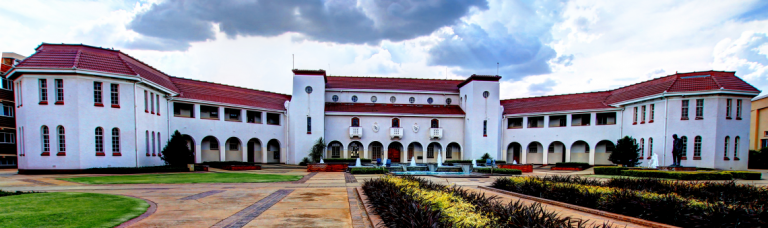
Student organisations in the Northern Transvaal (today Limpopo Province) have influenced political change in South Africa on a national scale, and over generations. At the centre was the University of the North at Turfloop (now called the University of Limpopo). The institution played an integral role in building the South African Students’ Organisation (SASO) in the late 1960s and propagating Black Consciousness in the 1970s.

There are lessons from half a century ago for South Africa’s most recent student uprisings. Profound insights can be drawn from the trial of nine SASO activists, in particular what was said in the witness stand by one of the founders of SASO, Steve Biko.

SASO and black consciousness

SASO was an organisation launched by university students on the segregated campuses of so-called “non-white” universities. It created an organisational space for black students. It argued that other student organisations, such as the multi-racial National Union of South African Students (Nusas), were dominated by white interests.

SASO students developed the philosophy of Black Consciousness, arguing that psychological liberation was necessary for political liberation. They offered a new way for black South Africans to think about themselves and their place in their country.

In this SASO offered a new approach to liberation, led by a new generation, that differed from older groups like the African National Congress and the Pan African Congress.

In ways that still resonate with student activists today, SASO criticised these older organisations for being quiescent and failing to achieve the promise of liberation.

The state’s response

The apartheid state initially saw SASO as racially separatist, and allowed it to organise on campuses in the early 1970s. But by the middle of that decade the state began to crack down on these student activists.

In July 1975 the trial of nine young activists began. Known as the SASO Nine, or the Black Consciousness Trial, it was to be a milestone in the politics of the era, and beyond.

Thirteen members of SASO and other Black Consciousness-affiliated organisations were arrested on charges of treason. This was after they defied a police ban and held rallies at Turfloop and in Durban to celebrate the independence of Mozambique, which was achieved in September 1974.

Of the 13 students and young activists, the state charged nine under the Terrorism Act, initiating what became one of the longest political trials in South Africa at the time.

The trial

South Africa’s longest terrorism trial played out over the course of 17 months and garnered substantial press coverage.

The nine young men charged in the trial came to play a pivotal role in the broader public conception of SASO. They were also to have a catalytic politicising affect across the country. And their names live on as veterans of the fight against apartheid. They were Zithulele Cindi, Saths Cooper, Mosioua Lekota, Aubrey Mokoape, Strini Moodley, Muntu Myeza, Pandelani Nefolovhodwe, Nkwenke Nkomo and Gilbert Sedibe.

Legal historian Michael Lobban argued in his book, White Man’s Justice: South African Political Trials in the Black Consciousness Era, that the trial offered particular insights into how the South African state sought to, use a political trial to control its opponents.

In Limpopo’s Legacy I argue that the trial also demonstrates the way that young activists used the court system and attendant press coverage to propagate their own political agenda. This was especially important for defendants who were students from Turfloop, who were under a gag-order on campus, and for those who were banned from publishing or public speech.

These defendants came to be the public face of student resistance at the outset of their trial in 1975. It provided a platform to highlight their cause.

The court room as theatre

Historian Daniel Magaziner has said in the book The Law and the Prophets that, the trial was more farce than tragedy, and, reasoning that some sort of conviction was inevitable, the defendants treated it like theatre.

While theatricality did play a role in how the defendants presented themselves on the stand, there were serious motives behind this performance.

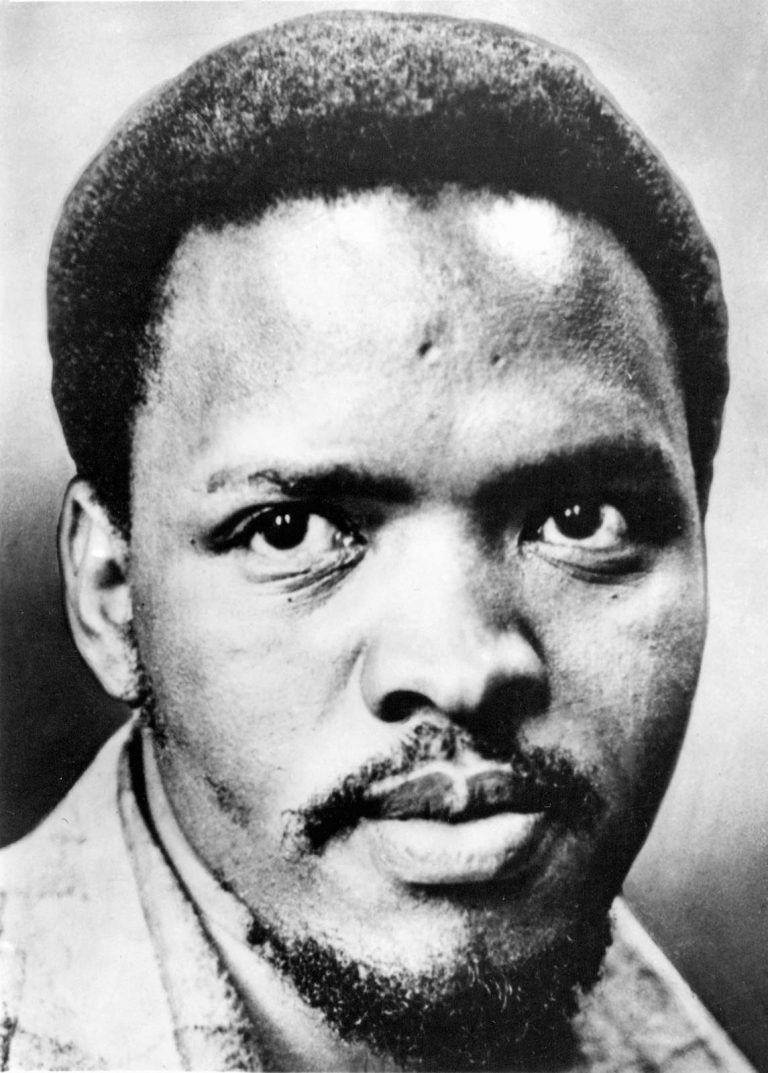
More than a stage, the defendants used the stand as a microphone, and indeed a pulpit from which to propagate their message. Famously, Steve Biko, SASO’s founder and figurehead, took his opportunity on the witness stand to expound on the philosophy of Black Consciousness as the guiding principle for SASO and the Black People’s Convention (BPC). The BPC was an affiliate of SASO that organised non-students around the ideals of Black Consciousness.

In his explanation to the presiding judge Biko stated:

Basically Black Consciousness refers itself to the black man and to his situation, and I think the Black man is subjected to two forces in this country. He is first of all oppressed by an external world through institutionalised machinery: through laws that restrict him from doing certain things, through heavy work conditions, through poor education, these are all external to him, and secondly, and this we regard as the most important, the black man in himself has developed a certain state of alienation, he rejects himself, precisely because he attaches the meaning white to all that is good, in other words he associates good and he equates good with white. This arises out of his living and it arises out of his development from childhood… This is carried through to adulthood when the black man has got to live and work.

Redressing this psychological conditioning formed the core thrust of the Black Consciousness movement.

Over the course of five days of testimony in May 1976 Biko ranged from discussing the psychological grounding of the SASO slogan “Black is beautiful” to the importance of disinvestment in South Africa by foreign firms.

Fifty years after the founding of SASO – and nearly 45 years since the historic trial of the SASO Nine – the tactics, strategy, and ideas of this anti-apartheid student movement remain a model for student activists.

* Anne Heffernan is Assistant Professor in the history of Southern Africa at Durham University.

(SOURCE: THE CONVERSATION)

Copperbelt University: Zambia’s President Mourns Death of Good-Luck Fish

0

THE death of a giant fish, fondly called ‘Mafishi,  which lived for over 3 decades, in a pond, at one of Zambia‘s biggest higher institutions of learning, the Copperbelt University (CBU), has been the talk of the week around the world and has taken social media by storm.

The fish was famous for its beauty, huge size of between 70 and 100 centimetres, as well as what it symbolised to the students, most of whom considered it a stress reliever or/and a source of good luck for their exams.

But its death in itself would probably have gone unnoticed had it not been for the dramatic manner in which it was mourned.

Examination students who are the only ones currently attending classes, because of  COVID 19-induced school closure, gathered to pay their last respect to Mafishi, lit candles and marched around the campus while singing solemn songs, as well as making speeches about what the fish meant to them.

For example, some students used to feel going to the pond where Mafishi was, made them feel relaxed in times of exam or relationship stress, as they watched it swim elegantly. Others shared superstitious accounts, saying that seeing Mafishi resurface towards exam time meant the student would clear the exams, but that the opposite would be the case if the fish remained under water.

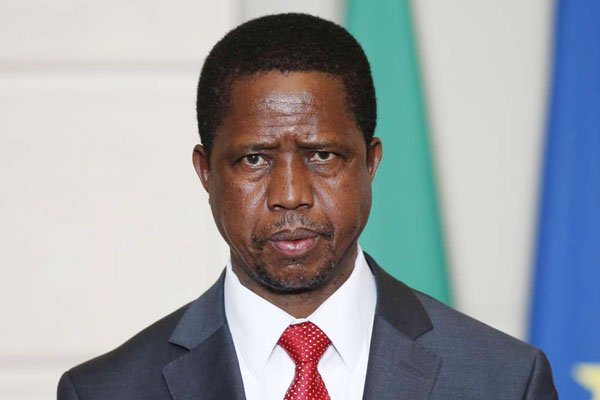
The extent to which the students mourned Mafishi attracted the attention of Zambia’s President, Edgar Lungu, who empathised with them, saying ‘Mafishi had been part of the CBU community for a long time and would be missed. He added that he was glad that the fish had received a befitting send off, and used a Mahatma Gandhi quote that says “the greatness of a nation and its moral progress can be judged by the way its animals are treated.”

Other notable members of the Zambian society, including the leader of the biggest opposition party, Hakainde Hichilema, some government officials and entertainers, equally sent messages of condolences.

(SOURCE: AFRICAFEEDS)

OPINION: Professorships Must Be Earned

0

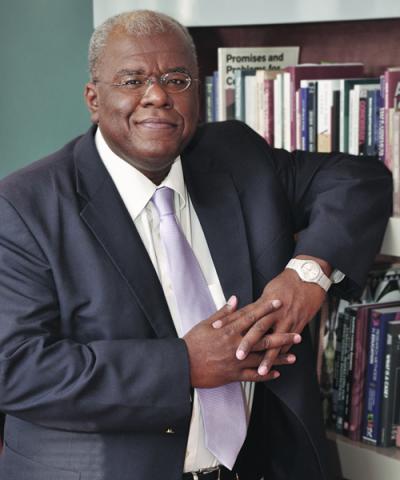
JONATHAN JANSEN

THERE is a fraud we seldom talk about. It concerns the way in which the title “professor” is attached to people without any claim on this highest achievement in the academic profession.

Yes, it is an achievement. It starts with the hard work of obtaining a research or professional degree called a doctorate (mainly a PhD).

That itself takes years of study, often combining field research in distant places and difficult theoretical labour with countless revisions and then a searching final examination involving four or more assessors from around the world.

You don’t just collect the PhD.

But that is only the start, for then you have to produce years of scholarship involving peer-reviewed articles in leading journals as well as books (in the non-science fields).

That is not enough, though, for you then have to successfully supervise masters and especially doctoral students as part of your portfolio of academic works.

That collection of scholarly works, including evidence of outstanding teaching and approval of your peers, qualifies you to be considered an associate professor and, with more research of international standard, you become a candidate for (full) professor.

Not in South Africa.

The number of people appointed to professorship these days amounts to academic fraud.

Sometimes it is an effort to increase the number of black professors because of political pressure; even some of our top universities are beginning to fold under this pressure.

By the way, the Afrikaans universities once did the same thing under the pressure of Afrikaner nationalism.

I know, because as dean and as vice-chancellor I had to deal with the consequences of such fraud perpetrated over many years.

Now, black nationalists (coloured, Indian, African) have been doing exactly the same thing for the same reasons.

Strangely, some of the main beneficiaries of this complete disregard for academic standards are white colleagues with honours and masters degrees but with activist credentials.

The field of education is one of the main disaster areas for such promotion.

In a strange way, this fraudulent practice reinforces the poor image of education as a profession and parallels the decline in scholastic standards in schools and universities.

Such contempt for standards in higher education is something one sees also in senior appointments in the ministry and Department of Higher Education.

Think in recent years of the people charged with senior responsibility for higher education – men and women with no experience of higher education as senior academics or high-level administrators.

These are the people who must talk to vice-chancellors about credentialling, quality assurance and academic planning.

But these are political operators with no understanding of the complexities of higher education.

It’s like appointing a minister of health with an engineering degree.

The message? Competence does not matter and standards are irrelevant.

Yes, there are honorary professorships, but these are almost always senior academics who have already attained the position of professor.

Then there is the visiting professor (which, personally, I disapprove of) for an accomplished professional from the corporate world who delivers teaching during a semester and then relinquishes the temporary title.

There is also something called adjunct professor, which applies to high accomplished scholars who meet some of the criteria above (such as the PhD and publications) but whose real achievements have been in a clinical field (such as surgery) or a professional vocation such as journalism or policy analysis; even then, in a good university there are strict peer review criteria for such appointments. Those are exceptions.

Most professorships are achievements at the pinnacle of a career, and we must defend that standard.

When somebody shows up on a stage or on television and is introduced as “professor”, somebody needs to ask: what exactly do you profess?

That would put the skids under these pretenders.

Strangely, we are less tolerant as a society of people who fraudulently use the title of “doctor”.

Lives have been ruined by fake doctors, but not by fake professors.

True, in America, a professor is usually an academic appointment at a university, but few get to that point at a serious institution without satisfying several of the criteria mentioned earlier.

But that is not a South African tradition, where a junior lecturer becomes a lecturer, then senior lecturer and then an “Aspro” (associate professor) and then “Prof”.

That said, people who insist on being called “professor” are usually insecure.

A true professor of any standing would allow her or his academic work to speak for itself; the considerable and substantive achievements of such a person would confirm the gravitas of the position.

But if we continue to hand out professorships like toffee apples, we should not expect society to value our universities and those who strive within them.

(SOURCE: HERALDLIVE)

Africa: Time to Face It! The Old Education System Is Obsolete and Irrelevant

0

WALE AKINYEMI

WITH a lot of disruption taking place, what is the workplace of the future going to look like?

Different conversations are being had on certificates versus capabilities. What is the future of the university degree as we know it? What of work hours in a world where people are more focused on deliverables than on time spent in the office? What of job titles in a world where people have opted for titles such as director of first impressions instead of a receptionist, director of chaos instead of a service technician, and even a chief getting-stuff -done officer instead of CEO?

The launch of the Google career certificate programme could be a major nail in the coffin of conventional education and college degrees. It is basically a series of short-term trainings in specific skills to help people get high paying jobs. This bypasses the entire college system and could be one of the greatest threats to an outdated education system.

Fatima Al Fihiri, the woman recognised by the Guinness Book of World Records as the founder of the world’s first degree-awarding university in 859AD (the Al Kaourine University in Fez, Morocco) was not a graduate. Neither were the instructors in many of the early institutions. The primary way of passing knowledge down was through mentorship and apprenticeship.

If this was the original model, where then did the present variety start, where people whose only knowledge of a subject is theoretical are charged with training others? Ancient sages documented their knowledge in books, which were intended to work with — not replace — mentorship and apprenticeship.

Books, unfortunately, gave rise to the intellectuals veering away from philosophical discussion and thought leadership to other disciplines for which they had no practical experience. This is why it is possible to have a business instructor who has never started a business before training people for business.

In this dynamic era, knowledge is being increased daily. When society grows faster than academia, gaps will emerge. The content, context and delivery of what is being taught are problems making the knowledge time-barred. The golden age of the industrial era has been overtaken by the information era.

The world is filled with people who have become experts through watching videos on social media platforms. This is the future and it is already here.

In the past half-century, everything has changed except the classroom and concept of schooling. This is why many of the innovators of today had to drop out of a system that was steeped in traditions of the past.

A system that even regulates how fast you are permitted to learn can’t be trusted to take us into the future. Things that can be learned in three years of apprenticeship take many years of different levels of education. This will not be sustainable with the generation raised on the Internet. That teacher still glorifying their 10-year-old degree, is truly in a bad place. Many studies show that a degree’s relevance does not go beyond five years.

This is the thinking behind the Street University (www.thestreetuniversity.com) where learners and mentors can meet without the containment of the middleman – the school.

(SOURCE: EAST AFRICAN)

EFF Calls Off Protests, Clicks To Award Scholarships To Rural Girls Orphaned By Aids

0

CHARLES MOLELE

Clicks has agreed to donate over 50 000 sanitary towels and award five scholarships to black female students to pursue pharmaceutical qualifications in 2021.

This comes after a ‘robust’ and ‘constructive’ meeting with members of the EFF on Thursday.

Clicks, South Africa’s leading pharmacy, health and beauty retailer, agreed with EFF leaders that the hair advertisement posted on its social media was offensive and racist.

In a joint statement, Clicks expressed its remorse to all South Africans, black women in particular, for the racist Tresemmé advert it published on its websites.

The EFF said it had made it clear during the constructive and robust discussion that an apology alone was not enough.

“The EFF made it clear that the days of apologies and sorry are over — and that there must be consequences for racism. In light of the above, the EFF and Clicks have put the matter in question to rest. The EFF calls off protest action at all Clicks stores with immediate effect. Clicks can now resume normal operations,” the party said in a statement.

Following the meeting, the EFF and Clicks agreed on the following:

  • Clicks expresses its remorse to all South Africans, black women in particular, for the racist Tresemme SA advert it published on the website;
  • Clicks will withdraw all Tresemme SA products from all its stores and replace them with locally produced products;
  • Clicks will also donate a minimum of 50 00 sanitary towels rural and informal settlements identified by the EFF;
  • Clicks will award a scholarship to five students to pursue pharmaceutical qualifications in the next academic year (2021). All five must be black, rural, African female and orphaned by HIV and Aids;
  • The EFF will work with law enforcement agencies to ensure that agent provocateurs involved in the vandalism of Clicks stores are brought to book.

(COMPILED BY INSIDE POLITICS STAFF)

If Universities Won’t Prepare Africa’s Young For The Future, Afia Amanfo’s Studentshub Will

WHILE teaching high school students in a rural community in Ghana, Afia Bobia Amanfo came into a deeper realisation of the failings of her country’s educational system. It needed a curriculum overhaul, and of course, more funding. But of greater concern to her was the fact that students were being prepared to take up non-existent white collar jobs after school.

As one not inclined to waiting on the government to solve all of the country’s socioeconomic and systemic shortcomings, Amanfo believed strongly that the students could use some role models: people who looked like them, possibly intimate with their struggles and who could pass on practical knowledge and guidance on career development and success. 

“By providing a little mentorship to these students, I could see how a lot of them could develop bigger dreams and actually make something amazing out of their lives,” she says.

“That really inspired me to start Studentshub Ghana (Studentshubgh).”

Amanfo’s education lies in the social sciences but startups and entrepreneurship, she was enthusiastic about. There was also her passion for education and she had envisioned finding more ways to contribute to the sector more sustainably. Technology was never in the cards regarding this path. 

Amanfo says the technology part was accidental. Shortly after launch, she had to move to France and was seeking ways to keep the organisation running remotely. At this time, activities were physically taking place in Ghana.

“I learnt how to develop a website on my own,” she says, and quickly learnt how to match mentors to mentees as well as organise her team from France. 

The team comprises her partner, Melinda Akoto, whom she met through a group of entrepreneurs and describes as very dedicated partner and totally sold on the vision, two staff members who were employed after going through one of the programs as well as over 30 volunteer staff. 

Studentshubgh is a digital platform connecting young students with mentors, opportunities, and the training they need to build successful careers across various fields. The platform is targeted at university students who demonstrate the willingness to learn and have access to the internet which she agrees disenfranchises a large percentage of this demography. 

It caters to the needs of these students through two main broad components: trainings/mentorships, and educational resources including blog posts, articles etcetera. 

The organisation has four training programs: the flagship African Future Leaders Fellowship (AFLF) which, in its third year, receives applications from students in more than 24 African countries; Study Abroad program for students who want to continue schooling internationally and the Career Development program which trains students from non-tech backgrounds on digital skills that will be useful to them while building their careers. 

“Students in social sciences or the arts are often lost in the tech department,” Amanfo says.

“They do not know the tech skills that are really important to them.” 

The AFLF program is run annually, and this year, from over 2,000 applications, only 50 students were selected to participate. The cohort size is small, Amanfo explains, to allow for close interaction between facilitators/mentors and students. During the 8-week cohort, students undergo a 6-module course program where they learn various concepts including purpose and vision building, career development, entrepreneurship, and financial literacy. These, the program believes, will give students a holistic indoctrination of what it takes to build a career or a business after school. 

“The idea of the program is to be very practical and help them develop toolkits that they can use afterwards, “ she says.

“They develop a career toolkit, a 5-6 year financial plan, they work in groups to ideate on some challenges their countries face and undergo digital skills training.”

The modules are run by facilitators who have frequent discussions and interactive sessions with the students. During the career development module, they work one-on-one with mentors to develop their toolkits among other things. 

AFLF is free to attend while the other programmes are paid for. Amanfo and her partner started with a lot of self funding and small grants are also coming in handy. However, after participating in an incubator programme earlier in the year at Billions for Bridges where she now works as a business development manager, Amanfo and her team are restructuring the hub to drive more revenue growth to become more sustainable. 

The coronavirus pandemic has brought on some urgency around the work Studentshubgh does. Like many African countries, Ghana was unprepared to switch academic programmes online and adoption was somewhat slow in the early months of the lockdown and school closures. Asides students who are taking final year examinations, schools remain closed in Ghana. 

This did accelerate the opportunity to reach more students and Amanfo says the period has also presented the chance to rethink, redesign and prepare the organisation for the post-pandemic era.  

With roles that bring together her passions in entrepreneurship and education, technology has just become this very important vehicle through which they are being implemented.

“I feel really lucky that I get to do the kind of work which combines all my passions,” she says.

“I feel really lucky to do what I do and there’s so much more that we are preparing ourselves to do.”

Amanfo admits that she was slow to get into entrepreneurship because, as a shy person, the visibility and effervescent personality she felt that she needed to train and speak to people regularly was daunting. 

“I like to stay in the background. That slowed me down a bit. 

“If there’s anything I could redo about the journey so far, it would be to have started earlier and to start with more speed.”

Nonetheless, seeing students who have gone through the AFLF program doing amazing things and imbibing the solution-minded approach the organisation preaches is a win. One alumni from Liberia has launched a community organisation educating rural communities around the pandemic as well as working to impact student accommodation in the country.  

One major challenge that has come with running the organisation in the last three years has been scaling. 

“We want to establish the hub as a strong organisation capable of scaling and growing the work that we do,” Amanfo says.

“Finding the right model for this growth is something that we’ve been working on a lot and I think we are getting there.”

“Also developing our platform was  a long journey for us. I’m the main tech person at the hub and it is challenging at times but I’ve learnt to consult with other tech people to better understand some of what we want to create.

The lack of accessible and cheap internet across Africa, which is particularly limiting because the hub’s direct market are university students with little disposable incomes, is also challenging. Now, the hub is considering offline alternatives and other such resources that do not require 100% access to the internet all the time.

At the core of Amanfo’s work is the urgent question about what to do with the huge human capital present in the continent by way of its increasing youth population. 

“Africa has a huge population which is a big advantage but also a big problem if we don’t train students to become innovators or self-starters,” she stresses.

“I know not everyone can be an entrepreneur but I’m always pushing the students that we work with, that they need to be solution-minded” because there is no shortage of issues that need solving on the continent and the most successful businesses have been born out of solving problems on a viable scale. 

(SOURCE: TechCabal)

Times Higher Education Ranks NWU Among Top Six Universities In South Africa

The latest rankings of world universities by Times Higher Education (THE) are another feather in the cap for the North-West University (NWU). The NWU has had consistent good showings in rankings by various international ranking agencies this year. This ranking places the university among the top six (6) universities in South Africa.

THE announced its rankings for 2021 on Wednesday, 2 September. It is only the second year that the NWU has participated in the THE World University Rankings. Globally, the NWU is ranked between 501 and 600 out of more than 1 500 universities across 93 countries and regions that were evaluated for the 2021 rankings.

The THE University Rankings are considered to be the largest and most diverse university rankings to date. They consider research-intensive universities across all their core missions, which include teaching, research, knowledge transfer and international outlook.

According to THE, it uses 13 carefully calibrated performance indicators to provide the most comprehensive and balanced comparisons that are trusted by students, academics, university leaders, industry and governments.

THE groups performance indicators into five areas: teaching (the learning environment); research (volume, income and reputation); citations (research influence); international outlook (staff, students and research); and industry income (knowledge transfer).

Like last year, the NWU achieved its top position in the area of citations. The university is ranked among the top five (5) universities in South Africa in the area of citations. THE explains that the citations show how much each university is contributing to the sum of human knowledge. It is therefore an indicator that the value of the NWU’s research is recognised in the global scholarly community.

For more information about the 2021 World University Rankings, visit https://www.timeshighereducation.com/world-university-rankings/2021/world-ranking#!/page/0/length/25/sort_by/rank/sort_order/asc/cols/stats.

This announcement is another building block in the NWU’s ranking excellence this year. The THE has also ranked the NWU among the top five (5) in its Emerging Economies University Rankings, which were released in February. Overall, the NWU was placed in position 109 out of the 533 universities from 47 countries. Apart from the NWU, nine other South African universities were also ranked.

It was also the first time the NWU was featured in the THE Young University Rankings, which were announced in June.

The NWU has continued to climb the rankings ladder after laying good foundations in previous years, celebrating achievements in 2018 and 2019 as well.

In addition to THE’s rankings, the NWU also received favourable rankings by the Centre for World University Rankings (CWUR) and the Academic Ranking of World Universities in June and July 2020 respectively.

Prof Dan Kgwadi, vice-chancellor and principal of the NWU, says the latest good showing in international rankings reaffirms the NWU’s commitment to quality education and its dedication to be an internationally recognised university in Africa, distinguished for engaged scholarship, social responsiveness and an ethic of care.

“Although the rankings are not at the top of our priority list, we welcome and celebrate the recognition of the good work done by our staff and students. I thank all our staff and students for their contribution in ensuring that the NWU lives up to its purpose to excel in innovative teaching-learning and cutting-edge research that benefits society.”

(Source: NWU)

Video: Two KZN Pupils Suspended Over Bullying And Assault

0

THE KwaZulu Natal provincial department of education has suspended two learners at Mathole High School in Mahlabathini, south-west of Nongoma, over a bullying incident that went viral on social media.

In the video, the two suspended learners were captured assaulting a hapless learner, dragging her on the ground and kicking her.

After the video surfaced on Twitter, many concerned South Africans called for the provincial education MEC Kwazi Mshengu to take urgent action against the two learners.

“The School Governing Body has been directed to finalize the disciplinary process within 7 working days as stipulated in the South African Schools Act,” said Mshengu.

The provincial education department said the victim and others who were involved are receiving professional therapy from the Department of Social Development.

The department also called South Africans not to further distribute the video on social platforms to protect the dignity of the victim.

“Further circulation will only serve to inflict more harm to the dignity of the victim for the rest of her life,” added the Department.

The victim is being assisted by the Legal Services Unit to open a case with the police.

The department said the Legal Services Unit will contact social media platforms’ administrators with the aim to remove and block the circulation of the video. 

(COMPILED BY INSIDE EDUCATION STAFF)