Home Blog Page 388

Science & Technology: Digital Transformation’s Impact on Businesses Within South Africa

DIGITAL transformation is changing the ways businesses operate throughout the world. New technologies like cloud computing, artificial intelligence (AI), machine learning, and predictive analytics, already have had a profound impact on the world’s economies and continue to disrupt industries.

Recognising this potential, government strategies today are emphasizing the role of digital in accelerating economic diversification, promoting sustainability and ensuring citizen happiness.

Digitalization has been identified as a pillar that will support the future digital economies on the continent.

By placing new digital and ICT transformation programs at the heart of their national plans and through collaborations with leaders and entrepreneurs committed to building a better future, governments across the region are already leading the way in securing a viable future for their citizens while also raising their national competitiveness profile at a global level.

Within South Africa, The National Development Plan 2030 (NDP) published in 2012 emphasizes how ICT will underpin the development of a connected information society and a vibrant knowledge economy that is more inclusive and prosperous.

Similarly, the Government of Morocco introduced the Morocco Digital 2020 strategy, a set of policies and reforms which promote the effective use of and access to technology in various sectors to position the country as a digital economy.

Nigeria has also taken significant steps to drive economic transformation, sustainability and future skills development through technology.

Businesses reaping the benefits of 4IR

Digitisation spurs the development of new industries as in the case of e-commerce, mobile financial services, IoT, and cloud computing.

These contribute to national GDP in multiple ways while also promoting growth of allied industries such as logistics, infrastructure, and payments. These opportunities are not only limited to the ICT industry, but also disrupts traditional industries to unlock speed, lower costs, and ensure higher quality.

While many businesses are fuelled by competition and adopting new and disrupted forms of technology, many organisations are still using legacy IT and have shied away from digital transformation. Digital transformation essentially involves a fundamental change in how an enterprise uses its technology, its workforce and business processes to improve its performance and value to customers. 

While businesses can gain massive value opportunities in these areas, companies undertaking these efforts quickly learn that the technology in digital transformation is often the easiest part of the change. Development gains from digital transformation are not automatic and can result in new divides and widen inequalities.

Building internet infrastructure and digital skills

A major obstacle to the development of internet infrastructure within Africa is a lack of experienced network engineers. Without these engineers, national internet investment, policy and regulatory decisions may lack the technical foundation that will ensure an open, affordable, scalable internet.

If South Africa had the required mass of network engineers who are able to shape the future of network infrastructure at both a local and national level, businesses and organisations would be able to unlock their full potential and fully utilize Fourth Industrial Revolution (4IR) technologies, like the Internet of Things (IoT), artificial intelligence, blockchain technology and big data.

Knowledge building and future-ready curricula 

Apart from access to affordable connectivity and devices, there is also a need to digitally upskill people to operate or work with the advanced and/or emerging technology in 4IR.

Investments in human development and digital skills are necessary to build a pipeline of future talent that can embrace this dynamic and increasingly digitised environment.

This will require a massive educational overhaul that addresses basic education backlogs at all levels, from basic to tertiary education.

The World Economic Forum has highlighted the importance of African educators to design future-ready curricula that accelerate the acquisition of digital and STEM skills to match the way people will work.

African governments, with the help of private sector stakeholders, have an opportunity to develop tailored approaches to understanding the region’s evolving skills base and emerging jobs scenarios. The need for schooling and re-tooling of the African labour force to find occupations less susceptible to automation, needs more recognition.

To take advantage of what 4IR has to offer business, governments must be able to develop, attract and retain the skills and capabilities.

Ministries of Education need to re-think how skills can be obtained.

Governments and communities need to take a fresh look at how they develop emerging technology skills and knowledge.

Where SA can grow 

South Africa can become a technology hub within the region, by applying new technologies in various sectors where it has a traditional advantage over its neighbours.

These include mining, agriculture and financial services.

A successful example of this would be South Africa’s Mining Sector, which has been transformed with the incorporation of sensors and devices into equipment and machinery within an IoT network allowing for the speedier analysis of data and increased efficiency.

Winning in the digital economy requires a combination of technical understanding, pioneering leadership, and a sense of vision and determination to encourage an ecosystem of innovation. Leaders who engage with these possibilities today could be reshaping the economy of 2030 for the greater good.

(SOURCE: ITNEWSAFRICA)

Lockdown Level 2: Too Little Too Late Mr President, Says Opposition Parties

0

CHARLES MOLELE

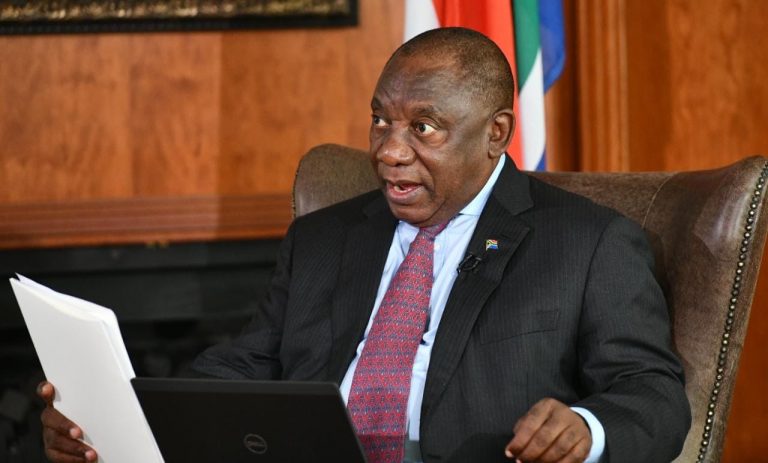
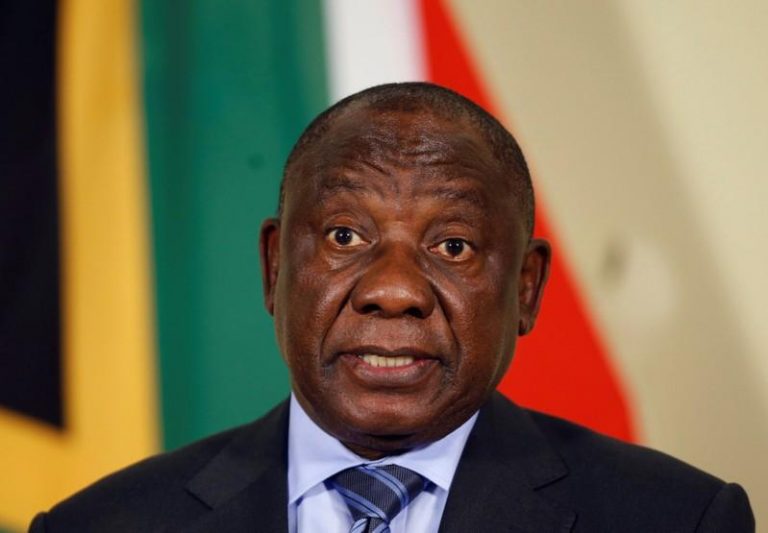
UNDER immense pressure to reopen the economy to avoid further economic damage, President Cyril Ramaphosa announced on Saturday night that his government would ease the hard lockdown to alert Level 2 as from midnight on Monday.

This follows consultations with provincial and local government, including sound advice from health experts and scientists, he said.

In a televised address, Ramaphosa said government would now lift the ban on alcohol and tobacco products and further allow restaurants and taverns across South Africa to return to normal business, subject to strict hygiene regulations.

While movement around provinces would be allowed under Level 2, restrictions on international travel remained in place, he said.

Ramaphosa said it has been an immensely difficult five months, and the pandemic has taken a heavy toll – on the health of South Africans, on families and communities, on the public health system, on the economy and on people’s everyday lives.

He said the country has made progress in the fight against COVID-19 and that all indications are that South Africa had reached the peak of COVID-19 infections.

He said a fall in the infection rates, as well as people recovering, were ‘significantly reducing the pressure on our health facilities’, but he cautioned that cases could easily surge if people fail to maintain vigilance.

Over the last three weeks, said Ramaphosa, the number of new confirmed cases has dropped from a peak of over 12,000 a day to an average over the past week of around 5,000 a day.

“The recovery rate from coronavirus has risen from 48% at the time of my last address and now stands at 80%,” he said.

“The cumulative number of cases in our country remains extremely high at 583,653. However, the number of active cases is declining every day, and now stands at around 105,000. The virus appears to have peaked in several provinces, including the Western Cape, Eastern Cape, Gauteng and possibly in KwaZulu-Natal.”

DA interim leader John Steenhuisen slammed Ramaphosa’s address, saying the damage to the economy has been done and millions of jobs have already been lost.

He said Ramaphosa’s address was nothing but a capitulation to the real power in the ANC, who desperately wanted to cling to the “new normal” they have created for SA these past 5 months.

The decision to extend the State of Disaster by must be regarded with the utmost suspicion, he said.

“The only thing the lockdown achieved was the devastation of our economy and the loss of millions of jobs. And that is what President Ramaphosa and his government must take responsibility for,” said Ramaphosa.

“The President admitted this evening that the models used to justify shutting down the economy were wrong. This is not something he can casually mention and walk away from. If they paralysed our economy for five months based on wrong information, heads must roll right at the top.”

Ernst Roets, Head of Policy and Action at AfriForum, said corruption, in particular theft of money earmarked for relief because of the COVID-19 pandemic, has not been dealt with.

In a statement, AfriForum said the President had been warned by the country and the world’s experts to act differently but he “succumbed to pressure from his corrupt comrades and could not resist the temptation to hold on to power in an irrational manner”.

“Now to thank the president for relaxing the lockdown measures would be like a prisoner thanking his kidnapper when he is set free. We are not suffering from Stockholm syndrome,” said Roets.

He said in the coming weeks, AfriForum will publish a plan containing practical steps the government could take to empower the private sector to repair the damage caused by the lockdown.

He said the organisation is also working on a comprehensive strategy for self-management amounting to minorities assuming responsibility for their own future and taking practical action to acquire greater control over their own affairs.

The Economic Freedom Fighters (EFF), on the other hand, said in a statement Saturday that they rejected the relaxation of lockdown regulations in the midst of the Coronavirus pandemic, and warned that it was a mistake that could lead to a great loss of life.

The EFF said that “Cyril Ramaphosa in collaboration with the Health Department has conspired to manipulate” the data to “rationalise the reopening of the economy at the cost of lives”.

Political analyst William Mervyn-Gumede slammed Ramaphosa’s address, saying adopting a one-size fits all approach to the fight against COVID-19 pandemic was counter-productive.

Gumede said vulnerable areas, or provinces identified as epicentres of coronavirus such as Western Cape, KwaZulu Natal, Eastern Cape and Gauteng, should have been kept under hard lockdown o curb the spread of the pandemic.

He also slammed government for failing to properly use the R500 billion loan guarantee scheme to assist small businesses, hardest hit by the pandemic.

In his speech, Ramaphosa argued that on Thursday, he convened all the social partners in NEDLAC, namely government, labour, business and community.

“We are now working together on an urgent economic recovery programme that places the protection and creation of employment at its centre,” he said.

“We will be making announcements on the outcome of this work in the next few weeks. We will use this moment not only to return South Africa to where it was before, but to transform our country to a more equal, more just and more dynamic economy.”

(COMPILED BY INSIDE EDUCATION STAFF)

CORONA UPDATE| President Cyril Ramaphosa To Address The Nation Tonight

0

PRESIDENT Cyril Ramaphosa is expected to address the nation on Saturday at 8pm on developments around the country’s risk-adjusted strategy to manage the spread of COVID-19.

His address follows meetings with the National Coronavirus Command Council, the President’s Coordinating Council and Cabinet.

The address will be broadcast live on television and radio and will be streamed live on a range of online platforms.

Egypt Launches First Summer School for Space Education

THE Egyptian Space Agency and Banha University have announced the establishment of a summer school for space learning to be hosted by the Banha University.

This announcement was made by the Vice President of Banha University, Nasser al-Gizawy, during a meeting held to inaugurate the first summer school for space sciences at the headquarters of Banha University in Obour City.

The meeting was attended by Karim al-Dash, Academic Director of the University’s headquarters in Obour; Omar Hanafi, Head of the Survey Engineering Department at the Faculty of Engineering in Shubra; Ayman al-Shehaby Professor at the Faculty of Engineering in Shubra; and Mohamed Kassab, Head of the Mechanical Systems Division at the Egyptian Space Agency.

The meeting was under the auspices of Gamal al-Saeed, President of the University, and Mohamed Al-Quosi, CEO of the Egyptian Space Agency.

During the meeting, The Vice President, Gizawy mentioned that the summer schools in the field of space and satellite science and technology would spread knowledge of space science among Egyptian university students, to link their academic studies with practical reality.

Gizawy also noted that students of 24 Egyptian universities would take part in the summer school, alongside 35 students from the Faculties of Engineering and Computers and Artificial Intelligence at Banha University.

Due to the pandemic, the theoretical part of the summer school started via distance learning on the videoconference platform; Zoom. The practical classes will start in September at the University’s premises. 

The Vice President also revealed that applicants would be divided into six different training groups, and each trainee will be required to submit a practical project that will be evaluated by professionals.

The establishment is coming off the back of an earlier announcement made by Egyptian Space Agency, for the establishment of summer schools for University students. The announcement was made by Dr Mohamed Al-Quosi, CEO of the Egyptian Space Agency, at the annual summer training opening event. The training is organised by the Egyptian Space Agency for capacity development in space science and technology for students in Egyptian Universities, towards linking their academic studies to practical and scientific reality.

Dr Al-Quosi explained that this training is emerging from the national space program and serves as the centrepiece of building human capacity and space systems development, towards having more educational satellites in the future. Training will be conducted this year via teleconferencing.

Dr Al-Quosi mentioned that this goal was equally shared by Dr Khaled Abdel Ghafar, Minister of Higher Education and Scientific Research, who expressed interest in attending one of the training days, to encourage participation. Dr Al-Quosi, speaking to students via video call, praised the turnout and motivation of Egyptian university students for attending the annual training and emphasised that trainees in the satellite education program have a better chance of joining the space agency.

(COMPILED BY AFRICANEWS.SPACE)

Northern Cape Education MEC Mac Jack Has Died

Northern Cape Education MEC Mac Jack has died, according to provincial authorities.

He served in the ANC Provincial Executive Committee for several terms.

ANC Chaplain pastor Dez Fransman confirmed the news to the SABC on Wednesday night.

He says the cause of death is unknown at this stage.

This is a developing story.

DBE Releases Combined 2020 Matric Exam Timetable

NYAKALLO TEFU

Exams for Grade 12 learners that were meant to be sat in June and November will now take place at the same time, according to Basic Education Department.

Matric exams will begin on November 05 and run until December 15.

In a statement, the department said it has decided to administer the May-June 2020 examination concurrently with the October-November 2020 examination.

“The late commencement of the final Grade 12 examinations will allow schools and learners adequate time to cover the curriculum and also to ensure that ample time is allocated for revision of the syllabus,” said basic education minister Angie Motshekga on Wednesday.

More than 1.1 million candidates are expected to sit for the 2020 combined matric exam.

“Every registered candidate will receive an admission letter, by end September 2020, listing the subjects for which they have registered and the examination centre at which they are writing,” said Motshekga.

The department has assured learners that they will receive all the necessary support during the time of examinations.

The results of the 2020 Grade 12 examination will be released on 23 February 2021.

(COMPILED BY INSIDE EDUCATION STAFF)

Litigating The Right To Education In SA – An Overview Of Some Of The Most Important Cases Of The Last 10 Years

The following op-ed is written by Ona Xolo of the Legal Resources Centre.

THE basic education system in South Africa is steeped in a history of systemic inequality that was institutionalised by the apartheid government. This created a clear divide between the good quality of education provided to white learners and the underfunded, abysmal education provided to black learners in the country.

Twenty-six years after the first democratic election, the remnants of apartheid education’s dual system in which a minority of learners benefit from good quality education, while the majority of learners in the country were taught in schools that lack the basic resources to ensure academic success, continues.

This exasperates and perpetuates the inequalities in the country and has created another generation of young people who struggle to secure employment and who are unable to access tertiary education as a result of the poor education they received in the first eighteen years of their lives.

Section 29(1) of South Africa’s Constitution provides that “[e]veryone has the right to a basic education”.

While the right is framed in a manner that makes it “immediately realisable” (unlike other socio economic rights which are subjected to caveats of progressive realisation and “within the state’s available resources”), it has been up to the courts to provide much of the detail as to what a learner can demand from the state in terms of a “basic education”.

Over the last ten years the Legal Resources Centre (LRC) has played a significant role in developing the jurisprudence on the right to education and has used the law to try and ensure that millions of learners in South Africa have access to quality, equitable, and inclusive education.

The LRC is currently embarking on a new strategic trajectory that will see even more of our focus and resources shift to education litigation and advocacy.

It seems appropriate to now take stock of some of the successes that have already been achieved through our work, and to flag those areas that still require urgent attention.

Below we give a brief overview of some of the most important education cases of the last ten years.

These cases developed the right to basic education to include school infrastructure, furniture, teachers, and scholar transport. It also ensured access to education for learners with disabilities, and most recently, access to education for undocumented children.

This discussion is followed by an overview of some of the upcoming strategic interventions that the LRC will be embarking on in the next five years and that will have a profound impact on ensuring access to education for all learners in South Africa.

Mud schools and the provision of school infrastructure as part of the right to education

One of the worst legacies of the apartheid education system was that hundreds of schools for black children in rural parts of South Africa consisted of unsafe, collapsing mud structures or flimsily constructed corrugated iron shacks.

These structures are unsafe for teaching. In 2010 the LRC acted for the “Infrastructure Crisis Committees” of seven mud structure schools located in the rural Libode District of the Eastern Cape.

The litigation sought to address this long-standing problem of inappropriate classrooms.

The LRC identified twenty of the worst “mud schools” using the Department of Education’s 2005 district profiles.

We conducted comprehensive interviews with twenty schools and decided on seven schools that would form part of the litigation.

We also acted for an institutional applicant (the Centre for Child Law) who approached the court on behalf of all the learners in the Eastern Cape who were being educated in similar structures. Whatever relief the court granted, would therefore be applicable to all the mud schools in the province.

The litigation against the Eastern Cape Department of Education (ECDOE) and the Minister of Basic Education was directed at their failure to provide the schools with adequate and safe school infrastructure. The application argued that the right to basic education in the Constitution included the right to infrastructure that is safe for teaching and learning. The government’s failure to provide the infrastructure did not meet the requirements of the Constitution.

The Minister and the ECDOE initially opposed the application, arguing that the schools were not the worst-off in the province and that they would receive assistance in due course when sufficient budget was available. They however later agreed to settle the matter by providing both temporary and permanent infrastructure relief for the seven schools. Most importantly, the agreement also recorded that R8,2 billion (approximately $500 million) would be committed by the state for the replacement of inadequate school structures countrywide.

This strategic litigation gave rise to the establishment of a state program known as the Accelerated Schools Infrastructure Development Initiative (ASIDI).

The ASIDI programme has made enormous strides in eradicating mud schools across the country.

134 schools were replaced with new buildings in the Eastern Cape and another 248 schools have since been provided with water. In addition, 167 schools received sanitation services and 180 schools were provided with electricity.

There are still enormous infrastructure needs at many schools in South Africa, but the litigation in the mud schools matter was critical in establishing infrastructure as a component of a basic education and recognising the link between teaching and learning and a safe and sturdy school building.

Norms and Standards for school infrastructure

A report conducted by the Department of Basic Education (DBE) in May 2011 revealed that over 3 500 schools in South Africa did not have access to electricity, 900 did not have sanitation facilities and 2 400 were without water. A principal problem in resolving these infrastructural issues was a complete lack of regulations which clearly set out what a school in South Africa should consist of, and what minimum requirements in terms of sanitation, electricity, and running water needed to be met.

Acting on behalf of Equal Education (EE) and two public schools in the Eastern Cape, a court application was launched in March 2012, seeking an order directing the Minister of Basic Education to establish binding minimum norms and standards to regulate school infrastructure throughout the country.

The application included affidavits from 26 public schools illustrating the pervasiveness of dire infrastructure problems.

The relief sought included a declaration that the failure of the Minister to make regulations that prescribed minimum norms and standards for schools infrastructure constituted a breach of the constitutional rights to basic education, equality, dignity, and a breach of the statutory duties under section 5A of the Schools Act which specifically allowed the Minister to make the regulations.

It was also argued that this failure was a breach of the values of accountability, responsiveness and openness that underpin the Constitution.

After initially opposing the application, the state entered into a settlement agreement on 19 November 2012, whereby the Minister agreed to provide the two applicant schools with sufficient infrastructure, and, perhaps more importantly, to publish regulations setting out minimum norms and standards required in schools.

By May 2013, however, the Minister had failed to publish the regulations, leading to a further round of litigation to force the Minister to publish the regulations.

On 29 November 2013, a set of regulations was finally promulgated, to ensure that each learner is guaranteed to be educated in a safe environment, with access to electricity, sanitation, and clean water. While this was a breakthrough in advancing the right to a basic education and ensuring that children are safe at school, much work still has to be done to ensure that the regulations are fully implemented.

School furniture as part of the right to education

In a series of ongoing cases against the ECDOE, the LRC has represented parents whose children attend public schools with severe furniture shortages.

The problem is most pronounced in rural areas of the province and in the no-fee paying schools where shortages of desks and chairs result in learners having to share desks, sit on the floor, or make use of makeshift table and chairs while in class.

The impact on the learners was described in the founding papers before the court:

“Multiple learners are forced to share a desk, which means that the learners squashed together and struggle to concentrate on their work. Moreover, it is difficult for them to write on the desk space provided. In some instances, learners are even forced to stand throughout lessons, leaving them with no writing surface. The overcrowding around the desks also causes discipline problems, as children fight over the few available desks and chairs. These discipline problems can disrupt the lesson and inhibit learning. The lack of furniture results in an environment that is not at all conducive to teaching and learning. Learners are squashed together, and some students are forced to squat on their haunches, stand, or sit on the floor during the lessons. Sometimes the learners are forced to sit on each other’s laps. This makes it virtually impossible for the learners to take part in lessons. Many learners bring their own plastic chairs to the school, while others use empty beer crates and furniture cobbled together with broken frames and loose planks of wood. This helps children to have somewhere to sit, but almost none of the students have a desk to write on. This is completely unacceptable. Teachers are unable to give the students any writing exercises.”

In 2012 the LRC approached the court with two goals in mind. Firstly, we wanted an order instructing the ECDOE to provide every learner with a desk and a chair in every public school in the province. Secondly, we wanted to develop the jurisprudence and substantive content of the constitutional right to a basic education to include school furniture as non-negotiable component to achieving a meaningful education.

The litigation resulted in the successful delivery of furniture to the schools that we represented, but the ECDOE failed on several occasions to comply with all the parts of the November 2012 order. The ECDOE was ordered to compile an audit of the furniture needs in the province, but the audit omitted several schools and failed to verify the data of the schools they did include. In August 2013 the LRC again approached the court to have the ECDOE declared in contempt of the 2012 order. The court in this case found that “[t]he state’s obligation to provide basic education as guaranteed by the Constitution is not confined to making places available at schools. It necessarily requires the provision of a range of educational resources: – schools, classrooms, teachers, teaching materials and appropriate facilities for learners. It is clear from the evidence presented by the applicants that inadequate resources in the form of insufficient or inappropriate desks and chairs in the classrooms in public schools across the province profoundly undermines the right of access to basic education.”

The LRC continuously monitored the implementation of this order and returned to court twice to ensure that children are off the floor, and have proper desks and chairs. By 2020 the ECDOE has provided the vast majority of the learners in the province with desks and chairs and has established a programme that refurbishes broken school furniture and places it back into schools.

More than 600 000 units of furniture have been provided in schools. 

The success of this case lies in the persistent monitoring of the ECDOE’s implementation of the order in the years following the judgment.  

Teachers as part of the right to a basic education

Realizing the right to education requires the fulfillment of several components, but one that stands out is the need for suitably qualified educators. For many years too many vacant educator posts in South Africa have not been filled by provincial education departments, with the problem being particularly acute in the Eastern Cape.

This often means that learners attend classes without an educator to teach them unless governing bodies step in and appoint and pay the teachers that should be paid by the department. On 20 March 2014he LRC, on behalf of 90 applicant schools in the Eastern Cape, challenged the ongoing failure by the provincial education department to appoint educators in vacant posts at various public schools throughout the province, and the consequent violation of learners’ constitutional right to education. This took the form of the first “opt-in” class action in South Africa.

The first part of the application was brought in respect of 32 schools and sough an order directing that the department reimburse the schools the amounts the schools had paid to educators to fill vacant posts during 2013.

Secondly, suitably qualified educators who occupied vacant posts in 2014 had to be appointed as temporary educators by the department and paid for their services.

These teachers had to be permanently appointed with effect from 1 July 2014 to ensure that the department filled the posts.

This led to the development of the opt-in class action in 2015. The class action was instituted on behalf of all public schools in the Eastern Cape. 90 schools opted into the class action.

The schools were required to show that they a) had educator posts allocated to them which had not been permanently filled and/or, b) had appointed and remunerated educators occupying vacant posts that had not been filled and had not been reimbursed by the department.

The court found that the failure to provide teachers to the schools constituted a violation of the right to basic education, as it deprived learners, especially in poorly resourced schools, of education.

Since the class action was finalised, the department has paid over R81 million to the school governing bodies of the 90 schools to reimburse them for the expenses they incurred in paying the teachers in the place of the department. 

This has had the long-term effect of greatly reducing the number of vacant posts that are not filled.  

Scholar transport as part of the right to basic education

Thousands of learners across rural South Africa find themselves walking a daily round-trip of 10km or more between their homes and their schools, often in dangerous conditions. 

While the DBE makes provision for scholar transport to transport learners between their homes and their schools, the policy is poorly implemented.

The result is that learners often undertake long and arduous journeys to get to school, waking up before sunrise to walk for hours. They are tired and hungry when they arrive at school and are unable to concentrate on their schoolwork. There is also a direct correlation between a lack of scholar transport and learners dropping out of school.

The LRC has made great strides over the years in ensuring that learners have safe transportation and access to their schools. In 2015 the LRC successfully challenged the ECDOE’s decisions to deny scholar transport to several learners in the province.

This case was the first of its kind in the country and argued that part of the right to basic education included the right to transport.

Drawing on earlier litigation on the right to education Judge Plasket found that “scholar transport was a key component of realizing the constitutional right to education.”[1]

This case was an important first step in establishing the constitutional and legal framework for scholar transport in the country, but implementation remains weak and there are still thousands of learners that walk to school every day.

In 2019 the LRC brought another case on the provision of scholar transport.

Acting for the Khula Community Development Project and four schools in the Peddie area of the Eastern Cape, the LRC challenged the ECDOE’s failure to take steps to resolve the systemic administrative crisis that continuously left thousands of learners in the province without scholar transport.

This was based on the ECDOE’s repeated failure to take decisions on the schools’ applications for transport for learners, or to respond to letters inquiring about transport provisioning.

The LRC sought a two-part order, providing urgent relief to the learners at the four schools, but also seeking systemic relief in the form of a policy that clearly sets out the application process and makes it easier for schools to apply on behalf of the learners.

The ECDOE acknowledged its constitutional obligations to provide scholar transport to qualifying learners and agreed to urgently provide transport to 91 learners at the four schools.

The ECDOE also argued that it is improving the systemic administration of scholar transport by using the digital database, the South African Schools Administration Management System, to log and process applications.

Many schools, however, have encountered difficulties in using the new system, and there is a lack of training on how the system works.

The LRC continues to pursue its claim for systemic relief.

While many of the LRC’s cases have focussed on resource provisioning, there are two cases that have dealt almost exclusively with the issue of access to education and the devastating impact that exclusion from education can have on learners.

Securing access to education for learners with special education needs

While the South African government establishes and funds special schools, which seek to provide specialised care for children with moderate to mild intellectual disabilities, it does not afford the same level of funding to children living with severe or profound intellectual disabilities.

These learners, among the nation’s most vulnerable, are therefore left with no choice but to rely on the assistance of centres funded by non-governmental organisations.

However, the limited number of these educational facilities means that many disabled children have simply been unable to benefit from any instruction, in clear violation of their constitutional rights to education, equality, and human dignity.

One of the LRC’s organisational clients, the Western Cape Forum for Intellectual Disability (WCFID), is a not-for-profit support network that represents more than 150 schools, centres and non-governmental organisations that care for some 1,200 severely and profoundly intellectually disabled children who would otherwise be denied access to quality education.

Critically however, none of the WCFID’S member clients received any funding or form of support from the provincial Department of Education.

In 2010 the LRC represented WCFID in its struggle to secure access to education for these vulnerable children.

The national government, named as first respondent for strategic reasons linked to the national scope of the issue at hand, along with the Government of the Western Cape, argued that the inequality within its funding of special schools was a result of budgetary constraints as well as doubts surrounding the effectiveness of schooling children with severe intellectual disabilities.

In November 2010, in what constituted a major victory for children with severe intellectual disabilities in this country, the court ruled in favour of WCFID, holding that the national and provincial governments had failed to take reasonable measures to make provision for the educational needs of severely and profoundly intellectually disabled children in the province.

The judge dismissed the government’s two principal claims on the basis that their reasoning was flawed.

Firstly, he held that expenditure on education was a legitimate government purpose and that the claimants were arguing for available funds to be fairly spread between all children, and not for an extra provision of funds.

Secondly, he rejected unequivocally the government’s argument that these children could not be taught, citing evidence that demonstrated that it was internationally accepted that education and training benefited children with such disabilities.

The court found that the respondents had breached the children’s rights to basic education, protection from neglect or degradation, equality and human dignity.

The court ordered the government to take reasonable measures to ensure the constitutional right to a basic education for these vulnerable children, resulting in critical jurisprudence of national importance for disable learners.

Undocumented Learners

The Bill of Rights has a broad and inclusive approach to afford everyone who is physically living within the borders of South Africa, regardless of his or her immigration status, the right to basic education. In 2019 the LRC represented the Centre for Child Law and the school governing body of Phakamisa High School in an application to challenge the decision of the ECDOE to stop funding learners without identity documents, passports, or permits.

The decision to stop funding undocumented learners was communicated to schools in the Eastern Cape in March 2016.

This decision left about 996 900 undocumented learners who were attending school without any education funding. 

The application argued that, by withdrawing funding, the ECDOE was violating the learners’ constitutional right to basic education (section 29), particularly when read in conjunction with the learners’ rights to dignity (section 10) and the right to equality and non-discrimination (section 9).

The funding failure was also a gross violation of the learners’ constitutional rights to basic nutrition (section 28) and to have access to sufficient food (section 27).

Furthermore, the decision to exclude learners without identity number, passports or permits is not in the best interest of the child and violates section 28(2) of the Constitution.

In the past, schools were funded based on actual numbers of learners, regardless of whether they had valid identity, passport and permit numbers.

Deprived of funding for learners without identity, passport and permit numbers, schools had less to spend on learners registered in the system, compromising their education and nutrition.

To support those not registered in the system, schools had to either fundraise for their shortfall or ask undocumented learners to leave.

The ECDOE was also excluding foreign national learners who were undocumented and denying them access to schools unless they could show that they had applied to have their stay regularised in South Africa.

The application was initially opposed by the Eastern Cape Department of Education as they argued that it was necessary in order to curb human trafficking, child abduction, child prostitution, and related abuses.

In respect of “illegal immigrants” or non-national children, the department argued that they could not provide public education to people who were in the country illegally and not documented, as these children do not have a right to basic education.

Further, sections 39 and 42 of the Immigration Act made it an offence for any learning institution to provide training or instruction to an “illegal foreigner”.

The perception often exists that undocumented learners must be “illegal foreigners” as all South African children have their births registered and are in possession of an identity document.

This perception is however not supported by the data of the Department of Basic Education, which shows that the overwhelming majority of undocumented learners in the education system are, in actual fact, undocumented South African children.

On 12 December 2019 the Grahamstown High Court confirmed that children without documentation have the right to basic education under the Constitution.

The court declared that the right to education under the Constitution extends to “everyone” within the boundaries of South Africa and that their nationality and immigration status is immaterial. This is a landmark judgment that will better the lives of undocumented children in the Eastern Cape and the rest of South Africa and allow them the opportunity to access basic education.

What does the future hold?

The brief overview above is an introduction to some of the education work the LRC has embarked on in the last ten years. But there are plenty of challenges in the education sector and the LRC’s work continues. Black learners continue to suffer from multiple forms of intersecting disadvantages and barriers. Access rates are especially low for children with disabilities and special educational needs. Drop-out rates and poor attainment levels are particularly high for black learners, resulting in lifelong impacts on generations of learners’ ability to enjoy their socio-economic rights, fulfil their potential, and fully participate in society.

The LRC is now embarking on a new five-year strategy that is aimed at addressing the systemic and institutionalised barriers that prevent children from accessing basic education or that impact on the quality of education in the country. We are building on a strong foundation of education litigation with the hope of bettering the lives of millions of learners in the country. This includes challenging the inequitable distribution of education resources, overcrowding and the continued failure to provide scholar transport, the literacy crisis beginning at the foundation level, delays in the provision of crucial early childhood development, ensuring access to internet and data resources, and removing some of the barriers that still prevent access to inclusive quality education for learners from marginalised communities.

The LRC’s five-year education strategy will continue to shift the equity barometer towards equality and justice by helping structurally marginalised, discriminated and vulnerable communities and groups to access the information and justice they need to claim and experience their constitutional education rights.

(SOURCE: iAFRICA.COM)

Over 4 000 Gauteng Teachers Above Age 60 Forced To Retire Due To COVID

NYAKALLO TEFU

WHEN schools reopen in Gauteng on August 24, many teachers might not be there.

MEC for Education Panyaza Lesufi said that more than 4 000 teachers over the age of 60 will not return to school as they pose the risk of getting severely ill from COVID-19.

In general, the coronavirus tends to affect more people over the age of 60 and ones who have previous medical conditions.

About 20% of teachers in South Africa are over 60, the age group which accounts for about 92% of deaths due to COVID-19.

In addition to age, the department of health lists asthma, chronic lung disease, diabetes, serious heart conditions, chronic kidney disease, severe obesity, immune-compromised conditions, and liver disease as among the risk factors for COVID-19.

Lesufi, who briefed the media on Friday during the Gauteng Coronavirus Command Council update, said 2 117 of these teachers are from primary schools, 1193 secondary and 389 from special schools.

“714 learners and 1671 educators had tested positive for COVID-19, as well as 165 staff members – which totals more than 2 500 COVID-19 cases the province’s education sector has recorded,” said Lesufi. 

Lesufi said vulnerable teachers would be offered early retirement packages, especially those that are not fit to return to schools due to underlying medical conditions, such as asthma or diabetes.

“As a result we have received over 4000 applications of staff that have requested to work from home and of that, 2631 have been approved,” said Lesufi. 

Lesufi said since schools reopened in June, before the initial four week break, the department embarked on a drive to find teachers to replace the ones that will not be able to return to work. 

He said since matriculants returned to school, attendance by teachers started at 65%, increased to 73% and 78% in the past week alone.

According to Basic Education director-general, Mweli Mathanzima, the department had 18,791 educators who were 60 years and above.

Gauteng had the most numbers with 3,699 followed by KwaZulu-Natal with 3,055 and Northern Cape only had 738.

As the national conversation on safely reopening schools accelerates, experts and teachers unions have said that the best way to protect vulnerable teachers might be to not have them in school classrooms at all.

However, Basil Manuel, president of NAPTOSA, said the union does not support moves by government to offer retirement packages to teachers over the age 60 die to COVID-19.

“NAPTOSA is certainly not in support of lowering the retirement age,” said Manuel.

“We understand the difficulty of replacing so many teachers. However, the retirement age is sacrosanct. It is 65 and we certainly have never supported packages for teachers. We think something has gone completely wrong and we are unhappy how tardy the department is in replacing teachers because it should not be pushing people out of the system.” 

(COMPILED BY INSIDE EDUCATION STAFF)

60% Of Private Schools Risk Closing Down Due To Financial Challenges, Non-payment Of School Fees By Parents

CHARLES MOLELE and NYAKALLO TEFU

At least 60% of private schools risk closing down due to financial challenges, particularly as a result of non-payment of school fees by parents.

Associations and representatives of private schools told Inside Education this week that parents’ inability to pay school fees was becoming an imminent threat to independent schools across South Africa.

In an interview with Inside Education, Mandla Mthembu, chairman of National Alliance of Independent Schools Associations, confirmed claims that several schools were at the risk of closing down as a result of non-payment of school fees by parents, saying that in some cases subsidies have been paid by the Provincial Education Department (PED).

NAISA represents over 1 400 Independent schools in South Africa.

“Most independent schools have had to implement salary cuts sometimes of up to 50%. Others  have had to retrenched staff members as a result of reduced revenue and the fact that many parents have taken their children out of schools and signed them up with online programmes or have chosen to home educate their children. This has meant that school have had to restructure their staff capacity needs,” said Mthembu.

Mthembu said independent schools that are closing down were not closing because it no longer made business sense to continue operating but because they simply have no financial resources to provide education for the children under their care.

“The majority (+- 70%) of independent schools in South Africa are non-profit entities providing a public benefit activity,” said Mthembu.

“We need to correct the notion and perception that independent schools are all rich, well-to-do schools and they cater for white children in the majority. Such a perception is far from the truth and reality. The majority of independent schools were established to provide a service to communities where there was either a vacuum in the provisioning of basic education for local children or the existing schools in the area were not coping with numbers, hence the need for an extra school.”

Mthembu said the longer and deeper the financial squeeze, the harder it will be for schools to continue to operate efficiently. 

“Even as the closure of schools was being proposed we had schools telling us that if they were forced to close now they will not be able to reopen since there would be no funds to continue. If an independent school closes, their learners will need to be absorbed into the state or public school system,” Mthembu told Inside Education.

Asked to provide details about the number of schools already facing closure due to financial constraints, Mthembu said NAISA was currently collating information about this.

“Whilst we have not done any formal survey as such at this stage with regards to schools that have actually closed, we are aware of schools closing in Gauteng , KwaZulu Natal, Mpumalanga and Limpopo, e.g. Bishop Bavin School in Bedfordview , Gauteng;  and Marne Ebersohn Academy in Limpopo and Pomeroy Christian School in Tugela Ferry in KZN,” he said.  

“Many teachers in the Independent Schools sector have had to face the harsh realities of retrenchment and pay cuts and going on for months without salaries.” 

Natalie Gross, national representative of the South African Montessori Association (SAMA), said 60% of the schools had said that they were on the last of their financial resources when pre-schools finally opened in July.

SAMA has 189 member schools. 

 “They are functioning from “hand-to-mouth” at the moment and are trying everything possible to keep their doors open,” said Gross.  

“Two schools said they were involved in taking children from schools around them that had closed. They reported that neighbouring schools that closed would phone the schools in their vicinity and ask them if they could take their children.”

Gross said every one of SAMA’s schools reported having some parents who have not paid fees at all, either due to their own financial constraints or simply not wanting to pay for services they deem to be “not rendered”, particularly with the pre-primary toddlers. 

“90% of schools have said they have had to offer discounts on fees to get parents to pay but payment of fees in general is at an all-time low around 20%,” said Gross. 

“Several reported that parents that already had bad debt, jumped on to using COVID as an excuse not to settle debts and pay further fees.”

The board of the Elkanah Christian School in Ventersburg in the Free State Province said the extent of the financial damages and losses due to the COVID-19 pandemic on its institution was far reaching.

The board said expenses not budgeted for has dug into their school’s budget as they have received no assistance from government regarding personal protection equipment (PPE).

“The consequences affect not only the school’s day to day running and management but also its teachers whose salaries and bonuses are in danger of being reduced or in worst case scenario cancelled. We plan to reduce our workforce in order to be able to continue,” said the board in a statement.

“We have tabled our losses of school fees below showing the impact of this pandemic on our parents and their abilities to pay school fees which in turn as you can see from the results affects the school and its members greatly.”

Eric Khumalo, principal of Christian Life Academy in Tweespruit, KwaZulu Natal, said the school has been affected financially by the COVID -19 pandemic, adding that from April until to date staff members have not received their salaries while electricity, water bills and other monthly expenses have not been paid.

“School fees received since the beginning of Lockdown is as follows: In April we received 20% , May 14% , June 11% and July 6% . Unfortunately, this has caused individuals financial stress,” said Khumalo.

Lebogang Montjane, chief executive officer of the Independent Schools Association of Southern Africa, said private schools were going to close down in large numbers and retrench thousands of teachers due to the impact of COVID-19.

He said the parents’ inability to pay school fees was a major concern. 

“Teachers and staff members at private schools have had salary cuts of as high as 30%, while some have had salary freezes,” said Montjane.  

“Those teachers who come in on contract basis such as sports coaches may face retrenchments as contact sport is not permitted during the coronavirus.”

(COMPILED BY INSIDE EDUCATION STAFF)

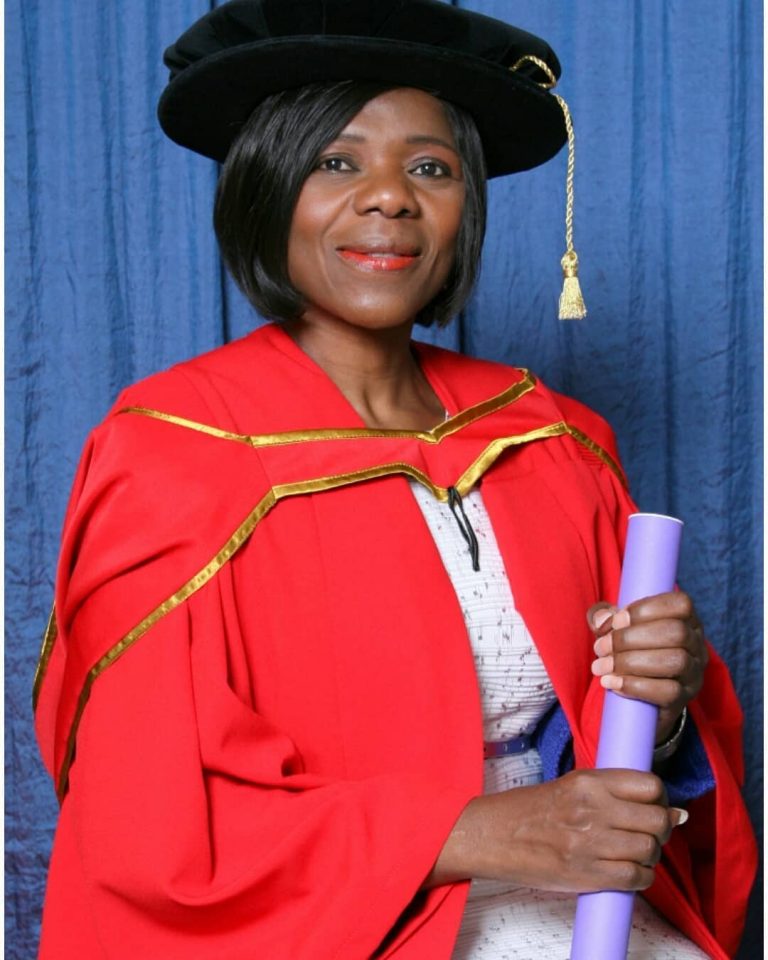
Food Security: Many Revolutions Were Started Because Of Hunger, Says Professor Thuli Madonsela

“Many revolutions have been started not because of philosophies, but because of hunger.”This stark warning about the potential impact that the Covid-19 pandemic could have on South Africa was presented by Prof Thuli Madonsela, Law Trust Chair in Social Justice at Stellenbosch University (SU) during a webinar presented by the Southern Africa Food Lab.

Hosted by Stellenbosch University’s Faculty of AgriSciences, the initiative has for the past decade brought diverse groupings and stakeholders together to seek creative responses to the problem of hunger in order to foster a thriving, just and sustainable food system.

Prof Madonsela was joined on the panel by Mr Kevin O’Brien, Group Sustainability and Risk Executive at The Spar Group Ltd to reflect on human rights, inequality and how to secure food systems. The webinar series was presented in collaboration with the Development and Alumni Relations Division of Stellenbosch University.

Both Prof Madonsela and Mr O’Brien focused on the need to build trust and to democratize decision making, along with the necessity of transparent, adaptive and collaborative governance to achieve cross-cutting coordination between different societal actors during the Covid-19 pandemic.

According to Prof Madonsela, access to food is protected in the Universal Declaration of Human Rights, as well as in the International Covenant on Economic, Social and Cultural Rights, the African Charter on Human and People’s Rights and in the South African Bill of Rights.

She warned that it implies not only the provision of enough food so that people do not go hungry, but also efforts to ensure adequate nutrition.

“Many diseases, such as kwashiorkor, are going to be experienced by increasing numbers of children. Parents get food just to fill the stomach, but this is not necessarily nutritious food,” she warned.

South Africa is one of a few countries in the world with a specific commitment to social justice, which Prof Madonsela describes as the equal enjoyment of all rights and freedoms, the just and fair distribution of all opportunities, privileges and burdens in societies or groups, and is about embracing everyone’s humanity.

“We need to think carefully about food security, and we need to beg government to democratize decision-making so that it can be all hands on deck,” said Prof Madonsela, who underlined the need for “multiple eyes” to ensure transparency in the process of issuing of tenders and to seek out wrongdoing in the distribution of food parcels, overpriced tenders and wrongful billing activities.

She mentioned that since the pandemic first hit South Africa in April, a Social Justice and Covid-19 Policy and Relief Monitoring Alliance (referred to as SCOPRA) was established to discuss policy and regulatory responses to the pandemic.

SCOPRA pointed out to government that food security is a human right, and that all policies and regulations passed should take it into account as it is part of government’s constitutional duties. SCOPRA also engaged with government on the need to democratize decision making, in particular because it is set out in the Disaster Management Act.

They’d like to see government use data analytics to predict how all policies and regulations impact on food security, even if it is not directly about food.

Decisions to close schools and stop school feeding schemes have had substantial implications for the food security of many children who relied on the one meal per day they received at school.

Government unfortunately did not follow the ideas about a collaborative, multi-stakeholder approach to decision making, and had to be ordered by the courts to reinstate the school feeding schemes.

Prof Madonsela says SCOPRA anticipated that corruption would hamper food security efforts during the pandemic, and that there would be differences in competencies.

“Again, a multi-stakeholder approach closes gaps in decision making and leverages social responsibility to make sure the right things are done.”

“Multiple eyes create transparency,” she says. “The glimmer of hope is that there are eyes, and that people are suing (the government).“

She warned that food security is about more than providing food to fight hunger, but also entails ensuring adequate nutrition. This can be hampered when food becomes unaffordable, and when there are challenges in transporting it to where it is needed.

According to Prof Madonsela, the main problem in Stage 3 of lockdown is not the creation of food per se. This might, however, at some stage become a problem if people start abandoning farming because they cannot make a profit from their endeavours.

“We either stand together, or we fall apart. As a nation we are falling apart. We need to talk,” says Prof Madonsela who advocated for a Covid-19 summit open to every business and organised by government.

“We should bring everyone to the table to agree on the way forward.”

According to SPAR’s Kevin O’Brien, a world of crisis conversations must seek to proactively build trust and democratize decision-making across the food system more than ever before.

He says Covid-19 has brought to the fore societal issues that were known to be fundamentally wrong, but to had turned a blind eye for years.

“Now it has hit us like a train without a light in a tunnel,” he said. “It has exposed the deep fragility of our food system, our corporate culture, our societal faults and governmental weaknesses. Most of all it has exposed how weak our leadership is in business, society and government.”

He asked why countries and societies never before reacted in the same drastic fashion upon issues like malnutrition among children as they have done in response to Covid-19 and surmised that the reason is perhaps that Covid-19 hits close to home for all of us.

According to O’Brien, leadership, purpose, trust, and collaboration should be meshed into the fabric of any society’s sustainable future. He believes South Africa’s complex and broken food system will need collaboration from all stakeholders to improve.

“The competitive, profit-driven ethos of traditional business often means that they struggle with the concept of the greater good, preferring self-interest as a driver,” said O’Brien, who acknowledges that  governments and community-based organisations also grapple with these issues.

He believes systems thinking and an obsession with rebuilding trust should be the basis of effective collaboration.

“Purpose lies at the heart of the change we need to make so that all people can live well in future. It’s about the why, not the how or the what,” said O’Brien.

“Poverty and every person’s right to nutritional food will never solved by CSI and charity,” he added.

He believes the issue of affordable nutritional food can only be addressed if organisations collaborate with other stakeholders, and sometimes even their competitors. He also sees no value in forming relationships with organisations and people who do not have similar purposes.

“The process will need to include acknowledgment by all stakeholders that their past actions have caused the current problems in our current broken food system,” he added.

O’Brien says that a report drafted in 2018 by the Southern Africa Food Lab and WWF-SA showed that South African businesses have an appetite to work together. One of the biggest challenges they face, however, is the “the elusiveness of government” to collaborate with private-owned enterprises.

He ascribes this to a “justifiable lack of trust” between government and the business sector, due to the legacies of apartheid and the past 10 years in South Africa.

He says that the responsibility of local food-related businesses to pursue the common good has never been greater, and needs courageous, curious and activist leadership.

“Collective commitment to collaborate to reduce their environmental impact, to create employment and to pursue inclusive economies should be at the forefront of businesses’ minds,” he added.

“It is has been challenging to get my organisation (SPAR) to believe that it has a role to play in changing the course of our future by improving the impact we have on the environment, society, and the economic wellbeing of our people. Authenticity in our marketing approach needs to be carefully evaluated as we mature into a more purpose driven organisation. Our leadership should be more skilled in the art of collaboration and understanding effective systems thinking. Transparency, empowerment and innovation need to replace secrecy, hierarchy, control and obsessive planning.”

Summing up the discussion, Dr Scott Drimie, Director of the Southern Africa Food Lab, asked, “What got us here? The underpinnings of a failing food system are hierarchies, control, planning, and exploitation by the state and private sector. We need a new, purpose-driven, transparent and inclusive approach going forward.”

(COMPILED BY UNIVERSITY OF STELLENBOSCH)