Home Blog Page 393

Schools To Close For Four Weeks: Ramaphosa

After broad consultations with expert bodies and education stakeholders, Cabinet has decided that all public schools should take a break for the next four weeks, President Cyril Ramaphosa announced on Thursday night.   

This is consistent with the advice of the World Health Organization, which argues that the best and safest way to reopen schools is in the context of low community transmission.

He said more than 6,000 people had died of COVID-19, and 408,052 infections had been confirmed.

Ramaphosa was speaking during an address to the nation on Thursday night.
“This means that schools will be closed from 27 July and will re-open on 24 August,” said Ramaphosa.

There are, however, some exceptions.

Grade 12 learners and teachers will only take a one-week break, returning to school on 3 August while Grade 7 learners will take a two-week break, returning to school on 10 August.

“Specific arrangements will be made for different categories of special schools,” said Ramaphosa.

“As a result of the disruptions caused by the pandemic, the current academic year will be extended beyond the end of 2020.”

Throughout this period, the National School Nutrition Programme will continue to operate so that all learners or their parents can collect food directly from schools.


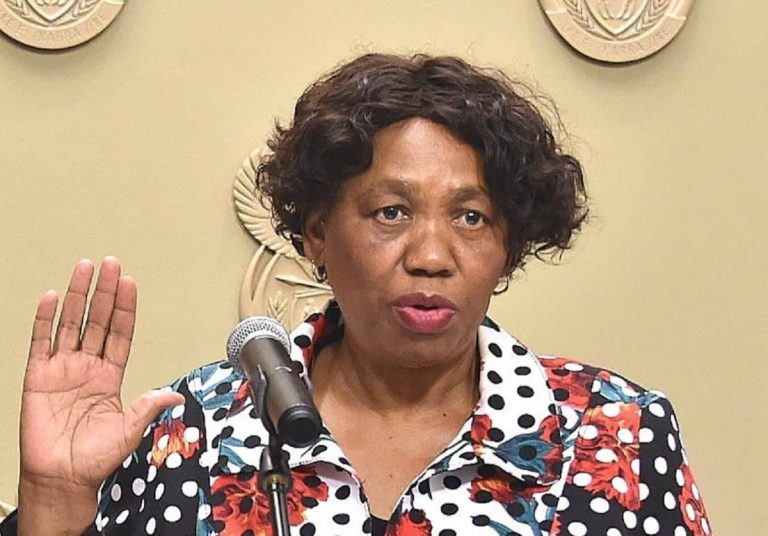
Ramaphosa said the Minister of Basic Education Angie Motshekga will provide details on the management of the remainder of the school year.

“We have taken a deliberately cautious approach to keep schools closed during a period when the country is expected to experience its greatest increase in infections,” he said.

“I am aware that this arrangement will disappoint many learners who want to be back at school and may cause inconvenience and difficulty for many families who need to make alternative childcare arrangements.”

Reacting to Ramaphosa’s address, DA interim leader John Steenhuisen said the party does not support the decision to close schools for four weeks.

“President Ramaphosa has bent the knee to all-powerful teachers’ unions, in particular SADTU, who do not have the best interests of learners at heart. This is not leadership. President Ramaphosa is behaving like a “spectator President”, taking instructions from whichever powerful interest group threatens him more,” said Steenhuisen.

“This decision is not supported by the best available evidence, it is not supported by education experts, and it is not supported by the virus data. The scientific evidence is that schools do not expose learners and staff to higher levels of risk than any other places.”

“Closing schools will have a devastating effect on children for years to come. It will make inequality in our society worse. The school year will be further disrupted and may be compromised altogether. Many learners will drop out and never return or will fall behind to the point that they can never catch up. School feeding schemes will be further compromised. Schools will be vandalized. As education is compromised, so poverty will go up, along with the suffering and loss of life that accompanies that. Let us be under no illusion: poverty kills.”

(Compiled by Inside Education staff)

40 million Children Miss Out On Early Education In Critical Pre-School Year Due To COVID-19

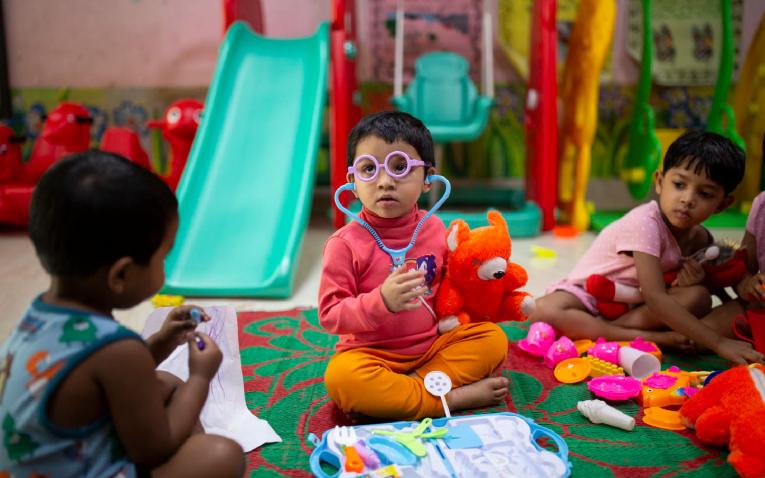
NEW YORK, 22 July 2020 – At least 40 million children worldwide have missed out on early childhood education in their critical pre-school year as COVID-19 shuttered childcare and early education facilities, according to a new research brief published today by UNICEF.

Produced by UNICEF’s Office of Research – Innocenti, the research brief looks at the state of childcare and early childhood education globally and includes an analysis of the impact of widespread COVID-19 closures of these vital family services.

“Education disruptions caused by the COVID-19 pandemic are preventing children from getting their education off to the best possible start,” said UNICEF Executive Director Henrietta Fore. “Childcare and early childhood education build a foundation upon which every aspect of children’s development relies. The pandemic is putting that foundation under serious threat.”

Childcare in a global crisis: The impact of COVID-19 on work and family life notes that lockdowns have left many parents struggling to balance childcare and paid employment, with a disproportionate burden placed on women who, on average, spend more than three times longer on care and housework than men.

The closures have also exposed a deeper crisis for families of young children especially in low- and middle-income countries, many of whom were already unable to access social protection services. Childcare is essential in providing children with integrated services, affection, protection, stimulation and nutrition and, at the same time, enable them to develop social, emotional and cognitive skills.

Before the COVID-19 pandemic, unaffordable, poor-quality or inaccessible childcare and early childhood education facilities forced many parents to leave young children in unsafe and unstimulating environments at a critical point in their development, with more than 35 million children under the age of five globally sometimes left without adult supervision.

Out of 166 countries, less than half provide tuition-free pre-primary programmes of at least one year, dropping to just 15 per cent among low-income countries.

Many young children who remain at home do not get the play and early learning support they need for healthy development. In 54 low- and middle-income countries with recent data, around 40 per cent of children aged between 3 and 5 years old were not receiving social-emotional and cognitive stimulation from any adult in their household.

Lack of childcare and early education options also leaves many parents, particularly mothers working in the informal sector, with no choice but to bring their young children to work. More than 9 in 10 women in Africa and nearly 7 in 10 in Asia and the Pacific work in the informal sector and have limited to no access to any form of social protection. Many parents become trapped in this unreliable, poorly paid employment, contributing to intergenerational cycles of poverty, the report says.

Access to affordable, quality childcare and early childhood education are critical for the development of families and socially cohesive societies. UNICEF advocates for accessible, affordable and quality childcare from birth to children’s entry into the first grade of school.

The research brief offers guidance on how governments and employers can improve their childcare and early childhood education policies including by enabling all children to access high-quality, age-appropriate, affordable and accessible childcare centres irrespective of family circumstances.

The guidance also outlines additional family-friendly policies including:

  • Paid parental leave for all parents  so that there is no gap between the end of parental leave and the start of affordable childcare;
  • Flexible work arrangements that address the needs of working parents;
  • Investment in the non-family childcare workforce including training;
  • Social protection systems including cash transfers that reach families working in non-formal employment.

“The COVID-19 pandemic is making a global childcare crisis even worse,” Fore said. “Families need support from their governments and their employers to weather this storm and safeguard their children’s learning and development.”

(Source: UNICEF)

Trevor Noah On Schools Reopening: ‘Parents Aren’t The Only Ones In Danger’

PAY attention, class: Trevor Noah is educating audiences on the potential dangers of sending kids back to school amid the COVID-19 crisis.

On Tuesday’s episode of “The Daily Show,” Noah weighed the risks of “adorable super-spreaders” bringing the virus home to their families or infecting their teachers, and joked about how pandemic concerns might alter students’ in-school interactions.

Though children appear to be less susceptible to the respiratory illness, Noah cited a study out of South Korea suggesting that minors over the age of 10 can spread COVID-19 at the same rate as adults.

“You know some parents are going to try to brag about this,” Noah quipped. “‘Little Timmy is only 13, but apparently he spreads COVID at a college level.’ … I’m not a scientist, but of course teenagers can spread coronavirus everywhere. Just think of how well they spread rumors.”

And, as Noah notes, “parents aren’t the only ones in danger here.” As the country with the most COVID-19 cases in the world debates reopening schools, teachers are also facing the reality that they might contract the virus on the job.

“Unsurprisingly, teachers all across America are not enthused at the idea of having to put their lives at risk so that little Aiden can build a baking-soda volcano,” Noah said, referencing a teachers union in Florida that has sued the state government “for ordering schools to fully open in a few weeks.”

The comedian also took a swing at wealthy families teaming up to pay private tutors to educate their kids in “smaller so-called pandemic pods” instead of home-schooling their children or putting them back in school with their classmates.

“Yes, rich people are getting private instructors because, one, they can afford it and, two, because they aren’t allowed to just bribe colleges anymore,” he quipped. “And here we have yet another way the education gap in America is going to become even wider. … If this generation comes out of school not being able to read, what jobs are going to be available to them? I mean, president for sure, but what else? So that’s where America is right now.”

(Source: Los Angeles Times)

The Economist: School Closures In Poor Countries Could Be Devastating

SUHANI, WHO is nine years old, wakes each day before dawn. She collects flowers to weave into necklaces which she flogs to drivers stuck in Dhaka’s endless traffic jams. Until recently Suhani and her sister spent their days in a crowded classroom in Nimtoli, a slum in Bangladesh’s capital.

When the country locked down to stop the spread of covid-19 their mother, a single parent, lost her job as a maid. She has been out of work since. Schools remain closed. Even if they were open, Suhani could not go. She is the breadwinner now.

Of the 1.5bn children forced out of school by lockdowns around the globe, 700m are in developing countries. Like pupils in rich countries, their education is suffering.

But the consequences in poor places will be far worse.

Before the pandemic, more children were in school than ever before, according to Robert Jenkins, head of education at of Unicef, the United Nations’ children’s fund.

In its aftermath nearly 10m children in 40 countries might never return to formal education, estimates Save the Children, a charity.

The economic impact of the pandemic has forced many to abandon their studies in favour of work. Between 2000 and 2020 the number of children in work around the world fell by 40%, mostly because more were going to school. Covid-19 is undoing that progress.

In the Democratic Republic of Congo growing numbers are helping their parents in mines, says Stephanie Shumsky of Pact, an aid group. Others are being recruited into militias. In Jordan young Syrian refugees are toiling on farms.

Experts are most worried about the effect on girls. In the handful of places that have reopened schools, such as Vietnam and the Ivory Coast, teachers say girls are notably absent. Some are getting married—or being married off. Snehalaya, an Indian NGO, says its emergency hotline has been inundated with reports of this since schools closed in March.

Handing a daughter over to a new husband means one fewer mouth to feed. With schools closed, idle daughters may strike up a romance or fall prey to sexual assault.

Working parents forced to leave their daughters at home all day alone would rather marry them off than risk the shame of premarital sex, says Girish Kulkarni, Snehalaya’s founder.

Others are falling pregnant, some after being raped by relatives or neighbours while quarantined at home, says Alice Albright of the Global Partnership for Education, an umbrella group based in Washington, DC.

While schools are closed girls are no longer in touch with teachers who might help them in such circumstances.

During the Ebola crisis in Sierra Leone in 2014, when schools were also closed, teenage pregnancies rose by between 11% and 65%, according to a variety of studies. Extrapolating from these data, researchers at Save the Children think they could rise by 25% as a result of covid-19.

The economic damage from children dropping out of school will be vast. The World Bank estimates that, if schools remain closed for five months, pupils will forgo $10trn of future earnings in today’s money.

That could rise if covid-19 is not curbed and schools stay closed for longer.

Many governments are finding it hard to get children learning again. Poorer countries face obvious disadvantages in teaching lessons remotely. In some places access to the internet is patchy. In the Indonesian capital, Jakarta, 87% of children can get online, says Nadia Fairuza of the Centre for Indonesian Policy Studies, a think-tank, but in Papua, Indonesia’s biggest province, the figure is less than 30%.

Thus the pandemic is widening the pre-existing gap between how much rich and poor children learn.

A survey last month by Datafolha, a pollster, revealed that while 74% of pupils in Brazil are participating in some kind of distance learning, often over WhatsApp, that drops to just 52% in the poor Amazonian north.

There is a similar disparity between the (poor) north and (richer) south in Nigeria, says Emeka Nwajiuba, the country’s education minister. Families sometimes respond to scarcity in ways that disadvantage girls. Parents often give the family’s only phone to their son, not their daughter, he points out.

Many parents and students are being asked to do the impossible. Francis Aruo, a 32-year-old father of five from Rumuruti, a small town in central Kenya, was told to buy a computer by his children’s headmaster. It would cost more than three times his savings.

Even if he could afford the computer, a reliable internet connection is not readily accessible in Rumuruti.

Mr Aruo can just about afford enough data to run WhatsApp on his phone; he cannot afford enough to download lessons.

Femi Odunsi, a secondary-school teacher in Lagos, Nigeria’s largest city, was trained by the state government to teach online.

But few of his students have computers and those who have smartphones cannot afford data. In Bangladesh the main remote learning is through programmes broadcast on state-run television. But only 44% of children have access to a television, according to BRAC, a big charity.

Some governments have failed even to try to help children learn from home (see map). Others have been slow to get going. Ghana’s government only launched its distance learning radio programme on June 15th, three months after schools closed.

Reopening schools is hard, too. In June only about half of poor countries said they had a plan for doing so, according to a survey by the UN and World Bank. Social distancing is tricky where 50 or 60 pupils are often packed into a single classroom. In sub-Saharan Africa less than 30% of schools have handwashing facilities.

Governments are opening many other things before schools. In Kenya revellers can hit the pub for a beer and some nyama choma (grilled meat), but the government says schools will stay closed until 2021.

In Pakistan the government has allowed madrassas, run by powerful religious groups, to open, but not mainstream institutions. Garment factories opened in Bangladesh more than two months ago, but schools remain closed. Schoolchildren and their parents lack the political clout of factory owners—or indeed, teachers’ unions, which typically resist a return to work.

They cite the health risks, which are real. Since South Africa’s schools opened partially on June 8th, nearly 800 schools have had cases of covid-19.

But teachers’ unions have also made unreasonable demands. SADTU, the biggest, opposes some provinces opening schools before others: ie, it wants all to hang back with the slowest.

Getting schools up and running will require money, which is tight. Just 8% of the poorest countries report that they are recruiting new teachers to help with reopening, compared with almost 40% of rich ones, according to the same survey by the UN and World Bank. Cash-strapped governments are more worried about boosting their already overstretched health systems. In Bangladesh’s new budget, announced last month, the amount allocated to education was unchanged as a share of GDP.

Still, some governments are making progress. Education ministries in Dominica, Grenada, St Lucia and St Vincent and Grenadines in the eastern Caribbean are working with private telecoms providers to roll out free internet for students and distribute mobile devices to the poorest. Rwanda hopes that an offer of free lunches will get children back to school. Mozambique is giving girls sanitary products. Even handing out snacks or pencils can make a difference.

Old-school learning

Experience helps. Sierra Leone used radio programming during the country’s Ebola outbreak in 2014. It was easy to reboot it, says David Moinina Sengeh, the country’s education minister. Preparation for schools to reopen started before they even shut. Mr Sengeh enlisted an army of bus drivers to ferry children, whose families had moved during lockdown, back to the villages and towns their schools were in.

He also rushed to overturn a law banning pregnant girls from going to school, offering incentives to teenage mothers to return to their studies and adding sex education classes to lessons broadcast by radio to reduce the likelihood of girls getting pregnant.

Mr Sengeh sees the pandemic as an opportunity to ensure that everyone, everywhere, gets a good education. Covid-19 has given the government the “oomph” it needs to make it happen, he says. Others could learn from him.

(Source: The Economist)

Motshekga: Cabinet To Decide On School Closures In Next Coming Days

A DECISION on whether schools will remain open or closed will be made in due course, Basic Education Minister Angie Motshekga told the National Council of Provinces during her department’s adjusted budget vote speech for the 2020-2021 financial year.

“We have tabled our consolidated report from the broad consultations to the Inter-Ministerial Disaster Management Committee, the National COVID-19 Command Council (NCCC) and Cabinet.  We will soon announce the decisions and directives of the Cabinet on whether schools should remain opened or closed,” said Motshekga.

She told the NCOP that there are divergent views on whether schools should remain open or closed.

“There are parents and there are learners who have written to me and the department saying that we should keep the schools open. There are also very strong and loud voices for schools to be closed,” said Motshekga.

Teacher unions have met with Motshekga to present their plans on the operation of schools during the COVID-19 pandemic.

The South African Democratic Teachers Union (Sadtu) said it expects a response from the government soon.

The unions are concerned about teachers and school staff infections.

The union leaders are using a study conducted by the World Health Organization (WHO) which said where there is a peak in local transmissions, schools must be closed.

Motshekga, however, argued that there that it must also be stated that there is an acceptance that schools are safe havens, particularly for the learners, from a variety of challenges. 

“These include, but limited to widening disparity in educational attainments, limited access to meals, domestic violence aggravated by economic uncertainties, drug abuse and teenage pregnancies,” said Motshekga.

(Compiled by Inside Education staff)

Oxford COVID-19 Vaccine Trial: Coronavirus Vaccine Safe, Induces Immune Response, Say Scientists

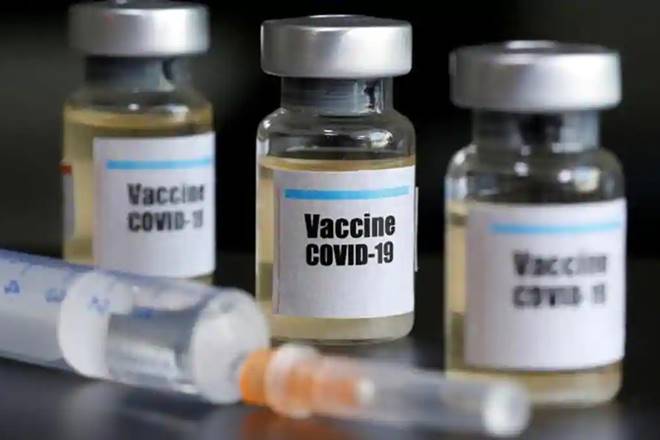
Oxford COVID-19 vaccine trial: The coronavirus vaccine created by the University of Oxford appears safe and has shown a protective immune response in hundreds of people who got the shot in an early trial, scientists announced on Monday after the first phase of human trials.

British researchers involved in the Oxford COVID-19 vaccine trial had first begun testing the Coronavirus vaccine in April this year in about 1,000 people.

Half of these volunteers got the experimental vaccine, an AP report said. Such early trials are usually designed only to evaluate the safety, but in this case, the experts were also looking to see what kind of immune response was provoked, the report added.

In the research that was published on Monday in The Lancet journal, scientists said that they found their experimental COVID-19 vaccine produced a dual immune response in people aged 18 to 55. “We are seeing good immune response in almost everybody,” Dr. Adrian Hill, director of the Jenner Institute at Oxford University, told Associated Press.

He added that the vaccine triggers both arms of the immune system, and added that it also produces neutralizing antibodies — the molecules that are key to blocking infection.

The results during the Oxford COVID-19 vaccine trial show it induces strong antibody and T-cell immune responses for up to 56 days after administering it. The report said T-cells are crucial for maintaining protection against the virus for years.

Though the findings are seen as promising, the experts still feel it is too soon to know if this is enough to offer protection as larger trials get underway. Professor Sarah Gilbert, the co-author of the study, was quoted by PTI as saying that there’s still much work to do before it can be confirmed that the Oxford vaccine can help manage the COVID-19 pandemic. She added that these early results do hold promise.

One of the top leading Covid-19 vaccine candidates in the world, the Oxford University vaccine in collaboration with AstraZeneca published the initial data and findings on the efficacy of the vaccine today.

The vaccine candidate which was one of the first candidates to have reached the clinical trial stage is undergoing the phase 3 of the clinical trials at the moment somewhere in Brazil.

Earlier this month, the makers of the vaccine named AZD1222 had said that they were enthused with the affirmative findings and result of the initial human trials. They had also said that the findings of the phase 1 of human trials would be released by the end of July. More than a 100 vaccine candidates are being developed in different countries to help the world get rid of Covid-19 pandemic. Many vaccine candidates are also reported to be in the human trial stage while some of them are at the initial stage of animal trials.

Apart from the vaccine candidate of the Oxford university, the other vaccines which show promise of an early breakthrough include United States’ Moderna Inc’s vaccine which is expected to commence the third and the final phase of human trials on July 27.

The vaccine candidate of Russia which has reportedly fast-tracked the development of the vaccine has also reportedly shown encouraging results. Earlier last week, the Russian military hospital had discharged 18 volunteers who had participated in the first phase human trial of the vaccine after keeping them under observation for close to a month.

India has also started the clinical trial of its vaccine candidate Covaxin. The first phase of the human trials will be done at AIIMS, New Delhi, AIIMS Patna and Post-Graduate Institute of Medical Sciences, Rohtak involving a total of 350 volunteers spread across the three hospitals.

AIIMS New Delhi is expected to roll out the human trials soon as it has got the approval from its Ethics committee to begin the procedure.

(Source: Financial Express)

Frustrations And Despair: Parents Share Their Biggest Back-To-School Concerns for 2020

MANY South African parents are supporting calls for the closure of schools amid the rising coronavirus infections.

They are reluctant to allow their children back into schools, saying current disinfection efforts by government are not enough to convince them it is safe.

One parent refusing to send his child back to school said President Cyril Ramaphosa’s administration has yet to make protective gear (PPE) available for all children.

Currently, SA is struggling to contain the virus, which has infected more than 364 328, with more than 5 033 deaths. 

Inside Education spoke to several parents about their fears and concerns|

NONTSOKOLO MHLOTSHANA: Free State

Nontsokolo Mhlotshana will not risk sending her two children, one in Grade R and another in Grade 8, back to school just yet.

“The school year should have been cancelled. Until we as parents can be guaranteed safety for our children,” says the mother from Botshabelo in the Free State.

“I can’t stay home for safety reasons and take my child back to the streets.  As a mother my first job is to protect my children, no, and I have no intention of taking them back to school anytime soon,” she says.

“I feel like the minister is inconsiderate and makes her decision based on what she wants to achieve and not the safety of our children. If COVID-19 is a pandemic, why should our children go back to school? Am not happy by this decision and the fact that the minister does not want to hear our plea as parents, means she doesn’t care.”

JOHN MASHIANE: Limpopo

John Mashiane, a father of two boys of school-going age, was almost shaking at the thought of his 15-year-old son, Tshepo Mashiane, who is in Grade 8 at Mosepedi High School in Lebowakgomo, Limpopo, going back to school.

The ongoing debate on whether children should stay at home or return to school during the COVID-19 pandemic outbreak has left Mashiane in a state of fear.

“These schools must just close. There is no way that our children can survive in those old ragged schools. It’s cold there and this thing [COVID-19] excels in winter. Why can’t they listen to us?” Mashiane asked.

His seven year old son, who goes to Hwelereng Primary School, throws a tantrum every morning because his parents do not want him to go to school.

“He doesn’t understand. He wants to go to school to play. That’s why I want him to remain home he cries,” adds Mashiane.

KHULISO MUSUBI: Limpopo

Limpopo mother Khuliso Musubi has decided that she won’t allow her eight-year-old son to go back to school.

“He’s currently doing Grade 2. I feel like he doesn’t understand or will be able to follow the rules of social distancing especially in the transport taking them to school, washing hands, as I know even at home we have a problem of having to remind him every time,” says Musubi, whose son attends Mungomani Primary in Nzhelele, Limpopo.

She feels that teachers won’t be able to manage or look out for every child and putting on a mask the whole day for the little lad would be a challenge.

She also fears that if her son contracts covid-19 he may infect his 60 year old caregiver with dire consequences.

“I have choose to save his life and of his grandmother; I know the foundation phase is important in his life but if it means he has to repeat the grade next year its ok than to lose him.”

NELISWA CHEMANE: KwaZulu Natal

For Neliswa Chemane, deciding whether to send her 12-year-old daughter back to school was met with mixed emotions. Her daughter is in Grade 7 and she believes this was a critical phase in her education life and will determine her future. 

“At the moment I’m undecided because I feel if she doesn’t attend classes she won’t be able to achieve good marks. I had planned to apply for high school scholarships in some of the prestige schools in the province. So this confusion going on will certainly affect her chances of attaining the scholarship,” said Chemane, whose daughter attends the Siyabonga Senior Secondary in Durban’s Ilovu Township, KwaZulu-Natal.

She said the distressing and disturbing situation had also been compounded by the mere fact that her daughter is asthmatic and she fears sending her to school will render her vulnerable to COVID-19.    

“So we are now exploring the home schooling method. But the system itself poses challenges because there is no clear process from the provincial department of Basic Education as to what process to follow in order to apply for home schooling,” she added.

CHRISTINE BAME: Gauteng

Christine Bame is the mother of Thato Bame 17 year old Grade 12 learner at Westridge High School, and Kgotatso Bame Grade 2 at Spark School.

“Honestly I’m not comfortable at all with the whole thing. This virus is spreading so fast and right now lot of teachers are reporting that they are positive. You as my child might assure me that you grown-up and that you will be able to adhere to the rules (Washing hands, sanitizing and wearing your mask all the time) but reality is when you see your friends, you’ll gonna hug and kiss. I would rather my child repeat a grade than me having to bury my child.

I would opt for home schooling I don’t mind buying data for my child to get home work or even attend a class online daily… he government officials have meetings online not parliament but schools are open.”

“We need to apply our minds on some situations… I feel Angie has failed our educators. I am not happy with at all with not just you, but every child out there going to school, I would advise them to consider online tutoring for those that can afford or even assist learners with computers and data that is strictly to be used for attending classes online. The union needs to stand up for our learners and I strongly support them with their recent protect against teachers and schools opening and dying due to COVID-19 while nothing is being done.”

(Reporting by Inside Education staff)

Tug-of-war Looms Over Immediate Shutdown Of Classrooms

INSIDE EDUCATION DEBATE|

Top unionists divided over calls to close schools

MANDLA MTHEMBU: AGAINST CLOSURE OF SCHOOLS

THE National Alliance of Independent Schools Associations (NAISA) is in favour of schools continuing to open as planned. Our reasons for this are the many risks attached to children not attending school. It must be noted that NAISA serves a broad spectrum of independent schools Associations and some of these Associations serve both Independent and public schools.

As a result, NAISA is aware of the challenges facing both these sectors (Public and Independent).

The costs of school closures are well documented with research from around the world. The scientific research on the effect of COVID-19 on children is also well documented especially the fact that it has a negligible impact on children’s physical health if at all.

We acknowledge the high level of teacher anxiety and stress during this time but are concerned that these may overshadow the best interests of the child.

Children’s well-being, protection and education are at grave risk from COVID-19.

Parents/caregivers who need to return to work need safe places for children, who without school, might be left alone at home further exposed to risks of exposure to COVID-19, abuse and neglect.

Social issues faced by children during lockdown are increased hunger leading to malnutrition – the major strides made by the National School Feeding scheme did much to alleviate this.

We cannot afford for this to be lost.

Furthermore, the recent NICRAM research has highlighted the dire food issues facing South Africa.

School meals assist in providing some food for children who are going hungry at home because many parents are either unemployed or have reduced income.

Other risks include children being abused both physically, psychologically, and/or sexually by family or community members, being exposed to gender-based violence and the results of parental/caregiver substance abuse, i.e. drunkenness (alcohol abuse).

During lockdown children are known to experience loneliness, depression and to turn to substance abuse themselves, misbehaviour as well as the overuse of social media.

The latter can hamper face-to-face communication and further create social problems.

A health issue related to school closure is the break in immunisation.

Immunisation usually takes place at school.

This can lead to further outbreaks of diseases prevented by immunisation.

Resource and Facilities issues include the lack of water, toilet facilities and PPE material running out (i.e. sanitisers) and not replaced at some public schools. This has hampered reopening in some cases.

The limited classroom space for social distancing, the numbers in grades and the small classrooms mitigate against social distancing – in fact, it is an impossibility for some schools.

How can schools reopen with these challenges?

This may need a different approach in overcrowded schools.

Catching up on academic learning is essential.

The gap between the well to do and poor schools in our education system has been exacerbated by the fact that the well to do schools are able to provide online learning and resources.

The rural and under-privileged schools have not been able to provide online learning because of the lack of resources for such and, leaving these learners further compromised, possibly not able to catch up at all this year.

We must acknowledge that some teachers at these schools have used social media (i.e. WhatsApp and Facebook) to keep contact and to encourage learning but that has not been effective.

While platooning has been suggested for schools to overcome the crowing mentioned above this further reduces time on task.

Matric Students Preparation for the final NSC examination is also in danger of being derailed by any closure of schools.

We cannot afford to lose the academic year as this would have a cascading impact on the entire value chain and throughput in the education system impacting even tertiary institutions’ ability to accommodate new intakes next year.

There is a lost at stake for matric learners writing the high stakes examination at the end of this year when you consider the investment already made by parents and the Department of Basic Education in this academic year.

The whole year would almost become “a fruitless expenditure” for lack of a better description.

URGENT MATTER: The Return of foreign learners to South Africa – Mostly Matric Students

ISASA has around 1 179 learners from countries outside of South Africa (SA). These learners need to return to SA urgently. Majority of these are matric learners who need to prepare for and write the matric examination. The challenge is that currently borders are closed.

ISASA has been in contact with the Departments of Health and Home Affairs since 12 June 2020 trying to seek guidance on the return of these learners to SA and on quarantine procedures to be followed.

Parents of these children have stated that they are uncomfortable with their children being quarantined at facilities unknown to them and would like schools to quarantine them.

We were told by the Department of Health (DoH) that schools that can quarantine learners may do so at their own boarding facilities. All our affected member schools have set up quarantine facilities at their boarding houses or nearby accommodation.

These schools have been waiting for the DoH to inspect these facilities and give them approval.

ISASA has submitted to the DoH names of the learners outside of SA, together with all the relevant information required.

On 14 July 2020 we received an email saying it would be advisable for ISASA to engage directly with the Department of Basic Education on this matter of bringing these learners back.

We appeal to the Minister to assist in facilitation of these learners back.

As indicated above, schools have quarantine facilities ready to receive these learners.

All these issues require focused planned psychosocial support mechanisms especially for school leadership who bear the brunt of the COVID-19 challenges and requirements.

Financial Constraints are being experienced by both independent and public schools, especially the public schools with governing body posts for teachers and support staff, i.e. Model C schools.

Unlike public school teachers both independent school teachers and SGB teachers are paid from school fees.

Many parents stopped paying fees as soon as schools closed placing independent schools in a precarious position.

School fee payment are currently at an average of between 25% depending on the Schools’ quintile category.

Salary cuts and retrenchment of teachers: The middle and low fee independent schools have had to cut teachers’ salaries as well as retrench staff at a time when teachers are more needed than ever.

This is not the case for public school teachers who continue to enjoy the full benefits whether at work or not.

Unfortunately, it is not the case for independent schools teachers who have had to come face to face with unemployment and increasing the unemployment /UIF line in our country.

School Subsidies – It is vital that subsidised independent schools receive their subsidies timeously as there are no funds to which schools can apply to for COVID-19 relief. It is important to assist these independent schools to source COVID-19 relief funding.

COVID-19 Special Relief Fund for Schools – We are of the view that Government could explore the setting up of a COVID-19 Relief Fund for Independent Schools that are struggling and qualify in terms of prescribed criteria to receive such a bail out from government. Such a fund could take the form of what has been done for the Taxi Industry or SMMEs who have had over a billion rand each set aside for COVID 19 relief funding.

Possible closure of Independent Schools – Independent schools are most grateful that they were able to deviate in the opening of the schools as some parents then paid fees but not as much as is needed. There is a very real danger of independent schools closing leaving the state to pick up even more learners.

We are seriously concerned that the focus on schools in the pandemic landscape is masking the reality of non-compliance in society generally.

ABOUT THE AUTHOR|

(Mandla Mthembu is the Chairperson of the NATIONAL ALLIANCE OF INDEPENDENT SCHOOLS ASSOCIATIONS)

COVID-19 Is An Opportunity For South Africa To Review And Strengthen Remote Online Training Capacity

THEBE MABANGA

THE latest consultations between the Department of Basic Education and teacher unions over whether schooling should continue and in what form was always going to be contentious.

The call by unions for schools to be closed is both commendable and understandable. But a question that has to be raised now is whether this crisis should not have been used as an opportunity to introduce minimal contact, remote learning and teaching in South Africa’s public schools.

The sad reality is that the time for exploring this method may have been lost. Public schools closed in the middle of March when the National State of Disaster was declared, even before the National Lockdown.

During April, the government’s scientific advice already indicated that the peak of infections may be reached around August and from that point the option of remote teaching until at least September should have been looked into.

The first problem appears to be that the urge to reopen schools is less about the provision of education than it is about control. It is pressure transmitted from the economic sectors to open factories.

This requires children to return to the classroom for parents to go back to their factory and domestic worker jobs, which requires children to be in a classroom at least for a part of the day.

For if the primary concern was the delivery education, a solution would have at the very least, have been thoroughly investigated. Independent schools have largely carried on teaching and learning through online learning, which is a techno-centric education delivery method that would be hard to replicate in a public schooling system with 30 000 schools catering for 12.5 million children across a diverse range of income levels.

But schools the world over are having to adapt to alternatives methods of delivery beyond COVID-19.

Remote learning may be a permanent feature of schooling as disruptions may be caused by localized factors such as inclement weather, strikes load shedding or temporary closure of a school in order to fix infrastructure.

COVID-19 requires everyone to be adaptable.

What needs be explored for a public schooling system is to have minimal contact remote learning where guardians and elder learners can come to school once a week, with health protocols in place, to drop off work and pick up newly prepared work packs for learners to complete at home.

There can be scheduled, half-hour consultation sessions with teachers for individuals or small groups.

These can then be complemented by low cost technological solutions such as WhatsApp on a basic smartphone.

The Department of Basic Education would have to carry the cost of this rollout using reprioritised spending in the supplementary budget.

Some private sectors companies already provide education resources for free, including no data cost.

These can be scaled up and replicated to district or provinces where they are not currently available. There are many obstacles to the delivery of this solution, including the absence of an elder with a capability to supervise schoolwork in some households or absence of a person to make the weekly trip to fetch and collect work form school.

Some people may cite distance to and from school in cases where learners use subsidized scholar transport under normal circumstances.

But the provision of quality education, whether public or private, is a function of resources. But it is also about the dedication from teachers, learners, and parents.

What COVID-19 may force us into is a shift in the degree of responsibility between each of these and parents have to shoulder an increased proportion of that responsibility.

The delivery method may also work better for affluent suburb public schools as well as township schools within in densely populated areas.

It might not work so well in urban areas or rural schools.

But the first step to begin with is to assess in which district is the model viable and where it is not.

The model can be implemented where circumstances permit and refined where there are delivery gaps, but there will be general progress in schooling.

If the two parties cannot reach an agreement on remote teaching and learning then the question reportedly posed by the minister of whether teachers should continue to be paid becomes a fair and pertinent ones since other civil servants, from health workers, police, social services and even clerks in government offices that offer non-core functions are working at a risk of exposure.

Teachers may be right to call for schools to close, but they have to offer solutions if they are to continue to enjoy their livelihood.

South Africa: More Than 600 000 Children With Disabilities Must Be Part of Nation Building

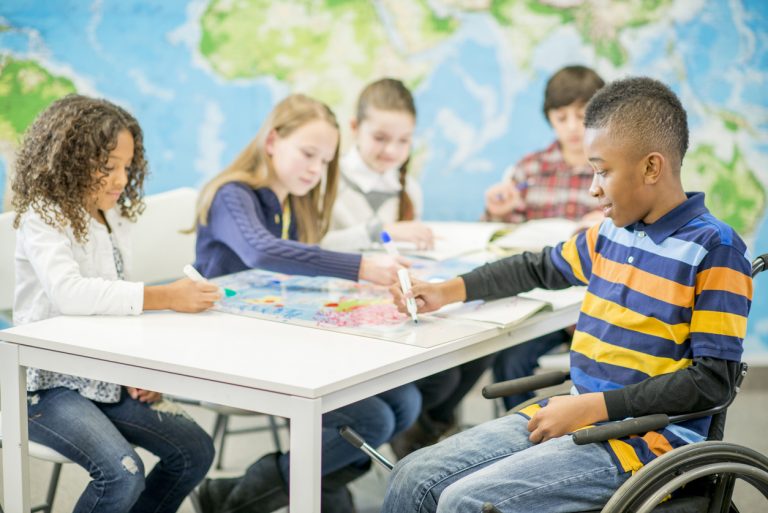
THE Human Rights Watch estimates that 600 000 South African children with disabilities were not at school last year, an indictment on our society which needs every child to participate in nation building, University of Cape Town (UCT) Vice-Chancellor Professor Mamokgethi Phakeng said.

Phakeng was delivering the introductory address on the first of the two-day Teaching Empowerment for Disability Inclusion (TEDI) symposium webinar. This was held virtually on 15 and 16 July.

The TEDI project in the Division of Disability Studies in the Department of Health and Rehabilitation Sciences, in the Faculty of Health Sciences, is a partnership with Christoffel-Blindenmission (CBM) and co-funded by the European Union (EU). Associate Professor Judith McKenzie is head of the division and TEDI’s principal investigator. The project works in close partnership with the universities of the Witwatersrand, Johannesburg and Pretoria; national and provincial education departments; special schools; and NGOs.

The webinar brought together teachers, disability activists, parents, government, academia and representatives of the EU and CBM. Among the participants was new UCT Council member Marlene le Roux, an advocate for disability rights.

Protests all about inclusion

Recent protests around the world, such as Black Lives Matter, were all about inclusion, Phakeng added, “disrupting old systemic attitudes and dismantling prejudices”.

“They’re about including people who have been marginalised in one way or another. Inclusivity means opening up minds and hearts across society, to bring lasting transformation to the ways we relate to each other.”

She said that TEDI worked to achieve the same goals for children born with disabilities and that the country’s poor record in achieving this was out of line with the United Nations Convention on the Rights of Persons with Disabilities, as well as our Constitution and the goals of the Education White Paper on Special Needs Education: Building an Inclusive Education and Training System.

Figures from the Department of Basic Education show that 24.6% of people with disabilities aged 20 and above had either no schooling or only some form of primary schooling, Phakeng said.

“Like all children, they need education,” she continued, citing the United Nations Educational, Scientific and Cultural Organization’s 2020 Global Education Monitoring Report. This states that children with disabilities are particularly at risk of exclusion from education.

“To help children with disabilities interact with society and culture, teachers and parents need to be empowered.”

“To help children with disabilities interact with society and culture, teachers and parents need to be empowered to help them live and grow in schools and the wider community,” said Phakeng.

Education focused on inclusivity

Phakeng was a teacher herself and knows the importance of inclusivity in education. She began her career in the Department of Education and Training as a mathematics subject advisor and developed in-service training programmes with senior primary mathematics teachers. She also taught mathematics in high school. In 2008 she co-chaired a study on mathematics and language diversity, commissioned by the International Commission on Mathematical Instruction, and was the first black South African researcher to do so.

To ensure their resources are widely available, TEDI has developed short, face-to-face courses and accompanying massive open online courses (MOOCs) for educators, focusing on: disability studies in education; the education and care of learners with severe to profound intellectual disabilities; teaching learners with visual impairment; and teaching learners who are deaf or hard of hearing.

“And in South Africa, enrolments for these MOOCs had surged since the onset of COVID-19.”

Phakeng said these online courses had reached more than 8 700 people in countries as diverse as the United States, India, Canada, the Philippines, the United Kingdom, Australia, Mexico, the United Arab Emirates, Egypt, Singapore and Russia. And in South Africa, enrolments for these MOOCs had surged since the onset of COVID-19.

Accredited research unit

The vice-chancellor said that UCT would continue their work in the field through an accredited research unit, Including Disability Education in Africa (IDEA). This will provide in-depth analysis of TEDI’s data on teacher empowerment, disability inclusion, and the overall landscape of teacher education to support disability inclusion.

IDEA will also conduct comparative studies of inclusive education in the global south, largely driven by research students from other African countries, building capacity across the continent.

Following on, Dr Moses Simelane, chief director (curriculum implementation and monitoring) in the Department of Basic Education, said the department had been guided by Sustainable Development Goal 4. This provided strategic direction for education systems around the world, aiming at inclusive and equitable quality education and lifelong opportunities for all.

In South Africa, this means developing teachers in the use of inclusive practices and ensuring they’re able to provide differentiated approaches to education that include children with disabilities.

“At basic education [level] we need to develop an inclusive education system that will contribute towards the development of skills, knowledge and practices for individuals with special education needs.”

The department had worked closely with McKenzie and her team over the years to develop a teacher education programme that would empower our teachers to accommodate diverse learners in the classroom. This included special care centres for learners with severe to profound intellectual disability.

Simelane said that UCT’s MOOCs had been invaluable in helping teachers and caregivers around the country access resources during the COVID-19 pandemic.

The aim, he said, was to ensure that no child is left behind.

(Source: UCT)