Home Blog Page 397

Government To Decide On Closing All Schools In South Africa: Report

South Africa’s five major teacher unions have called for the immediate closure of all schools as coronavirus cases continue to surge.

This, they said, must apply to all grades until the end of August, which is when Covid-19 infections are expected to peak, the Sunday Times reported.

The unions said in a proposal document, that matric students should return on 17 August and that these students should be assisted in various ways while learning from home.

Other grades should only return at the end of August, subject to a review based on the development of the virus, the unions said.

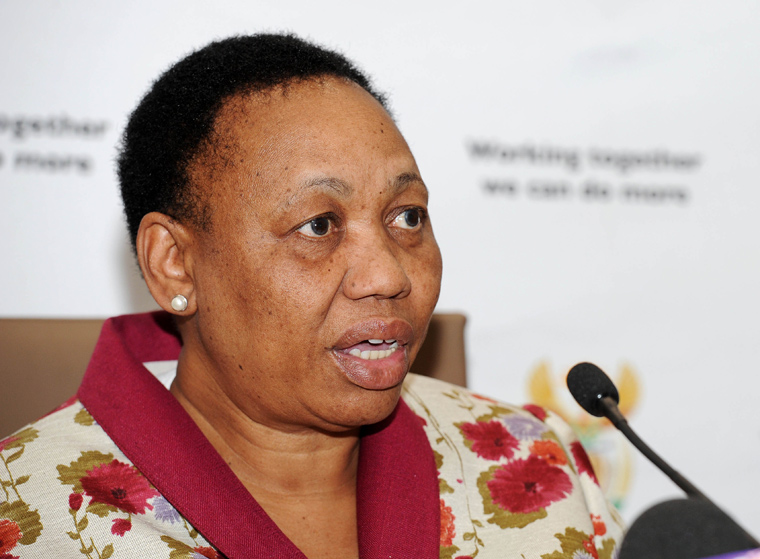
Basic Education minister Angie Motshekga will now discuss these proposals with the cabinet, the paper reports.

Education spokesperson Elijah Mhlanga confirmed to the Sunday Times that a meeting of the Council of Education Ministers took place on Saturday (18 July). He said the the ministers’ engagement will be ‘announced in due course’.

“We wish to reiterate that it is the cabinet that will make the decision on whether schools close or remain open,” he said.

Minister Motshekga said this week that around 16,000 teachers have comorbidities, putting them at greater risk should they contract Covid-19.

(Source: BusinessTech)

High Court Orders Basic Education To Resume Schools’ Feeding Scheme For 9 Million Vulnerable Learners

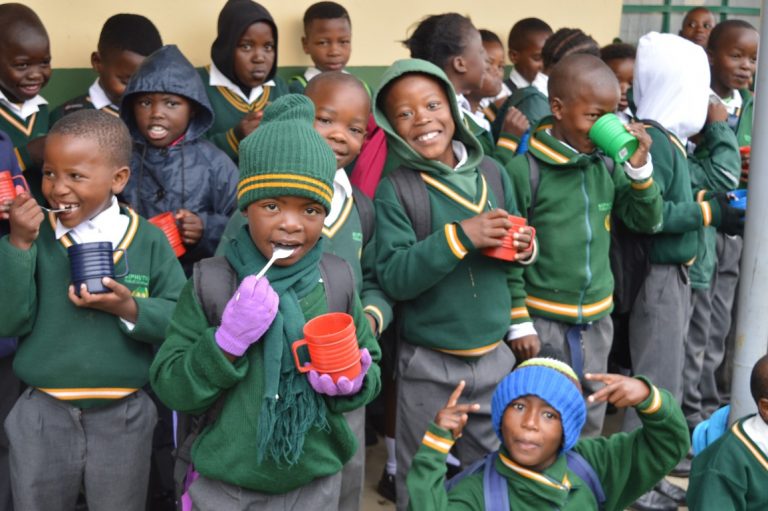
THE Pretoria High Court has ordered the Department of Basic Education (DBE) to resume school’s nutrition programme to nearly 10 million eligible learners with immediate effect, regardless of whether they are back in class.

The matter was brought before the court by Equal Education, Section-27 and two Limpopo school governing bodies.

The applicants argued that the COVID-19 induced national lockdown did not serve as a basis to deprive pupils of their right to nutrition.

There had been mounting concerns that the lockdown period, and the consequent closure of schools exacerbated hunger among children in the country who received their only daily meals at school.

The school feeding scheme was suspended when schools shut down in March, and since that time the Department of Basic Education has failed to honour the promises it made to reinstate the programme and to ensure learners would not go hungry.

Equal Education and the two Limpopo school governing bodies were represented by Equal Education Law Centre and SECTION27, and counsel Geoff Budlender SC, Tembeka Ngcukaitobi SC and Thabang Pooe.

“We celebrate this victory for the over nine million learners in South Africa who depend on the NSNP for a nutritious meal every day, and for the many learners and caregivers who put their testimonies before the court,” the parties said in a joint statement. 

“We welcome the judgment for its recognition that the constitutional rights to basic nutrition and basic education are interdependent, and celebrate this as a victory not only for over nine million learners, but for the millions of households whose food security has been gravely compromised due to the Covid-19 necessitated lockdown. For learners to receive meals at school will ease the strain on caregivers – many of whom have lost their income and are struggling to put food on the table.”

The judgment also, in a supervisory interdict, ordered Motshekga and the Education MECs of eight provinces to file detailed plans and programmes for the resumption of the NSNP to all eligible learners within 10 days. Thereafter, the Minister and the MECs will be required to file updates with the court every 15 days to prove that the plans to provide meals to learners are actually being implemented.

In her judgment, Judge Poterrill reflected on the centrality of basic nutrition and the violation of learners’ rights in this regard: “Children are categorically vulnerable, poor hungry children are exceptionally vulnerable. The degree of the violation of the constitutional rights are thus egregious.”

(Compiled by Inside Education staff)

COVID-19 School Closures In South Africa And Their Impact On Children

SERVAAS VAN DER BERG

WHEN the new coronavirus rapidly spread across the globe, evidence of its effect on children was still scanty and closing schools seemed the responsible thing to do.

Now that there is more evidence, my colleague Nic Spaull and I have investigated whether the gradual reopening of schools in South Africa is in the best interest of children.

We drew from many data sources and paid greatest attention to the accumulating evidence on the age patterns of infection and mortality around the globe.

The mortality risk for children of opening schools is low

Using StatsSA data for 2016, “regular” mortality risk in South Africa ranges from a 1-in-1,000 chance of dying aged 0-19 to a 1-in-7 chance for those aged 80 and older.

The most pessimistic scenarios for deaths from COVID-19 range up to 48,000 in 2020, considerably fewer than the 435,000 annual deaths in South Africa from “regular” causes.

Applying the Western Cape province’s COVID-19 age fatality distribution, we projected COVID-19 mortality for 2020 by age under the most pessimistic scenario. The risk of death from COVID-19 in 2020 ranges from a 1-in-76,878 chance (0.001%) for children under 19 years old to a 1-in-94 chance for those aged 80 and older.

Evidence from US schools and crèches that remained open during the lockdown for children of essential workers shows that infection rates of such children and teachers were not significantly higher than normal. Since our paper was written, both the American Association of Paediatricians and the South African Paediatric Associations have come out in strong support of reopening schools. The latter cites “mounting evidence” that transmission of the coronavirus by young children is uncommon, partly because they are less likely to contract it in the first place.

So after determining that the risks of schools reopening are extremely small for most children, it is worth considering the costs of continued closure of schools.

The costs of school closures

Even before the lockdown, 2.5-million children experienced hunger and almost a third of children who died were severely malnourished. Rapid surveys by StatsSA and the Human Sciences Research Council show increases in hunger since the lockdown, since many workers lost their income and children no longer received free school meals.

Recent international reviews show that lockdowns, school closures and natural disasters raise levels of substance abuse, depression, fear, loneliness, domestic violence and child abuse. Financial worries add stress to many households, raising levels of emotional exhaustion, depression and anxiety.

Recent surveys in many countries have shown that children are at higher risk of lasting psychological distress, including depression. For instance, after one month of school closures in Hubei – a province in Central China – a quarter of children between the ages of eight and 12 years old showed symptoms of depression.

By early August, South African children will have lost between 30 and 59 days of school, depending on their grade. It appears that many will attend only half the school days in the second half of the year because of how schools implement social distancing.

Teachers will not be able to complete the curriculum, leaving many gaps in children’s education. Poorer learners and schools are least able to catch up. International research shows that such learning losses could have lasting implications, even stretching into the labour market and affecting lifetime earnings.

Re-opening the economy while schools remain closed increases the risk of children being left home alone. If all employed workers returned to work, more than 2 million children aged 0-15 years would be left without an older sibling (15 years+) or an adult caregiver.

Of greatest concern are that almost one million children (974,000) below age six have no other adult caregiver except a working parent. Thousands of these children could be left home alone if their employed caregiver was forced to return to work to sustain the family. Even though most sectors of the economy have re-opened, early crèches and day-care centres remain closed.

Going forward

Reviewing the data on class sizes in South Africa in conjunction with government regulations and the spatial realities of South African classrooms, it’s clear that at least half of South African learners will not be able to practise social distancing within a classroom.

Teaching big classes outdoors would be difficult even without weather considerations.

Given that COVID-19 mortality risk is very low compared to regular mortality risk, and virtually non-existent for children, the Department of Basic Education should acknowledge that it’s not feasible for most South African schools to practise social distancing within the classroom. But it should require mask-wearing for older children and social distancing on the playground.

It’s our view that we should no longer keep children out of school.

The profound costs borne by children and families will be felt for at least the next 10 years.

ABOUT THE AUTHOR|

Servaas van der Berg Professor of Economics and South African Research Chair in the Economics of Social Policy, Stellenbosch University.

(Source: The Conversation)

University Of Cape Town Appoints New Members Of Council

NYAKALLO TEFU

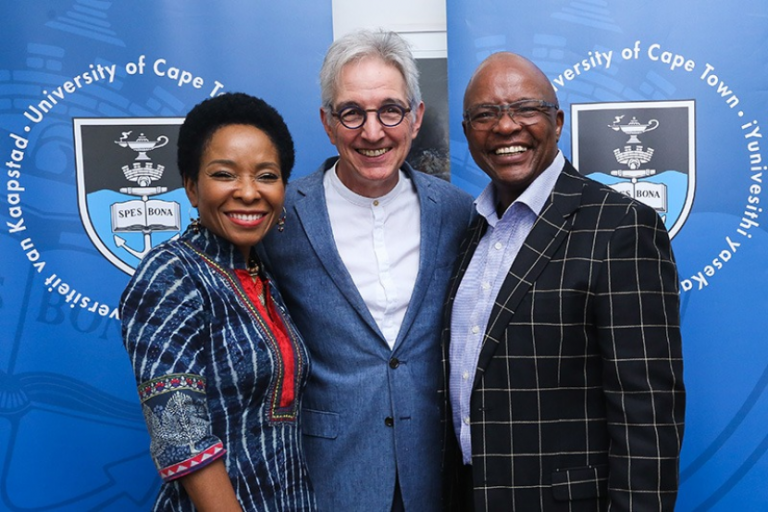
The University of Cape Town has appointed a new council made up of an all-women team described by its Vice-Chancellor Mmamokgethi Phakeng as “historic”.

Babalwa Ngonyama has been elected the chairperson of the new UCT Council and Nazeema Mohamed her deputy.

A meeting of the new Council of the University of Cape Town was convened on July 1 2020.

The Council, constituted in terms of a revised institutional statute as gazetted earlier in 2020, welcomed continuing and new members.

In a statement, Ngonyama said the Council’s most immediate task was to elect office-bearers to chair the key governance committees of the university.

“Each of us has had the benefit of having served on the previous Council, and with the support of the full Council, continuing and new members alike, we are confident that our governance body is well-placed to fulfill its obligations to the University over the next four years,” said Ngonyama. 

The council also elected other members of the new council constituted in terms of a revised institutional statute as gazetted earlier this year. 

Ngonyama said being a new governing Board, the Council has the opportunity to start afresh, to restate its commitment to the mission of the university and to support the members of the university executive in their leadership and management of the university.

“The Council is aware of the many past and more recent successes of the university, and the collective contributions of the Vice-Chancellor and her senior executive team in leading and managing UCT during these extremely demanding times,” added Ngonyama.

The new council will also look at an explosive report by Ombud Zetu Makamandela-Mguqulwa into the leadership style of University of Cape Town’s vice-chancellor (VC) Mamokgethi Phakeng.

Makamandela-Mguqulwa last week lashed out at Phakeng and other executives in her 2019 annual report published on the ombud’s website.

“The Council has noted the UCT Ombud’s report for 2019 which has resulted in various reports in the media. The Office of the Ombud is an independent office that reports to Council. As such the decision to release such a report is the responsibility of the Council. Due process was not followed in the release of this report which is deeply regrettable. As the new Council we are committed to ensuring that the institutional mechanisms to safeguard the integrity of the University’s processes are strengthened with due respect for the principles of administrative justice and protection of the rights of all concerned,” she said.

(Compiled by Inside Education staff)

Motshekga To Meet All Basic Education Stakeholders Amid Calls For Schools To Be Shut Down

NYAKALLO TEFU

BASIC Education Minister Angie Motshekga is expected to meet education stakeholders to discuss the devastating impact of COVID-19 on schools and the education system in South Africa.

In a statement issued on Wednesday, Motshekga said consultations will be concluded on Friday.

“The purpose of the meetings will be to obtain input on the issues regarding the peak of the COVID-19 pandemic as it relates to schools,” said Motshekga.

On Tuesday, the South African Democratic Teachers Union (SADTU) called for schools to be closed during the peak of the COVID-19 infections. 

The teachers union said the health and safety of educators and learners is at risk as the coronavirus peaks, but called for remote learning and teaching to continue online until the peak is over. 

SADTU’s general secretary Mugwena Maluleka insisted: “If we lived in an equal society, we would call off the 2020 academic year. However, that would be unfair for learners from poor backgrounds as independent schools are continuing with schooling.”

Basic Education said it was not the department’s initial plan to meet with SADTU as earlier reported in the media.

“We wish to clarify that the Minister had no planned meeting with SADTU in particular but has made arrangements to meet with all key stakeholders that include school governing body associates and civil society that operate in the basic education sector,” it said.

The department added that engagements will inform the minister’s proposals to the Cabinet at the weekend.  

“Once all the engagements have been concluded an announcement will be made. We wish to restate that the decision to reopen schools was taken by Cabinet after extensive consultation which culminated in the phased approach to the resumption of duty in the sector.”

Schools remain open until further notice, said the department.

(Compiled by Inside Education staff)

Teachers Union SADTU Demands Closure Of Schools Until After COVID-19 Peak

NYAKALLO TEFU

THE South African Democratic Teachers Union (Sadtu) on Tuesday called on Basic Education minister Angie Motshekga to shut down schools as the country approaches the long-feared coronavirus storm. 

The call was made following a special meeting by the union’s national executive committee (NEC) to discuss the spread of the virus at schools across the country.

The union’s general secretary Mugwena Maluleke said Sadtu has called for an urgent meeting with Motshekga, failing which the union would have no choice but to take action against the minister.

“Many people have gone to court and failed. We know what action to take to get through to the minister without going to court. The court will be the last resort,” said Maluleke after the union’s special national executive committee meeting on Tuesday.

“The situation is dire. We as an organisation cannot continue to send messages of condolences to families. The rate of community transmissions are impacting on schooling.”

Maluleke said the teachers union is calling for interactive radio and TV lessons during school closures.

“We also encourage the use of education apps where content is verified; these are some suggestions we are proposing during school closures,” said Maluleke.

The union said learners and teachers can also make use of apps such as Whatsapp to continue with studies.

“Learning must not stop when schools are closed, we need to perfect other platforms in terms of blended learning, we have to train teachers to be able to use these specific platforms, this is a long-term solution because of the pandemic we are facing,” said Maluleke. 

This call for online learning comes after unions rejected it when the lockdown started in March, saying some learners will be left out due to their socio-economic backgrounds. 

However, SADTU has taken an about-turn, saying this is because it is being predicted that the pandemic may still be around in two years and long-term solutions are vital.

“We are working with a number of institutions including of health, we are told the pandemic maybe for two years and in South Africa, it maybe 3-5 years because we aren’t so privileged. So, we need to find long term solutions to move forward,” said Maluleke. 

The union said unfortunately it cannot call for the academic year to be cancelled because the country is not equal. 

“If we were living in a country of equality, we would declare the academic year over, but we are not. Independent schools are continuing with schooling and that means public schools from poor backgrounds will not have children continuing with their education,” said Maluleke. 

The union said they have not set a date to meet with the minister.

However, this will be done urgently.

Sadtu urged its members to continue going to school until they are advised otherwise by the teacher union. 

“We are not a lawless society. We are not saying we must stay home immediately. We will engage the Minister first before going forward,” said Maluleke. 

(Compiled by Inside Education staff)

Lindiwe Zulu: 1 400 ECD Centers Verified To Re-Open

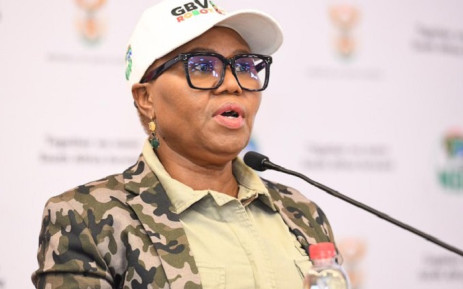
SOCIAL Development Minister Lindiwe Zulu says only 1 400 of over 18 000 Early Child Development (ECD) Centers are ready to re-open. 

Zulu briefed the media on Monday, saying the ECD centers met the criteria and have been verified by government to open. 

ECDs have to follow regulations and directions on safety protocols such as screening, sanitising, disinfecting, wearing masks for children over two years, and social distancing.

“The Department of Social Development has gazetted regulations on the re-opening of ECD centres,” said Zulu. 

Zulu said the Department says so far 18 632 facilities have done self-assessment through filling forms provided on the department’s website. 

“Only over 1481 centers have been verified by government,” said Zulu. 

(Compiled by Inside Education staff)

Teacher Unions Lambast Ramaphosa For Failing To Address School Closures Despite COVID-19 Storm

INSIDE EDUCATION REPOTERS

TEACHER unions have lambasted President Cyril Ramaphosa for failing to address school closures during his live address on Sunday night despite raising concerns about the skyrocketing and alarming rate of infections in COVID-19 cases.

During his address, Ramaphosa announced the reintroduction of a number of lockdown restrictions as the country grapples with rising coronavirus cases, saying the COVID-19 storm “is far fiercer and more destructive than any we have known before.”

The unions have slammed Ramaphosa for failing to deal with school closures once and for all, saying they have gathered new evidence that shows that schools in South Africa shouldn’t be allowed to reopen because it is now clear that the pandemic is not under control.

The SA Democratic Teachers Union on Tuesday called on Basic Education Minister Angie Motshekga to close all schools until after the COVID-19 peak.

“The situation is dire. We as an organisation cannot continue to send messages of condolences to families. The rate of community transmissions are impacting on schooling,” said Maluleke after the union’s special national executive committee meeting on Tuesday.

Since the reopening of schools in June 2020, more than 200 schools have been forced to close after 2 740 teachers and 1 260 learners were infected by the virus.

The Educators Union of South Africa (EUSA) said the major outbreaks at schools were now inevitable because the virus was at its peak as earlier predicted by modellers and scientists, and that there was a likelihood that more learners, teachers and staff will now bring COVID-19 into their classrooms.

“We are very disappointed, especially after the President’s address on Sunday for failing to education matters and school closures,” said EUSA co-founder Kabelo Matlhobogoane.

“This is proof teachers are not highly valued in South Africa. The teaching fraternity is angry and feels betrayed by President Ramaphosa because he missed a golden opportunity to bring sanity and calm to the nation that is on a high panic alert as COVID-19 infections escalate.”

Matlhobogoane accused Ramaphosa of deliberately ignoring the facts on the ground about the rising infections at schools and the failure of government to contain the disease, including providing water and sanitation.

“We have seen in Gauteng several Grade 7 learners under the age of 9 who died from COVID-19. But it does not end there. Even officials of the Department of Basic Education have died from the virus. More than 30 teachers have died so far. Instead of addressing all of this, the President blamed the community. He blamed people who are victims at this stage,” he said.

Teacher unions believe that with the current infection rates in South Africa, schools should likely stay shut until the danger of COVID-19 has passed.

On Thursday July 9, Sadtu wrote a letter to Motshekga requesting an urgent meeting to address the alarming increases in infections.

The special NEC meeting will be held virtually on Tuesday at 10am.

It will be followed by a media briefing at 1pm.

“[We would like to discuss with the minister] about the Department of Basic Education’s Response Strategy to the new body of evidence that the virus is airborne and the spikes in infections,” said Mugwena Maluleke, Sadtu’s general secretary in the letter.

“We refer to the above matter and request an urgent meeting to deal with the new body of evidence as published by a number of reputable journals and the WHO. We further wish to bring to your attention the spikes in infections in our institutions. The schools are trying under difficult conditions to comply and coordinate with the compliance officers, but are finding it difficult to cope.”

“The schools that experience cases are sometimes left to operate for more than three days waiting for the compliance officers or the Department of Health to help. This is traumatising the heads of institutions and the circuit officials who end up taking matters into their own hands to deal with such complex matters.”

Maluleke added: “The situation warrants a national response because we have learned that after your pronouncements some provinces will deviate from your directions in matters of health and safety. We have learned during this period that some provinces are providing just one mask per learner despite them having told you that they were ready for all the grades that were published in your earlier directions.”

The Athlone Teachers’ Group’s Clement Meyer said the meeting between Sadtu and Basic Education Minister on Tuesday should address the closure of schools with immediate effect. 

“We disagree with the unions’ reluctance to campaign to shut down schools. There must be a shutdown now. What we are saying is that it is suicidal for us to continue and putting our learners and teachers at risk. The movement of people is causing the virus to spread and schools cause people to move on a daily basis, which will in turn affect communities,” said Meyer.

Jonavon Rustin, Sadtu’s provincial secretary in the Western Cape, said the union was deeply concerned about the infection numbers in schools and that the personal protective equipment (PPE) was insufficient.

“As Sadtu Western Cape we have always said that when the peak reaches our areas, whether it’s the province or the country, we need to ensure that schools are not opened so we can protect the movement of people around. That includes learners and teachers so that we contain the spread of the disease and also ensure that both learners and teachers are safe,” said Rustin.  

“We need to ensure that all protocols are in place at schools. We are deeply worried about the infection rate, including in education institutions because on a daily basis schools are opening and closing and this is causing huge anxiety among teachers, learners and parents. Therefore, SADTU had called on the minister for an urgent meeting. We hope the meeting will be convened soon so that the new evidence can be discussed with the Minister.” 

Executive director of the National Professional Teachers’ Organisation of South Africa (Naptosa) Basil Manuel, however, believes the idea of completely shutting down schools would be impossible at this stage. 

Sadtu has called for an urgent meeting with Motshekga, failing which the union would have no choice but to take action against the minister.

The story has been updated.

UCT: Knives Are Out For VC Mamokgethi Phakeng Amid Claims Of Bullying and Censorship

CHARLES MOLELE

THE knives are out for University of Cape Town’s vice-chancellor, Professor Mamokgethi Phakeng, following an explosive report by the institution’s Ombud Zetu Makamandela-Mguqulwa, which contains serious allegations about her autocratic management and leadership style.  

Inside Education has been reliably told that in the midst of it all, there are behind-the-scenes moves and political machinations to get rid of Phakeng before her term ends in the next two years.

Several sources at UCT told Inside Education that there is a powerful faction within management and the previous university Council aligned to the Democratic Alliance (DA), the City of Cape Town and the Premier’s Office, which has been leading a campaign to remove Phakeng from her VC post, allegedly for ‘dumbing down’ standards at one of the top-rated universities in the world.

“It’s bizarre, don’t you think? They claim that under professor Phakeng, UCT continues to decline and that standards are dropping, yet we are number one on all five world rankings simultaneously,” said a senior university official who spoke on condition of anonymity.

“They want to chase her out of the institution in order to maintain the status quo because they fear her transformation agenda. Since she came into office, 10 vacancies in the 23-member Leadership Lekgotla have been filled by black Africans. They quibble in their secret corners that how can you have 80% transformation rate at this historically white institution?”

Another source told Inside Education: “She [Makamandela-Mguqulwa] is ‘ungovernable’, was used by a DA-led faction and had an axe to grind with the VC. She met with the VC at least three times in the past few months. She said absolutely nothing about the alleged bullying and intimidation of staff and now at the end of her term and that of the Council, she raises all these dangerous and untested allegations.”

“It is important to remember that both the legal opinion sought by the Council and the VC found her report to have ‘abused her office in the most flagrant manner, and acted in violation of the principles that govern her office and indeed every known basic principle of natural justice’.”

Makamandela-Mguqulwa’s report has accused Phakeng of being a bully who silenced professionals on campus and destroyed careers.

According to this report, not a single one of those who complained wanted the Ombud to approach the VC as they feared retaliation.

“During this reporting period a number of work-related complaints came to me about professional interactions with the VC where people felt bullied, silenced, undermined, rebuked and/or treated unfairly,” according to Makamandela-Mguqulwa.

“Their pain was visible. Some affected bystanders also came to express fear and told me how they were impacted individually by different incidents. My usual approach is to be guided by the visitor on what they want to achieve by bringing the issue to my attention.”

On Monday evening, UCT announced the names of the new council members – Babalwa Ngonyama was elected as the new chairperson of the Council, and Nazeema Mohamed as the deputy chairperson.

Other new Council members include Professor Ntobeko Ntusi (Senate-elected Council member), Sihle Lonzi (student member), Zama Khanyile (chair of the University Finance Committee) as well as Sheila Barsel and Dianna Yach.

The new council met for the first time on Saturday but it is unclear if they dealt with the Ombud’s report.

One of the first issues that the new UCT Council has to deal with is the fallout from the scathing report by Makamandela-Mguqulwa.

Meanwhile, Phakeng and the council have already sought legal opinions on whether to accept the report or not.

The legal opinion sought by Council found that the ‘Message from the Ombud’ exceeded the powers, authority and mandate of the TOR, and the reporting requirements of the job description, and breached the foundational principles of the office of the Ombud.

The Ombud has no power to make such pronouncements, according to the legal opinion sought by the outgoing university Council.

On the other hand, a legal opinion sought by the VC Phakeng found that the allegations raised by the Ombud were uncharacteristically vague and unsubstantiated.

“The ombud has turned the office into a complainant and judge in her own cause. The persons and office bearers against whom the allegations are made were never notified of the allegations, nor were they allowed an opportunity to be heard before the report was compiled,” according to the legal opinion sought by Phakeng.

“By cloaking her own untested personal grievances in the form of a formal report of the office, the Ombud has abused her office in the most flagrant manner, and acted in violation of the principles that govern her office and indeed every known basic principle of natural justice. The disproportionate prominence given to the untested allegations in the report suggests mala fides on the part of the Ombud. This abuse of office and disregard for the law is unprecedented, brazen, and dangerous.”

Attempts to get comments from Makamandela-Mguqulwa and Phakeng were unsuccessful at the time of going to press.

UCT spokesman Elijah Moholola declined to answer specific questions about the alleged DA-led campaign to remove Phakeng, including damning Ombud’s allegations against the VC, saying the old council was handling the matter.

(Compiled by Inside Education staff)

World’s First COVID-19 Vaccine? A Ray of Hope as Russia’s Sechenov University Successfully Completes Human Trials

MOSCOW| As the world races to come up with an effective vaccine against Covid-19, Russia has become the first country to successfully complete clinical trials of COVID-19 vaccine on humans.

According to reports, the clinical trials of the world’s first coronavirus vaccine on volunteers at Sechenov First Moscow State Medical University has been successfully completed.

The director of the Institute for Translational Medicine and Biotechnology Vadim Tarasov confirmed the development to Sputnik news, adding that the first group of volunteers would be discharged on Wednesday and the second on July 20.

“Sechenov University has successfully completed tests on volunteers of the world’s first vaccine against coronavirus,” Tarasov said.

According to TASS, Russia’s largest news agency, the first stage of research on the vaccine started on June 18 when a group of 18 volunteers were vaccinated, and the second stage on June 23 with a group of 20 volunteers being vaccinated. The volunteers will remain under medical supervision on an out-patient basis after being discharged.

Alexander Lukashev, the director of the Institute of Medical Parasitology, Tropical and Vector-Borne Diseases at Sechenov University, said that the objective of this stage of the study was to show the vaccine’s safety for human health, which was successfully done.

“The safety of the vaccine is confirmed. It corresponds to the safety of those vaccines that are currently on the market,” Lukashev told Sputnik.

The further vaccine development plan is already being determined by the developer’s strategy, including the complexity of the epidemiological situation with the virus and the possibility of scaling up production, Lukashev added.

“Sechenov University in a pandemic situation acted not only as an educational institution but also as a scientific and technological research centre that is able to participate in the creation of such important and complex products as drugs … We worked with this vaccine, starting with preclinical studies and protocol development, and clinical trials are currently underway,” Tarasov noted.

However, there was no further information on when this vaccine would enter the commercial production stage.

(Source: Agency inputs)