Home Blog Page 415

No Evidence ‘Madagascar Cure’ for COVID-19 Works, says WHO

0

The World Health Organization (WHO) has said that a herbal drink promoted by the president of Madagascar as a cure for covid-19 should be tested to see if it is effective.

The WHO has no evidence the drink works, according to the head of the group’s Africa office.

Madagascar’s president, Andry Rajoelina, this week defended the unproven Covid-Organics drink, which is reportedly made from Artemisia annua (sweet wormwood) and herbs, telling France 24 it was a “preventive and curative remedy” and “works really well”.

However, when Matshidiso Moeti at the WHO Regional Office for Africa was asked during a press conference yesterday whether the WHO had any data or evidence of its efficacy, she said: “No, we do not.”

She said the WHO’s director-general Tedros Adhanom Ghebreyesus would soon be speaking with Rajoelina about the purported remedy. Moeti said the WHO supported the use of traditional medicine in African healthcare systems but studies must be carried out to see if they work.

In the case of Covid-Organics, she said the WHO wanted to see an assessment of its efficacy, and that the work could be undertaken by Madagascan scientists. “We have offered to support the design of a study to look into this product.” The WHO is in discussions with the Madagascan government, she said.

She added: “We are not discouraging the use of a product, but would like to advise that it be tested.”

The drink was developed by the Malagasy Institute of Applied Research and launched by Rajoelina last month. Orders have since been dispatched to several other countries, including Equatorial Guinea, Guinea-Bissau, Niger and Tanzania.

While the WHO says it isn’t discouraging use of the herbal drink, it has paid for advertisements to appear alongside Google searches for Artemisia annua. The advertisements lead to a WHO page that says such medicinal plants should be tested for efficacy and negative side effects. “Africans deserve to use medicines tested to the same standards as people in the rest of the world,” a statement says.

Research is under way in Europe to assess the prospects of extracts of A. annua as a treatment against the new coronavirus, following initial work in China that showed promise.

The Malagasy Institute of Applied Research and the Madagascan government had not replied to requests for comment at time of publication.

(Source: New Scientist)

4IR: A Rapidly Changing World And The Need To Adapt Post COVID-19

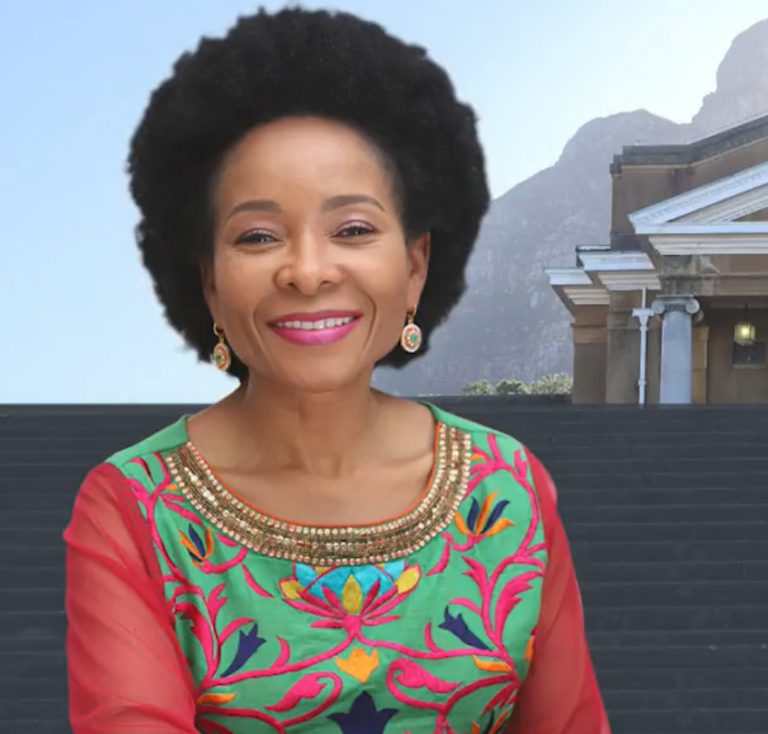
PROFESSOR MAMOKGETHI PHAKENG

The COVID-19 pandemic has brought into sharp focus our rapidly changing world. It has been coming for some time. Back in July 2016 after I joined the University of Cape Town as Deputy Vice-Chancellor: Research and Internationalisation, I spoke at the launch of the university’s annual research report. I argued that in the coming decade we would face a world of uncertainty as well as rapid and profound change.

Four years later, here we are with COVID-19. And more challenges lie ahead, with economic problems, climate change, poverty and inequality, as well as the ethics of machine learning as we settle into the fourth industrial revolution, to name just a few. These challenges will test our solidarity and commitment but together we can overcome each one of them.

When I became Vice-Chancellor in 2018, I argued that for us as UCT to cope with this uncertain future, we would need three things: an unrelenting commitment to excellence, an exceptional focus on transformation, and the courage to do things differently to keep UCT sustainable.

I argued on that occasion that we must forever bury the notion that the global is somehow not African. The problems of Africa are the problems of the world and the problems of the world are the problems of Africa.

Gone are the days when people thought infectious diseases are an “African” problem. COVID-19 has wreaked havoc everywhere.

So we are in this together not just as UCT but as a nation and as the global community.

Higher education around the world is facing the same set of uncertainties that we are facing at UCT. And we continue to engage with higher education institutions here in South Africa, on the continent and elsewhere in the world. And leading institutions in the world that we collaborate with are facing the same issues.

At UCT, along with other South African institutions, we are aware that a return to normality – or a semblance of it – could take time. If at all. Of course, what we think is normal will probably never return completely. So while there is a lot of talk about recovery, my view is that perhaps what would be needed for us to do is not so much recovery but maybe adaptation.

This is a challenge and an opportunity we share with our students… This is an opportunity for all of us to rethink and reimagine how we learn and teach, how we do research and how we apply what we learn – recognising that our students will be working with us to build a new post-COVID world. 

To complete the academic year at UCT we are thinking of all of our students, including those whose environment is not suitable for learning, those living in poverty and those living with different kinds of disabilities. We are working together to meet the challenge.

And it is not easy at all. It is thanks to the help of faculties and professional, administrative and support services staff, including many different departments, that we have been able to ease the situation for most of our students. Nearly 21 000 undergraduate and postgraduate students completed our Student Access Survey to determine the resources they have available for remote learning. We have used this information to see how we can provide help to students who may need it. We are learning a lot though this process of remote learning and teaching, and these lessons should help all of us in Term Three and into the future.

We are monitoring student participation on Vula [internal UCT online learning platform], to identify those who might need extra help and to work with faculties to assist those students.

We have bought laptops and arranged to deliver them on loan to needy students. We are looking at ways to assist students who do not have online access, by sending them printed materials and flash drives. Our aim is to ensure that as many students as possible can continue learning while they are off campus, using whatever materials we can make available to them. We have assembled several working groups and we are using the COVID-19 UCT emergency fund to support this project.

We are providing prepaid data to all students, and we have also established agreements with all four major cellphone operators – Vodacom, MTN, Cell C and Telkom – to provide access at no charge to UCT websites that are key for online learning.

This new way of teaching and learning is stressful for all of us, but especially for students, who may feel isolated from their lecturers and tutors and from the camaraderie of fellow students. They may not have home environments where they can study effectively.

Many students I speak to see UCT as an escape: a peaceful physical space where they can focus on their studies. It’s a space they don’t necessarily have at home. So we have also created a plan to assist vulnerable students once the campus can reopen, with blended learning, combining online learning with face to face learning and tutorials. We will only see the success of that when campus can reopen.

Colleagues in the Centre for Innovation in Learning Technology (CILT) in the Centre for Higher Education Development have made it possible to develop online teaching materials in a very short time. CILT is continuing its webinar series with tools to help teaching staff to measure student engagement and to assess their performance in each course.

Even before lockdown, students were interacting with lecturers and tutors online and accessing course materials. We have been building up a bank of recorded lectures since 2018. I hope we can learn to use online teaching as a way to free teaching staff to engage more meaningfully with students on a personal level, because their influence as role models remains as important as ever.

UCT researchers and postgraduate students remain as active as possible, working remotely. Our researchers have been actively engaged with the National Department of Health, with the National Institute for Communicable Diseases as well as the Presidency, to support the government in response to COVID-19. These efforts include developing vaccine candidates, epidemiology studies, clinical research and developing low-cost personal protective equipment.

Experts across the university have been advising the government at provincial and national level as well as volunteering. Their work includes reaching out to the townships and working in local hospitals and clinics.

Many of our staff members would like to know when they could come back to campus. We will not rush to bring colleagues back to campus unless the government directs us to do so, and unless we know that it is safe to do so. When we do return, it will probably be in phases and we will make sure that there are mechanisms in place to ensure that staff members are safe.

We now plan to teach remotely for the second and third terms. The academic year is likely to extend well into December and to continue into February 2021. UCT’s current planning includes the possibility of pushing the start of the next academic year to March 2021. This plan is subject to change, however, depending on the government’s response to COVID-19. Our primary focus is to ensure that every student can complete the academic year successfully.

In the meantime, the cost of the lockdown including financial aid and items such as data and laptops for students, are mounting. I have pledged 20% of my salary for the next three months to the UCT COVID-19 emergency fund. This is in addition to the 10% of my salary that I already contribute to a UCT scholarship fund to support women postgrad students.

In March, at the beginning of the lockdown, our Chancellor, Dr Precious Moloi-Motsepe, announced a donation of R5 million by the Motsepe Foundation. And many of colleagues have also pledged their salaries and made substantial donations to the UCT COVID or to some of our entities such as the Baxter Theatre and to the Students’ Health and Welfare Centres Organisation (SHAWCO). I invite all members of the UCT community to pledge to the fund. Any amount is welcome, no matter how big or small.

Through our hard work, a new and stronger UCT is emerging out of this crisis. As a community we are demonstrating excellence, resilience and innovation.

(Mamokgethi Phakeng is Professor of Mathematics Education and Vice Chancellor of the University of Cape Town.)


UNICEF: This Is How We Keep Children Learning, No Matter The Challenges

AMY PORRITT

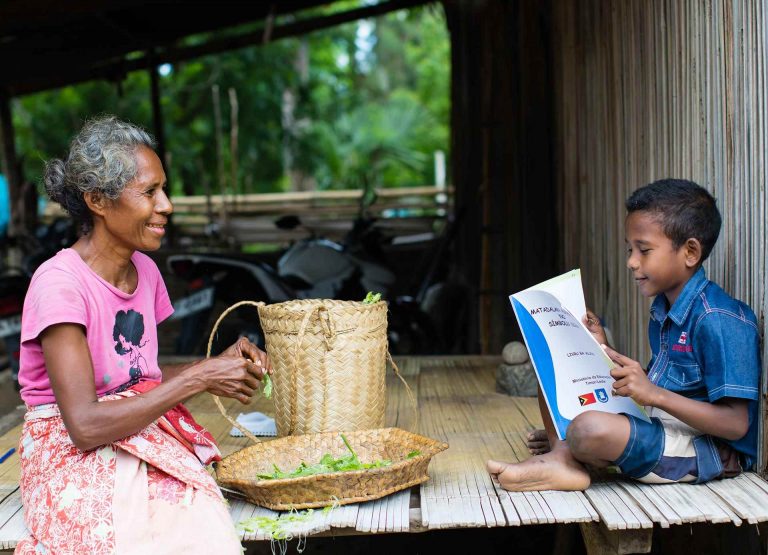
No internet, no TV, no books, pens or paper? No worries. When schools closed in Australia’s near neighbour Timor-Leste as a precaution against the coronavirus pandemic, the Timorese Ministry of Education called on UNICEF to help find a way to keep students learning. For a small country with a population of 1.2 million, setting up distance learning to support all children, especially those in remote areas, was not an easy task.

While almost all families in Timor-Leste have a mobile phone, less than half have a TV, and only a quarter of people have access to radio. Likewise, internet access is predominately only available for those in urban cities, like the capital Dili or second largest city Baucau.

At home, many families in remote areas may also lack basic learning supplies, as well as a reliable supply of electricity for light or charging electronic devices, if they have them. 

“A lot of families in countries like Timor-Leste, the Solomon Islands or Papua New Guinea do not have any books in their houses, let alone pens and paper and resources that students can use to support their learning,” explains UNICEF Australia International Programs Manager, Alice Hall. 

So how do you help Timor-Leste’s 400,000 students keep learning, when many can’t even regularly access the internet? 

Within two weeks of school closures, UNICEF and the Ministry of Education launched the distance learning program Eskola Ba Uma, which translates as ‘School Goes Home’ in the national language of Tetun. 

Eskola Ba Uma provides learning materials across TV, radio, online, mobile phones and print, aiming to ensure all children can access education resources, no matter their circumstances.

The online part of the program, the Learning Passport, was designed with Microsoft and provides children remote access to their national school curriculum with child-friendly textbooks, storybooks, songs and videos. It also includes interactive quizzes to keep children engaged and test their progress. 

“It was initially designed for a refugee context, where children could carry it with them as evidence of their education progress,” explains Alice. 

“The Learning Passport is great for children because it is really interactive and it tracks children’s progress, creating a record of how they are progressing through their learning, even if they’re not in classrooms.” 

“When schools reopen, they will need to assess how much learning children have missed and this will be a really useful tool for that.”

UNICEF also launched an app version of the platform to allow students to download books and resources in advance while they are in internet range, so they can continue to study once at home, even if their community does not have regular access to the internet.

Soon the platform will offer skills training for adolescents and UNICEF has also partnered with a local telecom company with the aim to give 600,000 mobile phone users free access to the learning materials, without having to use their mobile data, which can be unaffordable. Parents and carers can also sign up for SMS text messages with advice and tips on how to support their children’s learning at home. 

“It’s incredible how quickly UNICEF field teams in so many countries have mobilised and come up with really innovative solutions,” says Alice. “They have instantly changed everything that they’re doing in order to keep children engaged and keep them learning.” 

“In Timor-Leste, they developed the television series within weeks. In Papua New Guinea (PNG) they reached 380,000 children within a few weeks of schools closing with radio broadcasts of lessons. And, in the Pacifc they’re getting storybooks and messages out to children, and managed to rapidly adapt these for the Pacific context – which is so important.”

It is hoped the new ways of delivering education in Timor-Leste and other countries will outlive the COVID-19 emergency, paving the way for more accessible education systems for remote communities. 

For many children in Asia Pacific countries, their primary school may be five or six kilometres away, and the journey may also involve river crossings. “It’s the reason a lot of children start school late. They are simply too small to travel those distances by themselves.”

Many must also move away from their community in order to access high school, which becomes financially unachievable for some families. 

Quality of education is also an issue. 

“Many schools in the Asia Pacific region have always had very limited access to learning materials,” explains Alice. 

“A lot of teachers are also operating in really remote and isolated communities, with limited access to continuous training and support, so quality of education in remote areas has also been a challenge in many countries.”


Alice says she hopes the new initiatives will go on to provide more resources for teachers in remote schools, and mean children who are unable to attend schools due to distance will have other options to start and keep learning. 

“There’s been a really exciting leapfrog of learning approaches in a lot of countries. These new approaches will have a huge impact on remote schools and how they can provide education in the future.”

(Source: UNICEF NEWS)

School Teacher of the Week is Genevieve Classen, a Life Sciences Coach at Rustenburg Fields College, North West

CLASSROOM CORNER

Teacher of the Week: Genevieve Classen 

School: Rustenburg Fields College, North West

School teacher Genevieve Classen has always been a believer in the power of motivation and believes that “teaching is definitely my calling.”

Her passion for the subjects she teaches enables her to teach learners through dance, videos, models, technology and keep them focused using brain gym activities.

Whether it is on the sports field or in the classroom, she loves teaching real life skills and developing future leaders and world changers.

Teenage pregnancy, substance abuse and the fact that English is not spoken in the homes of many learners are just some of the challenges she faces. 

“I have an open-door policy and keep communication channels open in a way that I have one-on-one meetings with learners to discuss challenges, arrange counselling and support”. 

She also encourages subject related reading in class and provide interesting links for self-research.

She is a hardworking, dedicated teacher who uses out-of-the box strategies to engage her learners and spark an interest in Life Sciences.

She would like to specialize in mentoring educators and run her own school, but more importantly, never stop striving to make a difference in the community and the world around her.

Don’t Sacrifice 2020 ‘Schools Sports’ Games, Official Tells Kenyan Government

PHILIP ONYANGO

Kenya Secondary Schools Sports Association (KSSSA) has put all options on the table to ensure co-curricular activities are held, including the East Africa secondary school games planned for December.

At the same time, Uganda Secondary Schools Sports Association Secretary Christopher Mugisha has said the country will change its qualification system to ensure the federation uses the shortest time possible to conclude the games which were disrupted by coronavirus.

KSSSA has asked Ministry of Education to ensure all sports events in the 2020 calendar are fulfilled when normalcy returns.

KSSSA chairman Peter Orero said all sports events in the calendar should be fulfilled when schools re-open to ensure all categories of learners are catered for.

BIG INDUSTRY

“We should not remove some events from our education calendar when normalcy returns because all over the world, talent is the biggest industries. It must be well taken care of,” Orero said in a terse message to the Ministry of Education not to exclude co-curricular activities from the school calendar when normalcy resumes.

Orero said KSSSA has consulted other members of Federation of East Africa Secondary Schools Sports Association (FEASSSA) and they were all in agreement that all options must be considered to ensure co-curricular activities are held even if it means using the shortest time possible.

“Sports is a big industry and one of the biggest income generating industries in Kenya. We adjust our schedules and play however short the time available is,” Orero said.

Orero, who is also the principal of Dagorreti High School in Nairobi County, said that KSSSA was happy that the government was fighting to control the spread of coronavirus. He expressed hope that secondary school games shall continue from where they were stopped when schools reopen.

“Most of the people driving Kenya’s economy are not leading academicians but people who do things in other sectors and co-curricular activities is one of them. Kenyan athletes, among them Eliud Kipchoge, David Rudisha, Victor Wanyama and Paul Bitok, pass through co-curricular activities in our schools system, and this gives them a good foundation,” Orero, who is also the treasurer of Kenya Basketball Federation, said.

He asked all students to follow health directives from the Ministry of Health so as to keep safe and to contain the spread of coronavirus so that they can return to school all fit.

‘We must find new ways to bridge the digital divide’ – UP Vice-Chancellor on World Telecommunication and Information Society Day

TAWANA KUPE

The internet has changed our lives. Today, in light of the global COVID-19 pandemic, thousands of students have to study online, while workers whose jobs can be done remotely through the internet have taken to working from home. This “new normal”, as some are calling it, finds expression in the ways in which we are adapting our way of life to our current circumstances.

As we commemorate World Telecommunication and Information Society Day on 17 May, we remember that where we are now in terms of how we communicate is truly remarkable when you consider the day’s humble beginnings.

This day dates back to the signing of the First International Telegraph Convention on 17 May 1865, which marked the establishment of the International Telecommunication Union (ITU). Today, short text messages – updated and endless versions of the telegram – dominate our means of communication.

Communication is a basic human need, and the internet has connected and disconnected us with and from each other in many ways. Estonia was one of the first countries to describe access to the internet as a human right, in 2001.

Today, we can see the importance of access to the internet and how communication technologies are helping to plug all types of communities directly into the economy through e-commerce. But e-commerce in Africa is not anywhere near the scale of the western world’s e-economy. This is in part due to logistical problems, the geographic spacing of rural areas, and a lack of physical infrastructure like quality roads and transport systems to ensure efficiency. This growing digital divide is exacerbated by the inequality in our society, and needs to be addressed where the playing fields are levelled in terms of access.

The internet has in theory democratised many things, including information access, but there are structural and economic barriers in place which hamper access for some people. These barriers mirror the class, race and socio-economic hurdles we face as a society.

In Africa, we’ve been known to leapfrog technologies to bridge our digital divide. Mobile-first is an oft-repeated mantra because it is easier for people in Africa to be connected via their phones rather than via a laptop or desktop computer.

However, internet access remains a challenge across the continent.

In South Africa, data providers have been accused of exorbitant data bundle pricing when compared to other countries. This has proved to be a notable setback for many students at tertiary institutions, who either don’t have sufficient funds for data or do not have access to an internet-enabled device which would allow them to work from home and keep up with their class work.

The digital divide here again sees poorer students disadvantaged by a cost structure that makes bigger data bundles progressively cheaper by the gigabyte.

Poorer students who do not have larger amounts of disposable income can only buy smaller and more expensive bundles. This further disadvantages many poor, first-generation students who view formal tertiary education as a way out of poverty for their family and broader community.

However, in keeping with the social compact and social justice, more data providers have come to the table during the various crises generated by the COVID-19 pandemic. They have worked closely with universities to help make access more equitable by not charging data fees for the microsites where learning and research content will be placed.

This has helped considerably to lower the burden in terms of the financial impact of COVID-19 on teaching and learning, especially in lower-income households. At the University of Pretoria we’ve worked around the clock to get laptops to as many students as possible who needed them over the course of the past few weeks. Our hope is to ensure that the academic year can now proceed with minimal setbacks.

This day is meant to help raise awareness of the opportunities that the use of the internet and other information and communication technologies (ICT) can bring to societies and economies, as well as to bridge the digital divide. However, the events of the past few weeks have further highlighted the digital divide that still exists in our country. While great progress has been made and most people in South Africa have access to phones that have WhatsApp, there are still many who do not have smartphones or access to an internet connection. Much of the information they receive through WhatsApp might be hearsay or even fake news relating to COVID-19, a problem exacerbated by their lack of access to data for broader enquiry and to strengthen their ability to apply their own critical media literacies to be able to distinguish fake information from genuine information.

The COVID-19 pandemic has magnified the importance of ICT in national development. We are living through a very stressful and trying time; practising social distancing and obeying the rules of the lockdown makes us feel very much apart. But at the same time, access to the internet has helped us find new ways of connecting with each other for emotional support as well as the sharing of information and knowledge.

From the telegram to texts and Twitter posts, from newspapers to Netflix and YouTube, we’re now all connected, in various ways, for most of our day. While ICT is not where we would like it to be in our country, let us take a moment to reflect on how far we have come, and be encouraged to take an active role towards driving the global Connect 2030 Agenda in line with the United Nations’ Sustainable Development Goals. As a society we – and specifically our decision-makers – need to be proactive, future-oriented and put in place a communications policy and the necessary regulatory frameworks which prioritise affordable infrastructure for access and lowering the cost of data. We need to enable the release of spectrum necessary to expand e-commerce, encourage competition, and improve internet density. I urge businesses, industry players and academic institutions to continue to innovate and find solutions that will enable us to drive human progress and to bridge the digital divide in the future.

(Professor Tawana Kupe is Vice-Chancellor and Principal of the University of Pretoria. He is a professor of Media Studies and Literature. The article was originally published in the University of Pretoria news site)

Building Back Better: Accelerating Learning When Schools Reopen, And What Kenya’s Tusome Program Can Teach Us

TRACY WILLCHOWSKI, ADELLE PUSHPARATNAM AND ELAIN DING

As countries grapple with the impacts of the coronavirus (COVID-19) pandemic on learning loss, dropout rates, and inequity, they must simultaneously determine how to reopen schools safely. However, if countries move quickly to support continued learning, they can mitigate the damage and even turn recovery into acceleration. These policy responses provide an opportunity for education systems to not only recover, but not replicate the mistakes of the past. Countries now have an opportunity to build back better, and may consider the lessons from successful interventions, like Tusome, to build the basis for long-term improvements in ensuring students are equipped with the basic skills to succeed.

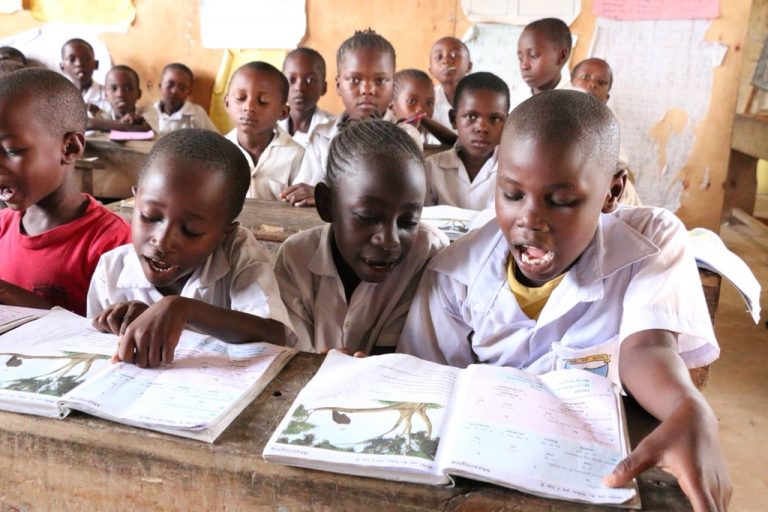
When it comes to education interventions, every policymaker is out to find the “holy grail:” a rigorously evaluated pilot, which improved student outcomes and is scalable. Kenya’s Tusome Early Grade Reading Activity embodies some of these qualities. A collaboration between Kenya’s Ministry of Education, and the United States Agency for International Development (USAID), and implemented by RTI International, the Tusome activity builds upon the interventions developed and piloted through the Primary Mathematics and Reading (PRIMR) initiative. Tusome includes “ingredients” that have been found to be most effective in improving student literacy outcomes, including: i) teacher professional development and reinforcement visits from coaches, ii) literacy textbooks given to students on a 1:1 student-to-textbook ratio, and iii) structured teacher guides that help teachers’ execute the lesson and are aligned to their students’ textbooks. These ingredients work together to create a culture of good practice and accountability – not only at a school level, but at a system level. Single ingredients, though, do not make the cake. Our team conducted a field visit to Tusome to learn more about the driving factors behind the success of the program. This success is predicated on the government’s willingness to enact reforms and innovate for change – here our top five lessons from the visit:

  1. Use pilot results to build political capital for reform. To garner buy-in from the Ministry and instill government ownership during the PRIMR pilot, the RTI team arranged site visits with members from all levels of the Ministry to observe the pilot program in action. These visits, compounded with the positive results from the pilot, helped create ‘champions’ within the Ministry, securing the political backing needed to adopt Tusome and implement it at scale.
  2. Create simple materials that are easy to implement. Teachers were given teachers’ guides with structured lesson plans aligned to the textbooks their students’ received, which helped improve their instruction and facilitate teacher buy-in from the start of the program. These guides follow a consistent instructional method (i.e. “I do, we do, you do”) and were designed to fit within a 30-minute lesson, making them straightforward and easy to follow. Lastly, the guides are lightweight and strongly bound, so that they can be used daily and transported frequently without falling apart.
  3. Give coaches the time and resources needed to support teachers. Government pedagogical support officers, known as Curriculum Support Officers (CSOs), were given the time and resources to visit schools regularly, observe teachers’ lessons, and provide constructive feedback on their instructional practice. Previously, CSOs were primarily responsible for administrative tasks. The Ministry reallocated CSOs to technical activities to carry out these tasks so that CSOs could focus on supporting teachers. CSOs were also given a tablet with coaching materials and were supported by RTI education officers and county-level technical leaders. The CSOs observed teachers in the classroom and provided real-time feedback to teachers once a month. They also encouraged peer-based support among teachers, which created communities of learning. The RTI education officers and county-level education officers observed CSOs in their coaching sessions for teachers to help them improve the quality of their coaching and to transform their role squarely to instructional support.
  4. Give every child a high-quality, age-appropriate textbook. The Tusome program invested heavily to develop a set of high-quality, age-appropriate textbooks – and put them in the hands of every child. A complementary and closely linked set of Teacher’s Guides were also developed (for example, each lesson of the Teacher’s Guide has embedded in it a picture of the corresponding page in the student textbook).As part of their observations, the CSOs also checked to ensure that each child had a textbook, in hand, during class. CSOs also had access to buffer stocks when and if individual schools did not have sufficient books. This impressive feat was made possible by reforms that streamlined the procurement and distribution process. These efforts resulted in a 75% reduction in book costs and more efficient printing and distribution, making it possible to ensure the books actually made it into the hands of every student.
  5. Use real-time data to monitor the quality of implementation and create a system of accountability – The CSO’s tablets not only contained coaching materials, they function as a means for CSOs to collect student assessment and teacher observational data. These tablets also enable policymakers to monitor whether coaches actually conduct their allocated visits. These data are automatically stored in a cloud-based platform that generates a monthly report, which policymakers use to monitor whether CSOs conduct classroom visits and provide travel reimbursements for those who do. This information affords policymakers the means to monitor variations in performance at the school and district level, which can then be used to improve teaching training and classroom teaching practices.

What’s Next for Tusome?

Since 2014, Tusome has provided English and Kiswahili textbooks to all students in grades 1-3, trained every lower primary school language teacher on reading pedagogies, and provided CSOs with the tools and skills to support teachers. Yet, there is no guarantee it will continue to boost such high learning outcomes without continuous funding from USAID and implementation support from RTI. The program is scheduled to be transitioned to full Ministry leadership this year.

Alongside Tusome was the Ministry-led Early Grade Mathematics (PRIEDE) project. PRIEDE also scaled up an intervention piloted by the PRIMR initiative, but differed from Tusome in that it focused on early grade mathematics. PRIEDE also differed from Tusome in that it was rolled out without the support of an external implementing partner. Despite these differences, PRIEDE operated at the same scale as Tusome, and provided in-service training and regular pedagogical supervision and support to 60,000 teachers across the country, reaching 1.3 million pupils through improved classroom instruction, and benefiting 6 million pupils through the provision of improved early grade mathematics textbooks. Preliminary results of PRIEDE point to a 5% improvement in student numeracy proficiency from end line survey results (81.9%) compared to the midline results (76.6%).

PRIEDE had many of the same ‘ingredients’ as Tusome. Like Tusome, the PRIMR pilot was key for garnering political buy-in for PRIEDE. The intervention also utilized CSOs as a medium to deliver feedback and provided teachers with guides and complementary student textbooks. However, PRIEDE has not boasted as robust of effects on student learning as Tusome. There are several reasons that help account for this difference. First, Tusome hired staff trained by RTI to train and support CSOs alongside of government supervisors, whereas PRIEDE utilized Ministry staff only. Second, CSOs were reimbursed for conducting literacy classroom observations by Tusome, whereas the CSOs did not receive their reimbursements as consistently through PRIEDE. The challenges PRIEDE faced point to the need for implementation fidelity and a well-functioning mechanism for course correction in order to ensure that essential ingredients can work cohesively together.

How is the World Bank Learning from These Programs?

Tusome, like Sobral, presents a strong case for how a country can tackle learning poverty. These cases exemplify the success that is possible when teachers are equipped with the tools and support needed to effectively teach for literacy, when schools and children have access to age- and skill-appropriate texts, and when there is political and technical commitment to measure and set goals for learning. Interventions that include these components have been shown to improve literacy outcomes, and are at the core of the World Bank’s recently launched learning target and complementary Literacy Policy Package.

To accelerate student learning and eradicate learning poverty, the World Bank is developing the Coach program as part of the Literacy Policy Package. Coach is a forthcoming in-service teacher professional development program that aims to move away from a traditional focus on inputs (e.g. number of teachers trained, number of credit hours awarded) and focus on how coaches and other school leaders can provide evidence-based support to teachers. For a quick introduction to Coach, watch our recent Innovations to Transform Teaching event.

The COVID-19 crisis is amplifying the pre-existing global learning crisis, but presents also a unique opportunity for countries to learn from programs like Tusome and PRIEDE as they design their crisis-recovery strategies. Likewise, our goal is to not reinvent the wheel but learn from existing programs to inform how Coach can best support teachers.

If you know of a coaching program that: i) has helped to improve the way teachers’ teach and deliver existing content, ii) could inform our work on Coach, and iii) is willing share their experiences and/or materials, please reach out to us at coach@worldbank.org. By building on one another’s work, we’ll reach our goal of improved in-service teacher professional development and be better positioned to provide global public goods that can best serve in-service teacher professional development systems in low- and middle-income countries around the world.

(Source: World Bank Blogs)

UK Parliament Eyes Return To Old Ways After Digital Flirtation

Since the coronavirus lockdown began, members of the 700-year-old lower House of Commons have been able to join debates via videolink, and this week voted online for the first time.

The changes seem to have broadly worked, although it has changed the normal cut and thrust of debate, and the overall atmosphere.

“There are times when the government and opposition all benefit from being able to read the mood of members about a particular topic,” said John Angeli, director of parliamentary audio and video.

“I think the thing that’s most… dramatically demonstrated over the last few weeks is the absence of the mood of the House over a rather important issue.”

A few MPs struggled with the virtual ballot. Finance Minister Rishi Sunak accidentally voted against his own government’s agriculture bill, yet it mostly went as planned.

Jacob Rees-Mogg, the minister who deals with the House of Commons, complained that the ability of MPs to hold government to account has been constrained by the new technology.

“Debates are inevitably stilted; they lack interventions,” he told the chamber this week.

“I cannot think of any previous occasion when I have spoken for so long without receiving any interventions. I begin to fear that I am boring the house, and I can think of no greater sin.”

With the government planning for schools in England to start reopening from June 1, he said that parliament should also be ready to return in purely physical form next month.

“How can we hide away while schoolchildren are going back?” he asked.

The Commons introduced “hybrid” proceedings on April 21, allowing up to 50 of the total of 650 MPs to sit in the chamber at any one time, and another 120 to dial in.

Commons Speaker Lindsay Hoyle said safety would remain the priority, and social distancing must be maintained in the chamber and across parliament until public health advice changes.

Matthew Hamlyn, strategic director of the chamber’s business team, said the new way of managing daily business with videolink had turned parliament into a “giant TV studio”.

“You maybe have 60 (MPs) all over the country. All of you need to be prepped and checked and then cued in,” he added.

There have been teething troubles, including problems with audio, or MPs who fail to make the list for questions. Lack of spontaneity has been a complaint, he said.

But he added: “They’ve still been appreciative. There’s a general view that it’s not as good as the real thing but it’s much better than not doing it.”

The idea of a physical return of all MPs to Westminster in a few weeks time is controversial.

Many MPs believe that Prime Minister Boris Johnson’s decision to start easing lockdown measures across England is premature.

The devolved government in Scotland has been particularly critical as Britain’s death toll, at more than 33,000 the highest in Europe, is still rising by hundreds each day.

Valerie Vaz, from the main opposition Labour party, said she was “alarmed” at the parliament plans and suggested they contradicted the government’s current advice to work from home if you can.

“We want to be here in parliament, but we want to make sure that everyone is safe,” she said.

Robert Halfon, an MP in Johnson’s Conservative party, urged the government to keep virtual measures in place for those, like him, who were disabled and must continue to self-isolate.

“It is not a parliament for survival of the fittest, it’s a parliament for everybody,” he told The House political magazine.

Others suggest that parliament should use the opportunity to bring in long-term reform, particularly online voting for those unable to attend due to illness or parental leave.

Tommy Sheppard, an MP with the Scottish National Party (SNP), questioned why anyone would want to queue up to have their vote manually counted by a clerk when the online system had been shown to work.

Advocates of the old way “think they are defending the right to vote, but in fact they are making a fetish out of a 19th century tradition rather than a democratic principle”, he said.

(Source: AFP)

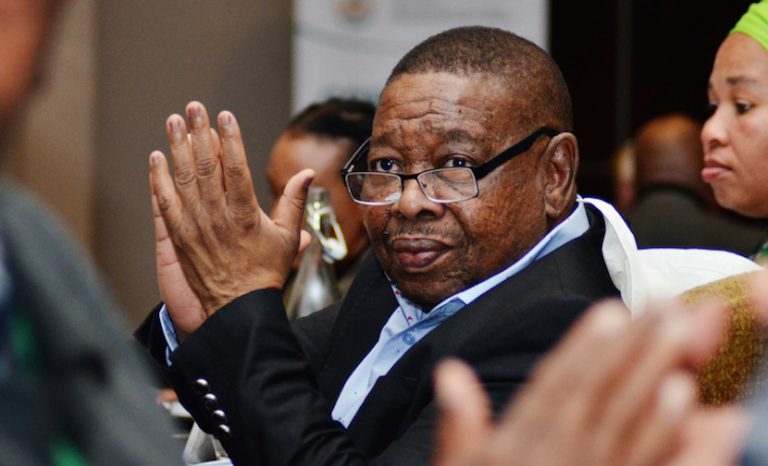
Blade Nzimande’s Plan To Rescue 2020 Academic Year For Tertiary Institutions

Nyakallo Tefu

Higher Education Minister Blade Nzimande has tabled the department’s risk-based plan to save the 2020 academic year at universities and TVET colleges.

Nzimande’s plan will see tertiary students resume classes via online learning as from June 1.

Nzimande updated Parliament’s portfolio committee on higher education on Thursday regarding preparations to rescue the tertiary academic year amid the COVID-19 pandemic.

“From 1 June 2020, all institutions to be offering forms of remote multimodal flexible teaching and learning which will be supported by approved resourced plans”, said Nzimande

The minister said the department was trying to assist all students to receive digital devices before end of the month.

 “I am writing a letter to the minister of finance for permission to call for expression of interest as early as the end of next week for those who will be able to help with devices”, said Nzimande.

Following weeks of silence, Nzimande said his plans are not only to save the academic year but the lives of staff and the students during the fight against the coronavirus pandemic.

He also pointed out that the National Student Financial Aid students will all receive digital devices to assist them with online learning.

“All students registered with NSFAS will have access to necessary devices if they have not received through their institutions,” said Nzimande.

He said the higher education department has communicated with universities and colleges and by next week they will have sufficient information on the number of students in need of a digital device.

The department said the return of students to their various institutions will depend on the level of the lockdown that the country is on.

“Level 3 and 2 further phasing in of groups of students (undergraduate and postgraduate) based on national criteria to ensure controlled return, social distancing and other protocols to support student and staff health and safety”, added the department.

The department has also tabled the possible end of the academic year by 2021, depending on when the students will return to their various institution.

The department said only at Level 1 will universities and TVET colleges see the return of all students with social distancing and health protocols still in place.

During the briefing, the department said in their scenario planning, they have set aside 27 weeks of contact-based learning, which is only expected at level 1 of the lockdown regulations. However, groups would be split to ensure social distancing regulations.

The department also tabled its challenges in implementing online teaching and learning in universities.

Four areas were stated as main concerns: devices, data and connectivity for staff and students; Implementation of alternative flexible teaching and learning modalities; the phased-in return of students and staff and campus readiness; financial sustainability into the future.

Final year clinical training students have been the exception when it comes to resuming contact-based teaching and learning.

The Department said nine Institutions with medical schools are preparing to phase-in final year students in medical programs (MBChB).

Programmes at the University of Witwatersrand, University of Pretoria and Sefako Makgatho Health Sciences University resumed on 11 May 2020, while the University of Cape Town, University of Limpopo, University of KwaZulu Natal and University of Free State will commence on May 18.

Flexible Learning During Covid-19: How To Ensure Quality Higher Education at a Distance

0

The Covid-19 outbreak closed universities and other tertiary education institutions in 175 countries and communities, affecting over 220 million post-secondary students.

While some institutions moved their classes to online and distance education platforms thanks to their pre-existing experience, many others struggled.

In some countries, this lack of preparedness resulted in delays in moving the courses online; in others, governments have halted higher education completely for an indefinite period of time.

In 2018, the UNESCO International Institute for Educational Planning (IIEP-UNESCO) launched a project to help guide countries identify policies and instruments that support flexible learning pathways (FLP) in higher education.

The research included a stocktaking exercise of good practices in the field, an international survey, and eight in-depth country case studies to analyse factors for an effective implementation of flexible learning pathways. Many lessons can be drawn for the current context, now that distance learning is a key mode of education delivery, rather than just an add-on to face-to-face learning. 

India offered distance education as a major alternative mode of delivery long before the arrival of Covid-19. The country has more than 15 open universities and 110 Dual Mode Universities, which provide education through distance modes.

For the period of Covid-19 outbreak, the government has also allowed top 100 India’s HEIs to provide fully online degrees. In addition, the government even integrated online learning in the New Education Policy currently under review.

One interesting practice India uses to deliver distance learning is with the Study Webs of Active Learning for Young Aspiring Minds (SWAYAM) platform which aims to provide access to Massive Open Online Courses (MOOCs) and other e-learning content developed by various education providers.

An important aspect of MOOCs hosted on the SWAYAM platform is their potential to receive recognition by higher education institutions. Under current provisions, a student entering a higher education study programme in a university can transfer up to 20 per cent of credits from relevant online courses completed on SWAYAM – something that one could imagine being a useful model for other countries to follow in current circumstances.

As we are seeing in many countries around the world, many students in rural areas are unable to access online content, and television or radio broadcasting is often more effective. The Indian government therefore created the SWAYAM Prabha programme, which disseminates the audio-visual content developed as part of the SWAYAM-hosted MOOCs through 32 educational TV channels. Within the current context, such platforms can be accessed immediately so that learning continues and is recognised when credits are issued at a later stage.

In Malaysia, the Wawasan Open University (WoU), a private university established by a consortium of Malaysian public universities, mainly delivers distance learning programmes to non-traditional learners, such as working Malaysians who have not proceeded to higher education after secondary education. In a context where most higher education institutions have been forced to close, the pandemic has not interrupted students’ learning thanks to the virtual learning platforms that existed before the crisis: We are, after all, an Open Distance Learning (ODL)  university!”, reported the Vice-Chancellor on the universities’ webpage.

In Finland, a similarly effective online system has been created. There, the national policy framework emphasises equality and quality education for all and universities and universities of applied sciences in the country offer Open Studies courses that are open to everyone regardless of education and age. The courses are offered by over twenty Finnish universities free of charge and can be recognised in students’ degrees.

Quality assurance of online learning is a challenge

Online distance learning is common in many countries.

Findings from our international survey suggest that a majority of UNESCO member states (78%) already had flexible modes of delivery of programmes prior to Covid-19, even if the quality and validation of such delivery modes (e.g., through credit transfer or credit recognition of online courses) is not a straightforward issue for many.

Evaluating students’ learning acquired through distance learning has been a challenge for quality assurance, however, regarded with scepticism by some quality assurance and accreditation bodies, although it is likely that under the present circumstances these will now disappear.

One good example to draw from on this point comes from the Netherlands where the Accreditation Organisation of the Netherlands and Flanders (NVAO) has published a memorandum on online and blended learning. This memorandum includes the formal recognition of MOOCs by higher education institutions. Another example comes from the USA, where the U.S. Department of Education (USDE) issued a guidance document intended to provide both institutions and accreditors with flexibility regarding accrediting visits and for distance education.

There is no doubt that there are many challenges to implement and assure quality of online education.

In addition to issues of access and Internet connectivity, not all programmes can be supported by online technology, such as lab-based research programmes, for example.

And governments need to be aware of the inequalities that online learning can create as students from lower socio-economic strata find it more difficult to access to IT infrastructure and internet packages.

There should be a coordinated approach between governments, quality assurance agencies and higher education institutions that addresses not only available resources but also a broader vision of what flexibility of learning can provide.

Offering more flexible higher education in terms of delivery and pacing will be unavoidable if the Covid-19 crisis is going to be around for a while, and defining flexible quality standards for it will be indispensable as well.

(Source: Report from Global Education Monitoring Report (GEM Report))