Home Blog Page 421

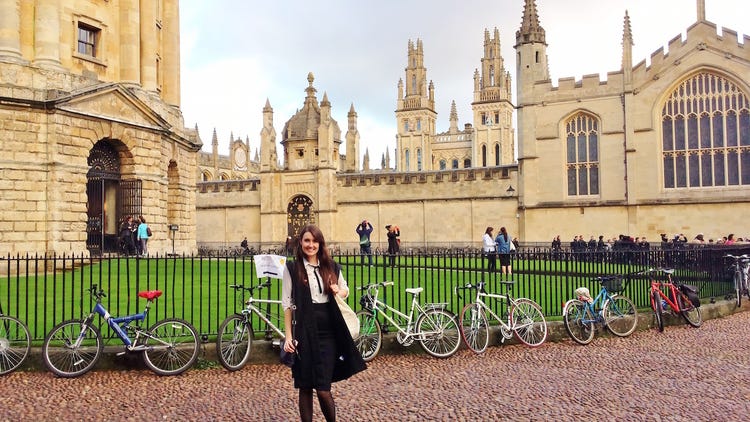
UK Universities Seek Government Bailout In COVID-19 Lockdown

0

The COVID-19 pandemic and an ensuing recession will lead to 111,000 fewer UK and 121,000 international first-year students attending the British universities this year, resulting in a 2.5-billion pound funding black hole, a report from a leading university staff union warned this week.

According to London Economics consultancy’s analysis for the University and College Union (UCU), the largest decline in income is the expected loss of 1.51 billion pound from students outside the European Union (EU), with Chinese and Indian students making up a majority of this international group of students who pay significantly higher tuition fees.

The report finds that universities hit hardest by the falls in fee and grant income are those that cater for significant numbers of international students, with their difficulties having severe knock-on effects for the rest of the sector.

It concludes that without government intervention, an estimated 30,000 university jobs are at risk, with a further 32,000 jobs under threat throughout the wider economy.

“This alarming report shows that university staff and students are now staring over the edge of a cliff and desperately need the government to step in and protect the sector,” said UCU general secretary Jo Grady.

“Our world-renowned universities are doing crucial work now as we hunt for a vaccine and will be vital engines for our recovery both nationally and in towns and cities across the UK. It is vital that the government underwrites funding lost from the fall in student numbers. These are unprecedented times and without urgent guarantees, our universities will be greatly damaged at just the time they are needed most,” she said.

According to the report, the coronavirus pandemic and an ensuing recession will lead to 111,000 fewer UK and 121,000 international first-year students attending the British universities this year, resulting in a 2.5-billion pounds funding black hole.

The total economic cost to the country from the reduced direct and indirect economic activity generated by universities due to the loss in income is estimated at more than 6 billion pounds.

According to London Economics, all universities would suffer substantial falls in income, with 91 institutions – almost three-quarters – left in a critical financial position where income only just covers expenditure.

“Many institutions have a very considerable exposure to international students, and the pandemic will result in a very substantial loss in enrolments and income. Government support of universities is crucial to protect students in the short term and institutional research and teaching capacity in the longer term,” said Dr Gavan Conlon, partner at London Economics.

Alistair Jarvis, chief executive of Universities UK representative group which had tabled a proposal for state support recently, said the government must take “urgent action” to financially support institutions.

“Some institutions will be particularly impacted by any combined reduction in international student numbers and increased deferrals,” said Jarvis.

The government’s approach so far has been to encourage universities to access the financial measures already put in place to tackle the fallout of the pandemic.

These include a furlough or forced leave scheme for staff who are paid 80 per cent of their wages by the government as well as continuity loan schemes, unveiled by UK Chancellor Rishi Sunak last month.

But the Opposition Labour Party has stressed that universities cannot be treated like any other business.

“UK universities must be valued as part of the frontline response to the coronavirus pandemic, supplying students to the NHS [National Health Service] and conducting world-class research into the virus.

“Labour is calling on the government to underwrite all Higher Education institutions to secure their future and their role in our economic recovery and acknowledge their contribution to the national effort to fight this pandemic,” said Rebecca Long-Bailey, Labour Shadow Education Secretary.

(This story is auto-generated from a syndicated feed in London)

Africa Must Have Research And Treatment Tailored To Its Reality

0

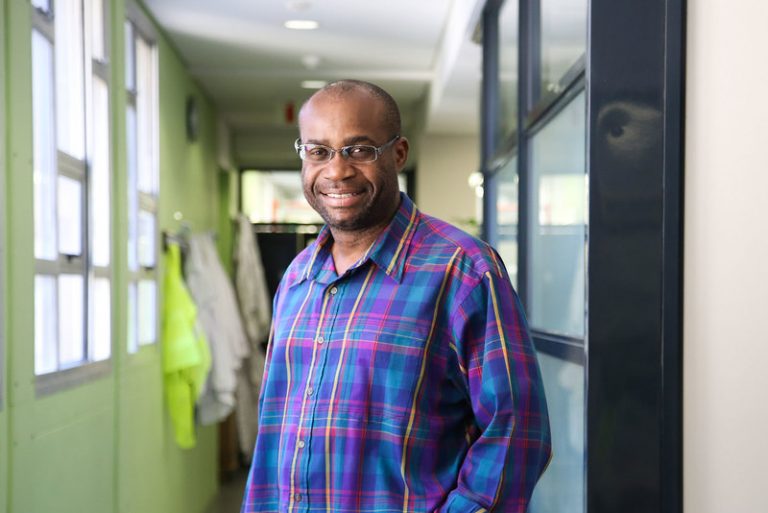
Kelly Chibale

I hate malaria with a passion. Growing up in the poor villages and townships of Zambia, I experienced its impact first-hand. As a boy, I was infected several times and once spent days in hospital. My family and friends struggled with the costs of treatment and inability to work while ill. All this inspired me to dedicate my life to tackling the disease.

Africa is often described as the “next frontier” in the global economy but malaria — both driven by and causing poverty — still chokes economic growth. Yet we have made advances to break that cycle in recent years.

The coronavirus outbreak has taken a heavy human toll and temporarily slowed malaria drug development by freezing new clinical trials and delaying existing ones. But as a reminder of how a pandemic can wreck lives and livelihoods, it reinforces the importance of infectious disease research.

Recent testing of two malaria drugs, chloroquine and hydroxychloroquine, for use against Covid-19, highlights the value of funding in the field. Co-infection ­— people with Covid-19 and one or more of malaria, tuberculosis and HIV/Aids — is bringing fresh focus on these conditions. It is catalysing new forms of research and co-operation between the public and private sectors, pioneered in neglected fields including malaria.

For example, the Bill & Melinda Gates Foundation has worked with 15 pharmaceutical companies and supported the Covid-19 Therapeutics Accelerator to speed up the search for treatments. Such efforts provide a blueprint for preparations against outbreaks of as yet unknown infectious agents and suggest new approaches to address unmet medical needs.

Africa is starting to play a more important role. Pharmaceutical research and development historically occurred mostly in richer countries with concentrations of infrastructure, technology and scientists and clinicians. While the difficulties are formidable in Africa, strong progress has been made recently, illustrated by the Holistic Drug Discovery and Development Centre (H3D) at the University of Cape Town.

The centre’s flagship molecule, an experimental anti-malaria medicine identified in partnership with the non-profit Medicines for Malaria Venture, has completed trials in South Africa and is being tested in patients in Ethiopia. It has potential to protect, treat, block transmission and be part of a single-dose cure that would be a significant advance. H3D helped lay the foundation for the growing contribution of African malaria researchers and scientists, working with other organisations to contribute to a pipeline of medicines. It has also created a platform to develop drugs for other diseases including TB.

Eliminating malaria requires that we halt transmission. One approach is to prevent an infected person passing on the parasite. Another is the use of “endectocides” such as ivermectin, the drug to treat river blindness, which make the blood toxic and kill both mosquito and malaria parasite.

The development of technologies is pointless without access to the affected communities. They need greater engagement with researchers, such as through the Isdell: Flowers Cross Border Malaria Initiative. This brings together governments, international partners and scientists with the Anglican church, non-governmental organisations, traditional leaders and community activists on the borders of Angola, Namibia, Zambia and Zimbabwe.

Such groups must work together to build consensus around a framework for infectious disease research. We also need to remove the financial, regulatory and legal barriers that often get in the way.

Applying northern hemisphere solutions to southern problems will not always work. There is a strong interplay between genetics, the socio-economic and physical environments in which patients live and effective treatment. It is vital for African countries to build drug discovery and development capacity close to patient populations to understand the continent’s needs.

We need to improve outcomes by using Africa-focused approaches to help the countries where the burden of malaria is greatest — designing trials and prioritising drugs and dosing that reflect the physiology of African patients.

Regulation remains a roadblock. For more Africans to be enrolled in clinical trials, we must harmonise rules across the continent, shorten timelines and raise approval rates for clinical trials.

We also need more partnership between regulators, industry and academia to support innovation, drug development and registration. National agencies must accelerate their vetting of innovative medicines, without the traditional lag of up to a decade after US and European approval. By building a stronger and more ­co-ordinated base for research in Africa, we can help the continent and the wider world.

Professor Kelly Chibale is founder and director of the Drug Discovery and Development Centre (H3D) at the University of Cape Town.

Lord’s Taverners: Turning The Tables With Table Cricket

0

Cape Town has been the host for many memorable sporting clashes between England and South Africa. Recent years alone have gifted us unforgettable drama – Ben Stokes’ recordbreaking 258 in 2016 and Graham Onions and Graeme Swann surviving the final overs to save the Test in 2010 spring to mind.

But in March Cape Town played host to a different type of sporting fixture, but one that is by no means less significant.

Atop the world-famous Table Mountain legends from English and South African cricket battled it out at a game of table cricket, an adapted form of the sport devised by the Lord’s Taverners which is designed to give young people with a disability the chance to play and compete in competitive sport.

England were represented by former Test captains David Gower and Mike Gatting with SuperSport commentator Jeremy Fredericks flying the flag for the home side.

“What the Lord’s Taverners have done in the UK is roll out these types of projects across the country for a long time now. And it’s amazing to see these kids really just enjoying themselves,” said Gower, who has been supporting the Taverners for nearly 40 years.

“It’s simple, it’s effective, and it gives them a sense of the team spirit that we have grown so accustomed to.”

Gatting, a Lord’s Taverners trustee, is hugely supportive of the charity’s efforts to spread the game and improve the lives of disabled young people.

“We’ve seen first-hand in the UK what table cricket can offer. It enables young people to understand tactics, work as a team and to build a social life. It helps to develop self-confidence, leadership and as we are seeing more and more around the world, there is a real need for the game to provide vital life skills and help disabled young people fulfil their potential,” Gatting explained.

Table cricket has had a huge impact on youngsters around the world. Headline image copyright: Mark Sampson

Bradlyn Stuurman is one of the table cricket coaches in South Africa. He plays a huge role in ensuring as many children as possible benefit from the game.

“Whenever I see the kids playing table cricket I have a smile on my face,” Stuurman beamed.

“They are no different to any other kids, all they want to do is play and have fun and this game is amazing because they can feel part of a team.

“A lot of them will see cricket on TV but never have played a cricket match, but now it’s an opportunity to say they’ve captained a team, or bowl someone out. I think the camaraderie with other schools has been another thing, they were nervous at first seeing new people, but they are being exposed to new opportunities and having the opportunity to play sport regularly.”

Delia Tew is a teacher at Vista Nova School, a public special school in Cape Town. “The problem is there aren’t a lot of sports that can apply to children with different abilities. We have one learner, he can’t access many things. In the classroom at school he was a little bit depressed, he wasn’t happy.

“But when we introduced him to table cricket, it was something he could do. I promise you it was like seeing a different child. It’s not something you often see, that kind of excitement… it’s amazing to see.”

The setting for this ground-breaking fixture is deeply appropriate, the shared name between the location and the sport being the obvious reason but also because of the Taverners’ close relationship with South Africa. The celebrity cricket XI of the UK-based disability sports charity was in Cape Town to play two cricket matches to help raise awareness for its sister organisation, Lord’s Taverners South Africa and to raise awareness of the work of the charity locally which includes table cricket.

Money raised at events throughout the tour has helped to raise funds to deliver table cricket in a further 20 schools across South Africa. They also support Sporting Chance, a Cape Town initiative that uses cricket to give structure, organisational and leadership opportunities to disadvantaged children.

Table cricket allows all children to enjoy and compete in sport

The Cricketer donated a huge bundle of cricket equipment to the cause and the Taverners gifted it to the children of the Masiphumelele township. Jonnie Irwin, presenter of Channel 4’s A Place In The Sun was there to present the kit along with Gatting and said: “You can see the difference that sport is making. You can see that the kids here are living in abject poverty but as soon as you get close to the sports fields, you are greeted with a cacophony of noise of them all having fun and competing hard.

“Everything they are going through is forgotten when they are on a sports field – it’s something that has really resonated with me.

“This programme is so important. When you see the delight these kids get from picking a new shiny cricket ball out of a bag to replace the old thing that looks more like a Rubik’s cube, it’s just so rewarding and, more importantly, such a simple thing we can all do.”

What is table cricket?

Table cricket is an adapted version of cricket, played on a table tennis table and specially designed to give young people with a disability the chance to play and compete in the sport we all love. There are different scoring zones around the table and, just like in regular cricket, fielders have to be carefully positioned to prevent runs or to get the batter out. Teams of six take turns to bat or bowl, with the bowler using a ramp to deliver the ball (either a regular ball that runs true or a weighted one that swings).

The batter scores by hitting the ball into the scoring zones, avoiding the fielders if they can. Alongside the enjoyment of playing the game and competing, table cricket has been shown to develop teamwork and social skills, and help with coordination and cognitive skills.

Over the past four years the number of schools playing table cricket in the UK has nearly trebled with 470 regularly playing it in 2019.

Sixty-four county competitions were held last year with 11 regional champions taking part in the national finals at Lord’s. In total 8,863 young people living with a disability benefitted from the sport.

(The Cricketer Magazine)

UCT Engineering Students Design Portable Hand Sanitizer Distiller

0

Nyakallo Tefu

University of Cape Town engineering students have designed a portable hand sanitizer to fight the spread of the coronavirus pandemic.

The hand sanitizer has been widely recommended all over the world, according to UCT’s faculty of engineering management.

The design came about when the Faculty of Engineering and the Built Environment’s Professor Amit Mishra challenged students to come up with ideas to help flatten the curve of COVID-19.

One of the designated teams, who called themselves The Corry Team, then concluded that with sales of alcohol prohibited they could design a device that will put surpluses to good use.

They then decided on a portable distillation vessel to make hand sanitizer and titled their design, “Corry”.

In a statement, the team explains that the team’s prototype, which mimics the design of a Grainfather (an all-in-one brewing system), shows how breweries and distilleries can become producers of affordable hand sanitizers at a time of supply shortages.

South Africa has the fifth highest alcohol consumption rate in the world.

Team leader Thabiso Letlala, a chemical engineering student, says the current alcohol ban has resulted in large wine and spirits companies having the capacity to repurpose their facilities for non-potable ethanol production.

Other members of the Corry Team are Lebohang Mhlambi, (BSc, mechanical engineering) and Nosipho Msimango (BSc, chemistry and human anatomy and physiology).

“We could use this [alcohol] to supplement the production of affordable hand sanitizers,” said Letlala.

Letlala says Corry is a portable distillation vessel that produces sanitiser with the input of liquor, hydrogen peroxide and glycerol.

“The ingredients of the sanitizer, and their quantities, are based on recommendations from the WHO. Hydrogen peroxide and glycerol are affordable and can be bought at any pharmacy or cosmetics store”, said Letlala.

Letlala said the idea is to get supplies into the country’s most vulnerable communities, many with no running water for hand washing. Communities that are densely populated are at greater risk as they struggle to practise social distancing.

“More than 55% of South Africa’s population lives below the national poverty line,” he said. “Flattening the curve could prove to be near impossible in many communities that are under-resourced and densely populated. Solutions are needed that will delay, if not prevent, the virus from reaching these communities.”

He said breweries could easily modify their production lines to manufacture sanitisers.

Letlala and his team’s device, called Corry, is a portable distillation vessel that produces sanitiser with the input of liquor, hydrogen peroxide and glycerol. The ingredients of the sanitiser, and their quantities, are based on recommendations from the WHO. Hydrogen peroxide and glycerol are affordable and can be bought at any pharmacy or cosmetics store, said Letlala

Letlala has also partnered with Enactus UCT, working with Takudzwa Shumbamhini, the society’s deputy president.

“We’ll be entering the Ford Innovation Challenge to obtain seed funding for the project. The project will serve as the society’s annual social entrepreneurship project,” Letlala said.

The Corry Team is looking for support or assistance with this project, either expertise or resources.

(Additional reporting from UCT news)

Parliament’s Proposed Plan To Rescue The 2020 Academic Year For SA Universities

0

Nyakallo Tefu

The portfolio committee on higher education has proposed that there should be no return to face-to-face campus activity until September when the peak of the coronavirus virus is over.

The parliamentary committee also proposed a return to learning and teaching through online and remote methodologies at all universities as from May 4.

This comes a few days after top universities in South Africa resumed classes using remote online learning and teaching.

On Tuesday, Parliament’s Portfolio Committee on Higher Education also held a virtual meeting to assess the impact of the lockdown on the higher education sector.

The Minister of Higher Education, Science and Technology, Dr Blade Nzimande also attended the meeting and presented government’s plans from the department, universities and Technical Vocational Education and Training (TVET) colleges on how to rescue the 2020 academic year.

Parliament’s proposals are contained in a PowerPoint presentation entitled, Plans For Academic Year 2020 And Response To COVID-19 Pandemic.

In the presentation, the parliamentary committee on higher education highlights that every institution has pledged to complete the financial year, even if it goes into the year 2021.

The committee also said that no student would be left behind, more especially those that can’t access online teaching and learning.

According to the proposed plan, before re-opening of universities, 360 degree screening and testing of students or staff returning to campuses should be conducted.

It further states that all campus quarantine facilities should be made available at each and every institution.

The plan also proposed a mental health support and other forms of support necessary for staff and students throughout the academic.

It said there will be no changes to NSFAS funding for qualifying students at this stage.

“Given the likely extension of the academic year, as mentioned, modelling is being done to determine the costs of the different scenarios,” according to the plan.

“According to the latest report received by the Minister from NSFAS, a total number of 5,516 student (first-time entering) appeals have been approved, and a further 1,404 student appeals were unsuccessful. A total number of 24,571 continuing students’ appeals have been received from institutions, of which 14,117 have been approved. NSFAS has established a virtual contact centre using web platforms and social media and has been able to successfully continue engaging with students.”

UCT Provides Free Pre-paid Data To Students For Online Learning

0

Nyakallo Tefu

University of Cape Town is now offering pre-paid data to all students at no cost, UCT vice-chancellor and principal Mamokgethi Phakeng announced on Wednesday

This comes after students, parents and political parties raised concerns about the high costs of data and access to internet connectivity in South Africa following the decision to resume online classes at UCT and other universities across South Africa on Monday.

Service providers Cell C, Telkom and Vodacom have now all agreed to zero-rate access to UCT online learning platforms.

“We know that online learning may not be available to every UCT student. UCT is setting up an additional system to distribute printed learning materials and USB drives for students who cannot access the internet in any form”, said Phakeng on Wednesday.

The university said students would now be able to access all online learning material provided by the university without digging deep into their pockets and at no cost.

Phakeng said the university has purchased a data bundle for each student with a valid South African cell number.

Each student will receive 30G to 40G, depending on their network provider, valid for 30 days.

These agreements were negotiated separately with each service provider and students have already started receiving data bundles as from Monday April 21, according to Phakeng.

“When it is safe to return to campus, students who were not able to study online, as well as other students who feel they have fallen behind in their studies, will be able to catch up through a programme of blended learning combined with face-to-face teaching.”

This is how the provision of data works at UCT:

CELL C: 30GB for a month after it is provisioned: 10GB is available during the day, 20GB as part of Cell C’s Nite Data offering from 00:00 to 05:00.

MTN: 30GB for a month after it is provisioned: 10GB is available during the day, 20GB as part of MTN’s Night Express offering from 00:01 to 04:59.

Telkom: 40GB for a month after it is provisioned: 20GB is available during the day, 20GB as part of Telkom’s Night Surfer offering from 00:00 to 07:00.

Vodacom: 30GB for a month after it is provisioned: 10GB is available during the day, 20GB as part of Vodacom’s Night Owl offering from 00:00 to 05:00.

Food Aid Parcels in South Africa Could Do With A Better Nutritional Balance

0

Hester Vermeulen, Hettie Carina Schonfeldt and Carmen Muller

Food insecurity is a reality for many South African households, with approximately 50% of households living under the poverty line and not being able to afford basic healthy eating. Low-income households typically spend about a third of total expenditure on food.

The spread of the global COVID-19 pandemic to South Africa is causing further pressure on vulnerable households facing temporary or permanent employment interruptions. In addition, the primary caretakers of these households now have more mouths to feed, including children that previously benefited from the National School Feeding Programme also relying on their primary care givers for food.

The COVID-19 outbreak in South Africa has forced government to develop interventions to ensure vulnerable households have access to safe and nutritious food during the current state of emergency. One being implemented on a provincial government level involves the distribution of food aid parcels to vulnerable households. The food parcels will see may households through one of the greatest pandemics of our time.

But are these food parcels nutritionally adequate?

Food parcels

Gauteng is home to just over a quarter of the South Africa population and is viewed as the economic hub of the country. In Gauteng the food parcel relief scheme is available to citizens who earn a combined household income of less than R3,600, as well as to recipients of South African social security agency pensioner, disability, child welfare and military veteran grants.

Each food aid parcel being distributed in Gauteng includes: starch-rich foods (10kg maize meal and 5kg rice), protein-source foods (1kg soya, two tins of baked beans, two tins of fish and 880g peanut butter), two litres of cooking oil, one packet of tea bags, 2.5kg sugar, 1kg salt and three non-food items (one bottle of dish-washing liquid, one bottle of all-purpose cleaner and two bars of laundry washing soap). In the Gauteng province approximately 7,000 food parcels are requested daily. By early April 8,000 families had received food parcels.

The president, Cyril Ramaphosa, has also announced that a further 250,000 parcels will be distributed across the country. The implementation of technology-based solutions to provide food assistance at scale through vouchers and cash transfers will also be incorporated to ensure that help reaches those who need it faster and more efficiently.

Our objective was to determine whether the nutritional value of this food parcel met the requirements of what is generally accepted as a nutritionally balanced diet. In this case a balanced diet was defined based on the nationally accepted nutritional guidelines: the South African food based dietary guidelines combined with the eating patterns suggested in the guidelines for healthy eating.

Benchmark values of selected nutrients were obtained from the World Health Organisation. In this case a reference family was assumed to consist of one adult female, one adult male (older than 16 years), an older child (aged 10 to 14 years) and a younger child (aged 3 to 9 years).

The Gauteng food aid parcel has a retail value to the recipient household of approximately R507 (based on current online retail prices) with a total weight of approximately 30kg.

From a food group perspective the Gauteng weekly food parcel relies heavily on starch-rich staple foods (maize meal and rice) and could potentially provide the reference family of four people with enough staple food servings for a two week period. The food parcel could furthermore provide the reference family with enough protein-source foods and oil for approximately 1.5 weeks and 2 weeks respectively. But the food parcel is lacking in dietary diversity in relation to items such as dairy, eggs, fruits and vegetables.

Macro-nutrients are the energy providing substances consumed in the form of carbohydrates, fats and proteins. Considering macro-nutrients, we found that the food parcels had more than adequate carbohydrate, protein and fat content compared with nutritional guidelines.

Dairy, eggs, fruits and vegetables supply the much needed recommended dietary amounts of zinciron and vitamin A which are critical micro-nutrients of concern in South African diets. These three micro-nutrients are essential for an optimally functional immune system and immune cell growth which is crucial in assisting the body in fighting diseases including optimistic infections such as COVID-19.

Iron has an important role to play in cellular processes assisting the body in fighting off pathogens by increasing the number of free radicals that can destroy them. Vitamin A provides cell structure to the respiratory tract and zinc maintains the integrity of the mucous membrane. Both are essential in fighting off respiratory infections. The food parcel provides a sufficient amount of zinc and iron but vitamin A isn’t up to the recommended level.

In addition, the lack of fresh produce causes a shocking 98% deficit in daily recommended allowance for vitamin C. Vitamin C protects cells from oxidative stress which reduces the occurrence of free radicals that can cause inflammation. Adequate vitamin C ensures that the immune system is able to fight off disease.

Our analysis also suggests that there could be a reduction in the salt and sugar content of the food parcels. The country has legislation aimed at reducing the intake of both.

What needs to be done

Based on our analysis we would recommend the following changes to the food aid parcels:

  • Staple foods: reduce the quantity of maize meal and consider the inclusion of preferably self-raising wheat flour (eliminating the need to include baking powder or yeast).
  • Animal source foods: include eggs and shelf stable milk.
  • Legumes: include dried beans or samp and beans.
  • Vegetables: include shelf stable tomatoes and vegetables.
  • Fruit: include oranges and apples, which are currently in season.
  • Flavouring: Reduce the quantity of sugar and salt and add tea.

Providing food to the most vulnerable during the pandemic will ensure relief where it is most needed. Striving to provide more nutritional food can ensure better health outcomes that will reach beyond the pandemic.

Source: The Conversation

University Bosses Clash With Students Over Online Learning Amid COVID-19 Lockdown

0

Charles Molele

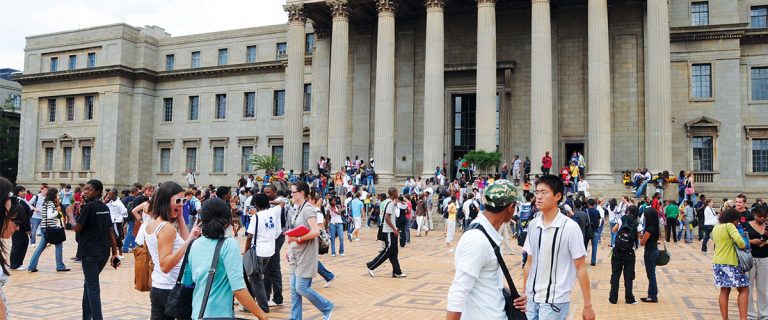
University students at three top South African universities are up in arms over a sudden decision to resume the 2020 academic year using remote online learning and teaching during the national lockdown period. 

Last week, the University of the Witwatersrand, University of Johannesburg and the University of Cape Town announced radical plans to restart the academic year this week using remote online learning and teaching methods as of their recovery plans in the wake of the coronavirus pandemic. 

This comes as the Portfolio Committee on Higher Education, Science and Technology meets on Tuesday to discuss the impact of the lockdown on the higher education sector.
 
The committee will also receive a briefing from the Minister of Higher Education, Science and Technology, Dr Blade Nzimande on plans of the department, universities and Technical Vocational Education and Training (TVET) Colleges to rescue the 2020 academic year.

On Monday, students said the Government continued to turn a blind eye to the inequalities which exist between historically white institutions and historically disadvantaged black institutions,

They also reacted angrily to resumption of classes, saying the move flies in the face of pervasive and deep social inequalities, including the lack of access to the internet, high costs of data and access to the fundamental resources necessary for online education.

University of Johannesburg’s Students Representative Council (SRC) said on Sunday that all online activities should be suspended during the duration of the lockdown until the end of April. 

“This action will present the management with the assistance of the interim SRC to distribute resources such as devise, data and other study material to needy students before the commencement of online learning,” said UJ SRC in a statement. 

“Many students are studying in homes that do not favour learning, presenting many challenges on the academic performance of students, which could result in failure and academic exclusion.”

The South African Students Congress has also voiced its opposition to the sudden implementation of e-learning and called for a single coordinated higher education system. 

 “The University of Witwatersrand, University of Pretoria and other historically privileged institutions have been given the green light to continue with their systematic exclusion of students from poor and working class backgrounds,” it said in a statement. 

“These institutions and government are fully aware that a large majority of their students are from remote areas which are poorly serviced by government and largely not demarcated to receive services such as courier services and network connectivity; these are the lived realities of communities which get poor service delivery from government.”

On Sunday, Deputy Minister of Higher Education, Science and Technology Buti Manamela described the decision of the three institutions to resume classes this week as ‘irresponsible’ and ‘inconsiderate’. 

“For Wits University and others to insist on resuming academic programmes online tomorrow even when some students will be left behind, and after agreement with all stakeholders to work towards a later date when we are all ready, is irresponsible and inconsiderate,” said Manamela. 

He added: “The principles are clear. No institution should be left behind. No student should be left behind. Students who have no study gadgets or internet connectivity should not be treated as though they are the cause of COVID-19. We [must] ensure that we take all students along.” 

In an interview with Inside Education, Wits vice-chancellor, Professor Adam Habib, dismissed opposition to the resumption of classes on the basis of socio-economic inequalities, saying social justice doesn’t require a reversion to the lowest common denominator. 

“It requires an awareness of inequalities and an active intervention to mitigate its consequences. This is what we have done,” said Habib. 

Habib said SACO, EFF Student Command, the Deputy Minister of Higher Education and other political formations opposed to the resumption of classes were spewing empty rhetoric and offered no tangible solutions to the problems faced by institutions of higher learning. 

“I wonder what they get out of it. I have heard protests by SASCO, the EFF Student Command and so on. We are trying to equalize the place. Why is it that the only thing the political parties can do is to stop learning. We are trying to fix things. Is it going to be perfect? Of course there will be mistakes. We learn from mistakes. We will fix it,” said Habib. 

Habib also wrote on Twitter that the Deputy Minister of Higher Education’s comments on the resumption of e-learning were irresponsible and did not accord with the facts and was based on political gossip and hearsay. 

“Be measured, deputy minister, and act in the interest of the nation and not just political factions. This factional behaviour is what has destroyed so many public institutions,” he said. 

Habib said the next two weeks will be used to acclimatize to the online learning process. 

He added that lectures will be recorded on Wits Learning Management System and can be accessed at the student’s convenience. 

He said academics are on standby to assist students as they come online. 

“We have created a mobile bank. We bought 5 000 computers. We are going to loan these computers to students. That’s the first thing. Secondly, we have cut a deal with MTN and Vodacom and they are giving 30 Gigs of data. They will charge the university and not the students. That means they have been given a leg up,” he told Inside Education.  

University of Johannesburg vice-chancellor, Tshilidzi Marwala, said management has a responsibility to ensure the completion of the academic year. 

“We have put in place measures to assist academics and students with both teaching and learning remotely. UJ has already established itself as an institution that has embraced technology. Even prior to the lockdown, Blackboard and alternative modes of teaching and learning had been successfully implemented,” said Marwala. 

“While we are fully cognisant of the fact that students face difficulties with access to technology and data, the university is in discussion with the telecoms industry. UJ is not unique and alone in this dilemma and every effort both from university level to national are engaged in resolving these matters.”

University of Fort Hare vice-chancellor Professor Sabelo Buhlungu’s office said although the university has expedited the provision of Online teaching and learning during this period, the capacity to implement that fully  has been limited due to a number of factors. 

The university spokesperson Tandi Mapukata told Inside Education that key among these was that a large proportion of Fort Hare students, compared to more advantaged universities, did not have laptops, connectivity and data.  

“Fort Hare is a rural university and the majority of our students come from disadvantaged households.  In addition, poor network signal in some of the villages impedes internet access,” said Mapukata.  

“These barriers to remote teaching and learning have been acknowledged by DHET and its regulatory bodies such as the Council on Higher Education.”

UCT spokesperson Elijah Moholola said the university has put in place several measures to support students during this period. 

 “The university conducted an urgent student access survey. The survey asks questions about the conditions where students are now living and how those conditions will affect their ability to study. These include access to wifi and the internet; access to a quiet place for dedicated study or research; the hours students expect to be able to study or do research, among others,” said Moholola. 

“Of the 90.4% who had completed the survey by 15 April, 89.5% has access to a laptop/desktop, while 1.3% had no device. UCT has arranged for door-to-door delivery of the laptops to eligible students.” 

 “A further 91.4% had internet access. The university is investigating how it can further support the 8.6% students without internet access, in addition to other measures already put in place, such as an agreement with Cell C and Telkom to zero-rate access to certain UCT websites. The university calls on the remaining two cellphone providers to support this call, which comes not just from UCT but from across the higher education sector. This kind of support is essential to continue teaching and learning online during UCT’s second term.” 

COVID-19: Wits Boss Hits Back At Higher Education Deputy Minister Over e-Learning Controversy

0

Charles Molele

Wits University vice-chancellor and principal Adam Habib has hit out at Higher Education Deputy Minister Buti Manamela for criticising his decision to resume classes using online learning and teaching, describing his comments as ‘irresponsible’ for person holding a senior position in government.

This comes after Manamela took to Twitter on Sunday to lambast Wits management and other top universities for opting to implement remote online learning and teaching during the coronavirus lockdown despite deep social inequalities and fractures in South Africa.

The decision by Wits University, University of Johannesburg and the University of Cape Town to implement remote online learning and teaching this has drawn the ire of students and various student political formations such as the EFF Student Command (EFFSC) and the South Africa Students Congress (SASCO).

They believe that the decision by Wits University to offer e-learning during lockdown will negatively affect those who come from lower-income areas, the majority of whom do not have access to a computer, the internet and live in poor and overcrowded conditions.

In a series of hard-hitting tweets on Sunday evening, Manamela said Wits University’s decision to proceed with e-learning lectures while thousands of students from poor backgrounds did not have access to internet connectivity was ‘irresponsible’ and ‘inconsiderate’.

“For Wits University and others to insist on resuming academic programmes ONLINE tomorrow even when some students will be left behind, and after agreement with all stakeholders to work towards a later date when we are all ready, is irresponsible and inconsiderate,” said Manamela.

“Yes, universities have autonomy, but this does not legitimize turning them into fiefdoms that disregard national consensus so as to serve the interest of a few. If answers can’t be given on how students who can’t study online will be covered, then why continue?”

“The principles are clear. No institution should be left behind. No student should be left behind. Students who have no study gadgets or internet connectivity should not be treated as though they are the cause of #COVID-19. We will ensure that we take all students along.”

Habib hit back at Manamela shortly afterwards, describing his comments as ‘irresponsible’ and not backed by facts.  

“It does not accord with the facts and is based on political gossip and hearsay,” said Habib, who wrote a lengthy response to Manamela about remote online learning and the need to proceed with the 2020 academic year.

“Be measured Deputy Minister, and act in the interest of the nation and not just political factions. This factional behaviour is what has destroyed so many public institutions. There are other universities also beginning online teaching on 20 April as agreed at USAF. There is no violation of a national agreement – we agreed to enable multiple pathways of learning and to ensure that all students are given a fair opportunity to complete the year,” said Habib.

“The interpretation of social justice underlying your tweet translates into a retreat to the lowest common denominator. This populist interpretation is anti-developmental, will weaken our institutions and entrench global inequality.”

“Our vision of social justice, which we believe accords with our Constitution, requires us to be conscious of the inequality in our midst and to intervene to address its consequences.”

Habib went on to ‘school’ Manamela about how the university arrived at the critical decision to implement remote online learning and teaching at Wits University.

“We were aware that some students didn’t have devices, so we established a facility to loan 5000 laptops to disadvantaged students. Many of these laptops have been dispatched & others will be delivered before the end of the week,” said Habib.

“Lectures will be recorded on our Learning Management System and can be accessed at the student’s convenience. Academics are on standby to assist students as they come online. The next 2 weeks will be used to acclimatise to the online learning process. No tests or assignments will be due until 4 May.”

The Portfolio Committee on Higher Education, Science and Technology is expected to meet on Tuesday to discuss the impact of the lockdown on the higher education sector.
 
The committee will also receive a briefing from the Minister of Higher Education, Science and Technology, Dr Blade Nzimande on plans of the department, universities and Technical Vocational Education and Training (TVET) Colleges to rescue the 2020 academic year.

Ramaphosa: Coronavirus Lockdown Has Gravely Exacerbated a Longstanding Problem of Food Security in SA

0

Cyril Ramaphosa

Many countries around the world have imposed coronavirus lockdowns with a view to saving the lives of their citizens.

We have done the same in our country, but our lockdown has revealed a very sad fault line in our society that reveals how grinding poverty, inequality and unemployment is tearing the fabric of our communities apart.
 
There can be no greater anguish than that of a parent whose children cry out to them for food, but they have none to give.
 
There can be no greater injustice than a society where some live in comfort and plenty, while others struggle at the margins to survive with little or nothing at all.


Yes, these are the residual effects of a fractured and unequal past. But they are also a symptom of a fundamental failing in our post-apartheid society.

The nationwide lockdown in response to the coronavirus has gravely exarcerbated a long-standing problem.
 
Over the past three weeks, we have been confronted with distressing images of desperate people clamouring for food parcels at distribution centres and of community protests against food shortages.
 
We have also had to contend with allegations both disturbing and disgusting.

A number of provinces have received reports that callous individuals, some of them allegedly government officials, are hoarding or selling food parcels earmarked for the needy and destitute, or diverting them to their friends and families.
 
If there is found to be substance to these allegations we will deal with the individuals concerned harshly.
 
With the declaration of a national state of disaster and the imposition of a nation-wide lockdown we entered uncharted waters.

South Africa has never had to deal with a public health emergency of this magnitude.
 
We had to act quickly to save lives. And we must acknowledge that in the days and weeks that have followed, the provision of support to our country’s most vulnerable citizens has been slower than required, and that lapses have occurred.
 
However, the payment of social grants has proceeded relatively smoothly, and after a number of technical challenges, the food distribution system is being streamlined.
 
Imposing a nationwide lockdown at very short notice presented several challenges. We have had to weigh up the proportionality of the national response and the extent of restrictions we would need to impose.
 
We ultimately chose to err on the side of caution. And as the presentation by the Ministry of Health last week indicated, enforcing a lockdown at the time we did has slowed down the rate of infection and, more importantly, bought us time to prepare for a probable surge in infections in the coming weeks and months.
 
We had to consider the impact on an already floundering economy in both the long and short term, and the impact of this substantial disruption on the livelihoods of millions of people.
 
We had to consider what weeks of confinement to the home would mean for the employed not paid regular salaries, for the unemployed and those seeking work, for those in casual or seasonal employment, for those in the informal sector, for the indigent and for the vulnerable.
 
Cabinet will finalise a set of measures to respond to the impact of the lockdown on the livelihoods of our people. This has been preceded by a range of engagements with a number of stakeholders including business, labour, religious organisations, civil society and the Presidential Economic Advisory Council.
 
The social partners have put forward a number of proposals on interventions that could address the immediate vulnerability of the poorest of the poor, most of whom rely on social assistance to survive.
 
We will scale up welfare provision during this period to help households living below the poverty line.
 
Even when the nation-wide lockdown is lifted, its effects will continue to be felt for some time to come.
 
Those fortunate to have a steady income will be able to return to their jobs; but for millions of others this will be a lost month where they would otherwise have found temporary work, done business in the informal sector or saved money earned to meet their family responsibilities.
 
Food support is a short-term emergency measure. It will need to be matched by sustainable solutions that help our most vulnerable citizens weather the difficult times that are still to come.
 
I wish to thank the many NGOs, religious groups and ordinary citizens who are donating money and volunteering to help feed the hungry and destitute.
 
Alleviating hunger is not an act of charity. It is an imperative for any society that is founded on respect for human rights.
 
We are at a point in our battle with the pandemic where complacency could prove disastrous. I call on each and every one to remain vigilant, to continue to abide by the regulations, and to keep safe and keep others safe.
 
As government we will this week be providing information on the direct interventions we are taking to shield our most vulnerable citizens from the grim prospect of starvation.
 
Among the many difficulties our people face at this time, wondering where their next meal will come from should not be one of them.